Analysis vs. Simulation: Key Differences in Engineering Design
Discover the key differences between Analysis and Simulation in Computer-Aided Engineering (CAE). Learn how Analysis predicts performance using numerical data while Simulation visualizes real-world behavior dynamically, helping engineers optimize designs efficiently.
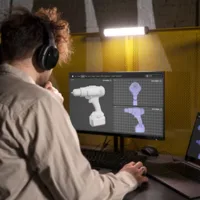
Did you know that in Computer-Aided Engineering (CAE), Analysis and Simulation are two essential processes? But what exactly are they, and how do they differ? Let's break it down.
Imagine you're designing a brand-new, fuel-efficient car. Exciting, right? But before it hits the road, critical questions arise: How will it handle rough terrain? Is the design aerodynamic enough? Are the components strong enough? This is where Analysis and Simulation step in.
What is Analysis?
Analysis uses mathematical methods and algorithms to evaluate the properties of a design. It's all about understanding the theoretical behavior of a system.
For instance, in Finite Element Analysis (FEA), engineers break down complex structures into smaller parts or elements to study stresses and strains. This process provides precise, numerical data, helping predict how a product will perform under different conditions.
Analysis helps in identifying potential weaknesses or failure points in a design. It ensures that the design will meet safety and performance standards before any physical prototype is built, saving both time and resources. By using sophisticated algorithms, engineers can simulate various conditions and load cases, providing a comprehensive understanding of how the product will behave in the real world.
What about Simulation?
Simulation, on the other hand, creates a virtual model to replicate real-world behavior. It’s dynamic and interactive.
Think of simulating a car crash. The software models the physical interactions and visualizes the impact in real-time. Simulations offer visual, interactive feedback, making it easier to grasp complex behaviors and scenarios.
Simulations also allow for testing different scenarios without the risk and cost associated with physical testing. For example, aerospace engineers can simulate flight conditions to test aerodynamics and control systems. This enables them to refine and optimize the design before any real-world testing occurs. Simulations provide an intuitive way to visualize and understand the performance and behavior of a design.
Why Both Are Crucial?
While Analysis gives us detailed numerical insights, Simulation offers an intuitive, visual understanding. If you ask which is more important, the answer is both! Analysis validates theoretical aspects, and Simulation helps visualize and communicate those findings effectively.
Together, Analysis and Simulation empower engineers to design, test, and optimize products with greater efficiency and accuracy. By integrating both processes, engineers can ensure that the final product meets all design requirements and performs as expected in real-world conditions.
Skill-Lync offers a wide range of industry-relevant upskilling programs to get you career-ready. Click here to sign up for a FREE course demo right away, and let's launch your career together!


