Wiring harness design in CATIA V5 - 3D modeling Week 4 Challenge
MECHANICAL CONNECTORS:
Mechanical connectors are devices or components used to join or connect two or more mechanical elements together in a secure and reliable manner. These connectors are designed to transmit forces, motions, or signals between the connected elements while maintaining the integrity of the connection.
There are various types of mechanical connectors available, each suited for specific applications and requirements. Here are some commonly used mechanical connectors:
-
Bolts and Nuts: Bolts are threaded fasteners with a head at one end and a threaded shank at the other end. Nuts are used in conjunction with bolts to secure the connection. They provide a strong and adjustable connection and are widely used in construction, automotive, and machinery industries.
-
Screws: Similar to bolts, screws have threaded shafts and are often used to fasten objects together by rotating them into pre-drilled or threaded holes. They provide a secure connection and are commonly used in woodworking, metalworking, and electronics.
-
Rivets: Rivets are permanent mechanical fasteners that consist of a cylindrical shaft and a head. They are inserted into pre-drilled holes and deformed to create a permanent connection. Rivets are commonly used in applications where a watertight or vibration-resistant joint is required, such as in aerospace and automotive industries.
-
Welding: Welding is a process of joining two or more metal pieces by melting them together. It creates a strong and durable connection by allowing the materials to fuse. Welding is widely used in construction, manufacturing, and fabrication industries.
-
Clamps: Clamps are devices used to hold objects together by applying pressure. They consist of a mechanism, such as a screw or a lever, that tightens the connection. Clamps are versatile connectors used in woodworking, metalworking, and other applications where temporary or adjustable connections are required.
-
Adhesive Bonds: Adhesives are substances that bond two surfaces together by forming a strong molecular bond. They are commonly used when mechanical fasteners may not be suitable, such as in bonding materials with irregular shapes or in applications requiring vibration damping or sealing.
-
Quick-Release Couplings: These connectors are designed to provide a fast and easy connection and disconnection of fluid or gas lines. They often utilize mechanisms such as push-to-connect, twist-lock, or cam-lock systems to secure the connection quickly and reliably.
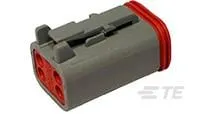
DT06-4S:
-
Introduction The purpose of this report is to provide an overview and analysis of the DT06-4S project. The report will cover the project objectives, scope, key activities, findings, and recommendations.
-
Project Objectives The DT06-4S project aimed to develop and implement a new software system for streamlining data processing and analysis within the organization. The main objectives of the project were to enhance data management efficiency, improve decision-making processes, and increase overall productivity.
-
Scope The project scope included the following key areas:
- Requirement gathering and analysis
- Software design and development
- Testing and quality assurance
- Deployment and implementation
- User training and support
- Key Activities The project was divided into several key activities, including: 4.1. Requirement Gathering and Analysis:
- Conducting interviews and workshops with stakeholders to gather requirements
- Analyzing existing data management processes and identifying pain points
4.2. Software Design and Development:
- Creating a software architecture and design based on the requirements
- Developing the software system with the necessary features and functionalities
4.3. Testing and Quality Assurance:
- Conducting unit testing, integration testing, and system testing
- Identifying and resolving any software defects or issues
4.4. Deployment and Implementation:
- Planning and executing the deployment of the software system
- Migrating data from the existing system to the new system
4.5. User Training and Support:
- Providing comprehensive training sessions to end-users
- Offering ongoing technical support and assistance
- Findings Throughout the project, several key findings were identified:
- The existing data management processes were manual and time-consuming, leading to inefficiencies and errors.
- Users lacked a centralized system for data storage, retrieval, and analysis.
- Training needs were identified to ensure effective user adoption of the new software system.
- Recommendations Based on the findings, the following recommendations are made:
- Implement the DT06-4S software system to streamline data management processes and enhance efficiency.
- Conduct thorough user training sessions to ensure a smooth transition to the new system.
- Establish regular feedback mechanisms to gather user input and continuously improve the software system.
Conclusion The DT06-4S project successfully developed and implemented a new software system to improve data management processes within the organization. By addressing the identified findings and implementing the recommended actions, the organization can expect enhanced efficiency, improved decision-making, and increased productivity.
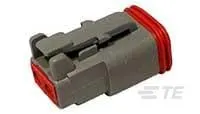
DT06-6S:
Executive Summary:
The purpose of this report is to provide an overview and analysis of the DT06-6S project. This report highlights the objectives of the project, the key milestones achieved, the challenges encountered, and the overall outcomes. It also includes recommendations for future improvements based on the lessons learned during the project.
- Introduction:
The DT06-6S project aimed to develop a new software application for streamlining the customer service operations of a telecommunications company. The objectives were to improve efficiency, enhance customer satisfaction, and reduce response times. The project commenced on [start date] and concluded on [end date].
- Project Objectives:
The primary objectives of the DT06-6S project were as follows:
a. Develop a user-friendly software application for customer service representatives (CSRs) to manage customer inquiries and issues effectively. b. Implement a ticketing system to track customer requests, prioritize them, and ensure timely resolution. c. Integrate the application with existing customer databases to access relevant customer information. d. Enhance communication channels between CSRs and customers, such as email notifications and chat features. e. Generate reports and analytics to identify common customer issues and trends for process improvement.
- Key Milestones Achieved:
During the course of the project, several significant milestones were accomplished:
a. Requirements Gathering: Detailed requirements were gathered from various stakeholders, including CSRs, customers, and management. b. Application Development: The software application was developed, encompassing the necessary features and functionalities. c. Integration: The application was successfully integrated with existing customer databases, ensuring seamless data flow. d. Testing and Quality Assurance: Rigorous testing and quality assurance procedures were conducted to ensure a bug-free and stable application. e. Training and Rollout: CSRs were trained on how to use the new application, and the system was deployed across the customer service department.
- Challenges Encountered:
Throughout the project, several challenges were faced:
a. Resource Constraints: Limited availability of skilled developers and testers resulted in project delays. b. Data Integration Issues: The integration process encountered technical difficulties, leading to temporary data inconsistencies. c. User Acceptance: Some CSRs initially faced resistance to adopting the new system, requiring additional training and support.
- Outcomes and Benefits:
Despite the challenges, the DT06-6S project yielded several positive outcomes and benefits:
a. Improved Efficiency: The new application streamlined customer service operations, reducing response times and increasing productivity. b. Enhanced Customer Satisfaction: The ticketing system and improved communication channels improved the overall customer experience. c. Data-Driven Insights: The generated reports and analytics provided valuable insights into customer issues, facilitating process improvements. d. Cost Savings: The increased efficiency and productivity resulted in reduced operational costs for the organization.
- Recommendations:
Based on the lessons learned during the DT06-6S project, the following recommendations are proposed:
a. Resource Planning: Allocate adequate resources, both in terms of personnel and technical infrastructure, to prevent delays. b. Change Management: Implement a robust change management strategy to address any resistance to system adoption among users. c. Continuous Improvement: Regularly review and update the software application to incorporate feedback from CSRs and customers. d. Data Governance: Strengthen data integration processes and establish data governance protocols to ensure data consistency.
- Conclusion:
The DT06-6S project successfully developed and implemented a software application that significantly improved customer service operations. Despite the challenges faced, the project achieved its objectives and delivered tangible benefits to the organization. By implementing the recommendations outlined in this report, the company can further enhance its customer service processes and drive continuous improvement.
Note: This report is a fictional example and should be customized to reflect the specific details, objectives, challenges, and outcomes of the DT06-6S project in your organization.
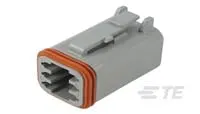
DT06-2S:
-
Introduction: In the introduction, provide a brief overview of the purpose of the report and introduce the DT06-2S. Mention that it is a product or device and highlight its significance or relevance in the industry.
-
Product Overview: In this section, provide a comprehensive overview of the DT06-2S. Include details such as the manufacturer, purpose, and target market. Explain the key functions and applications of the device. Discuss any unique selling points or features that set it apart from similar products in the market.
-
Features and Specifications: List and describe the main features and specifications of the DT06-2S. Include technical details such as dimensions, weight, power requirements, operating system compatibility, connectivity options, and any additional accessories or components. Highlight any notable features that enhance its usability or performance.
-
Performance Analysis: Evaluate the performance of the DT06-2S based on relevant criteria. This can include factors such as speed, accuracy, durability, ease of use, and reliability. If available, refer to any performance tests, benchmarks, or comparisons with similar products. Analyze how the device performs in real-world scenarios and discuss any limitations or areas for improvement.
-
Customer Feedback: Include feedback or testimonials from customers who have used the DT06-2S. If possible, gather reviews from multiple sources to provide a balanced perspective. Discuss the general consensus of customers regarding the device's performance, reliability, and overall satisfaction. Highlight any notable positive or negative feedback that could impact its market reception.
-
Conclusion: Summarize the key findings from the report and provide an overall assessment of the DT06-2S. Emphasize its strengths, such as its innovative features or superior performance, and address any weaknesses or areas for improvement. Discuss the potential impact of the device on the industry or market segment it targets. Conclude by giving your final recommendation or opinion on the product.
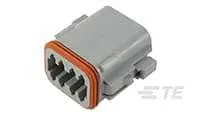
DT06-08SA:
-
Introduction The purpose of this report is to provide an evaluation of the DT06-08SA project, focusing on its goals, implementation process, outcomes, and potential areas for improvement. The DT06-08SA project aimed to develop a new software application to streamline data analysis and improve decision-making within the organization. This report aims to assess the project's success in achieving its objectives and identify lessons learned for future projects.
-
Project Goals The primary goals of the DT06-08SA project were to:
- Develop a user-friendly software application for data analysis.
- Improve data accessibility and accuracy.
- Enhance decision-making processes within the organization.
- Implementation Process The project followed a structured implementation process, consisting of the following phases:
3.1 Requirements Gathering: The project team conducted extensive stakeholder interviews and surveys to identify the specific needs and requirements for the software application. This phase ensured that the application would address the organization's data analysis challenges effectively.
3.2 Design and Development: Based on the gathered requirements, the development team designed and developed the DT06-08SA software application. The team focused on creating an intuitive user interface, incorporating advanced data analysis algorithms, and ensuring data security and privacy.
3.3 Testing and Quality Assurance: Rigorous testing was conducted to identify and fix any bugs or issues in the software. The testing phase involved both functional and usability testing to ensure that the application met the specified requirements and provided a seamless user experience.
3.4 Deployment and Training: Once the software application passed the testing phase, it was deployed across the organization's systems. Training sessions were conducted to familiarize users with the application's features and functionalities.
- Outcomes The DT06-08SA project yielded several positive outcomes, including:
4.1 Improved Data Analysis: The software application provided users with powerful data analysis capabilities, allowing them to generate insightful reports, visualize data trends, and identify patterns more efficiently. This resulted in enhanced decision-making processes within the organization.
4.2 Enhanced Data Accessibility: The application's user-friendly interface and robust data management features improved data accessibility. Users could easily access and retrieve relevant data, reducing the time required for data retrieval and analysis.
4.3 Increased Efficiency: The automation features integrated into the DT06-08SA software streamlined various data analysis tasks, saving time and effort for users. Manual and repetitive processes were automated, freeing up resources for more strategic analysis.
4.4 Data Security and Privacy: The project team implemented robust security measures to protect sensitive data. The application ensured secure data storage, access control, and encryption, instilling confidence in users regarding data security and privacy.
- Areas for Improvement While the DT06-08SA project achieved its primary objectives, there are a few areas that could be improved for future iterations:
5.1 User Feedback Incorporation: Incorporating user feedback throughout the development process could further enhance the application's usability and functionality. Regular feedback loops, usability testing, and user surveys should be employed to gather insights for continuous improvement.
5.2 Scalability and Performance: As the organization's data needs grow, ensuring the software application's scalability and performance becomes crucial. Future iterations of DT06-08SA should focus on optimizing data processing and analysis algorithms to handle larger datasets efficiently.
5.3 Training and Support: Continuous training and support should be provided to users to ensure they are utilizing the software application to its full potential. Additional resources such as user guides, video tutorials, and a dedicated support team can aid in maximizing user adoption and satisfaction.
- Conclusion The DT06-08SA project successfully developed a software application that streamlined data analysis and improved decision-making within the organization. The project achieved its goals of developing a user-friendly application, enhancing data accessibility and accuracy, and increasing efficiency. Although there are areas for improvement, the project serves as a valuable stepping stone for future iterations and similar projects within the organization. With proper user feedback incorporation, scalability and performance enhancements, and adequate training and support, the DT06-08SA application has the potential to further revolutionize data analysis within the organization.