Week 9 - Project 1 - Door Trim Lower with Engineering Features
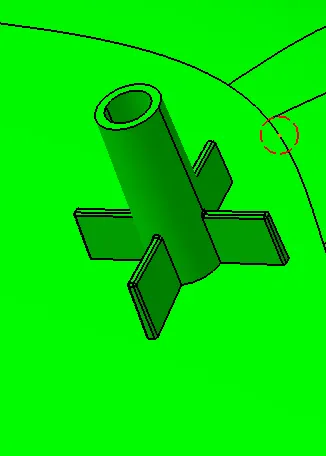
HEAT STAKES:
- Heat staking also known as thermoplastic staking is the process of joining two dissimilar materials together.
- In heat staking we use local heating and cooling to raise the temperature of plastic components and allow plastic reforming to be carried out.
- This reforming can be used in a wide variety of applications.
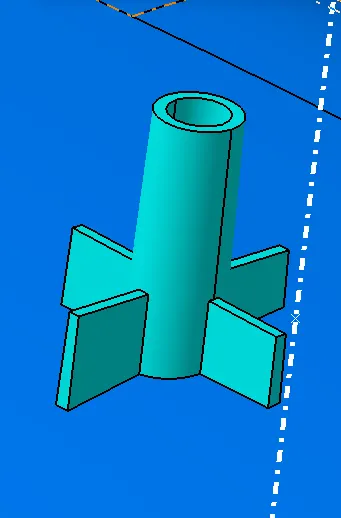
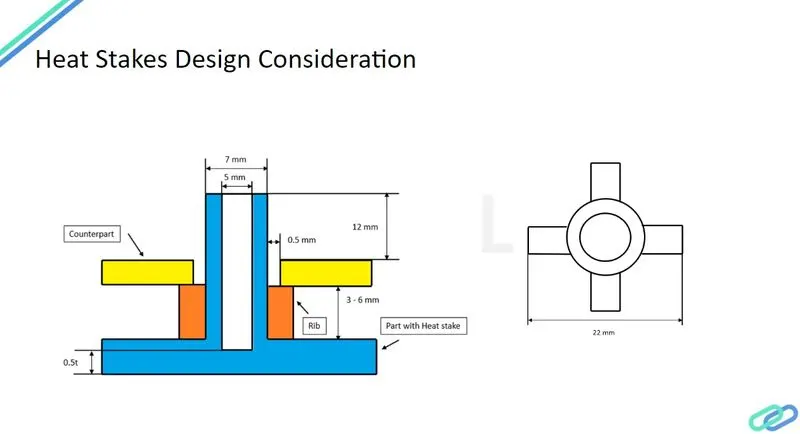
Heat staking Benefits:
- Similar and dissimilar materials may be joined: metal to metal, plastic to plastic, metal to plastic
- Accurate control operating within a small process window
- Local heating resulting in no damage to surrounding materials
- Processing of glass-filled materials
- No mechanical vibration
- Many heat-stake shapes possible through custom designed tools
2-WAY LOCATORS:
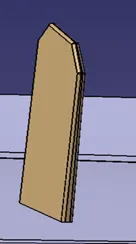
A 2-way locating pin restricts motion along 1 axis (or 2 degrees of Freedom), like a round pin in a slot. Likewise, a 4-way pin restricts 4 degrees of freedom along 2 axes. A round locating pin located concentrically in a hole is a common application of a 4-way pin, and helps to further secure the piece.
4-WAY LOCATORS:
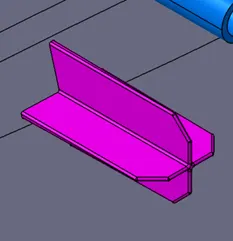
4-way mean you prevent movement at 2 axes (+X, -X, +Y and -Y) on the plane. Generally, you have cylindrical pin on the fixture and circular hole at workpiece part.
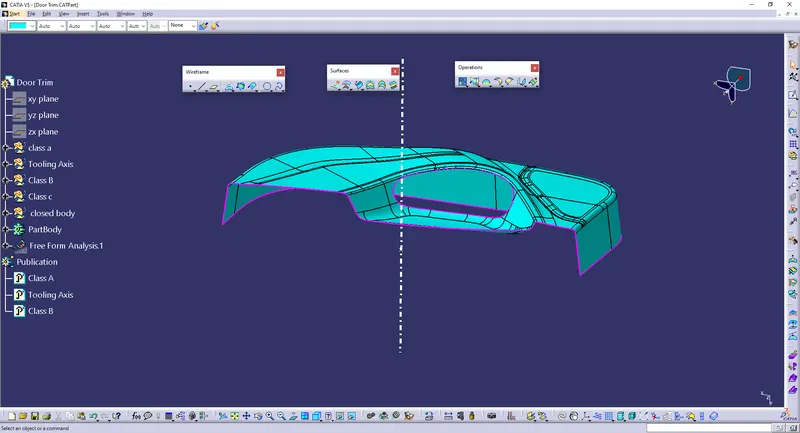
Tooling Axis :
- The direction in which the mold called the tooling axisor core and cavity opens is Tooling axis
- Considering the ejection from the cavity of the mold after manufactering the interior trim must have the nominal 3 degree draft angle. Hence the tooling axis is crested by considering this factor
- The white clour line is the tooling axis of this surface
Class A Surafce :
- Class surface are the one which will be visible to the customer
- It's the exterior of the parts
- It has a optimal asthetic shape and high surface quality
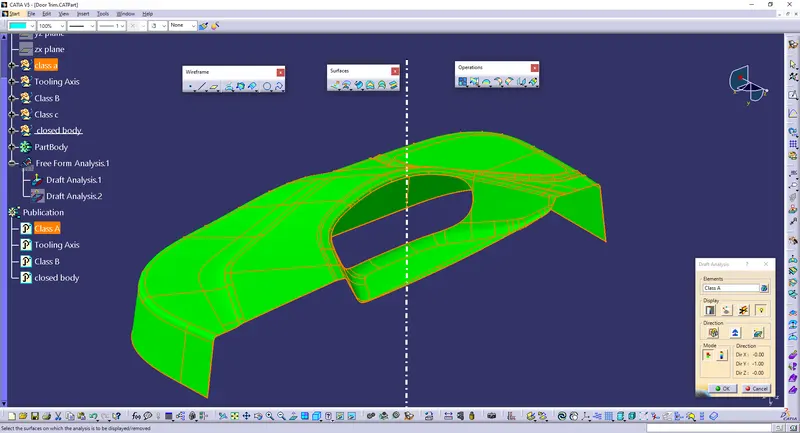
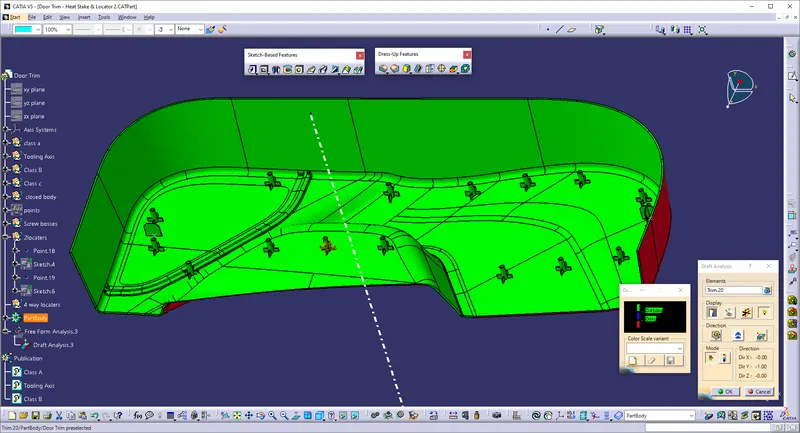
Draft Analysis :
- This type of analysis is performed based on colour ranges identifying zones on the analysed element where the deviation from the draft direction at any point.
- The Green colour denotes the draft angle is in the standards (3 degree).
- The Blue colour denoted its is below (3 degree).
- The Red colour denotes the surface is not producable.
For class A :
For Solid Body:
Class B Surface :
- Class B is the inner side of the Class a surface which will not be seen by the customer
- where it will faced in the side of core
- where the ejection will make there contact
- It contains the engineering aspects of a model.
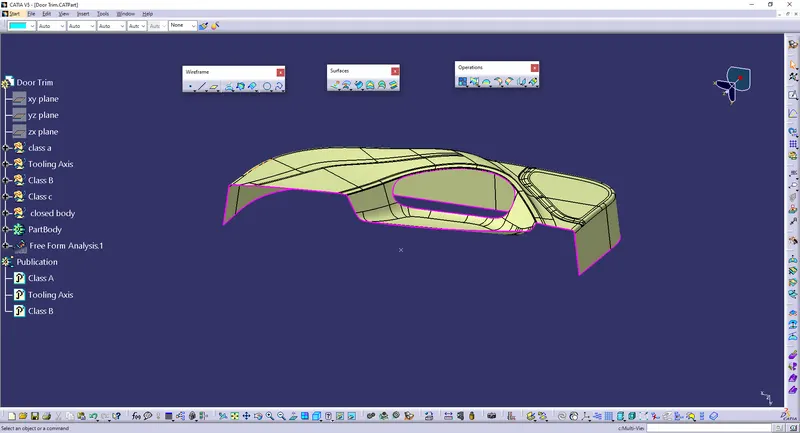
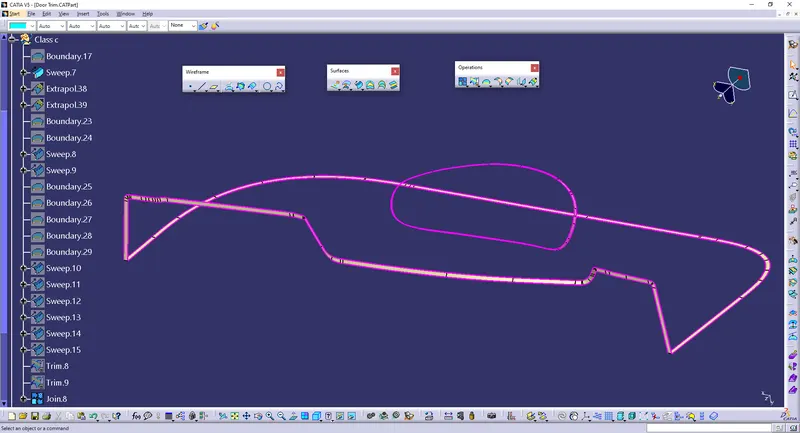
Class C Surface :
- Surface that joins class-A and class-B surfaces is class-C surface.
- Which will determine the thickness.
- Class C is often specified for interior surfaces not readily visible.
CONCLUSION:
This reports concludes the creation of HEAT STAKES & LOCATORS by following all Design Consideration for this model.