Week 8 - Simulation of a backward facing step in OpenFOAM
The flow is an Incompressible laminar viscous flow. let's discuss these terms first
Incompressible flow: Incompressible flow means when the trace of the strain-rate tensor is zero, which means an extension of one coordinate axis is compensated by contraction in another.
Incompressible flow directly manifests that the divergence of the velocity field is zero.
∇ · V =0
which in turn represents the derivative of the density is zero. This implies that the fluid density is constant.
Laminar Flow; it is the property of fluid particles in fluid dynamics to follow smooth paths in layers, with each layer moving smoothly past the adjacent layers with little or no mixing.
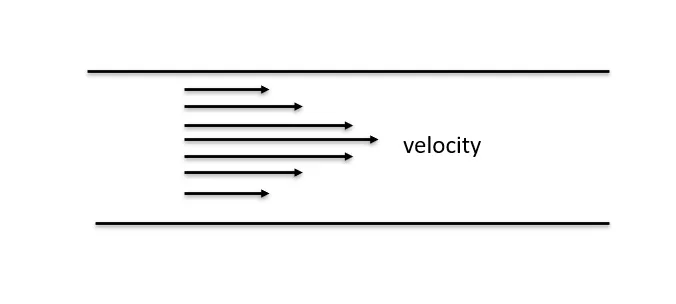
The following are the steps done based on the described physics of the simulation.
1.Find the tutorial that is similar to the problem setup
2. Copy the tutorial file (cavity) to the Foam_Run
Here is the screenshot for the procedure
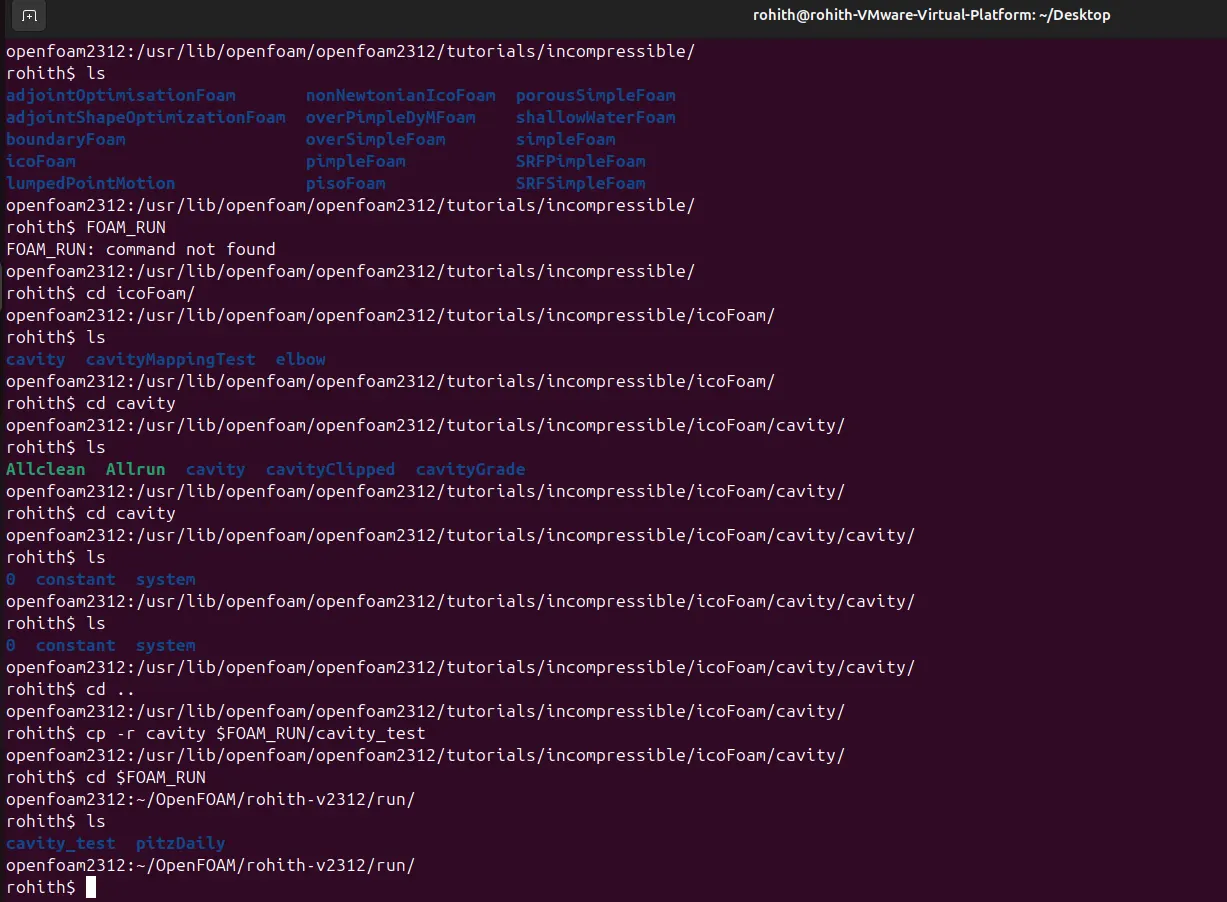
After the file has been copied to the destination folder of FOAM_RUN. Now we will make changes to the cavity_test folder to simulate the same conditions.
First we will modify the blockmeshdict file to represent the coordinates, blocks, edges inlet, outlet and boundary conditions as mentioned related to the geometry given. After this step conditions of start time and end time are modified in controldict file using gedit command. These 2 files after modification are uploaded here.
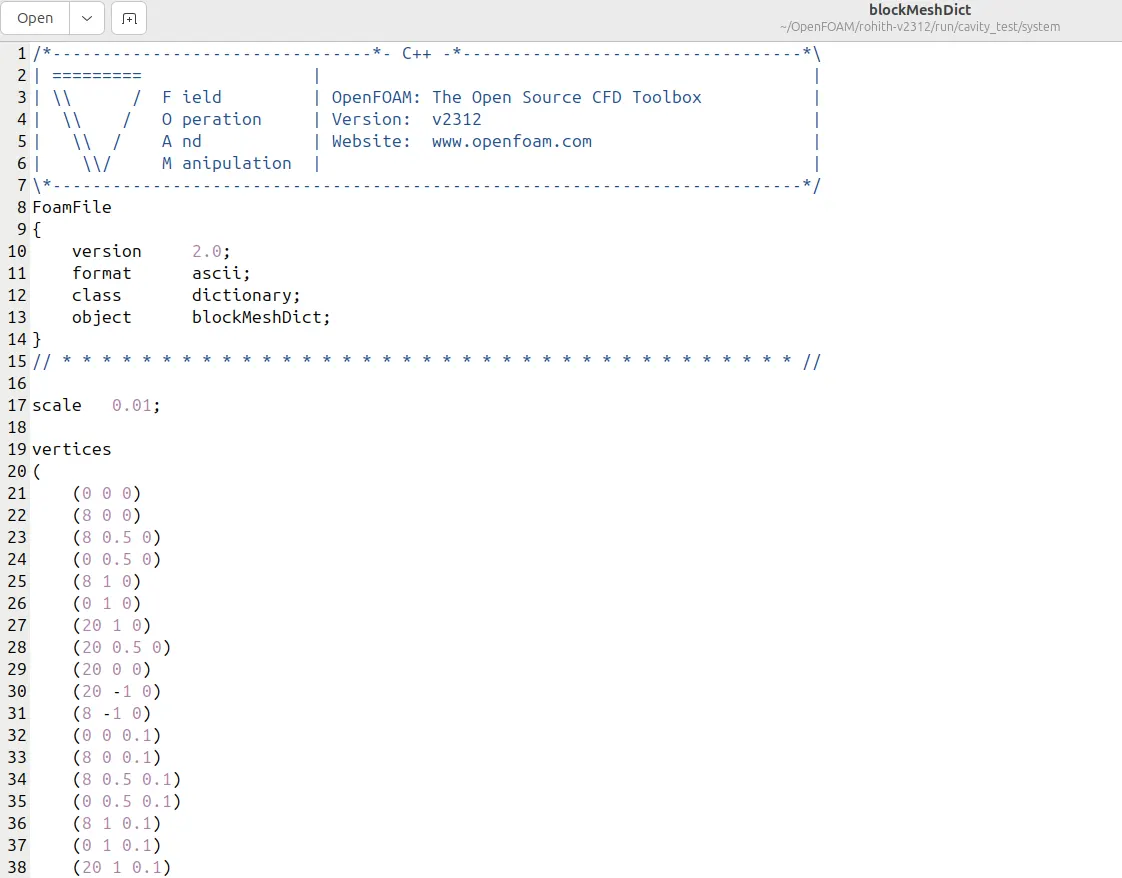
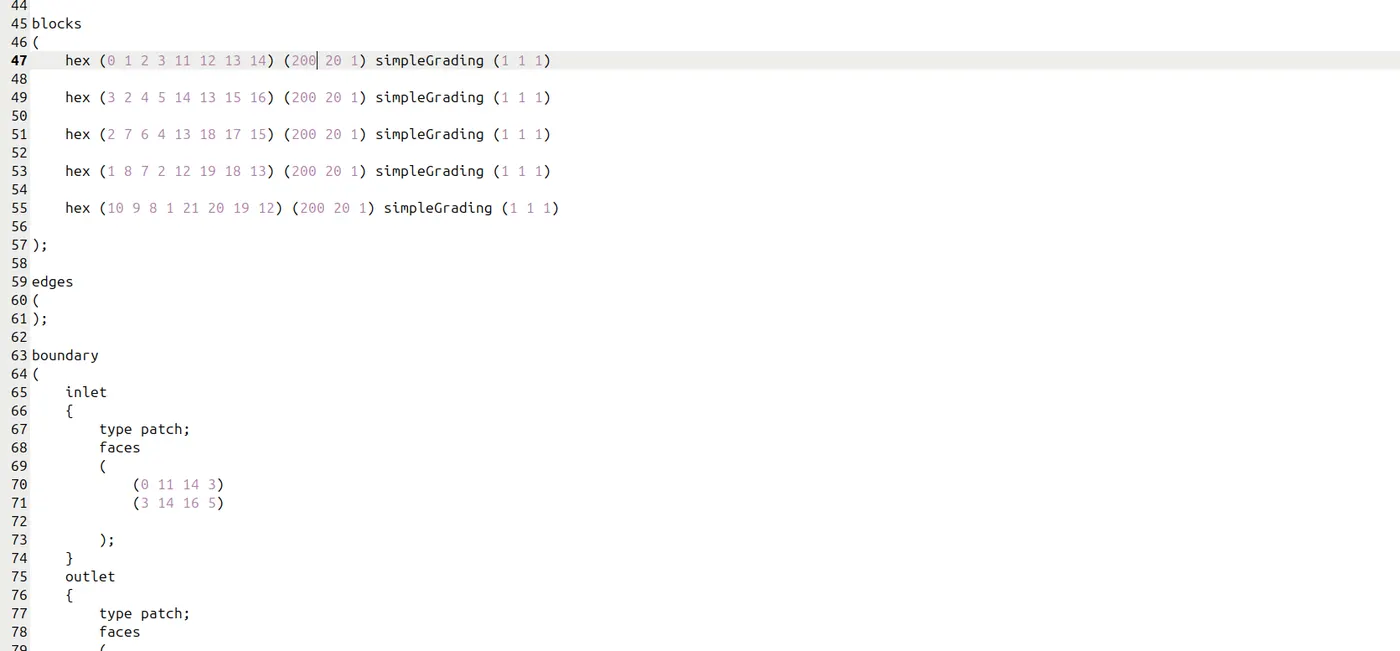
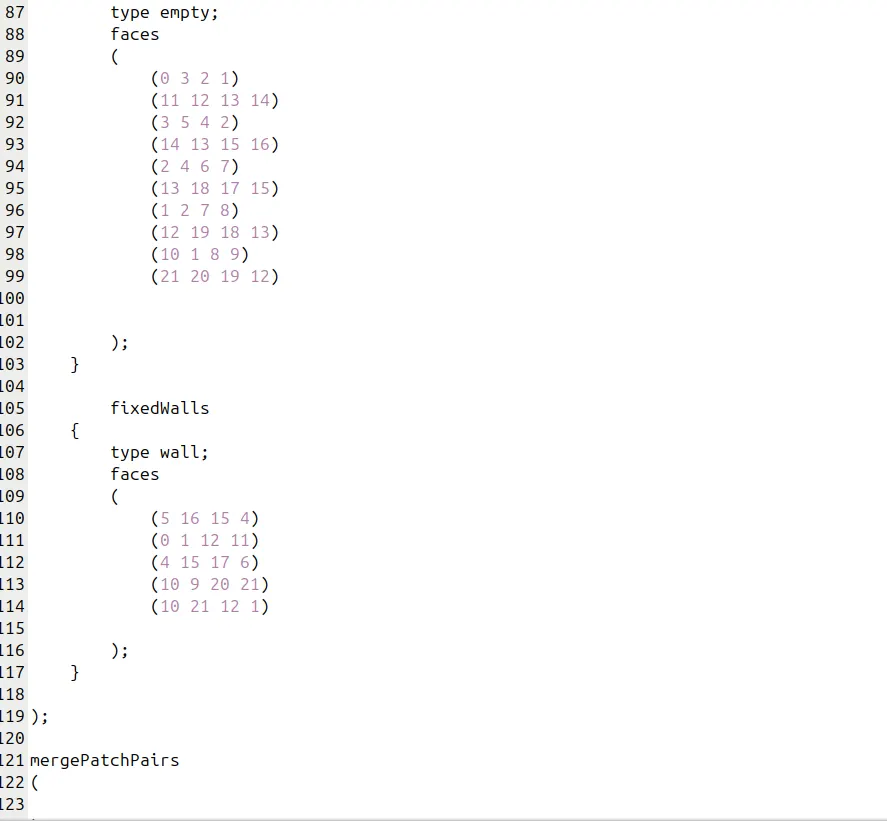
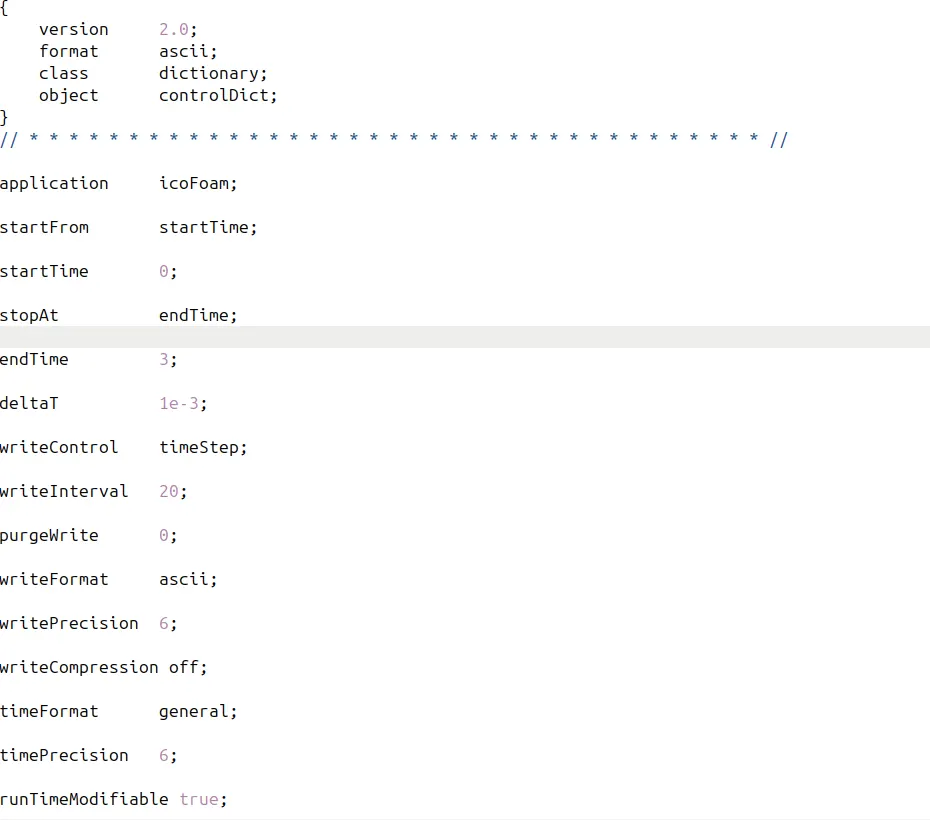
After these changes pressure and velocity files are modified in 0 file. Modified files are given below.
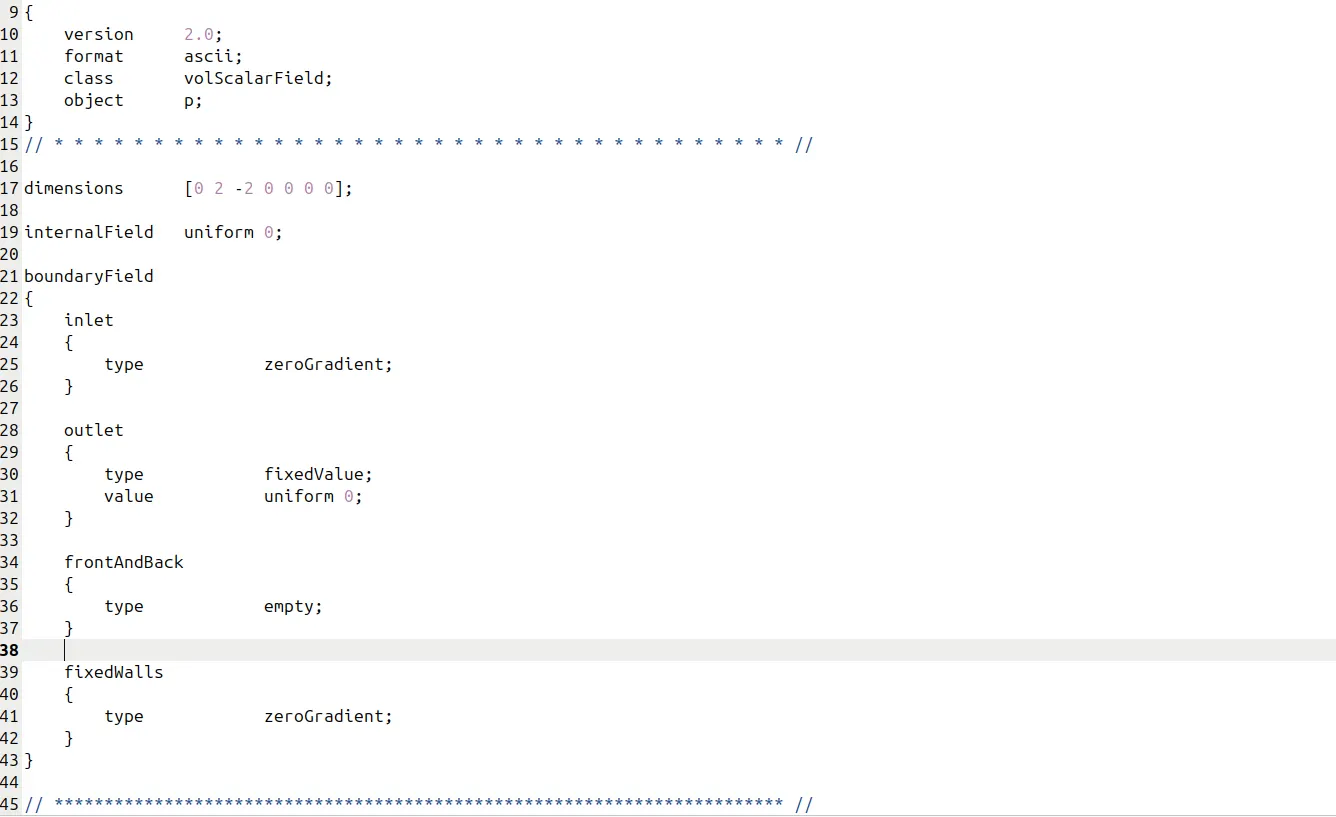
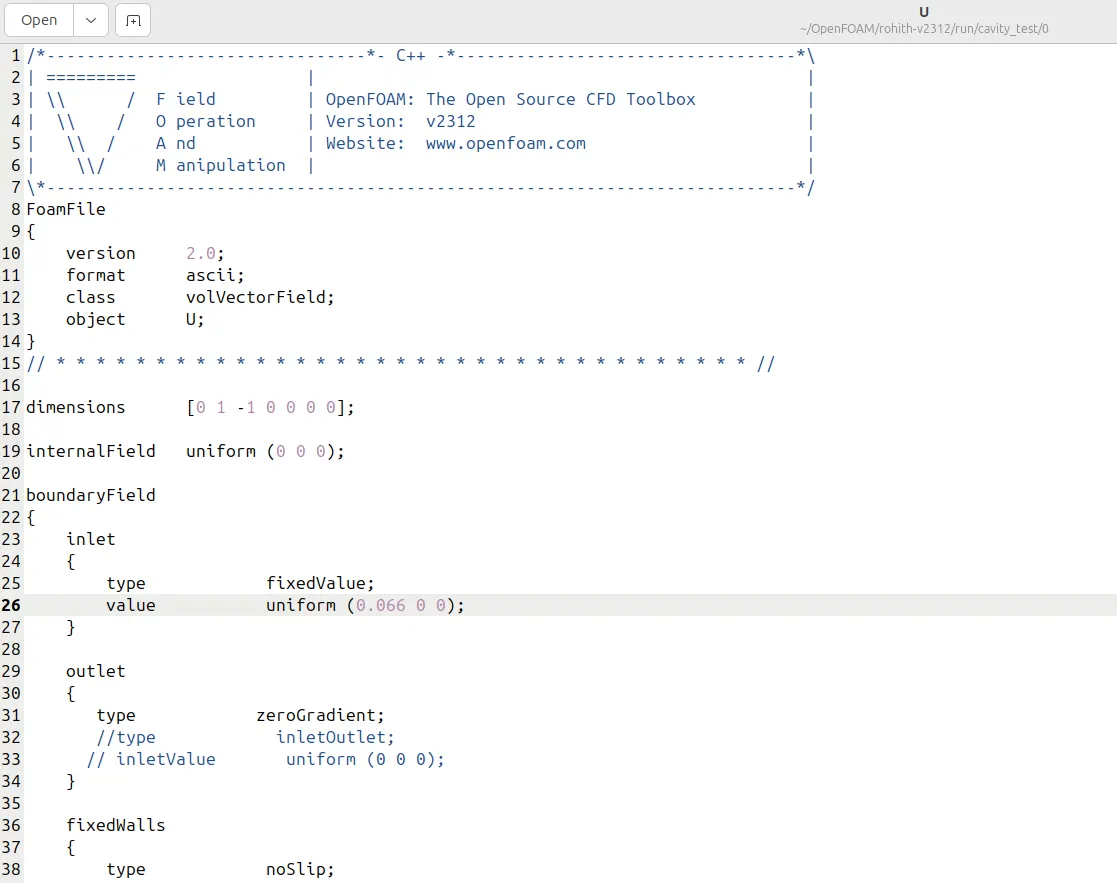
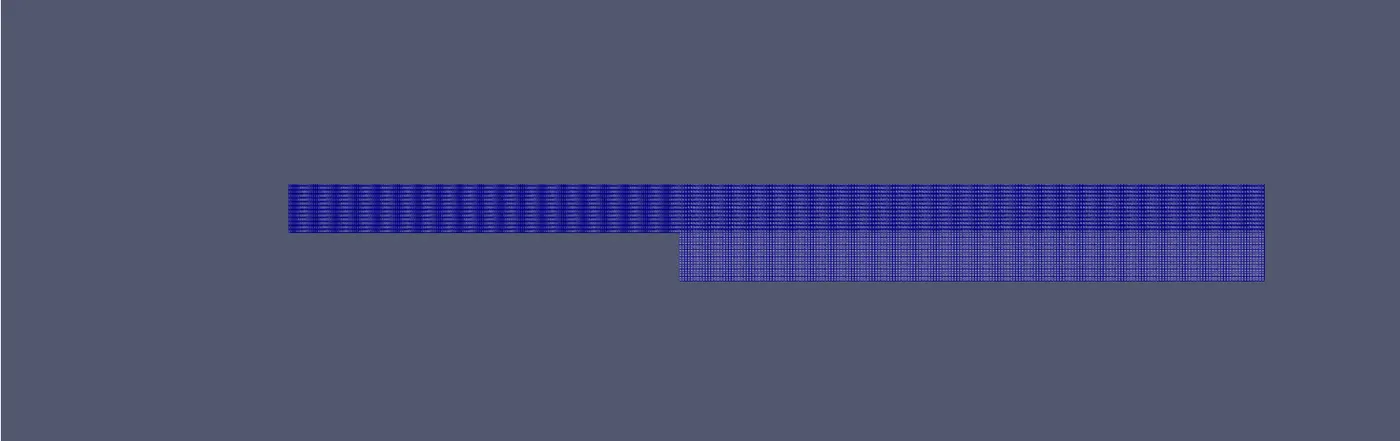
After this blockMesh and checkMesh commands are executed and the geometry with mesh look as follow.
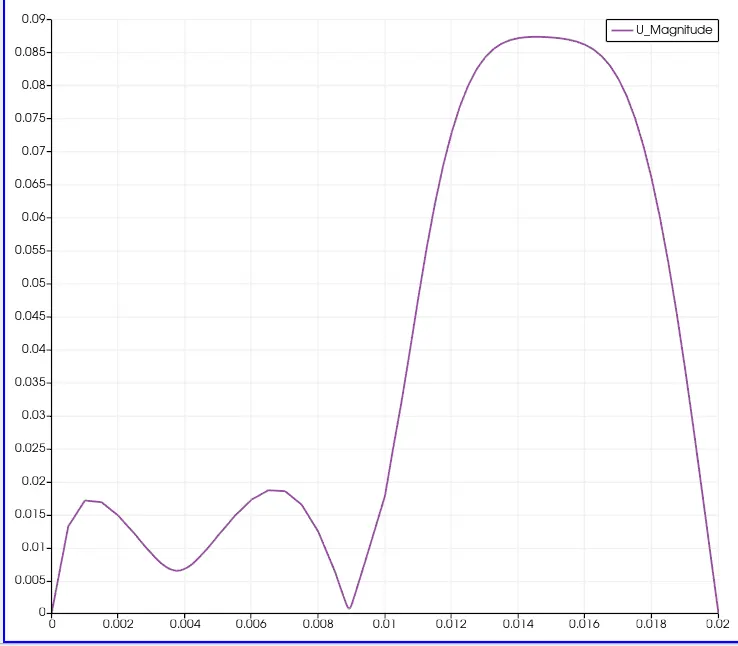
The results of the velocity at 0.085 location are given below.
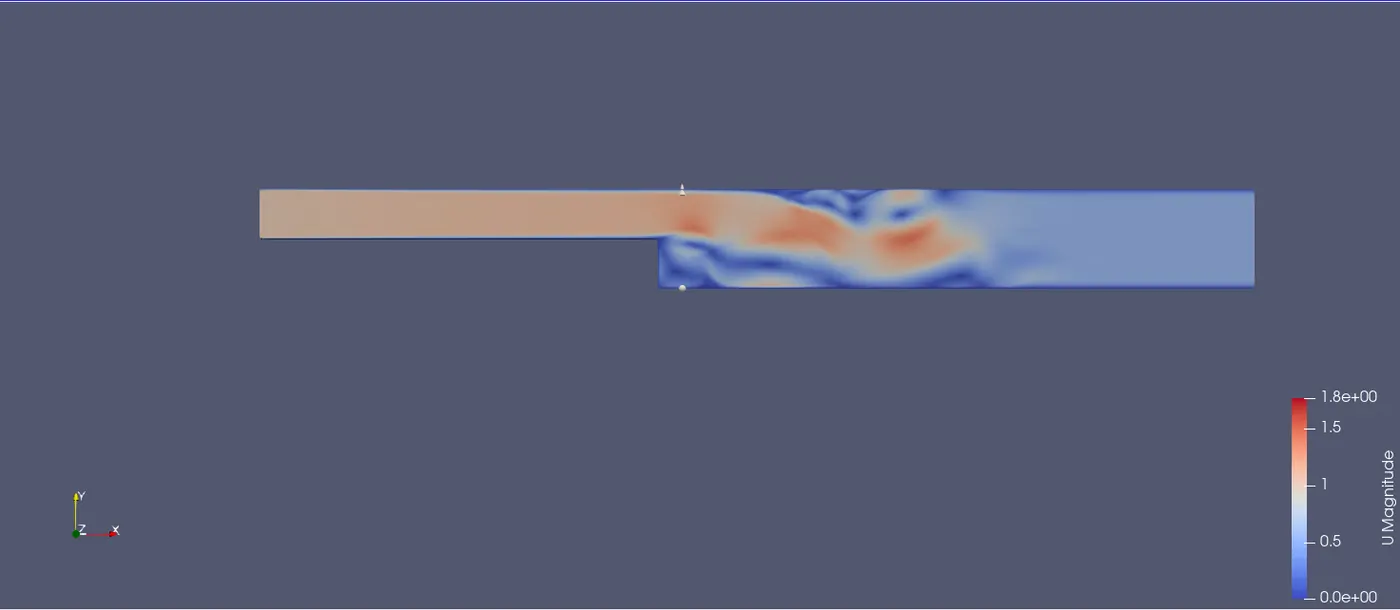
Now let's discuss about the grading factor and the impact of grading factor on the results
Grading factor can be defined as the ratio of the size of the end cell to the size of the first cell.
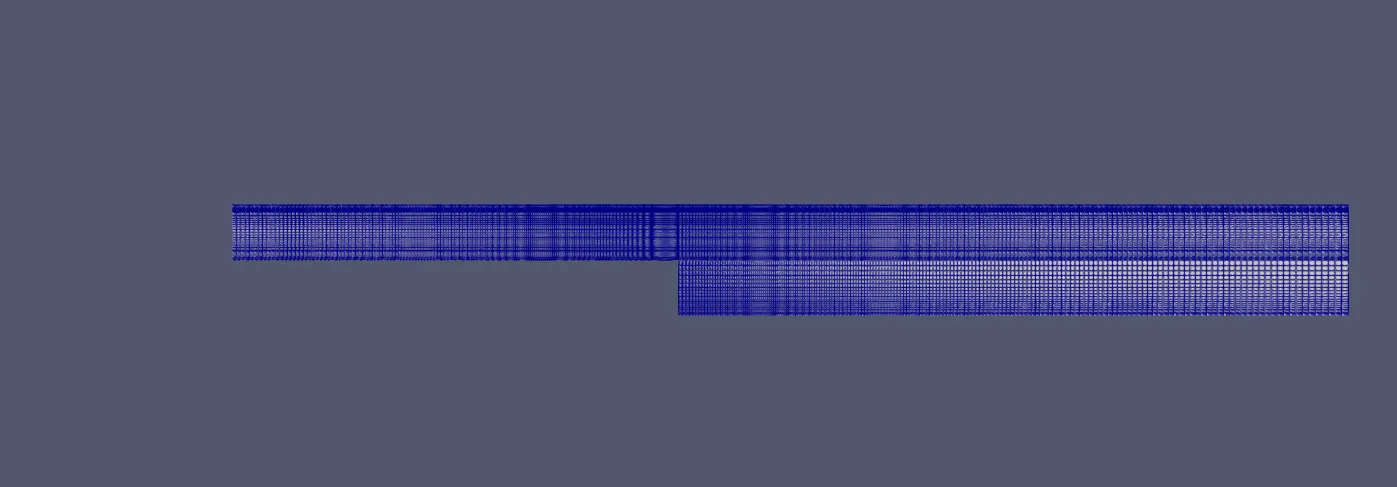
Now let's change the grading factor to 0.2 and analyze the results
After changing the grading factor the results are as follows
Mesh
Velocity
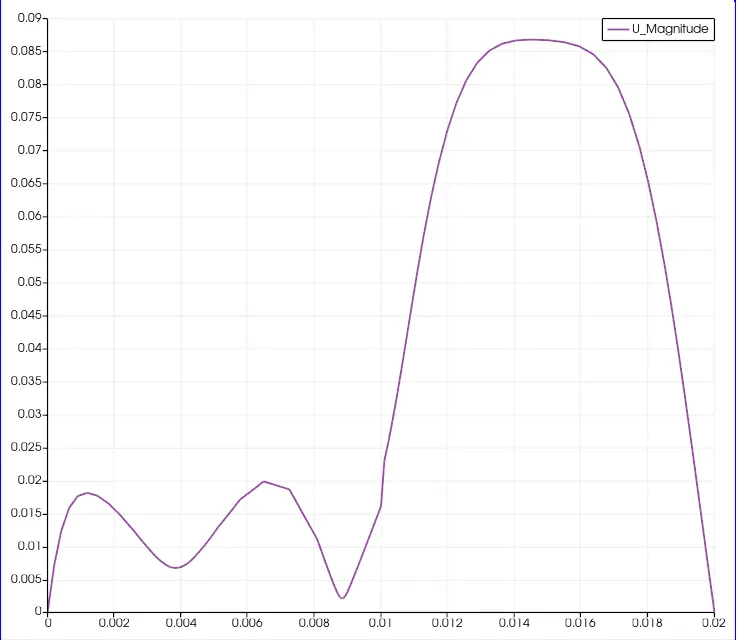
From these velocity results we can see that there is not much change but as the mesh becomes fine and fine the solution runtime will increase.
The commands used in the terminal are attached as a file.