Week 8-3D Tetra Meshing Challenge
3D TETRA MESHING
AIM:
To perform 3D tetra mesh on the given models.
OBJECTIVE:
- Create a Teramesh for Housing component with the following quality criteria.
TetraMesh Generation Method: 2D to 3D Conversion
Elements sizes: Min- 2 Units, Target- 5 Units, Max- 7 Units
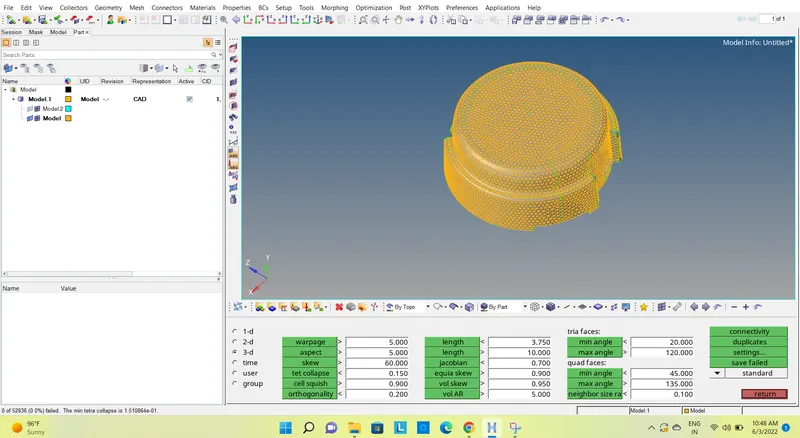
Tet collapse: 0.15
- For the given model, Create a 3D Tetramesh with the following quality criteria.
TetraMesh Generation Method: Quick Tetra Mesh/ Volume Tetra Mesh
Target Element size: 3 Units.
Tet Collapse: 0.15
- For the given assembly model, Create a 3D Tetramesh with the following quality criteria.
TetraMesh Generation Method: Quick Tetra Mesh/ Volume Tetra Mesh
Target Element size: 4 Units.
Tet Collapse: 0.15
PROCEDURE:
MODEL 1: HOUSING
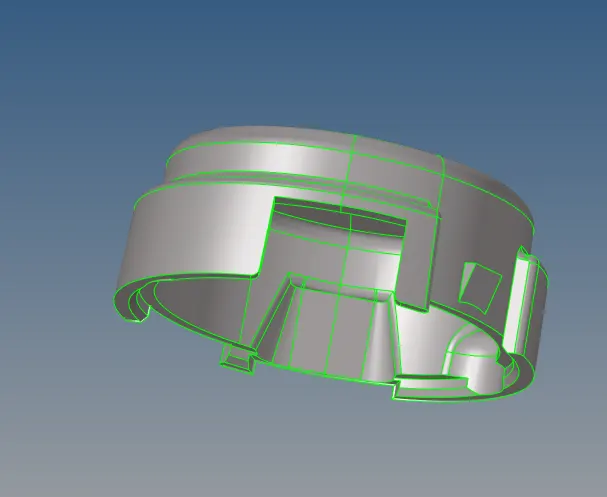
- Import the given model and check for any geometry error.
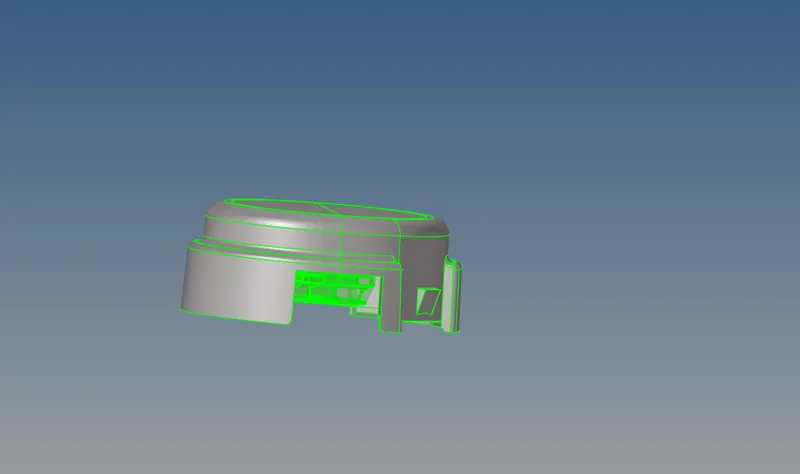
- Next step is to defeature some edges which might fail for minimum length quality criteria.
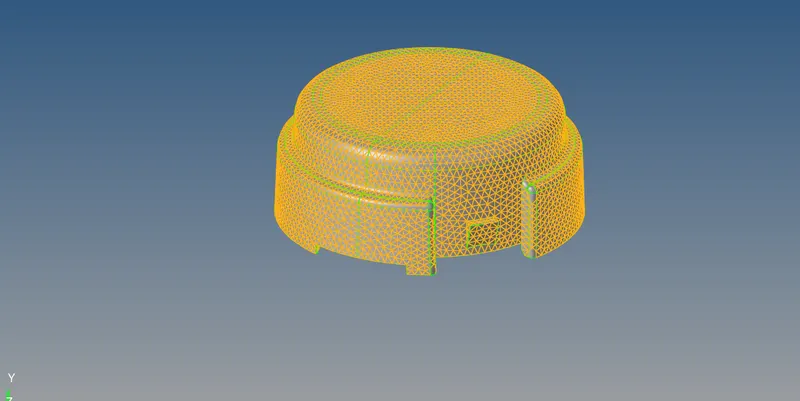
- Initially mesh the surface using 2D tria elements.
- Check for minimum and maximum element size error from and clear the same
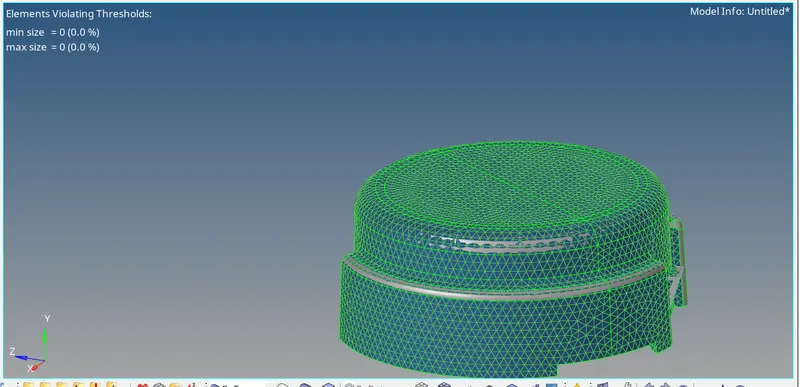
- Perform 3D tetra mesh using the 2D tria elements, 3D -tera mesh -select the elements.
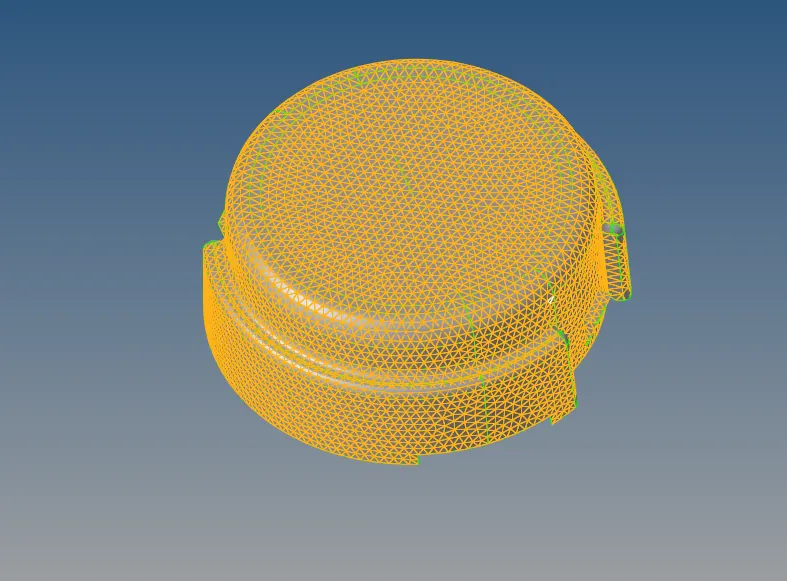
- Check tet collapse for 0.15, in tools- check elements – 3D – tet collapse, fix the errors by tetra remesh or manually by moving the nodes.
MODEL 2:
- Import the geometry to the software.
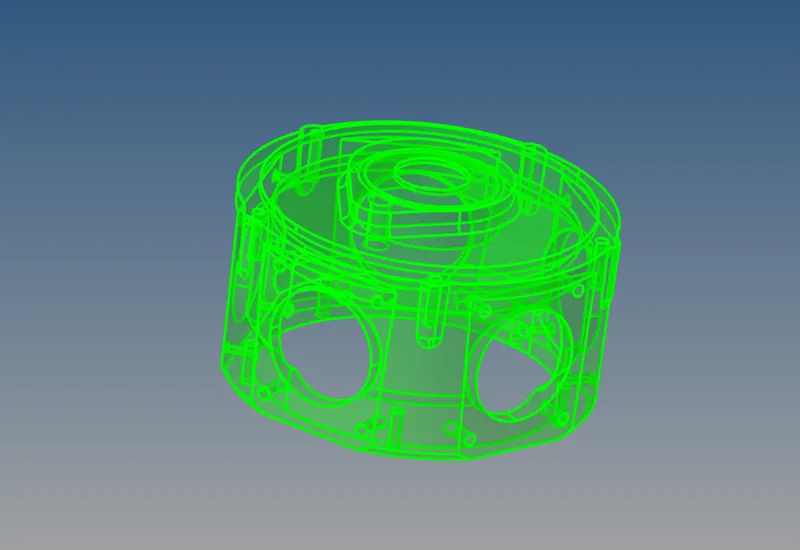
- Look for any geometry error in the cad, this model contains few unstitched edges.
- In this model there is no minimum and maximum element size criteria.
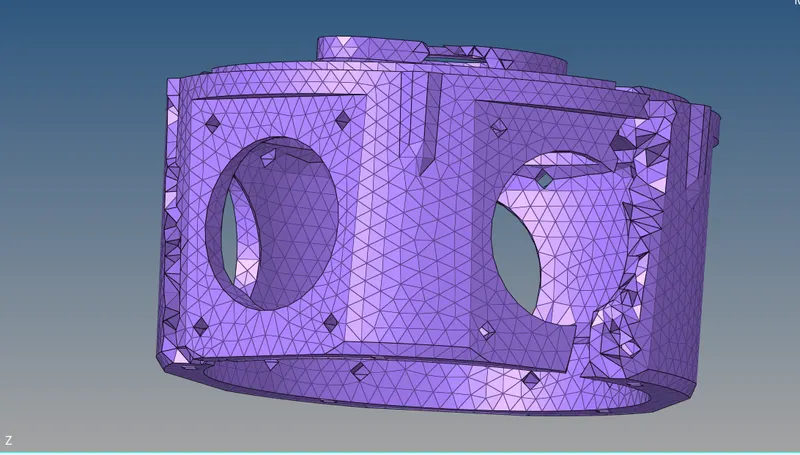
- So used the volume tetra mesh method to mesh the model.
- The given model is surface, so used 3D – tetra mesh – volume tetra mesh – surface, gave the desired element size and gave tet collapse value in tetra mesh parameter.
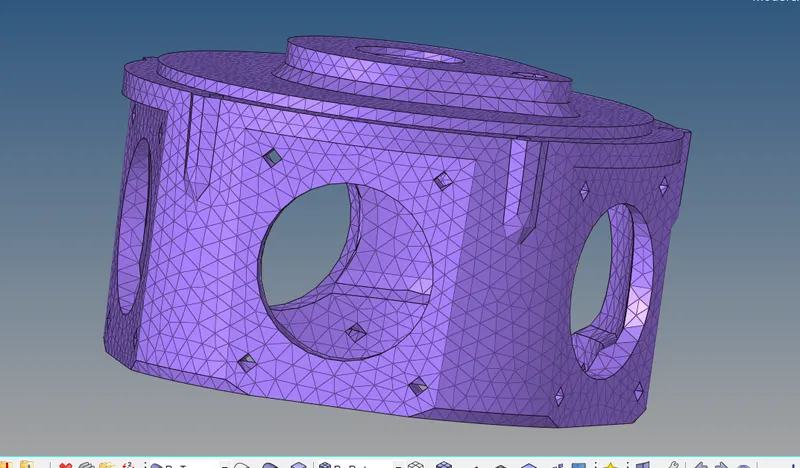
- The given model is meshed and fixed all the tet collapse error.
MODEL 3:
- Import the model to the software.
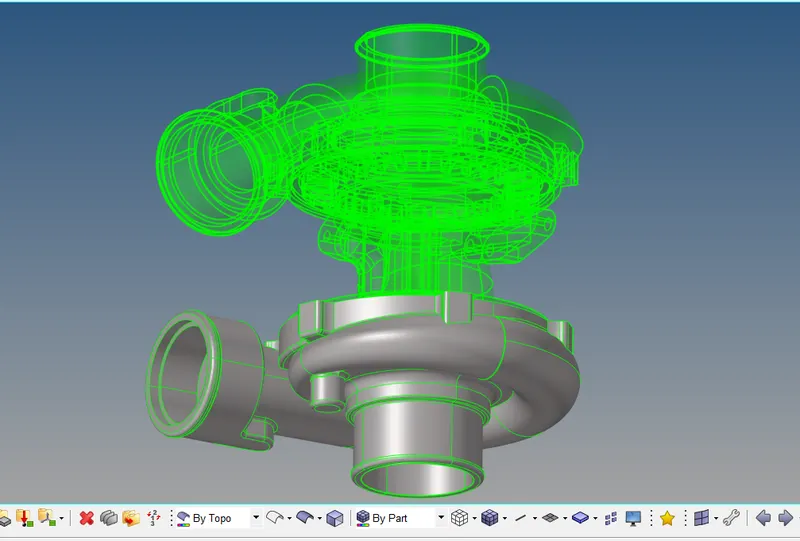
- There are 4 different components in this model, mesh each the component in different methods.
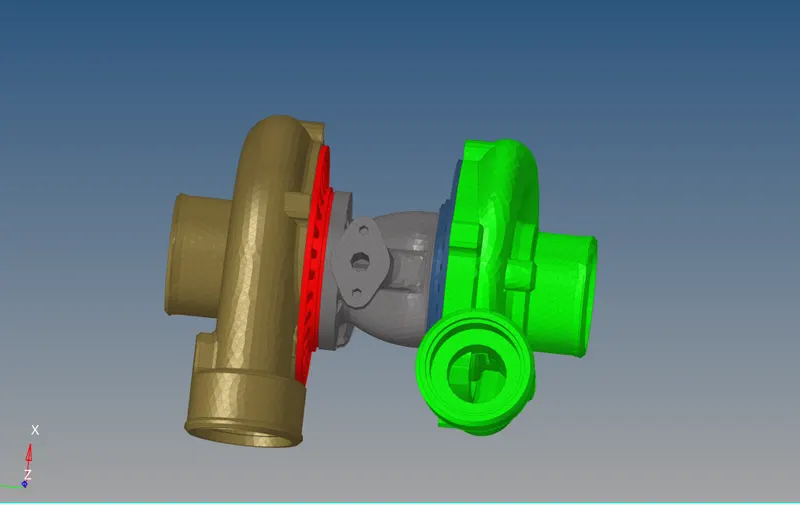
- Casing 1 is meshed using volume tetra mesh method.
- Casing 2 is meshed using quick tetra mesh method.
- Central hub is meshed by 2D tria element and convert the same to 3D tetra mesh.
- Hub will be meshed one side and be reflected to the other side.
- Check for only tet collapse error and fix the same.
CONCLUSION:
- Understood the types of 3D mesh used in different scenario.
- The given model is meshed using 3D tetra element.