Week-7 Head Impact
Week-7 Head Impact
Pedestrain Head Impact
Pedestrian protection CAE is a part of vehicle safety engineering from a crash perspective. In pedestrian protection, we look for imparting minimum injury to head, upper leg (thigh), and lower leg (including knee) in case of an accident with a human subject. These tests are usually done at a lower velocity from 20-40 kmph as accidents tend to result in more severe circumstances above these velocities and braking in case of an accident often results in collision at low velocities.
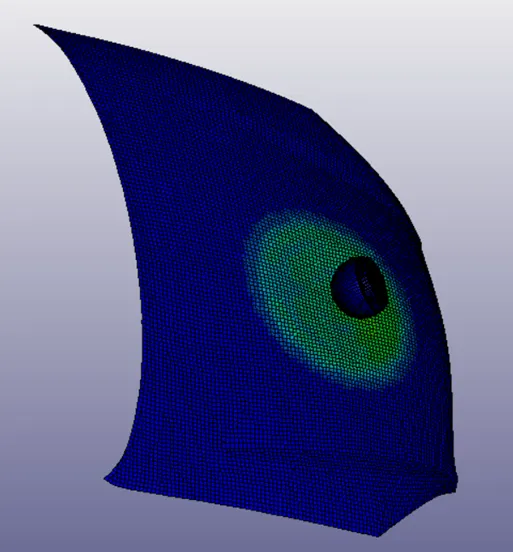
In this project, a children's headform model is provided. You are supposed to replicate a scenario where this headform will impact on a car bonnet. The bonnet should be considered as a rigidwall for the 1st case and while using the meshed hood model a elasto-plastic material card has to be used. From the simulation, the head impact coefficient must be calculated manually and with the help of LS-PrePost.
The student has to perform the Head Impact Simulation and calculate the HIC value in the LS-PrePost.
- The student has to organize a multi-include file model using the keywords *INCLUDE, *INCLUDE_TRANSFORM,*DEFINE_TRASFORMATION.
- The Impact angle of the Pedestrain Head is between 35-75 degrees.
- Create a simple elastic material model for the simple head (meshed) that is provided.
The students are expected to start off with a simple head model and then add complexity step by step.
Submitting the head impact with the rigid and the head impact with Hood is expected.
Students should then replace the Rigidwall with the Hood and perform the same simulation with the Headfoam.
Prepare a report of the simulation.
The report should contain the following,
- The impact simulation of a simple head impact with the Rigid wall.
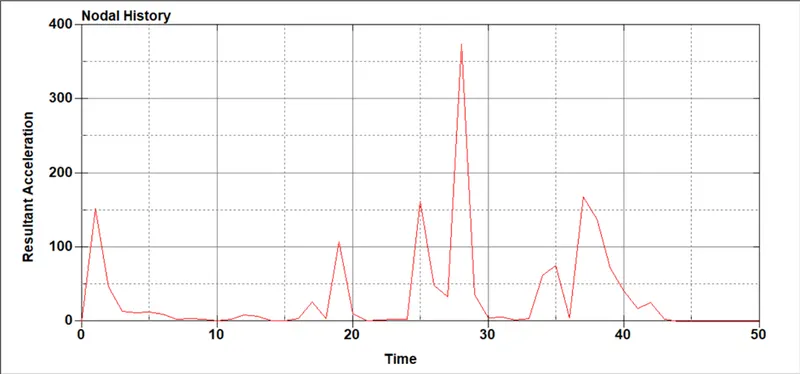
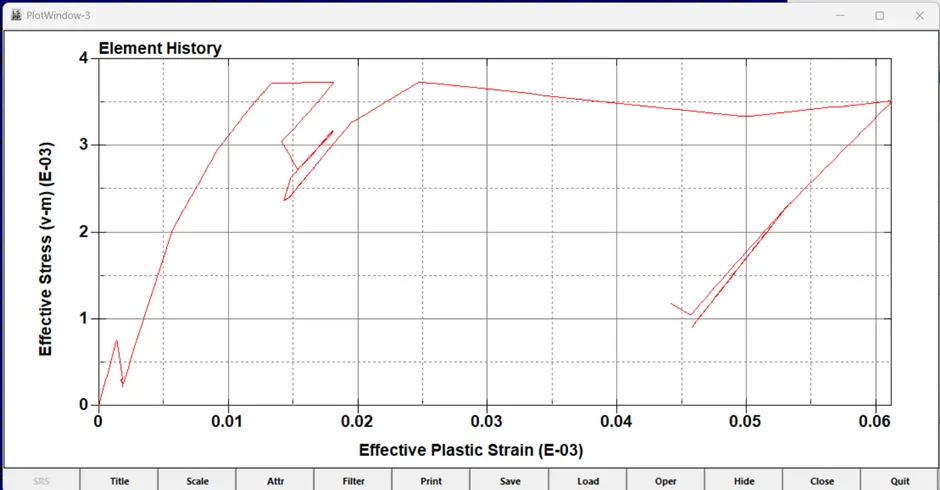
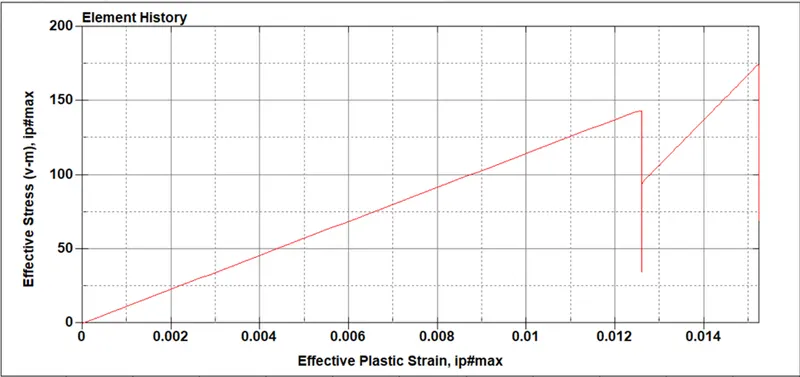
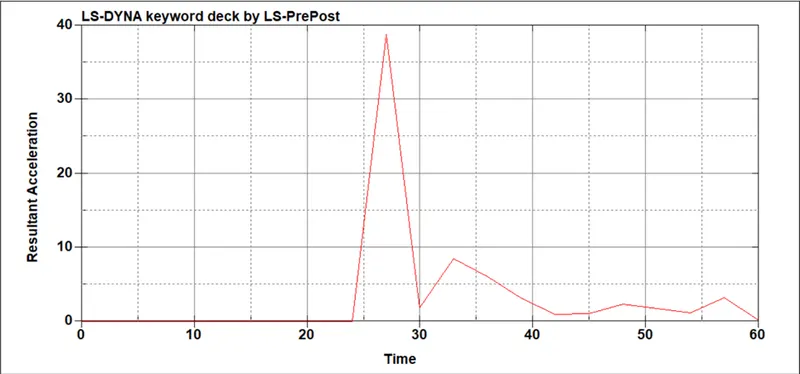
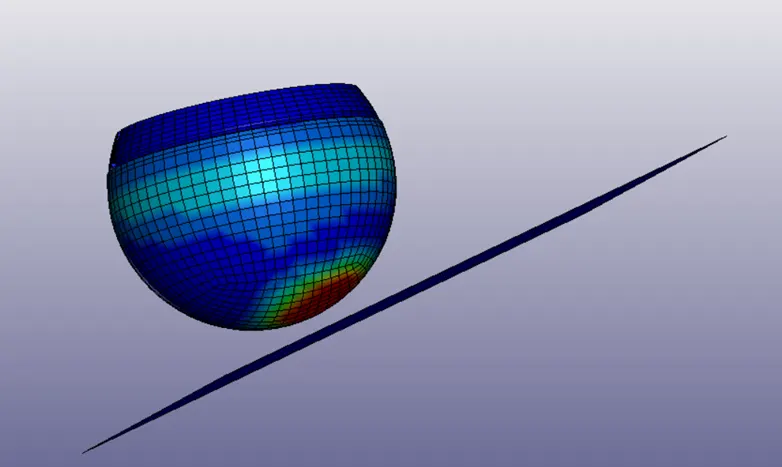
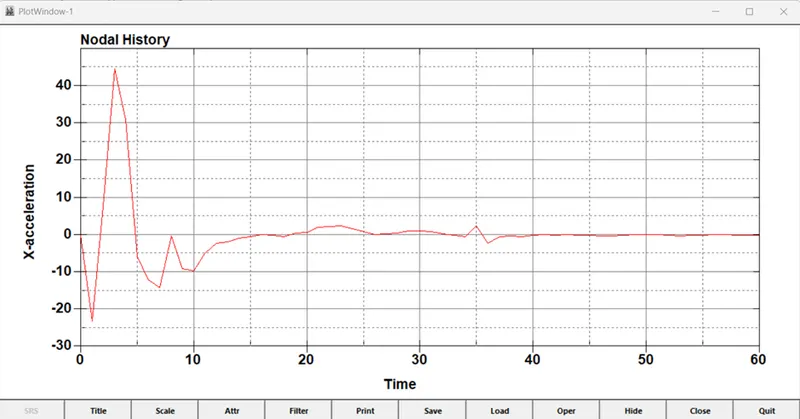
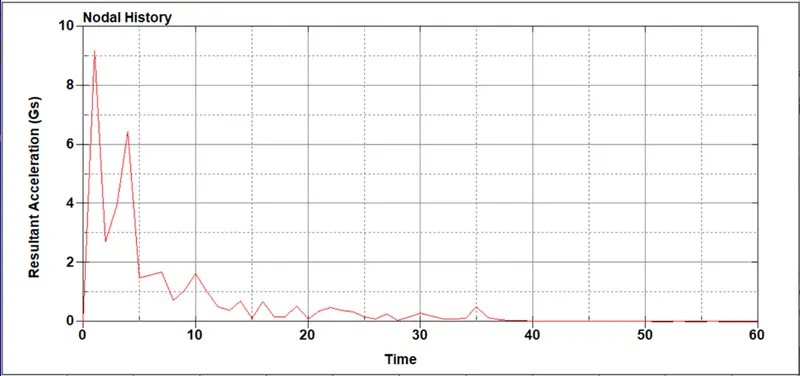
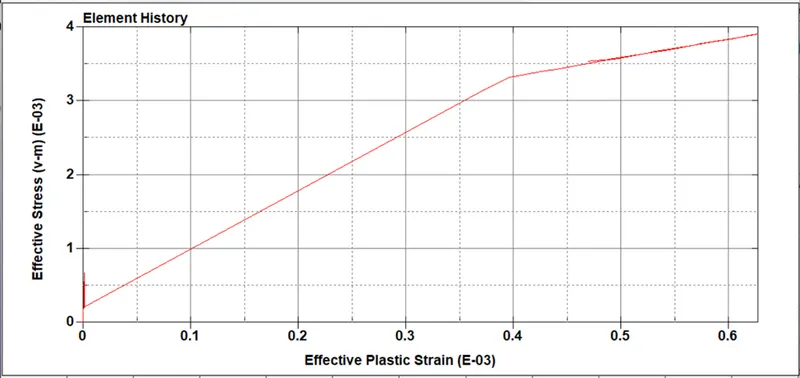
- The impact simulation of the Headform provided with the Rigid wall with the Stress / Strain plots and acceleration plot.
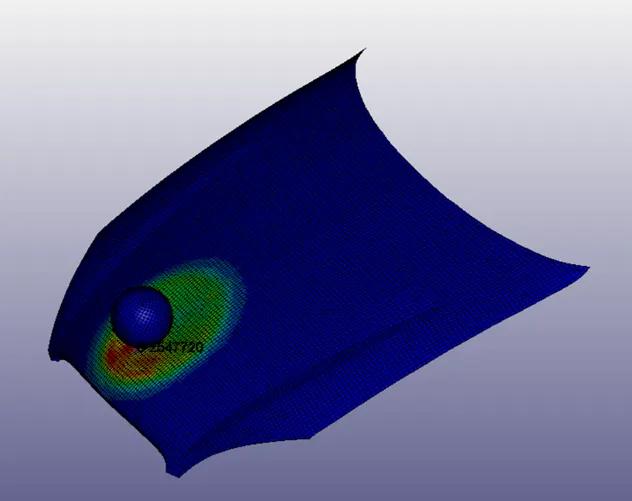
- The impact simulation of the head form with the Hood with the Stress / Strain plots and acceleration plot. For the hood, you can use Aluminium.
- The Stress / Strain plot from the Rigidwall simulation should be compared with the Stress / Strain plot from the Hood Simulation and there should be a detailed explanation if there is any difference in the plots.
Procedure:
UNIT Follow

Velocity find:
lower velocity from 20-40 kmph, so we consider at 40kmph, ie: 11.1111mm/ms
Pedestrain Head is between 35-75 degrees.so we consider at 45 degrees.
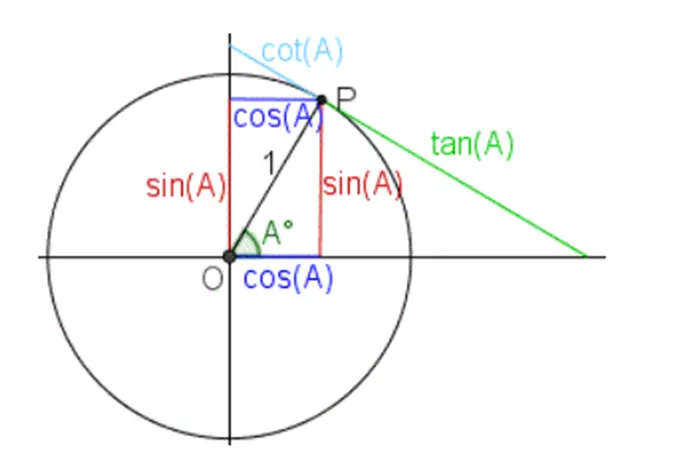
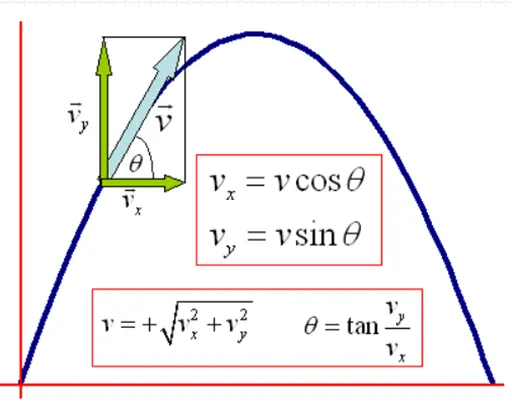
Sin θ=opposite/hyp = vy/v
V y= Sin θ*V= Sin 45*11.11=7.85mm/ms
cos θ=opposite/hyp = vx/v
Vx= cos θ*V= cos 45*11.11=7.85mm/ms
Case-1
- Assign all .k file in a single new folder (Simple_Head_Model, Meshed_Hood)
- open separate file and assign mat and section.
- Now open new file
open DEFINE_TRANSFORMATION-assign TRANID- then choose option ROTATE select A2(y direction) and A7 assign angle 45 deg.-apply done.
Open INCLUDE-select TRANSFORM – select rotate file(Simple_Head_Model) and assign TRANID-apply done.
Open INCLUDE-select INCLUDE-open Meshed_Hood-insert,accept,done.
Save as this file with new name.
Open new file open that save as file.
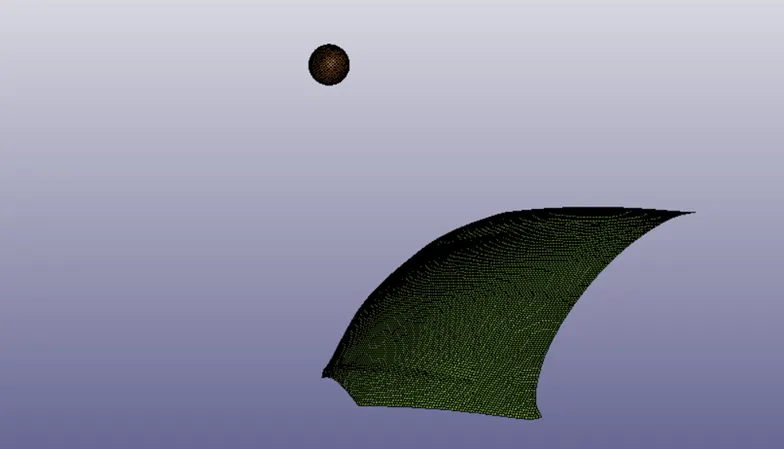
Apply boundary SPC for edges.
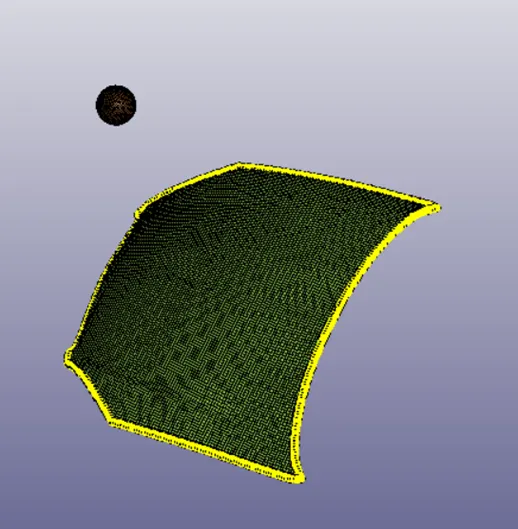
Apply velocity for head.(as calculated above)
Select Initial in Entity creation-select velocity-select cre-apply calculated velocity in Vx=-7.85 mm/ms and Vz=-7.85 mm/ms- select skin only-apply ok.
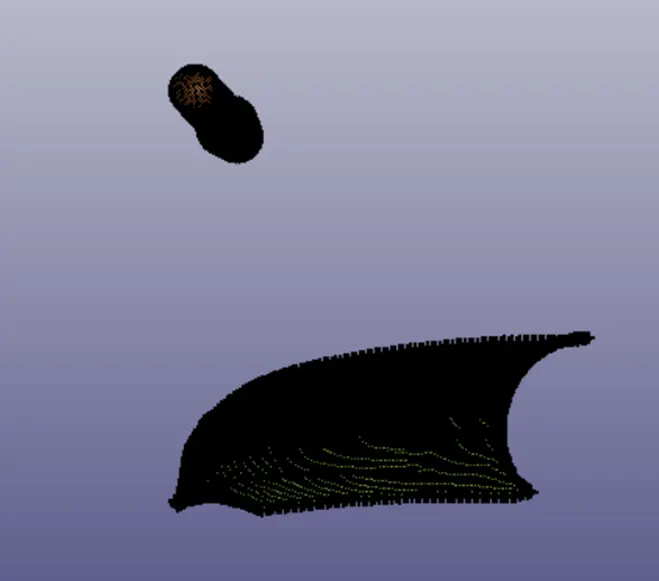
4.Apply CONTACT
Select contact_AUTOMATIC_SURFACE_TO_SURFACE-add new-select SSTYP in part ID-SSID in Hood. MSID in HEAD .Apply Done
5.Apply CONTROL.
Select CONTROL_TERMINATION- apply ENDTIM: 60 sec.-apply done.
6.apply DATABASE.
Select D3plot apply DT time.
DATABASE_ASCII_option- ABSTAT, GLSTST, RCFORC, SLEOUT
DATABASE_EXTENT_BINARY for stress and strain.
Case-2
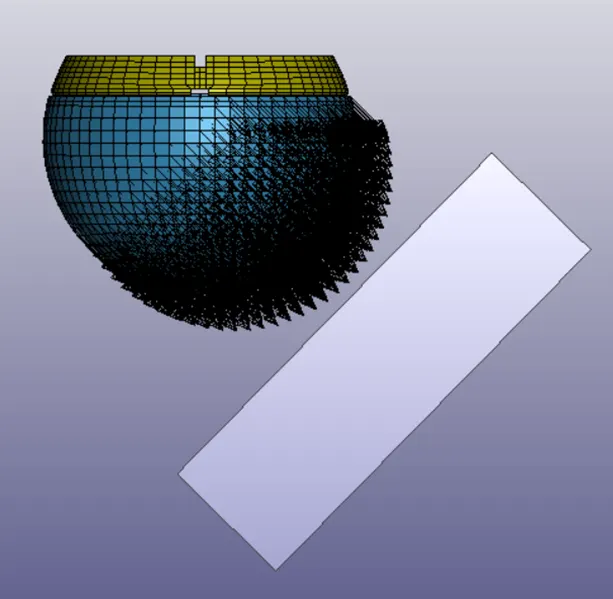
simple head impact with the Rigid wall;
1.open simple head impact. k file.
2.creat rigid wall in Entity Creation.
Select cre-select planar-select 1n+NL-select Tran (move to Z direction)-select Rota (change 45 deg. In X direction.).
3.Apply velocity.
Select Initial in Entity creation-select velocity-select cre-apply calculated velocity in Vy=-7.85 mm/ms and Vz=-7.85 mm/ms- select skin only-apply ok.
4.Apply CONTACT
Select contact_AUTOMATIC_SURFACE_TO_SURFACE-add new-select SSTYP in part ID-SSID in skin only. Apply Done
5.Apply CONTROL.
Select CONTROL_TERMINATION- apply ENDTIM: 60 sec.-apply done.
6.apply DATABASE.
Select D3plot apply DT time.
DATABASE_ASCII_option- ABSTAT, GLSTST, RCFORC, SLEOUT
DATABASE_EXTENT_BINARY for stress and strin.
Case-3
-
- Assign all .k file in a single new folder (PEDESTRIAN_HEADFORM, Meshed_Hood)
- open separate file and assign mat and section.
- Now open new file
open DEFINE_TRANSFORMATION-assign TRANID- then choose option ROTATE select A2(y direction) and A7 assign angle 45 deg.-apply done.
Open INCLUDE-select TRANSFORM – select rotate file(PEDESTRIAN_HEADFORM) and assign TRANID-apply done.
Open INCLUDE-select INCLUDE-open Meshed_Hood-insert,accept,done.
Save as this file with new name.
Open new file open that save as file.
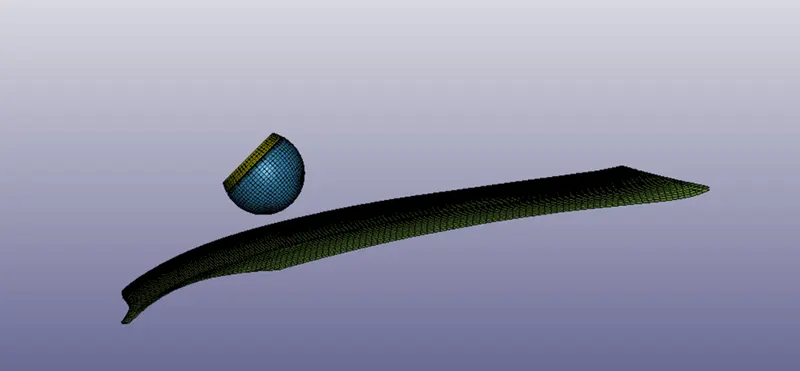
Apply boundary SPC for edges.
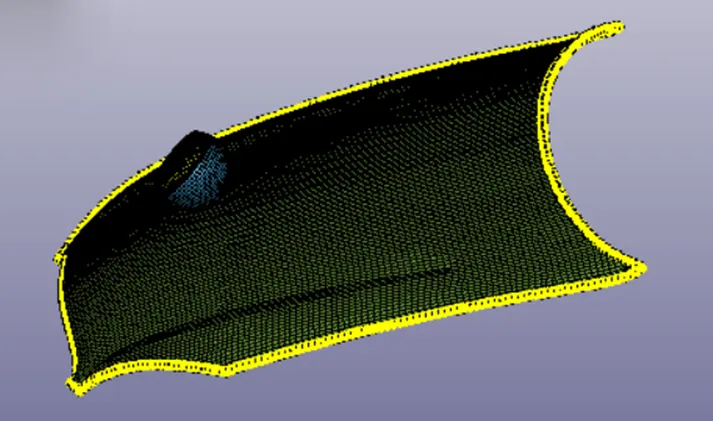
Apply velocity for head.(as calculated above)
Select Initial in Entity creation-select velocity-select cre-apply calculated velocity in Vx=-7.85 mm/ms and Vz=-7.85 mm/ms- select skin only-apply ok.
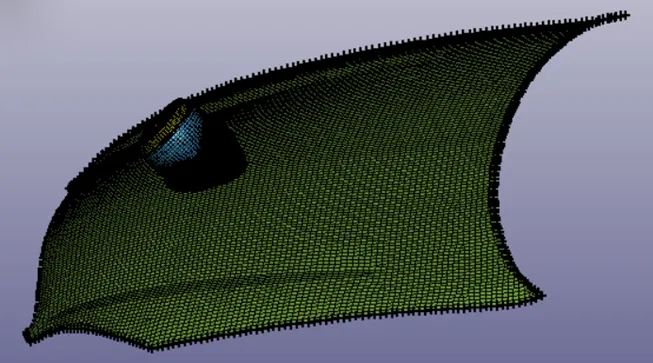
4.Apply CONTACT
Select contact_AUTOMATIC_SURFACE_TO_SURFACE-add new-select SSTYP in part ID-SSID in Hood. MSID in HEAD .Apply Done
5.Apply CONTROL.
Select CONTROL_TERMINATION- apply ENDTIM: 60 sec.-apply done.
6.apply DATABASE.
Select D3plot apply DT time.
DATABASE_ASCII_option- ABSTAT, GLSTST, RCFORC, SLEOUT
DATABASE_EXTENT_BINARY for stress and strin