Week 6: Conjugate Heat Transfer Simulation
Aim: To Setup a flow simulation through a pipe.
Objective:
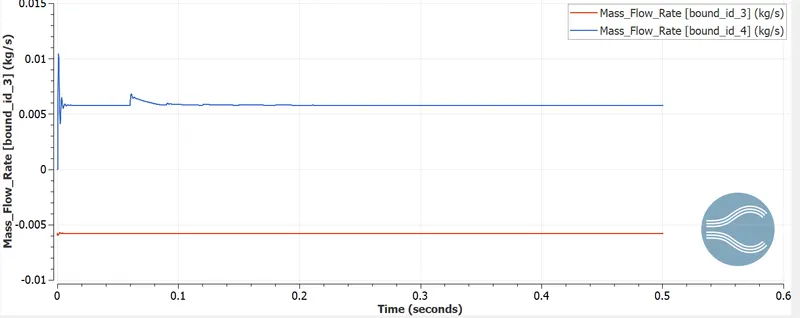
- Inlet Reynolds number should be 7,000
-
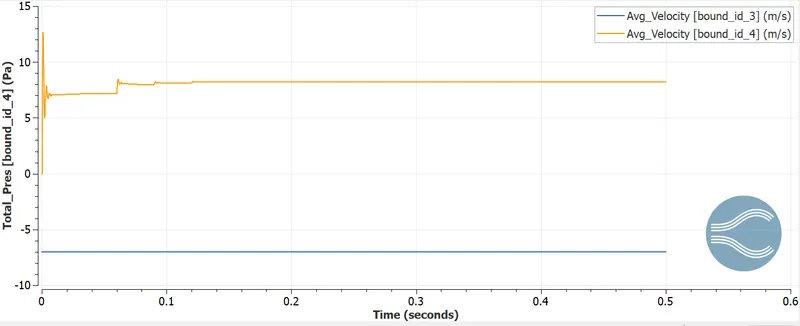
HINT : Use the below formula to calculate velocity for corresponding value of REYNOLD NUMBER and give DIRICHLET BC for velocity at inlet and specify the value for velocity calculated at INLET BC using below formula ,
Re = (rho*V*D)/(Dynamic viscosity)
-
- Turbulence modelling - K-Epsilon
- Supercycling parameters - same as in the video
Additional 3D outputs
- Add Y+ to your post.in file
Grid dependence test
- Start with an initial base grid
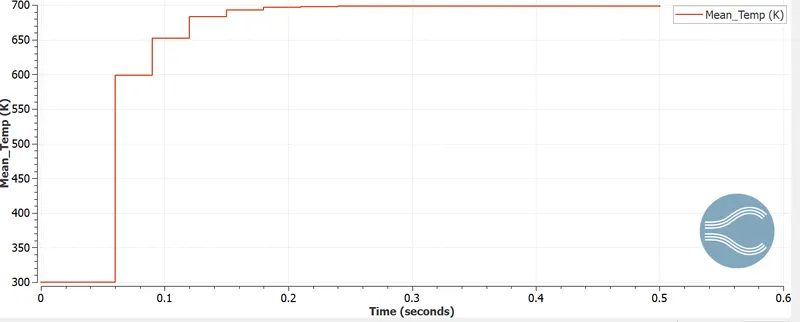
- Run grid dependence test on 3 grids and show that the outlet temperature converges to a particular value
Effect of supercycle stage interval
- Set supercyle stage interval to 0.01,0.02 and 0.03
- For these three values, how does the total simulation time compare against the baseline configuration.
Theory:
Conjugate Heat Transfer:-
Conjuate Heat Transfer correspond with the mixture of warmth transfer in solid and warmth transfer in fluid.
In solid, conductivity typically domain whereas in fluid convection sometimes domain.
Conjugate heat transfer is determined in several scenario. For egs, conductors ar optimized to combined heat transfer by conductivity within the heat sink with the convection within the encompassing field.
Super-Cycling Method:-
In Super-Cycling methodology, the fluid problem {solver|convergent thinker|thinker} acting on convection drawback is paused for atiny low fundamental quantity permitting the solid state conductivity solver catch up, this methodology considerably scale back the quantity of cycle and simulation time.
Output Y + :-
Wall operate ar helpful in telling the convergent thinker a way to approch the answer close to a wall. These wont to predict close to wall result accurately even at coarse grid.
The Y + price may be a non-dimensional term which will be wont to perceive however coarse grid ar fine, this may then be wont to confirm if wall operate have to be compelled to be used or not.
For Calculation of Velocity:-
Reynold range will be given as :-
Therefore, speed will be calculated as
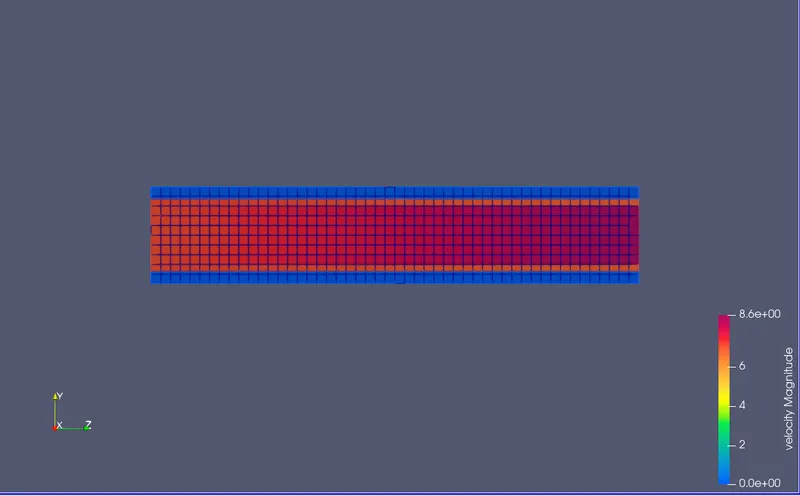
v = 7.028 m/s
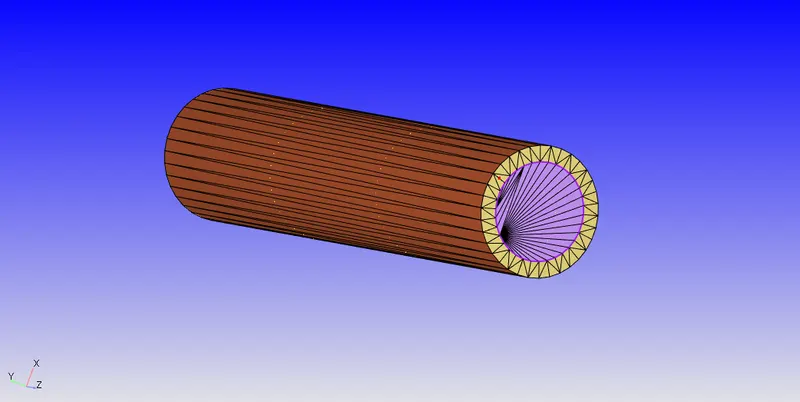
Outer Diameter = zero.02 m
Inner Diameter = zero.015 m
Length = 0.2 m
Case Setup:-
Application type:-
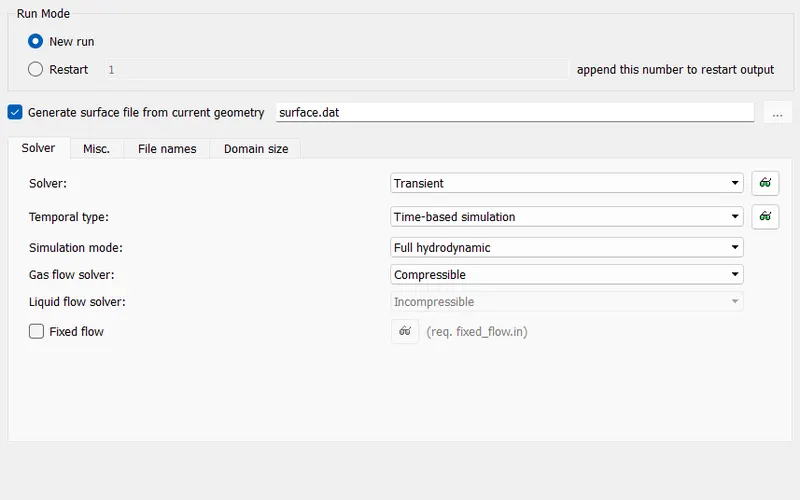
Time based
Material:-
Gas simulation - Air
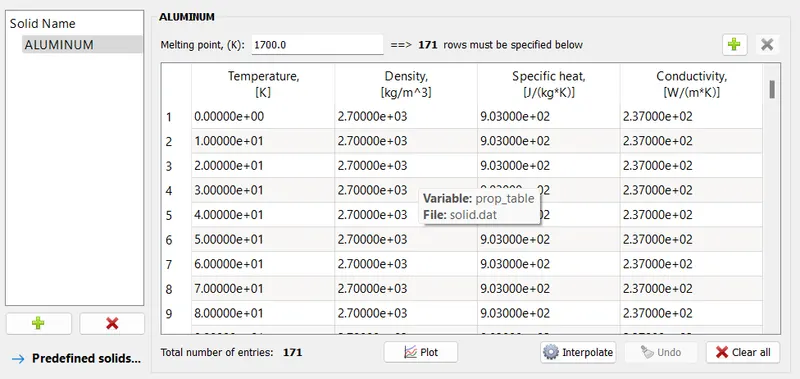
Solid simulation - metallic element
Species - on
Reaction Mechanism - off
Global Transport Parameter:-
Turbulent Prandtl variety - zero.9
Turbulent Schemidt variety - zero.78
Simulation Parameter:-
problem solver - Transient State problem solver
Simulation time parameter:-
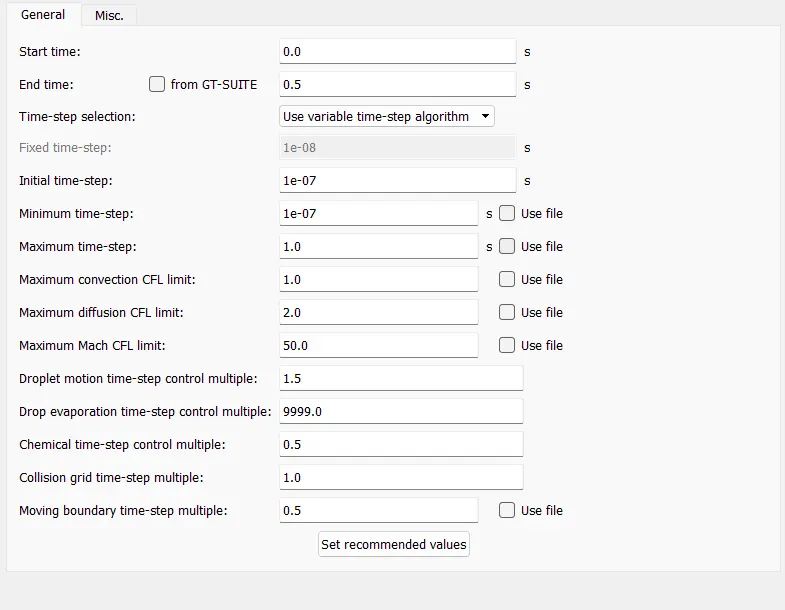
Start time - zero.0
End time - zero.5
Initial time step - 1e-7
Minimum time step - 1e-7
Maximum time step - one
Region and Initialization:-
1. Fluid Region:-
Stream ID - zero
Solid - OFF
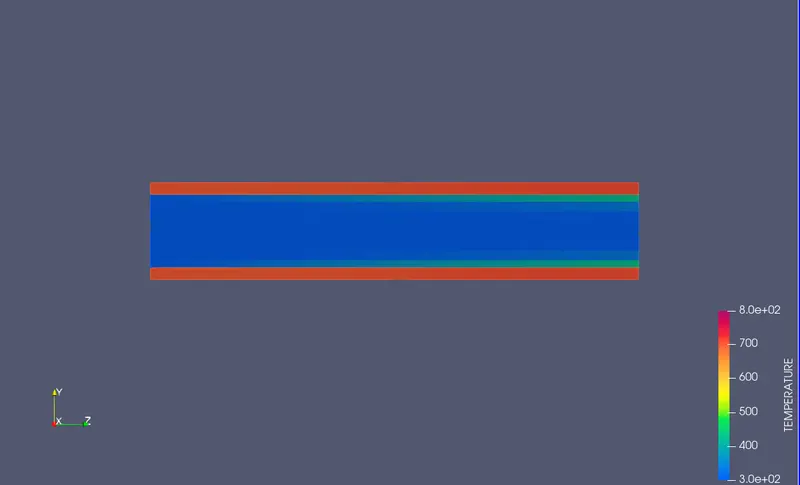
Temperature - three hundred K
Pressure - 101325 Pa
Species - Air - O2 - zero.23
Species - Air - N2 - zero.77
2. Solid Region:-
Stream ID - one
Solid - ON
Temperature - three hundred K
Pressure - 101325 Pa
Species - {aluminium|aluminum|Al|atomic number one3|metallic element|metal} - 1
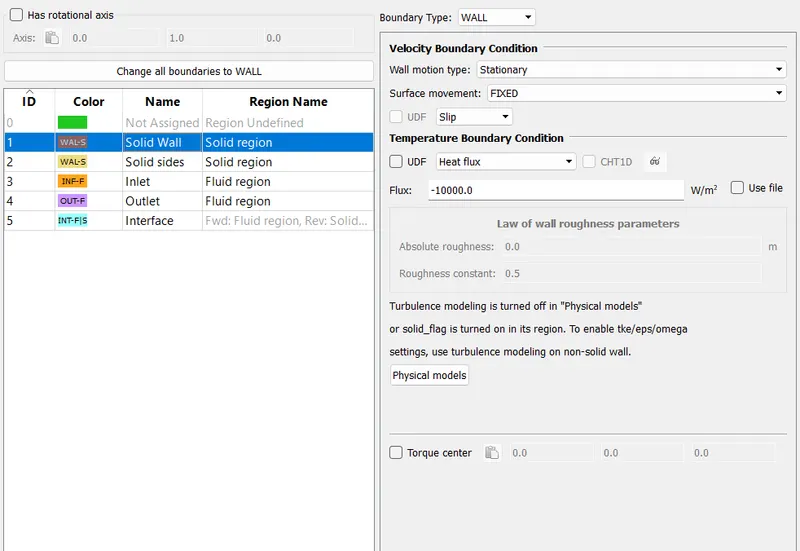
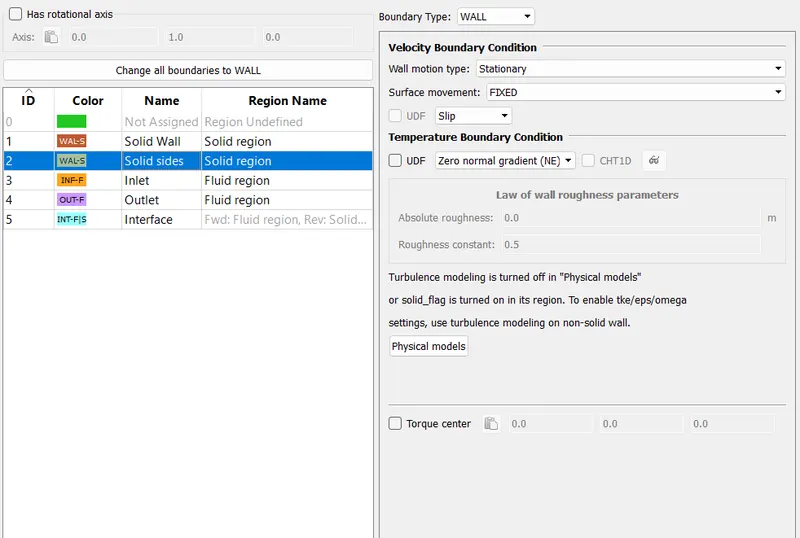
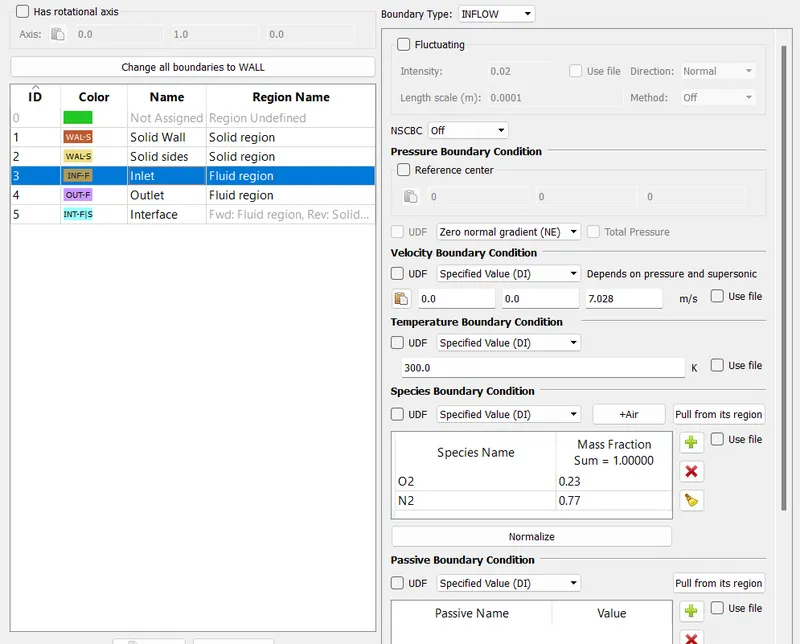
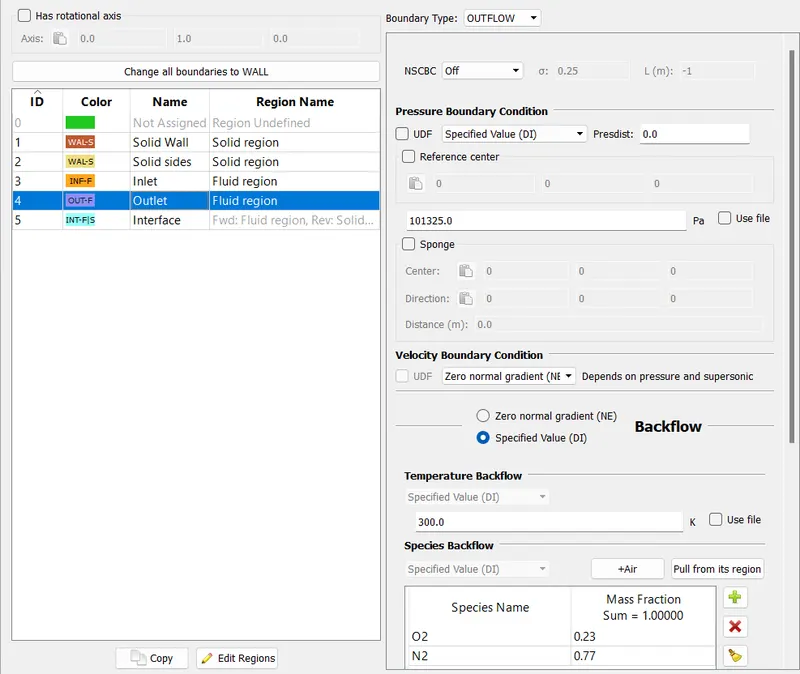
Boundary Condition:-
Solid wall - Wall - Stationary - Slip - Heat Flux - (-10000 W/m2) (Solid Region)
Solid facet - Wall - ZNE (Solid Region)
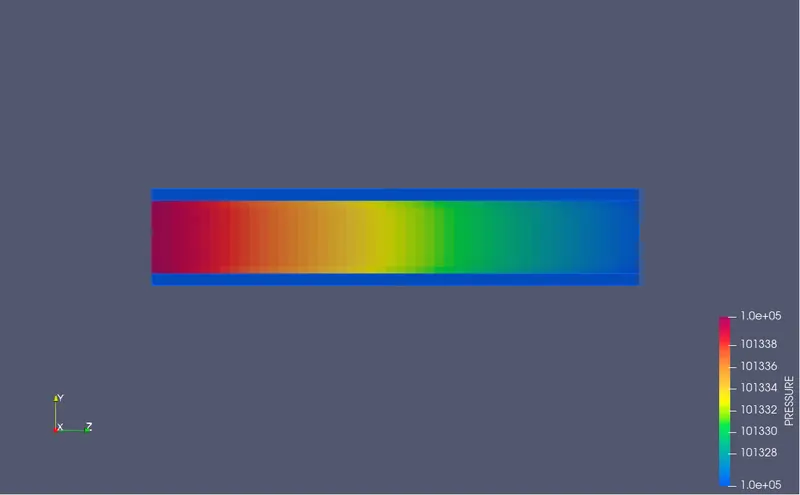
Inlet - influx - Pressure (ZNE) (Fluid Region)
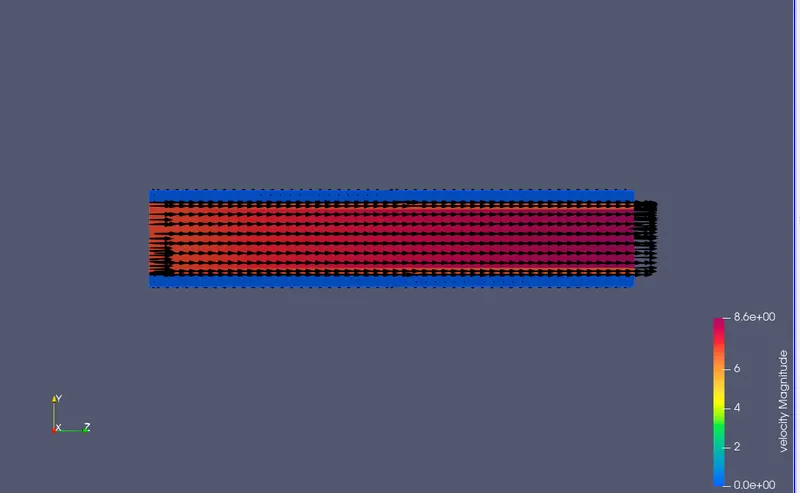
Inlet - influx - speed (DI) - z - seven.028 m/s - Species - Air (Fluid Region)
Outlet - Outlflow - Pressure (DI) - 101325 Pa (Fluid Region)
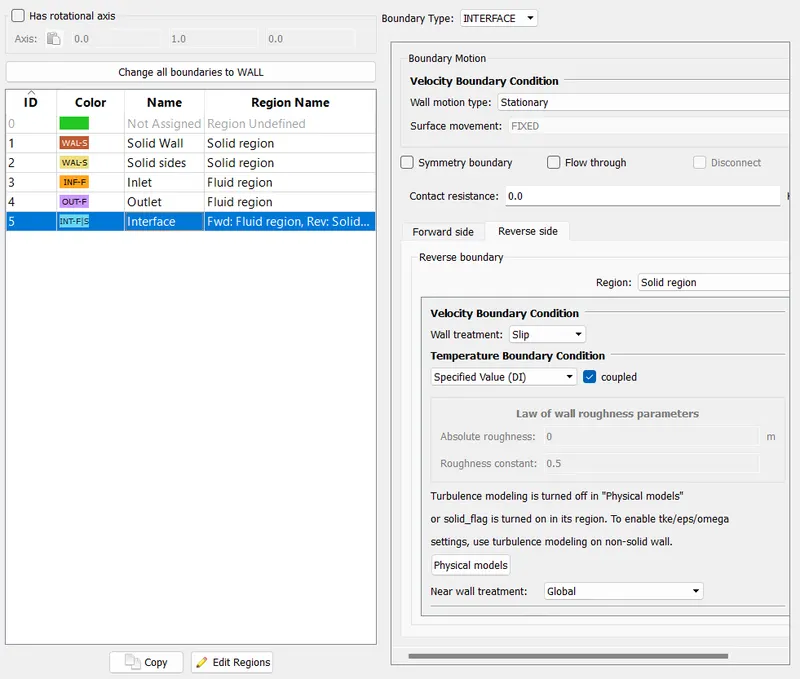
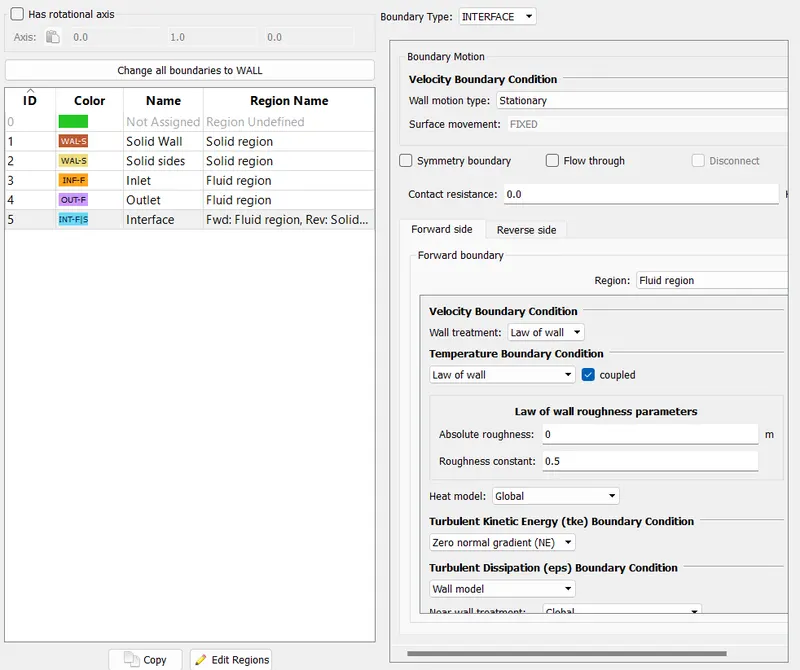
Interface - Interface - forward - Fluid region - Law of wall
Interface - Interface - Reverse - Solid region - Slip - metallic element
Physical Model:-
Turbulance Model - k epsilion
Super Cycle Model - Super cycle Interval - zero.05
Super Cycle Model - CFL - one hundred
Super Cycle Model - Relaxation - one.4
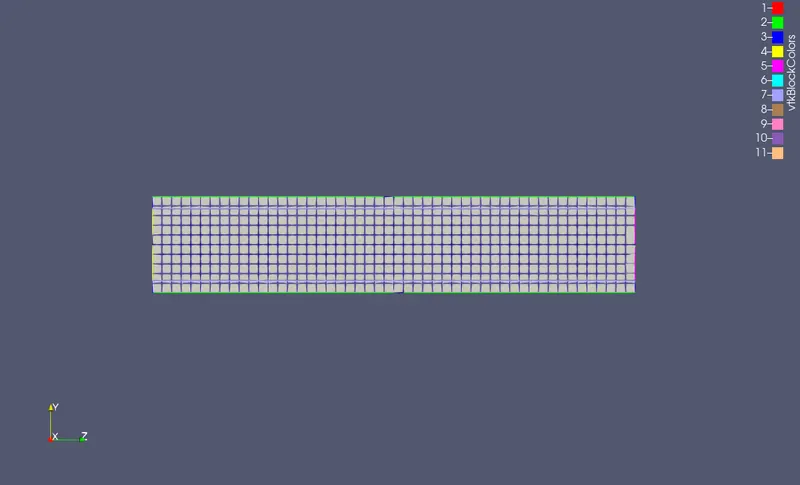
Model in converge studio:
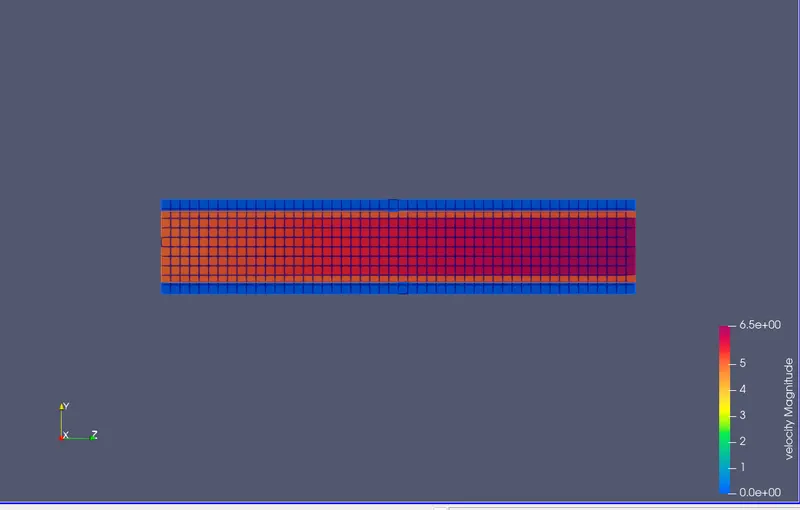
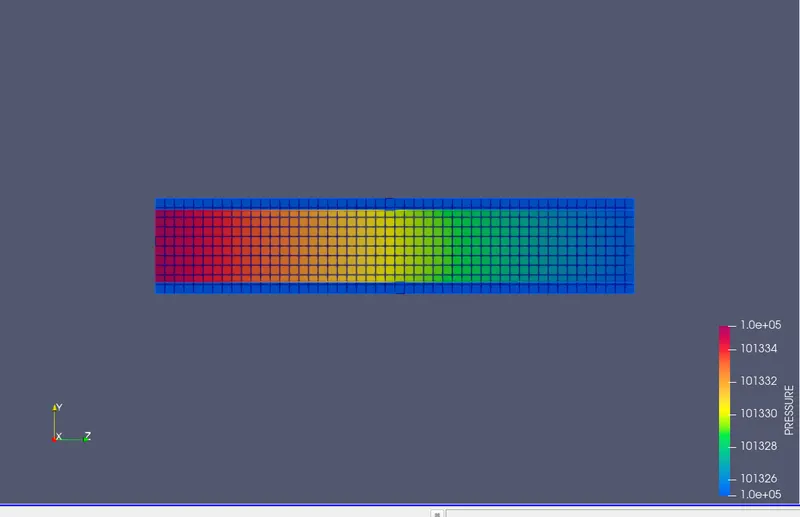
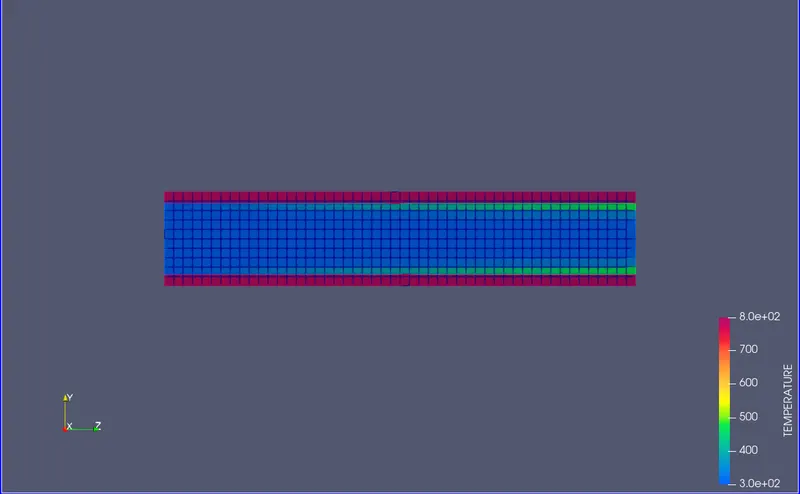
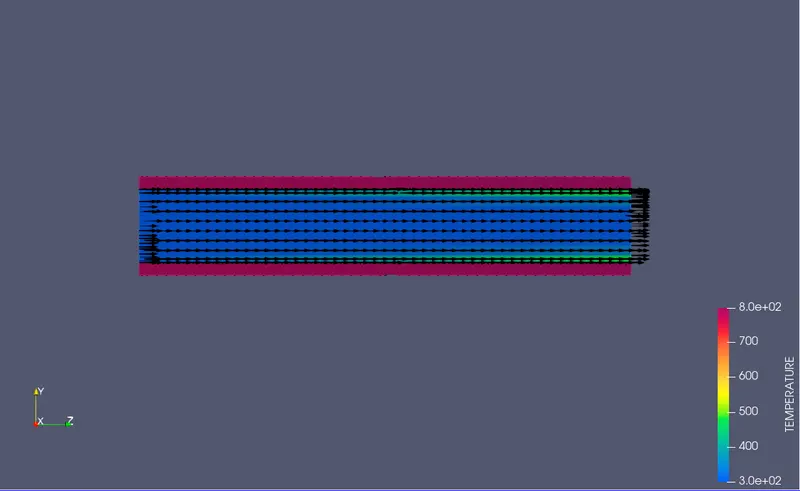
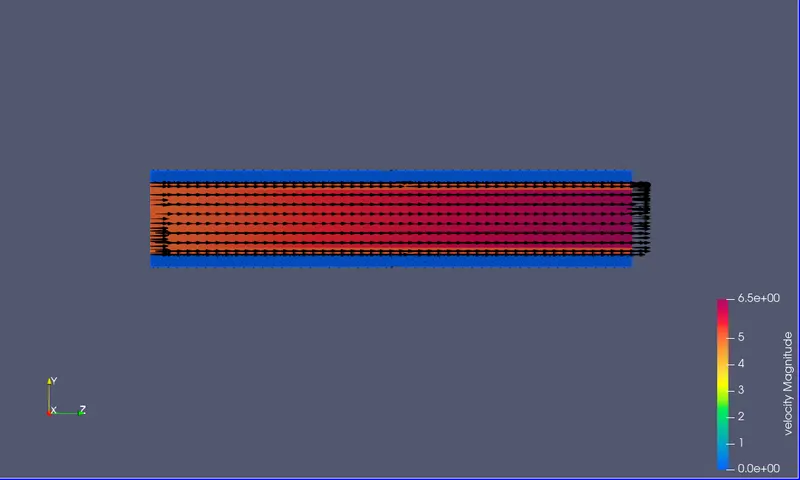
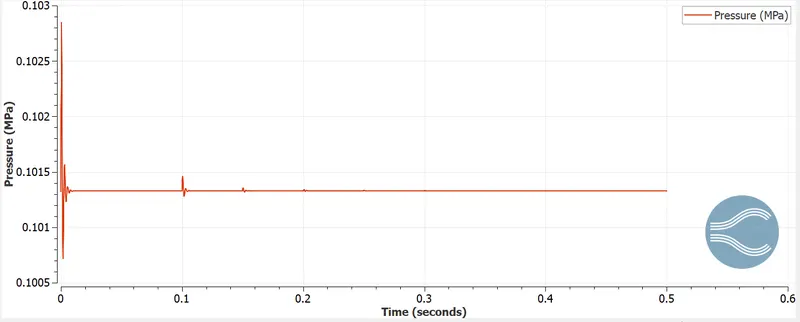
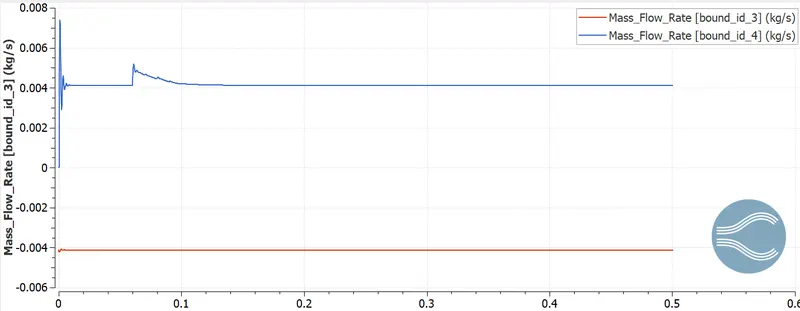
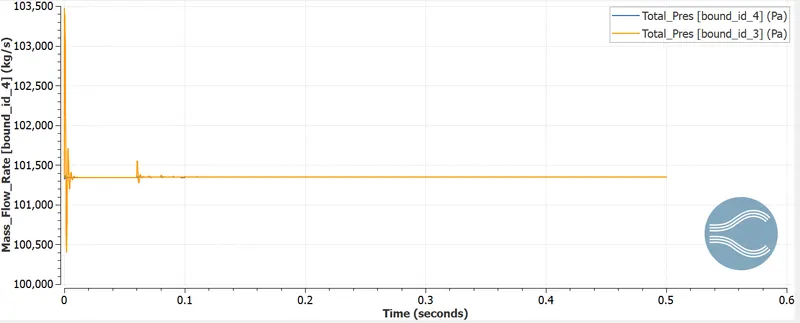
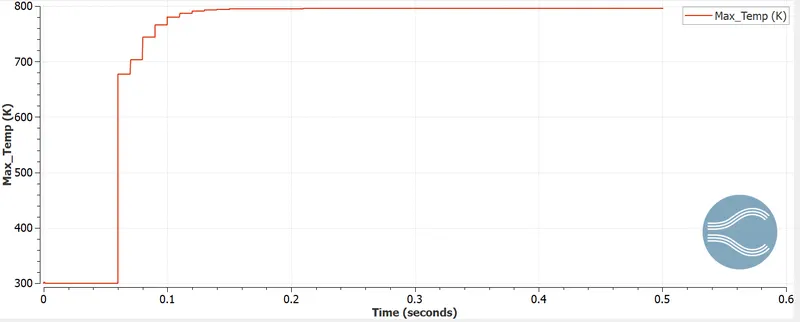
Case 1: 0.001 super cycle modelling:
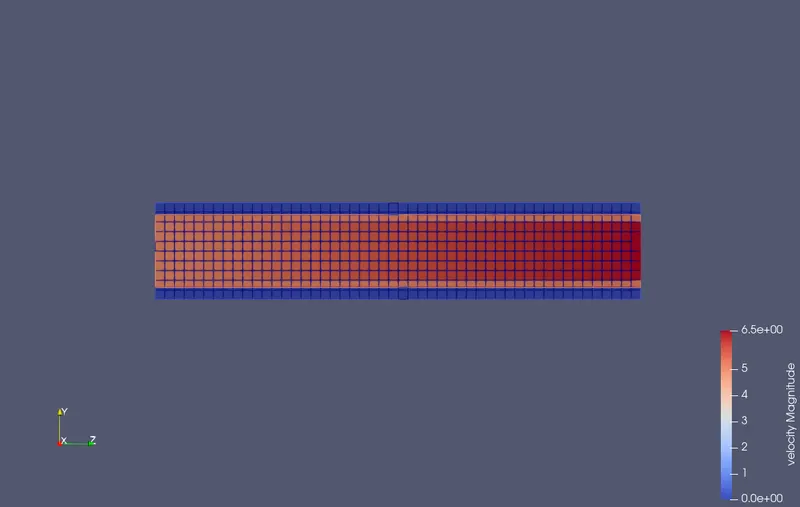
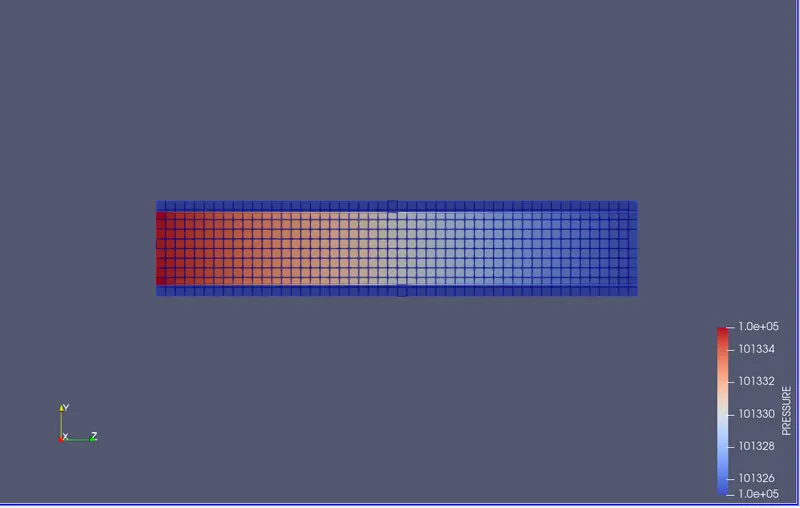
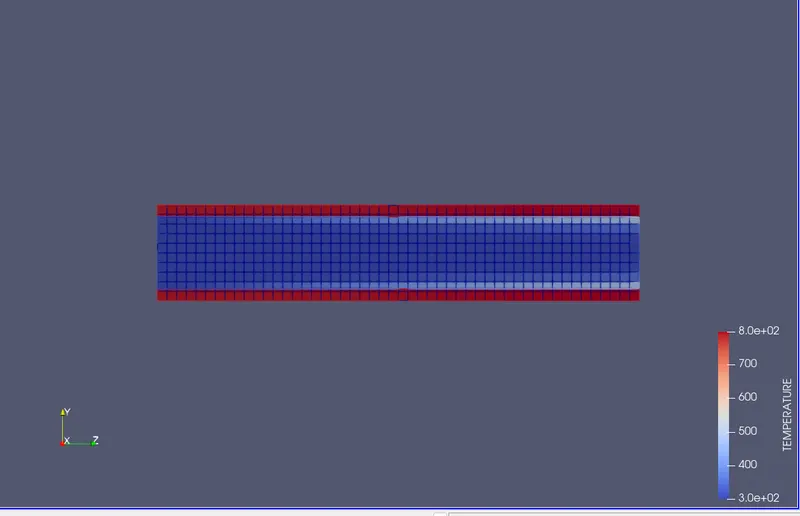
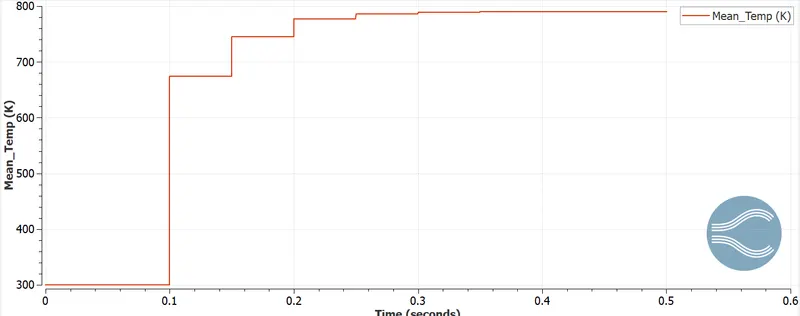
Case 2: 0.02 super cycle
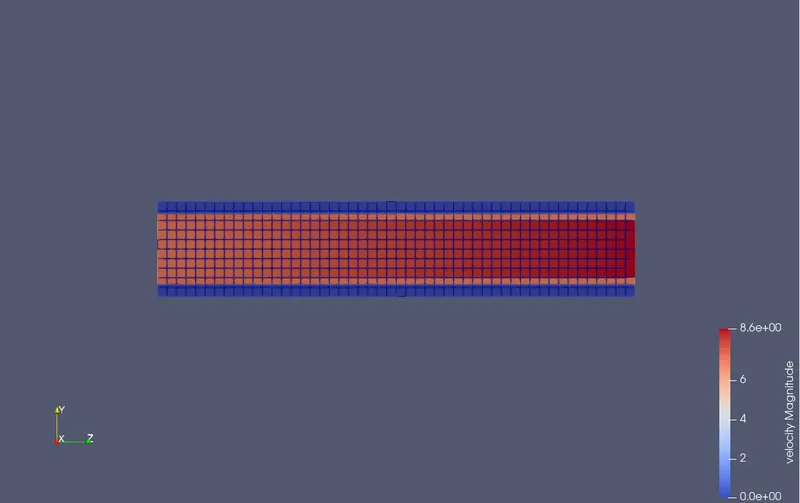
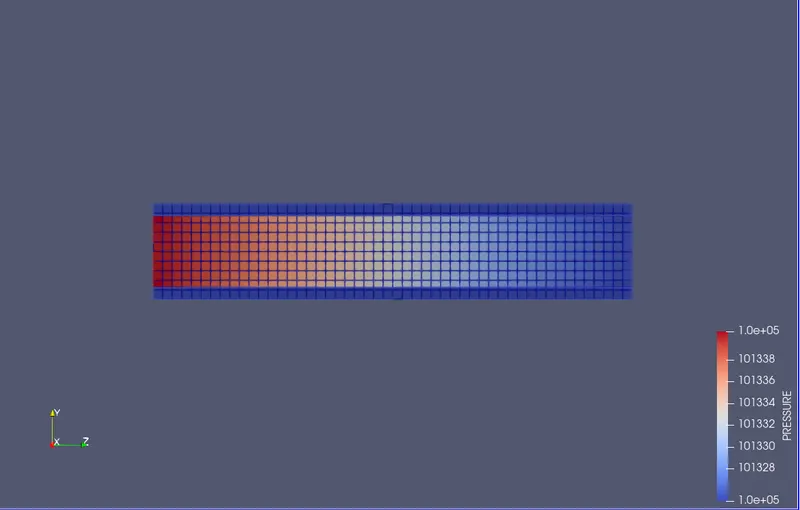
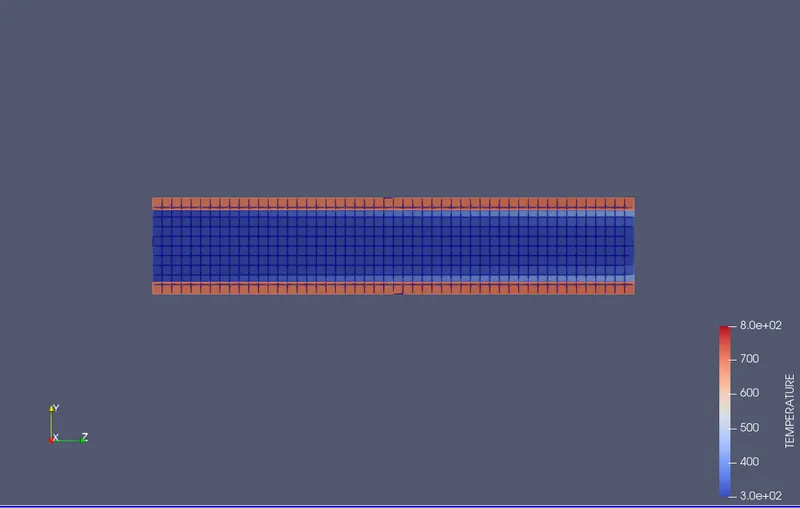
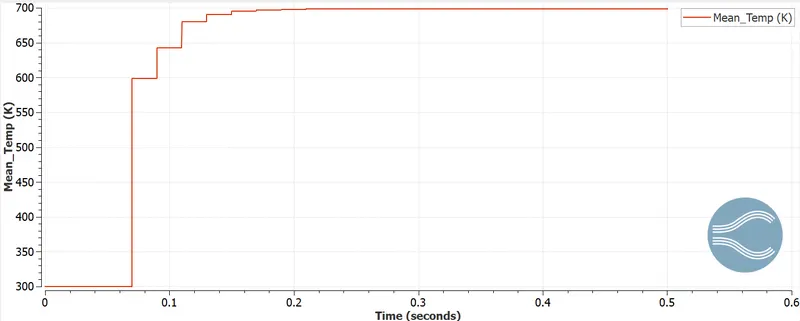
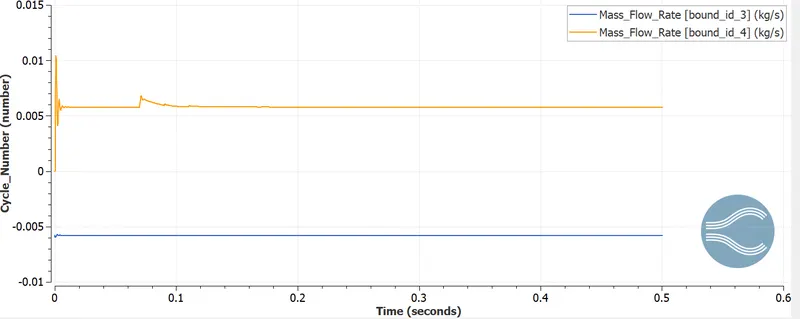
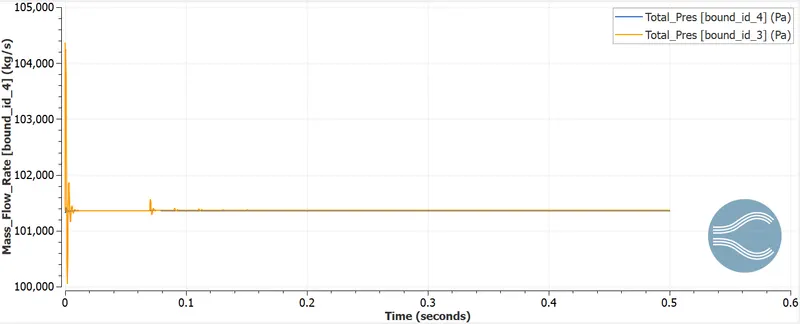
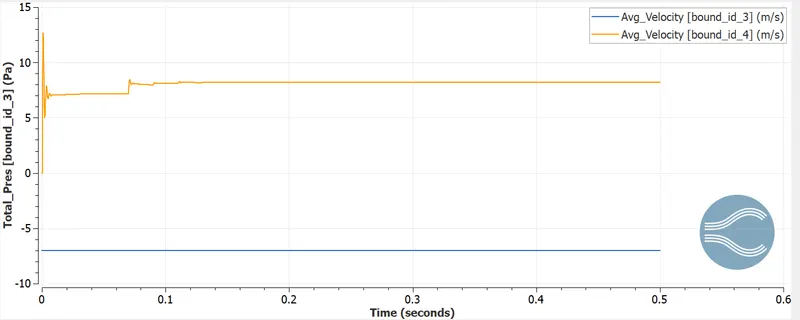
Case 3: 0.03 super cycle