Week 6:- Clamp Unit & Pin-Clamp Unit Design Challenge
SWIVEL CLAMP UNIT :
A clamp unit is a unit designed to clamp/hold the car panel with NC blocks/Mylars/rest by using a pneumatic cylinder, Clamp arm, finger, Rest/backup, I-block, shims, riser, pneumatic cylinders are the typical parts of clamp unit, Clamping force should be considered while designing clamp unit, Usually clamp open position is 900.Fingers are attached to clamp Mylar
In Clamp unit shim to one side is more enough because it will restrict translation motion in upward direction and downward direction only. There is another type of clamp unit known as swivel type. There is pivot pin around which clamp arm rotate.
Purpose of a Clamp unit:
The purpose of clamping tools is to securely hold the work piece in position without obstructing the production process. High Clamping forces combined with compact dimensions are therefore the most important requirements for a clamping tool.
Design of Swivel Clamp unit:
- Study the PLP (Principal location Points) data along with the nearby spot data.
- Depending on the angle of cross section. Mylars will be having shimming either in one direction or in 2 directions. General thumb rule if the section is inclined more than 150 or clamping surface is 3D profile then 2 direction shimming are provided
- Take an overview of the working height if you're having manual welding. For robotic welding also it's important to see the working height in consideration of the robotic gun, turntable height if manual loading is done.
- Put the proper gun at the spot location. If process engineer has gun shape stick to X, C or Y type of gun. Do the proper gun study and place the gun as per the Geo or re-spot decision and operator approach. Once basic gun is placed considering the throat depth and throat gap start building the clamp and rest block at the PLP.
- Panel section creation: Take a section at PLP either in clamp opening direction or normal direction Sections should be normal to base Panel section through X, Y or Z direction passing through PLR Section will help it finalizing the shape of clamp and rest block. Most importantly used for finalization of gun shape.
- Finalization of a base plate plane: Consider following things before deciding the base plate Height of maximum and minimum weld spot from the floor. No gun arm should touch the base plate. Operator ergonomic while accessing all the spots.
- Construction of Rest and Clamp block: If standard Mylar has to be used (Few companies make standard height and length of steel blank with few holes and dowels for clamping) they select the proper blank size as per the requirement consider 0.5 mm above the panel.
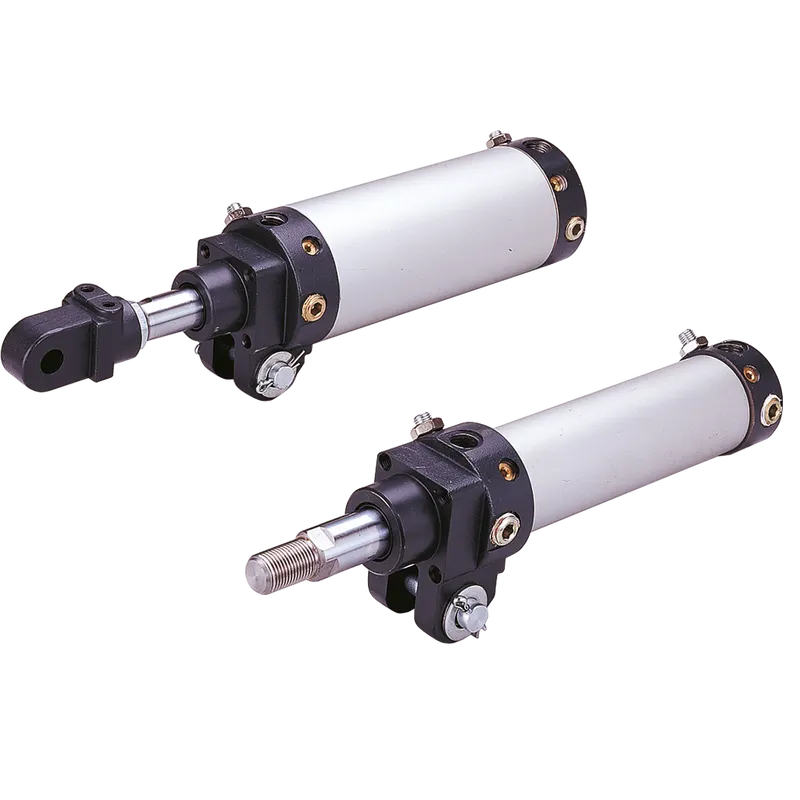
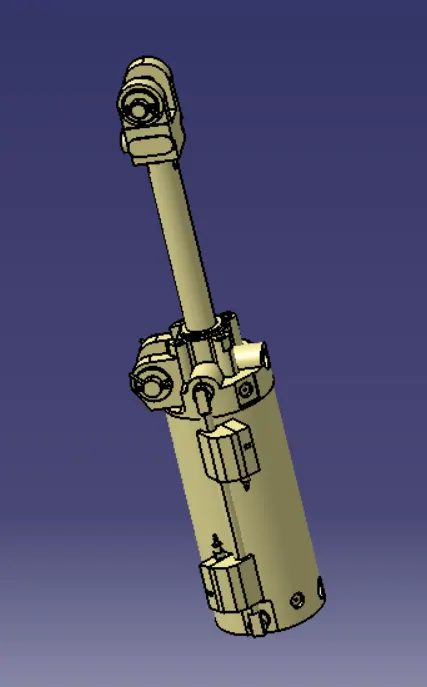
- Select the clamping cylinder as per the pivot point distance from the PLP Once clamp and rest block are built, start construction of mounting plate or lubrication structure as per the company standard to make the connection with the base plate, shimming is 2mm solid+3mm shim pack. In few companies 3 shims are used. Make connection plate between rise and Mylar Material can be C45, Teflon, Aluminium or S-Gurn as per the customer requirement Generally S Gurn Mylars are made of more thickness.
Clamping Force:
Clamping force is the force required to hold a part against the locators. Clamping prevents the part from shifting or being pulled from the jig or fixture during the machining operation. The type and amount of clamping force needed to hold a part is usually determined by the tool forces working on the part and how the part is positioned in the tool. Sometimes the operation being performed is a factor. Clamping pressure, as a general rule, should only be enough to hold the part against the locators. The locators should resist the bulk of the thrust. If a part must be clamped with a great deal of pressure, the tool should be redesigned so that the tool thrust is directed at the locators and the tool body. Clamps must never be expected to hold all of the tool thrust.
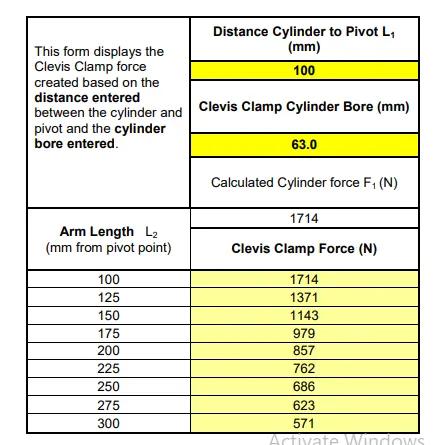
Factors to be considered while designing a clamp unit:
- There should be adequate space between the cylinder and another part like riser, car panel because cylinder moves or swing while opening and closing.
- Pin clam unit is used where two panels or components are located and clamp for welding.
- Clamp make is in such a way that it clamps two car panel at once.
- Every clamp Mylar should have rest Mylar.
- Clamp unit has shims in only in one direction.
- All parts should snap and butt properly to each other.
- Make sure that parts of the clamping unit are min 10 to 12 mm away from the car panel, so they don't damage the car panel.
- Design tree should be structured in a way that makes a part on the top and followed the standard part.
- Avoid any clash, it will not rise issue at assembly.
- The product design should be in such a way that it will be easy to make, assemble and quality check.
- We should preferably use quick acting clamps, the clamping method will not damage the work piece. The clamp should be open in such a way that clamp arm moves away from the operator.
- There must be adequate clearance for loading and unloading. So, the process becomes fast and easy. The Size variation must be accepted.
- Avoid sharp edges and corners, they can harm the operators and cause a serious injury. Provide chamfer or fillet to the corner. The fixture must possess sufficient rigidity and robustness. It should not vibrate as it can lead to unwanted movement of the work piece and tools.
- Must ensure security in the operation.
Clamp Unit:
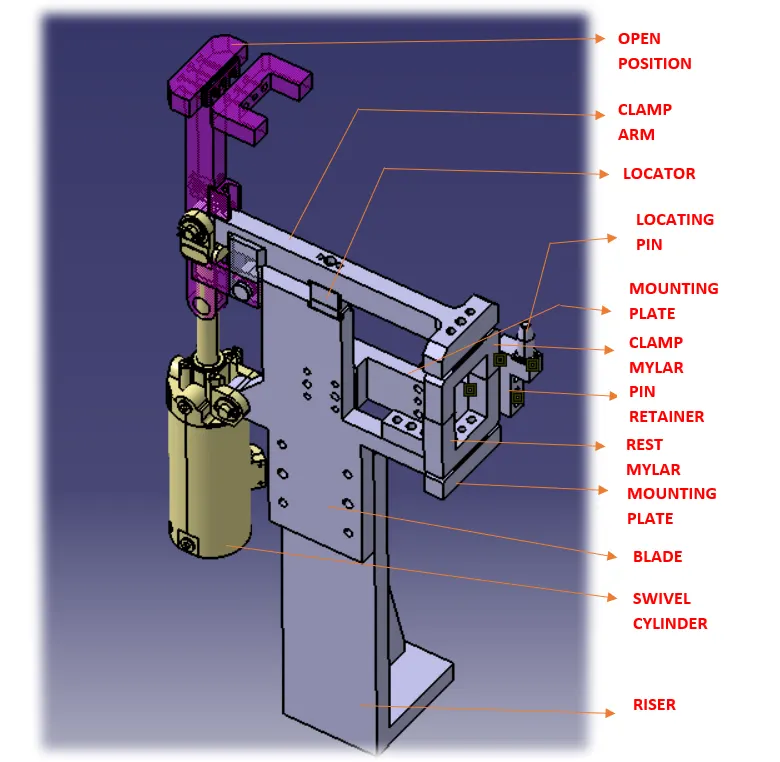
Clamps hold the car part firmly and prevent the part from distortion while carrying welding operation. A single clamping unit consists of the following parts:
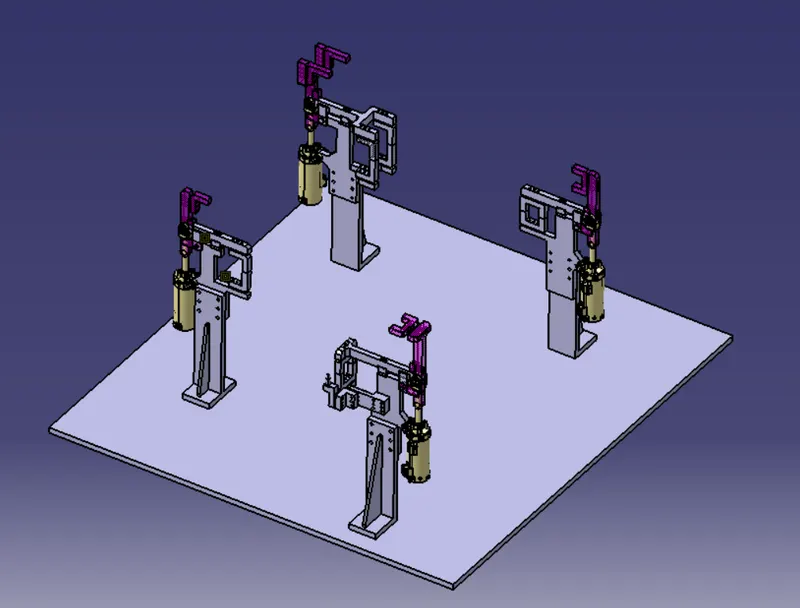
A clamp unit which attached with pin unit are shown below in figure;
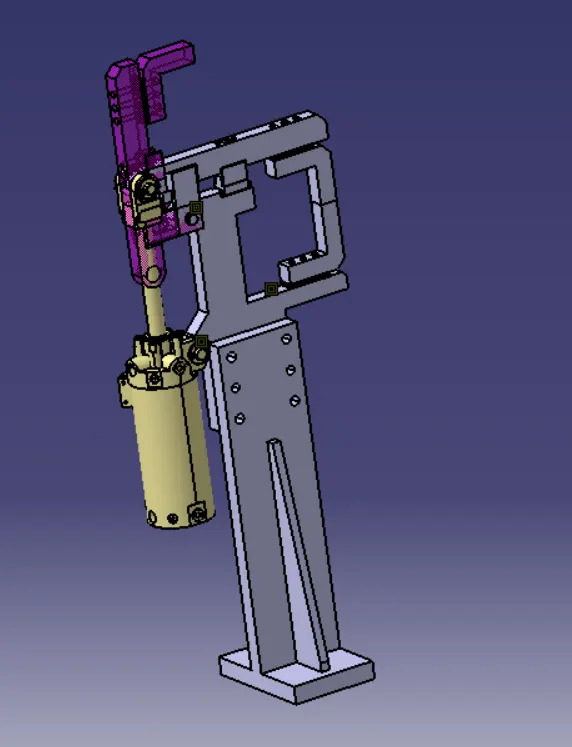
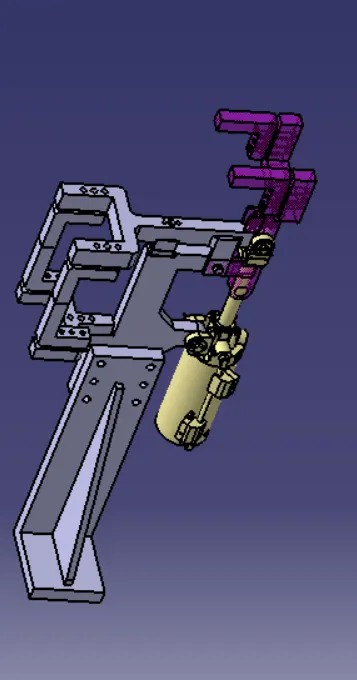
A unit without pin attachment are shown below;
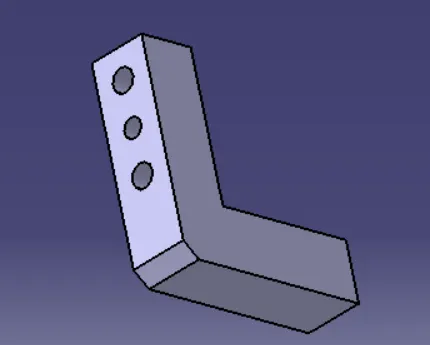
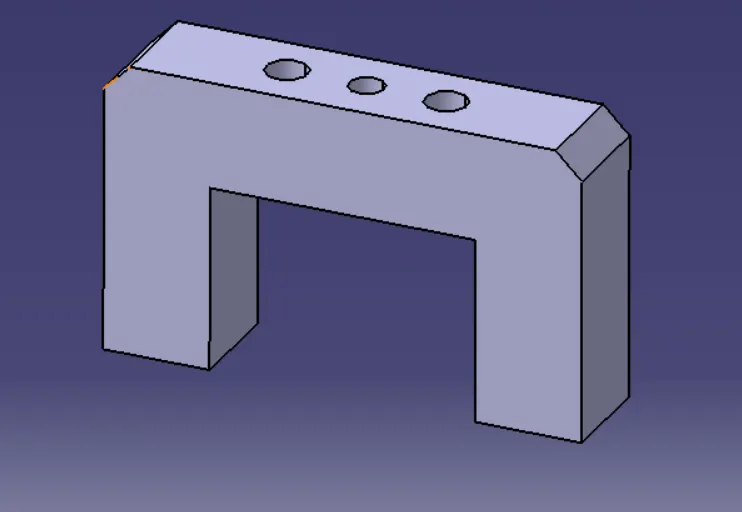
Finger or clamp mylars ;
It is a movable part which is used to hold the Car part from top against the Back-up and they are usually mounted on the clamp arm.
REST MYLARS;
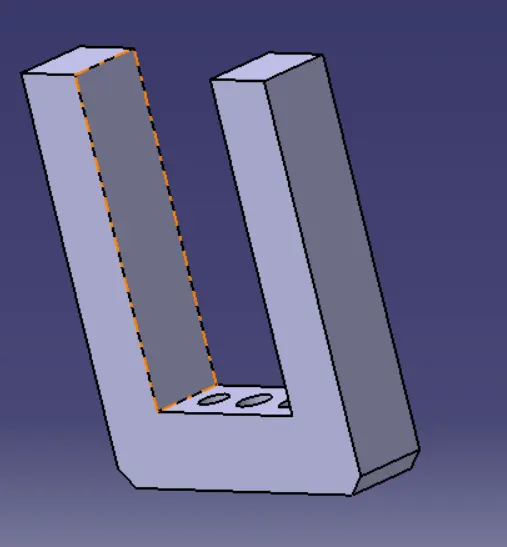
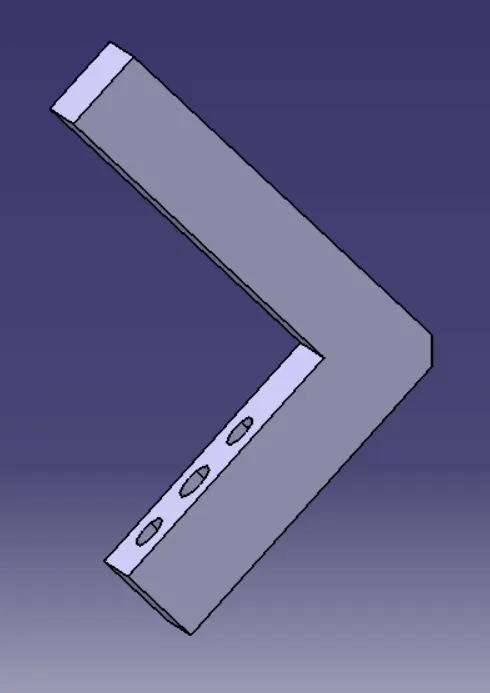
A rest is a NC block,which is fixed to the unit to support the car panel.Also it resist the clamp force of the finger and the clamp of car panel.
CLAMP ARM ;
A clamp arm is a bought out part to its all the movable parts are fixed in general a clamp arm is a part of clamp cylinder
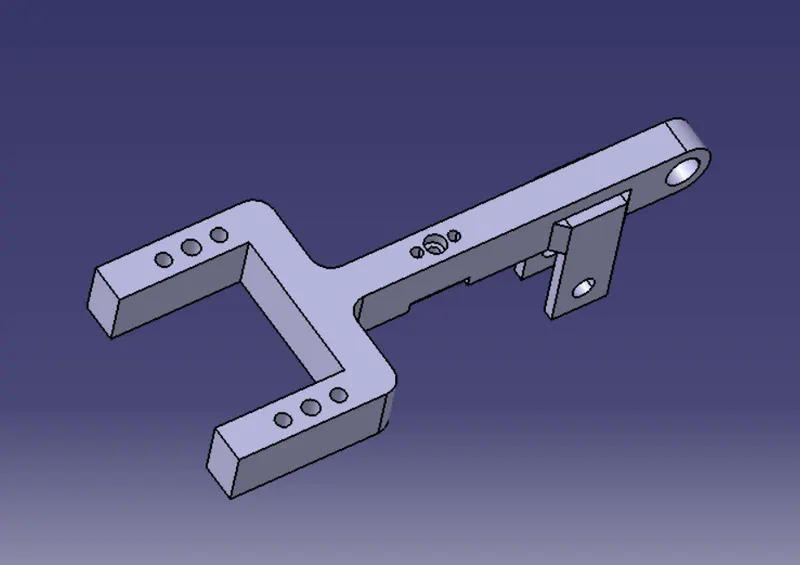
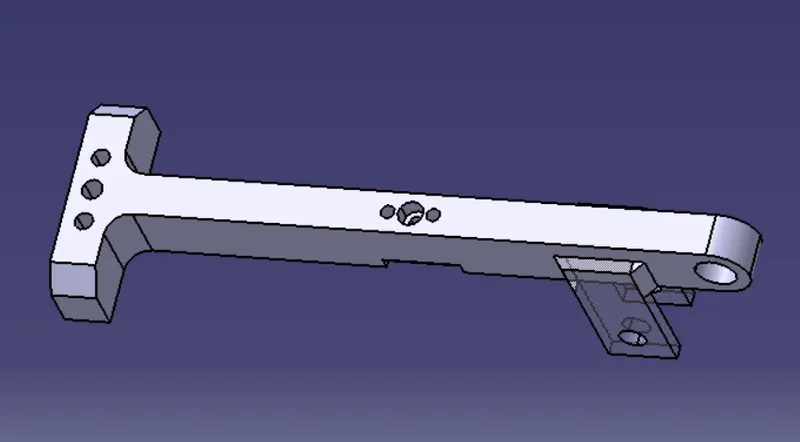
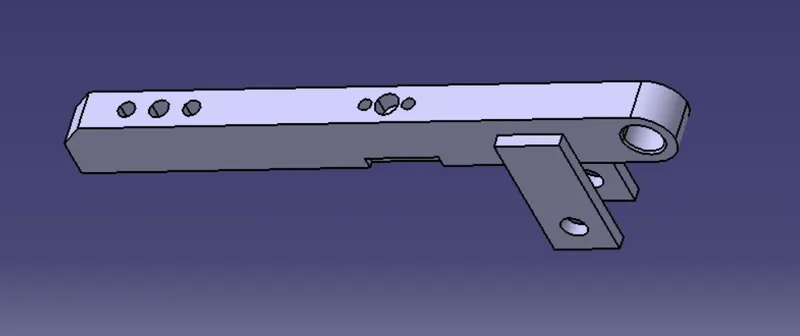
LOCATOR;
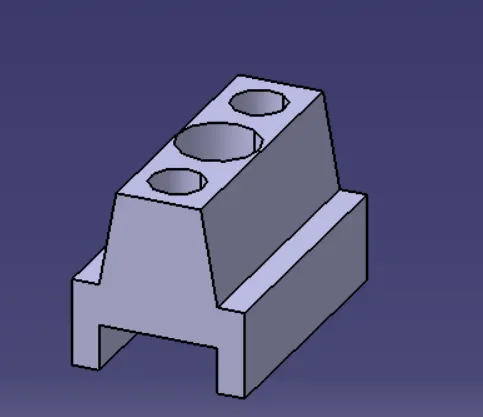
locator are used to locate the clamp and clamp mylar without any deviations and it acts like a stopper.
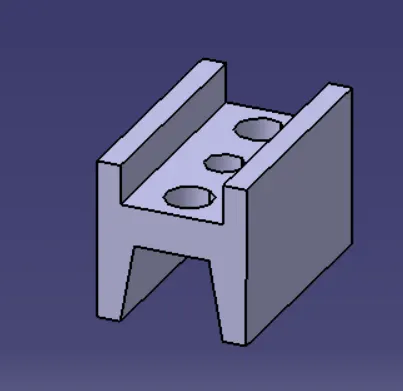
BUSH;
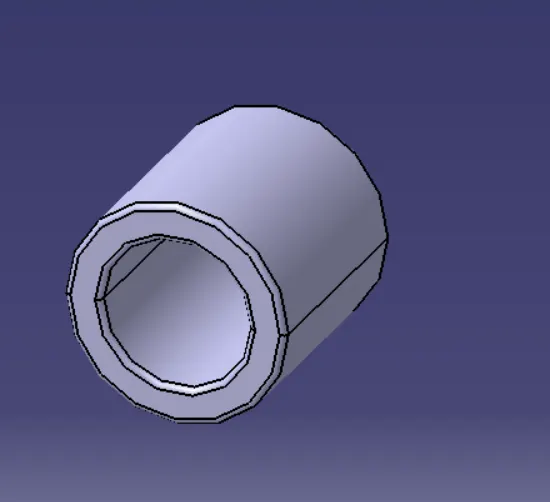
Bush are used to control the wear resistance of moving areas ,bushes are manufactured with hardened materials and bushes are many types like self lubricating bushes etc.
Mounting plate:
Mounting plate (single or in combination) used to mount the finger to clamp arm, besides allowing adjustment for locator pin in two directions.
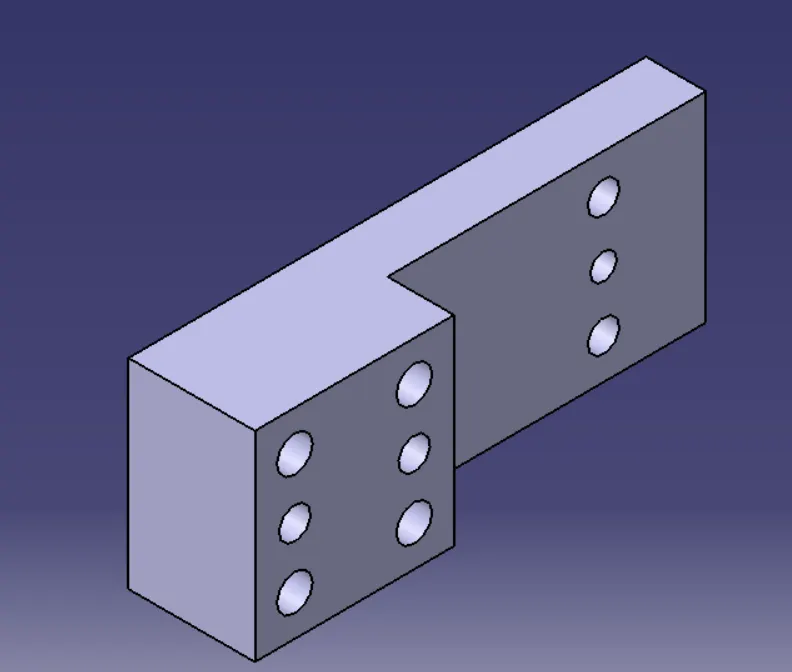
Both l block and support block or spacer is used the finger and rest/mylar ,in between these shim pack will be add to adjust the blocks.
Shim and spacer:
They allow the finger to be moved to the correct XYZ locating and / or allow the customer to make adjustments to improve the quality of their product.
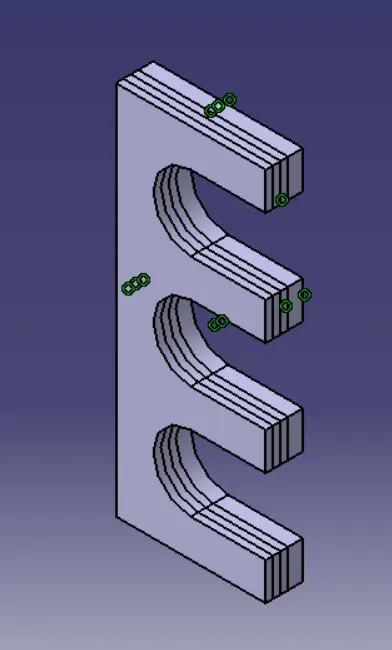
Blade:
Part onto which the aforesaid elements are attached to.
Blade are used to clamp the rest mylar and L block and the blade is fixed in the risers.
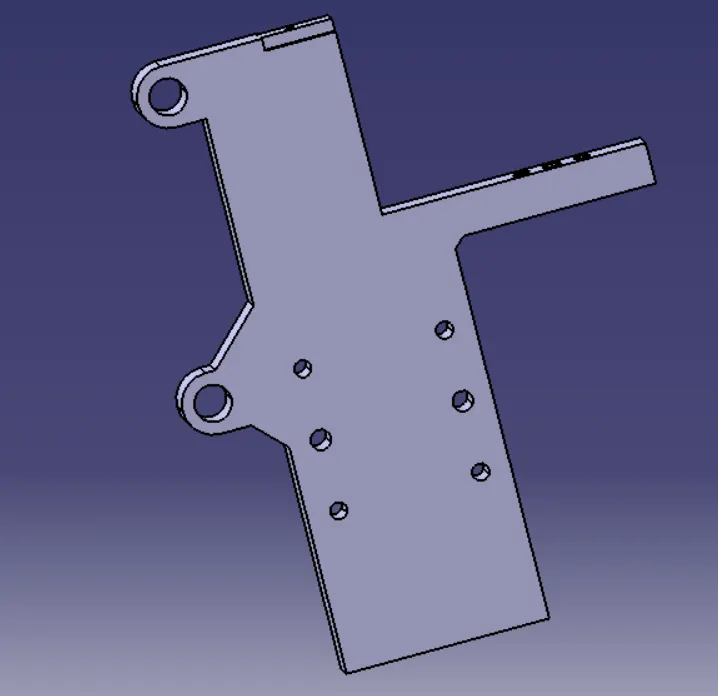
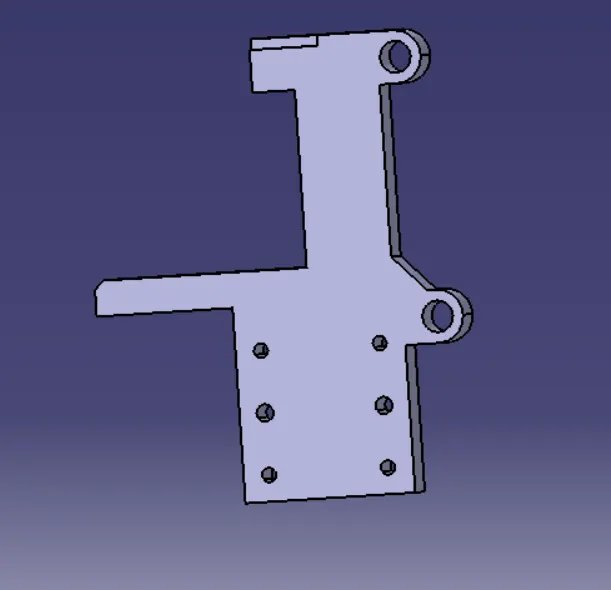
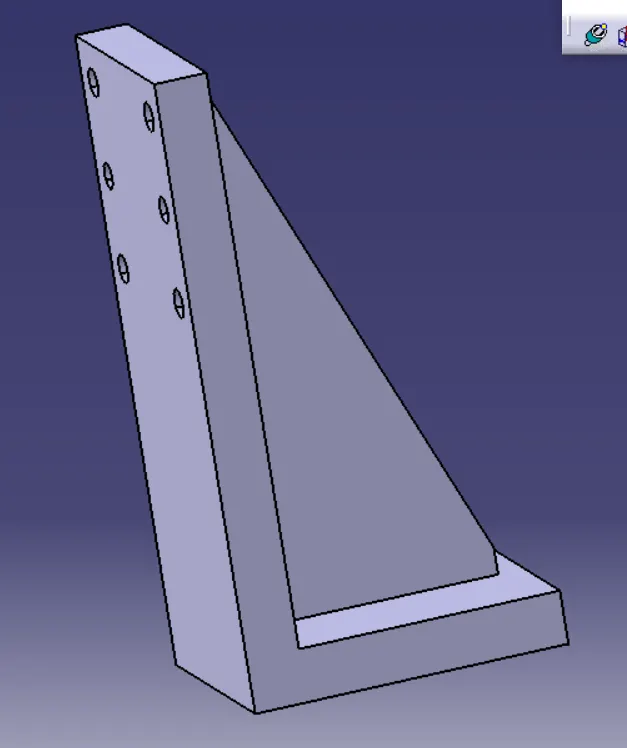
Riser:
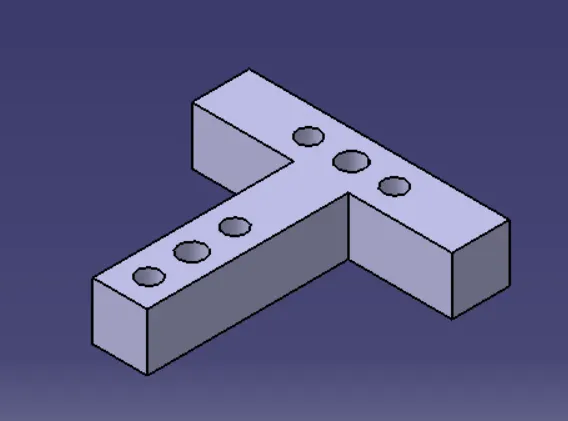
L- shaped tall block with regularly patterned holes to attach the above mentioned parts in modular way Blade space.
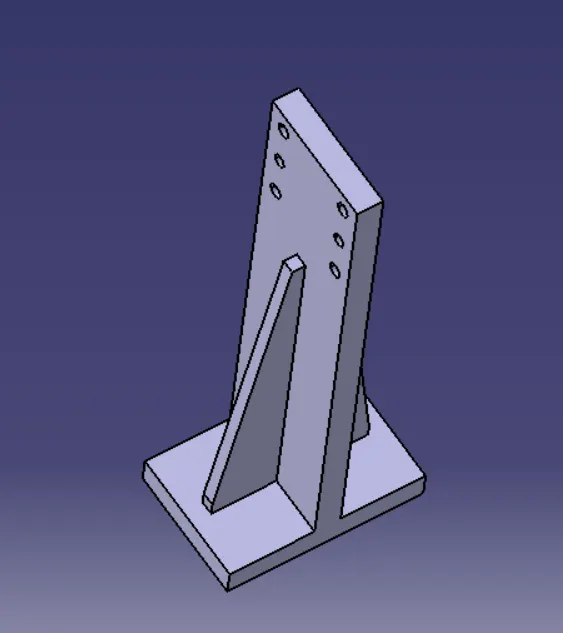
TYPICAL PARTS OF A PIN UNIT:
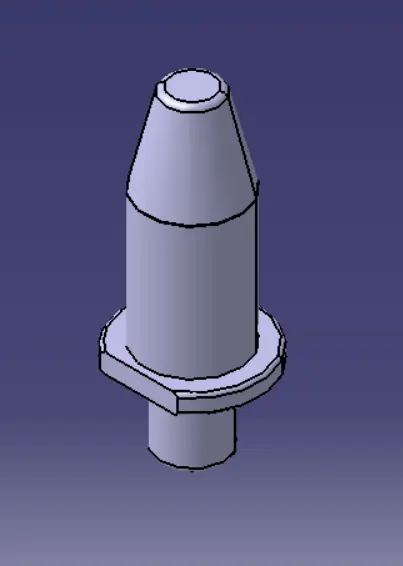
Pin:
- Pin a part which locates the car panel. A pin can either be a make part or a standard part also.
- Pin should have grinding surface on shaft with fits on to which the pin retainer will be fitted.
- The mounting surface of the pin should be a fine machined surface.
- The pin should have a step machine surface to lock the rotation, which matches with the pin retainer.
- The mounting surface of the pin retainer to the blocks should be a machined surface.
- All machined planes should be perpendicular to the axis of the pin shaft.
- Pin must have a fastening provision like tapped hole from the bottom or a V grove from the side.
- A pin must be hardened (Heat treatment) and black oxide finished in general
PIN RETAINER BLOCK;
The block is used to locate the pin wihout any deviations by using fastening.
And we use different types of retainer block for reqiured space and design.
the retainer will be assemble in L block.
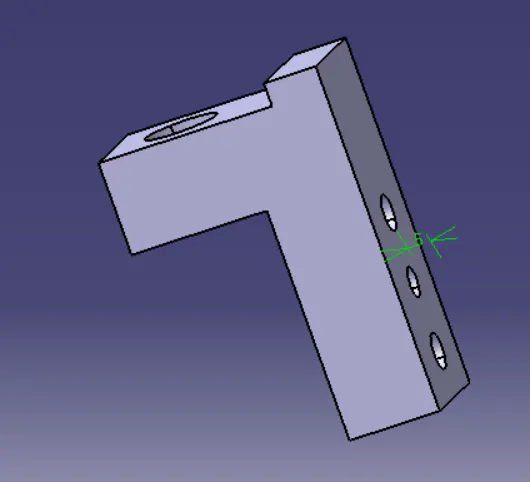
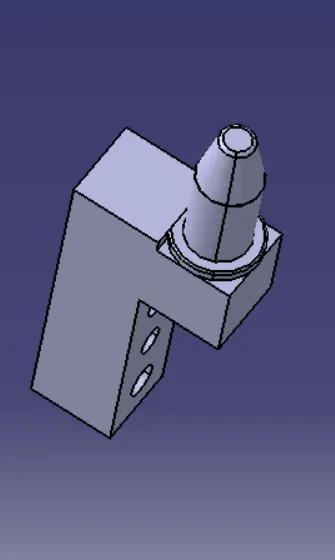
L' BLOCK;
L'block is used to mount the finger to clamp arm, besides allowing adjustment for locator pin in two directions.
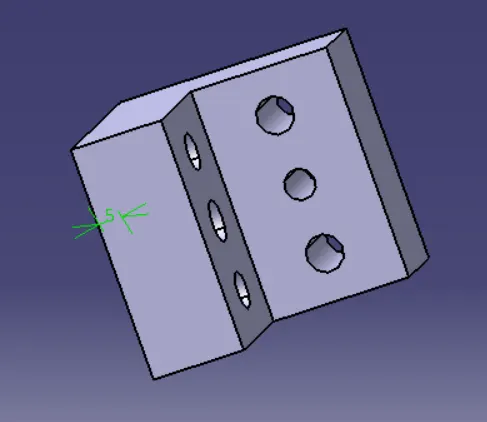
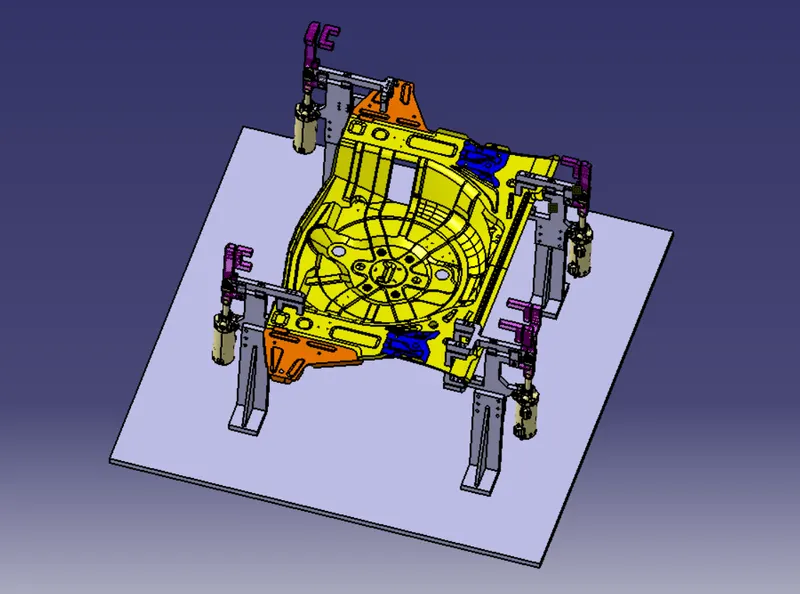
THE FULL ASSEMBLY DRAWINGS IMAGES ARE SHOWN BELOW;