Week-6 Challenge: EV Drivetrain
AIM:
- To get to know the type of converters used in HEV and EV vehicle.
- To find the speed using torque-speed relation.
- To get to know about induction and DC brushless motors.
OBJECTIVES:
- To get information on converters for HEV and EV vehicles.
- Find the speed using torque-speed expression.
- Try to find the best options for motors for HEV or EV Vehicles.
1. Which types of power converter circuits are employed in electric and hybrid electric vehicle?
The power electronics deals with power conversion in a very controlled manner. the most important part of power electronics is the power control & the characteristics of the switches that allow this conversion. the function of conversion is performed by static power converters. these converter are divided into six types of circuit or converters used in power electronics.
1. Diode rectifier
2. AC-DC converters (controlled rectifier)
3. AC-AC converters (AC voltage controller)
4. DC-DC converter (DC chopper)
5. DC-AC converter (inverters)
6. Static switches.
1.Diode Rectifier
This circuit (Diode rectifier) converters AC power into fixed DC power. The applied input voltage can be single-phase or three-phase. The input alternating voltage is converted into a steady & smoother DC output.
2.AC-DC Converters (Controlled Rectifier)
This type of converters converts the applied AC signal into DC signal using controlled switches (Thyristors). For this reason, the converter is also known as a controlled rectifier. Four natural commutated thyristors are used in this circuit instead of diodes as shown in the figure.
The average output voltage of the converter can be controlled by firing delay or by varying the conduction time. The applied input can be single-phase or three-phase.
3.AC-AC Converters
These converters convert the fixed AC source into variable AC output voltage. A single-phase AC-AC converter is shown in the figure with a TRIAC. By varying the conduction time of TRIAC, the output voltage of converter can be controlled directly. AC-AC converters are also known as AC voltage controllers.
4.DC-DC Converters
DC-DC converters convert or change the voltage level of applied DC input into a DC output. These converters are also known as choppers, or a transistor chopper, or switching regulator as shown in the figure.
The average output voltage of the converter circuit can be directly controlled by changing the conduction time of the controlled switch. The conduction time t of the switch is the product of the duty cycle and chopping period.
t = DT
Where D is the duty cycle of the chopper and T is the chopping period.
5.DC-AC Converter
DC-AC converters convert the input DC power into AC power. These converters are also known as inverters. There are a lot of different types of inverters; however, a typical Inverter uses four switches or thyristors. The four switches make 2 pairs, individually controlled by a switching circuit where each pair is switched on at one interval of time. This alternating switching of the thyristors provides an alternating current through the load. This rhythm of turning the switches changes the DC voltage into AC across the load. The output voltage of the circuit can be directly controlled by changing the conduction time of the switch using the switching circuit.
6.Static Switches
Static switches are a type of converter that connects the load with the source & also provides an abrupt switching between the sources. In UPS (Uninterruptible Power Supply), there are a various number of different conversion stages that cascaded for producing different output voltage levels as shown in the figure.
There are two source lines as shown in the figure, L1 and L2. L1 supplies the normal AC from the AC mains or AC outlets via the static switch while the rectifier charges the backup battery from the line L2. The emergency power to the load from the battery is inverted and then feed to the load via an isolation transformer. The supply to the switches can be AC or DC. These switches are known as static switches or DC switches.
Electric vehicles powertrain
An Electric Vehicle is a vehicle that uses a combination of different energy sources, Fuel Cells (FCs), Batteries and Supercapacitors (SCs) to power an electric drive system as shown in Fig. 1. In EV the main energy source is assisted by one or more energy storage devices.
Thereby the system cost, mass, and volume can be decreased, and a significant better performance can be obtained. Two often used energy storage devices are batteries and SCS. They can be connected to the fuel cell stack in many ways. A simple configuration is to directly connect two devices in parallel, (FC/battery, FC/SC, or battery/SC). However, in this way the power drawn from each device cannot be controlled, but is passively determined by the impedance of the devices.
The impedance depends on many parameters, e.g. temperature, state-of-charge, health, and point of operation. Each device might therefore be operated at an inappropriate condition, e.g. health and efficiency.
The voltage characteristics also have to match perfectly of the two devices, and only a fraction of the range of operation of the devices can be utilized, e.g. in a fuel cell battery configuration the fuel cell must provide almost the same power all the time due to the fixed voltage of the battery, and in a battery/supercapacitor configuration only a fraction of the energy exchange capability of the supercapacitor can be used.
This is again due to the nearly constant voltage of the battery. By introducing DC/DC converters one can chose the voltage variation of the devices and the power of each device can be controlled (Schaltz & Rasmussen, 2008).
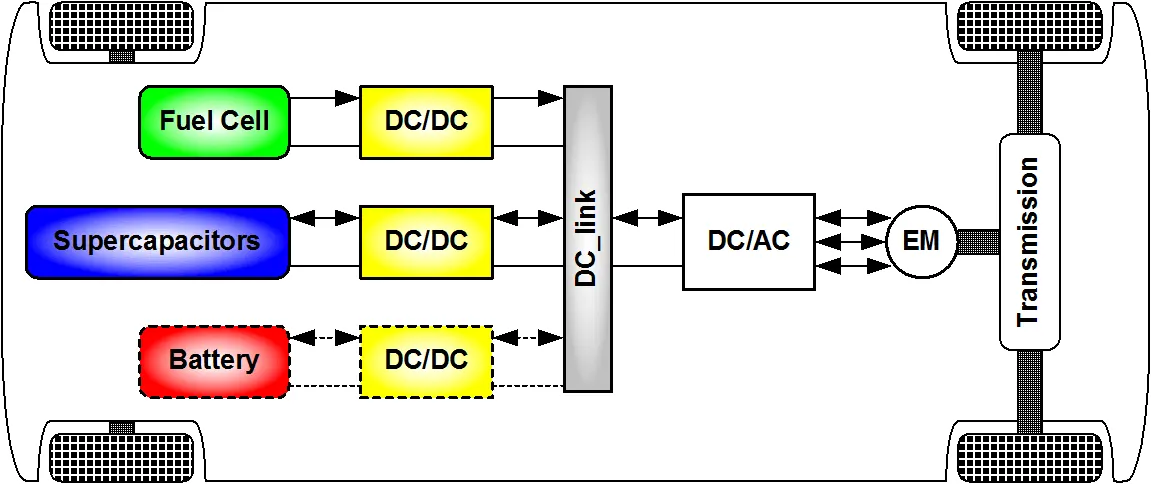
In reference (Schaltz & Rasmussen, 2008), 10 cases of combining the fuel cell with the battery, SCs, or both are investigated. The system volume, mass, efficiency, and battery lifetime were compared. It is concluded that when SCs are the only energy storage device the system becomes too big and heavy.
A fuel cell/battery/supercapacitors hybrid provides the longest life time of the batteries. It can be noticed that the use of high power DC/DC converters is necessary for EV power supply system.
The power of the DC/DC converter depends on the characteristics of the vehicle such as top speed, acceleration time from 0 to 100 Km/h, weight, maximum torque, and power profile (peak power, continuous power) (Büchi et al., 2006).
Generally, for passenger cars, the power of the converter is more than 20 KW and it can go up to 100 KW.
2. An Electric Vehicle's powertrain with 72V battery pack in shown in the diagram below. The duty ratio for acceleration operation is 'd1' and for the braking operation the duty ratio is 'd2'.
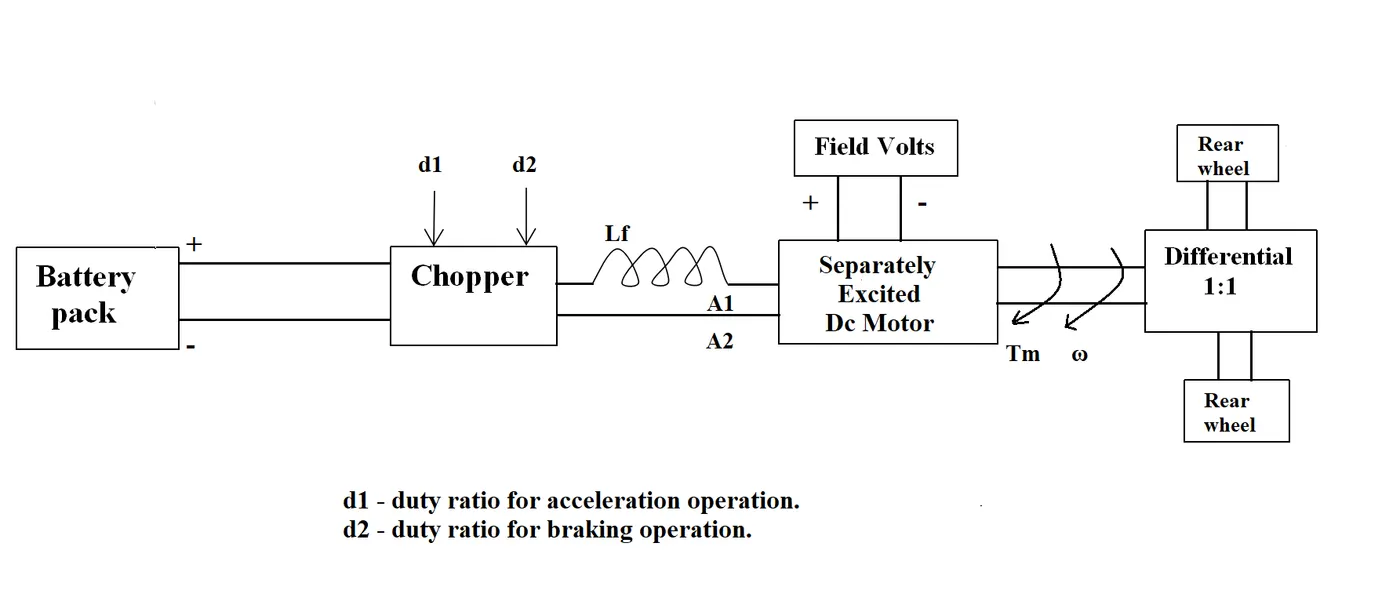
The other parameters of the electric vehicle is given below,
Motor and Controller Parameters:
Rated Armature voltage= 72 V
Rated armature current= 400 A
Ra= 0.5Ω, KΦ= 0.7 Volt second
Chopper Switching frequency= 400 Hz
The vehicle speed-torque characteristics are given by the below equation

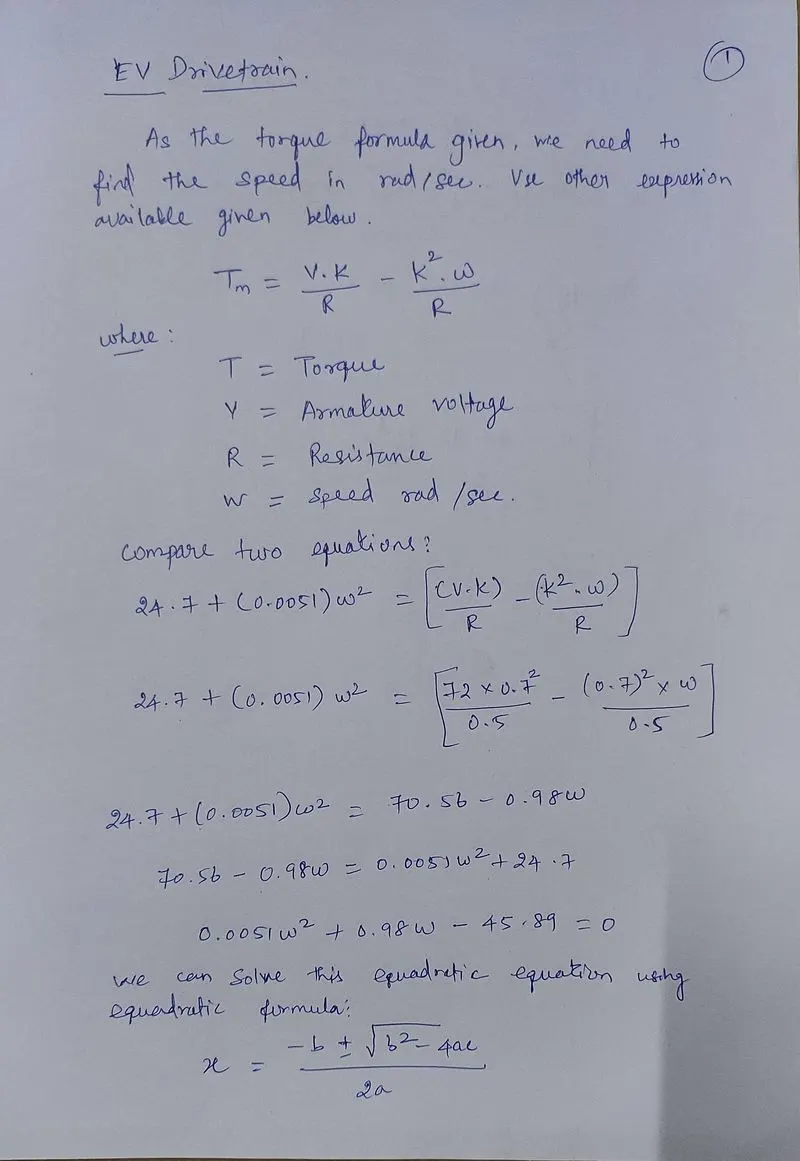
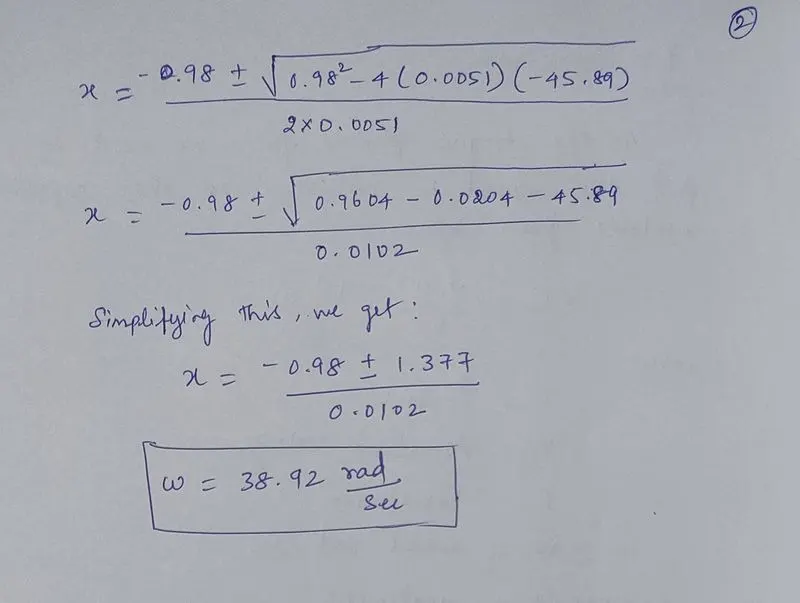
What is EV steady state speed if duty cycle is 70%.
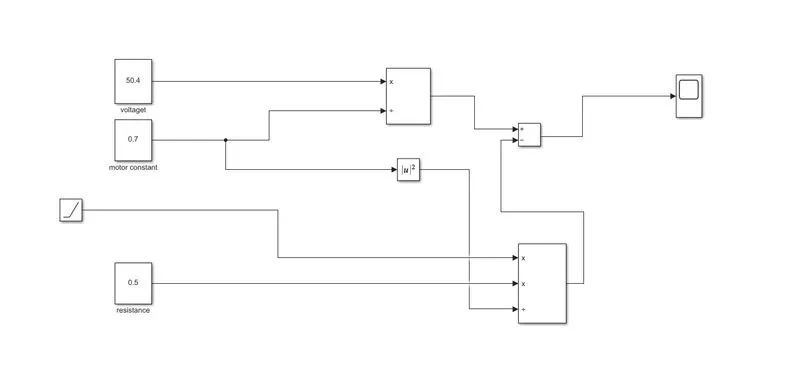
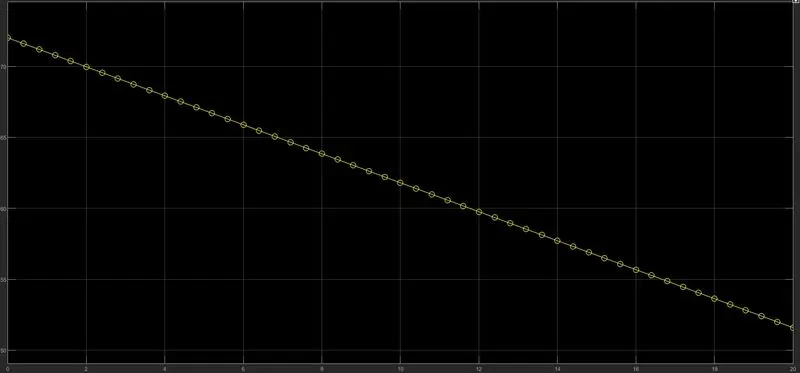
3. Develop a mathematical model of a DC Motor for the below equation using Simulink.
ω= V/Kϕ -Ra/Kϕ^2 .T
4. Refer to the blog on below topic:
Induction Versus DC brushless motors by Wally Rippel, Tesla
Explain in brief about author’s perspective.
This blog is about the walley reppel perspective about brushless DC and induction motor ,who is walley?
walley is proponent of electric vehicle.he was engineer at aerovironment,where is he helped to develop the EV1 for general motor. he also worked in jet propulsion laboratory on electric vehicle battery research,among other projects, proponents ,means someone whi is in favor of something.
In the starting of the blog he said "one size does not fit all"
He said in that odious world engines are of the different type.he said one would thought that,year ago,some was try to figure out which is best engine and that should be in production but his thought got failed.there is no one is best one.with the different requirement there are different type of engine.such a way he said this true for brushless DC and induction motor.he also said about the evolution of batteries DC bush motor ,and contactor controllers.
he said the lead acid battery is replaced by the lithium and brush dc motor with brushless dc motor or induction motor. next he talk a closer look ,he gives some closer look of the brushless dc motor and induction motor there technologies ,there working.
Also he speak about what differentiate them?
In that he told about DC brushless machine that rotor generate th magnetic and this magnetic field enters the stator core(core madeup thin stacked laminations)and interacts with current flowing within the windings to produce a torque interaction between the rotor and stator.
as the rotor rotates ,it is necessary that the magnitude and polarity of the stator currents be continuously varied-and in just the right way-such that the torque remains constant and the conversion of electrical to mechanical energy is optimally efficient.the device that provides this current control is called an inverter. he told one thing that without inverter, brushless motors are useless motors.
Then is told about the induction motor drives. he curiously told that stator of the both dc brushless and induction motor have 3 set of distributed windings the only difference is in the rotor, inductions motor has no magnets it contains steel laminations with buried peripheral conductors.
he describe working of induction motor that current flowing in the stator windings produce a rotating magnetic field that enters the rotor. in turn the frequency of this magnetic field as"seen" by the rotor is equal to the difference between the applied electrical frequency and the rotational "frequency" of the rotor itself.
according ,an induced voltage exist across the shorted structure that is proportionate to this speed difference between the rotor and electrical frequency.in response to this voltage,currents are produced within the rotor conductors that are approximately proportionate to the volatge,hence the speed difference. finally ,these currents interact with the original magnetic field to produce force-a component of which is the desired rotor torque.
he said that induction motor not require inverter and the motor has ability to start under the load.
with the fixed utility power dc brushless motor produces no starting torque it needs inverter.
next he is talking with the heading "brushless or induction"
he told that back 1990s all EV expect one uses the dc brushless drives today all HEV using the dc brushless.then he gave some comparison between dc brushless and induction motor.
| DC BRUSHLESS MOTOR | INDUCTIONS MOTOR |
| 1. require an absolute position sensor | 1.require an absolute positions sensor |
| 2.less rotor heat is generate,rotor cooling is easier and peak point efficiency higher. | 2.peak point efficiency higher compare to dc brushless |
| 3.operate at unity power factor | 3.power factor is above 85% |
| 4.permanent magnet adjustable.to get max torque the magnetic field should max at low speed maintained by the inverter and motor current low. | 4.no magnets and B field are "adjustable",since B is proportionate to v/f (voltage to frequency).efficiency is maximized due to low magnetic losses. |
| 5.average efficiency is low. | 5.average efficiency is high. |
| 6.permanent magnets are expensive.they are easy to control. | 6.no magnet there is advantage in cost.control laws are more complex and difficult to understand,so difficult to control. |
with saying "still no winner", he describe that no one is best DC brushless or induction.
he conclused that both are the best as per the requirement.
CONCLUSION:
1. we explain type of power converter used HEV & EV.
2. Using matlab ,and derive and get the steady state speed for vehicle.
3. we create the simulink model in simulink.
4. we give the explain in brief about author's perspective about dc brushless motor and induction motor.