Week 6
Week 6 Challenge Task: Deploying connections on the vehicle rear door Meshed model USING ANSA PREPROCESSOR TOOL
Course: Preprocessor for Structural Analysis using ANSA
December 12, 2020
Submitted by: Amanpreet Singh Whan
Supervisor: David Nirmal Paul
Abstract
An automobile vehicle car door is an important part that offers protection to passengers from side collisions. Currently, the rear car door exteriors are constructed of steel while the interiors are constructed of multiple materials such as vinyl, leather, and fabrics. The report presents the detailed process that was adopted to deploy multiple connections such as concentrated mass, RBE2, bolt, spot weld, and C Bush element across different regions of the given car rear door FE model.
Table of Contents
List of Figures
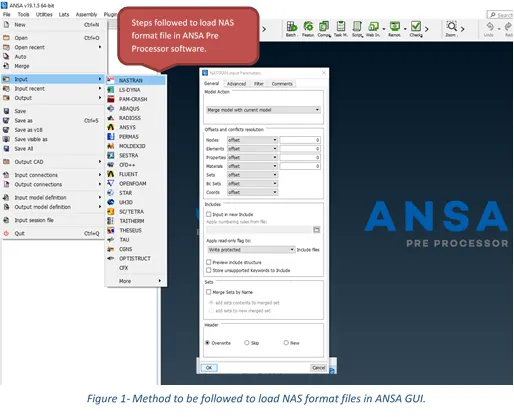
Figure 1- Method to be followed to load NAS format files in ANSA GUI.
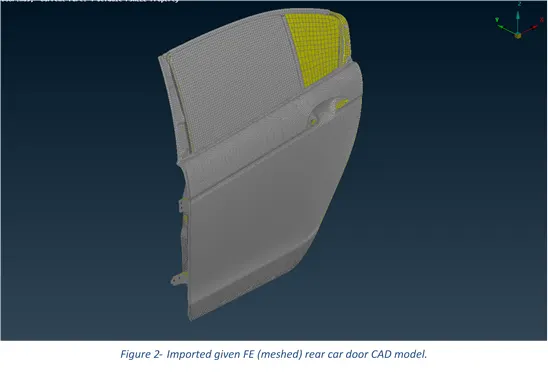
Figure 2- Imported given FE (meshed) rear car door CAD model.
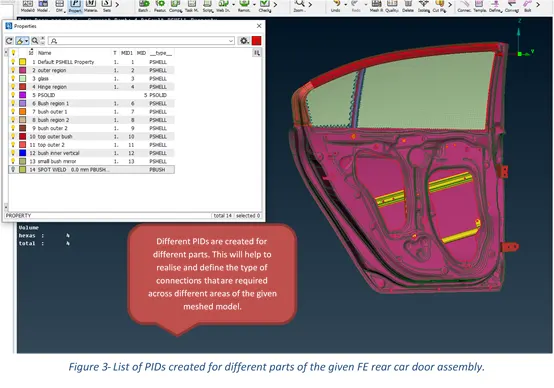
Figure 3- List of PIDs created for different parts of the given FE rear car door assembly.
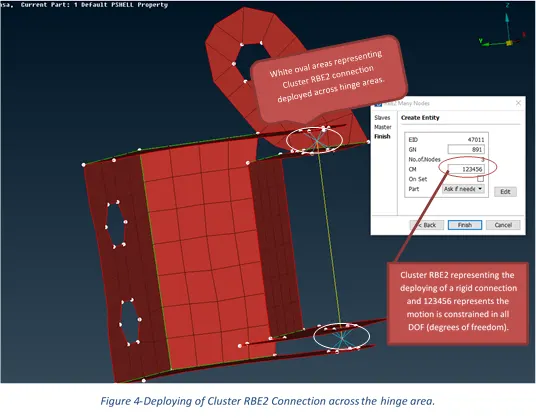
Figure 4-Deploying of Cluster RBE2 Connection across the hinge area.
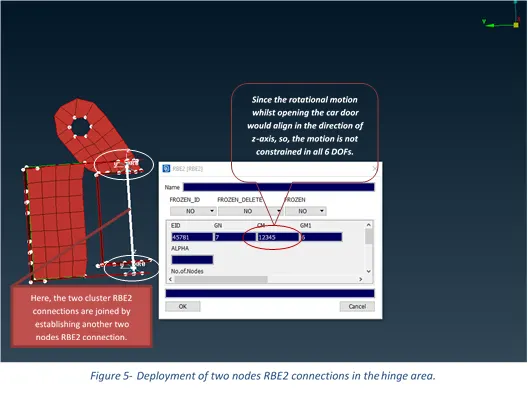
Figure 5- Deployment of two nodes RBE2 connections in the hinge area.
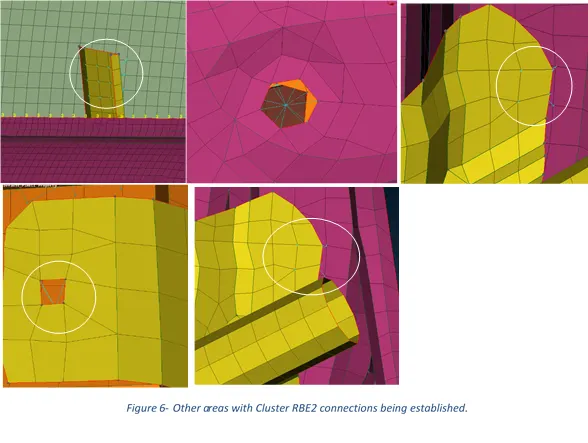
Figure 6- Other areas with Cluster RBE2 connections being established.
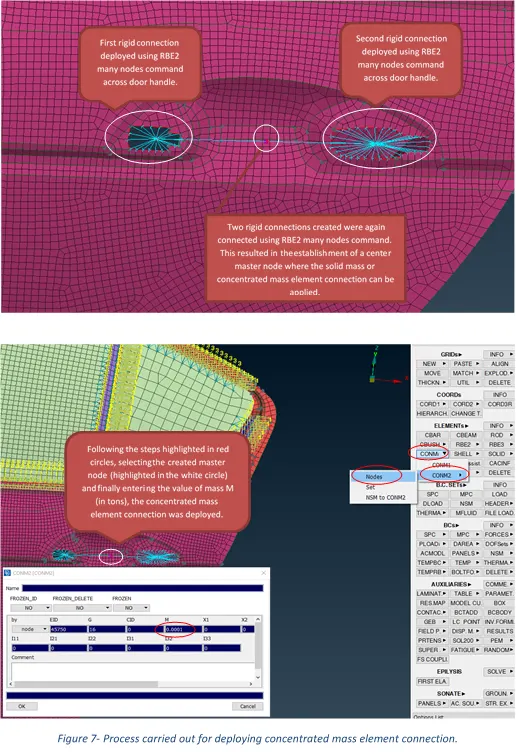
Figure 7- Process carried out for deploying concentrated mass element connection.
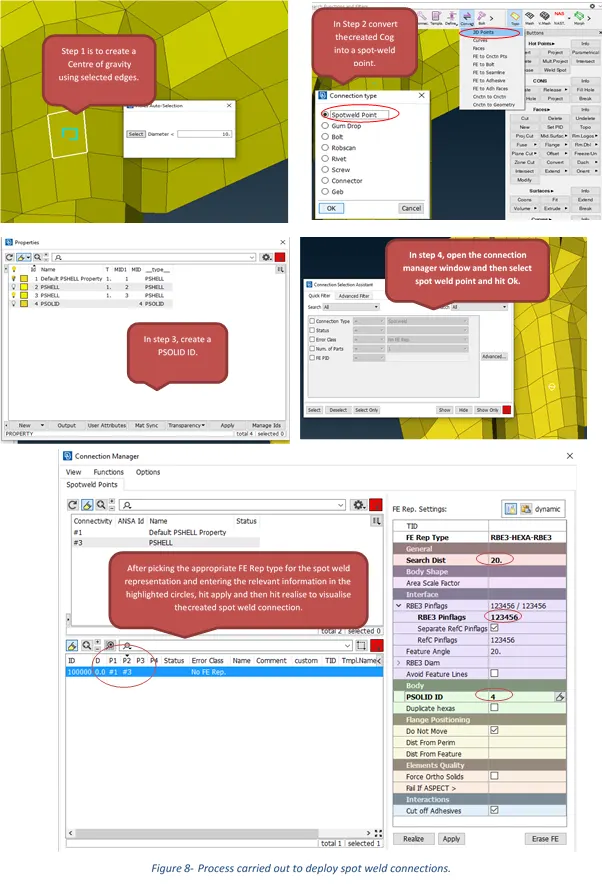
Figure 8- Process carried out to deploy spot weld connections.
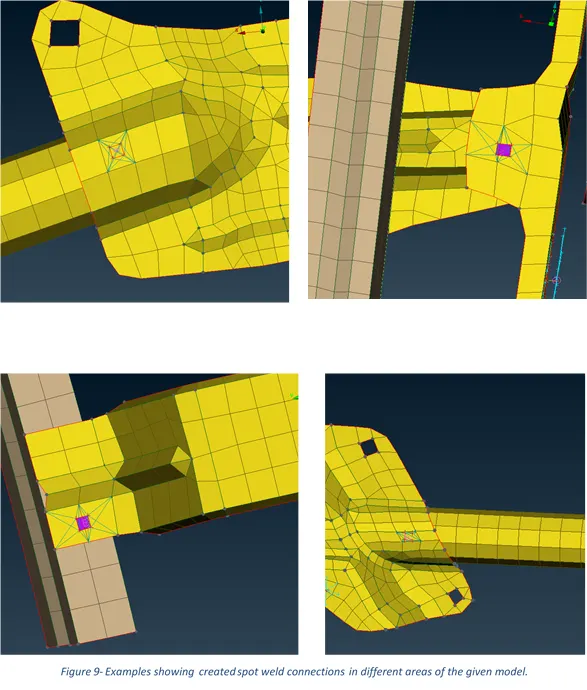
Figure 9- Examples showing created spot weld connections in different areas of the given model.
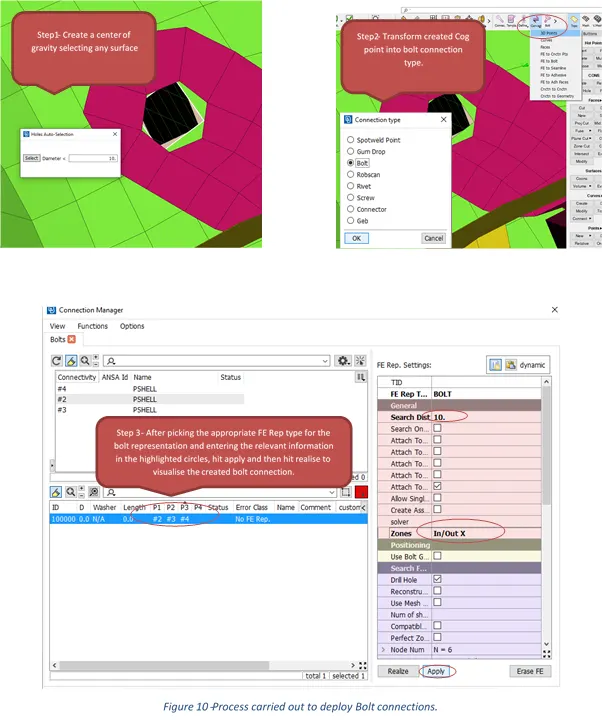
Figure 10-Process carried out to deploy Bolt connections.
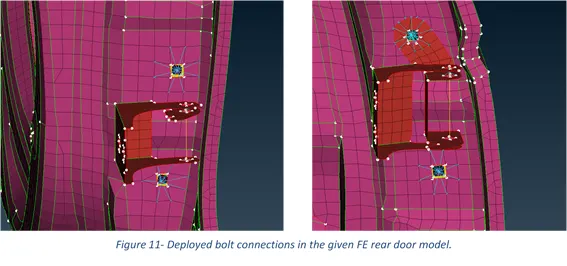
Figure 11- Deployed bolt connections in the given FE rear door model.
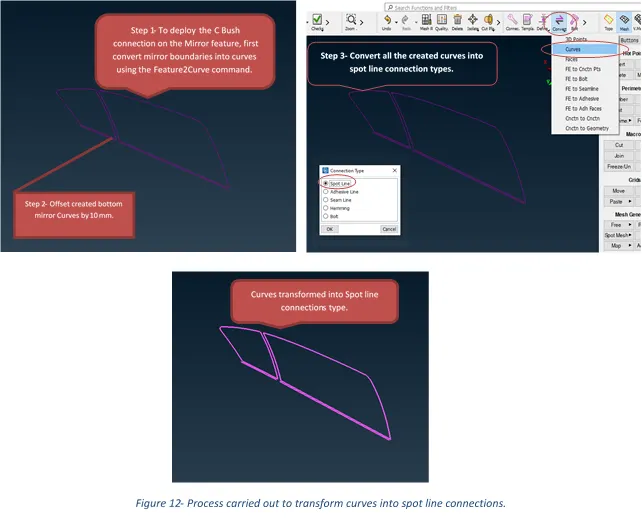
Figure 12- Process carried out to transform curves into spot line connections.
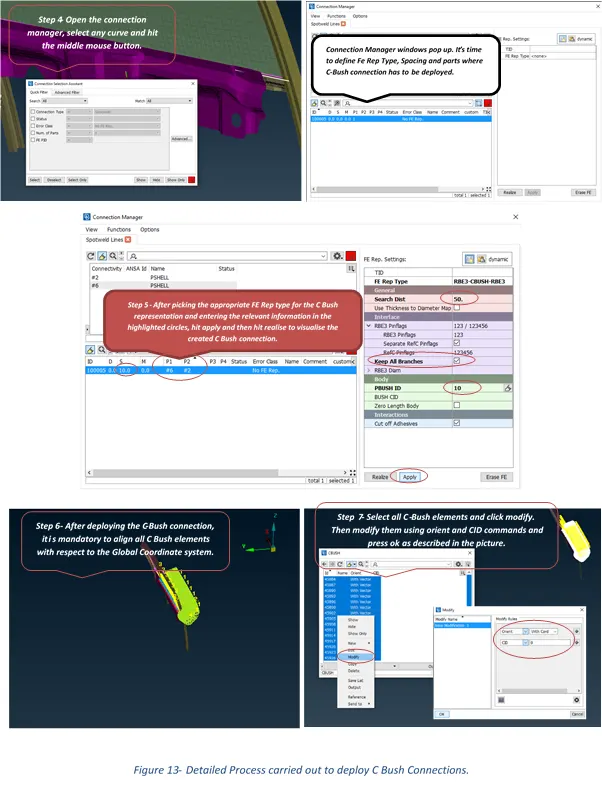
Figure 13- Detailed Process carried out to deploy C Bush Connections.
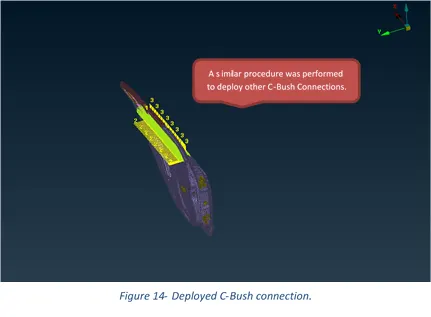
Figure 14- Deployed C-Bush connection.
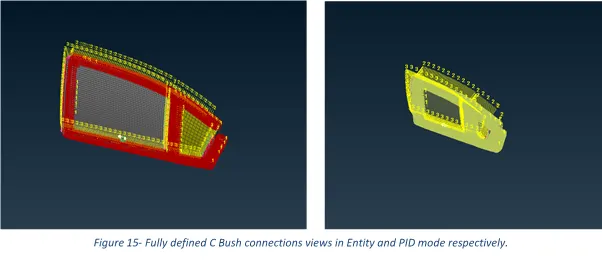
Figure 15- Fully defined C Bush connections views in Entity and PID mode respectively.
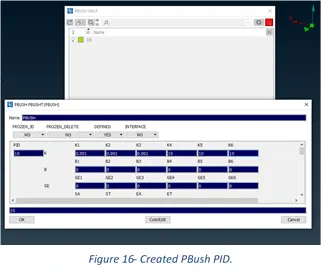
Figure 16- Created PBush PID.
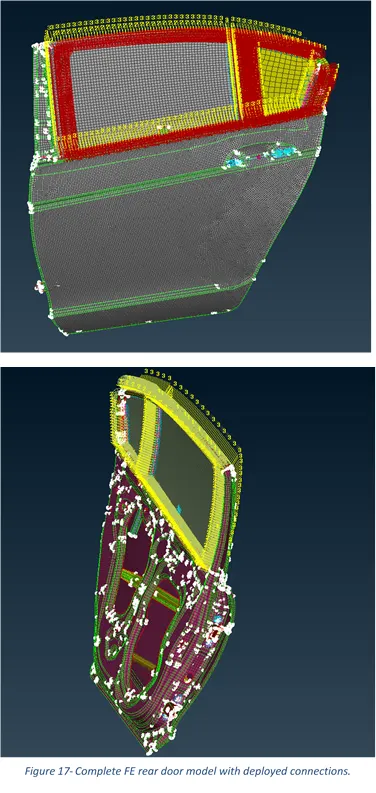
Figure 17- Complete FE rear door model with the deployed connections.
1 Introduction
An automobile vehicle car door is an important part that offers protection to passengers from side collisions. In the current scenario, steel is deemed to be the most appropriate material for the construction of doors. The vehicle rear doors are either hinged or sometimes attached by other mechanical mechanisms such as tracks, in front of an opening which is used for entering and exiting the vehicle. These doors can be opened both manually and powered electronically. Powered doors are usually found on minivans, high-end cars, and modified cars. Unlike the other types of doors, the vehicle rear door exteriors contrast sharply from the interiors of the door. The exterior of the door is usually constructed of coloured (painted) steel materials to add an overall aesthetic appearance to the car while the door interiors are designed of a variety of materials such as vinyl, leather, and fabrics.
2 Aims
- Deploy appropriate connections on the given FE rear car door model.
- Choose and apply the most suitable connectors from the Nastran deck to connect different features of the given Meshed Model.
3 Methodology and Results
The section describes the different stages that were performed using an engineering tool, ANSA Pre-Processor for the successful deployment of different types of Connections for the completion of the Week 6 Challenge Task.
In ANSA, the connections carry the information of where (position), what (different parts involvement), and how (connection types) the connection will be applied. The ANSA tool supports points, lines, and surface connection entities. Points can be represented by bolts, gumdrop, bolt, robs scan, rivet, screw, connector, geb, and spot-weld connections. Curves or lines can be represented by spot line, adhesive line, seam line, and hemming connections. Surface connections can be typically considered as adhesive faces or adhesive connections.
However, the spot weld connections, spot line connections (C-Bush type connection), and RBE2 elements (many nodes, two nodes commands) from the NASTRAN deck were only selected to deploy multiple connections to connect various features of the given meshed rear car door model. The following are the pictures representing how the processes were carried out for the successful deployment of each connection.
4 Discussion
ANSA Pre-Processor was used to deploy multiple appropriate connections for the given FE rear door CAD model for the successful completion of the Week 6 Challenge task. RBE2connections, C-Bush connections, Bolt connections, and Spot weld connections were deployed, and the obtained results are presented in the figures shown above.
Figures 4-6 represent different RBE2 connections created in multiple areas of the given FE rear door model. RBE2 defines a rigid body element of form 2 between selected grid points, 3d points, etc. It can be also seen that 123456 was assigned to CM which means the connection is rigid that restricts motion in all 6 degrees of freedom. However, CM= 12345 was assigned to the hinge area of the door in figure 5 which means the created rigid connection is independent of rotational motion along the z-axis. This will help the door to rotate and get opened without any restrictions.
Figure 7 represents the process that was carried out to establish concentrated element mass connection across the handle region of the door model using RBE2 many nodes command.
Figures 8 and 9 represent the detailed procedure that was followed to create spot weld connections to attach multiple free sub-assembly parts in the given FE CAD model.
Figures 10-15 elucidate the procedure and the areas where the bolt and C-Bush connections are deployed respectively for the given car rear door meshed model.
5 Conclusion
In conclusion, the main aim of the challenge was to deploy the most appropriate connections on the vehicle rear door meshed model. The given task was completed by deploying different connections across various components such as concentrated element mass connection, RBE2 connections, Bolt connections, Spot weld connections, and C Bush connections.
6 Learning Outcomes
Throughout this challenge, I have gained knowledge about different commands and the procedures that are used to deploy different connections across the different parts of rear car door CAD design.
Appendix
Link to access the completed task:
https://drive.google.com/file/d/10SaGQnP0FkhjAIk1dEylV60dnMP0zeRg/view?usp=sharing