Week 5:- Rest Unit & Clamp Unit Design Challenge
REPORT
ON
CLAMP UNIT AND REST UNIT DESIGN
UNDER THE
GUIDANCE OF SKILL LYNCE
AIM
To design 3 Different types of Power Clamp Unit with Different Riser,Blade and Clamp arm and design 2 different types of Rest unit for the given car panel.
INTRODUCTION
A Clamp is a device that is used to hold the part tightly,yet,firmly in the assembly, The clamp prevents any sought of movement of the assembly in the fixture and ensures proper operation on the part without any distortion.
The clamp must be placed in such a way that it does not interpret the operation.
The clamp plan is the data provided by the customer.The clamp plan provides information on the location of pins ,rest units, clamp units,Dumps, etc.
It gives the details of the exact position of the clamping locations in form of coordinates
The clamp position in some cases will be in such a way that it might damage the tool, or very near to pin position.In such cases, we should not take the decision to change the clamp plan without discussing it with the customer.
Typical parts of a clamp unit are as follows
- Finger
A FInger is an NC Block, which is mounted on the clamp arm of the cylinder, and will press the car panels towards the rest, so it holds the car panel.
- Rest
Rest is an NC block, which is fixed to the unit to support the car panal, also it resists the clamping force of the finger, and thus clamps the car panel.
- Clamp Arm
A Clamp arm is a bought -out part, to which all the move able parts are fixed.In general, a clamp arm is a part of a clamp cylinder. - Clamp Cylinder
A clamp cylinder is a pneumatic device that works with pressurised air.The clamp cylinder is used to open and close the parts fixed to the clamp arm fixed to the clamp body.Clamp arms are generally bought out parts. - 3-2-1 Principle
The 3-2-1 method is a work-holding principle where three pins are located on the 1st principle plane,i.e XY,YZ,ZX and two pins are located on the 2nd plane which is perpendicular to the 1st plane, and at last one pin on the plane which is mutually perpendicular to the 1st and 2nd planes.The ultimate goal is to constrain the movement of the workpiece along all the three axes.
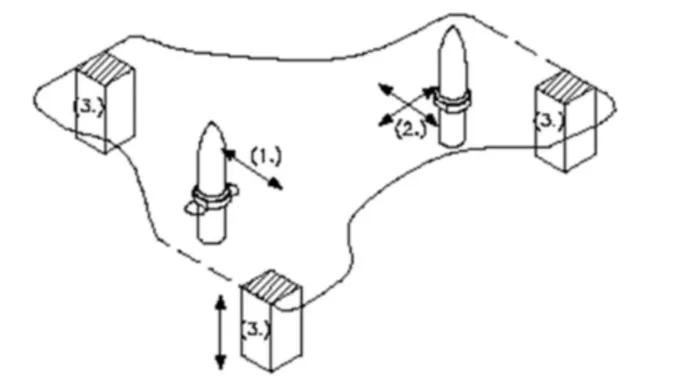
3.Minimum
From the above fig, we can see three locator blocks positioned at the primary locating surface.These three locators restrict the axial upward and downward movement along with it the two radial movements both clockwise and anti clockwise are also restricted.So, a total of four radial movements is restricted to the two mutually perpendicular axes.
The three locators, on the whole, have restricted six degrees of freedom.
2.Round Locating Pin
The pin added in the location of the hole restricts the axial movements of two perpendicular axes (both positive and negative) Thus restricting Four degrees of freedom.
1.Round Locating PIN
The round locating pin is addes to the slot in order to restrict the remaining radial movement in both clockwoise and anti-clockwise.This, therfore, restricts the remaining two degrees of freedom.
Thus, the 3-2-1 principle is used to restrict the 12 degrees of freedom of a part.
DESIGN METHODOLOGY
1.The designing process is started by giving a project title and proper structuring of the specification tree
2.The standard pneumatic cylinders and clamp arm which are the bought-out parts are downloaded from thr Tunkers website and copied into the project.
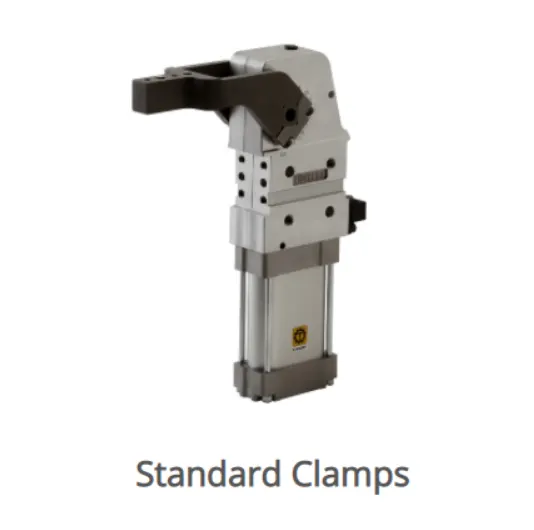
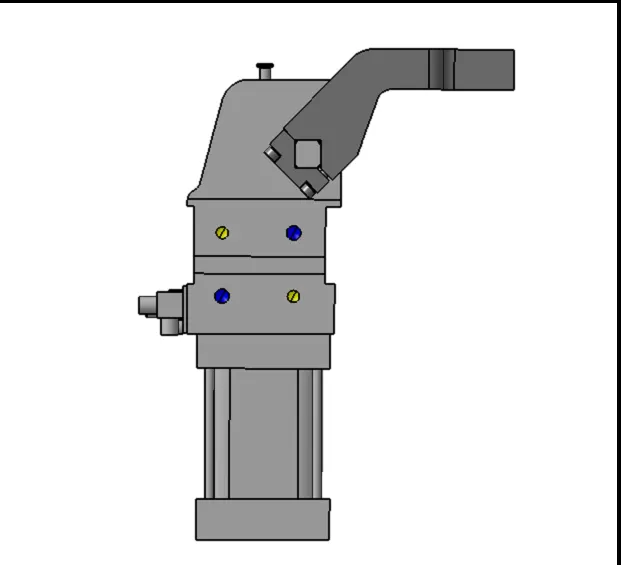
3.The Clamp mylars and rest mylars are designed and positioned in such a way that the movement of the car panel is resticted.The clamp mylars are attached to the clamp for the open and closing movement.
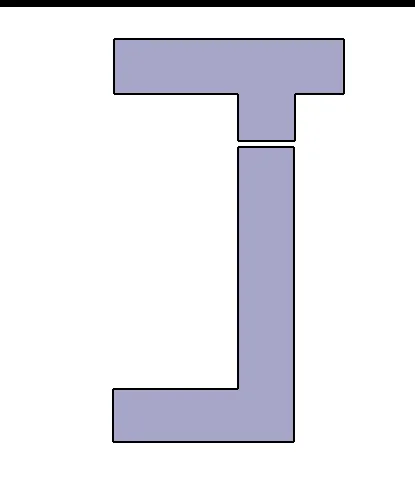
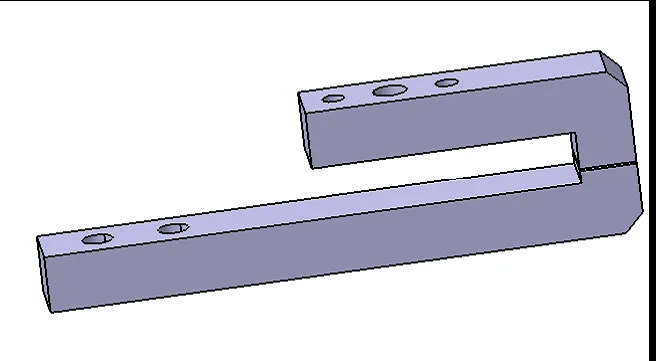
4.5mm shims are designed for the adjustment of the pin in multiple directions.
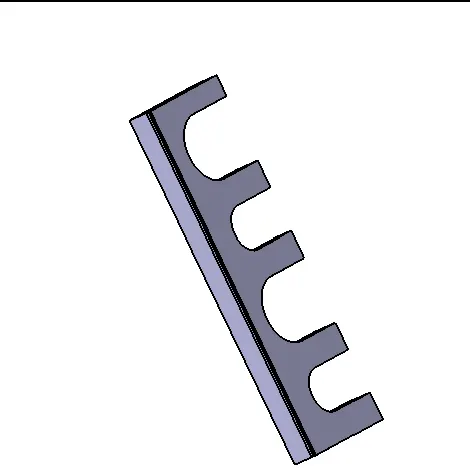
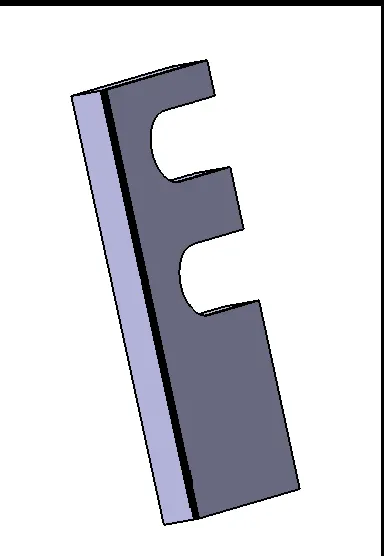
5.The risers are designed such that all the above parts are mounted on them.The risers are mounted to the base of the fixture.
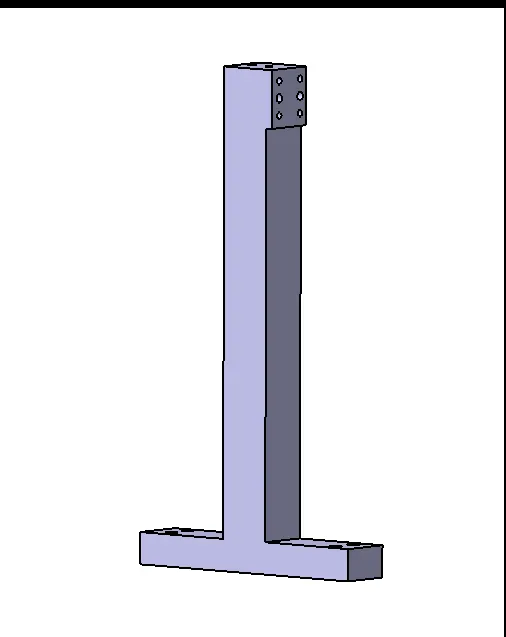
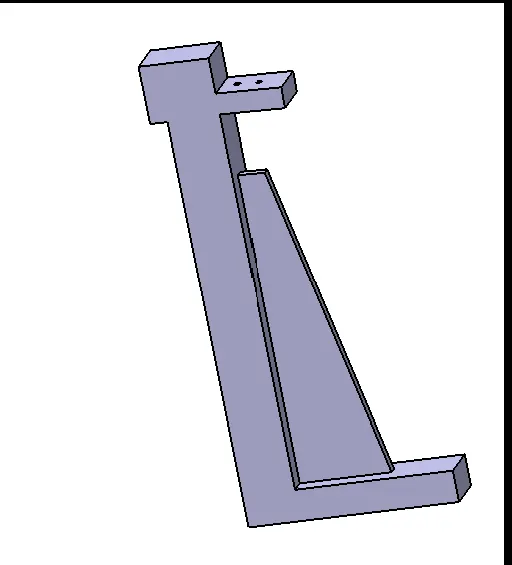
6.Blades are designed to mount the rest mylar with the Riser.The usage of the blade depends upon the design of the riser and the position of the rest mylar.
7.The parts that are to be assembled are provided with dowel holes and threaded holes.
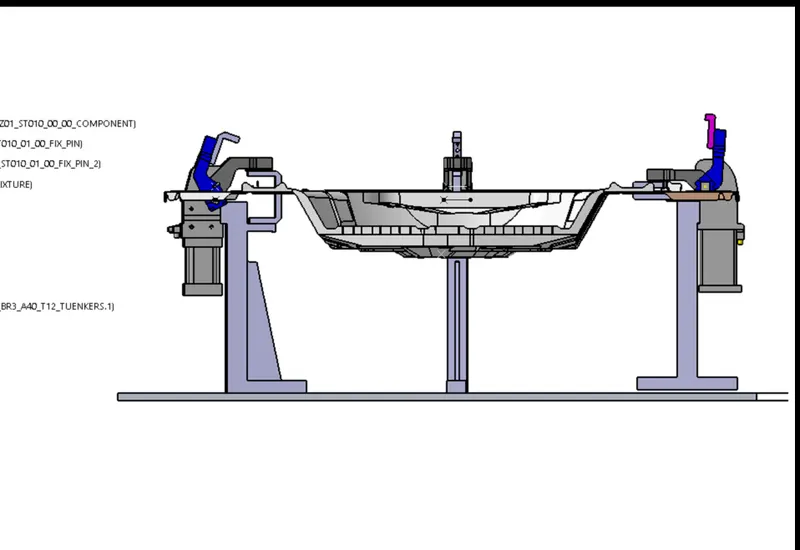
Below are images of Clamp Unit
1.
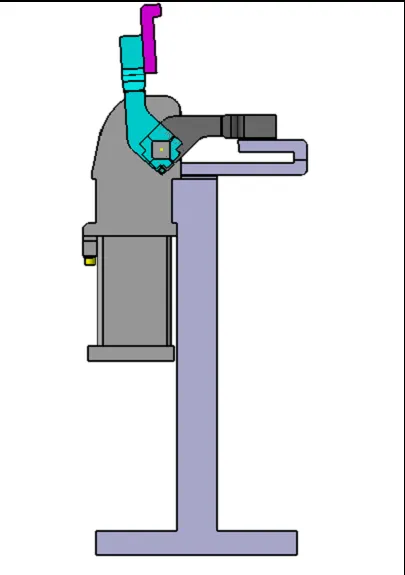
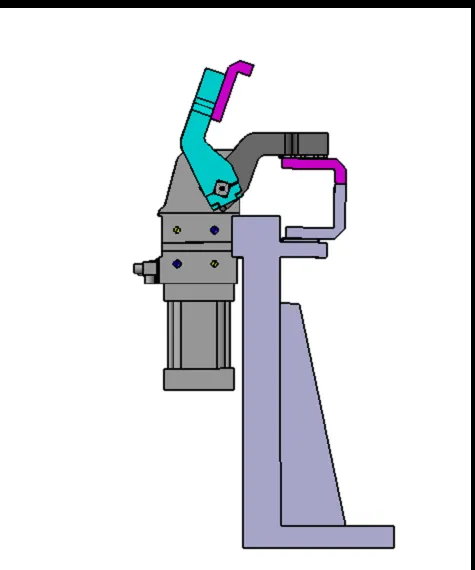
REST UNIT
- The rest unit are designed to support the car panels using mylar .
- The primary of rest unit is to rest the car panel.
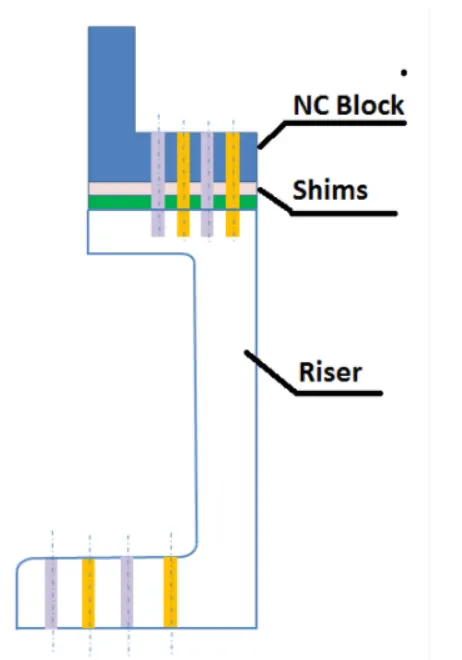
- The parts of the rest unit are follows
1.Mylor
2.Blade
3.Risers
MYLOR
- Mylor is the part that holds the panel from above and below during the operation.
- The top side of mylor is called the clamping mylor . whereas, the bottom sode mylor is known as resting mylor .
- Every clamping mylor will have a resting mylor .
- It holds the panel shows basic clamping and resting mylor .
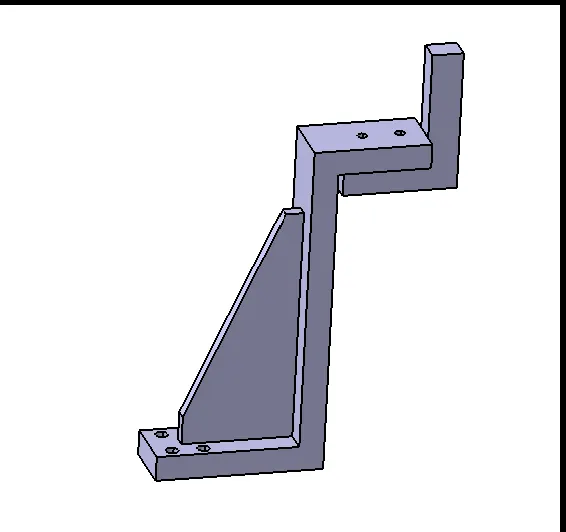
Riser
- A Riser is a part that is used to raise the height of the fixture.
- The raiser is fixed to the base of the fixture and the blade is mounted on the riser.
- There are two type of raisers 1.l type riser 2. square tube risers
Blade
- Blades are plates that are attached to the riser.
Design methodology of rest unit
1.The rest mylor are positioned below the panel in order to support them
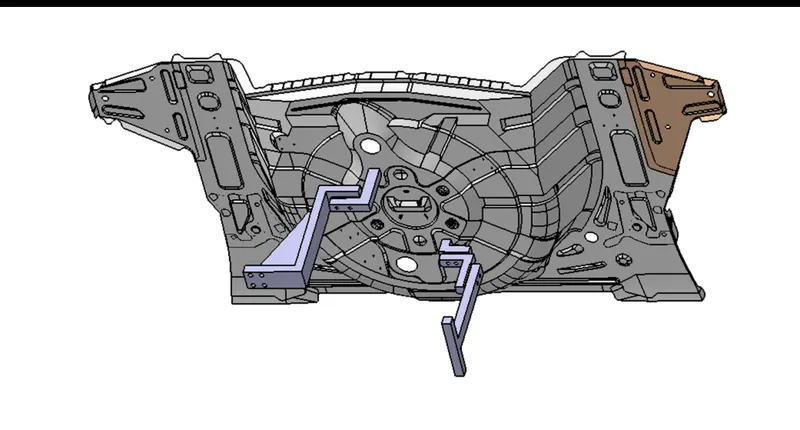
2.The blade are designed to support the rest mylar with the riser.
3.5mm shims are added between the rest mylor and the riser.
4.The riser is deisgned in such a way that it supports the rest mylor below are the images of the rest unit.
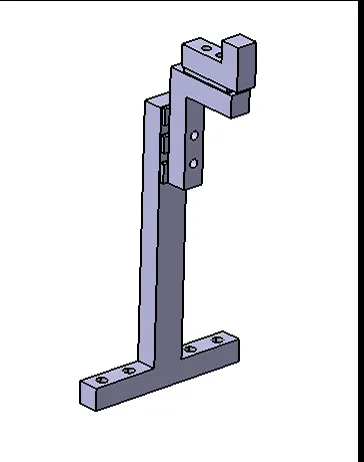
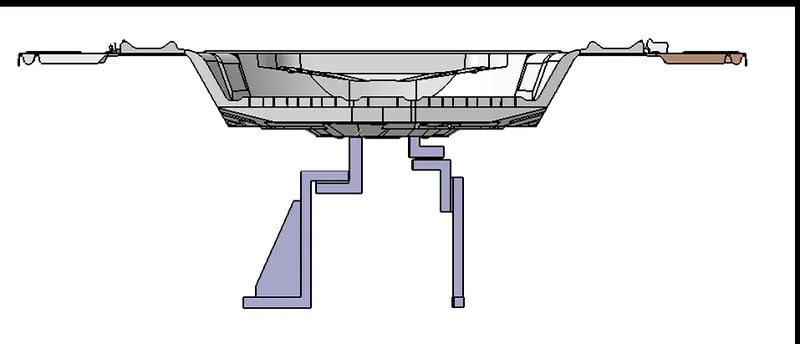
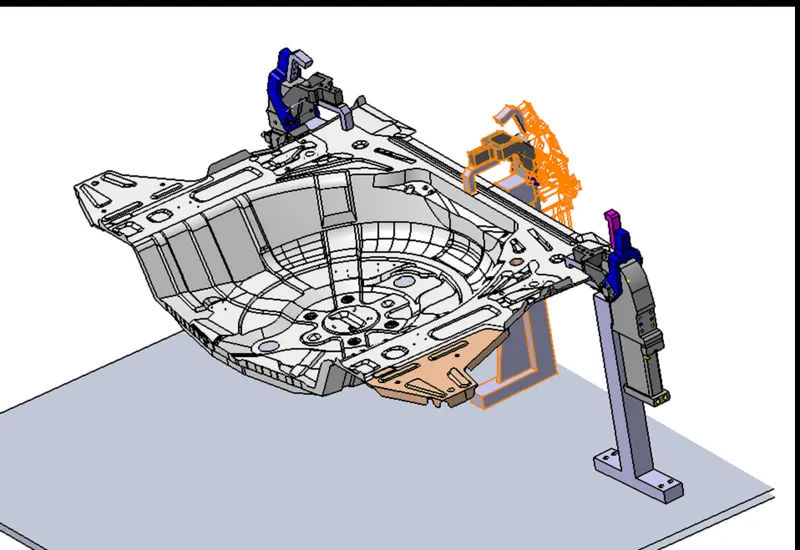
The above image shows the rest unit assembly with the car panel
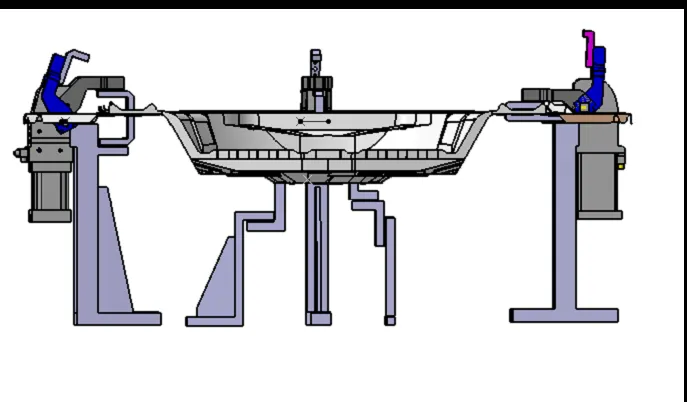
Complete assembly with rest arm and clamp unit.
CONCLUSION
Hence , the clamp unit and the rest unit are designed for the given car panel as per the requirements