Week 4:- Pin Unit Design Challenge
Pin Unit Challenge
Aim: To design 4 pin units each having different types of pins, risers and block, retractable and fixed.
Introduction
A pin unit generally consists of pin, retainer, block, riser, spacer and shims along with bought out parts like cylinders for retractable pins, bolts for fastening of the parts together in the assembly.
A pin unit is used to locate the parts that need to be worked on and is part of the 3-2-1 locking principal.
Fundamentals of pin unit design:
- Pin should engage at 3mm to 5mm from the car panel.
- Adjustable shims should be provided such that they can adjust the position in two ways.
- Round pin should stop 4 degrees of movement if it is a hole.
- Round pin should stop 2 degrees of movement if it is a slot.
- Diamond pin should stop 4 degrees of movement if it is a slot.
- Diamond pin should stop 2 degrees of movement if it is a hole.
Parts of the Pin Unit:
Pins:
- There are two types of pins, round and diamond pin.
- It is the part of the unit with directly comes in contact with the panel.
- It is used to locate the panel.
- Pins should have a counterbore at the bottom for fastening on the retainer.
- The mounting surface coming should be machined.
- The pin should be perpendicular to the resting surface on the retainer.
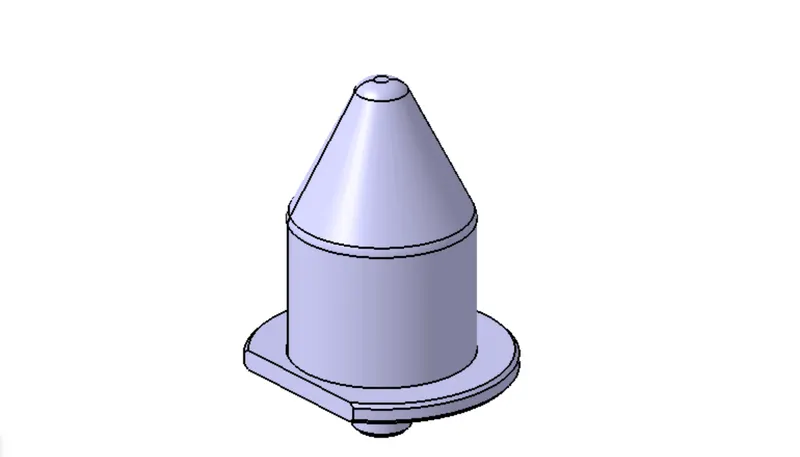
Round Pin
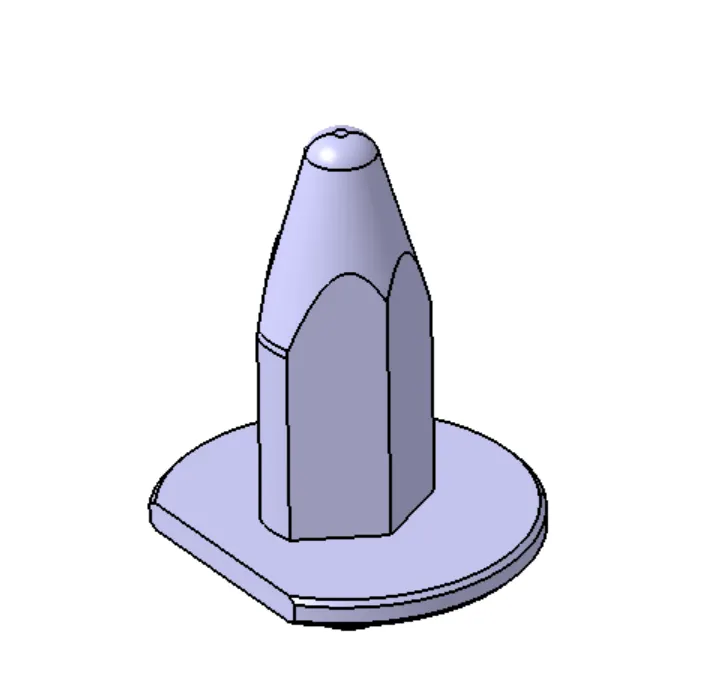
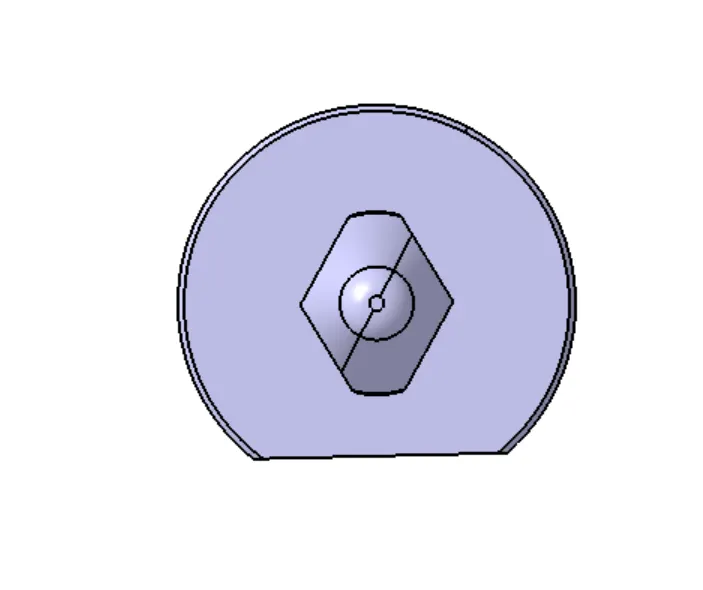
Diamond Pin
Retainers:
- Used to mount the pins and is usually screwed together.
- The pin retainer is fixed to the L-block with the help of 2 dowel pins and 1 screw.
- The surface mating to the pin should be machined.
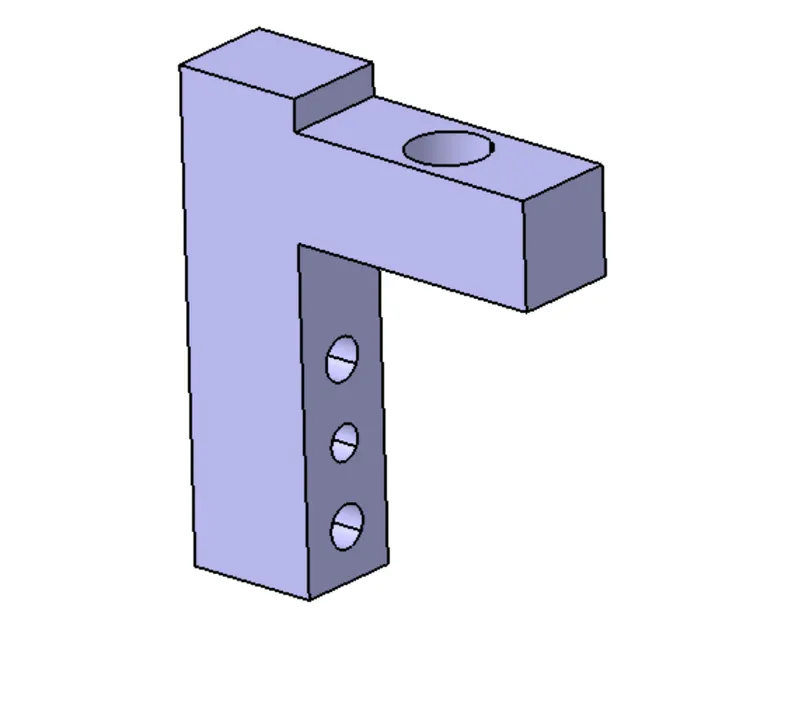
Retainer
L-Blocks:
- Used for adjusting the pin position in two directions.
- It is fixed to the riser using 2 dowel pin and 1 screw.
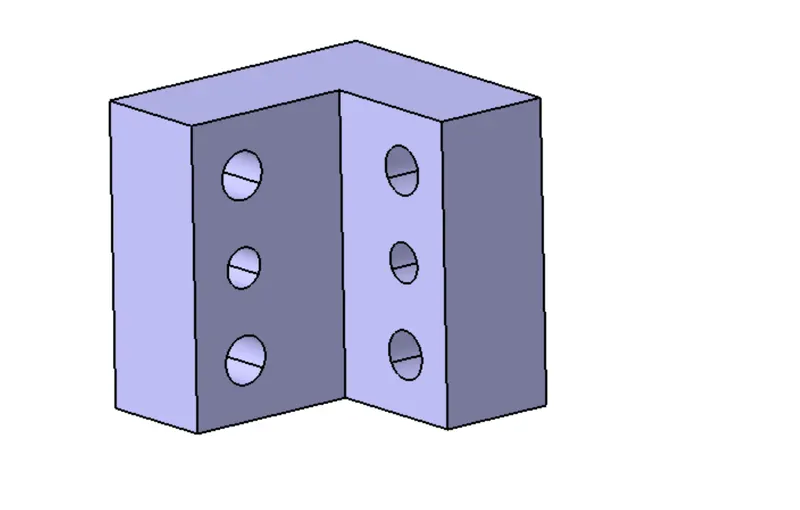
L-block
Riser:
- It is mounted on the base and is used to support all other parts.
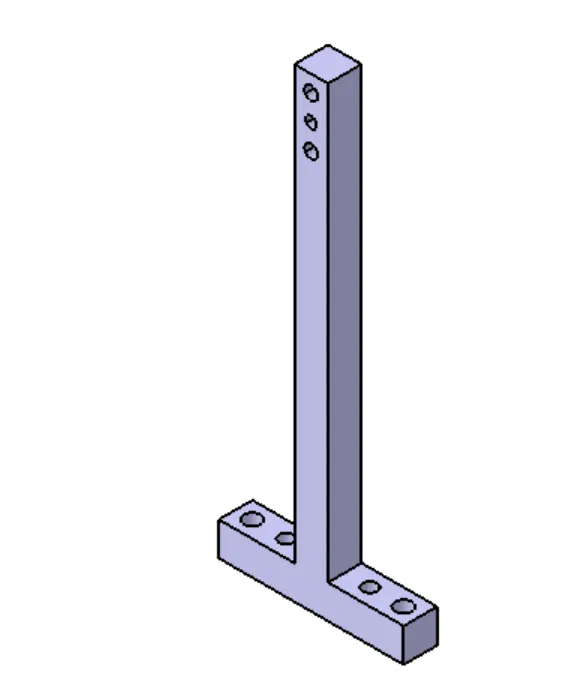
T-types riser
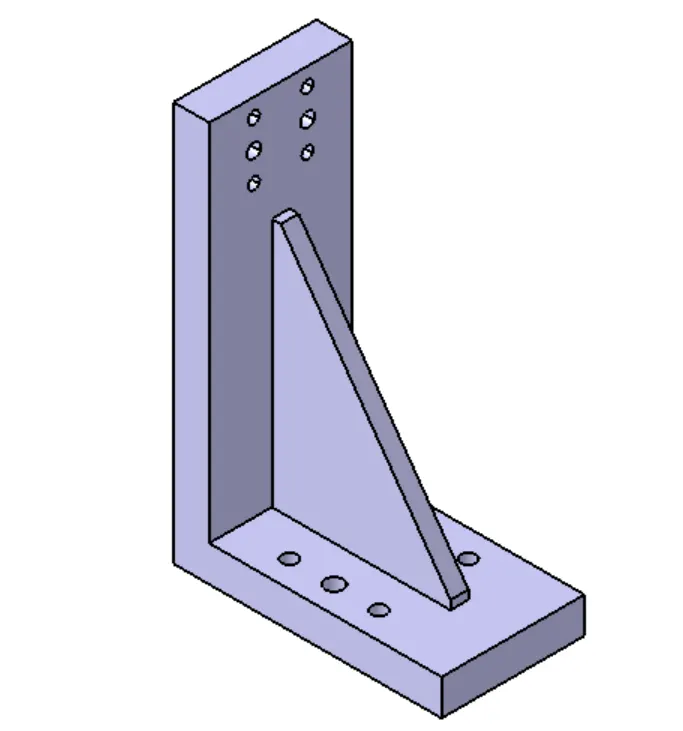
L-type riser
Shims/Spacer:
- It is a batch of machined plates usually 5mm thick, with varying induvial thickness from 1mm, 0.5mm, to 0.25mm.
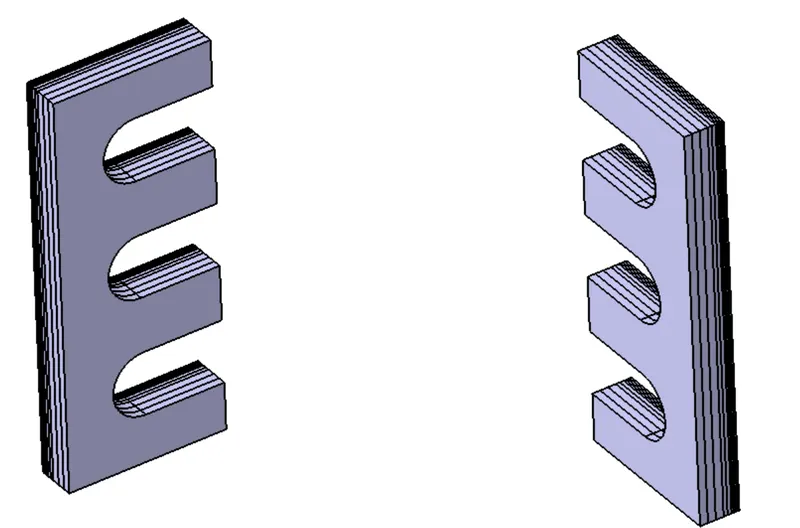
Shims
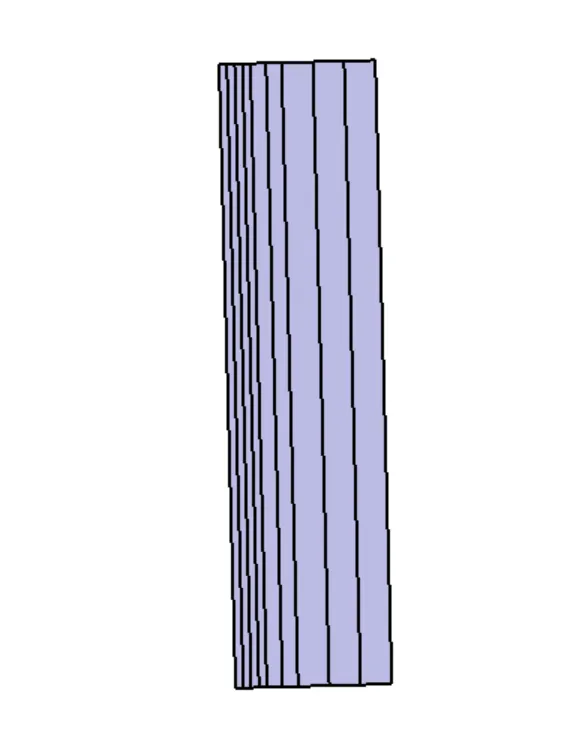
Various thickness of the shims.
Cylinders:
- For retractable pin units, cylinders are used.
- There are two types of cylinders, one which is directly attached to the pin.
- Other types which are attached to the L-block in case of space constrains.
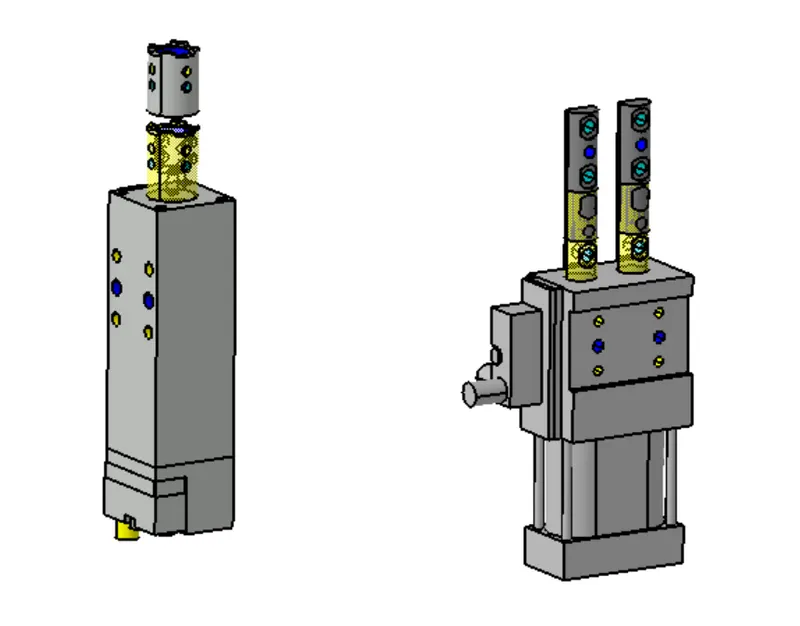
Two types of cylinders.
Design Methodology:
- For fixed pin: Locate the hole where the pin needs to be mounted. With its reference drawing the pin.
- Next, design the retainer with reference from the pin. Add a counterbore for adding a screw. Add dowel pin and screwing holes.
- With a gap of 5mm for the shims, design the L-Block next adding dowel holes and holes for screws at necessary locations.
- Next, with a gap of 5mm, design the riser it can be a T shaped riser or an L riser with a rib., add necessary screwing and dowel pin holes.
- For retractable pin: cylinders with direct mounting of pins, adding a L-block with a gap of 5mm from cylinder for adding shims, and adding necessary holes.
- Rest of the procedure followed is same for fixed pin.
- For cylinders that are attached to L-block, blade might be necessary for mounting.
Pin Units:
1. Fixed round pin:
Type: Round pin, T-type riser
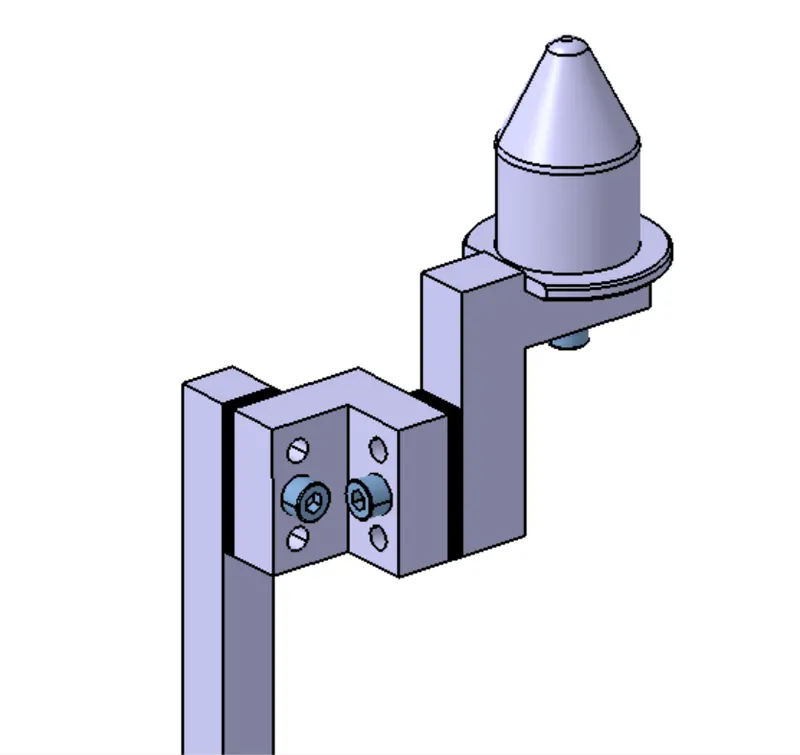
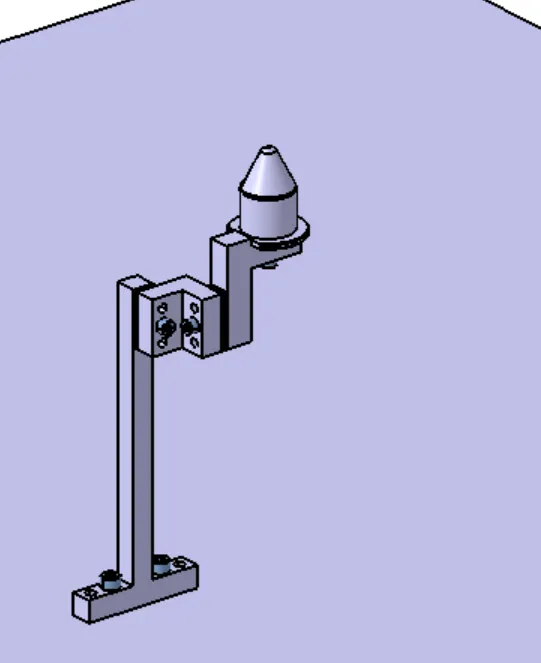
2. Retractable Round Pin
Type: Round Pin, L-type riser, Cylinder attached to pin.
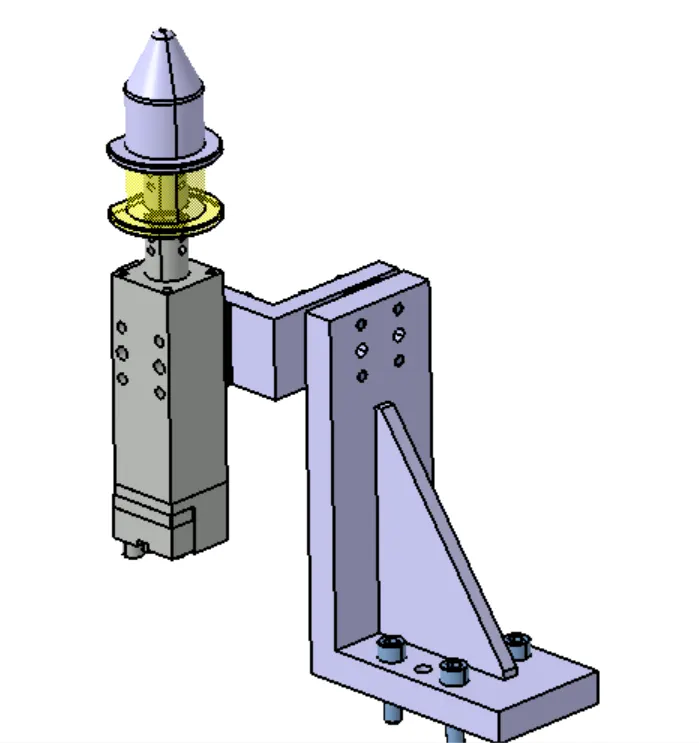
Transparent yellow pin indicates the retracted position.
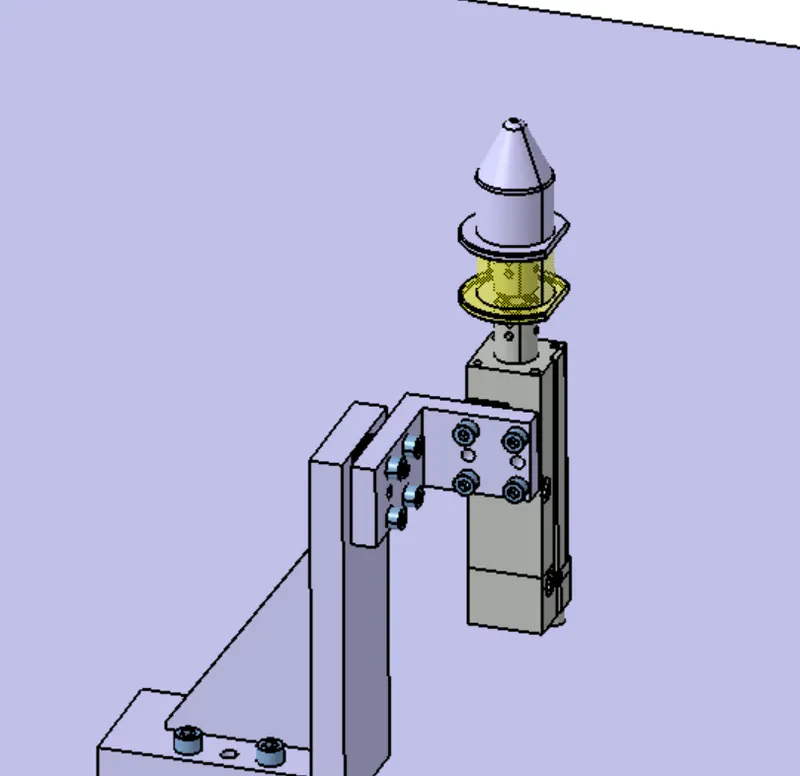
3. Retractable Diamond Pin:
Type: Diamond Pin, 2-rod Cylinder attached to L-block, L-type riser.
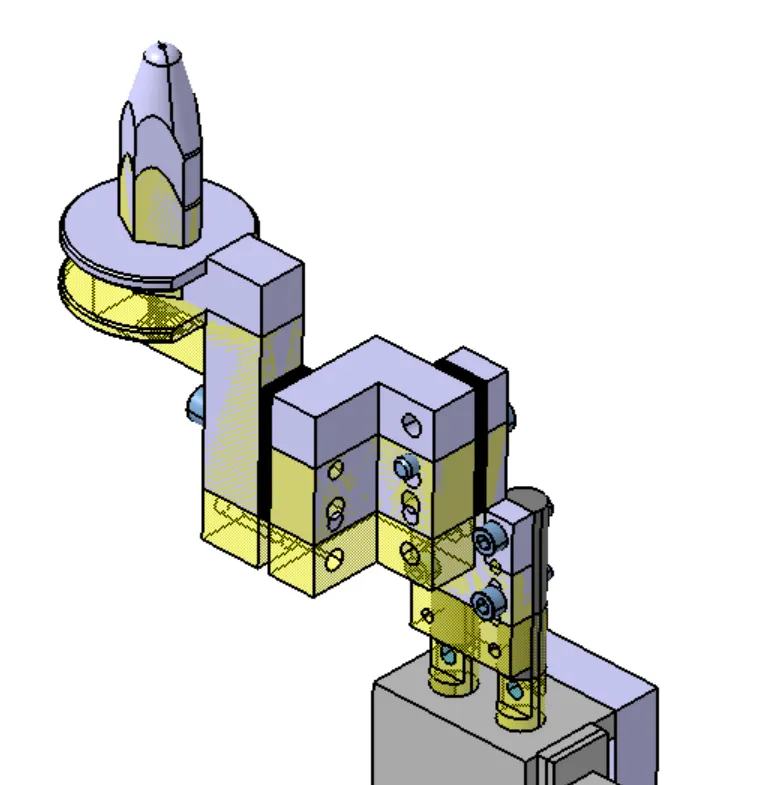
Yellow transpaernt parts indicate retracted position.
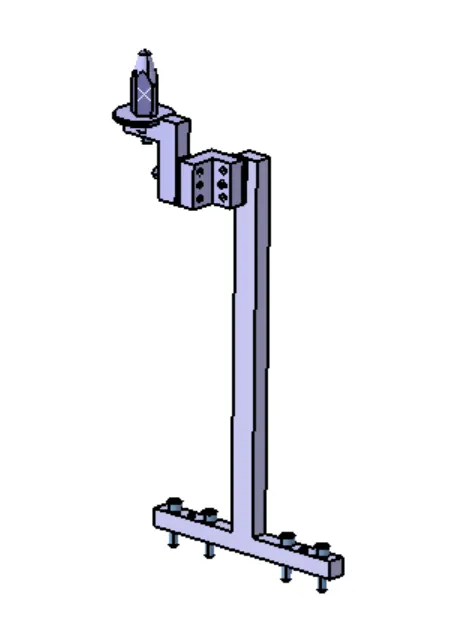
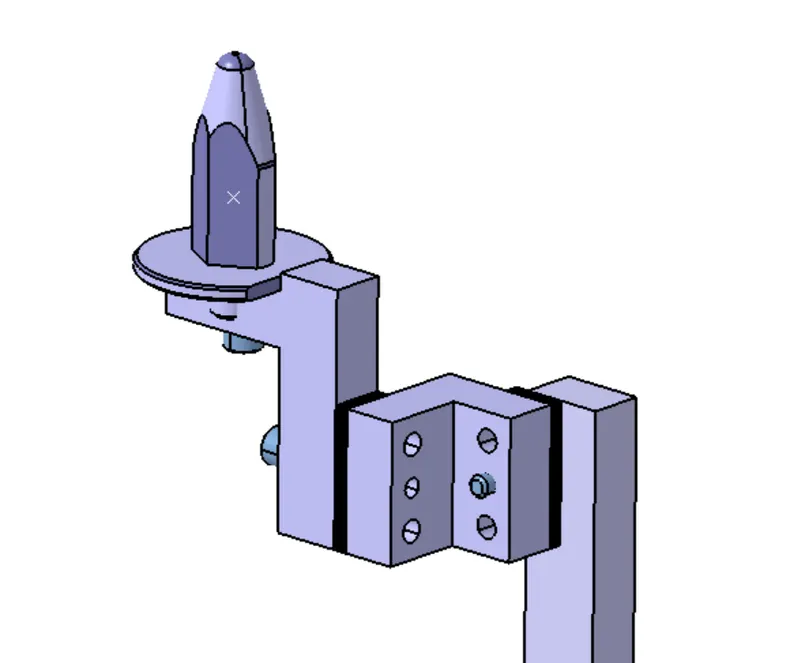
4. Fixed Diamond pin:
Type: Diamond pin, T-type riser.
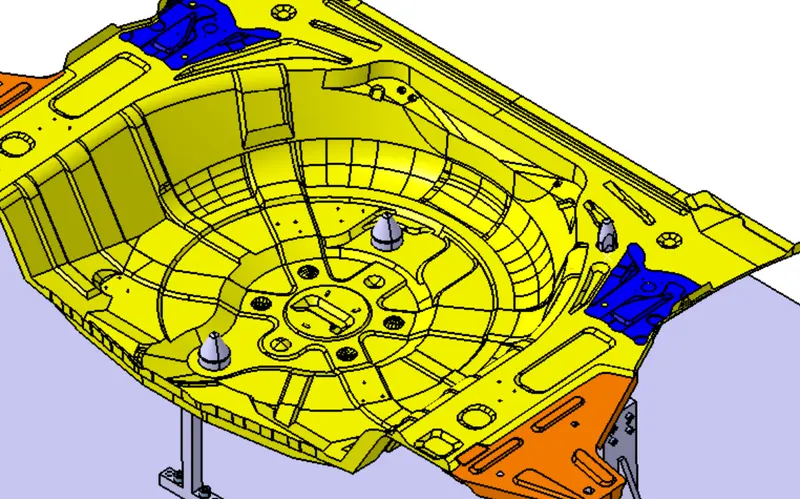
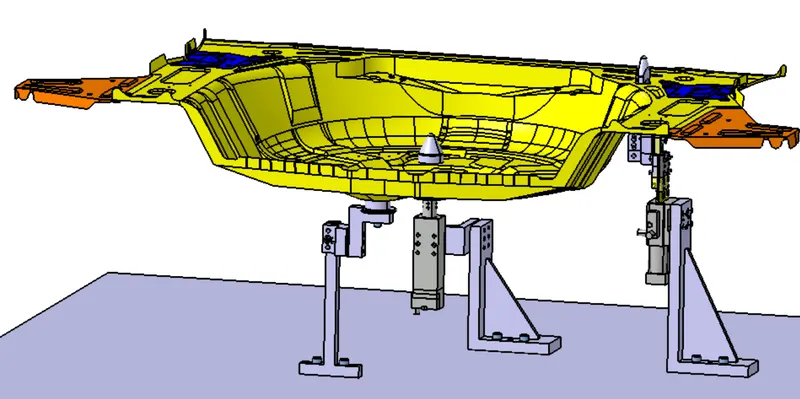
Assembly with car panel:
Conclusion:
4 units with 2 different types of pins, risers with retractable and fixed units were designed.