Week-4 Challenge WOT Condition Part-2
Q.1
Mapped models are used when the behavior of a particular model is not of interest and can be modeled with predefined values in the form of lookup tables.
eg: mapped motor: In the below model, values are taken from experiments or old data.
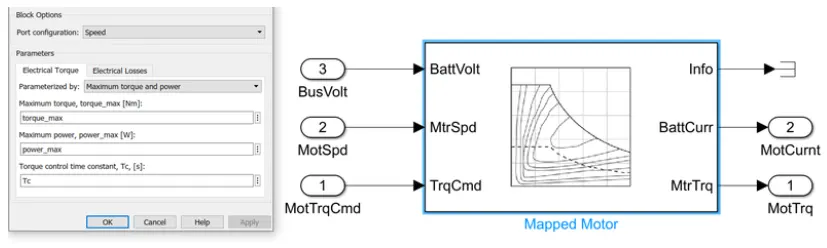
Implements a mapped motor and drive electronics operating in torque control mode. we have to specify electrical torque range with a torque-speed envelope or maximum motor power and torque. Output torque tracks a torque reference demand and includes a motor and drive response time constant. Also have to Specify electrical losses as a single operating point that estimates loss across the operating range, measured loss, or measured efficiency.
DYNAMIC model:
Dynamic models are used when the internal response to a model with respect to its components is needed.
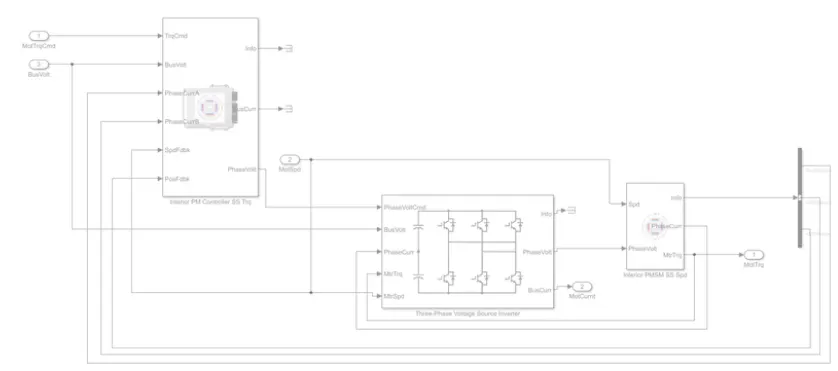
eg. motor model: in the below model, motor components such as inverter, phase controller, feedback circuits are also modeled.
CHANGING the model type in EV powertrain blocks:
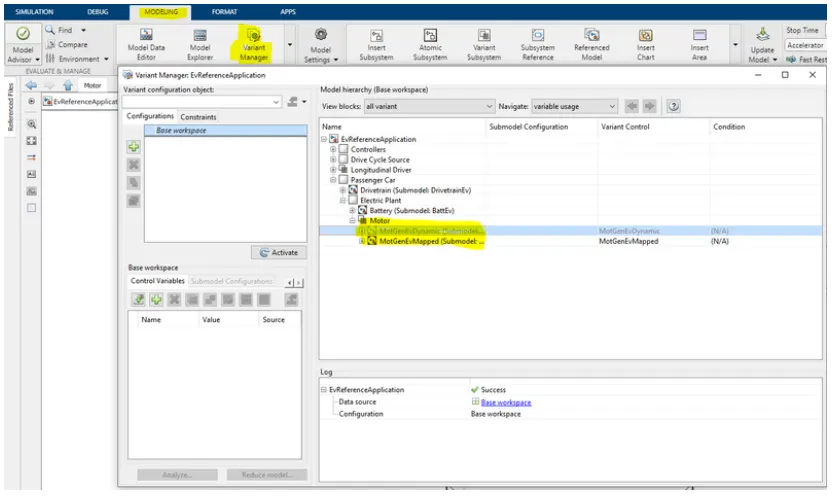
we can use the variant manager in the modeling tab to find the variant systems we have.
right-click on the model you want and use set as Label mode active choice.
Q.2
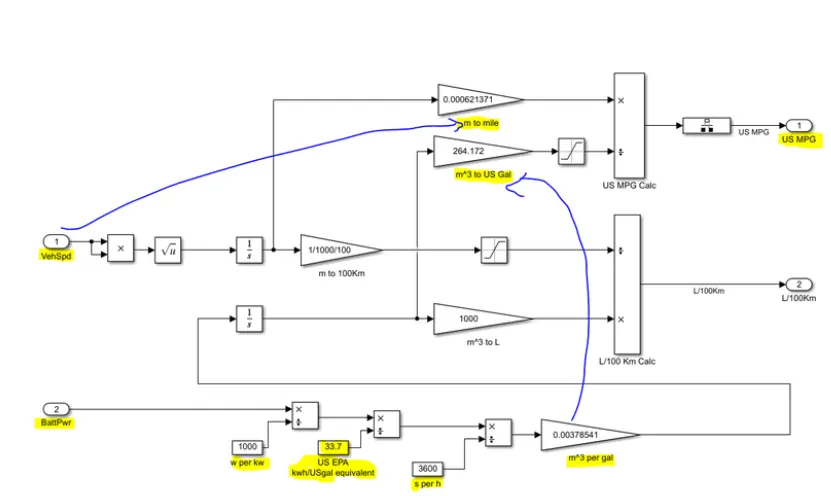
The vehicle speed data is utilized to compute the distance covered in meters, which is then converted into miles. Battery power data is employed to determine the power consumed in kWh, which is subsequently converted into gasoline-equivalent units using the value provided by the US EPA, by dividing it by 33.7. It's worth noting that according to the US Environmental Protection Agency (EPA), 1 gallon of gasoline is equivalent to 33.7 kWh. By dividing the distance traveled in miles by the number of gallons, we can ascertain miles per gallon. In the case of hybrid electric vehicles (HEV), this gallon (representing the gasoline-equivalent of battery power) is added to the gallons consumed by the internal combustion engine, after which miles per gallon is calculated.
Q.3
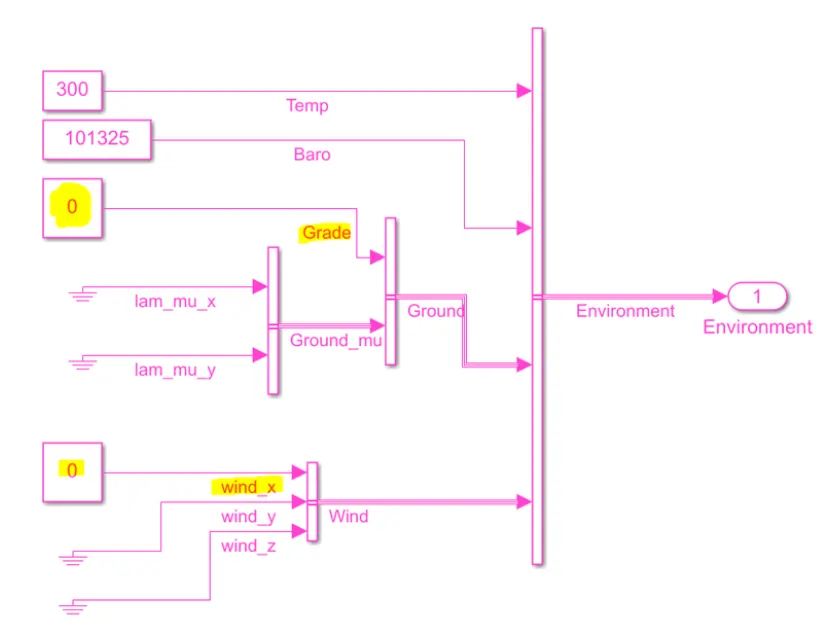
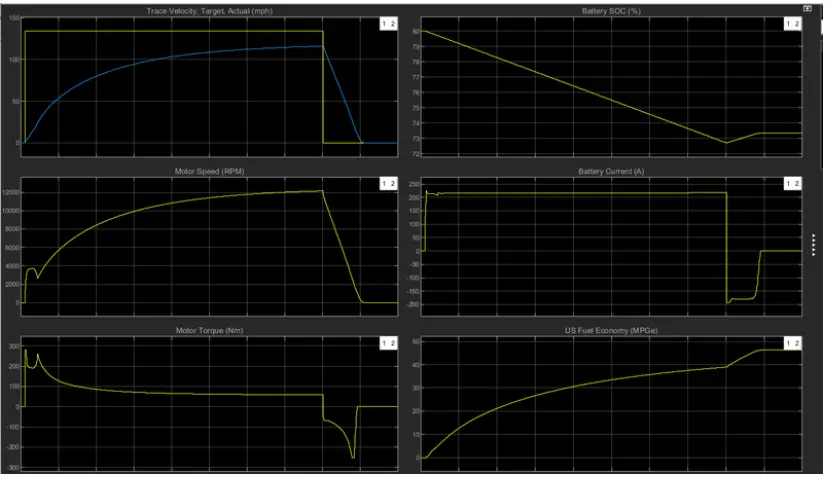
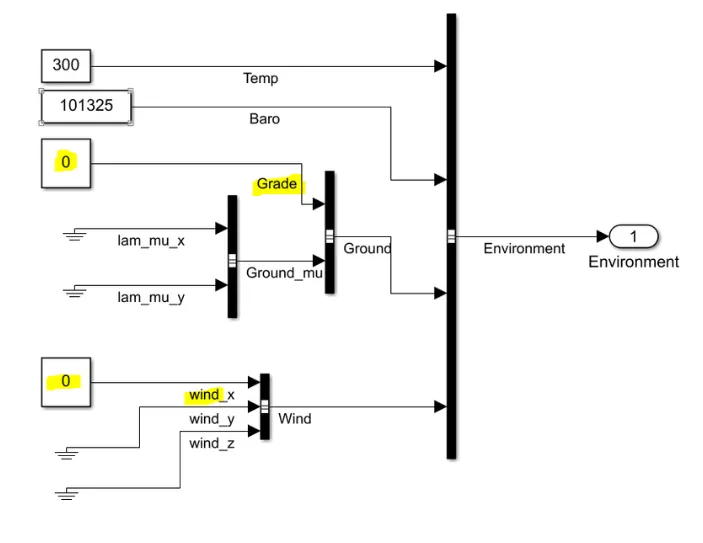
Grade - 0, wind velocity 0m/s
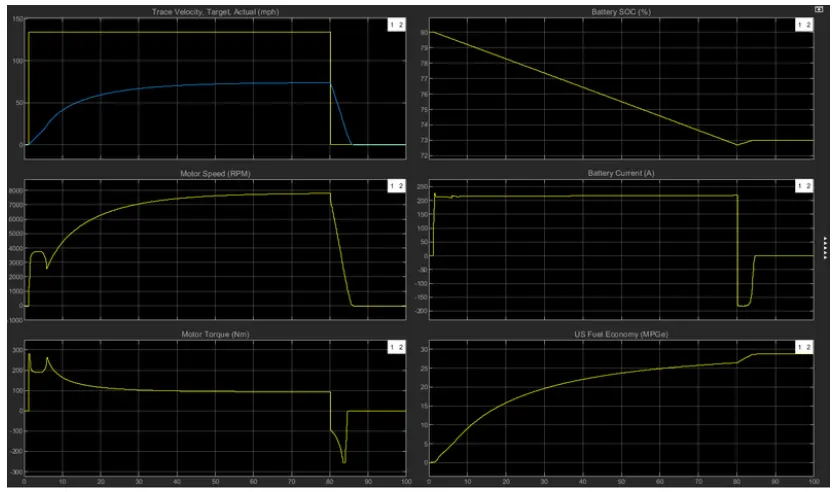
Grade - 5, wind velocity 10m/s
Grade - 15, wind velocity 30m/s
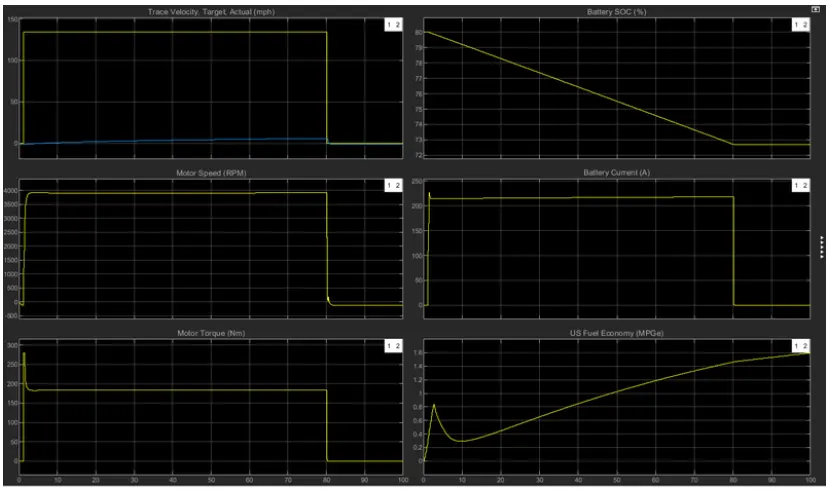
Results:
The highest attained velocity diminishes as gradient force and aerodynamic force take precedence. Fuel efficiency also decreases because the distance covered is shortened due to external forces. Deceleration duration decreases, thereby reducing battery recharging capacity. Battery state of charge (SOC) at the conclusion of wide-open throttle (WOT) acceleration remains consistent, but during deceleration, the battery receives more charge when the gradient and wind velocity are lower.
Q.4
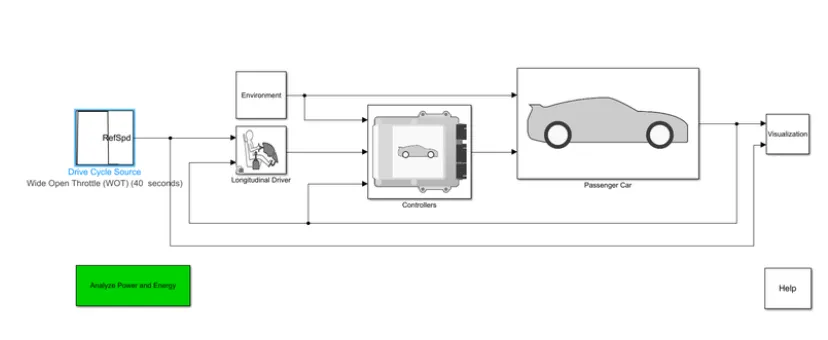
simulation is done for 50 seconds and the 40 seconds WOT drive cycle is used with wot acceleration for 0-30 seconds achieving a max speed of 26.8m/s and decelerates for 10 seconds (30-40).
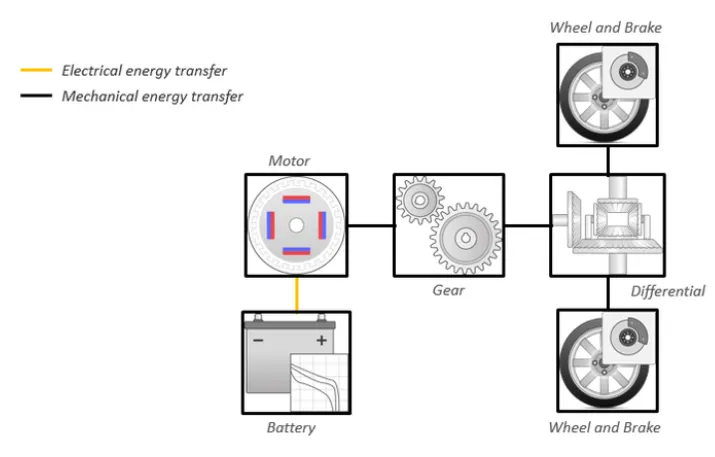
EV Powertrain Configuration:
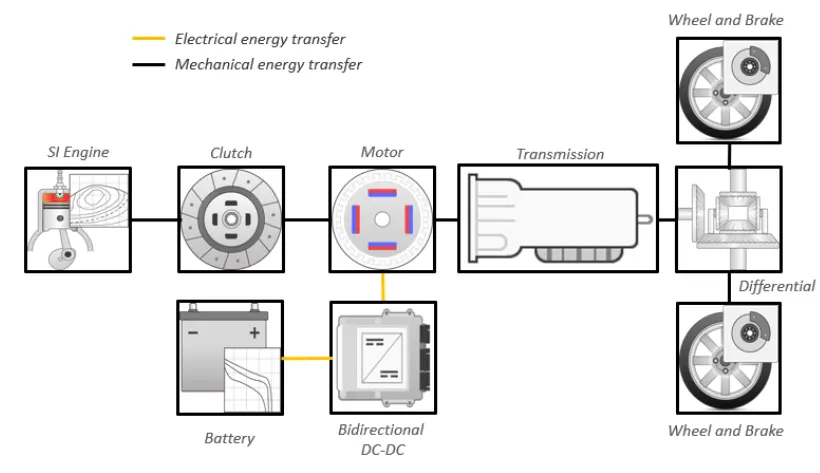
HEV Powertrain 2:
Simulink Model:
Results:
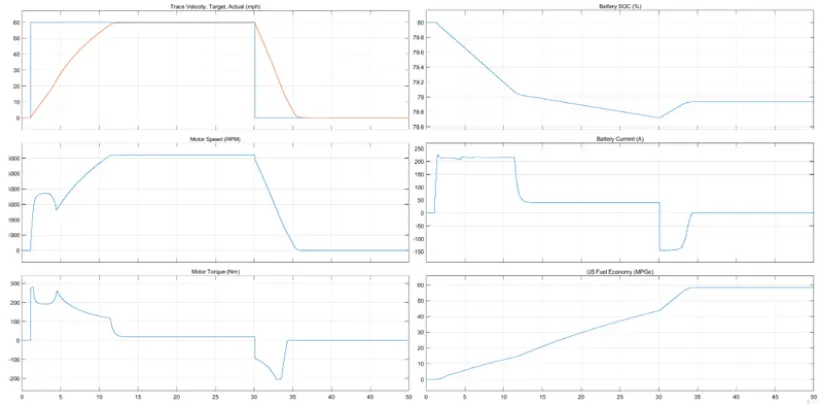
For Model 1:
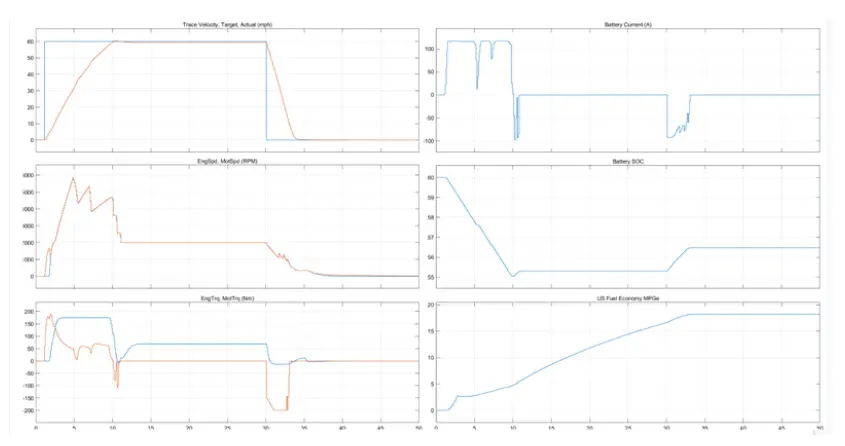
For Model 2:
SUMMARY:
- Time taken to achieve the required peak velocity is less for HEV as compared to EV
- Deceleration time is also low for HEV as it has many moving frictional parts
- Fuel economy is more for an EV compared to HEV due to less no of moving parts and thus low frictional losses