Week 3 Sheet metal Bending challenge
REPORT
SHEET METAL BENDING
OBJECTIVE
Perform static structural analysis on sheet metal and find out equivalent stress, equivalent elastic strain and directional deformation.
Case1 is to perform static structural analysis on aluminium ally 1199, copper alloy NL and magnesium alloy NL.
Case2 is to perform static structural analysis on aluminium alloy with a frictional coefficient of 0.19 and to compare the results with case 1.
Case 3 is to perform static structural analysis on aluminium alloy with refined mesh and to compare the results.
PROCEDURE
Case 1
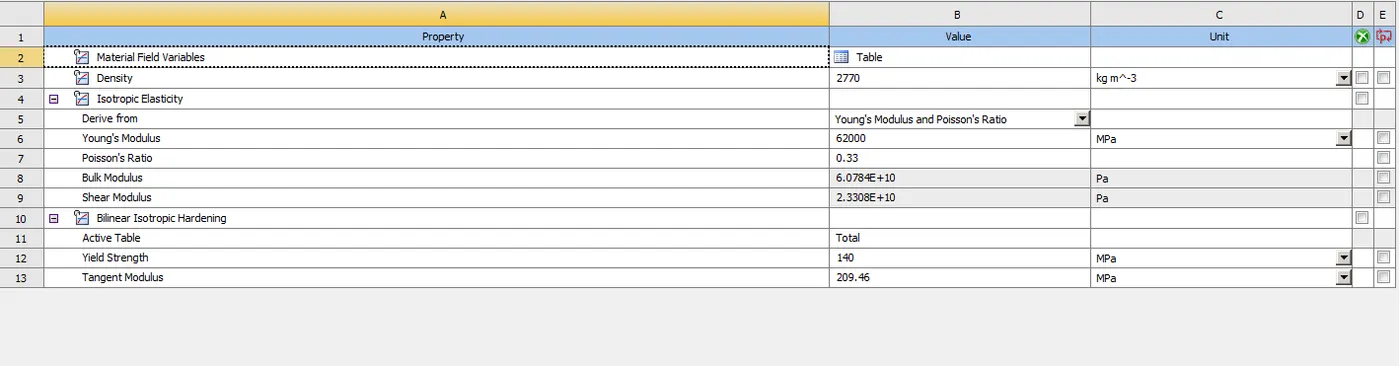
Here the material using is aluminium alloy 1199 and the properties are given below,
The model is imported and opened in mechanical software.
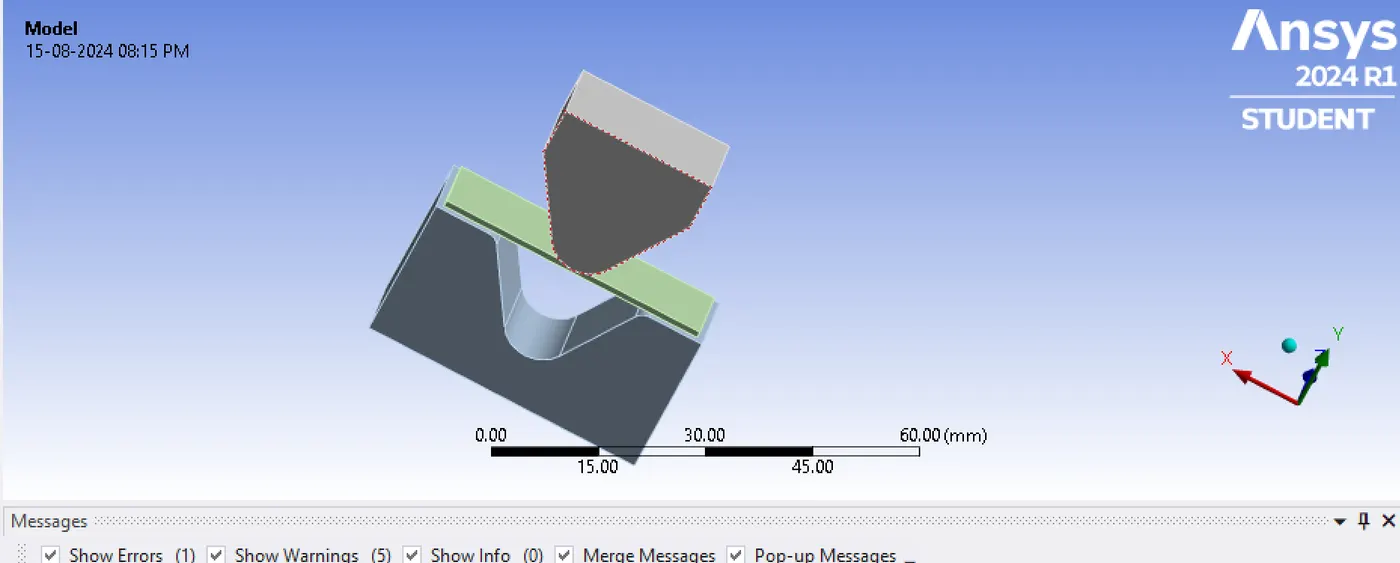
Renamed it as punch, sheet and die. Aluminium alloy 1199 is assigned to the sheet.
Now the contacts are assigned, the first is between punch and sheet and the other is between sheet and die.
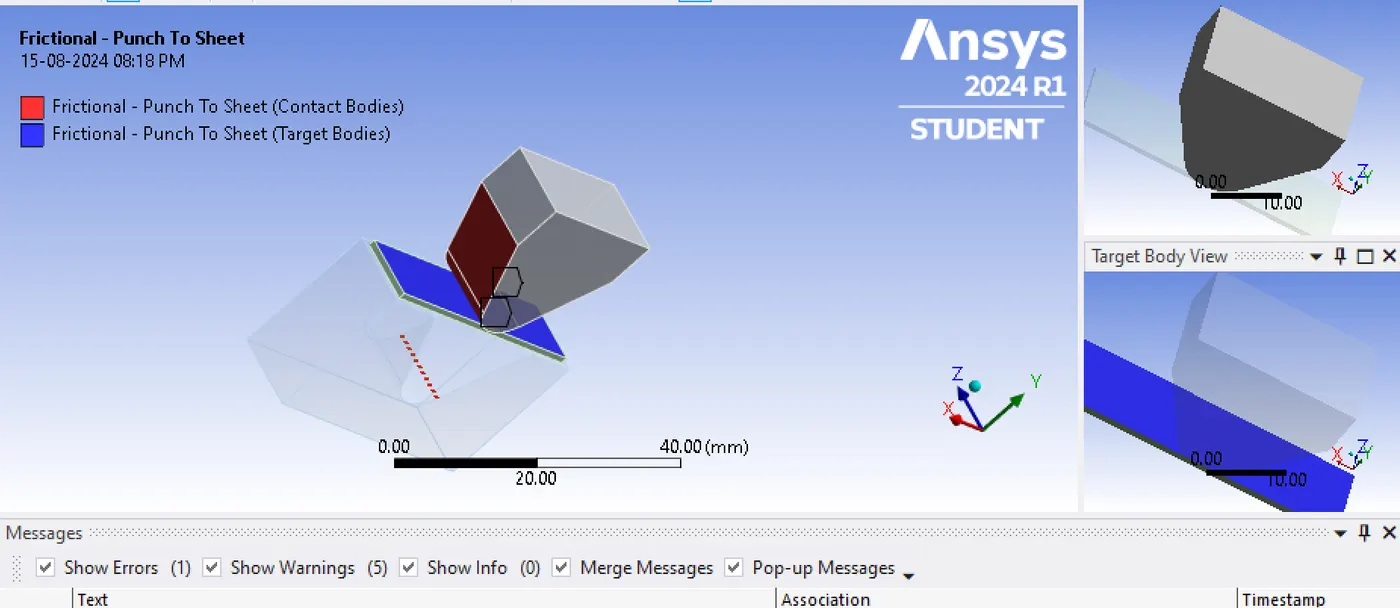
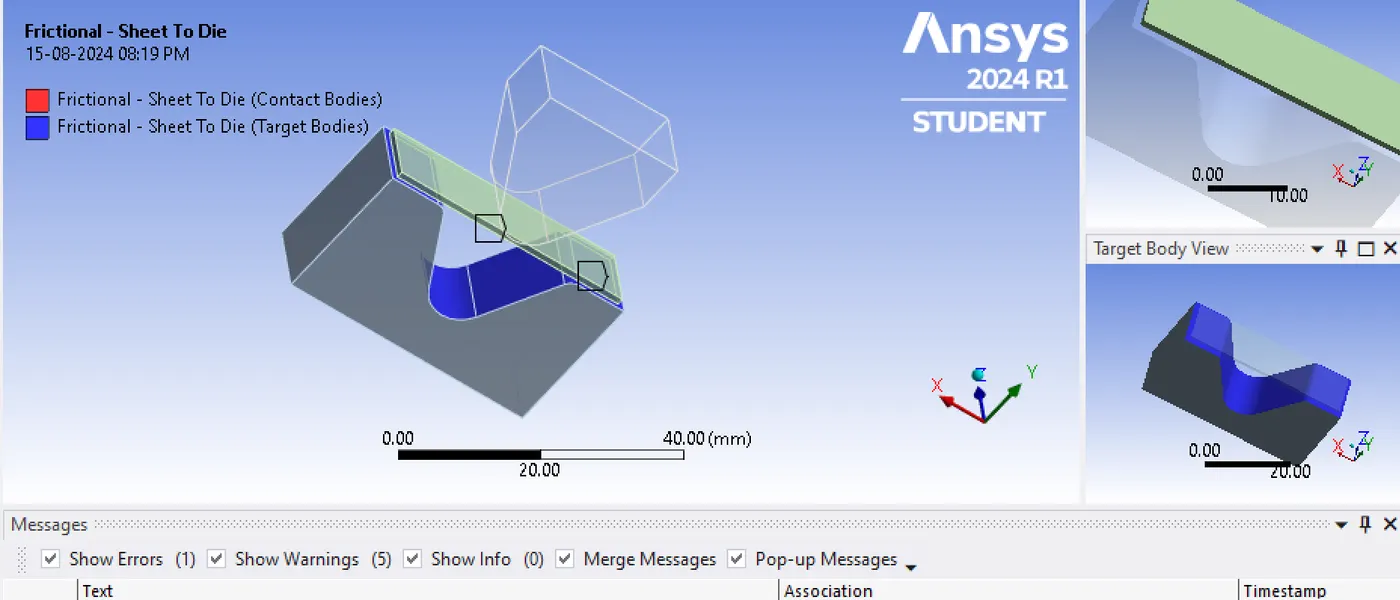
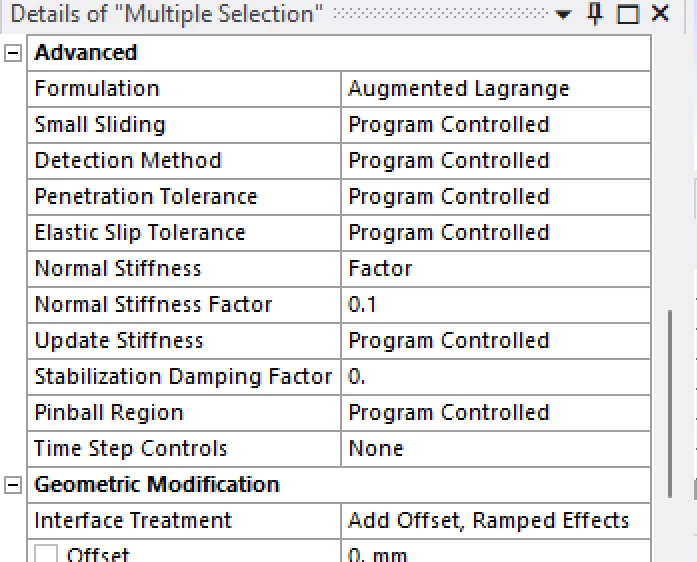
Selected both contacts and assigned it as frictional contacts and coefficient of 0.1 is given. Set the behaviour to auto asymmetric. And other contact settings are below,
MESH
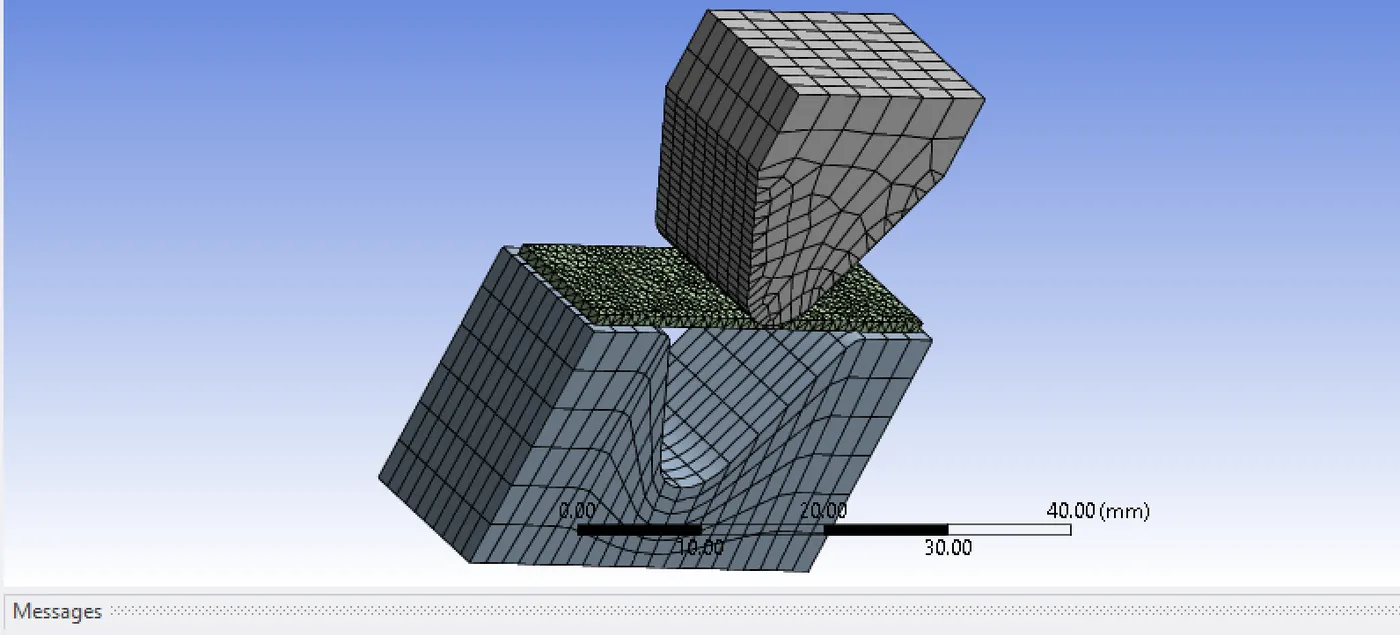
For the punch and die a 4mm mesh is used and for sheet a 1mm tetrahedron mesh is used apart from that the 3 faces in punch and 7 faces in die that are in contact with sheet is given a 1mm mesh.
ANALYSIS SETTING
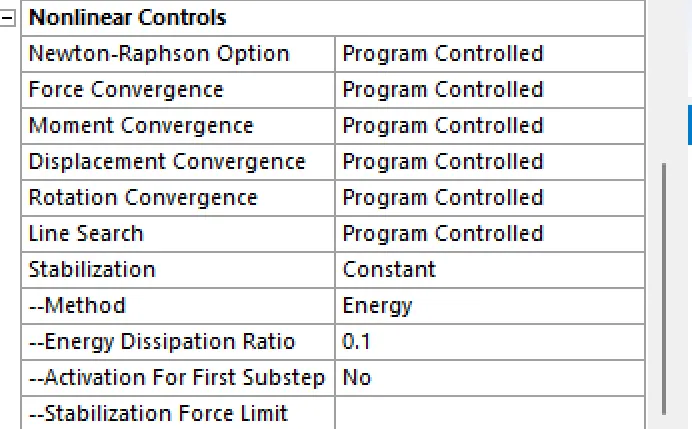
Analysis is set to run through 10 steps. Selected all 10 steps and set the large deflection ON and solver type to direct. Other settings are shown below,
STATIC STRUCTURAL
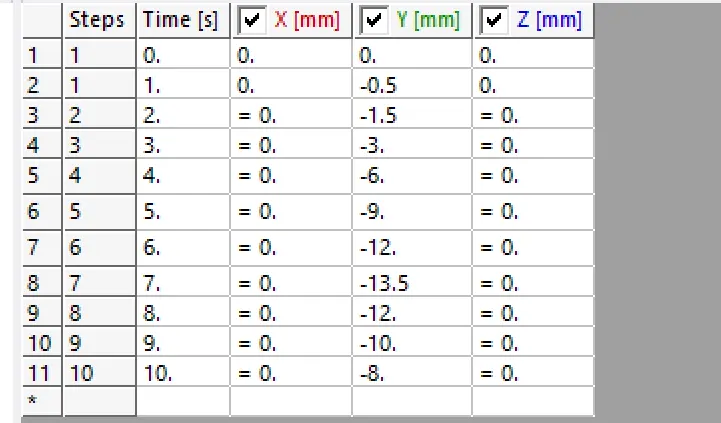
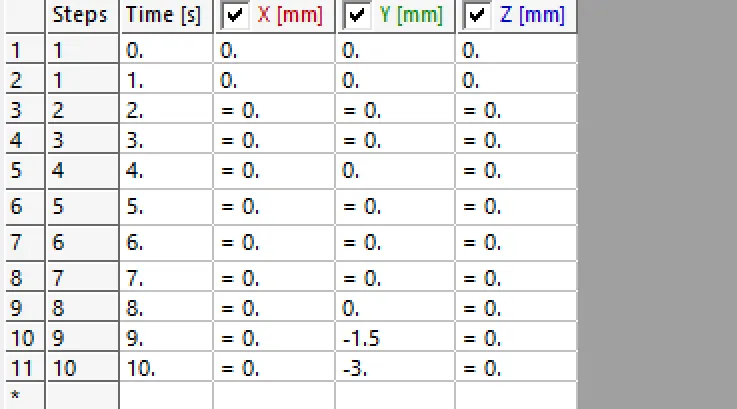
We need to push the sheet to the die using punch and withdraw the punch slightly back. The die is also withdrawing to a small extend using last 2 steps.
1. Punch
Give displacement to the punch. X,Y,Z to tabular data.
2. SHEET
Give displacement to sheet. X and Y free. Z to tabular data that is the sheet is fixed to Z axis.
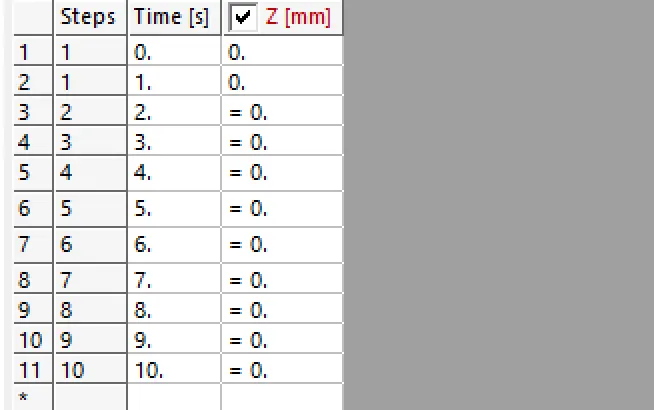
3. DIE
Give displacement to die. X, Y, Z - tabular data.
SOLUTION
Requested for equivalent stress, deformation in y direction and equivalent elastic strain.
RESULTS
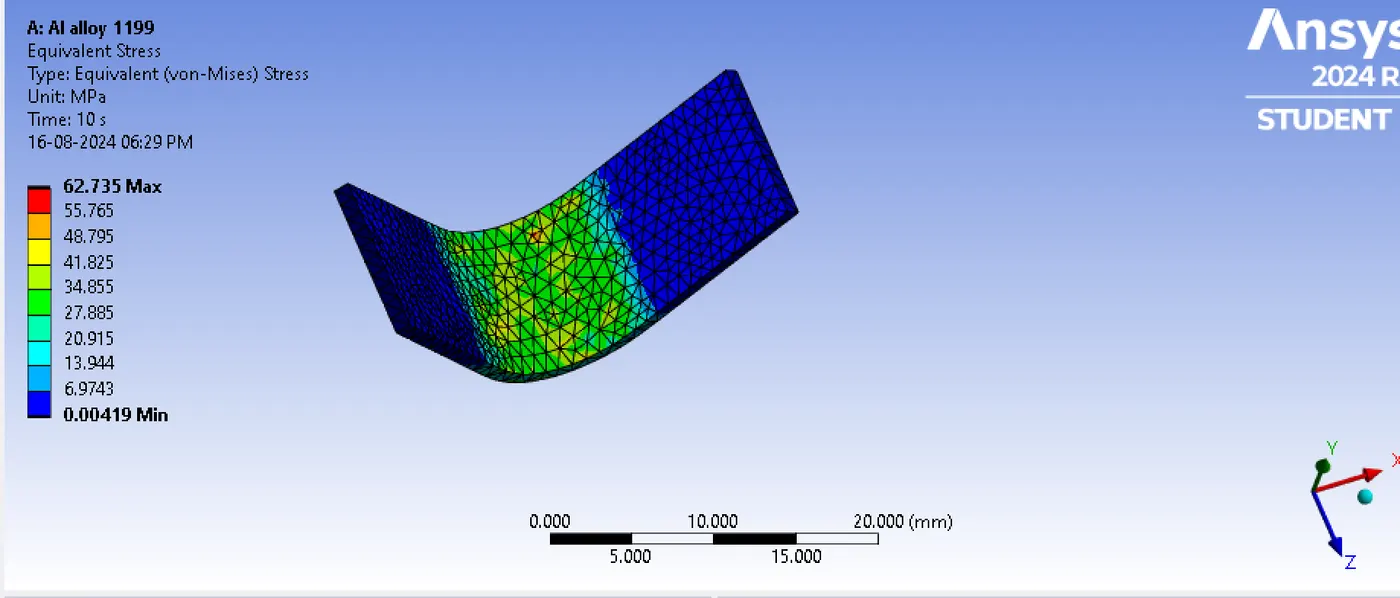
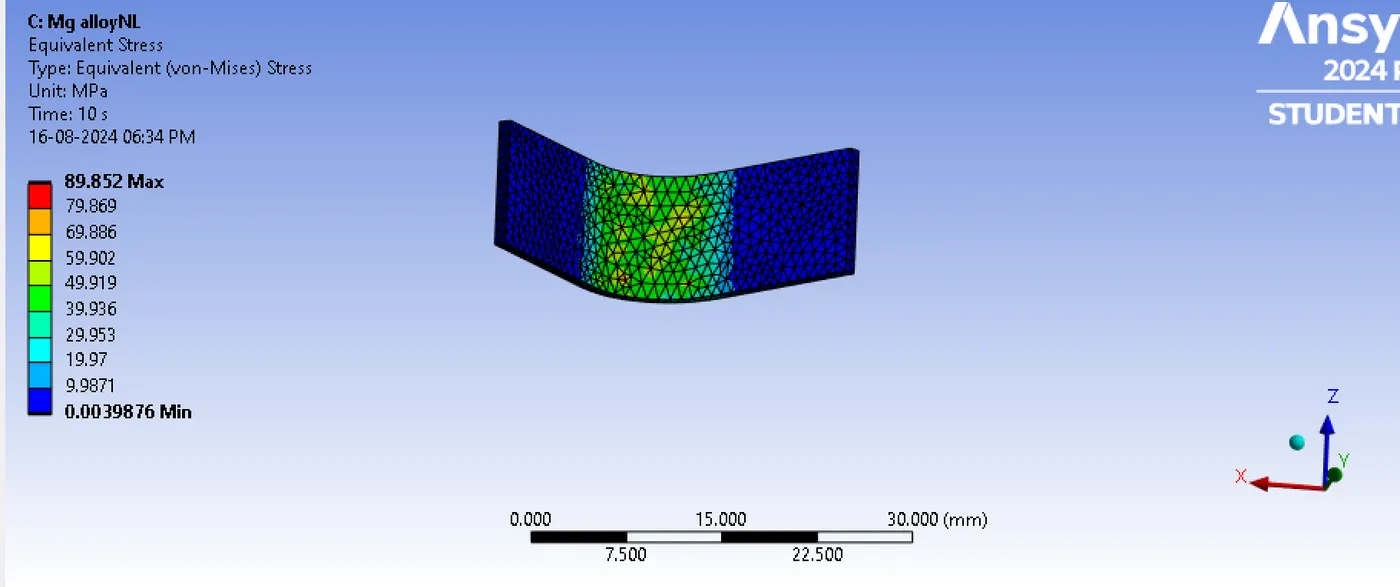
The equivalent stress developed on the sheet is shown below,
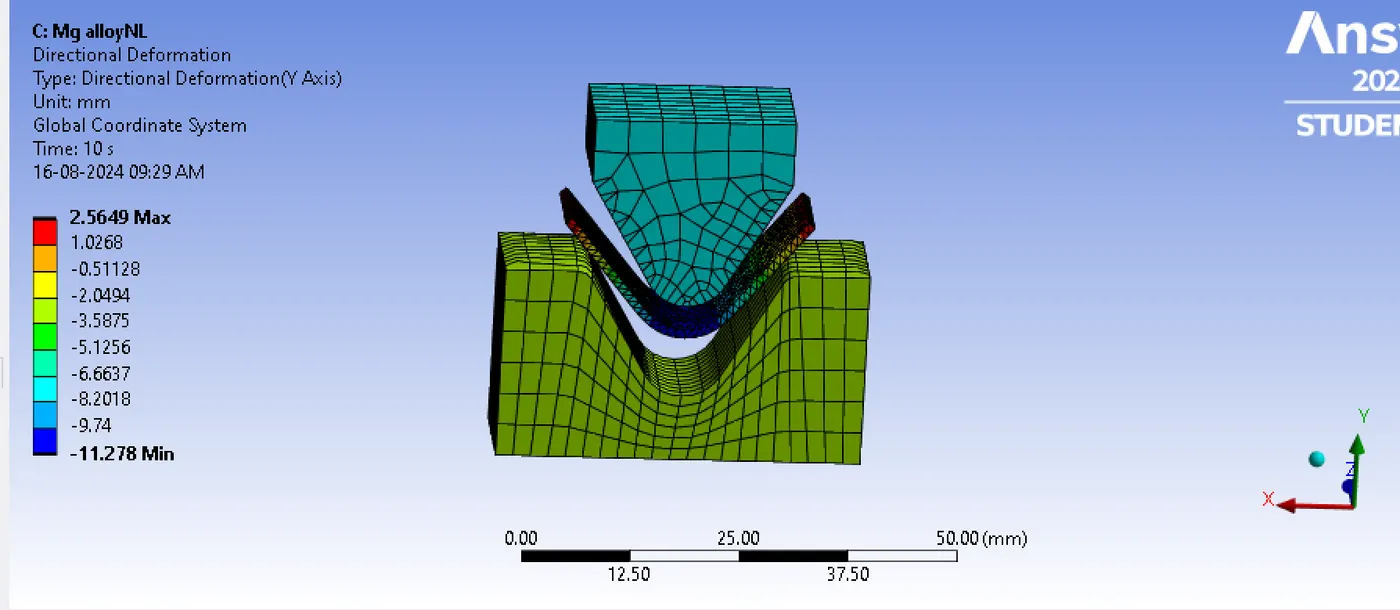
The deformation about Y axis is shown below,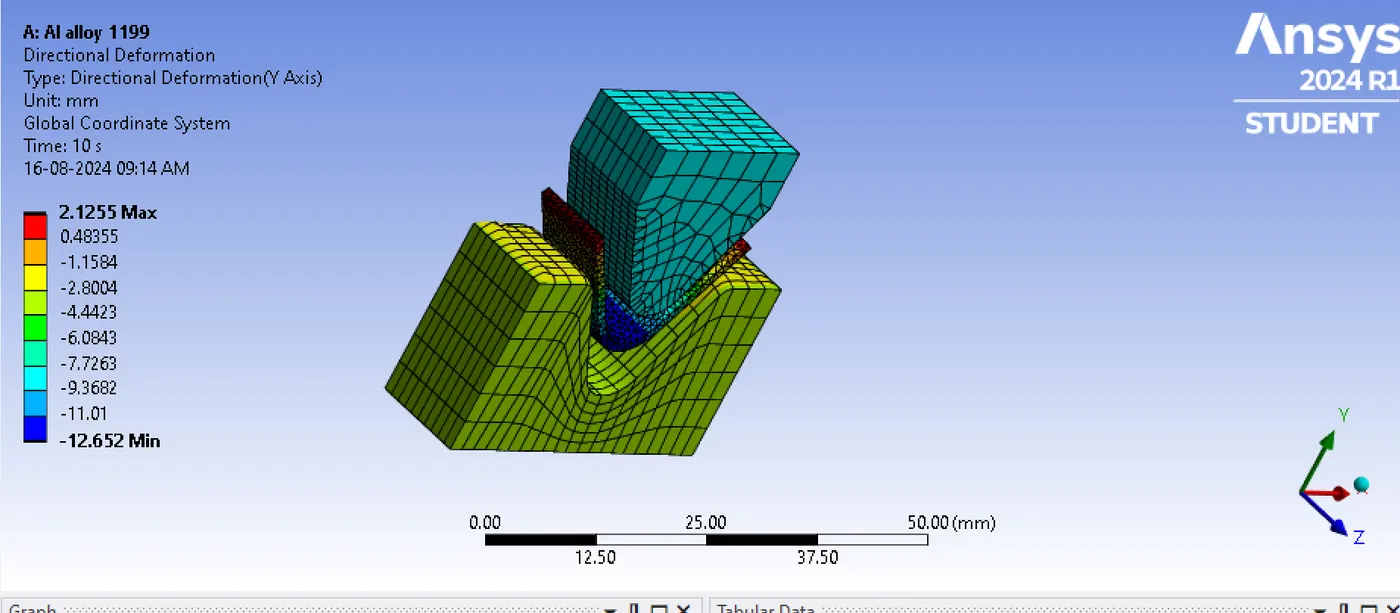
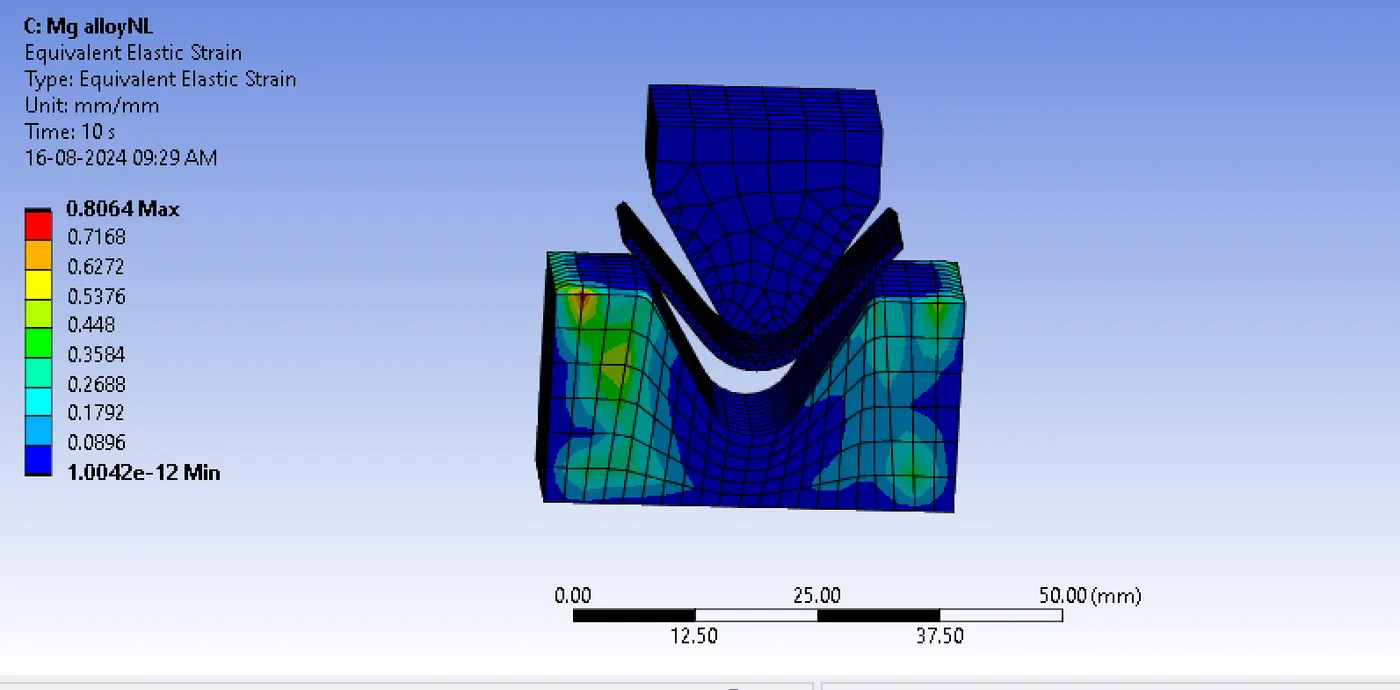
The equivalent elastic strain is shown below,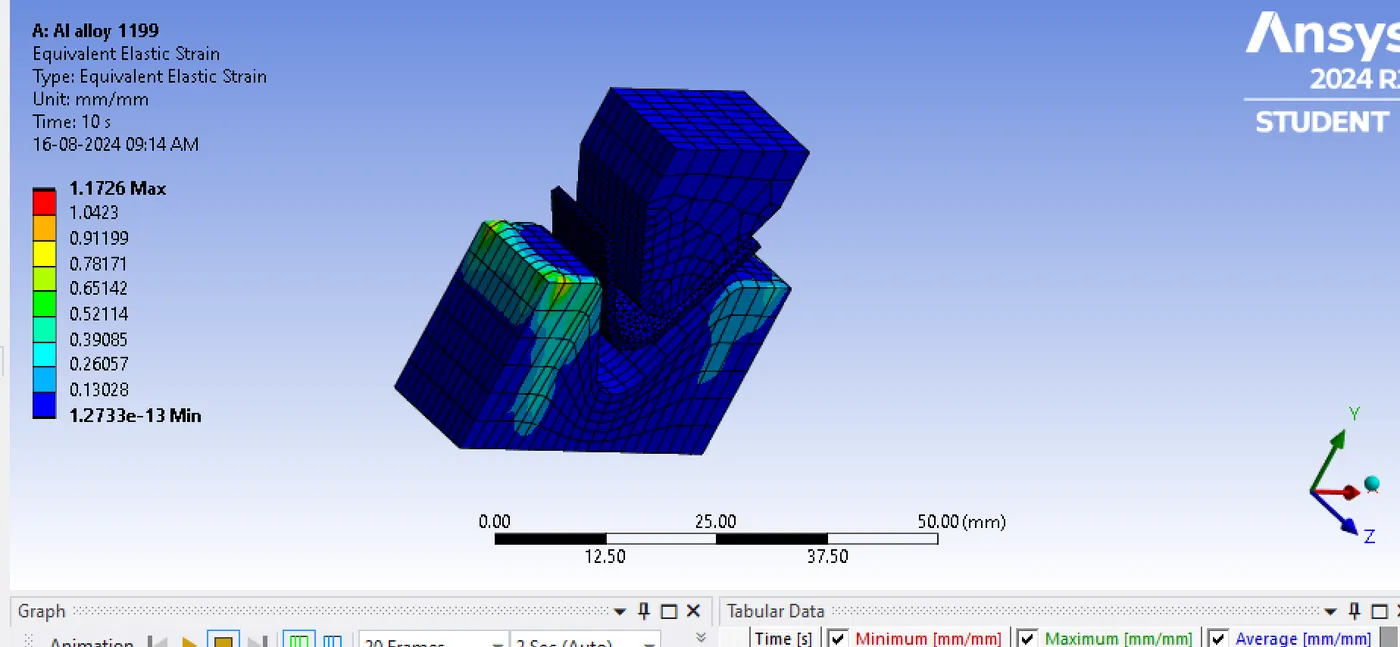
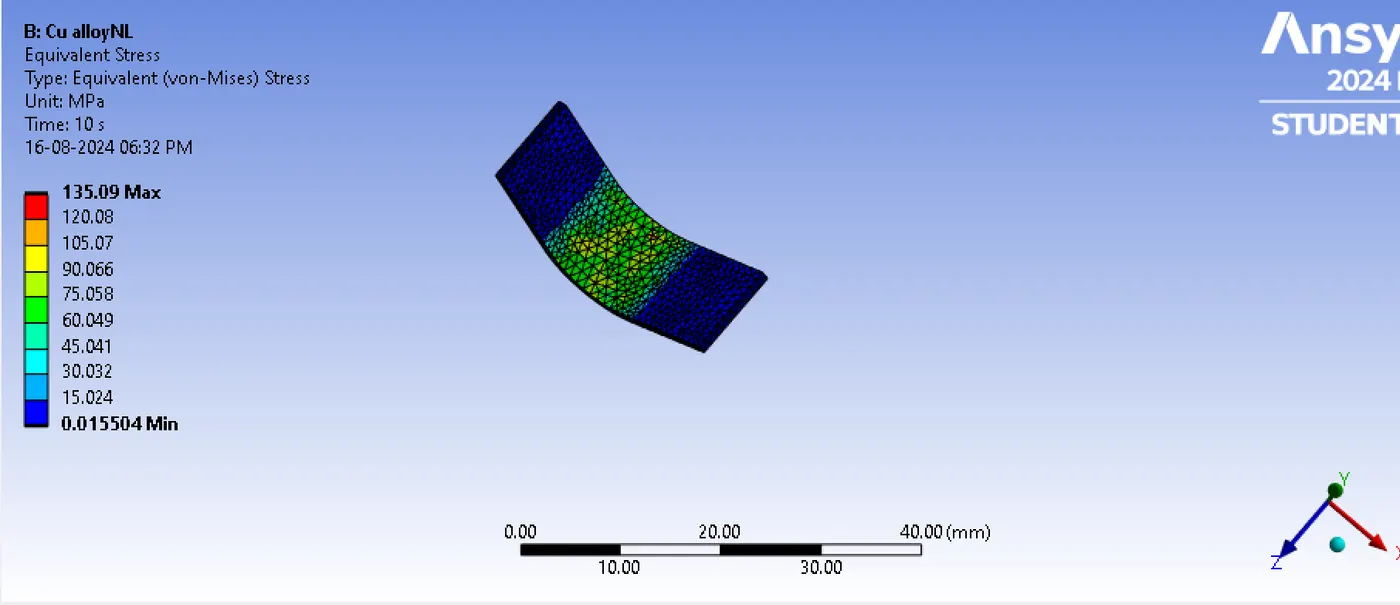
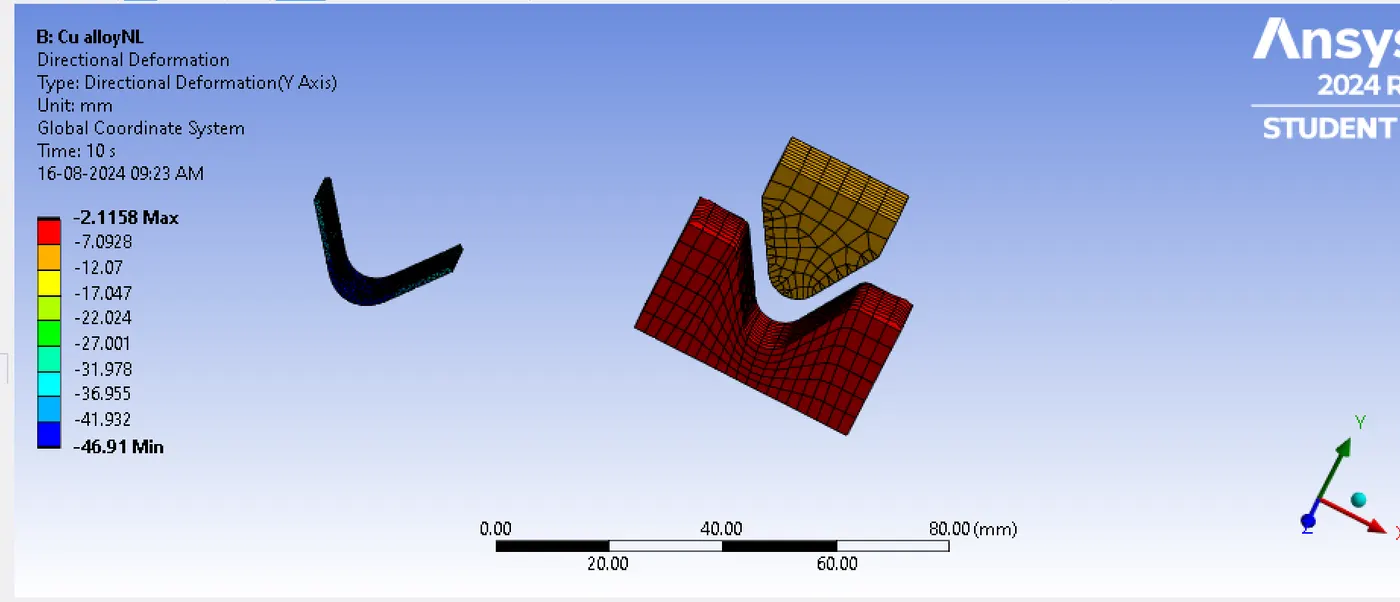
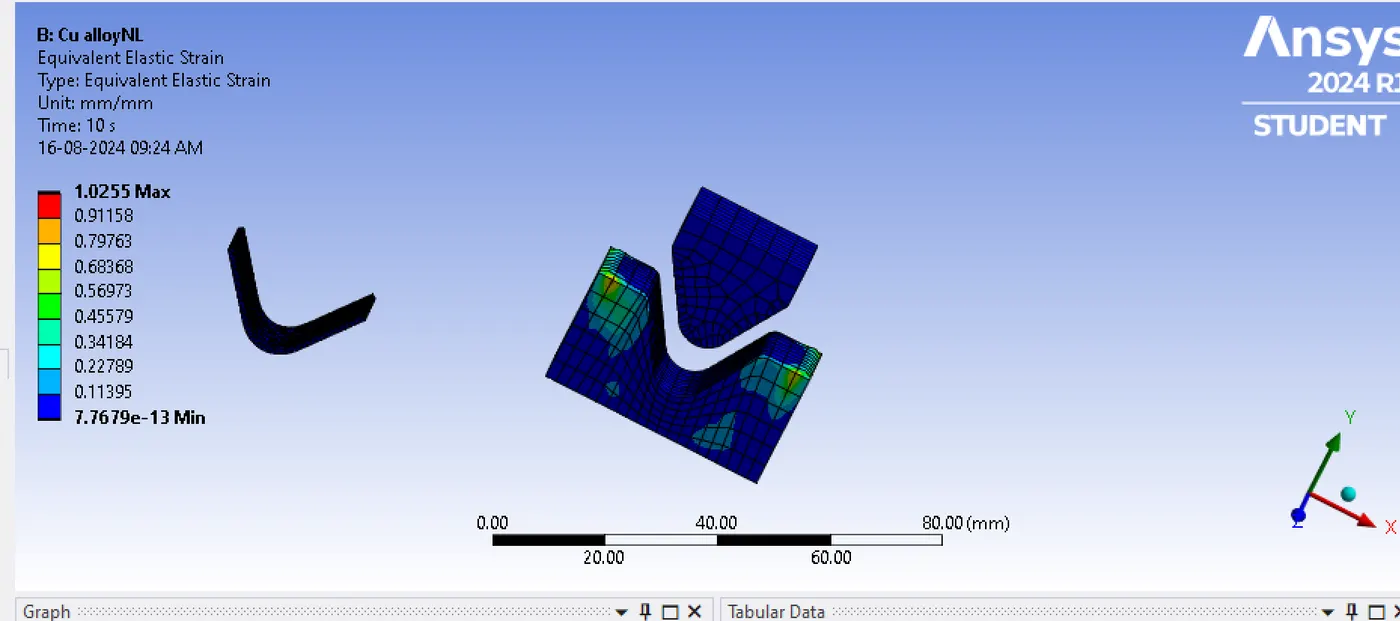
The material of the sheet is changed to copper alloy NL and run the simulation exactly same as above. The equivalent stress, deformation in Y axis and equivalent elastic strain are shown below,
The sheet material is changed to magnesium Alloy NL and the equivalent stress, directional deformation and equivalent elastic strain is shown below,
CASE 2
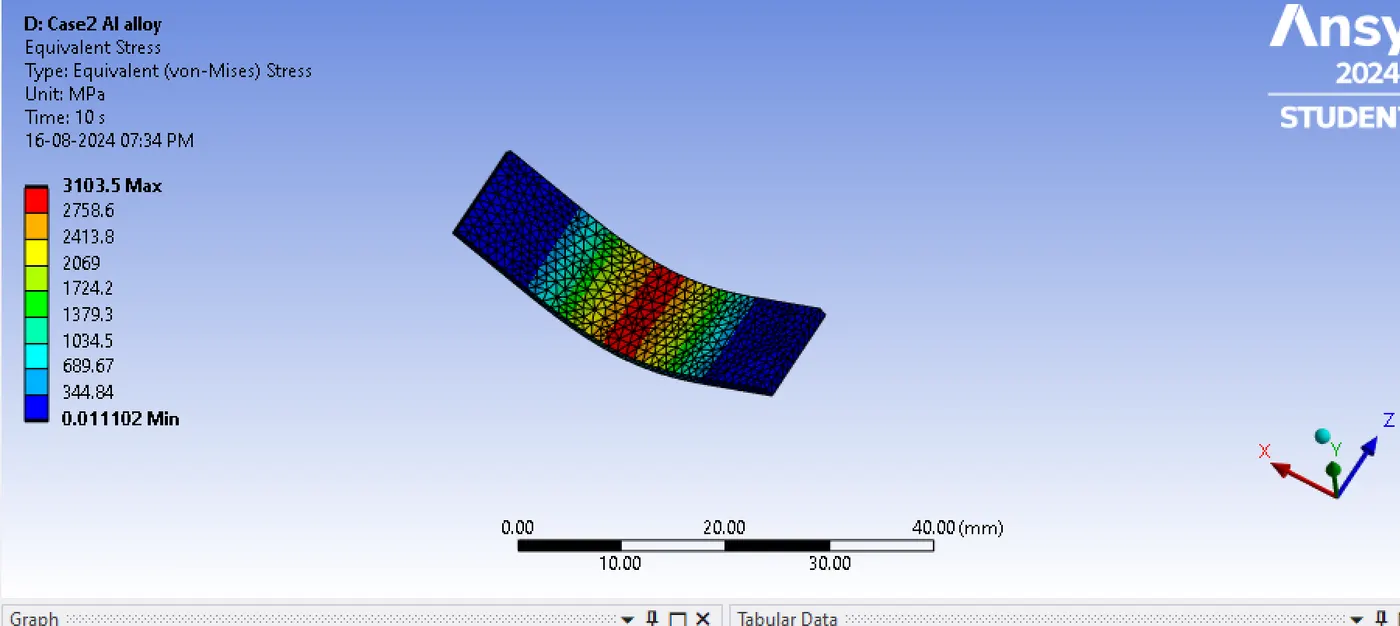
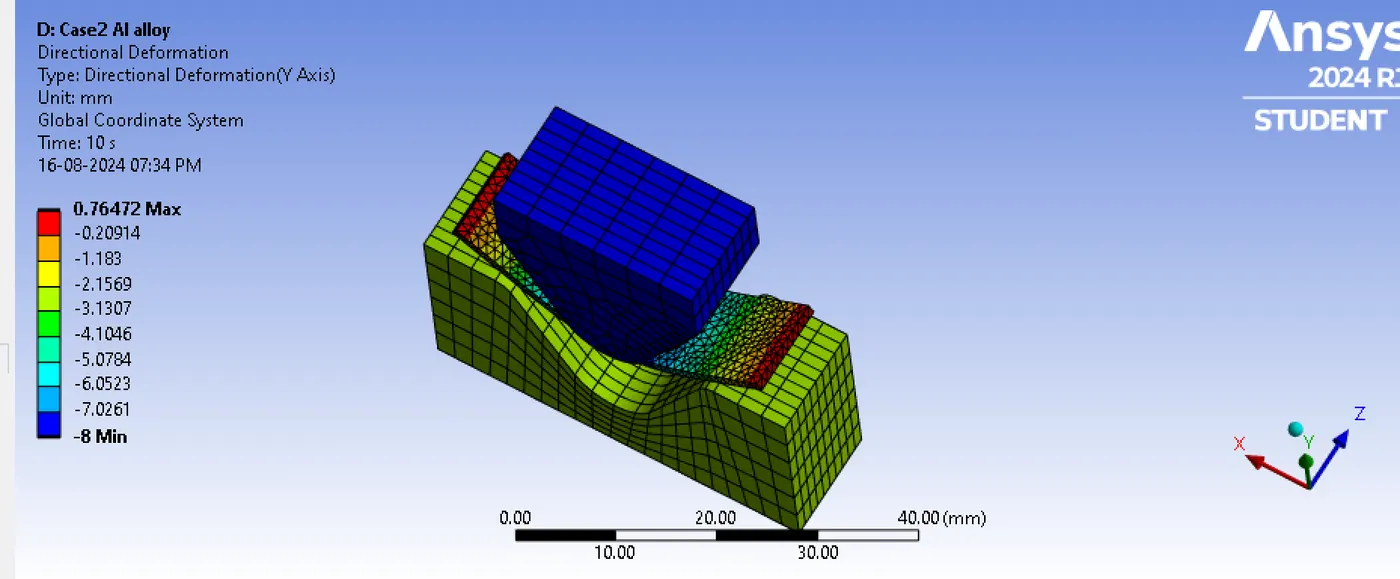
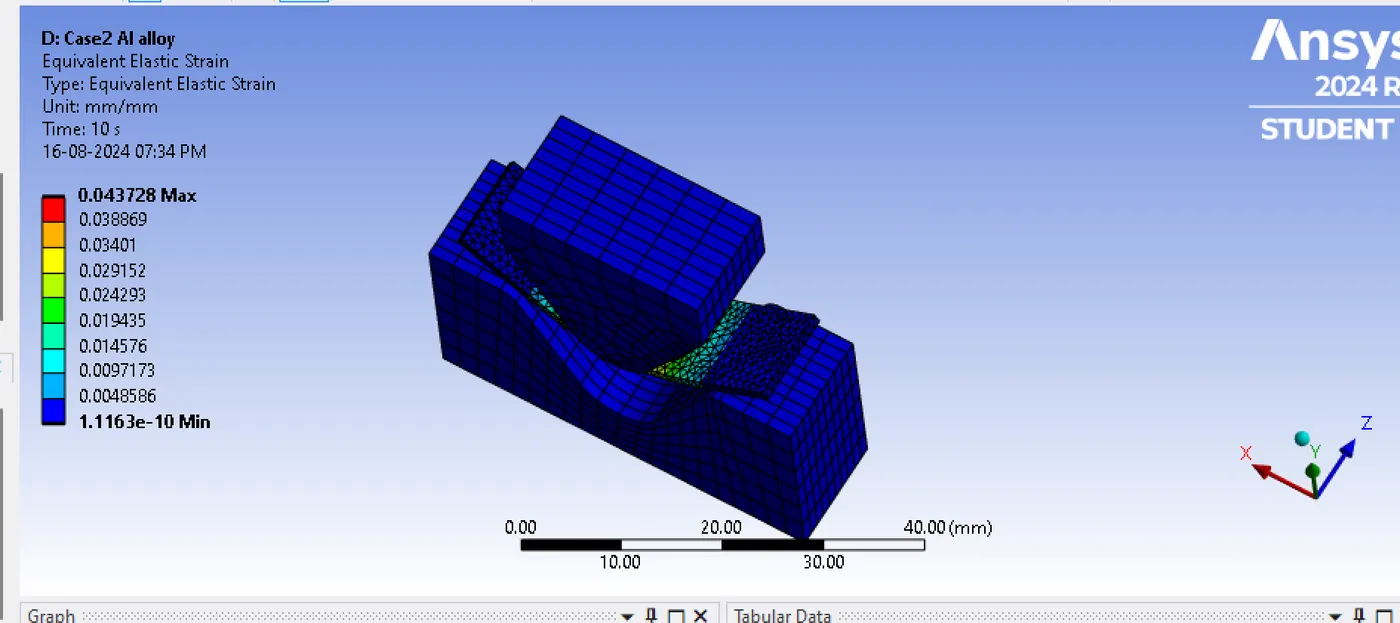
Here the coefficient of friction is changed to 0.19 and the material of the sheet is changed to aluminium alloy.
The results are shown below,
CASE 3
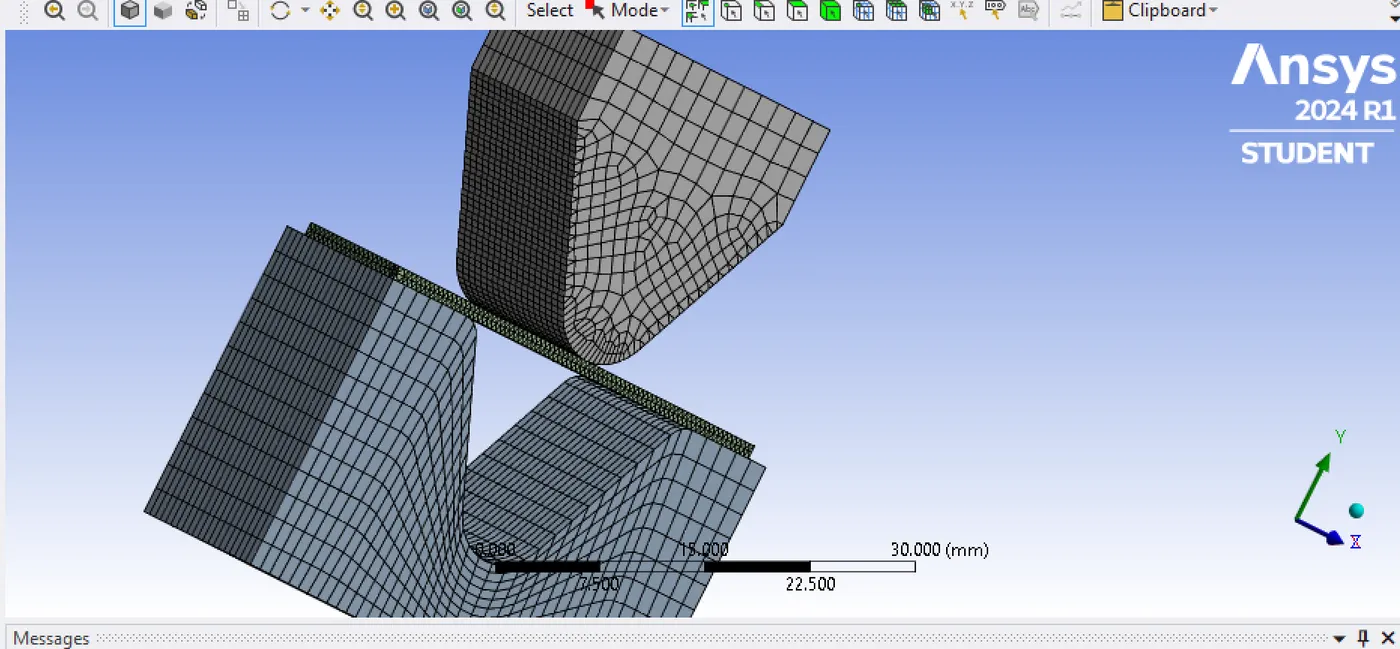
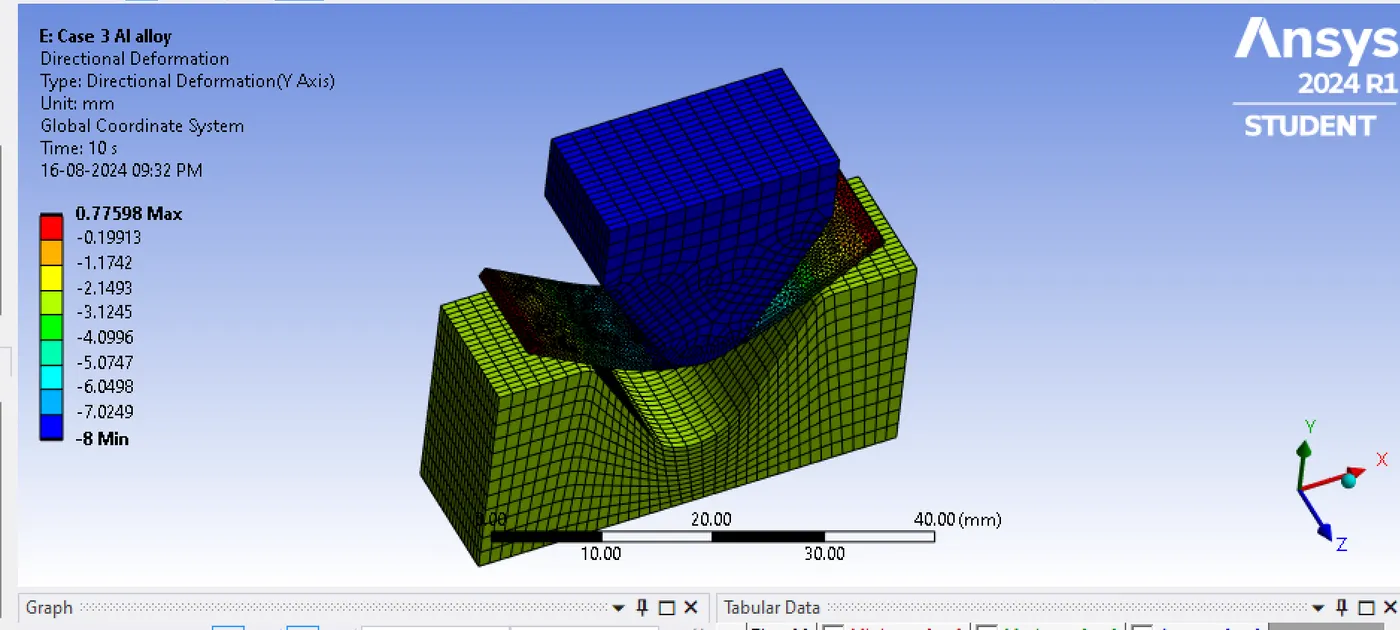
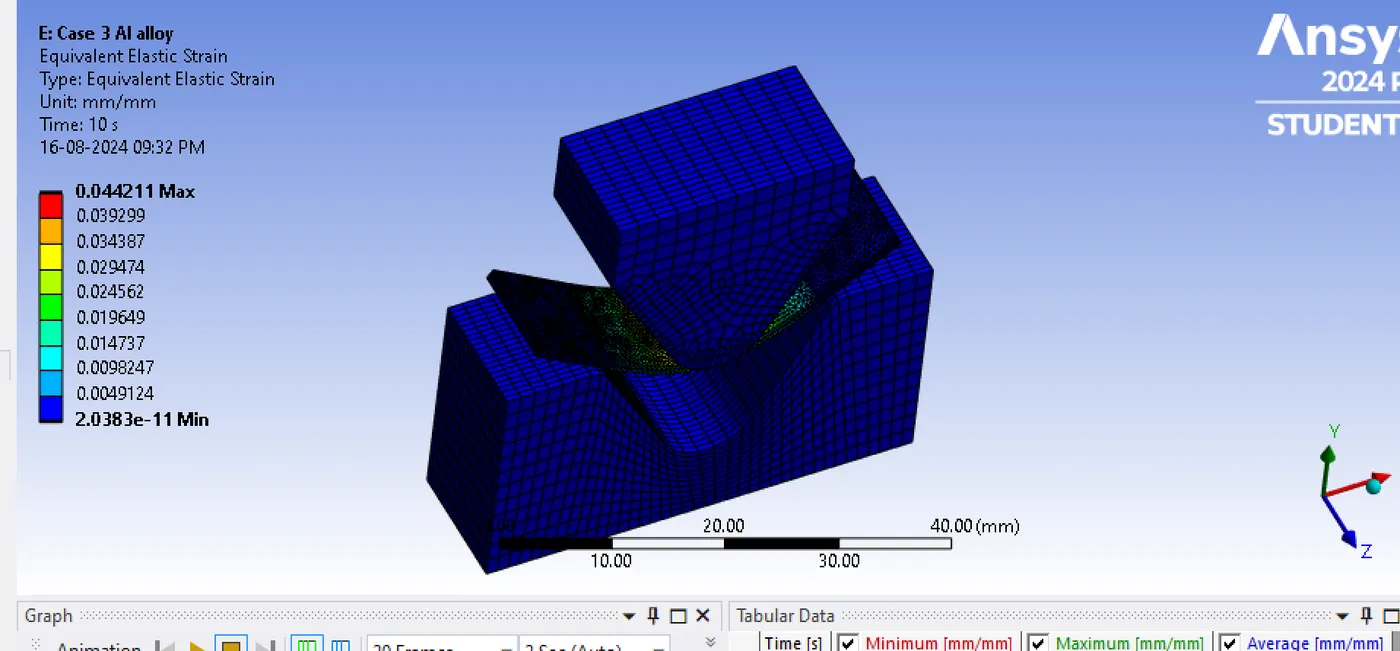
Here the mesh is refined. For punch and die a mesh size of 2mm is used and for sheet a 0.5mm tetrahedron mesh is used and in the contact faces 0.5mm mesh is used.
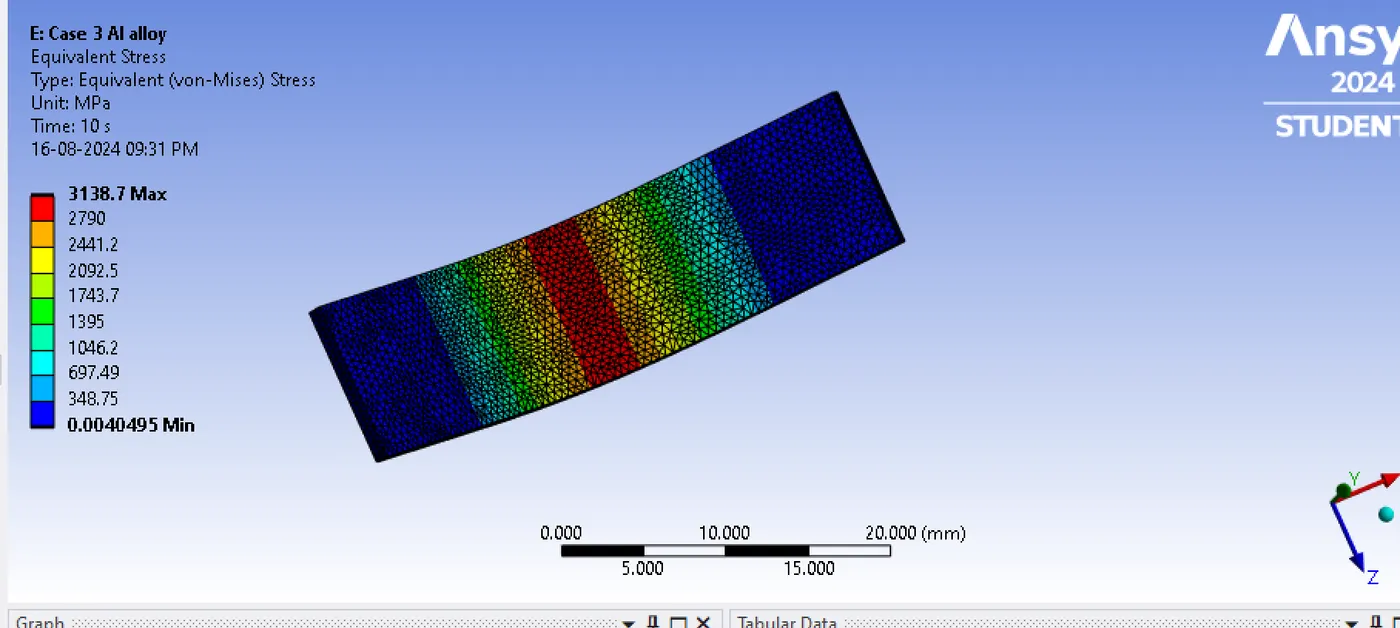
The results of this simulation is shown below,
The final results are compared below,
Maximum equivalent stress(MPa) on sheet
case 1 aluminium allyoy1199 = 62.735
case 1 copper alloy NL = 135.09
case 1 magnesium alloy NL = 89.852
case 2 = 3103.5
case 3 = 3138.7
Maximum elastic strain
case 1 aluminium allyoy1199 = 1.1726
case 1 copper alloy NL = 1.0255
case 1 magnesium alloy NL = 0.8064
case 2 = 0.043728
case 3 = 0.044211
Maximum deformation in Y direction(mm)
case 1 aluminium allyoy1199 = 2.1255
case 1 copper alloy NL = -2.1158
case 1 magnesium alloy NL = 2.5649
case 2 = 0.76472
case 3 = 0.77598
CONCLUSION
Case 1
The maximum stress is developed in copper alloy NL and least is developed in aluminium alloy 1199 comparing the 3 cases. In case of deformation maximum is developed in magnesium alloy NL and minimum in copper alloy NL. Maximum strain is developed in aluminium alloy 1199 and least is in magnesium alloy NL.
Case 2
When comparing case2 with case 1 the maximum equivalent stress developed in case 2 that is with higher coefficient of friction is very lesser than case 1.
When the friction between the contacts are less the stress will much lower.
Case 3
Here the material for sheet is aluminium alloy same as case 2 with coefficient of friction 0.1 and mesh is refined. When comparing the results with case 1 the maximum stress developed is
The stress developed case 3 is much higher than case 1 but the deformation and strain is lesser.