Week 3 Sheet metal Bending challenge
Objective:
To perform a sheet metal bending analysis using three different materials (Al Alloy 1199, Cu Alloy NL, Mg Alloy NL) and compare their results for Equivalent Stress, Elastic strain and total deformation in Y direction and also to perform a grid dependency test using Al Alloy NL as a material for the sheet metal.
Case Setup and procedure:
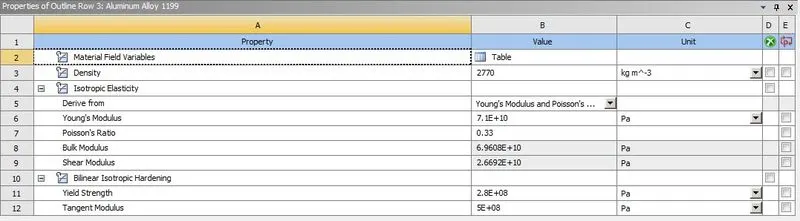
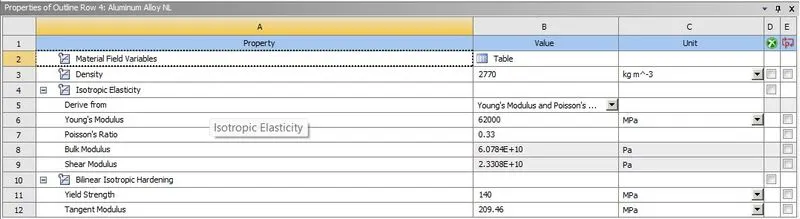
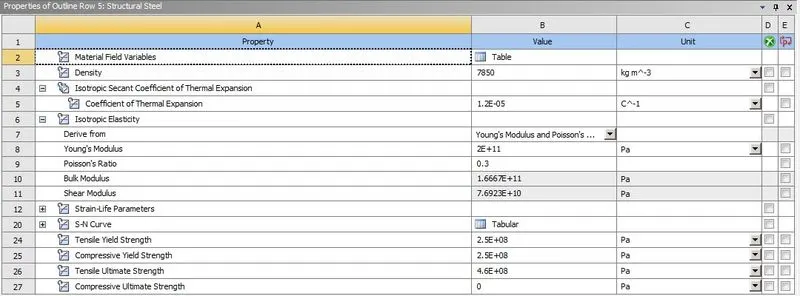
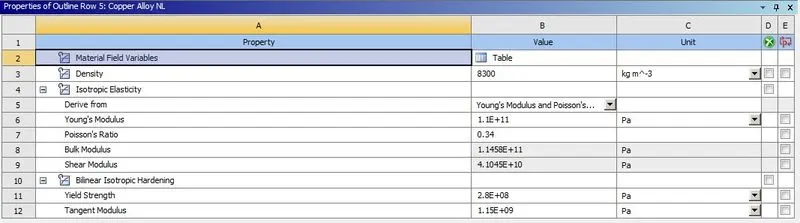
Firstly we have assigned different material for this analysis from the engineering data source of the static structural analysis.
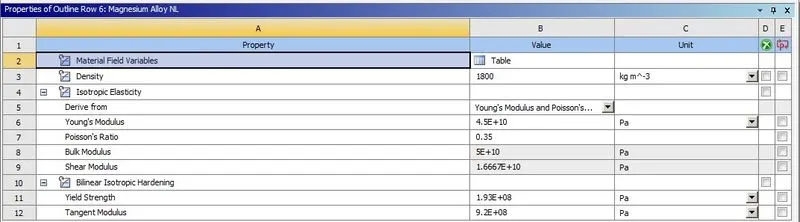
Secondly we have imported the geometry of the sheet metal for the bending analysis
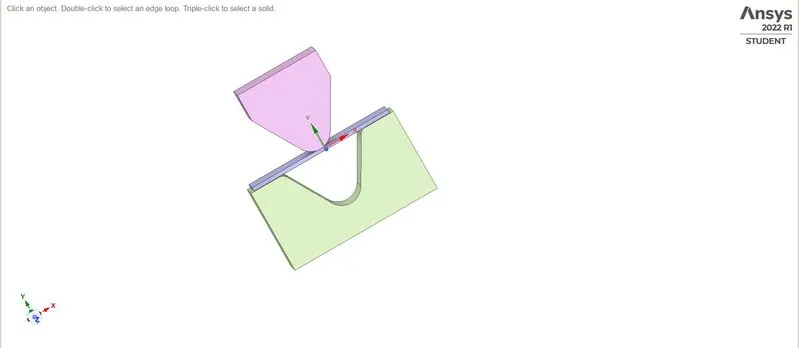
in the Geometry section of the model tab we have assigned Al alloy 1199 to the sheet and we have assigned structural steel to the punch and die.
For the other cases we have assigned Cu, Mg and Al alloy to the sheet For the contact we have manually assigned the contact to the geometry as shown below
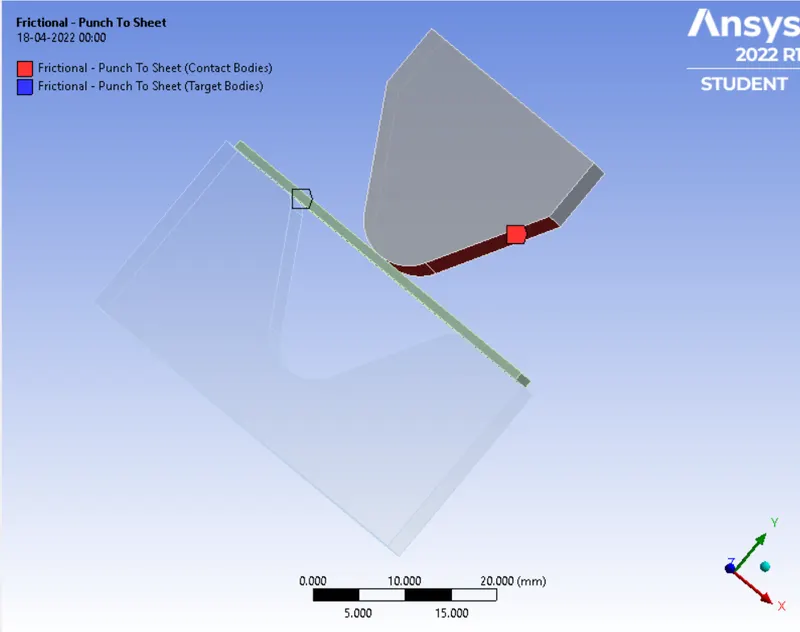
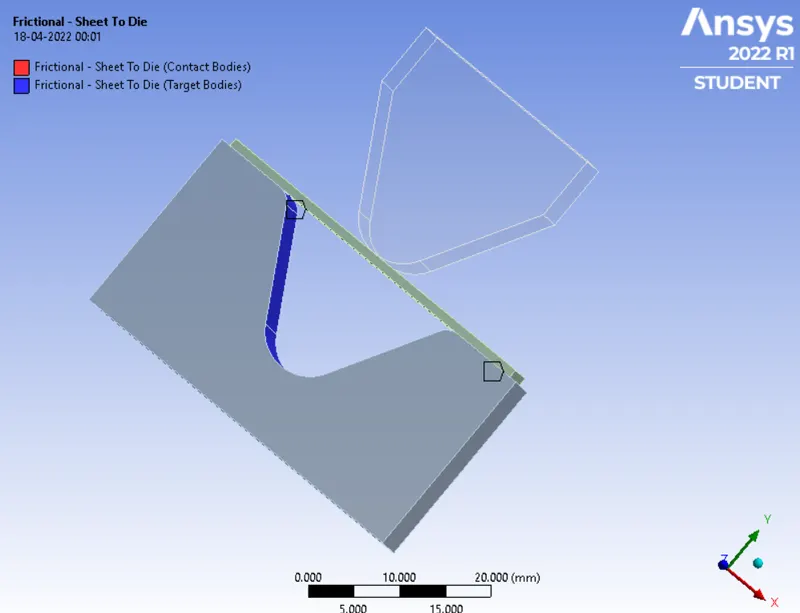
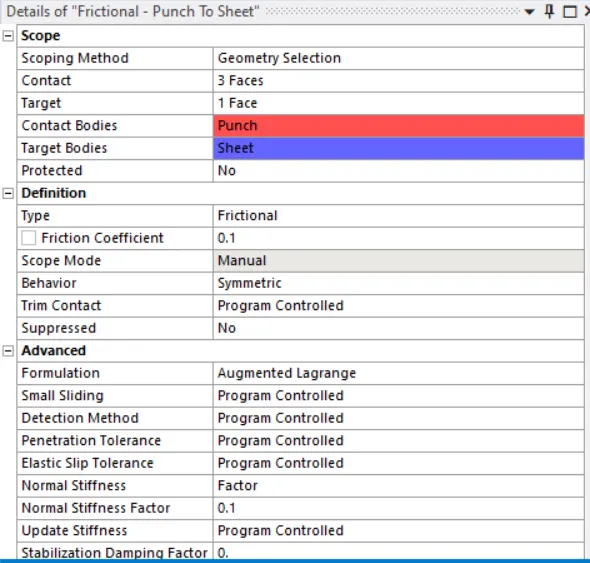
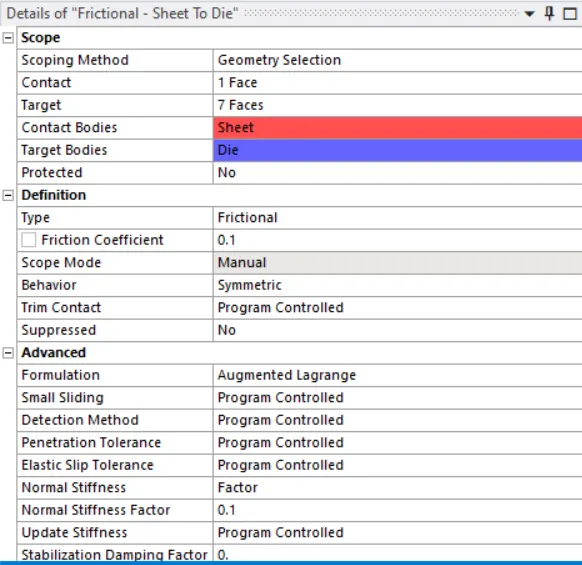
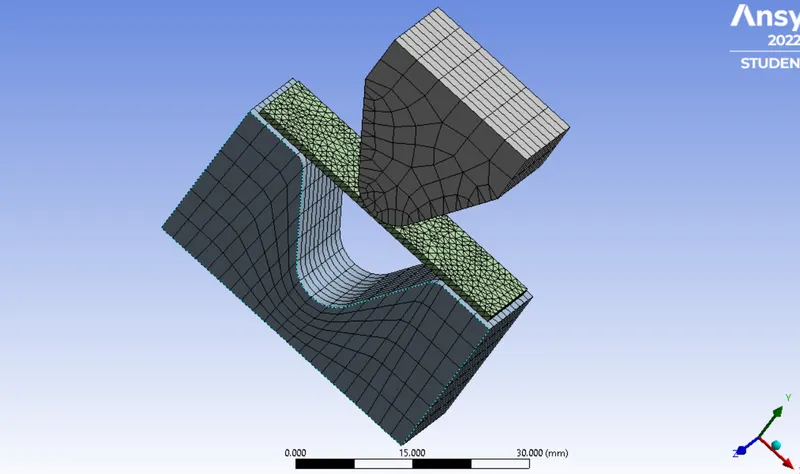
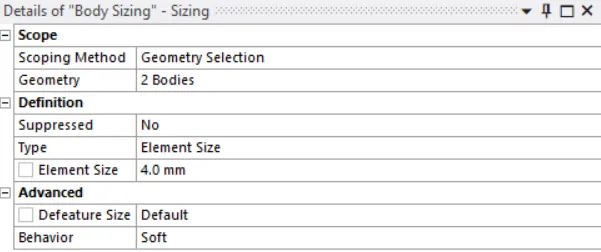
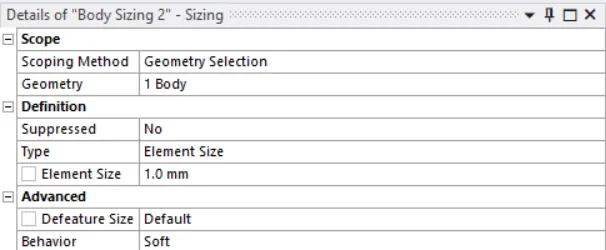
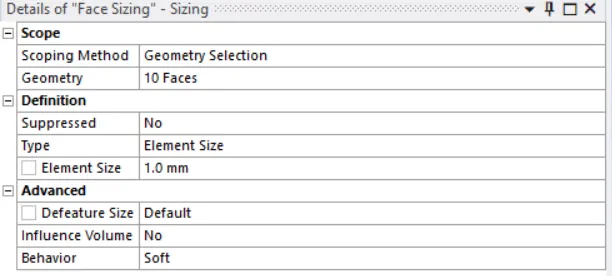
For the meshing we have assigned a body sizing to the die and the punch with a element size of 4mm and for the sheet plate we have assigned element size of 1 mm. The faces for the contact and the target has also been
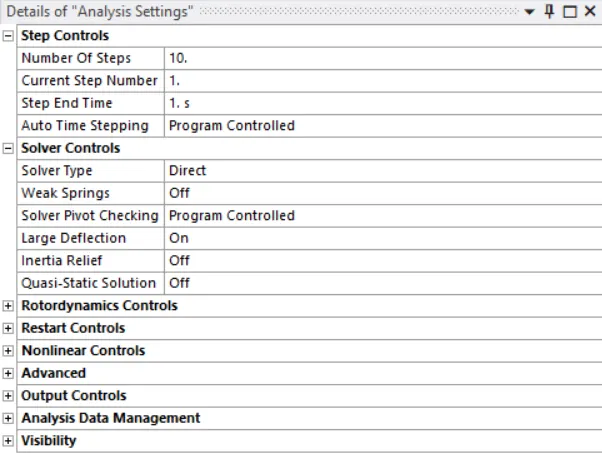
Analysis Setting:
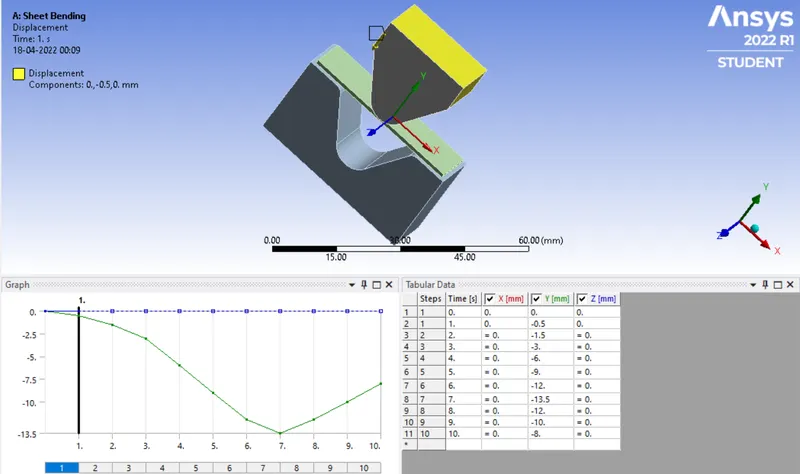
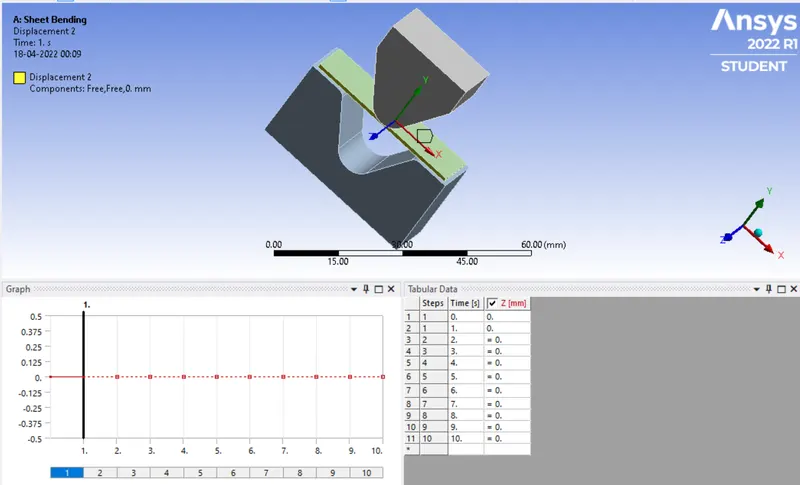
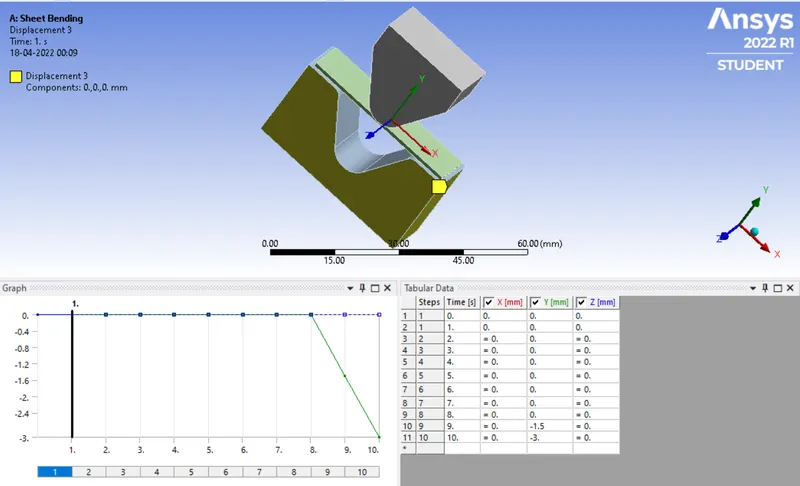
In loading Region we have three differnet displacement
Result :-
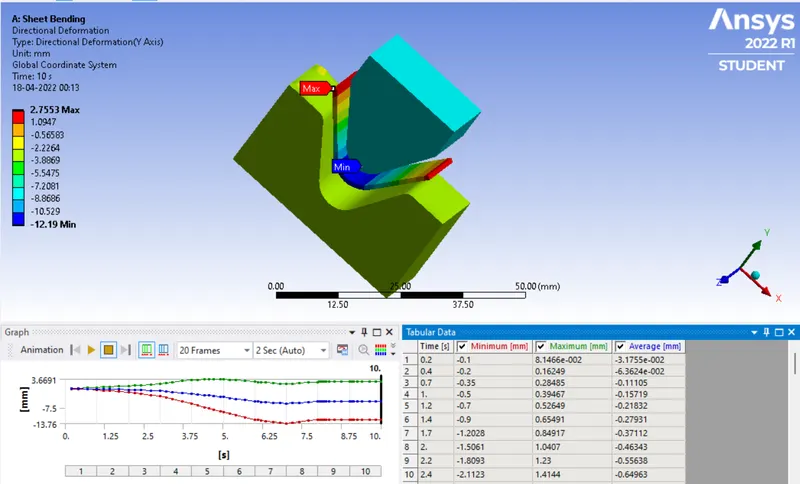
Material:- Aluminiium alloy 1199
Total Deformation
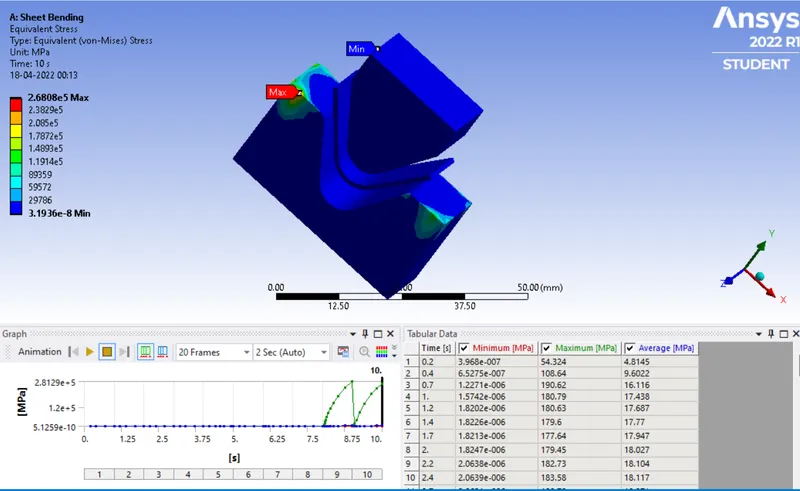
Equivalent Stress
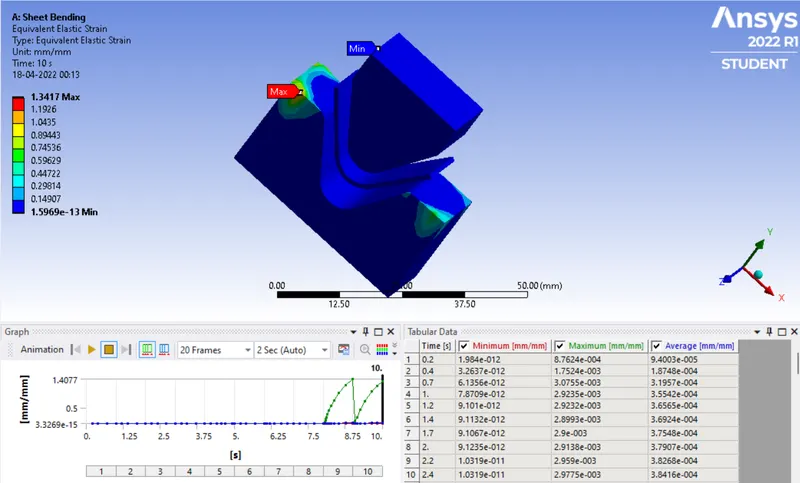
Equivalent Strain
Material :Copper Alloy NL
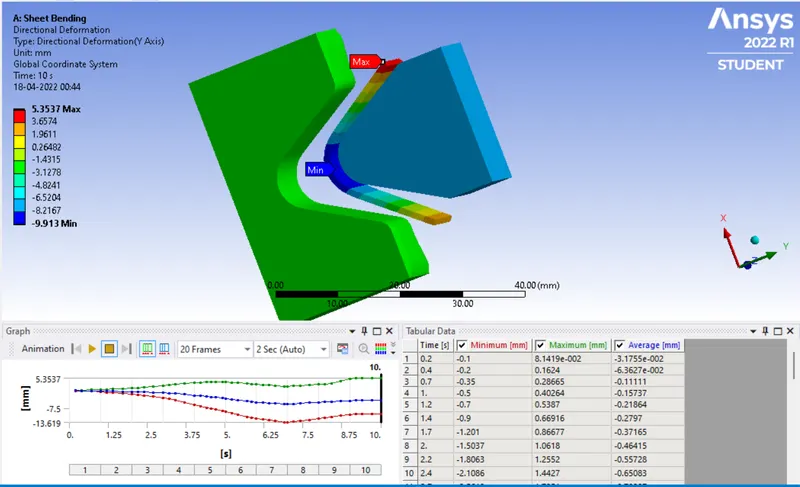
Total Deformation
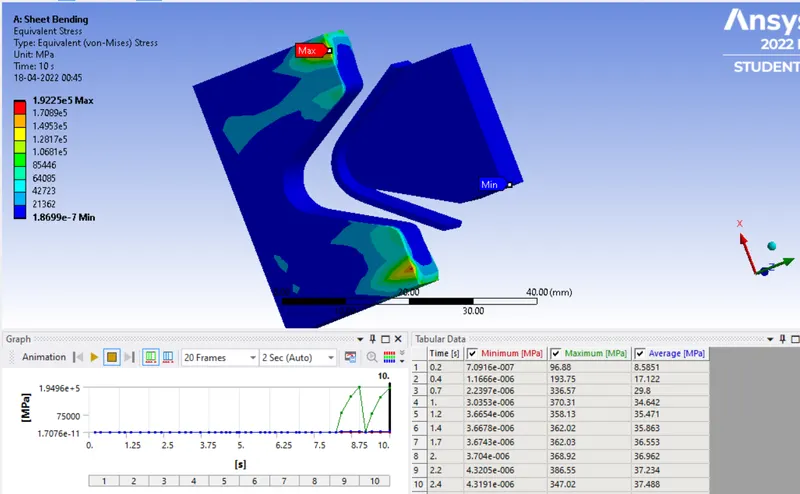
Equivalent Stress
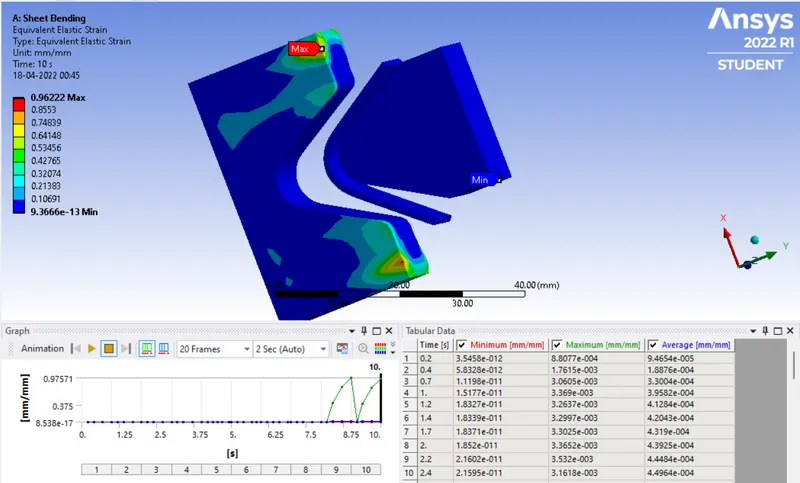
Equivalent Strain
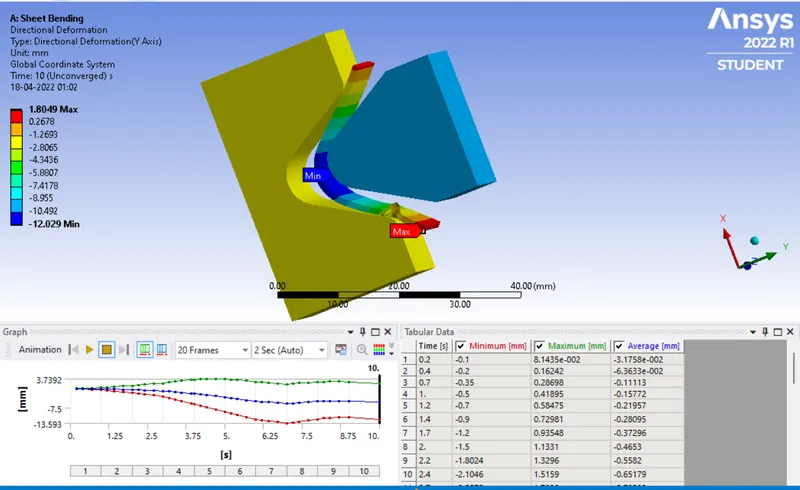
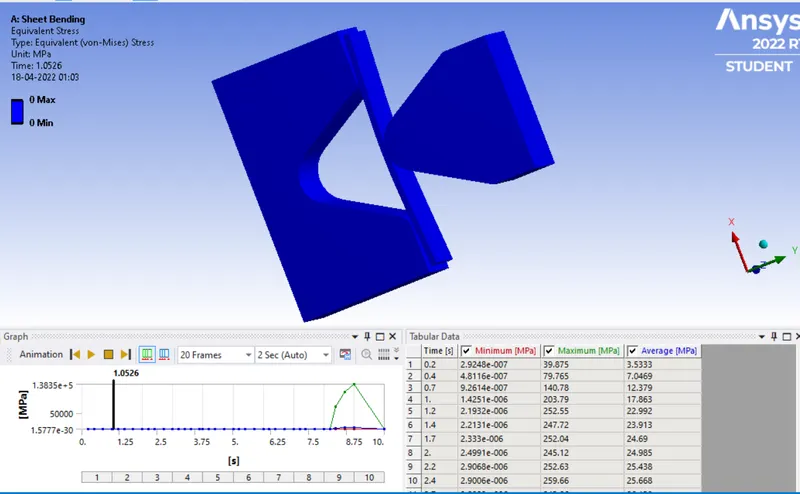
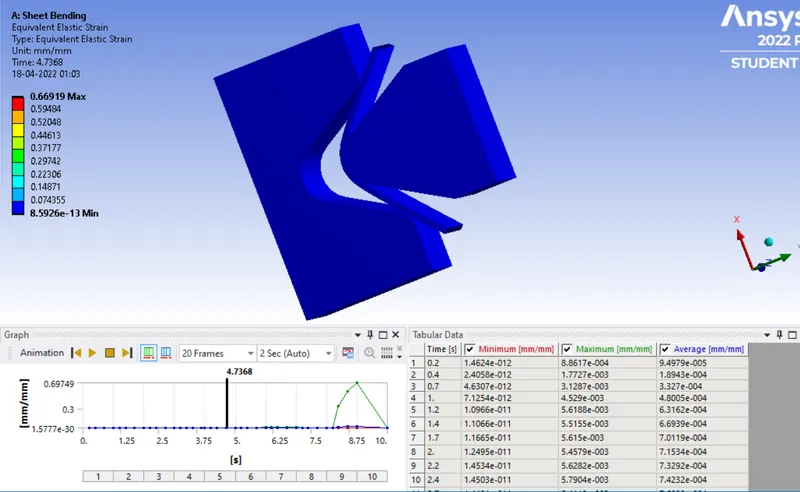
Material : Mg alloy Nl
Total Deformation
Equivalent Stress
Equivalent Strain
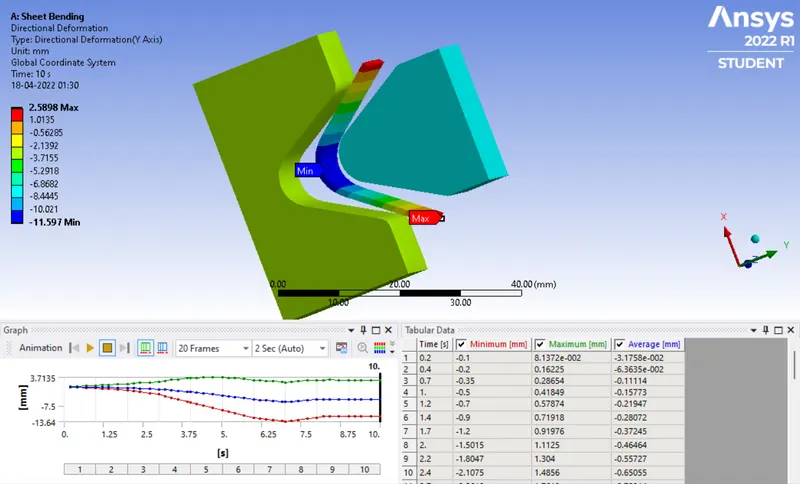
Case 2 : With the material as Aluminium Alloy, change the friction coefficient to 0.19 and run the analysis as mentioned in Case 1.
Material:- Aluminiium alloy 1199
Total Deformation
Equivalent Stress
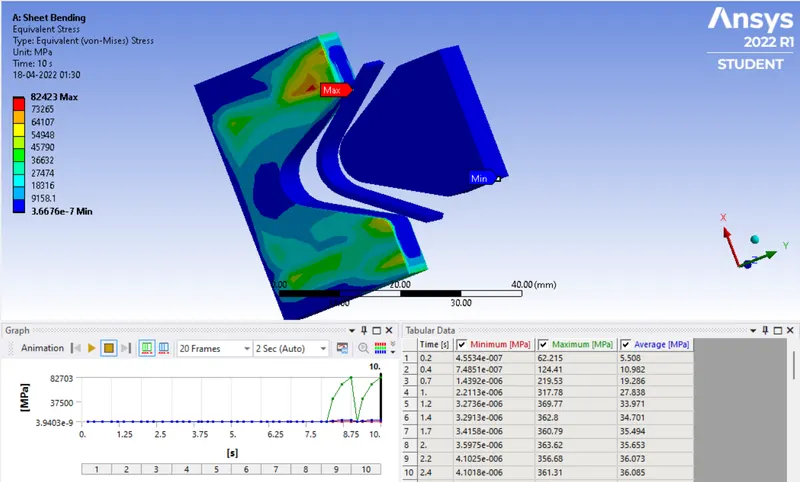
Equivalent Strain
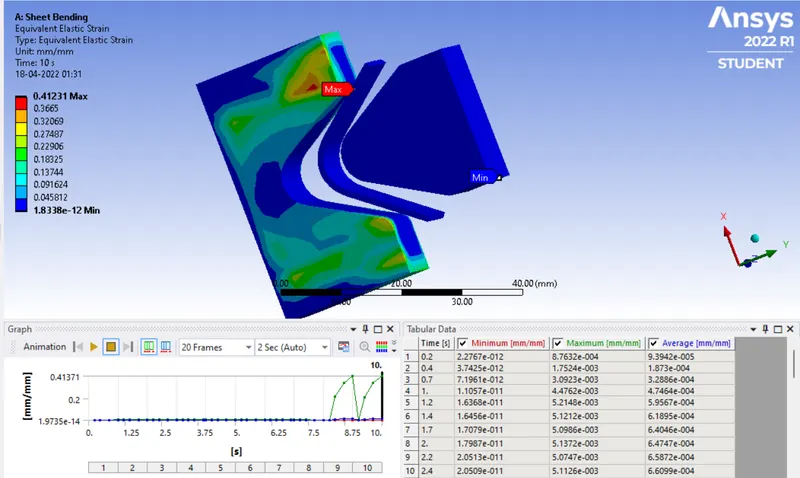
Case 3 :Refine the mesh on the plate such that it doesn't cross the academic limit. With Aluminium alloy as material, run the analysis as in Case 1 and compare the results.
Material:- Aluminiium alloy 1199
Total Deformation
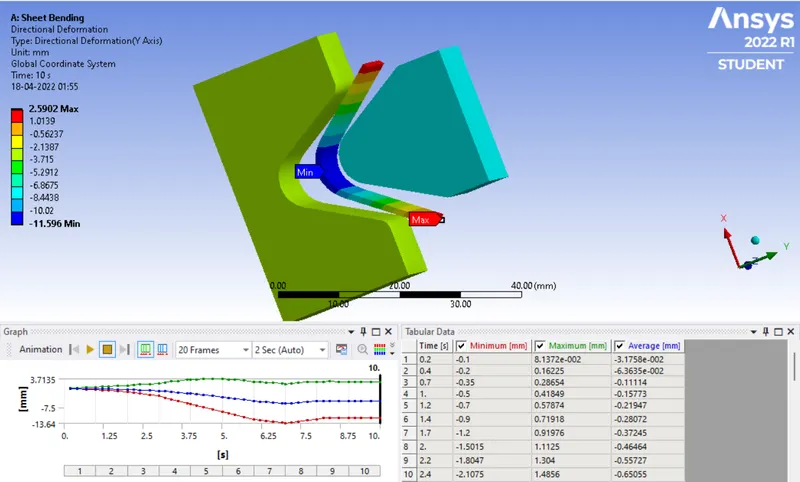
Equivalent Stress
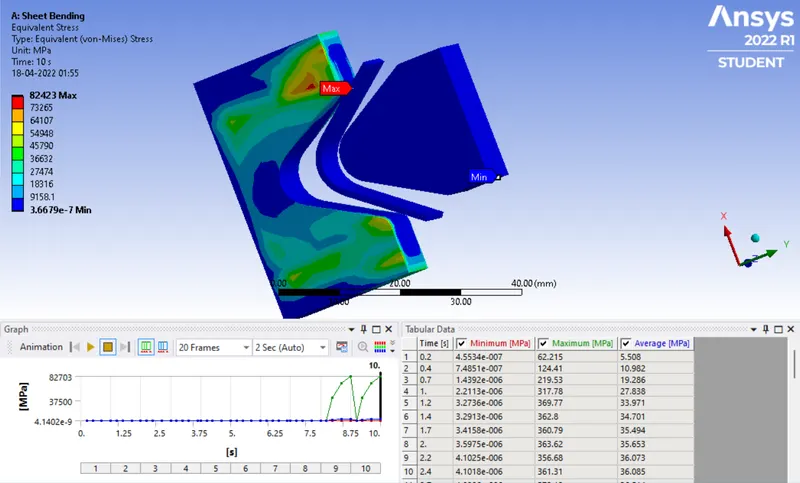
Equivalent Strain
Discussion & Conclusion:
Case 1
Sheet materials Total Deformations Equivalent Stress Elastic strain
(Y direction) mm MPa mm/mm
Al Alloy 1199 2.7553 mm 26808e5 MPa 1.3417 mm/mm
Cu Alloy NL 5.3537 mm 1.922e5 MPa 1.0106 mm/mm
Mg Alloy NL 1.8049 mm 0 MPa 0. 66919mm/mm
From the above table it can be justified that total deformation in the direction of deformation is maximum in case of Cu Alloy and minimum in case of Mg Alloy.
In the section of the Equivalent Stress it can be observed that the maximum is in the case of Al Alloy 1199 and minimum in case of Mg Alloy NL.
Elastic Strain is maximum in case of Al Alloy 1199.
Thus copper being more ductile can undergo more deformation.
CAse 2 :
Sheet materials Total Deformations Equivalent Stress Elastic strain
(Y direction) mm MPa mm/mm
Al Alloy 1199 2.7553 mm 26808e5 MPa 1.3417 mm/mm
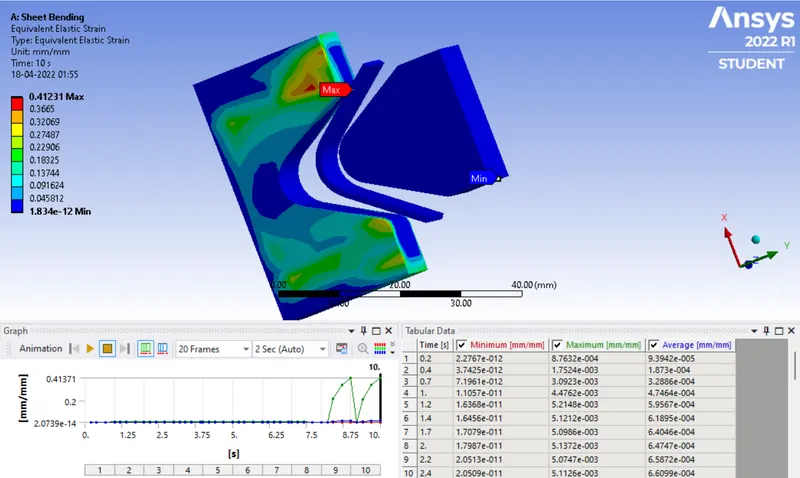
AL Alloy NL 2.5898 mm 82423 MPa 0.41231 mm/mm
From the above table it can be observed that equivalent stress is maximum in case of sheet material of Al Alloy 1199 and because of this resistive force the deformation is also less.
Thus with increase in the frictional coefficient the elastic strain decreases.
CAse 3 :
Sheet materials Total Deformations Equivalent Stress Elastic strain
(Y direction) mm MPa mm/mm
Al Alloy 1199 2.7553 mm 26808e5 MPa 1.3417 mm/mm
AL Alloy NL 2.5898 mm 82423 MPa 0.41231 mm/mm
AL Alloy NL(mesh) 2.5902 mm 82423 MPa 00.41231 mm/mm
Here we can observe that due to the mesh refinement the deformation has decreased and so does the equivalent stress.
Thus reducing the mesh size the overall computational time increases but we get more accurate result.