Week 3 - External flow simulation over an Ahmed body.
Aim:To simulate for the velocity of 25 m/sec with the default air properties in fluent
Case1:250,100 mm mesh
Drag_coff(Cd)=wall-fff-enclosure_enclosure 213.04291
lift_coeff(Cl)=wall-fff-enclosure_enclosure 537.15693
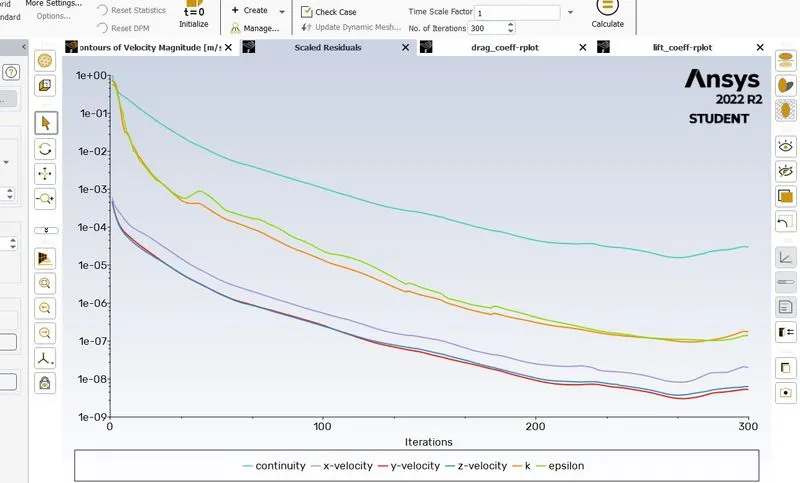
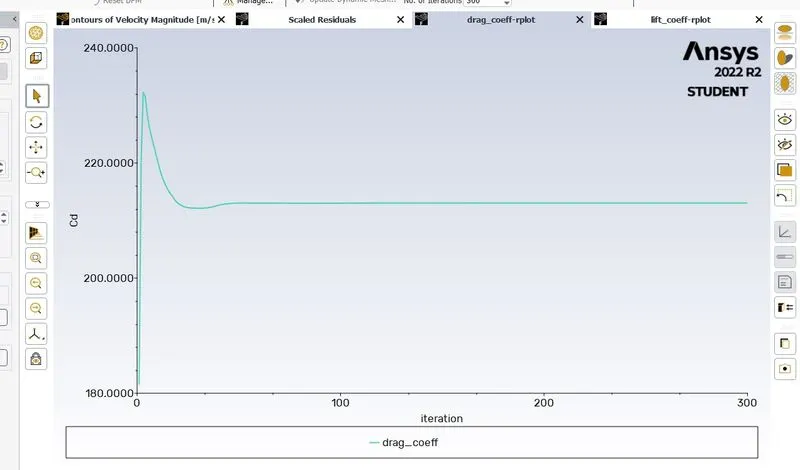
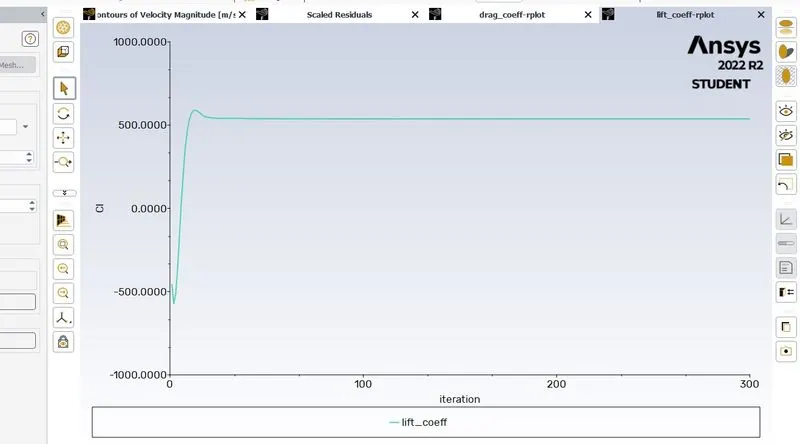
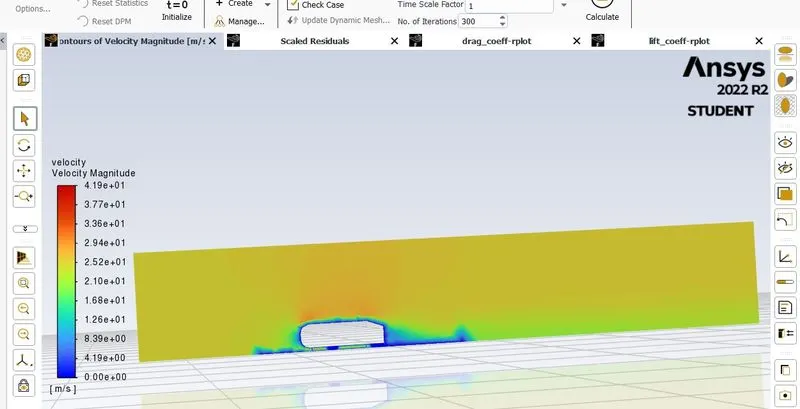
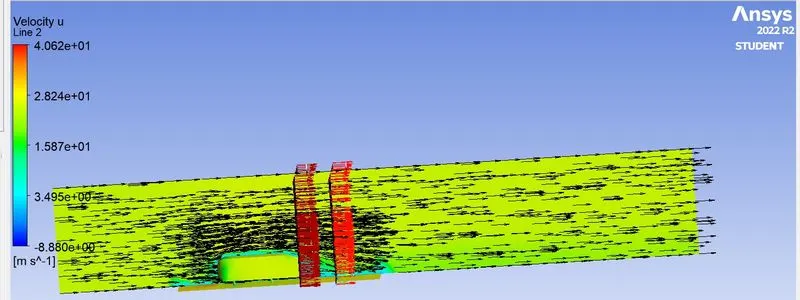
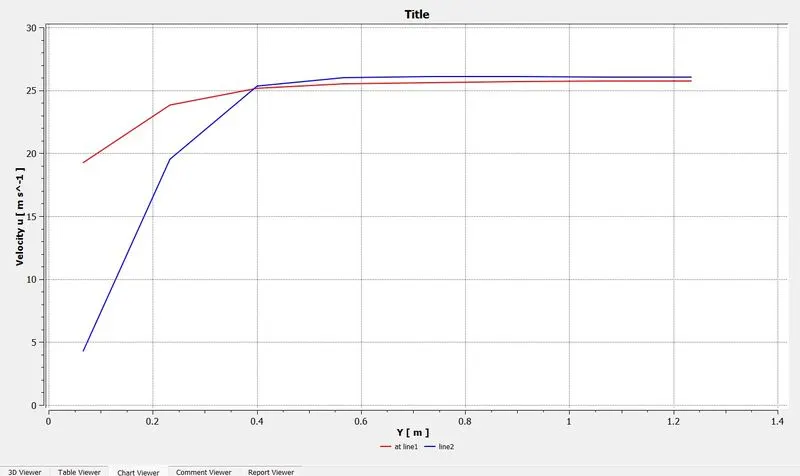
case2:100,50mm
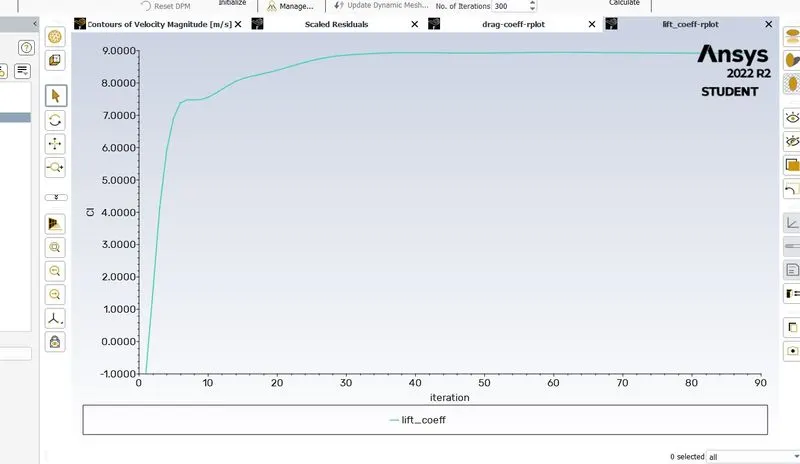
lift_coeff(Cl)=car_wall 8.9147035
drag-coeff(Cd)=car_wall 14.412683
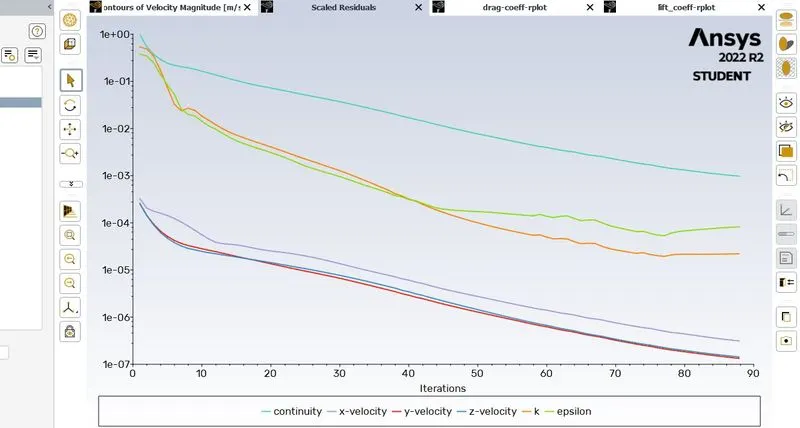
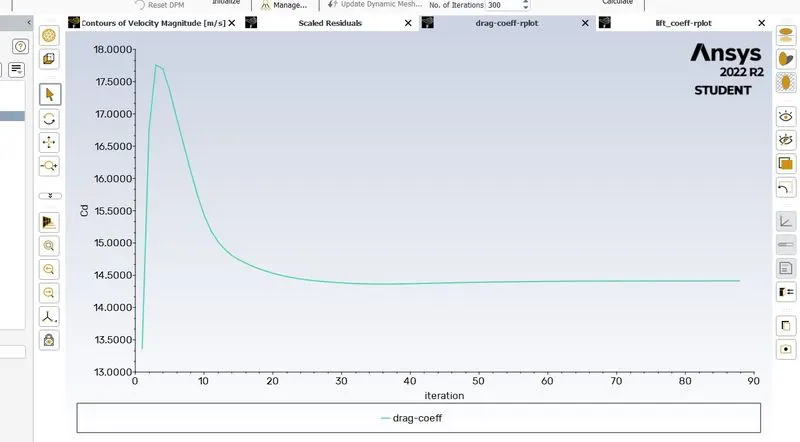
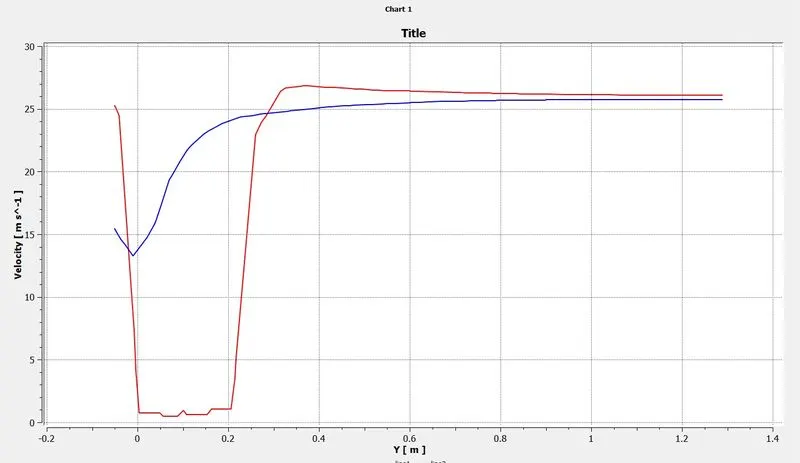
case3:80,50mm:
drag_coeff(Cd)=car-wall 13.55274
lift_coeff(Cl)=car-wall 7.3862393
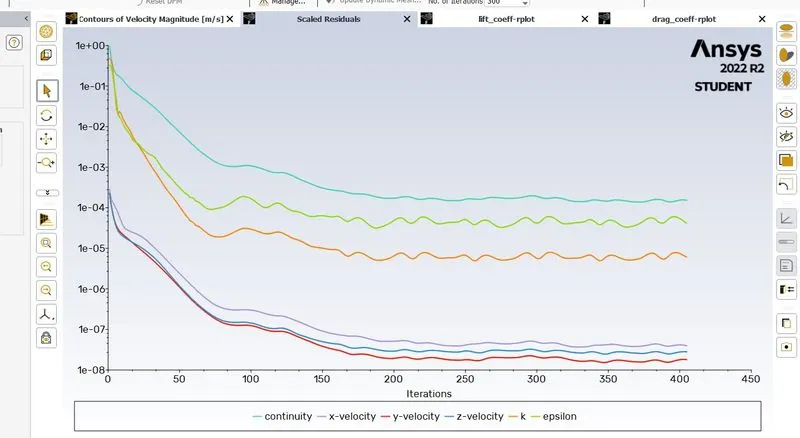
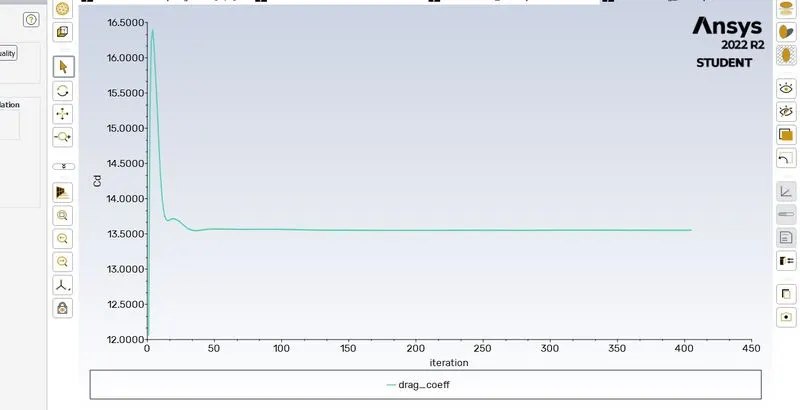
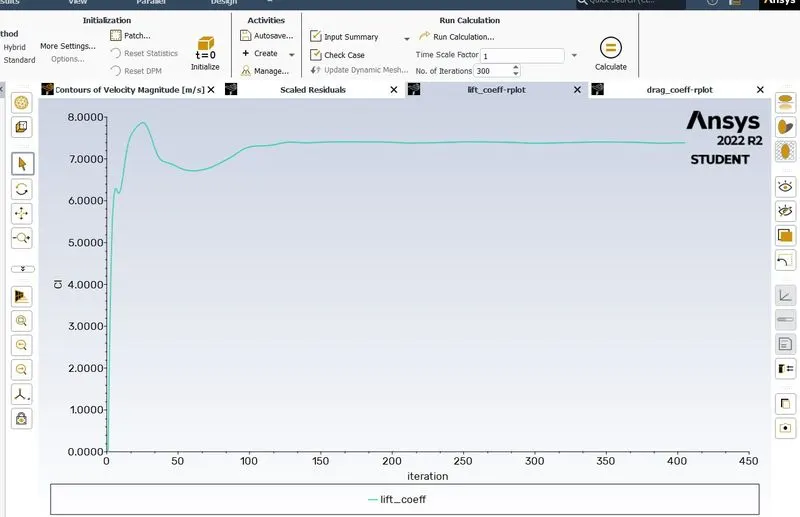
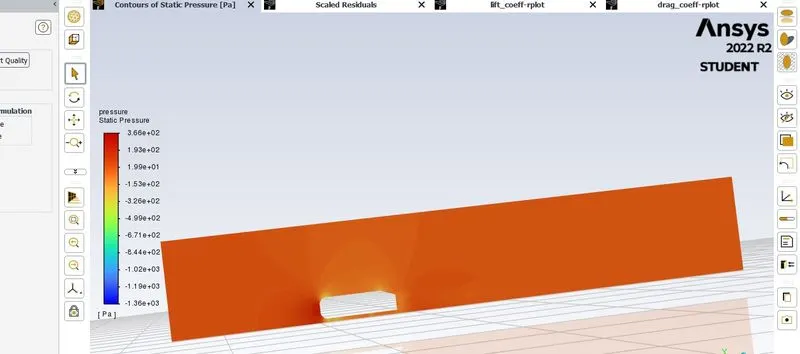
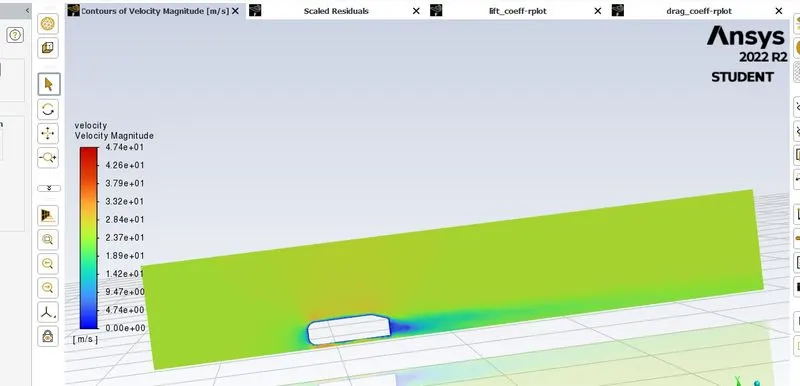
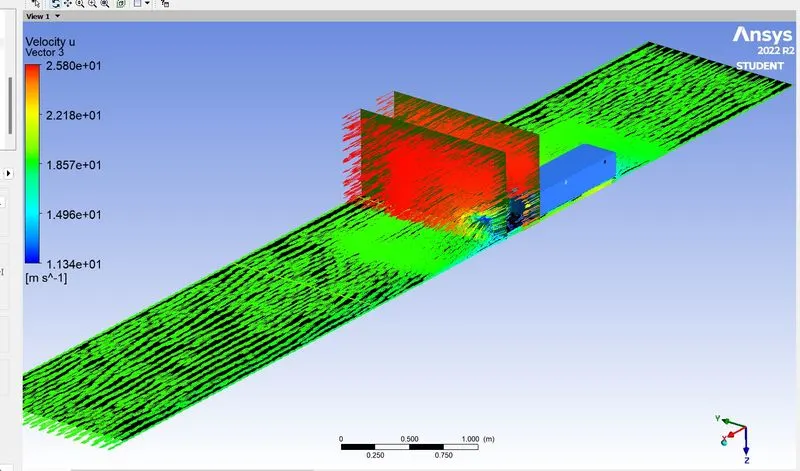
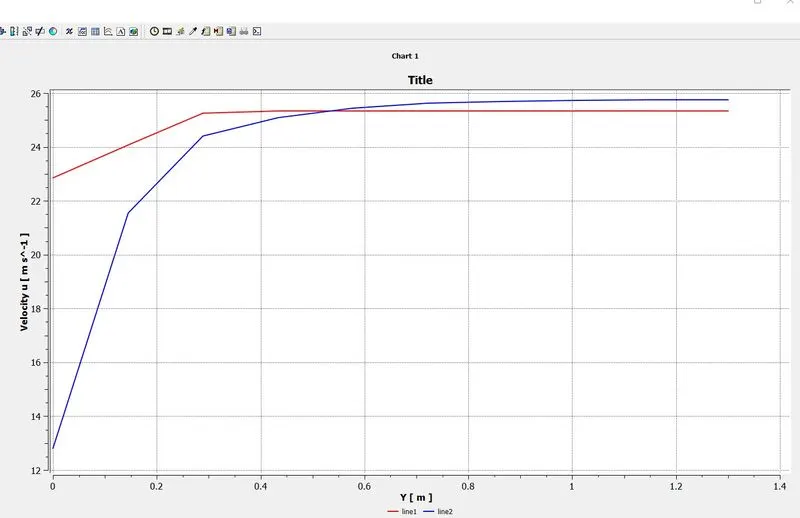
As per obsevation ,
Here,we are gone with Mesh _dependent study...as we all know that at surfaces boundary, cylinder,ahmed body are the obstructions for the continous flow whenever there is flow, if obstructed by any,the flow changes its direction ,so to observe a change in direction of flow we need to refine so we go for FineMesh..its useful because to capture whats going on,when a obstructed body obstructs.
The change in direction of flow & its effects, makes us study ,here we gone for FineMesh ,its reflects to more no cells leads to more no iterations as well as more time taken to solve at each finete volume equations (continuity,Momentum) which are discretized,
Here i think so not more in velocity difference for three cases
- case1:250,100 mm
- case2:100,50mm
- case3:80,50mm
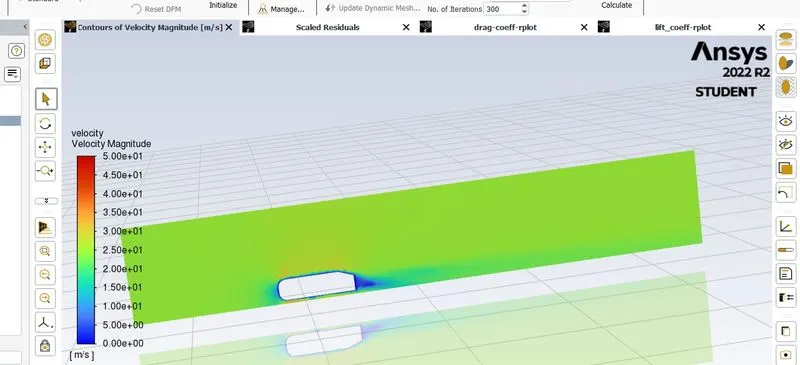
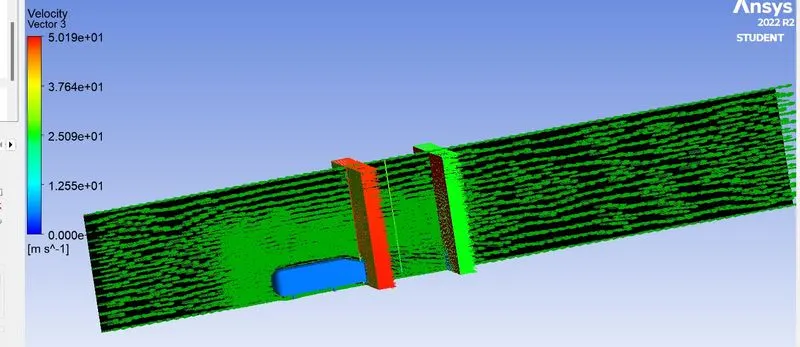
Because of the same velocity we given as 25 m/sec,we see at the surrounding of wall (no_slip condition ),aswell as at the back of ahmed body due to stagnation point ,and the front of the ahmed body some wake region we found ,the velocity is is Zero and the remaining regions its been changing to positive velocity ie.,(zeroto 45.4 m/sec) so, its not much more changing in velocity by doing FineMesh. 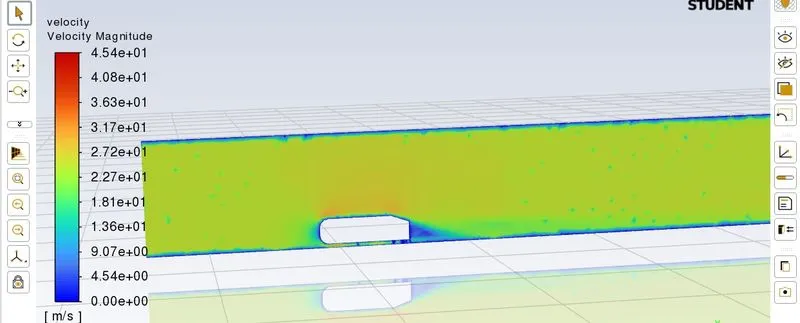
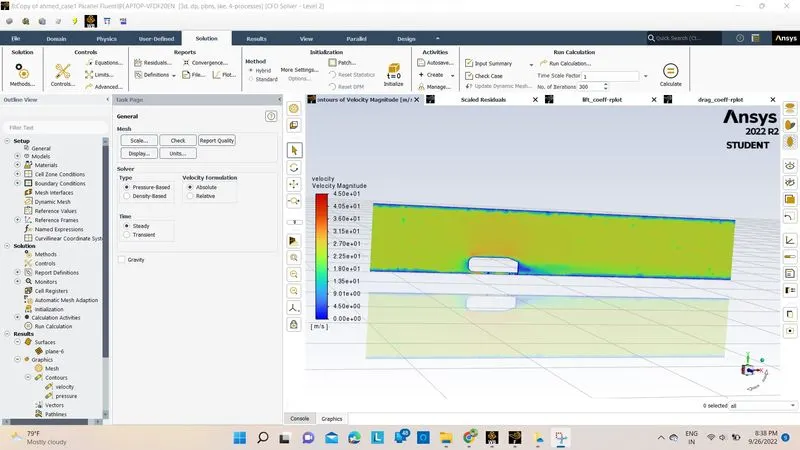
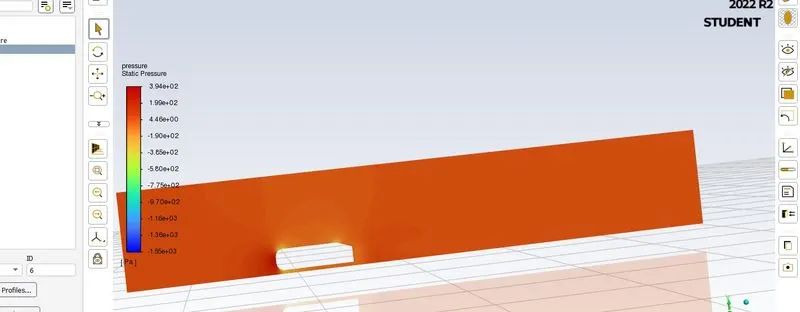
By using Finemesh,there is no much difference in the velocity or any pressure,but it reflect to the appearence captured by the equations at a particular regions namely at obstucted bodies ,curvatures ,holes et., at this places stress concentration is more so we need to know what's going on there ...by this at the obstructed areas we come across the Stagnation point and at some curvatures we found wakeregion
About Stagnation Point.
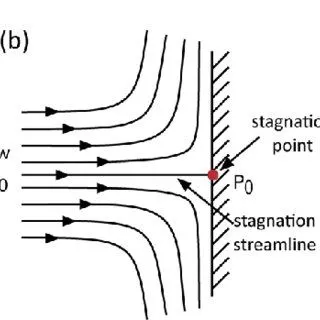
- When a fluid is a passing in the direction the fluid stops at (Po)and the fluid velocity becomes zero at point (Po) and this point is called Stagnation point.
- Stagnation point exists at the surface of object in the flow field is brought to rest by the object
Imp note points:
- The static pressure is highest when velocity is zero & max at the stagnation points,here all velocity head is converted to pressure head.
- Stagnation point is the point at which fluid is stopped by(reversible & adiabatic ) ie., all kinetic energy is converted into pressure Energy isentropically.
Wake region:
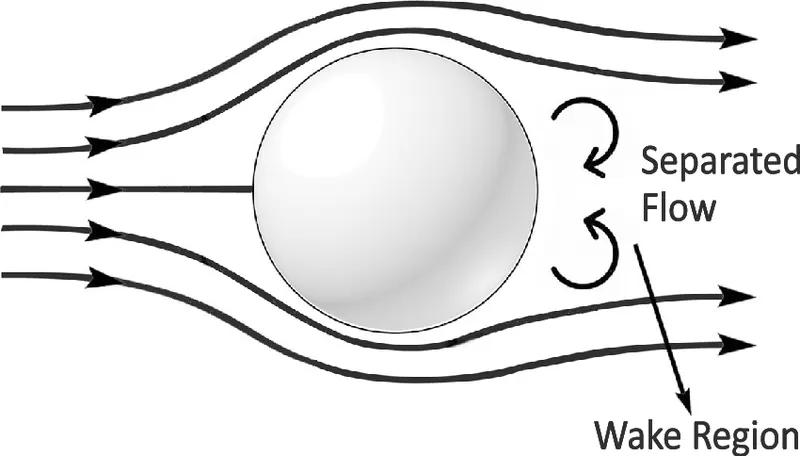
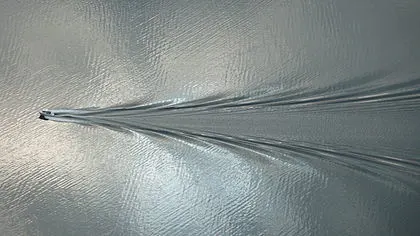
The above boat formed some wake region specified ,its obtained by flow separation. where velocity of flow will be zero.
In fluid dynamics, a wake may either be:
- the region of recirculating flow immediately behind a moving or stationary blunt body, caused by viscosity, which may be accompanied by flow separation and turbulence
Flow separation:
The flow becomes detached from the surface, and instead takes the forms of eddies and vortices The fluid exerts a constant pressure on the surface once it has separated instead of a continually increasing pressure if still attached. In aerodynamics, flow separation results in reduced lift and increased drag, caused by the pressure differential between the front and rear surfaces of the object
Drag force & lift force:
When any body moves through a fluid,an interaction b/w the body ,this effects can be described in terms of forces at the fluid body interfaces,Both shear stresses & pressure vary in magnitude and direction along the surface.,The resultant force results in Upstream velocity is termed as Drag and resultant force Normal to the to the Upstream velocity is termed as Lift
Drag force=cd*rho*(velocity)2*A/2
Lift force=cl*rho*(velocity)2*A/2
since drag & lift coefficients vary inversely with velocity ,so at low velocity the drag& lift coefficient is more.and the graphs of lift & drag are correct...
for case1
Drag_coff(Cd)=wall-fff-enclosure_enclosure 213.04291
lift_coeff(Cl)=wall-fff-enclosure_enclosure 537.15693
for case2:
lift_coeff(Cl)=car_wall 8.9147035
drag-coeff(Cd)=car_wall 14.412683
for case3:
drag_coeff(Cd)=car-wall 13.55274
lift_coeff(Cl)=car-wall 7.3862393
Conclusion:
My observations are stagnation point,lift force,drag force,wake regions,flow separation .