Week-3 Challenge: ADVISOR Tool
1.)
Given:- file: "EV_defaults_in"
cargo mass = 500kg
drive cycle : FTP drive cycle
To find:- if the vehicle can travel 45kms with FTP drive cycle ?
solution:-
Step 1
We open the advisor , then we select the file "EV_defaults_in" file.
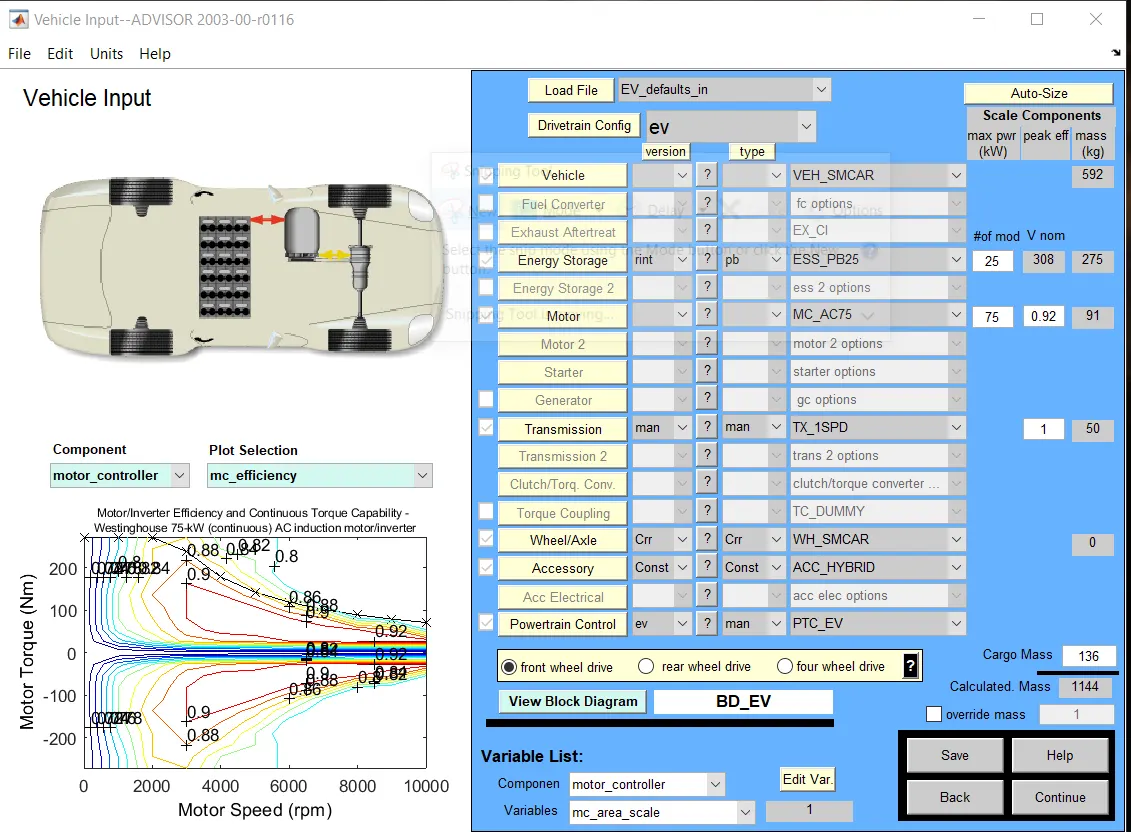
--> In the vehicle I/P gui , the cargo mass from 136 kg to 500 kg which makes the total calculated mass as 1508kg.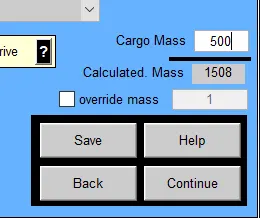
Step2
--> Then we press continue and enter the simulation gui.
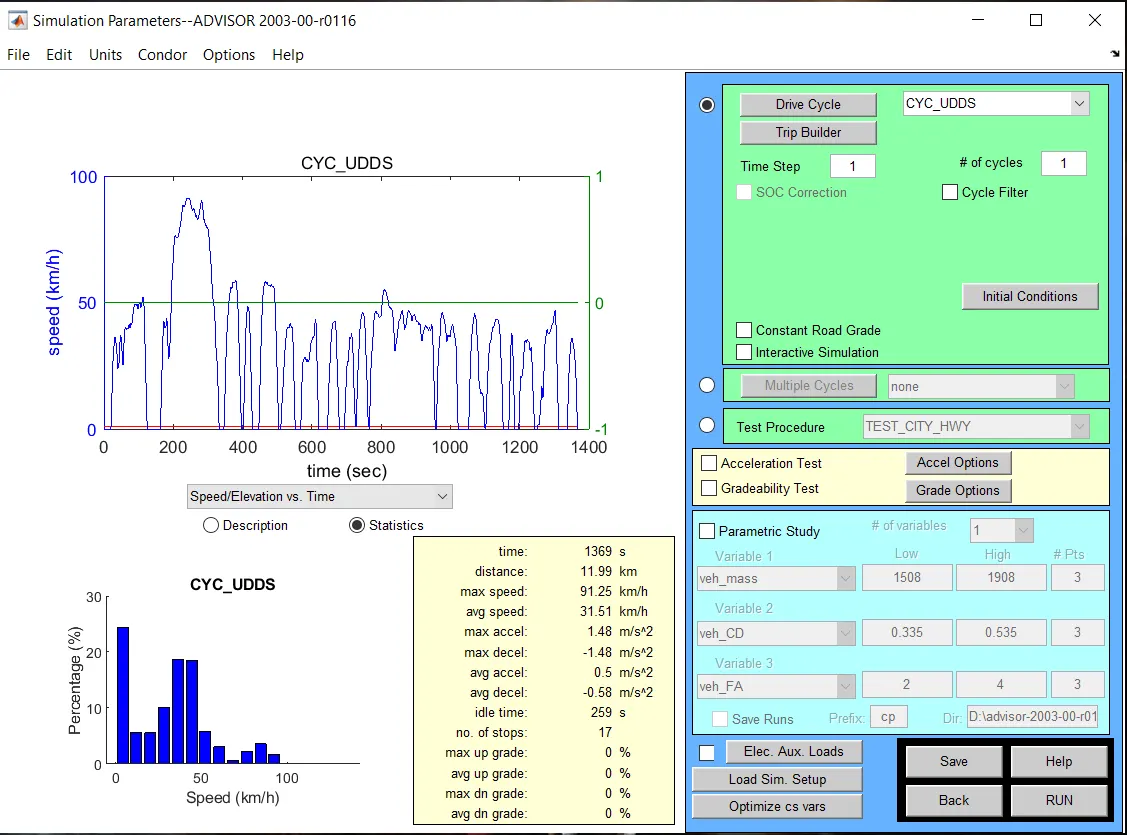
--> We select the FTP drive cycle, here .
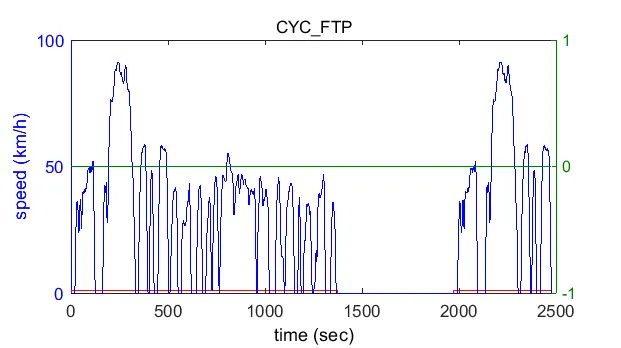
--> We set the simulation for 1 # of cycles, click run to start the simulation.
Step3
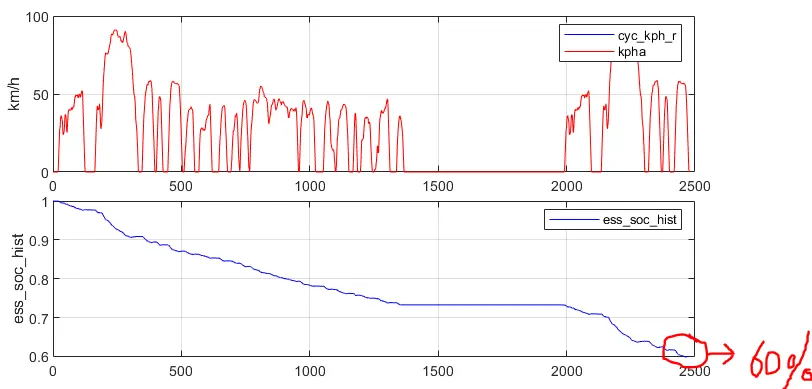
--> On running the simulation for 1# of cycle of FTP drive cycle, the distance covered by the vehicle as per the simulation results is 17.8kms and the SOC (state of charge) drops to 60%.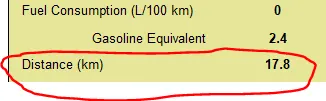
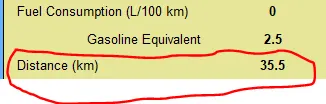
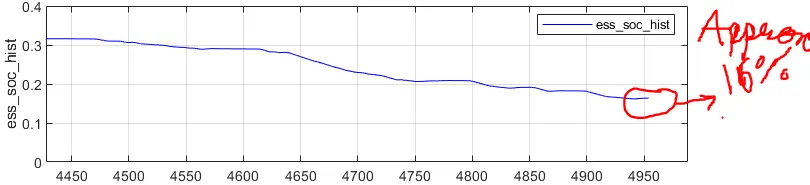
-->Now on increasing the # of cycles to 2 and we observe that the distance travelled is approximately 35.5kms.And the soc as per the graph has dropped way below 50% close to 16 % approx.
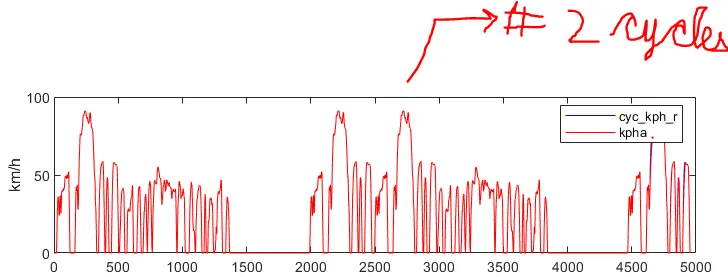
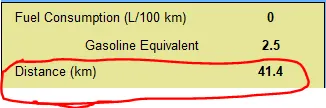
--> The # of cycles is again increased to 3 and on running the simulation it is observed that mid way of the 3rd cycle the SOC of the battery drops to zero and the distance covered bt the vehicle is 41.4kms.
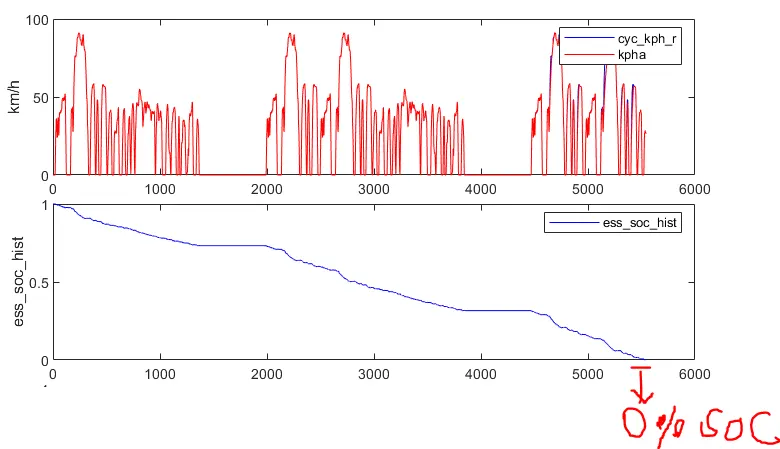
-->Now if we try to increase the # of cycles and run the simulation but as per the simulation since the Soc of the battery dropped to zero mid way between the 3rd cycle, hence the distance won't increase despite the increase the # of cycles as 4.
Ans: Hence, according to the vehicle simulation performed it can be understood that with a cargo mass of 500kg & overall mass of 1508kg cannot travel a distance of 45kms with FTP drive cycle.
2.)
To find:-
Try changing the battery capacity and repeat the simulation in the above case.
solution:-
Case1
-->Now , in the above case we increase the # of battery modules from default 25 to30, resulting in increase in default nominal voltage Vnom from 308v to 370v and increase in battery weight from 275kg to 330kg, making the overall calculated mass of the vehicle as 1563kg.

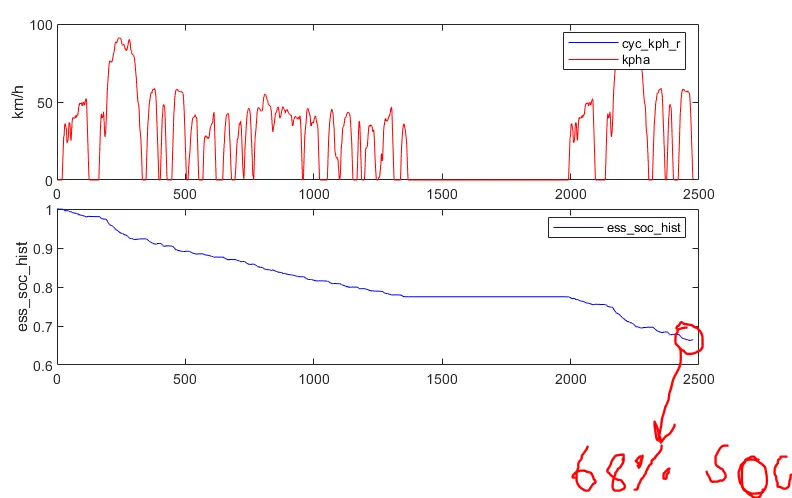
--> On running the simulation for FTP #1 drive cycle, the distance travelled by the vehicle is 17.8km and the soc is approx 68%.
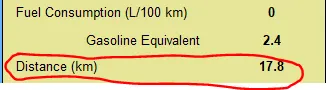
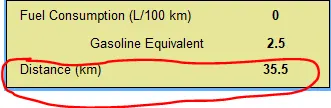
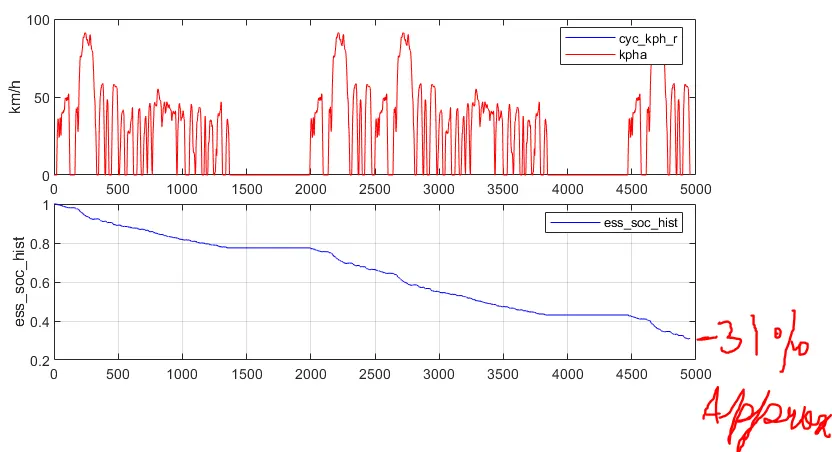
--> On increasing the drive cycle #2 , the distance traveled by the vehicle is 35.5km and the soc drops around 31%
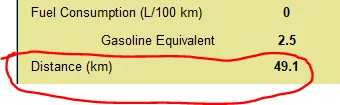
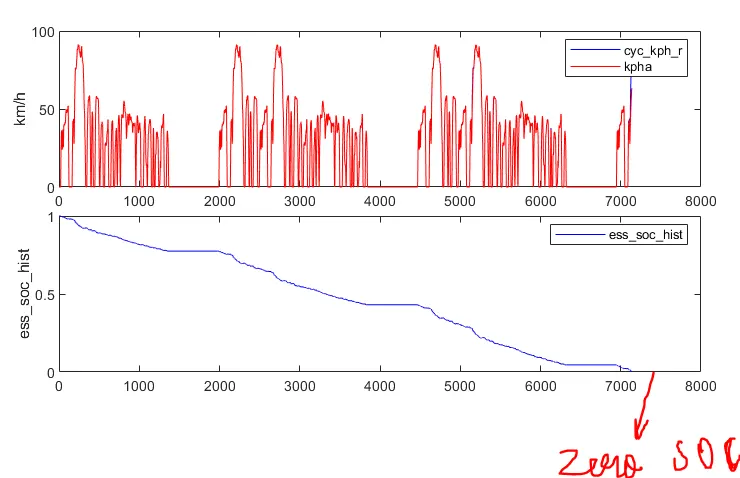
-->On running the simulation for #3 cycles he vehicle travels a distance of 49.1km and the soc drops to zero.
Case 2
--> Now we decrease the no. of battery modules to 20, the voltage changes to 247v and the overall vehcile weight becomes 1453 kg.

--> On running the vehicle for #1 cycle the distance covered is 17.8km for a drop in soc to 50%.
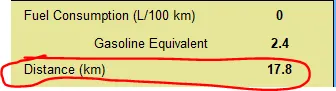
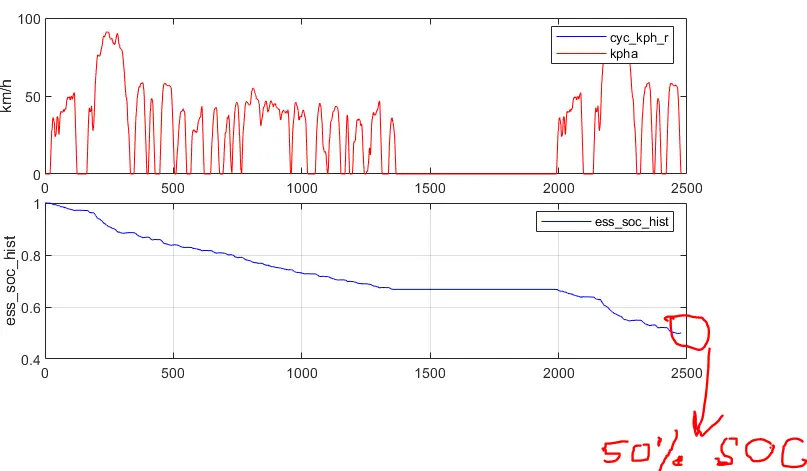
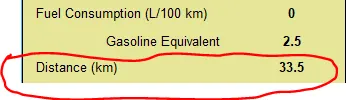
-->On running the vehicle for #2 cycles the vehicle travells upto 33.5km, with soc dropping to 0%.
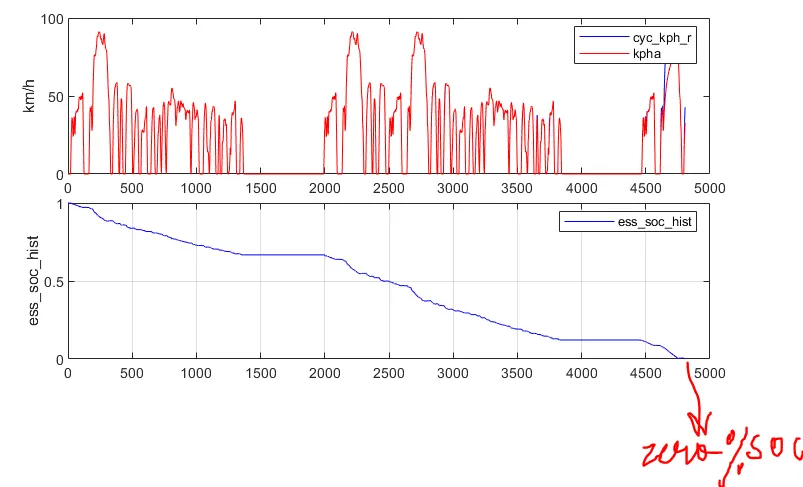
Ans: Case1: When the battery modules were increases the vehicle in 3# cycles of FTP frive cycle schedule was able to travel a maximum distance of 49.1km where the SOC (state of charge) became zero.
Case2: When the battery modules were decreased to20,the vehicle in 2# cycles of FTP drive cycle was able to travel a maximum distance of 33.5km where the SOC( state of charge ) became zero.
3.)
To do: Gradeablity test with Prius-jpn_defaults_in file.
Solution:
--> The grade test basically will determine the maximum grade on which a vehicle can sustain a specified constant speed.
Step 1:
In the vehicle input gui, the Prius_jpn_defalt_in file is selected and opened.
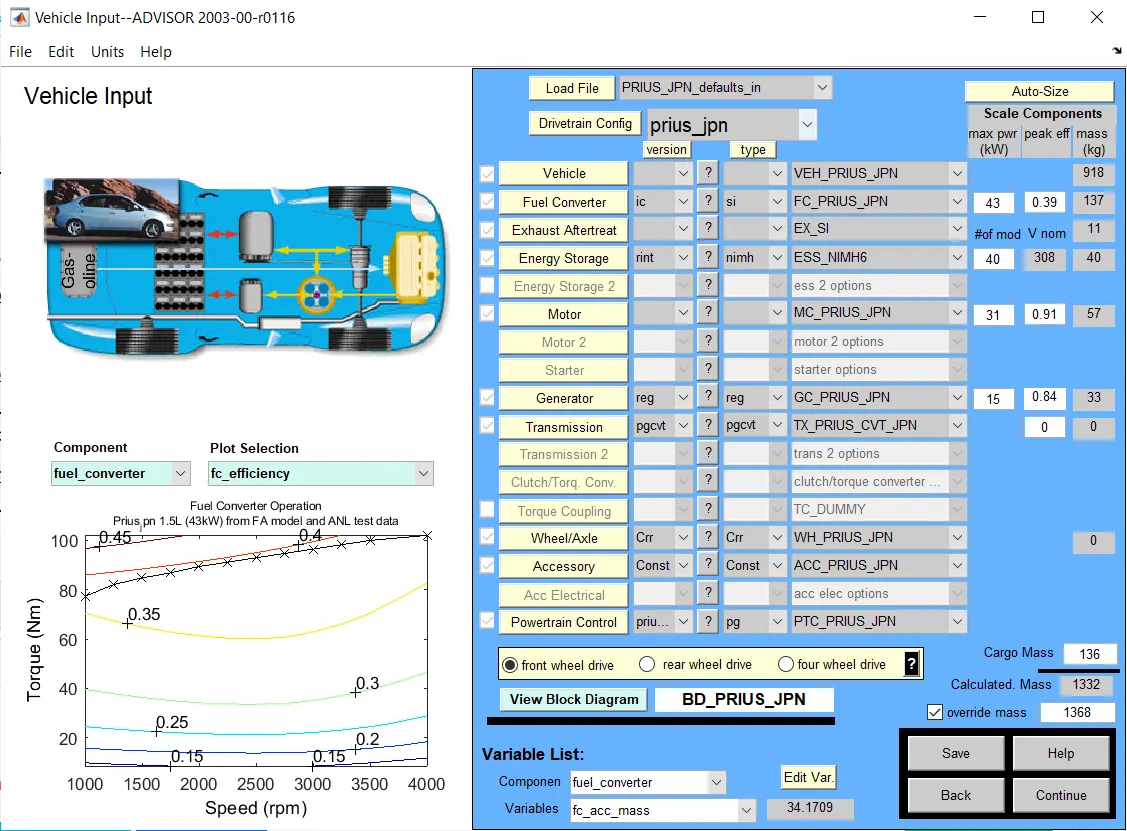
Step 2:
-->We click continue and then enter the simulation gui.
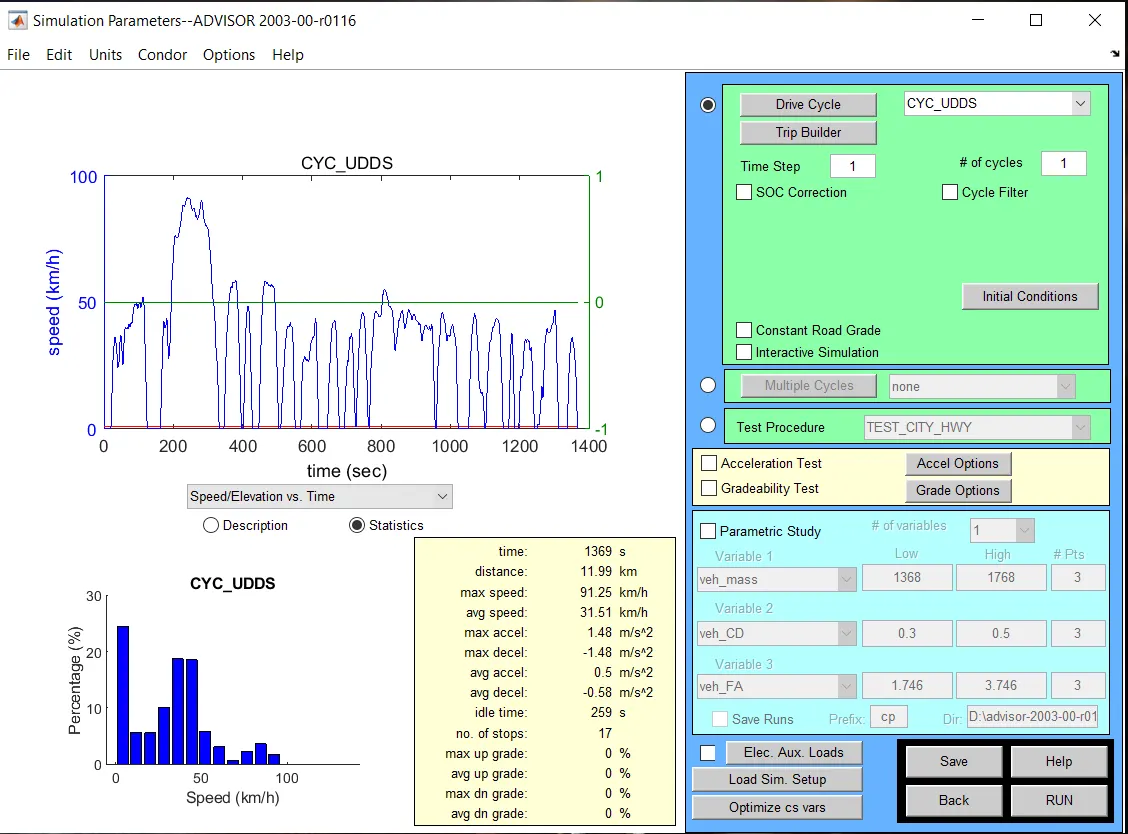
--> Select the gradeablity test option and set the grade options.

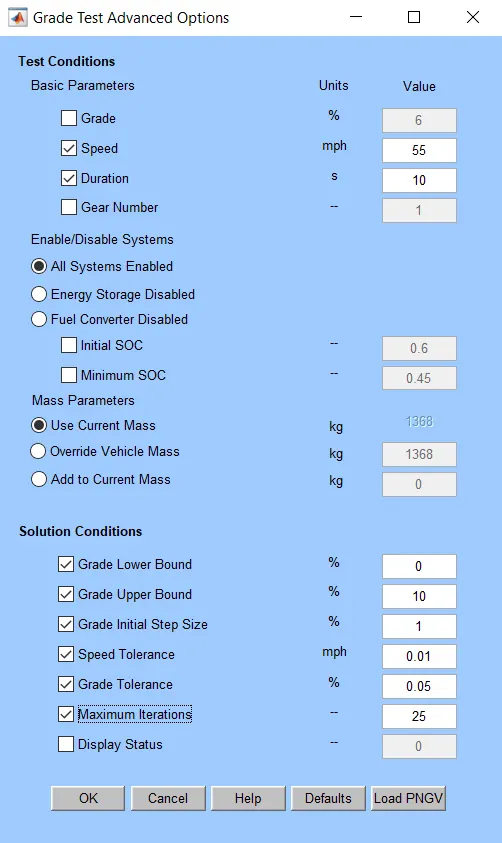
Step 3:
Case 1
1.
--> In this case we set the basic parameters for the gradeablity test and our intention is to find the maximum grade at which the vehicle can consantly sustain a speed value stated in the basic test parameters.
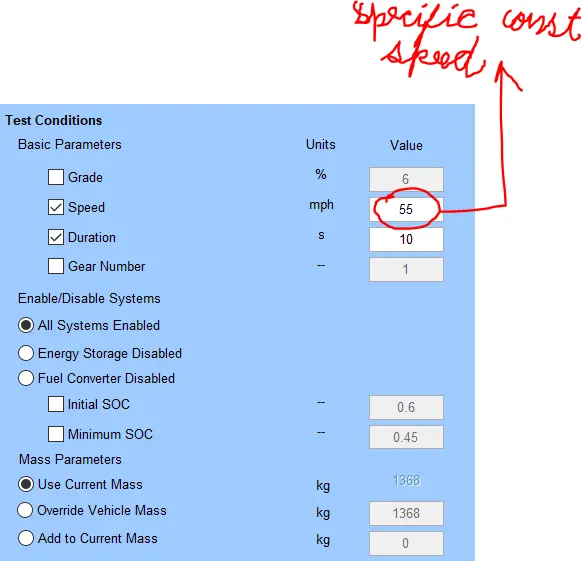
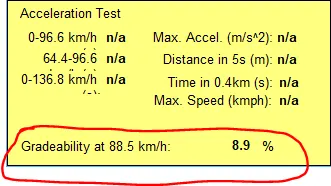
After setting the grade test paramerters , the simulation is run and results gui opens.And as per the results the maximum grade that can sustain a specific constant speed of 55mph or 88.5km/hr is 8.9%.
2.
-->After increasing the specific speed in the basic parameters for gradeablity test. We run the simulation again.
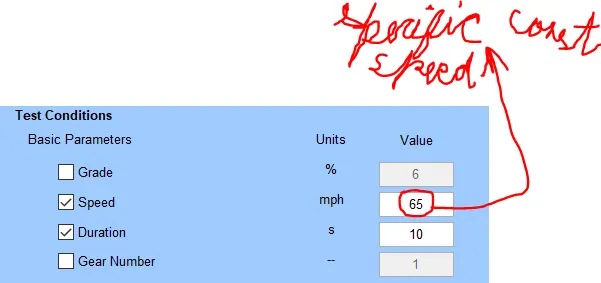
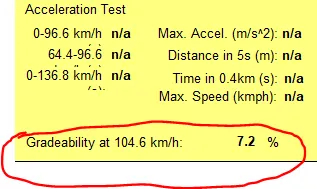
On running the simulations the results gui opens and as per the results obtained the maximum grade that can sustain a specific constant speed of 65mph or 104.6km/hr is 7.2%
Case 2
1.
-->Now if the grade is also specified in the basic parameters for gradeablity test, then here the specific grade point will be tested and results will verify whether that grade point is able to maintain a specific constant speed sucessfully or not.
-->We specify a grade of 6 % for specific constant speed of 40 mph and see if the vehicle is able suceesfully maintain the contant speed or not.
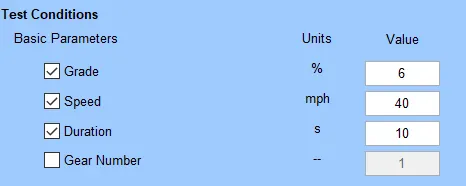
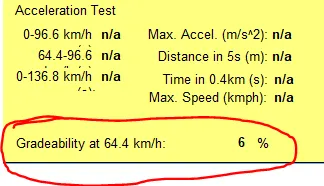
We run the simulation and as per the results obtained the vehicle for a grade of 6% can maintain the constant speed of 40mph or 64.4 m/hr sucessfully.
2.
--> Now for a specifc speed of 70 mph and grade of 8%, we will try to perform the grade test to see if the grade point specified can maintain the constant speed.
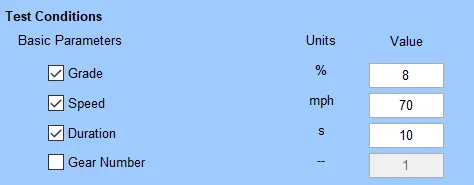
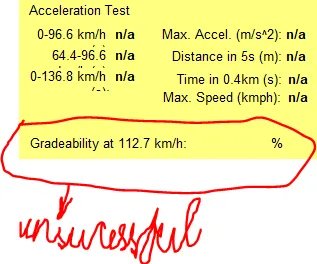
On running the simulation, according to the results obtained the grade point is returned as [](i.e blank) thus indicating that the grade point of 8% was unsucessful in sustaining a constant speed of 70mph or 112.7 km/hr.
Grade test table Case 1 Results:
| sno. | Vehicle constant speed(kmph) | Grade(%) |
| 1. | 88.5 | 8.9 |
| 2. | 104.6 | 7.2 |
Grade test table Case 2 Results:
| sno. | Vehicle constant speed(kmph) | Grade(%) | Sucessful/Unsucessful |
| 1. | 64.4 | 6 | Sucessful |
| 2. | 112.7 | 8 | Unsucessful |
Conclusion:
Hence the gradeablity test for the "PRIUS_jpn_defaults_in" was performed and the follwing results are depicted in the table above.