Week 3 Challenge
- State the primary load cases to be considered for design.
Answer:
The primary load cases to be considered for design are,
- Dead load- Can be referred in IS 875- P 1
- Live load- Can be referred in IS 875- P 2
- Wind load- Can be referred in IS 875- P 3
- Seismic load- Can be referred in IS 1893:2016
- Snow load- Can be referred in IS 875- P4
- What is One – Way slab?
Answer:
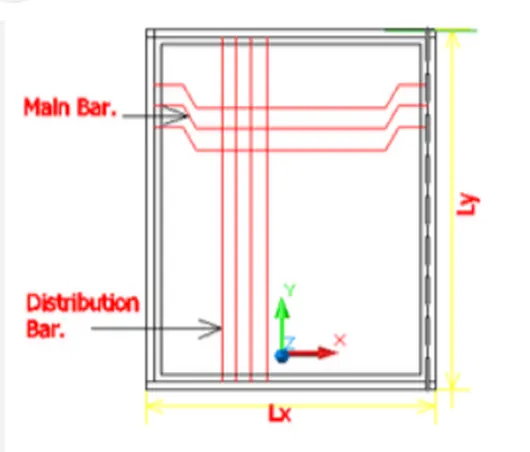
- One-way slab is a type of concrete slab in which loads are transferred in one direction to the supporting beams and columns. Therefore, the bending occurs in only one direction.
3.What is the value of unit weight of structural steel and soil?
Answer:
- Unit weight of steel is 7850 kg/m3
- Bulk Unit Weight (γ) This is typically 15 kN/m3 for many top soils but can vary between 11 kN/m3 for a loose dry soil to 18 kN/m3 for dense wet soil
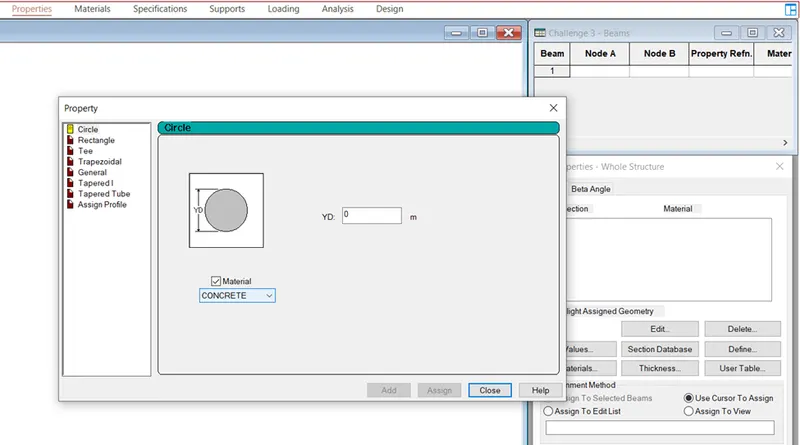
4.Name few sections that can be defined using Properties tab in STAAD Pro.
Below are the few sections that can be defined using Properties tab in STAAD Pro.
5.Define Primary Beams.
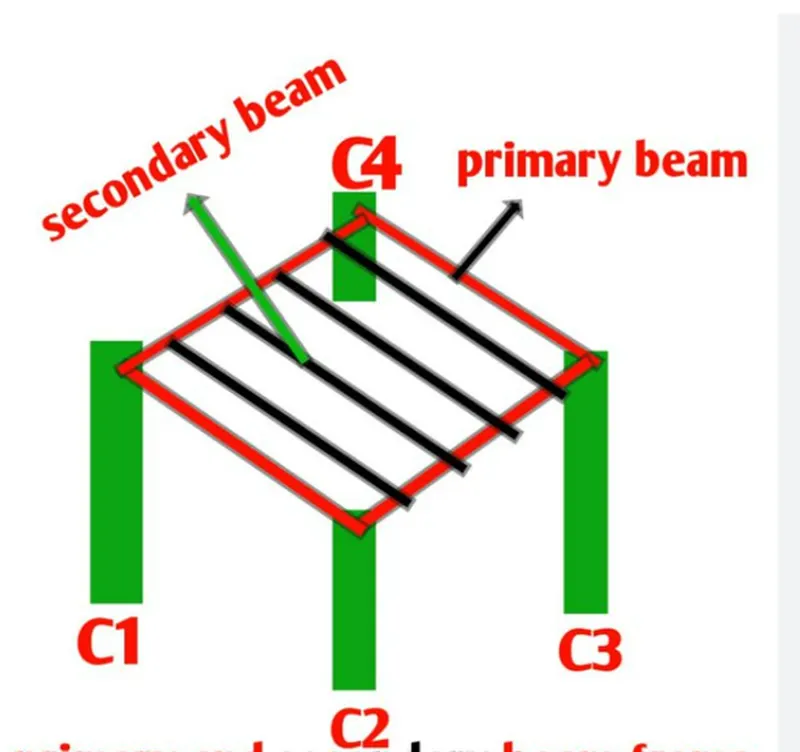
The beams that are connecting columns for transferring loads of a structure directly to the columns are known as primary beams. Usually, primary beams are shear-connected or simply supported and they are provided in a regular building structure.
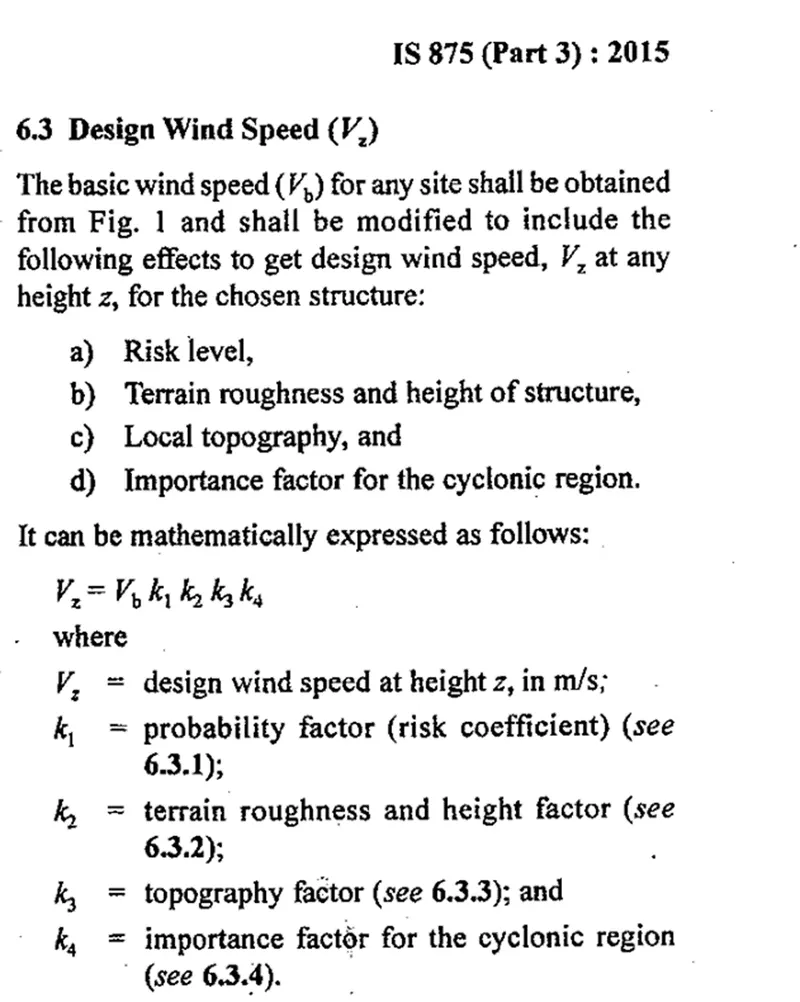
- 1. State the factors and parameters that influence the design pressure intensity of a high-rise building.
According to the code IS 875 Part 3,
2.Mention the load transfer process of a Reinforced Concrete Building.
- In the design of reinforced concrete structures, floor loads are usually transferred from slabs to beams, and from the beams, the loads are transferred to the columns. Ultimately, the columns transfer the superstructure load to the foundation supporting the structure.
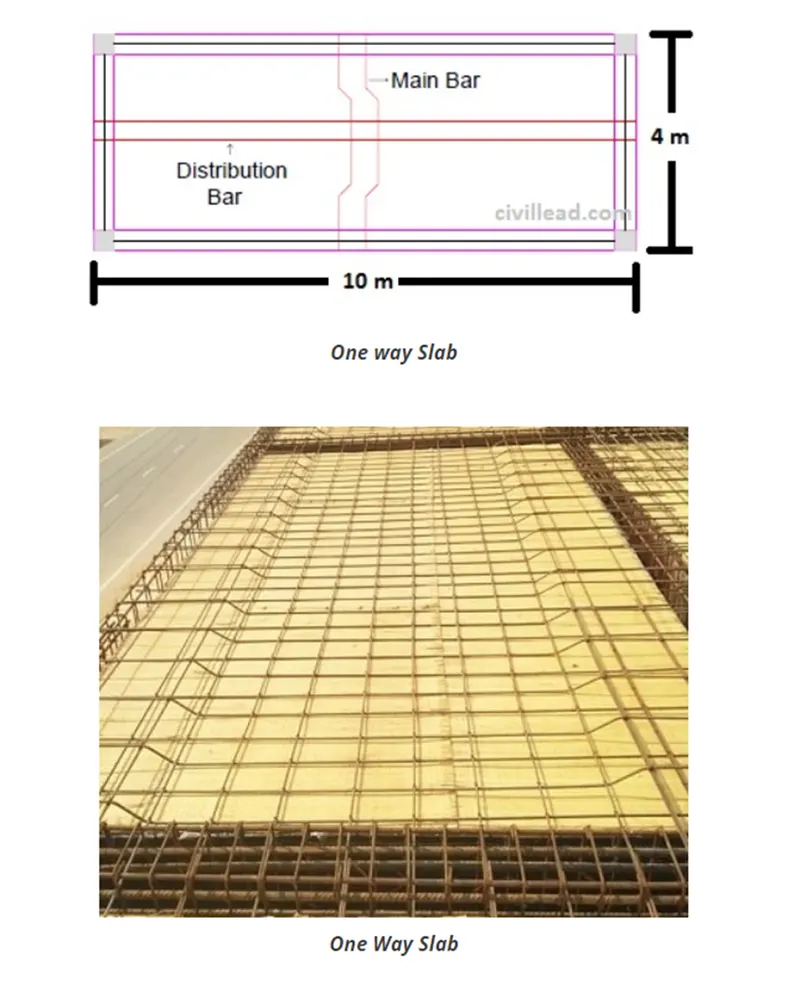
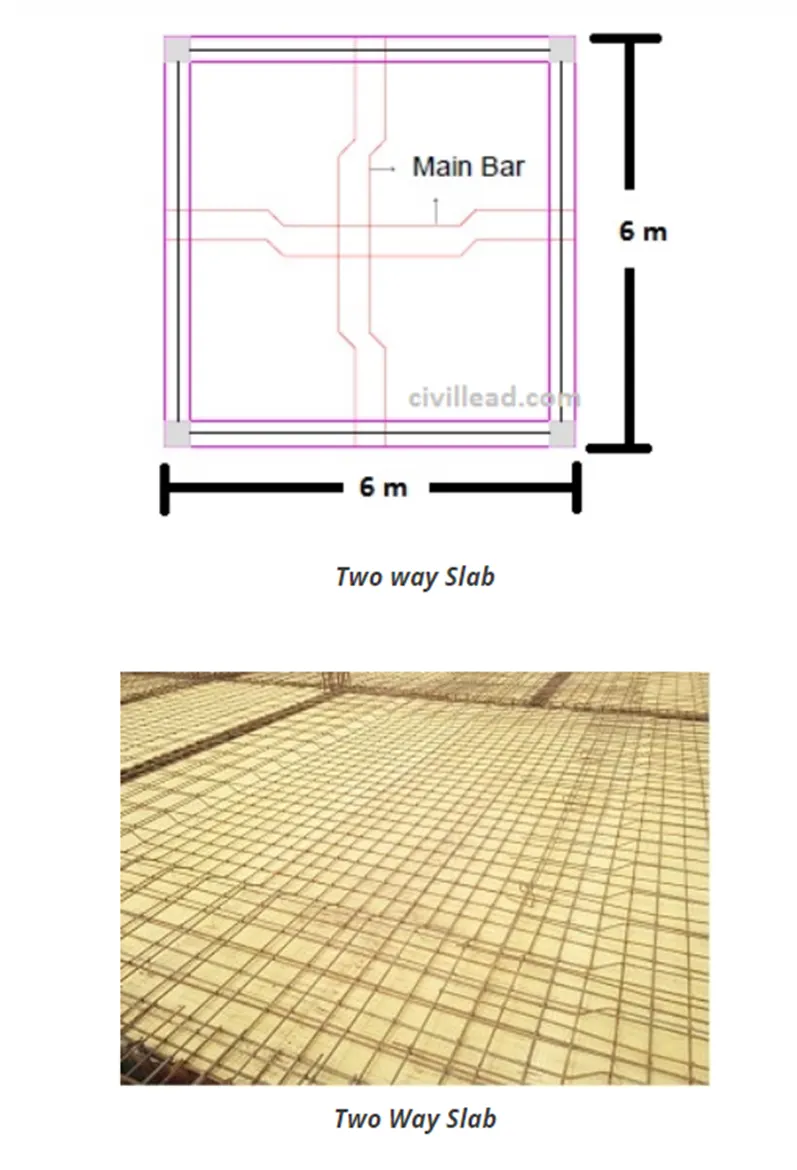
3.1Differentiate One-Way and Two-way slabs. Elaborate each slab type.
|
One-Way slabs |
Two-way slabs |
|
Ly/Lx≥ 2 |
Ly/Lx< 2 |
|
Supported on 2 opposite sides |
Supported on 4 sides |
|
Load is carried in one direction perpendicular to the supporting beam |
Load is carried in both the direction |
|
It bends in one spanning direction while load transfer |
It bends in both spanning direction while load transfer |
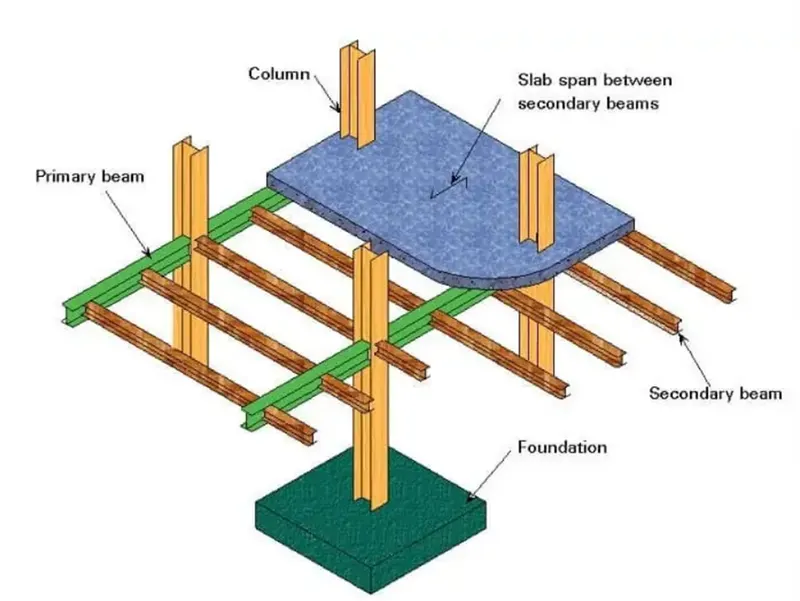
2.Explain the concept of secondary beams with proper sketch.
- The beams that are connecting primary beams for transferring loads of a structure to the primary beamsare known as secondary beams.
- These beams are provided for supporting and reducing the deflection of beams and slabs.
3.Mention the Primary load cases.
a. State the Indian Standards for each load case- Dead load- Can be referred in IS 875- P 1
- Live load- Can be referred in IS 875- P 2
- Wind load- Can be referred in IS 875- P 3
- Seismic load- Can be referred in IS 1893:2016
- Snow load- Can be referred in IS 875- P4
b.Detail the parameters of each load case:
- Dead load mainly depends on self-weight of the structure.
- Super imposed dead load depends on floor finish, service load
- Live load depends on building type, occupancy
- Wind load depends on height of the building , h/w ratio, l/w ratio which eventually relates to design wind pressure
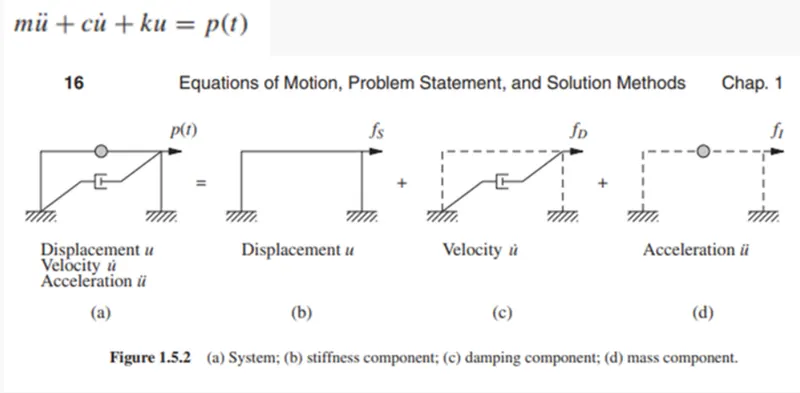
- Seismic load depends on,
Brief each load case:- Dead load:
- A constant load in a structure (such as a bridge, building, or machine) that is due to the weight of the members, the supported structure, and permanent attachments or accessories.
- Live load:
- Live loads are also called imposed loadsand they are either moving loads, or movable loads, that do not have any impact or acceleration.
- Wind load:
- The wind load is an external force, the magnitude of which depends upon the height of the building, the velocity of the wind and the amount of surface area that the wind "attacks."
- Seismic load:
- The magnitude earthquake load depends up the mass of the structure, the stiffness of the structural system and the acceleration of the surface of the earth.
- Detail the steps involved in assigning Properties and Support to a model using STAAD Pro sequentially.
Assigning Properties:
- Open the STAAD PRO software create the model using geometry
- Go to property tab and select define to define the size of the member.
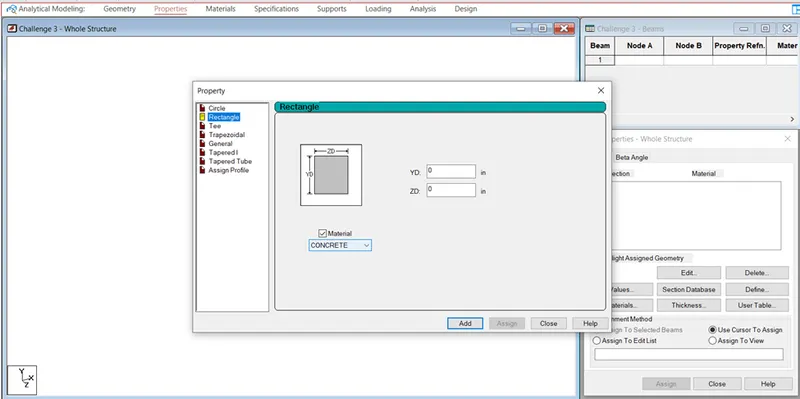
- Select the added property in the window and assign it to the member
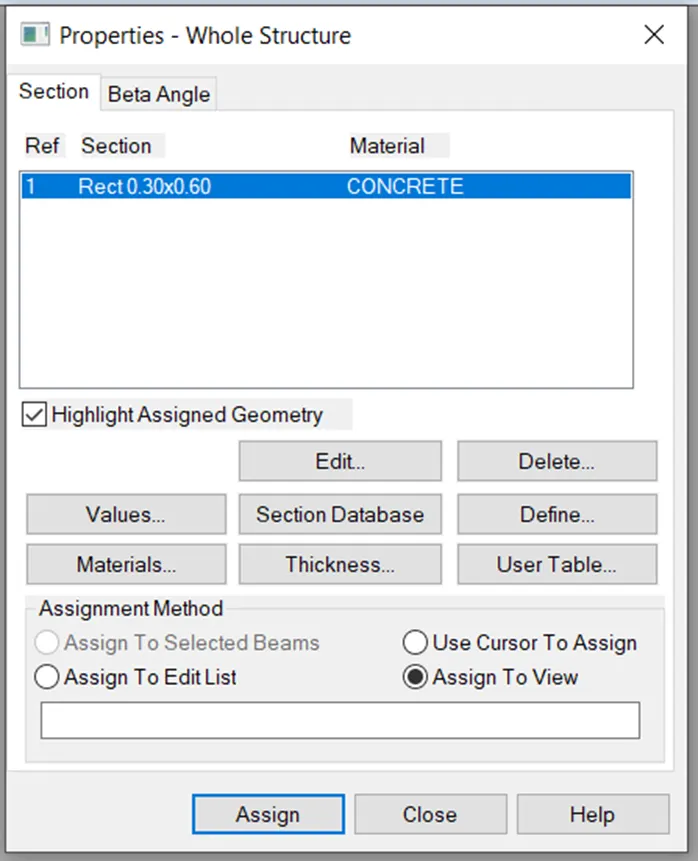
- Then the property will be assigned to the member as shown below.
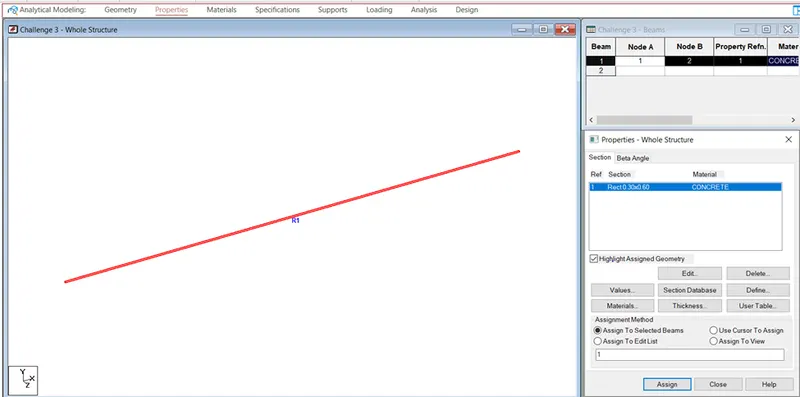
- Assigning supports:
- Go to support tab and click create
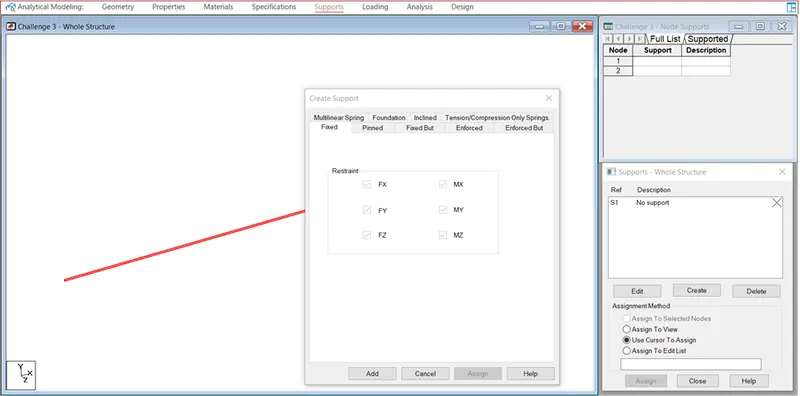
- Create the supports like fixed, pinned, roller in the option and click add
- Select the created support and click use cursor to assign -> assign
- Select the node ends to be supported
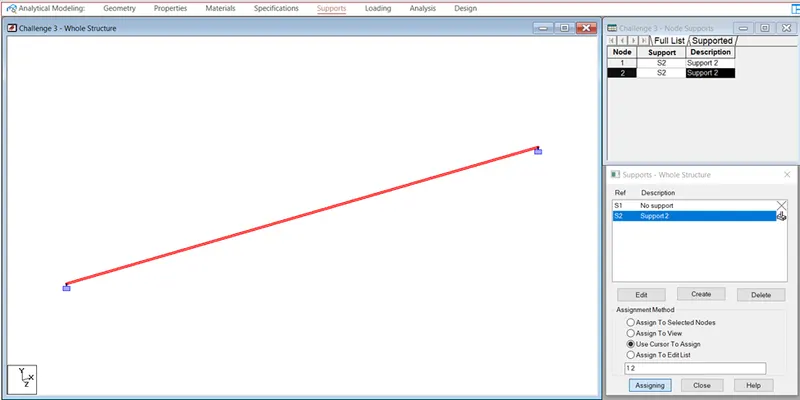
- Like wise the other types of support can also be created.
- Brief the steps to be followed to create and assign secondary beams in STAAD Pro.
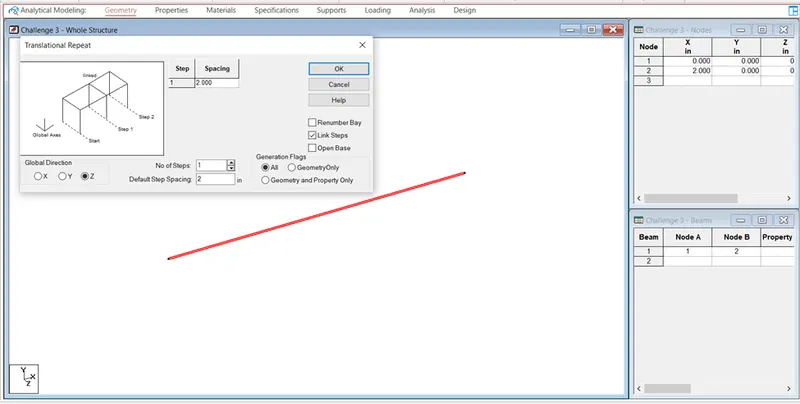
- Go to geometry tab and create columns and primary beams using nodes table method and translational repeat command
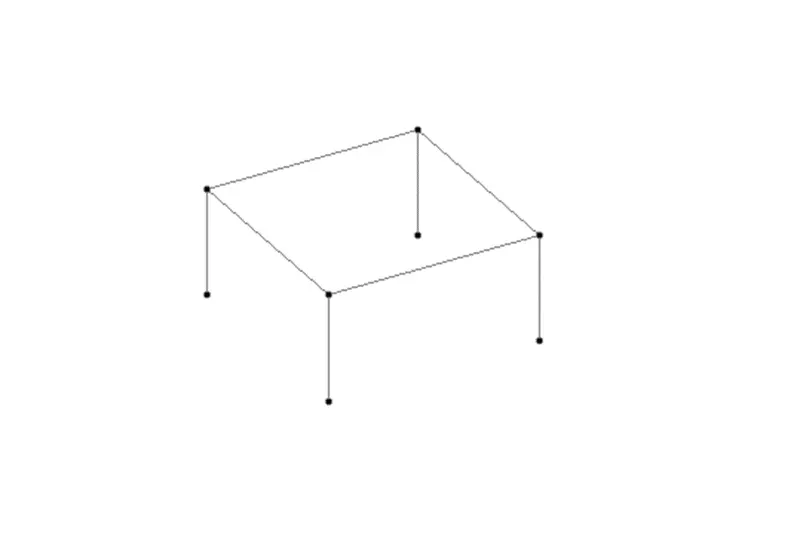
- Connect the nodes by add beam icon
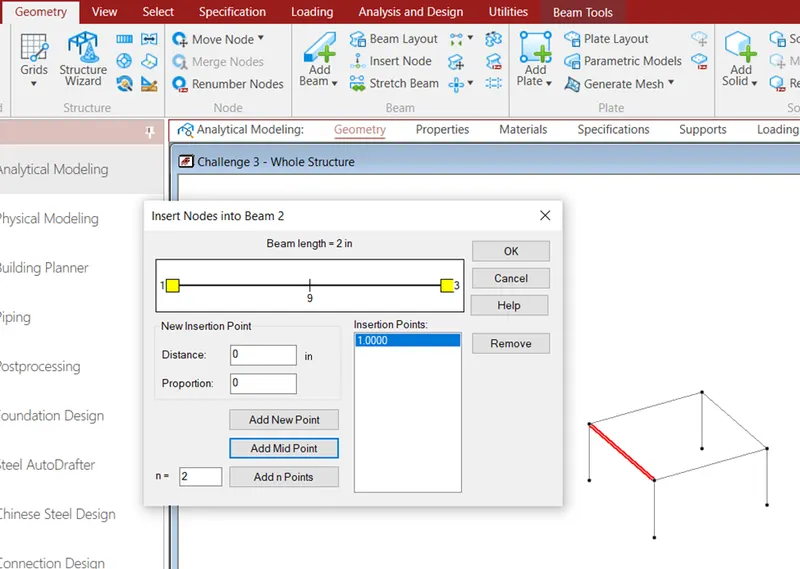
- Select the beam -> click insert node ->add mid point
- Click the node -> add beam -> click on the other side parallel beam
- Insert node pop up comes click add mid-point -> ok
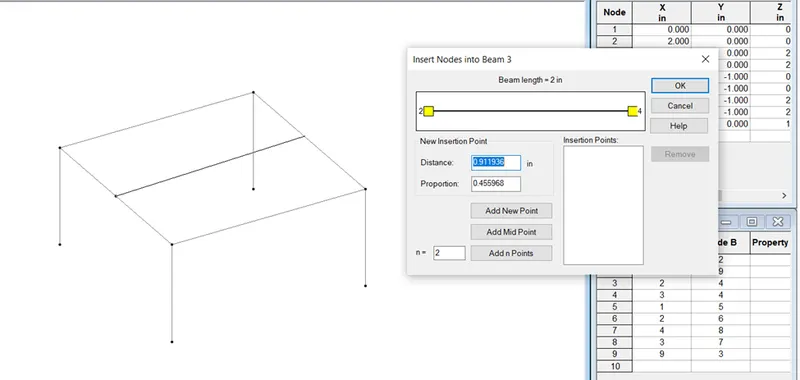
- Secondary beam is created
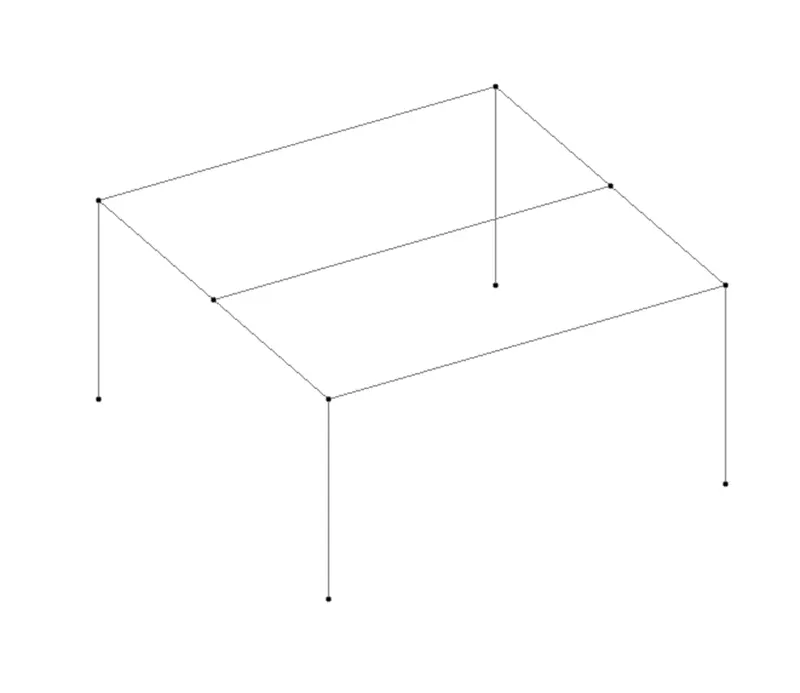
Practical:
- Aim:
- To calculate the wind pressure for the given building.
Given data:
a. Building Dimension : 20m x 30m x 20m height RCC
b. Building usage : Hospital block in city centre
c. Location : Darjeeling
Procedure:
- Refer IS 875 P-3 for basic wind speed for Darjeeling.
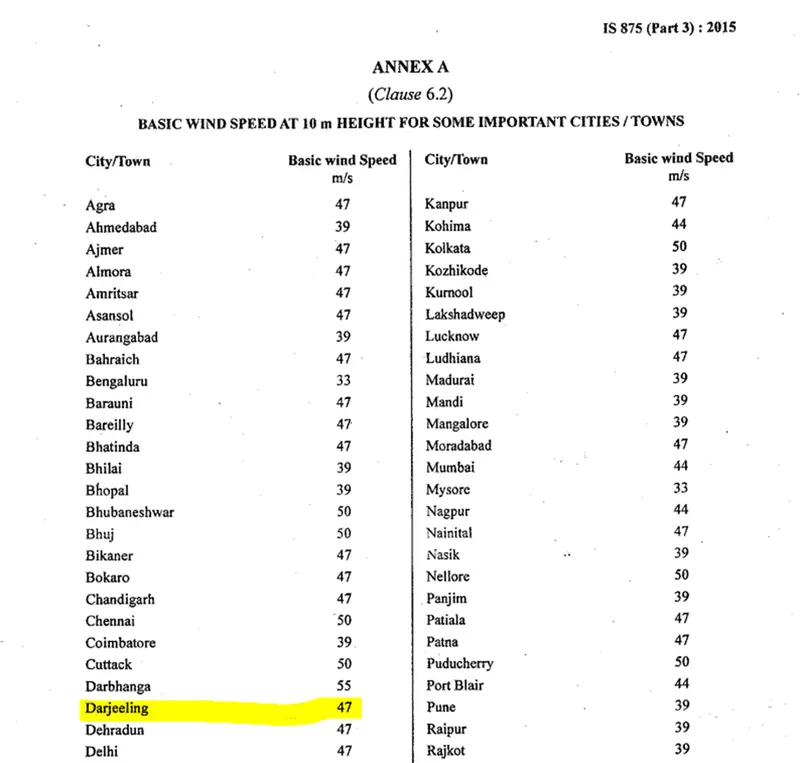
- Check code for following wind calculation,
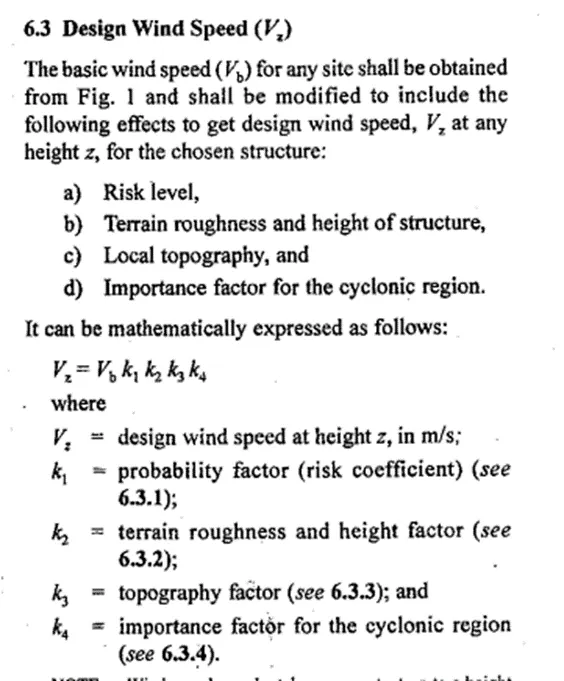
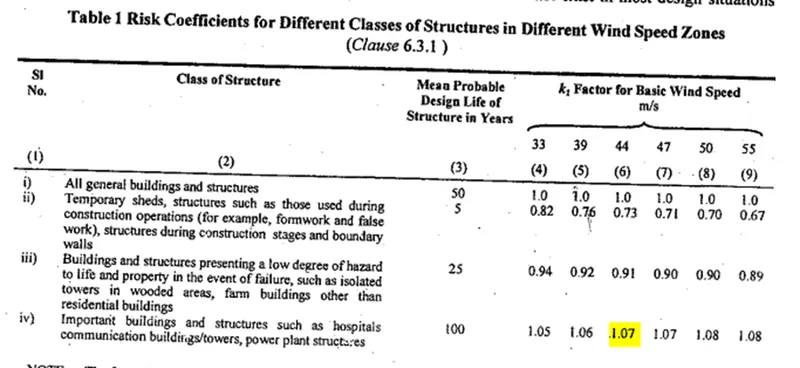
- For k1,
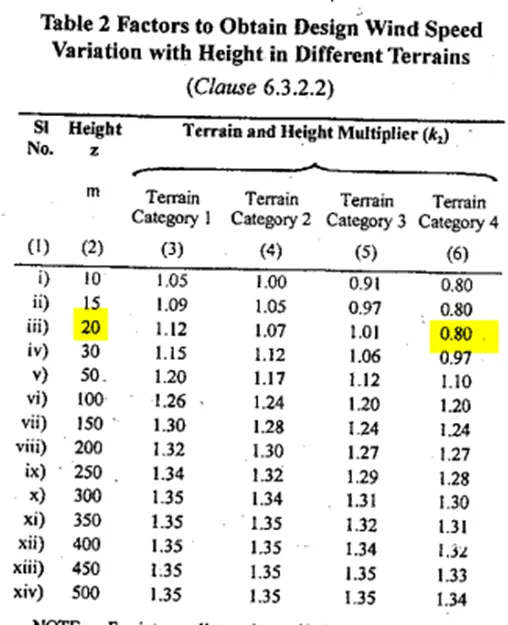
- For K2,
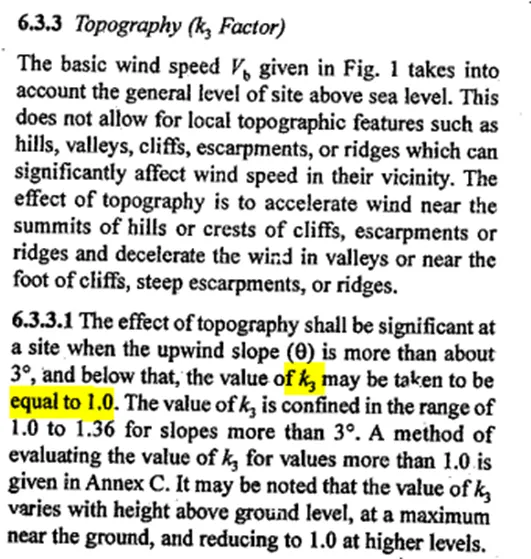
- For K3,
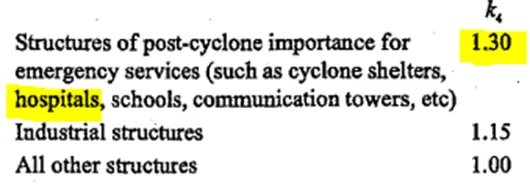
- For K4,
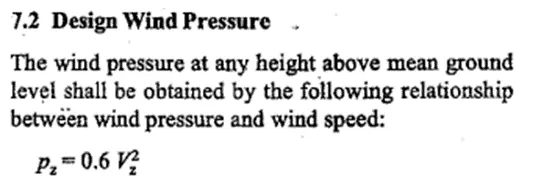
- Open Excel and do the calculation as below,
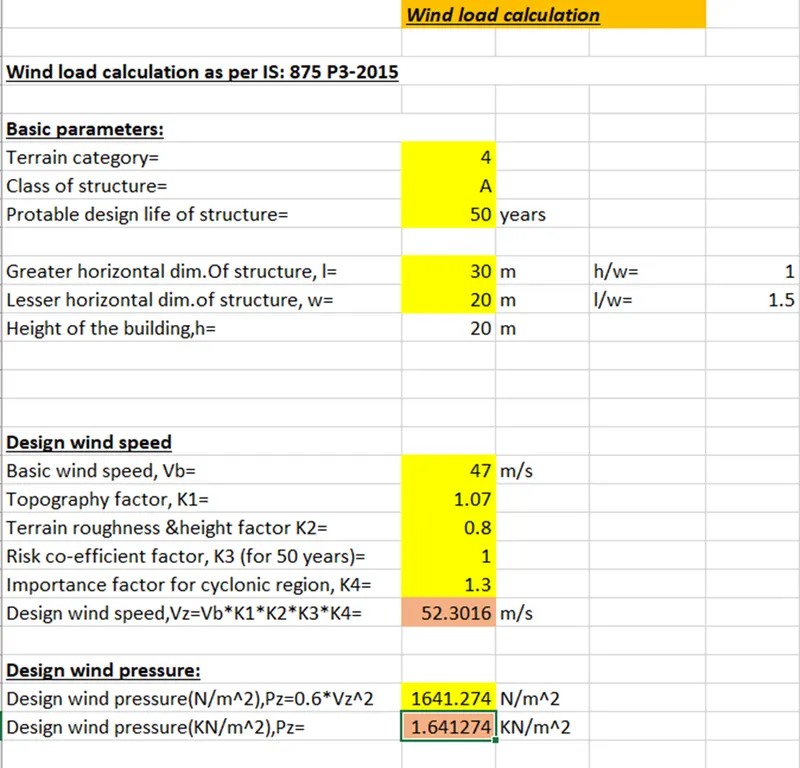
- Consider the floor level as 3, 6, 9, 12, 15, 18, 20m
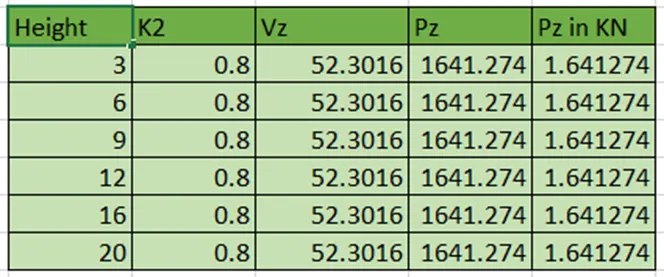
Result:
Hence the wind calculation is calculated with the help of IS 875- P3
- Aim:
To calculate the Dead load and Live load for the above building with reference to IS standards (assume suitable sections)
Procedure:
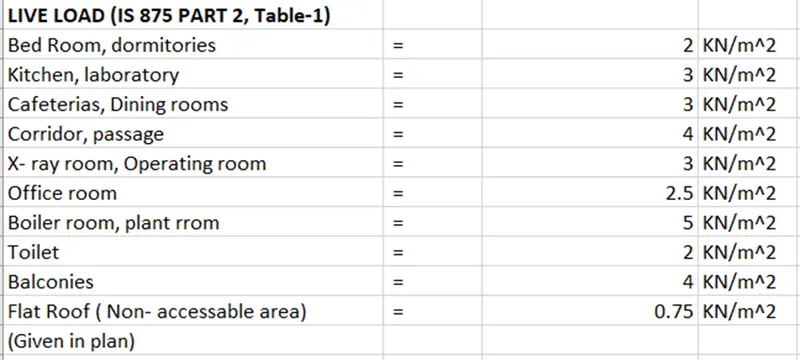
Live load calculation,
- Refer IS 875 P-2 for hospital building
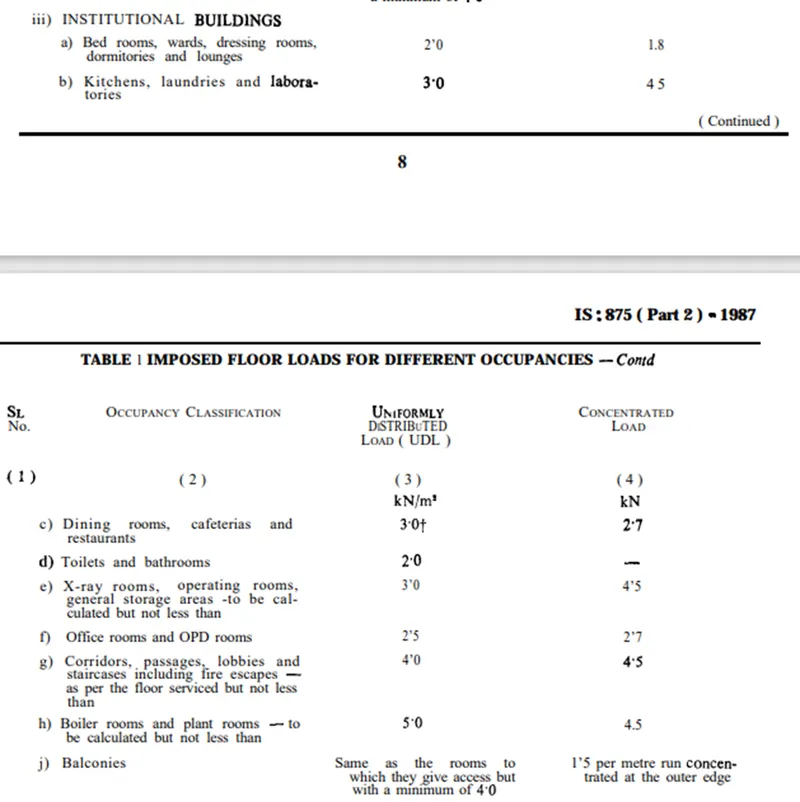
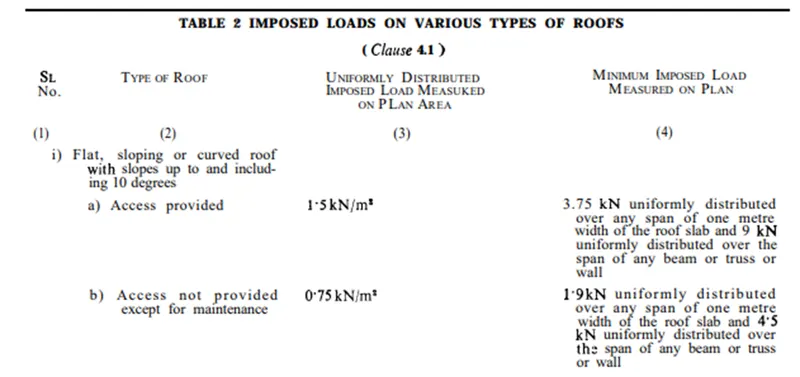
- Open excel and enter the value
- Dead load calculation:
- Open Excel and enter the value
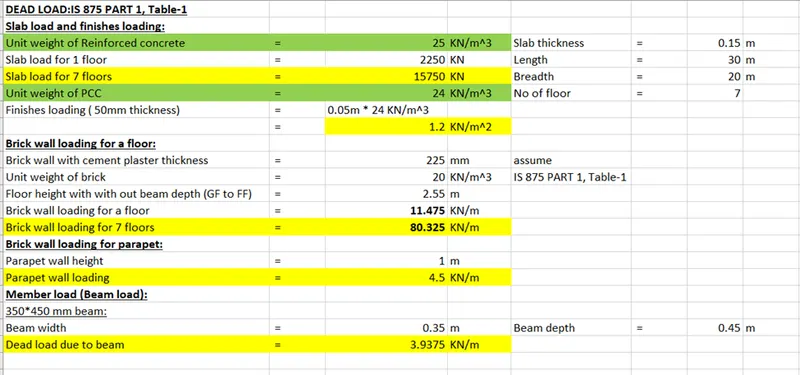
- Result:
- Hence the Dead load and Live load calculation are calculated.