Week 3:- BiW Fixture Design Methodologies Challenges
1. What is Design methadology?
Design methodology refers to a systematic and structured approach used by designers and other professionals to solve complex problems and create innovative solutions. It provides a framework and a set of guidelines that help guide the design process from conception to implementation. Design methodologies are used across various disciplines, such as industrial design, architecture, engineering, software development, and more.
Key aspects of design methodology include:
-
Problem Definition: Clearly defining the problem or challenge that needs to be addressed. This involves understanding user needs, constraints, and objectives.
-
Research and Analysis: Gathering relevant information, conducting research, and analyzing data to gain insights into the problem domain. This helps designers make informed decisions and generate creative ideas.
-
Ideation and Conceptualization: Brainstorming and generating a wide range of potential solutions or concepts. This phase encourages creative thinking and exploration of different possibilities.
-
Prototyping and Iteration: Creating prototypes or mock-ups of the proposed solutions to test their feasibility and functionality. Iterative cycles of testing, refining, and improving the design are common in this phase.
-
Evaluation and Testing: Assessing the prototypes or designs against the original problem statement and user requirements. User feedback and usability testing play a crucial role in validating design choices.
-
Implementation and Production: Developing the final design and preparing it for production or implementation. This may involve collaboration with engineers, developers, manufacturers, or other relevant stakeholders.
-
Documentation: Creating documentation that outlines the design process, decisions made, and technical specifications. This documentation serves as a reference for future iterations or improvements.
-
Communication and Collaboration: Effective communication and collaboration among team members and stakeholders are essential throughout the design process. This ensures that everyone is aligned and informed about the progress and decisions.
Different design methodologies have been developed over time, each with its own set of principles and practices. Some well-known design methodologies include:
-
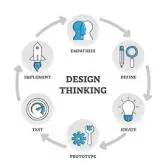
Design Thinking: A human-centered approach that emphasizes empathy, problem-solving, and iteration. It involves stages such as empathize, define, ideate, prototype, and test.
-
Agile Design: Borrowed from software development, this methodology focuses on iterative development, frequent collaboration, and adaptability to changing requirements.
-
User-Centered Design (UCD): Puts the user's needs and preferences at the center of the design process. It involves understanding user behavior, preferences, and feedback to inform design decisions.
-
Lean Design: Draws from lean manufacturing principles and aims to minimize waste in the design process. It focuses on delivering value to the customer efficiently.
-
Rapid Prototyping: Involves quickly creating and testing prototypes to gather feedback and make improvements in a short timeframe.
Ultimately, the choice of design methodology depends on the specific project, goals, and team dynamics. Design methodologies help ensure that the design process is organized, efficient, and effective in delivering innovative and user-centered solutions.
2.What are the inputs required from the customer to start designing a Fixture?
Designing a fixture involves creating a specialized tool, device, or apparatus to hold and position a workpiece during manufacturing, assembly, or testing processes. The inputs required from the customer to start designing a fixture can vary depending on the specific application and requirements. Here are some common inputs that a customer might provide to initiate the fixture design process:
-
Workpiece Specifications: Detailed information about the workpiece, including its dimensions, shape, material, weight, and any special features or requirements.
-
Function and Process Requirements: A clear understanding of the manufacturing, assembly, or testing process for which the fixture is needed. This includes knowing how the workpiece needs to be positioned, held, and manipulated during the process.
-
Tolerance and Accuracy Requirements: Information about the required tolerances and precision for the fixture, which will influence the design to ensure accurate and consistent results.
-
Production Volume: Knowing the expected production volume can help determine whether the fixture needs to be designed for high-volume production or for a smaller-scale operation.
-
Machine and Equipment Compatibility: If the fixture needs to be used with specific machines or equipment, the compatibility requirements should be provided to ensure proper integration.
-
Safety and Ergonomics: Any safety considerations or ergonomic requirements that need to be taken into account during fixture design.
-
Budget and Time Constraints: Information about budget limitations and desired project timeline can influence the complexity and feasibility of the fixture design.
-
Environmental Conditions: If the fixture will be used in specific environmental conditions (e.g., temperature, humidity, corrosive environments), this information should be provided to ensure appropriate material selection and design considerations.
-
Special Features or Attachments: Any additional features, attachments, or accessories that need to be integrated into the fixture design.
-
CAD Models or Drawings: Existing CAD models or drawings of the workpiece, related components, and the assembly process can greatly aid the fixture design process.
-
Any Relevant Standards or Regulations: If there are industry standards or regulations that the fixture needs to adhere to, this information should be communicated to ensure compliance.
-
Feedback and Collaboration: Open communication and collaboration with the fixture design team throughout the process to provide feedback and make necessary adjustments.
Keep in mind that effective communication between the customer and the fixture design team is crucial to ensure that the fixture meets the intended requirements and functions optimally within the specified manufacturing or assembly process.
3.What is the input we get from "Car Products"?
"Car Products" typically refers to a wide range of products and components associated with automobiles or cars. The specific inputs you might get from "Car Products" can vary significantly depending on the context. Here are a few examples of the types of inputs you could get:
-
Product List: A list of products related to cars, such as tires, batteries, engine oil, car wax, cleaning supplies, seat covers, floor mats, car audio systems, navigation systems, and more.
-
Product Descriptions: Detailed descriptions of individual car products, including their features, specifications, and benefits. For instance, a car wax might be described in terms of its protective qualities, ease of application, and shine-enhancing properties.
-
Technical Specifications: Detailed technical information about car components, such as engine specifications, tire sizes, brake system details, and other mechanical aspects.
-
Pricing and Availability: Information about the cost of different car products, where they can be purchased, and their availability in the market.
-
Reviews and Ratings: Customer reviews and ratings for various car products, which can provide insights into the performance and quality of the products.
-
Installation and Usage Instructions: Guidelines on how to install, use, and maintain different car products, ensuring that they are used correctly and effectively.
-
Comparative Analysis: Comparisons between different brands or types of car products, highlighting their strengths and weaknesses, and helping consumers make informed purchasing decisions.
-
Safety Information: Safety precautions and guidelines for using certain car products, especially those that involve chemicals or potentially hazardous materials.
-
Innovations and Trends: Information about the latest trends, innovations, and advancements in the field of car products, such as eco-friendly products, smart car accessories, and new materials.
-
Maintenance and Care Tips: Advice on how to properly care for and maintain car products to ensure their longevity and optimal performance.
4. What is the Clamp plan?
The CAMP process is one of prioritization, assembling 10 to 40 experts (e.g., wildlife managers, SSC Specialist Group members, representatives of the academic community or private sector, researchers and captive managers) to evaluate threat status of all taxa in a broad taxonomic group (e.g., penguins), geographical region or country (e.g., Costa Rica). William Conway (1995) stated that,"The CAMP's proven heuristic value and constant refinement and expansion have made it one of the most imaginative and productive organizing forces for species conservation today."
Information gathering is focused on the most recent available data, estimates, informed guesses and identification of needed knowledge that allow:
- assignment to IUCN Category of Threat;
- broad-based management recommendations;
- specific conservation-oriented research recommendations useful to generate the knowledge needed to develop more comprehensive management and recovery programs in situ and/or ex situ.
Workshop participants make all decisions and recommendations. CBSG's role is to facilitate organized discussion and, if necessary, provide access to expert advice.
Workshop participants develop the assessments of risks and formulate recommendations for action using a Microsoft Access-based data entry program (Williams & Byers, 1999) to develop a Taxon Data Sheet. The resulting document serves as a compendium of the data on the status of population and its habitat in the wild as well as recommendations for intensive conservation action. These Taxon Data Sheets provide documentation of reasoning behind recommendations, as well as details of other species-pertinent information. The database provides a systematic method of recording data and providing for reassessments as the status of species change and as new information becomes available.
5.What is the purpose of a Layout?
The term "layout" can have various meanings depending on the context in which it is used. In general, a layout refers to the arrangement or organization of elements, objects, or components within a given space or design. Here are a few common contexts where the term "layout" is used and its purpose:
-
Graphic Design and Publishing: In graphic design, a layout refers to the arrangement of text, images, and other design elements on a page, whether it's for a print publication like a magazine or a digital platform like a website. The purpose of a layout in this context is to visually communicate information in a structured and aesthetically pleasing manner, ensuring that the content is easy to read, understand, and engage with.
-
User Interface (UI) Design: In UI design, a layout pertains to the arrangement of user interface elements such as buttons, menus, forms, and other interactive components within a digital application or website. The purpose of a UI layout is to create an intuitive and user-friendly interface that guides users through their interactions, optimizes usability, and enhances the overall user experience.
-
Print Design: In the context of print design, a layout refers to the arrangement of text and images within a printed document, such as a poster, brochure, or flyer. The purpose of a print layout is to convey information or promote a message in a visually appealing way that captures the viewer's attention.
-
Interior Design and Architecture: In the field of interior design and architecture, a layout involves planning the spatial arrangement of rooms, furniture, fixtures, and other elements within a building or living space. The purpose of an interior layout is to optimize functionality, flow, and aesthetics to create a comfortable and functional environment.
-
Industrial and Product Design: In industrial design, a layout refers to the arrangement of components, features, and functionalities within a product. The purpose of an industrial design layout is to ensure that the product is ergonomic, user-friendly, and efficient in its use.
-
Printed Circuit Board (PCB) Design: In electronics, a layout refers to the physical arrangement of components, traces, and connections on a printed circuit board. The purpose of a PCB layout is to ensure proper electrical connectivity and signal integrity while minimizing interference and optimizing the performance of electronic devices.
In all these contexts, the purpose of a layout is to organize and present elements in a way that serves a specific functional or communicative goal, while also considering aesthetic, ergonomic, and practical considerations. A well-designed layout enhances the overall effectiveness, usability, and visual appeal of the final product or design.
6.What is Ergo data?
ERGO integrates proprietary data within the biological knowledge network allowing access to this larger biological context to assess significance, support graph diffusion analytics and enrichment analyses, and better interpret results.
7.What do you understand by Weld study?
Welding is a fabrication process that lets you join materials like metals by using heat at high temperatures. Welding uses high temperature to join the materials, whereas soldering and brazing do not allow the base metal to melt. After cooling, the base metal and the filler metal get attached.
Percentage completion in the designing stage refers to the extent to which the design of a project or task has been completed, often expressed as a percentage. This concept is commonly used in project management to track the progress of design activities. The criteria for determining percentage completion in the designing stage can vary depending on the nature of the project, the industry, and the specific design process being followed. Here's a detailed explanation of the criteria typically considered:
-
Design Deliverables Created: One of the most straightforward ways to gauge percentage completion is by tracking the creation of design deliverables. These could include sketches, drawings, blueprints, wireframes, prototypes, mock-ups, and other visual representations of the design. As more of these deliverables are generated and refined, the percentage completion increases.
-
Conceptualization and Ideation: At the beginning of the design process, a significant portion of work involves brainstorming, conceptualization, and ideation. As ideas are generated, refined, and organized into potential design solutions, the completion percentage can be estimated based on the depth and maturity of these concepts.
-
Research and Information Gathering: Design often involves a substantial amount of research, such as market analysis, user research, and competitive analysis. The completion percentage can be tied to the extent of information gathered, analyzed, and incorporated into the design concept.
-
Iterations and Revisions: Design is rarely a linear process. It often involves multiple iterations and revisions based on feedback and evolving requirements. Percentage completion can be influenced by the number of iterations completed and the level of refinement achieved in each iteration.
-
Functional Requirements: Depending on the nature of the design, meeting specific functional requirements can also indicate progress. For example, in software design, completing certain features or modules might be used as criteria for measuring percentage completion.
-
Technical Specifications: For engineering and technical designs, completion can be assessed based on the development and specification of technical details, including dimensions, materials, tolerances, and other relevant parameters.
-
Design Reviews and Approvals: Design progress can be evaluated based on the number and outcomes of design reviews and approvals from stakeholders. Each successful review or approval signifies a milestone reached and contributes to the overall percentage completion.
-
Prototyping and Testing: In fields like product design, creating prototypes and conducting tests to validate design concepts can be crucial. The percentage completion may be associated with the number of prototypes built, tests conducted, and the level of success achieved.
-
Documentation and Documentation Completion: As the design progresses, documentation plays a significant role in capturing the design decisions, rationale, and specifications. Percentage completion can be linked to the degree of completion of design documentation.
-
Integration with Other Disciplines: If the design needs to interface or integrate with other disciplines or systems, the progress can be measured based on successful integration points achieved.
9.Brief about "Output" in design?
In design, "output" refers to the tangible or visual results that are produced as a result of the design process. It encompasses the final deliverables or outcomes that convey the intended message, functionality, or aesthetic of a design project. The concept of "output" is crucial because it represents the culmination of creative ideas, problem-solving, and decision-making that designers engage in throughout the design process.
The term "output" can encompass various forms, depending on the context of the design project:
-
Visual Output: This includes graphical elements, images, illustrations, layouts, and typography that visually communicate the design's intended message or concept. Visual outputs are prominent in graphic design, web design, and other visual communication fields.
-
Functional Output: For product and industrial design, the output involves the actual physical or digital product that fulfills a specific function or solves a particular problem. This could be anything from a consumer product to a piece of furniture to a digital app.
-
Interactive Output: In user experience (UX) and user interface (UI) design, the output might be interactive prototypes or mockups that demonstrate the user journey and interactions within an application or website.
-
Architectural Output: In architecture and interior design, the output encompasses detailed drawings, blueprints, and plans that guide the construction and realization of physical spaces.
-
Fashion and Textile Output: In fashion design, the output refers to clothing, accessories, and textiles that result from the design process.
-
Multimedia Output: In multimedia design, the output could include animations, videos, audio compositions, and interactive media experiences.
The quality of the output is a reflection of the designer's skill, creativity, and ability to effectively communicate ideas. It's important for designers to ensure that the output aligns with the project's objectives, target audience, and intended impact. Additionally, the output should be well-crafted, aesthetically pleasing, functional, and relevant to the project's context.
10.What do you understand by structuring a design tree? How does it reduce errors during the design process?
Structuring a design tree refers to the process of organizing and categorizing the various components, elements, and decisions involved in a design project in a hierarchical manner. It's a visual representation of the design process, outlining the relationships, dependencies, and sequences of tasks or elements. Think of it as a roadmap that helps designers navigate through the complexity of a project.
A design tree typically breaks down the design process into smaller, manageable sections, making it easier to understand, plan, and execute. Each branch of the tree represents a different aspect of the design, and sub-branches further detail the components or decisions within that aspect. This hierarchical structure can include concepts, features, functionalities, interfaces, user interactions, and more, depending on the nature of the design project.
Reducing errors during the design process:
-
Clarity and Organization: A well-structured design tree helps designers gain a clear understanding of the project's scope, requirements, and objectives. It provides a visual overview of the entire design process, ensuring that no essential components or tasks are overlooked.
-
Dependency Management: Design trees illustrate dependencies between different elements of a design. By outlining these dependencies, designers can identify potential bottlenecks, conflicts, or areas where changes to one component might affect others. This proactive approach helps in avoiding errors that might arise due to overlooked interdependencies.
-
Consistency: A structured design tree promotes consistency throughout the design process. Designers can define standard components, styles, and patterns that can be reused across different sections of the project. This consistency minimizes the chances of errors arising from conflicting design elements.
-
Iterative Development: As designers work through the different branches of the design tree, they can iterate on specific components without affecting the overall design. This compartmentalized approach allows for focused improvements and adjustments, reducing the risk of introducing errors across the entire project.
-
Collaboration: A well-structured design tree serves as a common reference point for cross-functional teams, including designers, developers, stakeholders, and clients. Everyone can clearly see the progress and dependencies, fostering effective communication and collaboration, and reducing misunderstandings that could lead to errors.
-
Risk Management: By breaking down a complex design project into smaller, manageable pieces, designers can identify potential risks and challenges more easily. This enables them to address these issues early in the process, preventing them from snowballing into major errors later on.
-
Documentation: A structured design tree acts as documentation for the design decisions and rationale behind them. This documentation helps in maintaining a clear record of design choices, making it easier to track changes and troubleshoot any errors that might arise.
In essence, structuring a design tree is an effective strategy to enhance the organization, communication, and overall quality of the design process, leading to a reduction in errors and smoother project execution.
11.What are Units? Mention 5 types of units.
"Units" can refer to various concepts depending on the context. Here are five types of units in different fields:
-
Measurement Units (Physical Sciences):
- Meter (m) - Unit of length in the metric system.
- Kilogram (kg) - Unit of mass in the metric system.
- Second (s) - Unit of time in the International System of Units (SI).
- Ampere (A) - Unit of electric current in SI.
- Kelvin (K) - Unit of temperature in SI.
-
Currency Units (Finance and Economics):
- United States Dollar (USD) - Currency unit used in the United States.
- Euro (EUR) - Currency unit used in the Eurozone countries.
- Japanese Yen (JPY) - Currency unit used in Japan.
- British Pound (GBP) - Currency unit used in the United Kingdom.
- Chinese Yuan (CNY) - Currency unit used in China.
-
Military Units (Military Science):
- Platoon - A subdivision of a company typically consisting of two or more squads.
- Battalion - A military unit composed of several companies and forming part of a regiment.
- Brigade - A larger tactical unit composed of multiple battalions.
- Division - A large military unit composed of several brigades.
- Corps - An even larger military unit composed of multiple divisions.
-
Computer Storage Units (Information Technology):
- Bit (b) - The smallest unit of digital information.
- Byte (B) - A group of 8 bits.
- Kilobyte (KB) - Approximately 1,000 bytes.
- Megabyte (MB) - Approximately 1 million bytes.
- Gigabyte (GB) - Approximately 1 billion bytes.
-
Social Units (Sociology and Anthropology):
- Family - A group of individuals living together and connected by kinship or marriage.
- Tribe - A social group typically sharing common ancestry, language, culture, and often territory.
- Community - A group of people living in the same area and often sharing common interests.
- Society - A larger social unit characterized by organized relationships and institutions.
- Nation - A large group of people with shared culture, language, and history often residing within defined geographic boundaries.
These are just a few examples of different types of units across various fields. The term "unit" can have different meanings and applications depending on the context in which it is used.
12.Describe Fixed Pin units & their purpose?
Fixed pin is a unit designed to locate the car using pin. As the name suggest it uses a fixed pin which cannot be moved by any distance. The top most part is the fixed pin which will be used to locate the part. The part will have entry hole in which the pin will enter to arrest the motion of the part.
An assembly of standard and manufacturing parts consisting location pin is called Pin unit. A pin unit in which pin's position is fix, is called Fixed Pin Unit. Pin unit is used to lock the rotational position of panel.
13.What are the different parts of a fixed unit?
Designing a sensor unit involves several fundamental considerations to ensure accurate and reliable measurement of the desired physical or environmental parameter. Here are the basic fundamentals to consider when designing a sensor unit:
-
Sensor Selection: Choose the appropriate type of sensor that is best suited for the specific parameter you want to measure (e.g., temperature, pressure, humidity, light, etc.). Different sensors have different working principles and technologies.
-
Measurement Range and Resolution: Determine the range over which the sensor needs to operate and the required resolution of the measurements. This will help you select a sensor with suitable measurement capabilities.
-
Calibration and Accuracy: Sensors need to be calibrated to ensure accurate measurements. Consider the required accuracy for your application and implement a calibration process to minimize measurement errors.
-
Signal Conditioning: Raw sensor outputs often require signal conditioning to amplify, filter, or otherwise process the signal before it's suitable for measurement. This may involve analog-to-digital conversion, noise reduction, amplification, etc.
-
Interface and Communication: Decide how the sensor unit will communicate with external devices or systems. Common communication interfaces include analog voltage output, digital interfaces (I2C, SPI), wireless protocols (Bluetooth, Wi-Fi, LoRa), and more.
-
Power Supply: Determine the power requirements of the sensor and design a suitable power supply system. This could involve considerations like battery life, power consumption, and power-saving features.
-
Environmental Factors: Consider the operating environment for the sensor unit. Factors such as temperature, humidity, and exposure to external elements can impact sensor performance and longevity.
-
Physical Design and Packaging: Design the physical form of the sensor unit, considering factors like size, shape, and protection. The packaging should provide adequate protection against dust, moisture, and physical damage.
-
Mounting and Installation: Plan for how the sensor unit will be mounted or installed in its intended location. Consider factors like mounting hardware, orientation, and ease of installation.
-
Data Processing and Analysis: Determine how the collected sensor data will be processed and analyzed. This could involve on-device processing or transmitting data to a central processing unit or cloud-based system for analysis.
-
Long-Term Reliability and Maintenance: Design the sensor unit with longevity in mind. Consider factors like sensor drift, wear and tear, and the need for regular maintenance or recalibration.
-
Regulatory and Standards Compliance: Ensure that your sensor unit design complies with relevant industry standards, safety regulations, and certifications if applicable.
-
Cost Considerations: Balancing performance with cost is important. Choose components and technologies that meet your requirements without exceeding your budget.
-
Testing and Validation: Thoroughly test and validate the sensor unit to ensure it meets the desired performance criteria. This includes both functional testing and real-world validation in the intended operating environment.
-
Documentation: Maintain detailed documentation of the sensor unit design, including schematics, PCB layouts, firmware/software code, and any relevant user manuals or technical guides.
Remember that the specific requirements and considerations for designing a sensor unit can vary widely based on the application and intended use. It's important to carefully analyze your needs and constraints before embarking on the design process.
16.What is a Rough locator unit & what are the basic fundamentals to consider while designing it?
However, based on the term itself, I can provide some general guidance on the basic fundamentals to consider while designing any kind of locator unit or system. Keep in mind that these principles might need to be adapted or refined based on the specific context and purpose of the "Rough locator unit."
-
Purpose and Functionality: Clearly define the purpose and functionality of the rough locator unit. What is its primary role? Is it meant for positioning, tracking, navigation, or some other task? Understanding its intended use is crucial for designing its features and capabilities.
-
Accuracy and Precision: Determine the required level of accuracy and precision for the rough locator unit. This will influence the choice of sensors, algorithms, and methods used in its design. Different applications may have different tolerance levels for accuracy.
-
Sensors and Technology: Select appropriate sensors and technologies based on the requirements. This could include GPS, RFID, inertial sensors (accelerometers, gyroscopes), ultrasonic sensors, optical sensors, or a combination of these. The choice of sensors will impact factors like range, indoor/outdoor use, and environmental conditions.
-
Data Fusion: Design a data fusion strategy to integrate information from multiple sensors and sources. Sensor data fusion improves accuracy and reliability by combining data from different sources and compensating for individual sensor limitations.
-
Localization Algorithms: Develop or select suitable algorithms for localization and positioning. Depending on the application, this could involve techniques like triangulation, trilateration, dead reckoning, Kalman filtering, or advanced machine learning methods.
-
Power Efficiency: Consider power consumption and battery life, especially if the unit needs to operate for extended periods without frequent recharging or replacement.
-
Environmental Factors: Take into account the operational environment of the rough locator unit. Different environments may introduce challenges such as signal interference, obstacles, or varying lighting conditions.
-
Communication: Determine how the rough locator unit communicates its position or data. This could involve wireless communication protocols, data formats, and interfaces for integration with other systems.
-
Cost and Scalability: Balance the design with cost considerations. Depending on the scale of deployment, cost-effective components and design choices may be essential.
-
User Interface: If applicable, design a user interface that allows users to interact with and monitor the rough locator unit. This could include displays, status indicators, or remote control capabilities.
-
Testing and Validation: Rigorously test and validate the rough locator unit in various real-world scenarios to ensure its performance matches the design expectations.
Remember that these are general principles, and the specifics will depend on the exact nature and purpose of the "Rough locator unit" you're designing. If this term pertains to a recent development or specific industry, I recommend consulting relevant sources or experts in that field for the most accurate and up-to-date information.
17.What is a Base unit and describe it's parts?
It seems like you might be referring to the concept of a "base unit" in the context of measurements and the metric system. In the International System of Units (SI), which is the modern form of the metric system, base units are a set of fundamental measurements used as building blocks to derive other units for various physical quantities. There are seven base units in the SI, each representing a distinct type of measurement. These base units and their parts are as follows:
-
Meter (m):
- Part: Length
- Definition: The meter is the base unit of length and is defined as the distance that light travels in a vacuum during a specific fraction of a second.
-
Kilogram (kg):
- Part: Mass
- Definition: The kilogram is the base unit of mass and is defined by a platinum-iridium cylinder known as the International Prototype of the Kilogram.
-
Second (s):
- Part: Time
- Definition: The second is the base unit of time and is defined based on the vibrations of a cesium atomic clock.
-
Ampere (A):
- Part: Electric Current
- Definition: The ampere is the base unit of electric current and is defined in terms of the force between two parallel conductors carrying electric current.
-
Kelvin (K):
- Part: Temperature
- Definition: The kelvin is the base unit of temperature and is defined based on the behavior of molecules in thermal equilibrium.
-
Candela (cd):
- Part: Luminous Intensity
- Definition: The candela is the base unit of luminous intensity and is defined in terms of the radiation emitted by a specific type of incandescent lamp.
-
Mole (mol):
- Part: Amount of Substance
- Definition: The mole is the base unit of amount of substance and is defined as the amount of substance that contains as many elementary entities (atoms, molecules, etc.) as there are in 0.012 kilograms of carbon-12.
These base units provide a standardized and consistent way to measure various physical quantities. Other units, known as derived units, are constructed by combining these base units in various ways. The SI system is widely used in science, engineering, and everyday life to ensure accurate and globally recognized measurements.
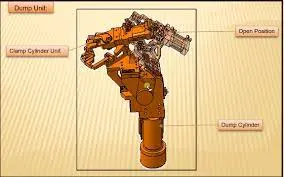
18.What is a Dump Unit and what are its functions?