Week 3 - 2D meshing for sheet metal
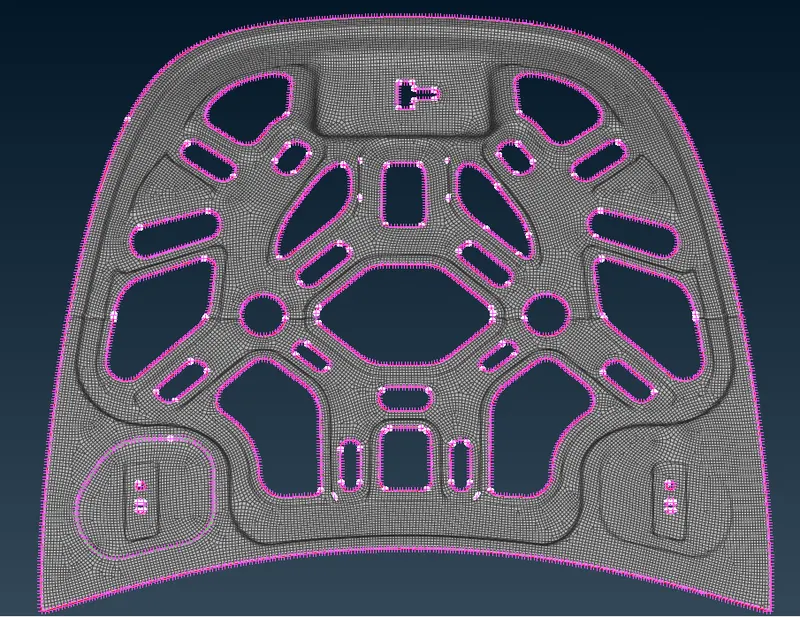
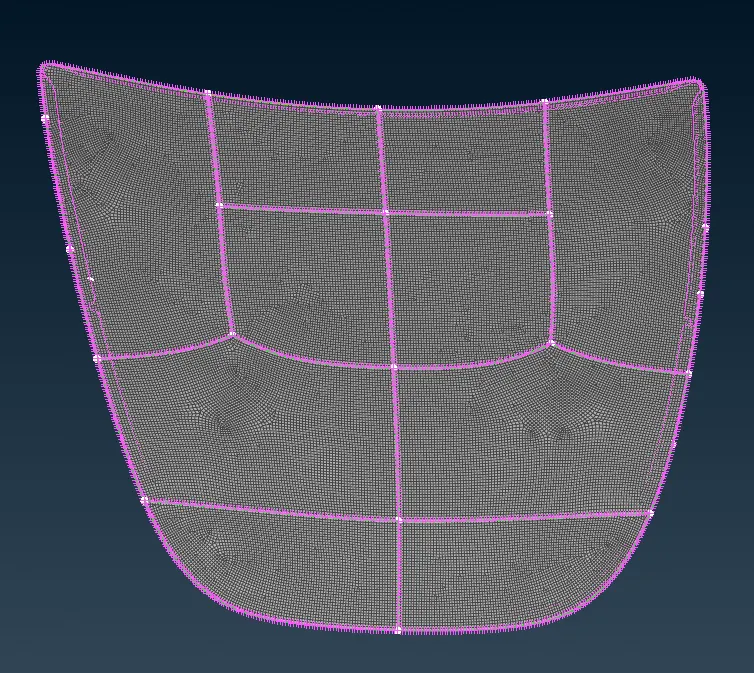
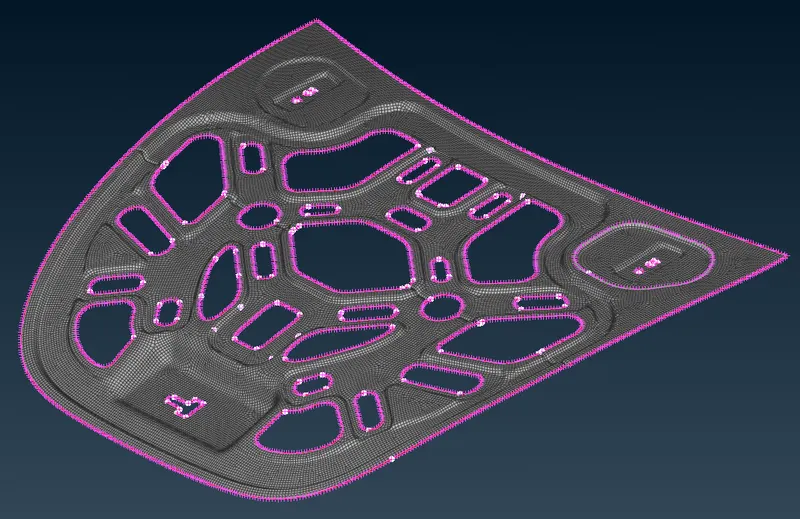
AIM : For the given Hood model, Take the mid surface for all the components after checking the geometrical errors and mesh the mid surface with the given element Quality criteria.
INTODUCTION : ANSA is an advanced multidisciplinary CAE pre-processing tool that provides all the necessary functionality for full-model build up, from CAD data to ready-to-run solver input file, in a single integrated environment.Ansa maintains the association between CAD geometry and the FE mesh. This means that the FE meshes are better representations of their geometric parents. Also it is easy to maintain and update any changes in the geometry by simply reworking the updated area instead of recreating the FE from scratch.
It carries several proprietary algorithms for meshing suitable for both CFD and structural models. ANSA was initially standing for 'Automatic net generation for structural analysis', but the software has gone beyond that very quickly.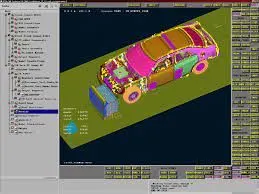
PROCEDURE :
1. open the ansa preprocessor software and then open the hood model by going through, file-open-select hood model and open.
2. after opening the hood model check for any geometry errors ike tripple cons,needle faces,unchecked macros..etc by using the tool check geometry-geometry.After checking fix the errors by manually or using fix option in check geometry and excecute errors.
3.after checking geometry we have to perform midsurfacing for geometries.for that select the geometry and measure the thickness,select topo-faces-offset.Then select the surface of the hood model by using mouse left click,midle click for confirmation and give proper offset value that is positive or negative.
4.after entering off set value then the mid surface is visible.select the mid surface using !NOT option and make a middle mouse click for confirm.then use AND command fpr expanding that bt visibling the neighbour entities.
5.Giving proper quality criteria by using the command quality.applying the qualities like aspect,warpage,jacobian,tria percentage,minimum and maximum length..etc as per required.
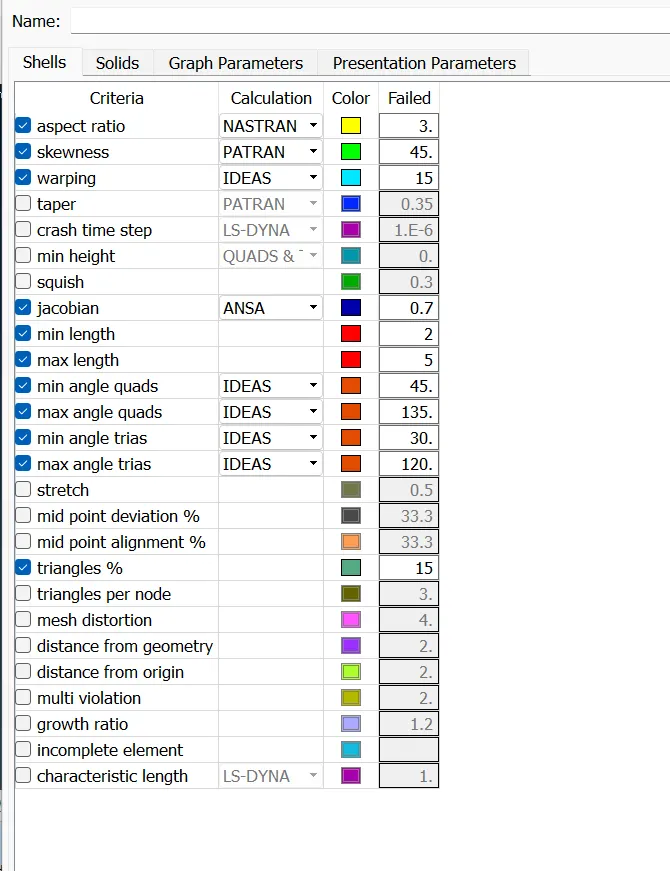
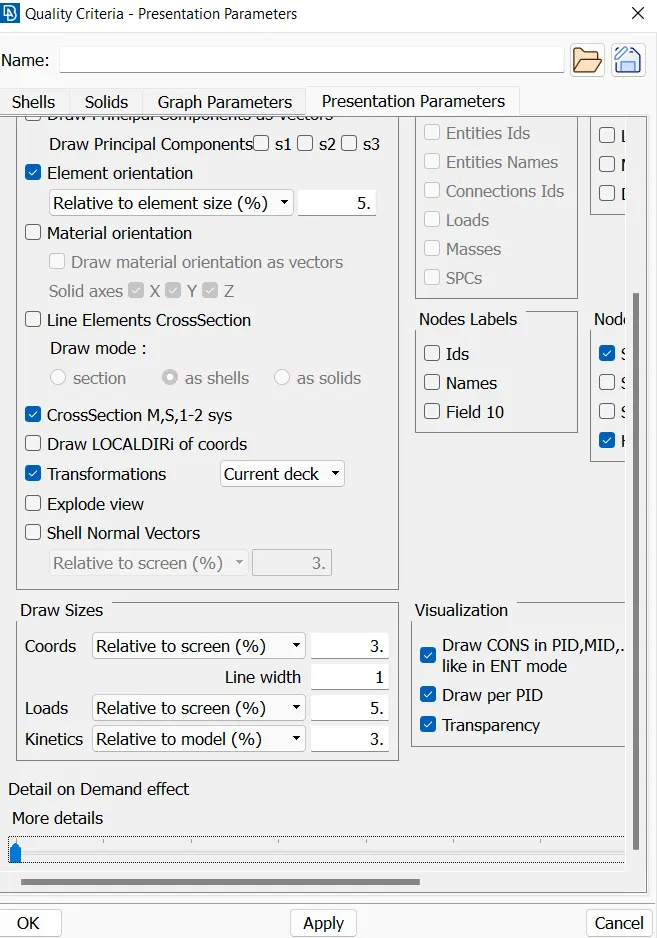
6.after appling quaity parameters then we need to do meshing.for meshing give proper mesh parameters through the tool mesh parameter.give avarage,minimum,maximum lenghths in meshparameters.
7.give proper topo for our geometry by using the tool [topo-faces-topo].then average the length using perimeters-length in classic mesh option.then do proper fine using fine command.
8.remove unwanted hotpoints from the geometry by using delete or insert option in hotpoint option command in topo.
9.check for minimum lengths and remove unwanted lines by suppresing using the cut option.
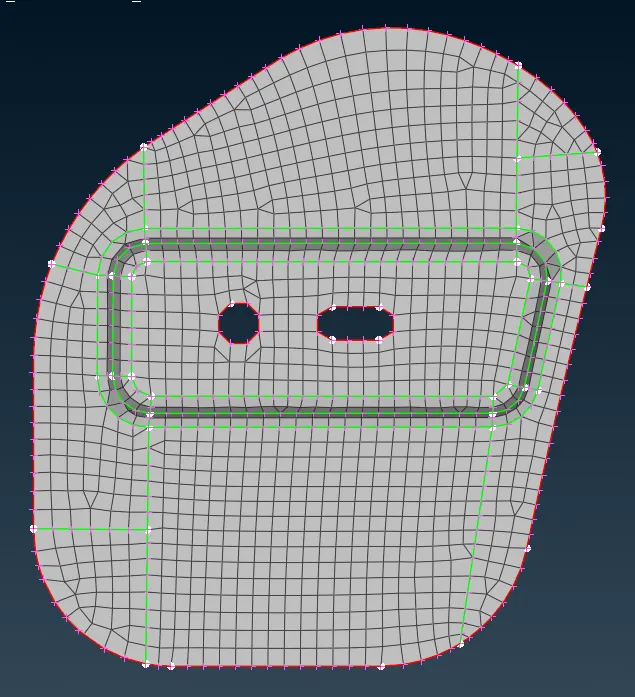
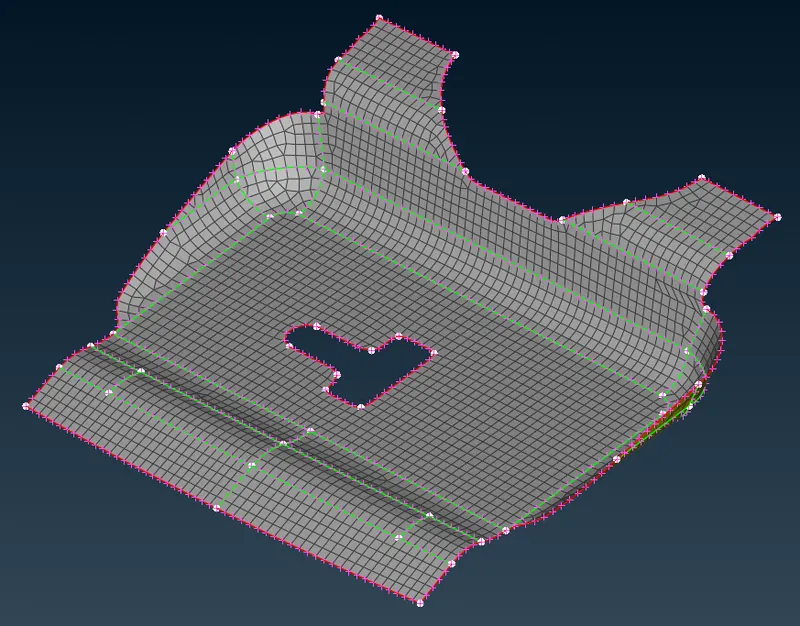
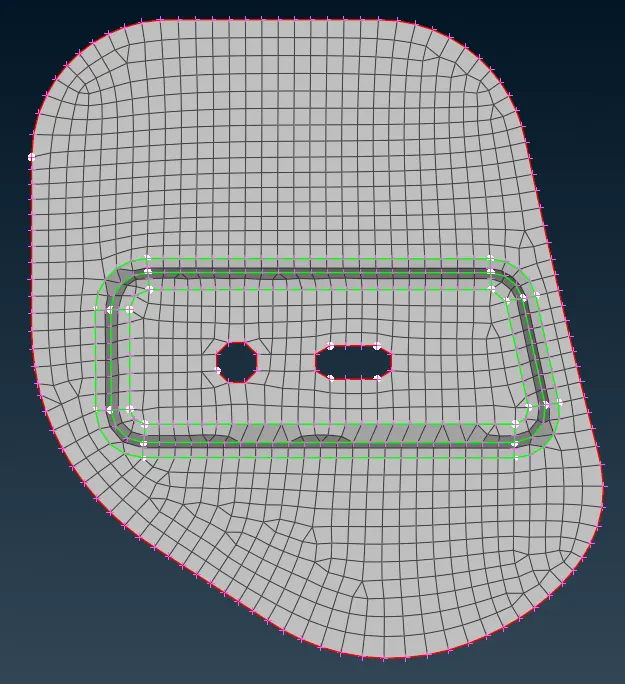
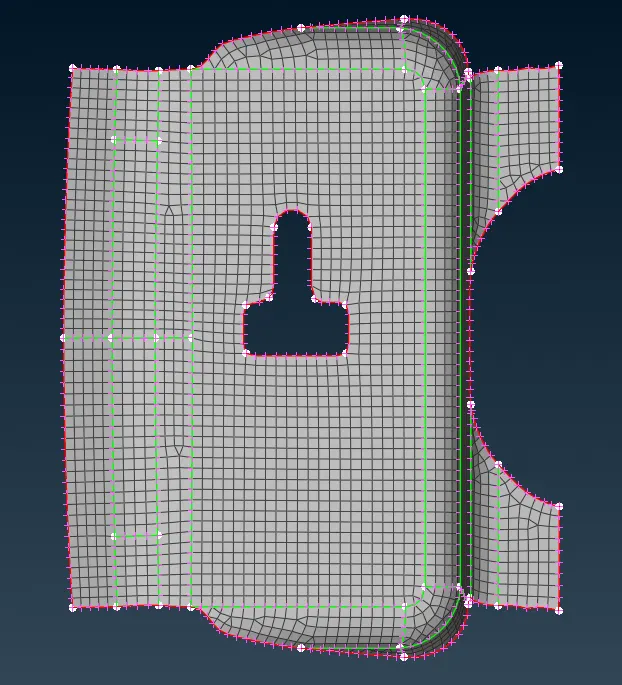
10. for meshing select classic mesh and then select bestmesh in meshgeneration,then select the face that we want to mesh.then do the mesh correctly through all faces that we need.
11.reconstruct or improve the mesh flow as required.use split and inset option for removing trias from edges.make a proper mesh.
12.perform proper meshing in all the geometries.
LEARNING OUTCOMES :
for geometry check = check geometry- geometry-excecute-manual fix or auto fix
for midsurface = topo- faces-offset-select face with left cick-middle click-enter off set value-ok
for extracting = !not-pid-mid surface plane -ok
for neighbouring face visible = and-scol seect-enter
for viewing all part = select all command
for visible selected entities = command-or
for deleting hot point = hot point-insert/delete
for cutting unwanted lines = faces-cut
for making fine edges = topo-auxillaries-fine
for removing tripple cons = topo-cons-release
for reconstructing the mesh =classic mesh-shellmesh-smooth/reconstruct
for changing trias in mesh = classic mesh-elements-split
CONCLUSION
successfully completed the geometry cleanup,midsurfacing and classic meshing by using ANSA preprocessor [CAE] with the given element criteria for the given hoodmodel.