Week 2 - Flow over a Cylinder.
AIM: To simulate the flow over a cylinder and explain the phenomenon of Karman vortex street.
-----------------------------------------------------------------------------------------------------------------------------------------------------------------------------------------------------------------
PART-I
- Simulate the flow with the steady and unsteady case and calculate the Strouhal Number for Re= 100.
PART-II
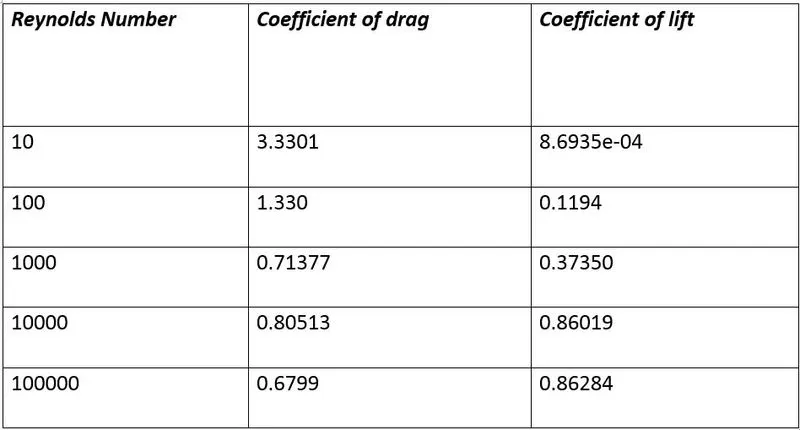
- Calculate the coefficient of drag and lift over a cylinder by setting the Reynolds number to 10,100,1000,10000 & 100000. (Run with steady solver)
- Discuss the effect of Reynolds number on the coefficient of drag. [ Results should be validated with any standard literature and error should be within 5 %]
Expected results:-
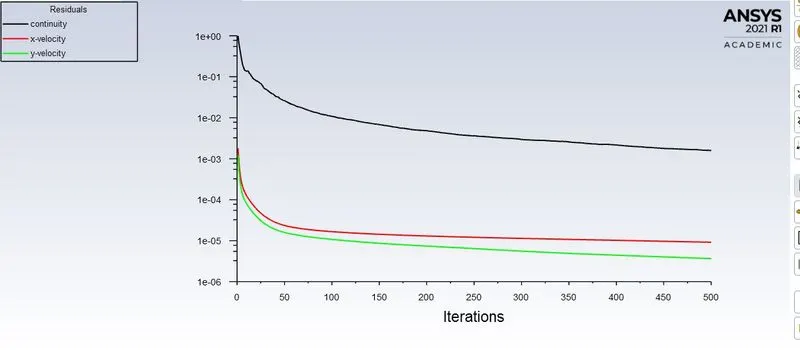
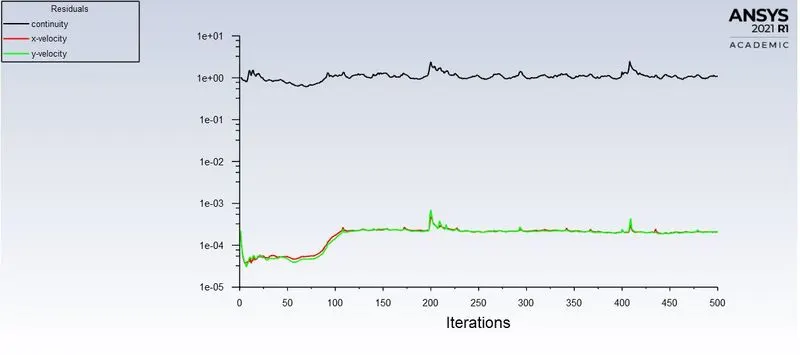
- In both approaches, show that the flow has converged. That is, what quantities or plots need to be looked at to determine that the flow has converged?
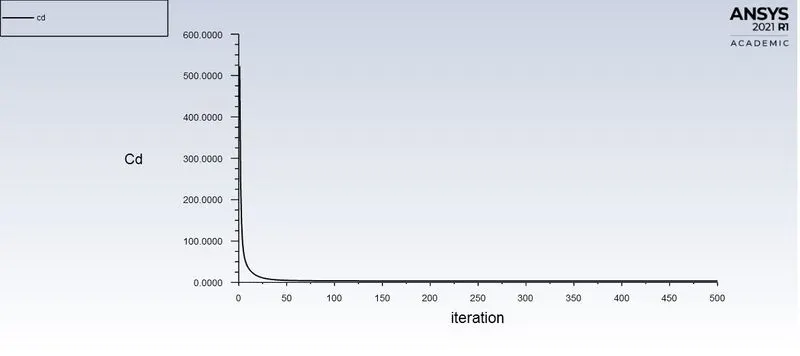
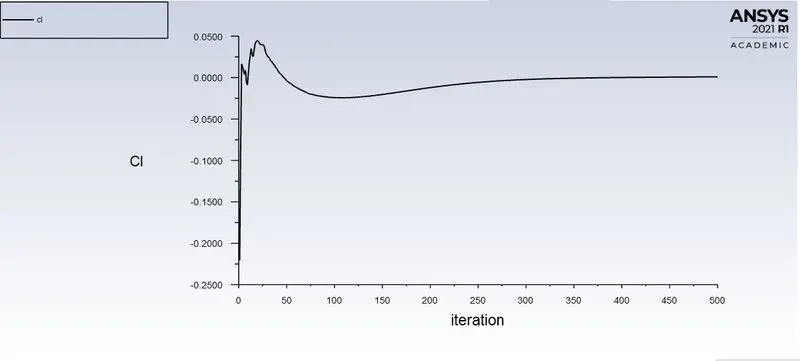
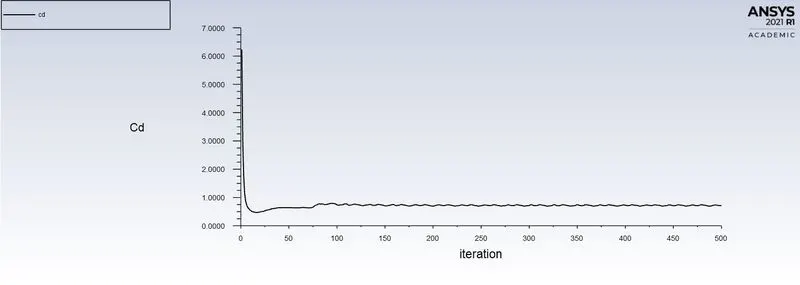
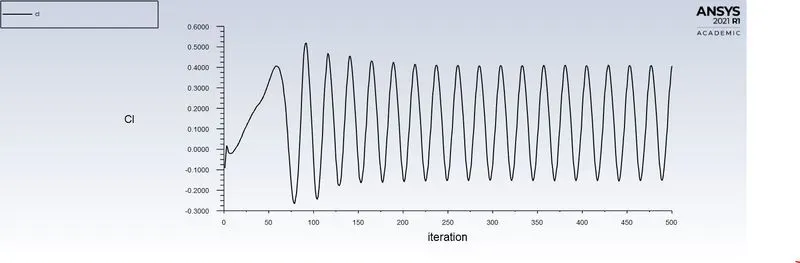
- Plots of the coefficient of drag and lift.
- Plots to show vortex shedding behind the cylinder.
- Mention the referred material at the end of the challenge submission page.
------------------------------------------------------------------------------------------------------------------------------------------------------------------------------------------------------------------
WHAT IS VORTEX SHEDDING?
Vortex shedding is an oscillating flow that takes place when a fluid such as air or water flows past a bluff (as opposed to streamlined) body at certain velocities, depending on the size and shape of the body. In this flow, vortices are created at the back of the body and detach periodically from either side of the body forming a Von Kármán vortex street. The fluid flow past the object creates alternating low-pressure vortices on the downstream side of the object.
WHAT IS Kármán vortex street?
Kármán vortex street (or a von Kármán vortex street) is a repeating pattern of swirling vortices, caused by a process known as vortex shedding, which is responsible for the unsteady separation of flow of a fluid around blunt bodies.
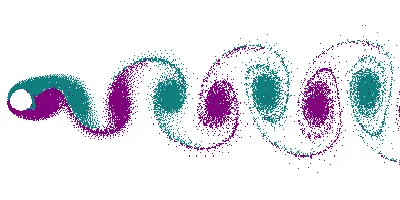
SETTING UP THE CASE:
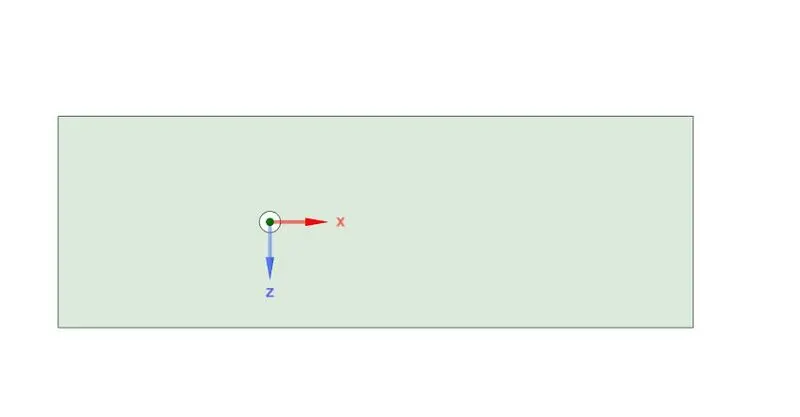
The geometry is initially drawn in Space Claim using the following guidlines.
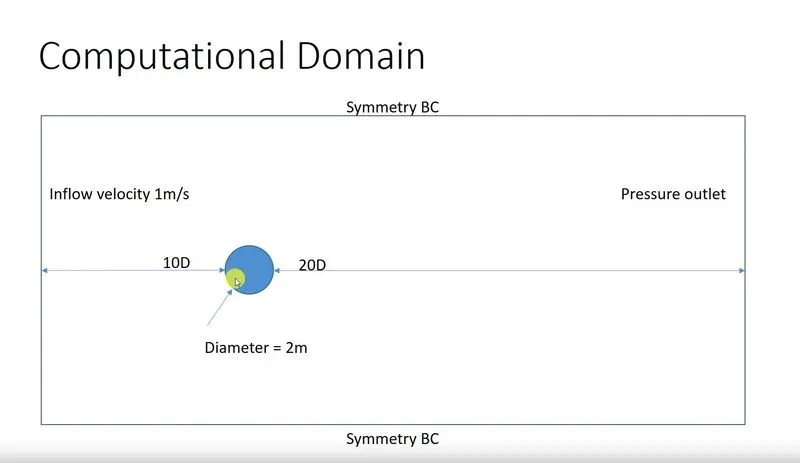
Geometry on Space Claim
MESH DETAILS:
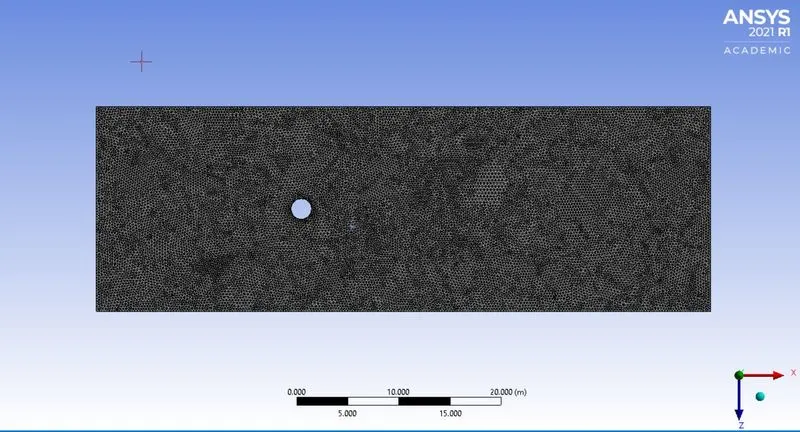
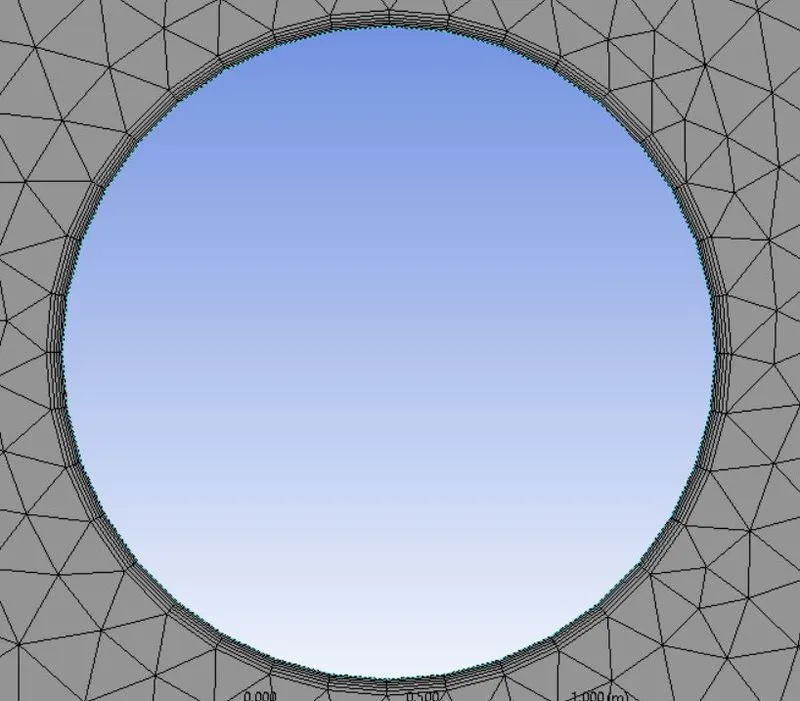
- The mesh size is set to 0.25m to ensure that the mesh is fine enough to capture the karman vortex phenomenon.
- Also to ensure that the mesh is trianagular, we opt for the triangular mesh option.
- Also the sizing method was used to ensure the cylinder is circular as prior to applying this method, the cylinder seemed to have edges which certainly could influence the physics.
- The inflation method was also implemented to ensure that the physics of the flow over the cylinder could be studied much clearly.
MESH
LAYERS
- Here, 6 layers with a base size of 5E-3 and with a growth rate of 1.2.
Basic Setup on Fluent:
- Once the previous steps have been implemented,the fluent module is opened.
- Most of the required information such as values of density, velocity etc. are inputed in this module.
- The laminar model was selected.
- Initially we setup the reference values as dipicted below:
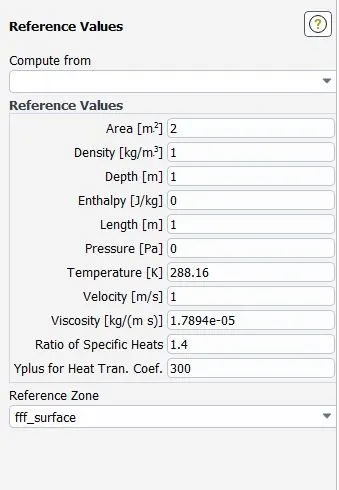
- In order to study the von Karrman effect, we are using a fluid with properties similar to air. However, in this case we are implementing a hypothetical fluid in order to understand this phenomenon.
- This is done by navigating to material -> fluent database -> Select air -> rename as user defiend -> edit the viscosity -> save.
- This being done, we can proceed to setting up the boundary condition.
- Most of the boundary conditions are setup in the meshing module when the names of the edges or planes are provided. The only thing to be done is to provide numerical values such as velocity, temperature etc. In this case the velocity was provided.
- Once the above is done, the program is ready to be simulated.
PART - I
Before advancing into the simulation it is important to know what is Reynolds Number and about it's significance.
The Reynolds number (Re) helps predict flow patterns in different fluid flow situations. At low Reynolds numbers, flows tend to be dominated by laminar (sheet-like) flow, while at high Reynolds numbers flows tend to be turbulent. The turbulence results from differences in the fluid's speed and direction, which may sometimes intersect or even move counter to the overall direction of the flow (eddy currents). These eddy currents begin to churn the flow, using up energy in the process, which for liquids increases the chances of cavitation. Reynolds numbers are an important dimensionless quantity in fluid mechanics.
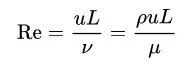
ρ is the density of the fluid (SI units: kg/m3)
u is the flow speed (m/s)
L is a characteristic linear dimension (m) (see the below sections of this article for examples)
μ is the dynamic viscosity of the fluid (Pa·s or N·s/m2 or kg/(m·s))
ν is the kinematic viscosity of the fluid (m2/s).
We are been given a Renolds number of 100. The other terms are kept constant apart from the velocity.
`rho`=1 kg/`m^3`
L=2 m
`mu`=0.02 `kg`/`m.s`
v= 1`m/s`
CASES FOR REYNOLD NUMBER 100:
STEADY STATE:
Initially the method by which this case is solved must be checked and must be ensured that the SIMPLE method is used. This is shown below:
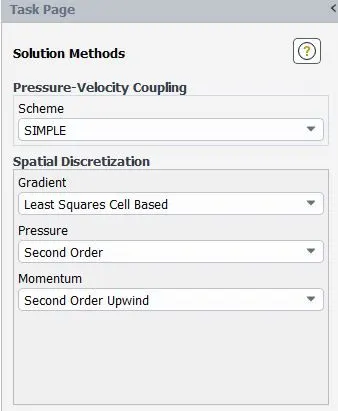
Also we must ensure that the time is set as steady:
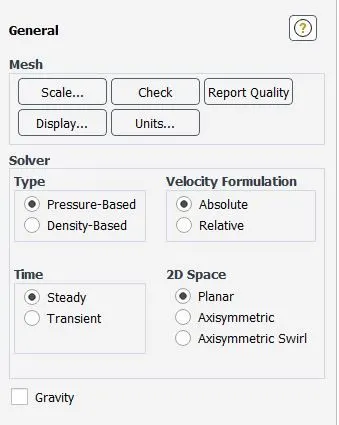
In order to initialize the solution, we implement the hybrid initialization method.
PLOTS:
RESIDUALS PLOT:
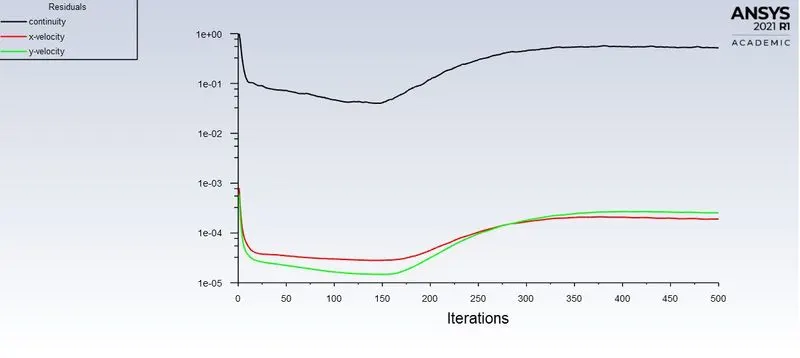
COEFFICIENT OF DRAG PLOT:
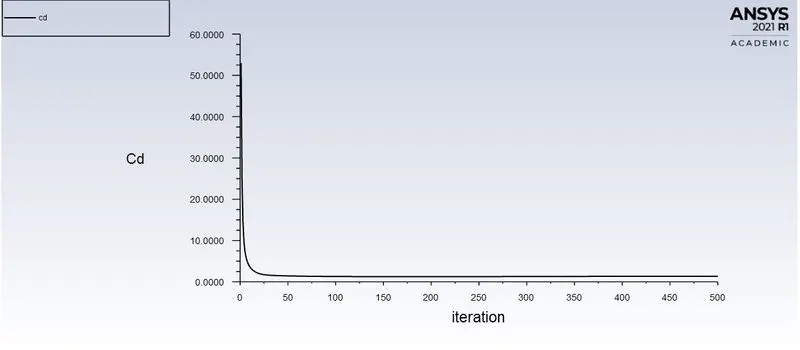
COEFFICIENT OF LIFT PLOT:
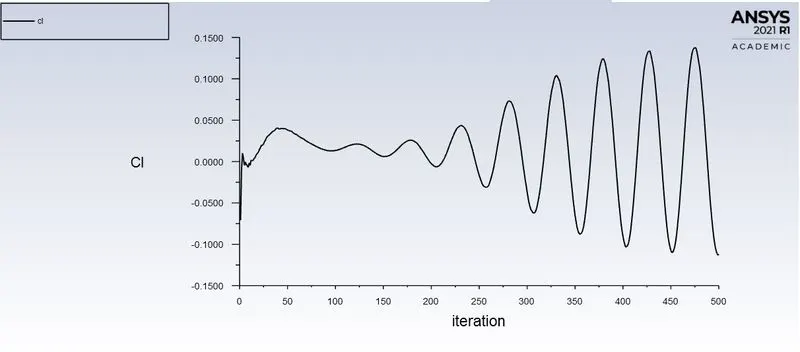
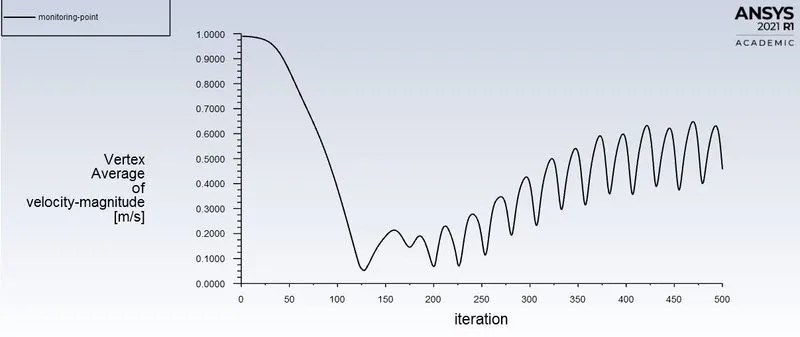
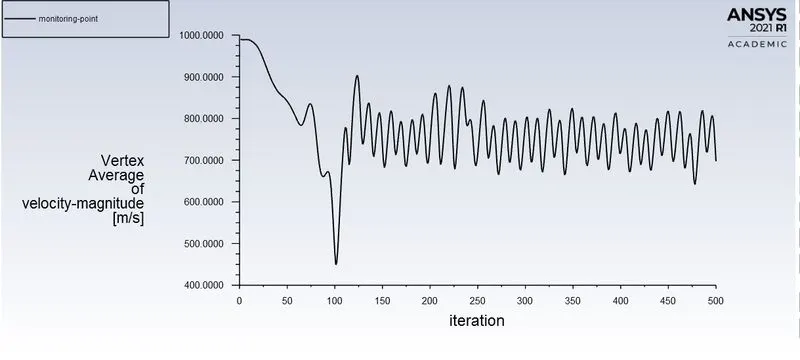
VERTEX MONITORING POINT PLOT:
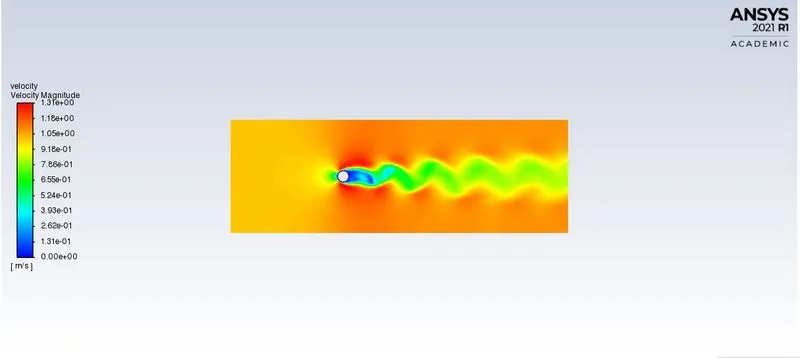
VELOCITY CONTOUR:
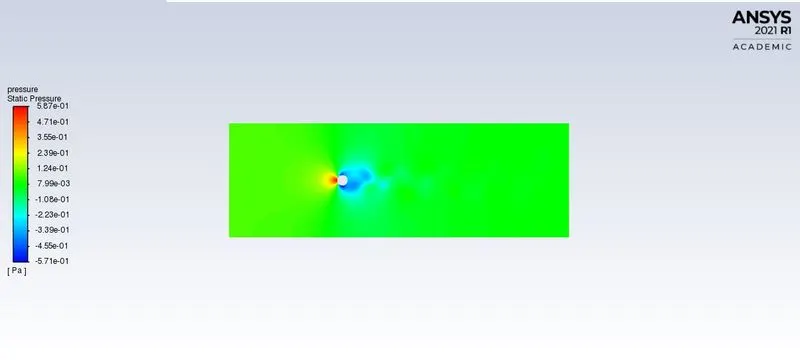
PRESSURE CONTOUR:
UNSTEADY STATE:
Initially the method by which this case is solved must be checked and must be ensured that the SIMPLE method is used. This is shown below:
Also we must ensure that the time is set as transient:
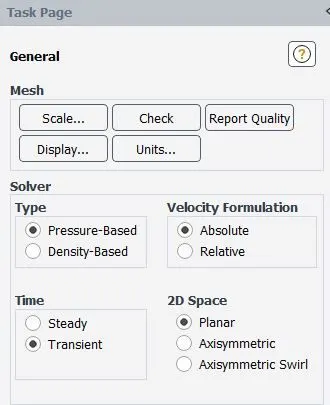
In order to initialize the solution, we implement the standard hybrid initialization method.
PLOTS:
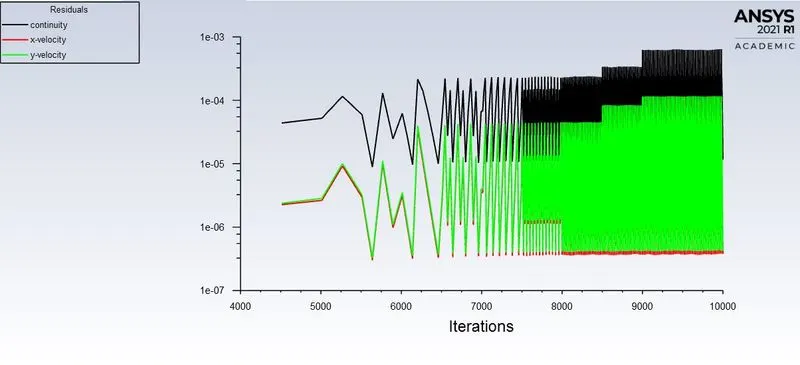
RESIDUALS PLOT:
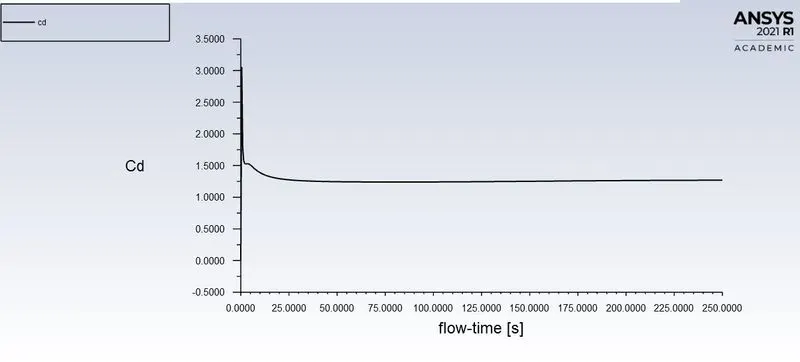
COEFFICIENT OF DRAG PLOT:
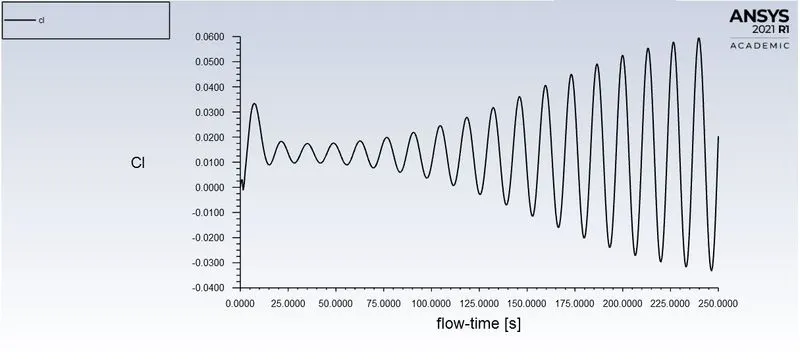
COEFFICIENT OF LIFT PLOT:
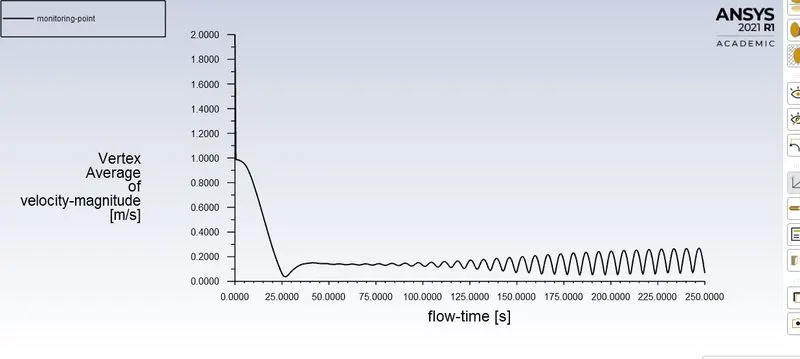
VERTEX MONITORING POINT PLOT:
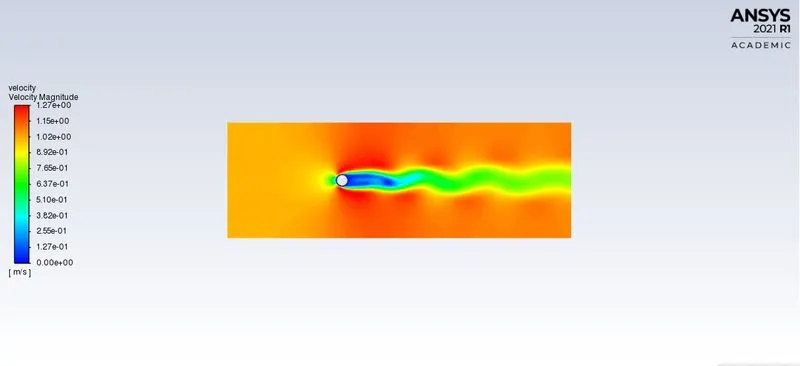
VELOCITY CONTOUR:
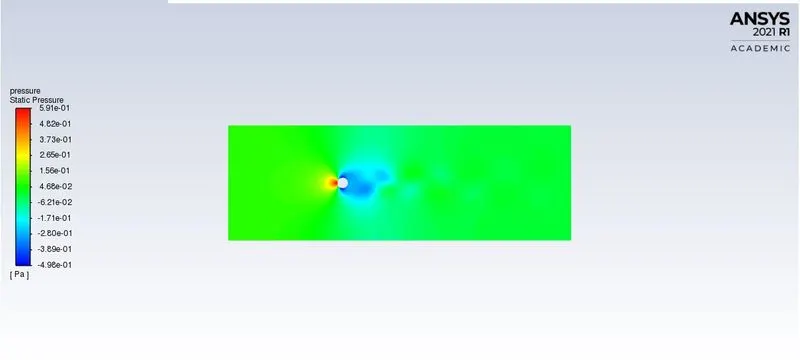
PRESSURE CONTOUR:
STROUHAL NUMBER:
This quantity is a dimensionless and represents oscillating flows. Usually oscillating flows are found in transient methods. Thus this number can be found out only for transient simulations.In order to find out th
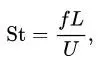
where f is the frequency of vortex shedding, L is the characteristic length (for example, hydraulic diameter or the airfoil thickness) and U is the flow velocity. In certain cases, like heaving (plunging) flight, this characteristic length is the amplitude of oscillation.
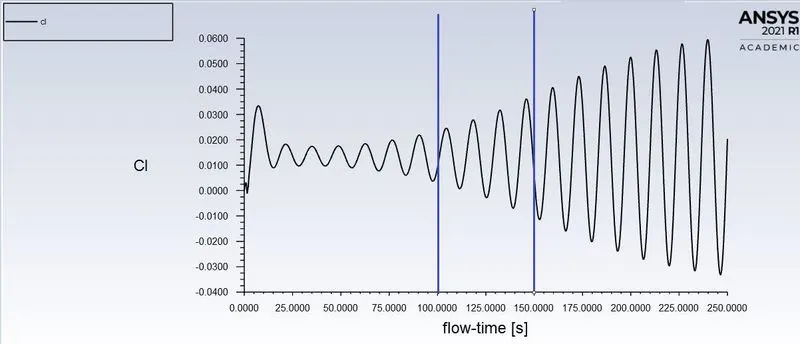
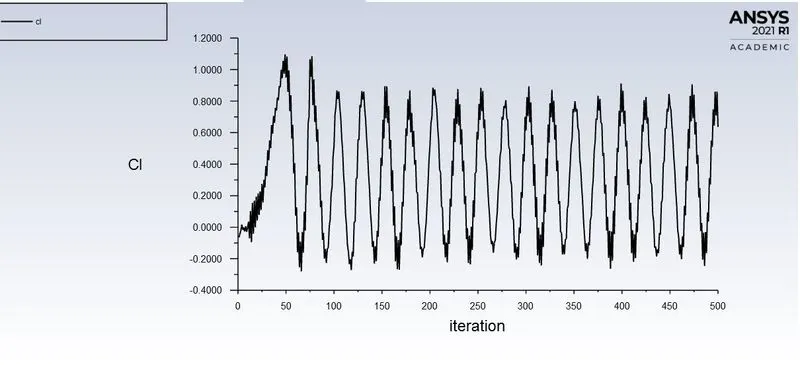
Frequency, f= `no of cycles`/`time(s)`= 4/(150-100) =0.08 hz
Strouhal Number = (0.08 . 2)/1 = 0.16
PART 2:
REYNOLDS NUMBER 10, VELOCITY 0.1 M/S:
PLOTS:
RESIDUALS PLOT:
COEFFICIENT OF DRAG PLOT:
COEFFICIENT OF LIFT PLOT:
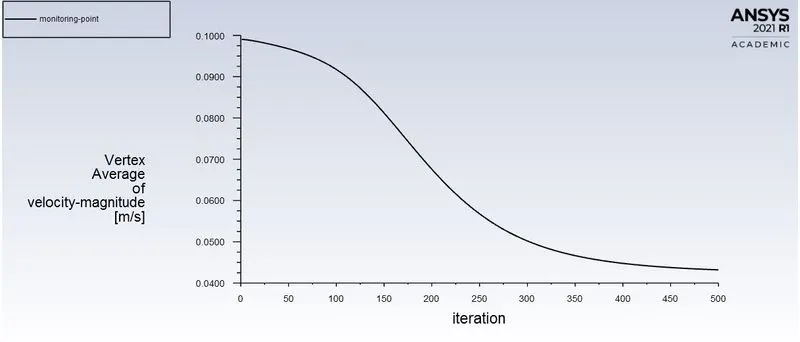
VERTEX MONITORING POINT PLOT:
VELOCITY CONTOUR:
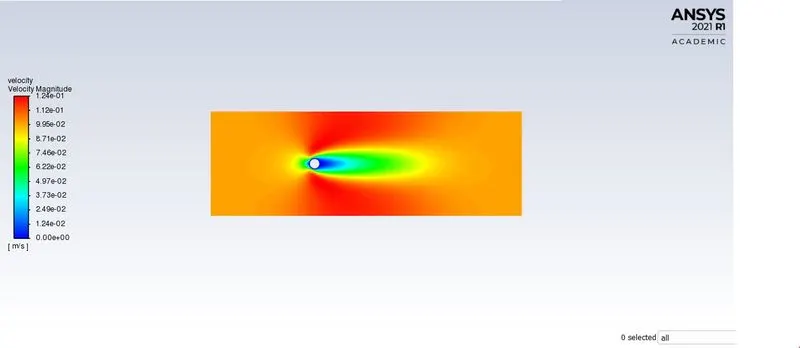
PRESSURE CONTOUR:
REYNOLDS NUMBER 100, VELOCITY 1 M/S:
RESIDUALS PLOT:
COEFFICIENT OF DRAG PLOT:
COEFFICIENT OF LIFT PLOT:
VERTEX MONITORING POINT PLOT:
VELOCITY CONTOUR:
PRESSURE CONTOUR:
REYNOLDS NUMBER 1000, VELOCITY 10 M/S:
RESIDUALS PLOT:
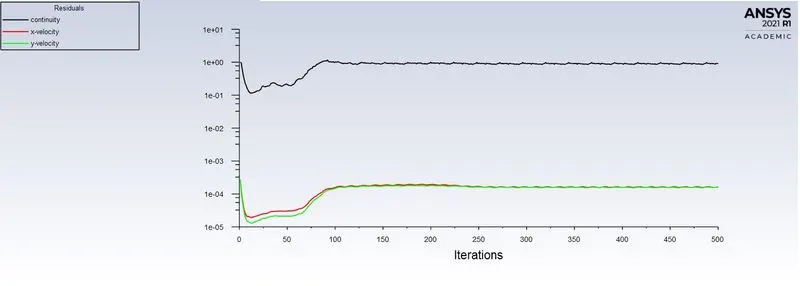
COEFFICIENT OF DRAG PLOT:
COEFFICIENT OF LIFT PLOT:
VERTEX MONITORING POINT PLOT:
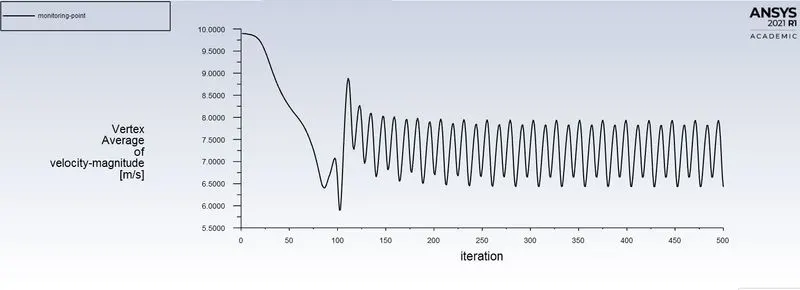
VELOCITY CONTOUR:
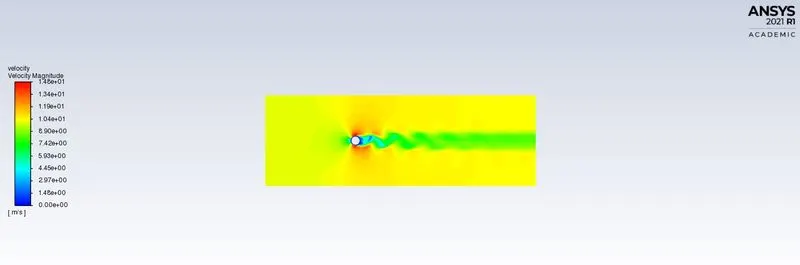
PRESSURE CONTOUR:
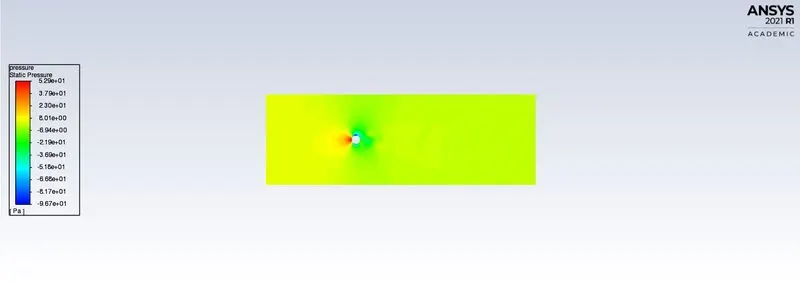
REYNOLDS NUMBER 10000, VELOCITY 100 M/S:
RESIDUALS PLOT:
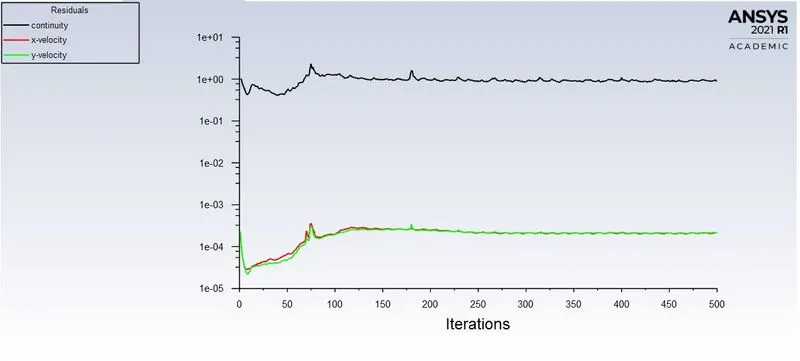
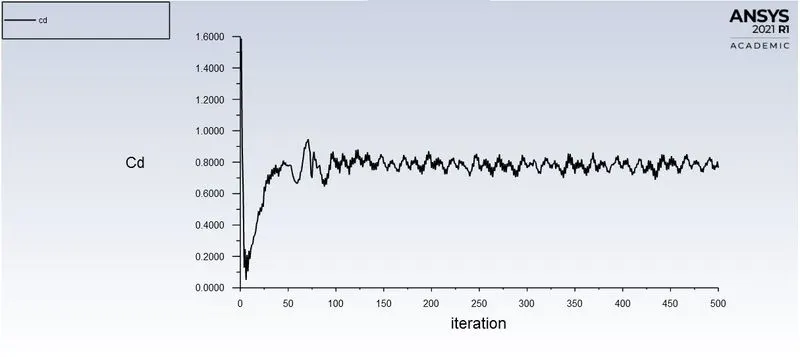
COEFFICIENT OF DRAG PLOT:
COEFFICIENT OF LIFT PLOT:
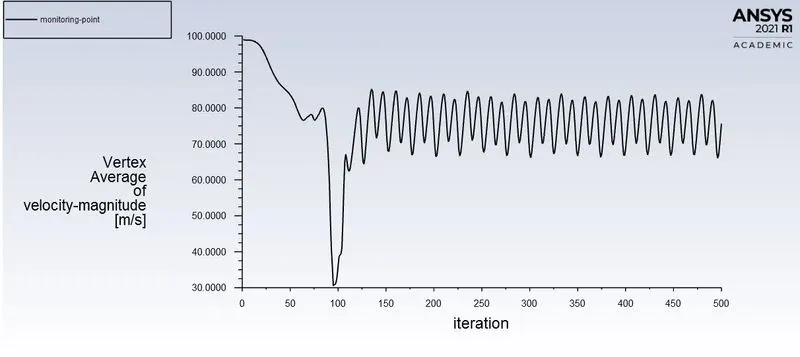
VERTEX MONITORING POINT PLOT:
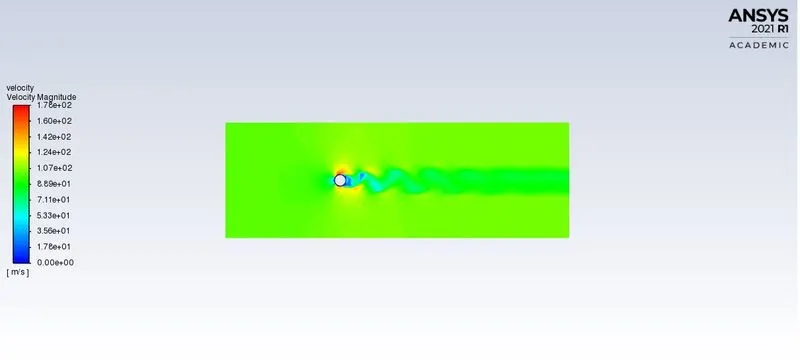
VELOCITY CONTOUR:
PRESSURE CONTOUR:
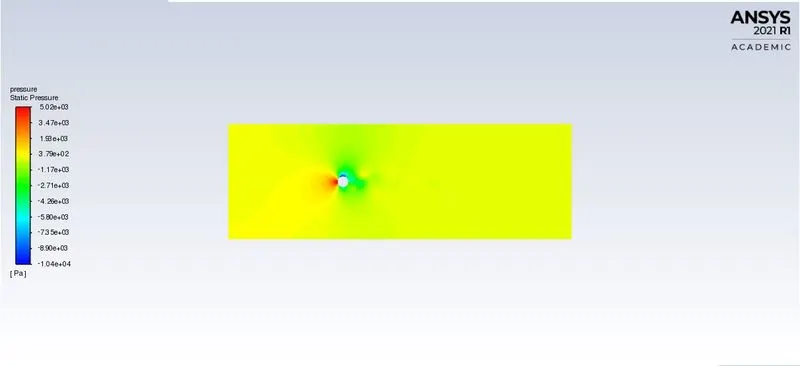
REYNOLDS NUMBER 100000, VELOCITY 1000 M/S:
RESIDUALS PLOT:
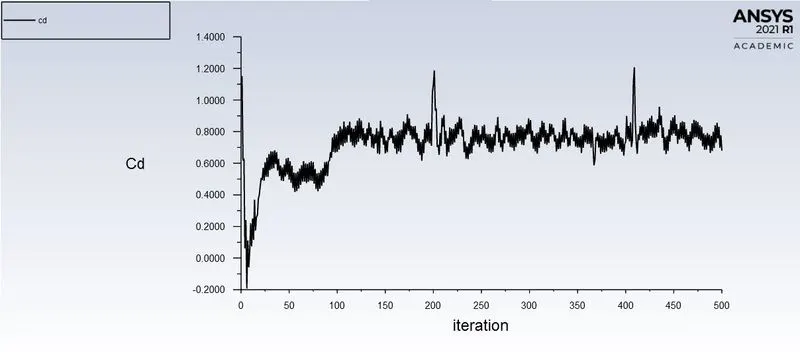
COEFFICIENT OF DRAG PLOT:
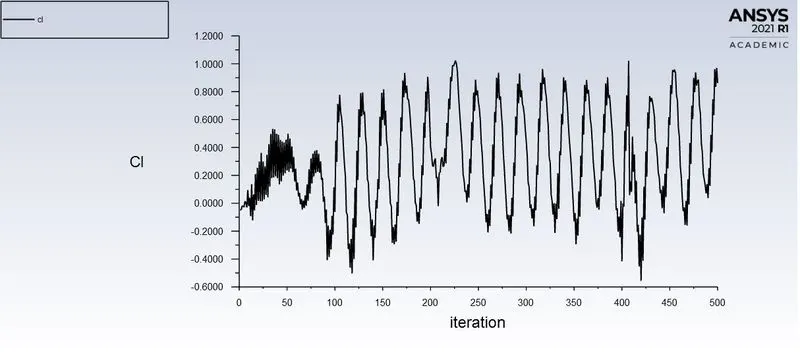
COEFFICIENT OF LIFT PLOT:
VERTEX MONITORING POINT PLOT:
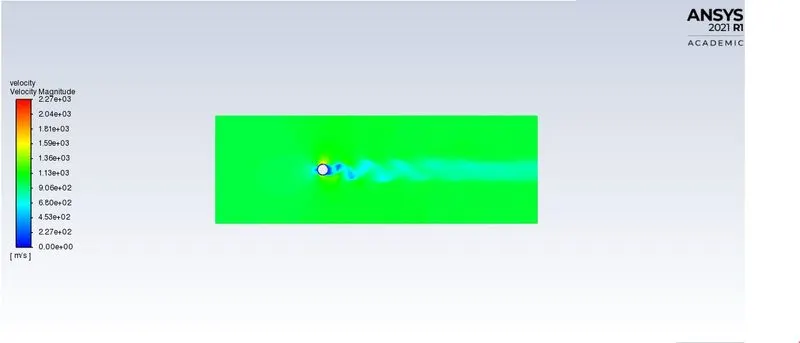
VELOCITY CONTOUR:
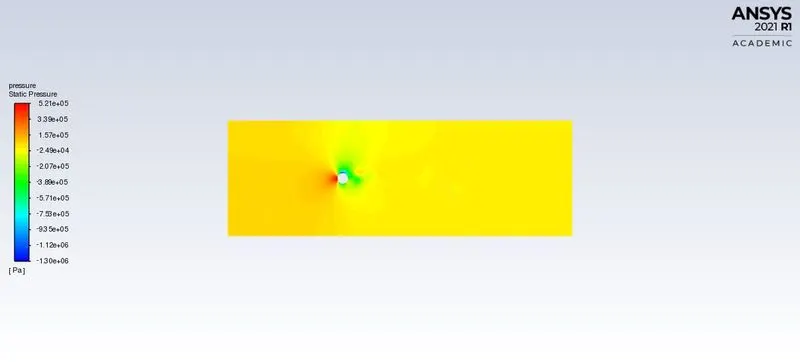
PRESSURE CONTOUR:
INFERENCE:
- The von Karmann effect was observed in all the reynolds numbers except at RE 10.
- We can also observe that the coefficient of drag is higher in RE 10.
- The von karmann effect seems much more significant in higher RE's. Also it seems to be much better in transient simulation as this type of simulation is time dependant.
- The Strauhal number was validated:

- The strauhal number was found to 0.16. From the above value of SR for RE 100, we can easily determine the fact that the error is much less than 5%. Also the coefficient of drag has a very less error.
- % error= (1.3353-1.3301)/1.3353 =0.0052/1.3353= 0.386%
REFERENCES:
https://www.sciencedirect.com/science/article/pii/S0307904X08000243