Week 2 Challenge
| Design of RCC Retaining wall | |||||||||||||||||||||||||||
| Name of Project/ Work | = | Design of RCC Retaining wall | |||||||||||||||||||||||||
| Name of Client | = | Skill-Lync | |||||||||||||||||||||||||
| Name of authourity Engineer | = | Skill-Lync | |||||||||||||||||||||||||
| Designer Name | = | Md Nizamuddin | |||||||||||||||||||||||||
| Check by | = | Skill-Lync Professor | |||||||||||||||||||||||||
| Approved By | = | Skill-Lync Professor | |||||||||||||||||||||||||
| Introduction:- | |||||||||||||||||||||||||||
|
|||||||||||||||||||||||||||
| Design Data:- | |||||||||||||||||||||||||||
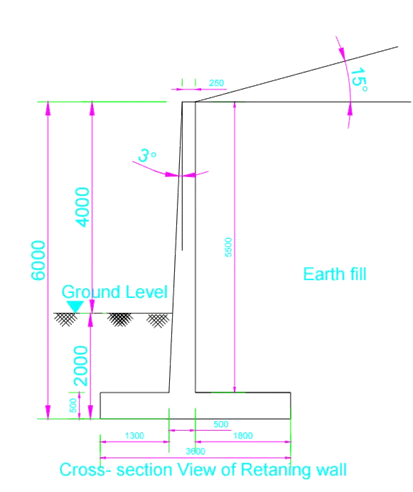
| Height above GL | = | 4.0 | m | ||||||||||||||||||||||||
| Height Below GL | = | 2.0 | m | ||||||||||||||||||||||||
| Overwall Height | = | 6.0 | m | ||||||||||||||||||||||||
| Soil Bearing Capacity | = | 200.0 | Kn/m2 | ||||||||||||||||||||||||
|
= | 0.30 | m | ||||||||||||||||||||||||
| Co-efficient of Friction | = | 0.50 | |||||||||||||||||||||||||
| Soil Density | = | 18.00 | Kn/m3 | ||||||||||||||||||||||||
| Solution:- | |||||||||||||||||||||||||||
| Overwall Height H | = | 6.00 | m | ||||||||||||||||||||||||
| Base width of wall( .5 H to .7 H) | = | 3.00 | m | ||||||||||||||||||||||||
| = | 4.20 | m | |||||||||||||||||||||||||
| We can adopt base of width B | = | 3.60 | m | ||||||||||||||||||||||||
| and Width of Heel(.5xB) | = | 1.80 | m | ||||||||||||||||||||||||
| Thickness of the base slab ( H/12 to H/15 ) | = | 0.50 | m | ||||||||||||||||||||||||
| We consider higher value | = | 0.50 | m | ||||||||||||||||||||||||
| Thickness of the Stem ( H/12 ) at bottom H` | = | 0.50 | m | ||||||||||||||||||||||||
| Thickness of the Stem ( H`/2 ) at top | = | 0.25 | m | ||||||||||||||||||||||||
| Height of stem | = | 5.50 | m | ||||||||||||||||||||||||
| Whdith of toe | = | 1.30 | m | ||||||||||||||||||||||||
| These are the initial calculation | |||||||||||||||||||||||||||
Geometry View of the retaining wall:
| Calculate the forces and Moment on the Wall:- | |||||||||
| Taking moment about point A | |||||||||
| Sl.No | Sybmol | Particulars | Forces (In Kn) | Moment ( in Kn-m) | |||||
| 1 | W1 | Footing or base Slab | 45.00 | 81.00 | |||||
| 2 | W2 | Rectangular portion of the wall | 34.38 | 53.28 | |||||
| 3 | W3 | Triangular Portion | 17.19 | 24.49 | |||||
| 4 | W4 | Soil of Heel | 178.20 | 481.14 | |||||
| Sum | 274.76 | 639.91 | |||||||
| Active Earth pressure Pa | |||||||||
|
|
216.00 | Kn/m2 | |||||||
| Co-efficient of Active Earth Pressure | |||||||||
| Ka= 1-sinᶿ/i+sinᶿ | 0.67 | ||||||||
| Kp=Co-efficient of Passive Earth Pressure | 1.50 | ka=1/Kp | |||||||
| Over turning Moment taking moment about A | 432.00 | Kn-m | |||||||
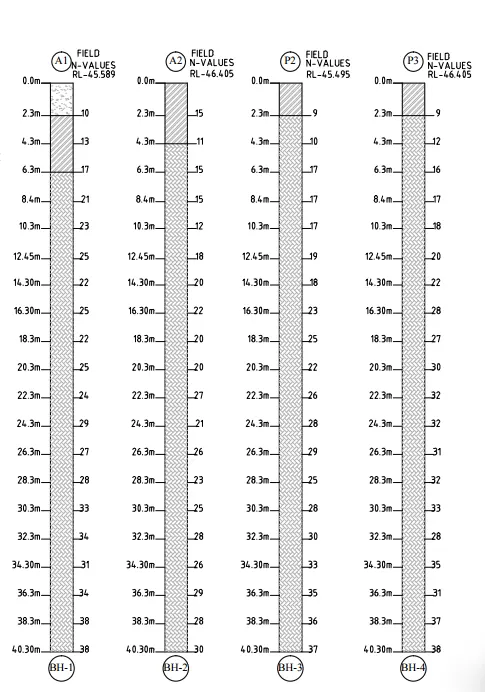
- Location of Borehole:-
We have considered borehole location of the shallow foundation, centre of the foundation and nearest point of the foundation.
- Borehole Depth:-
We have taken minium depth of borehole of the foundation, 1.5 time of breadth of base. like that base 3.6 m , so, depth of borehole =3.6x1.5=5.4 m
- Parameters for design of the foundation:-
We have consider various factors to design of foundation. Thease are listed below----
- Footing Depth and Spacing
- Location consideration for Spread footings
- Displaced Soil Effect
- Net versus Gross Soil Pressure
- Erosion Problems for structures adjacent to flowing water
- Corrosion Protections
- Water Table fluctuation
- Foundation Sand and Silt
- Foundation on Clays and Clayey Silt
- Foundations On Loess And Other Collapsible Soils
- Foundations On Clays and Clayey Silts. Factors To consider in Foundation Design
- 5 types of soil:-
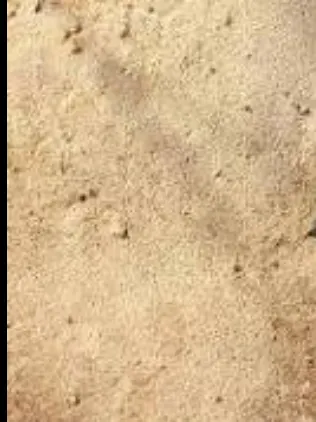
- sand: Sandy soils are those that are generally coarse textured until 50 cm depth and consequently retain few nutrients and have a low water holding capacity. Soil management practices which lead to an increase in the fine fraction are helpful in improving soil properties and crop productivity
Photgrapth of the Soil:-
2.clay: Characteristics. Clay soils feel very sticky and rolls like plasticine when wet. They can hold more total water than most other soil types and, although only about half of this is available to plants, crops seldom suffer from drought.3
Photgrapth of the Soil:-
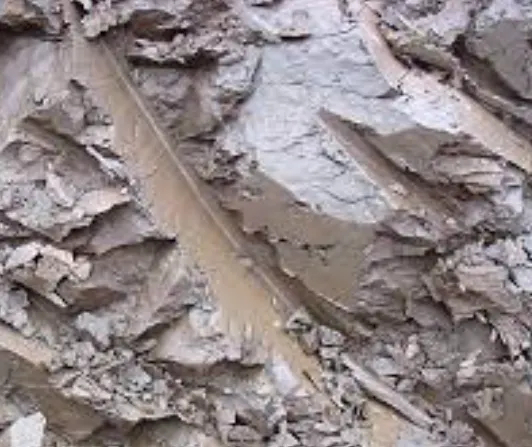
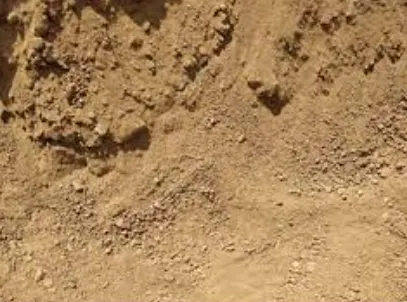
3.silt:-Silty soil is slippery when wet, not grainy or rocky. The soil itself can be called silt if its silt content is greater than 80 percent. When deposits of silt are compressed and the grains are pressed together, rocks such as siltstone form. Silt is created when rock is eroded, or worn away, by water and ice
Photgrapth of the Soil:-
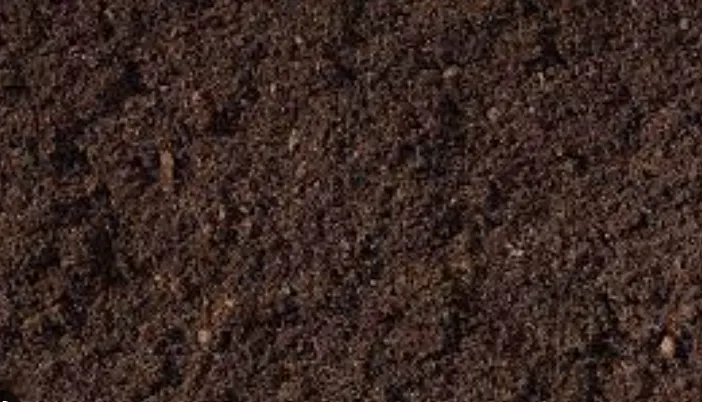
4.peat:-Peat soil is a type of soil made from decomposed organic materials that form over thousands of years. Peat soil has a high percentage of organic matter content from plant materials like decaying sphagnum peat moss. Peat soil accumulates in wetland ecosystems called peatlands or peat bogs
Photgrapth of the Soil:-
5.chalk and loam :- Chalk is a solid, soft rock which breaks down easily. It is very free draining, and chalky soils hold little water and dry out easily. Chalky soils are fertile, but many of the nutrients are not available to plants because of the high alkalinity of the soil, which prevents the absorption of iron by plant roots Photgrapth of the Soil:-
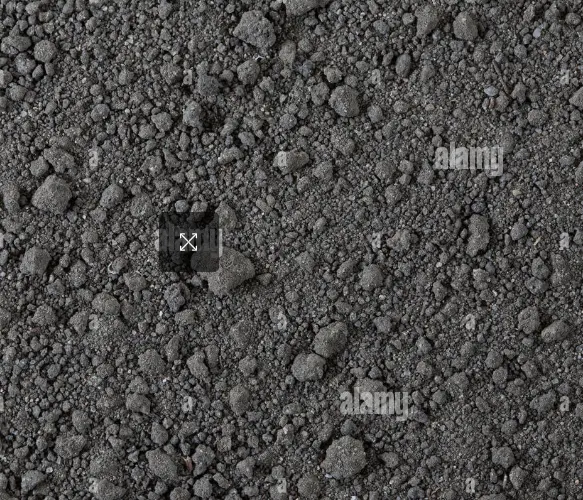
types of soil based on the dominating size of the particles within a soil.
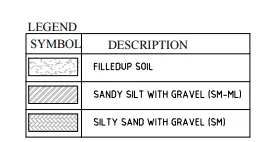
- Typical borehole:-