Week 2 Bevel Gear Challenge
Objective:
To understand the concept of the Grid Dependency test and run the simulation on the bevel gear using three different mesh sizes i.e. 4mm, 5mm, and 6mm, and solving the simulation cases to evaluate Von-Mises stress, Equivalent elastic strain, and Total Deformation on the bevel gear using Ansys Workbench.
Theory on Grid Dependency Test:
Grid Dependency Test is used to find out how the solution depends on the grid size by running the simulation. with refined mesh i.e. finer the mesh, higher is the accuracy of the result but with additional cost on consumption time and consumption power.
As solutions are interpolated at the nodes to get an approximate result, the higher the no. of nodes and elements higher is the computational time and power required to complete the simulation.
With the help of the Grid Dependency Test, we can determine the optimal mesh size, where accurate results are obtained keeping in the mind the cost of time and power. The optimal mesh size obtained is neither too coarse nor fine and further refining the mesh would result in negligible percent change in the result but will increase the computational cost.
Procedure:
Static Structural Analysis on Spur Gear is carried out in Ansys Workbench.
Select Static Structural analysis from the Analysis System drop-down menu.
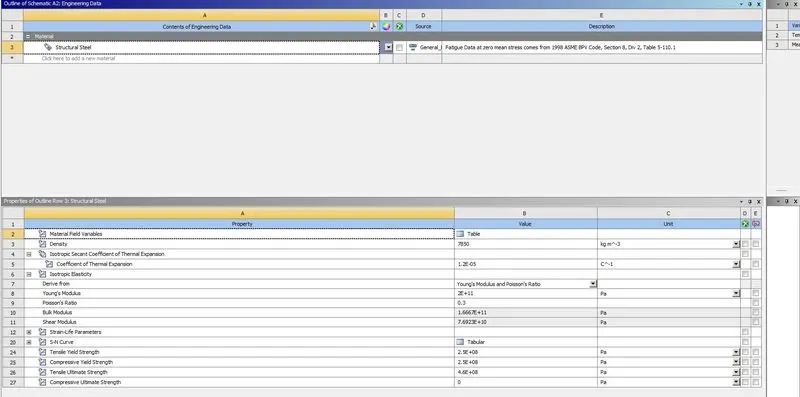
Select the type of material required from the Engineering Data. In this case, Structural Steel is used.
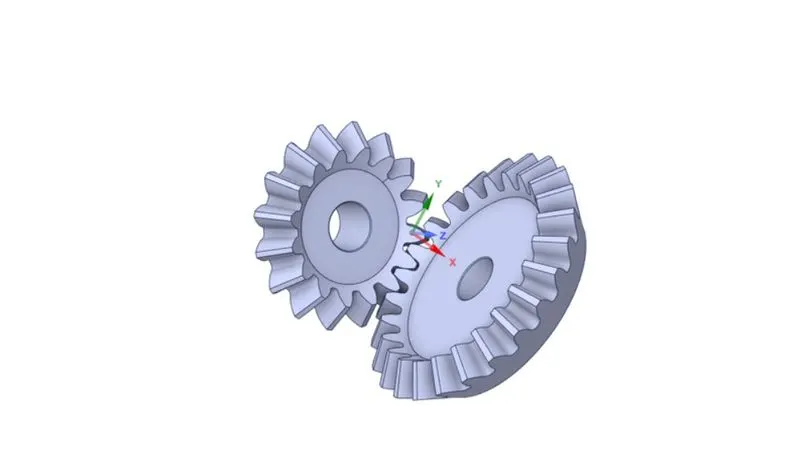
Import The given geometry (Bevel Gear model) and open the given model in spaceclaim.
Before
After
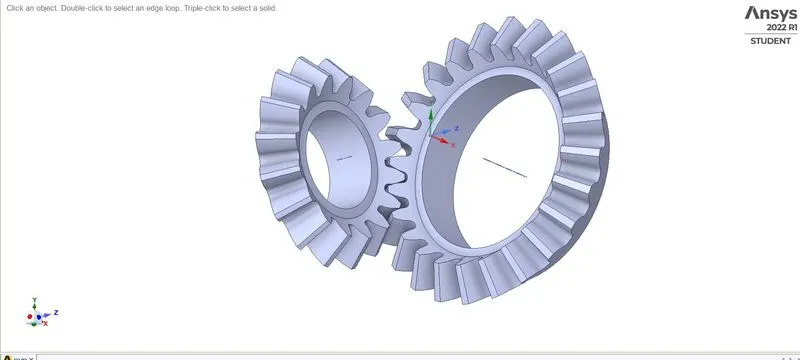
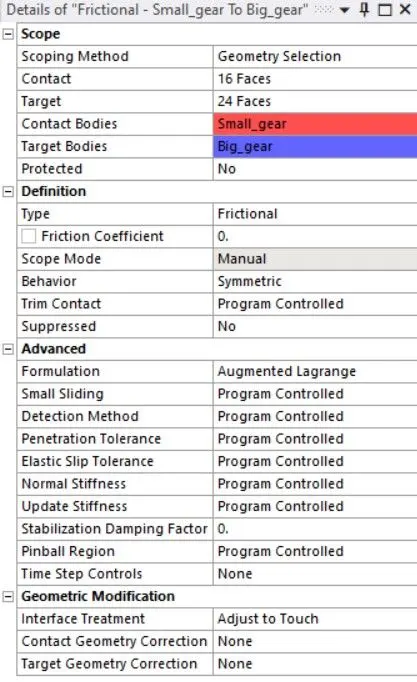
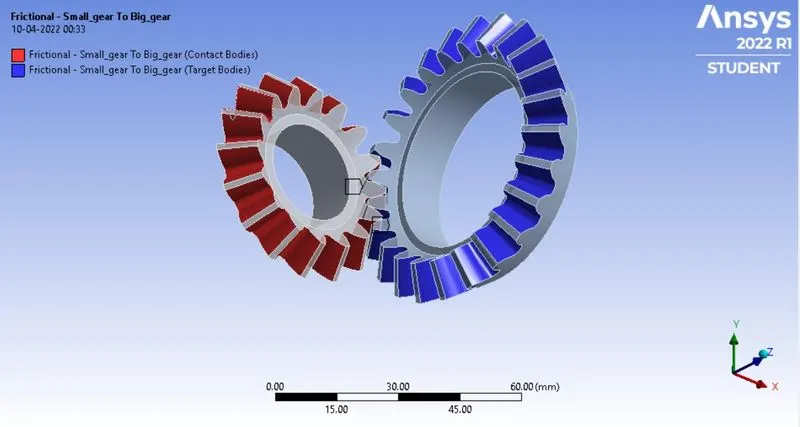
edit the given model and create contact between gears
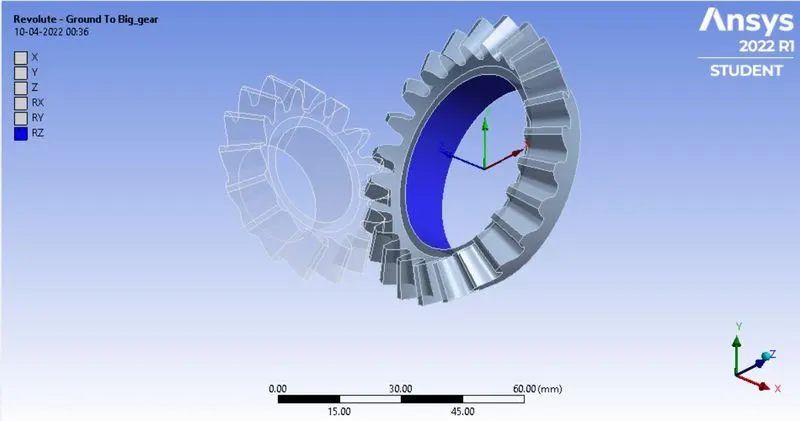
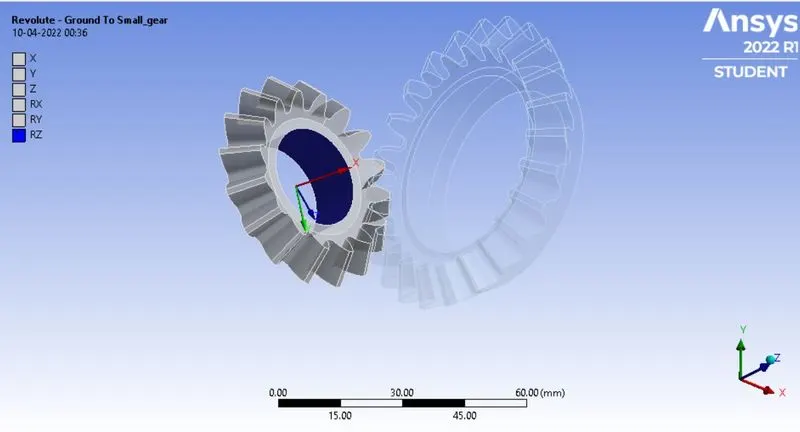
Revolute type joint assigned to both gears having body type connection
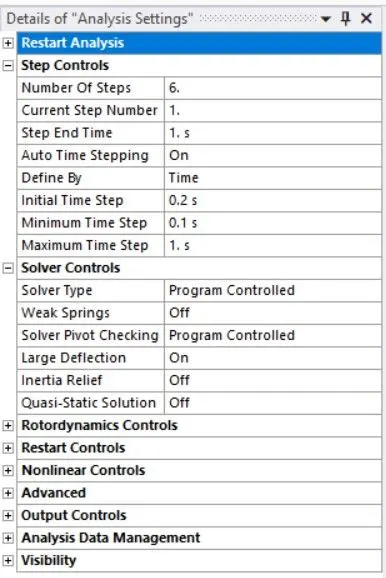
Analysis Setting
After setting up the analysis setting joints load given to the gears
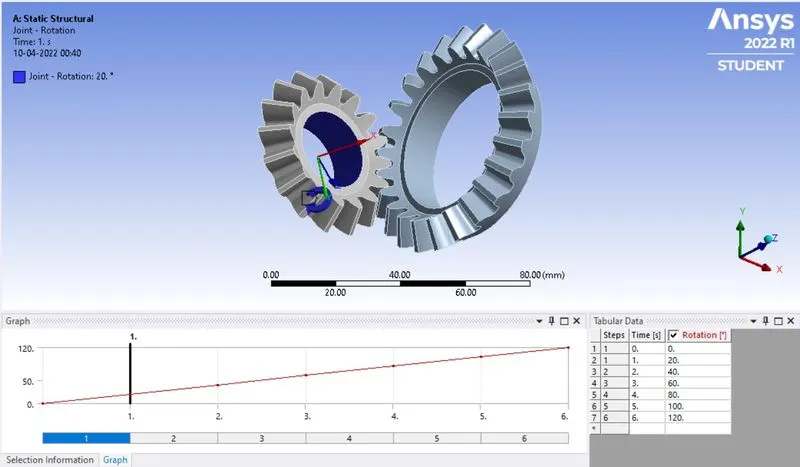
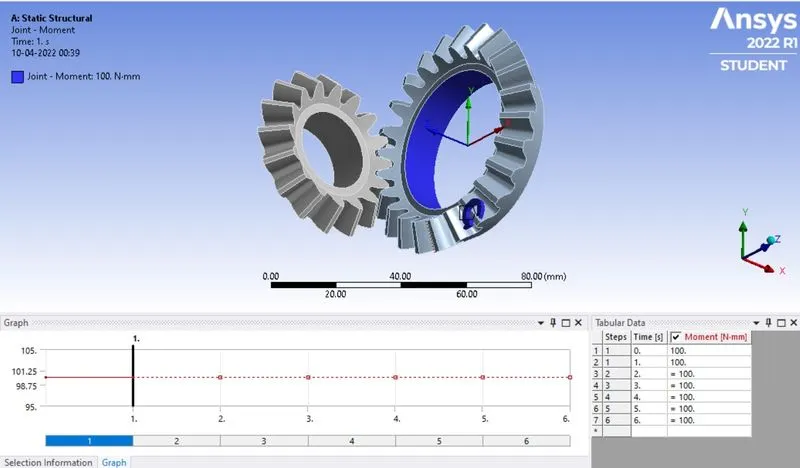
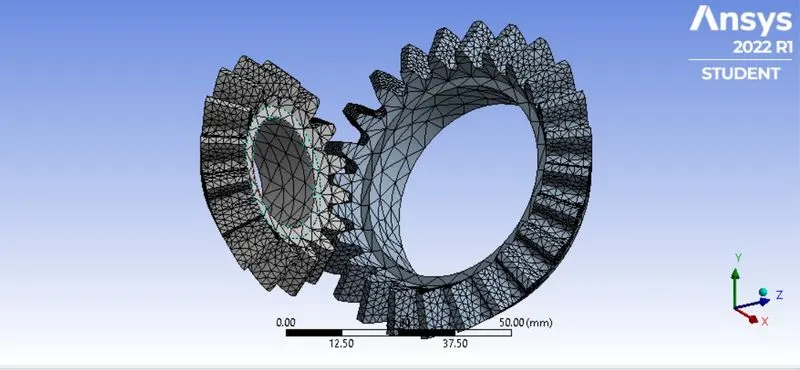
Meshing :
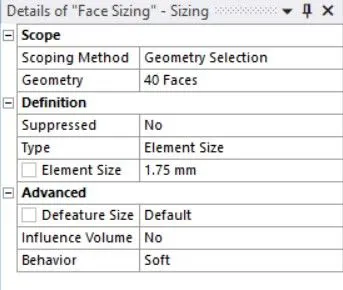
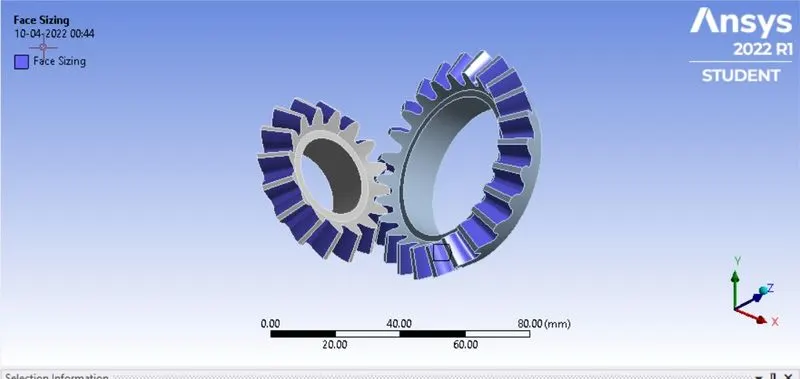
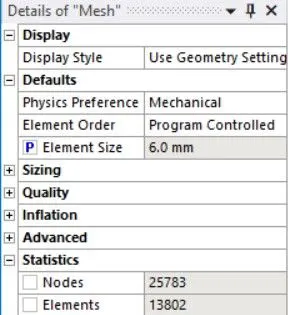
The Mesh is generated using face sizing to much better than previously generated mesh
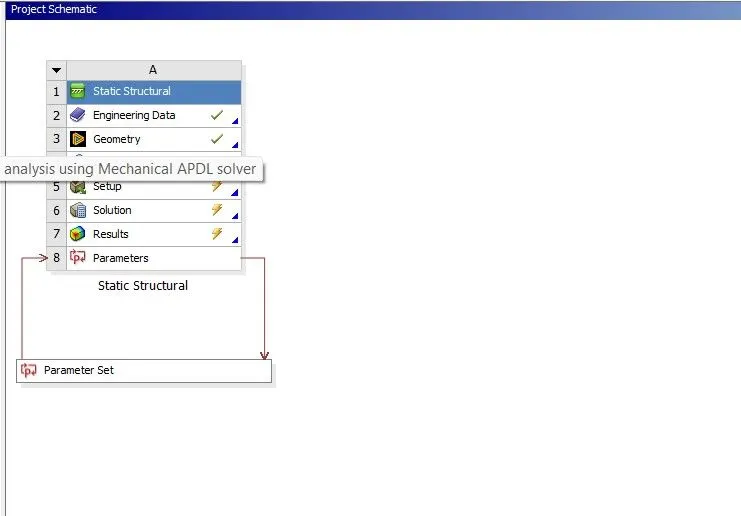
Parameterization :
After creAtion of parameters
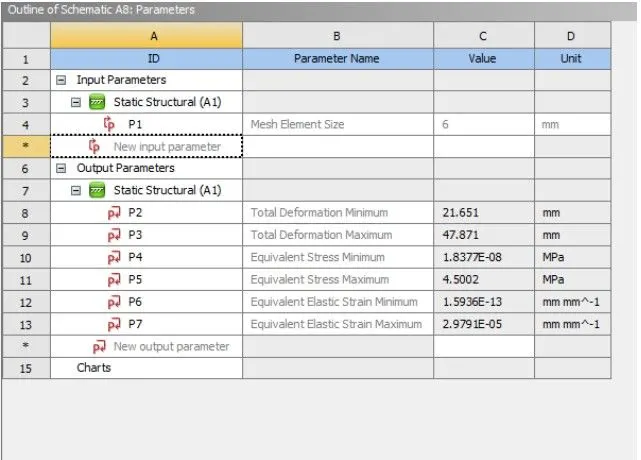
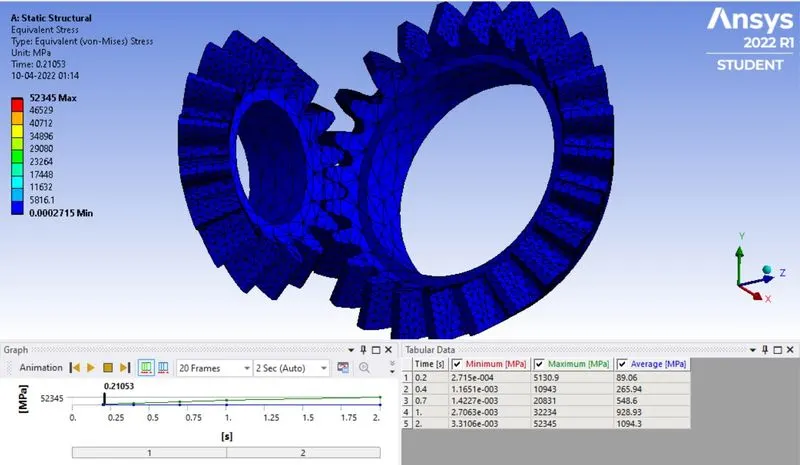
Case 1:
Sress contour
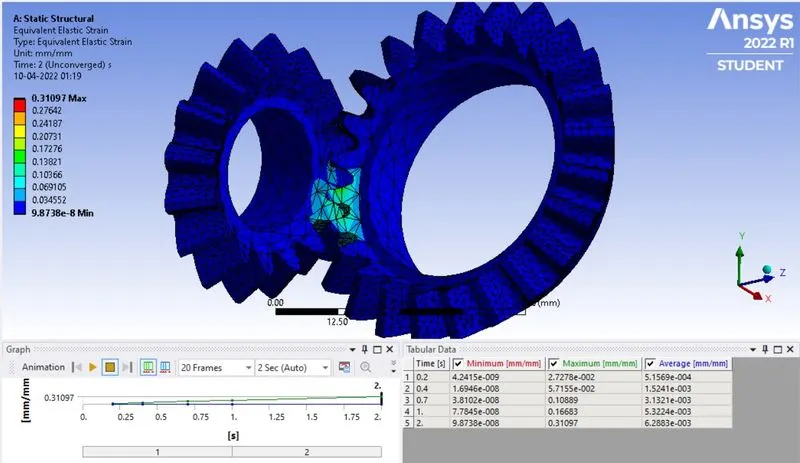
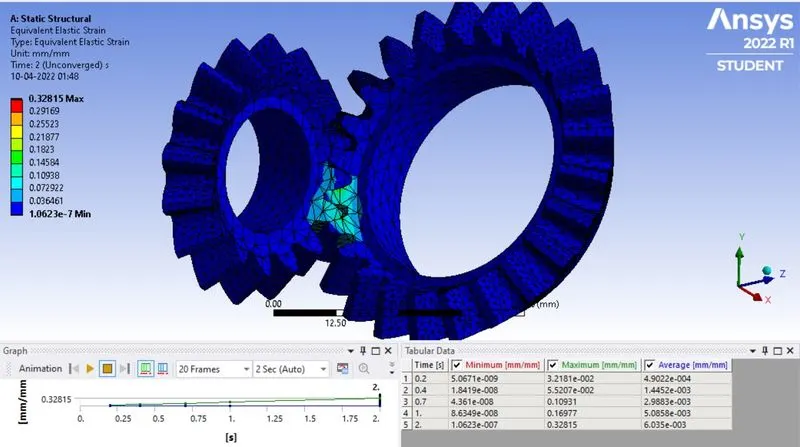
Strain
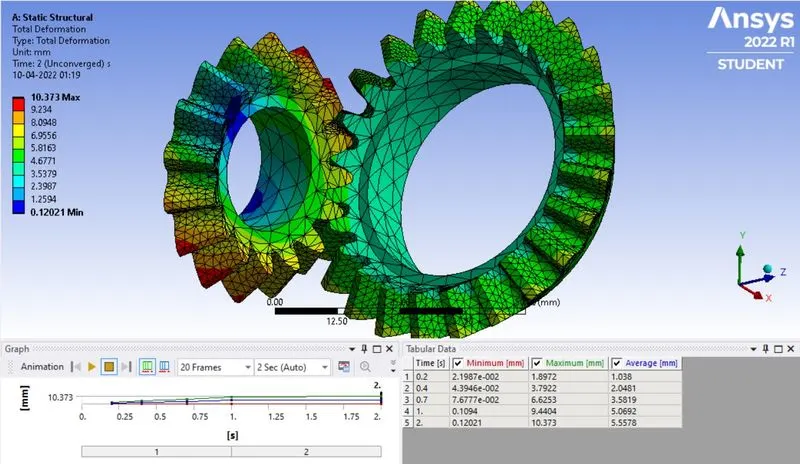
Deformation
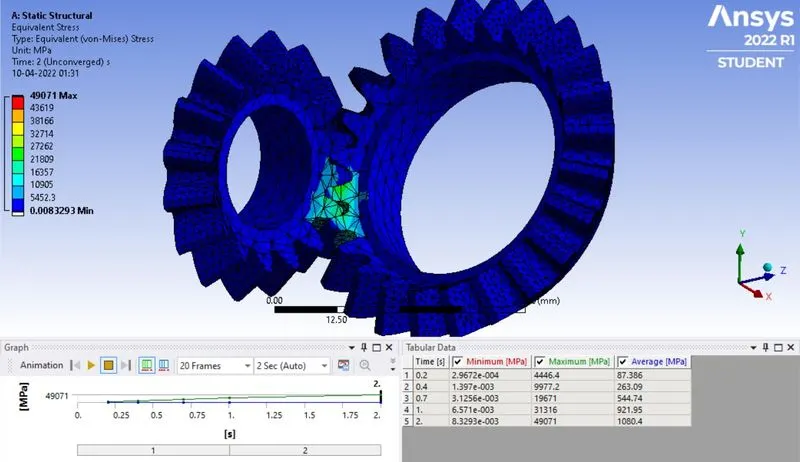
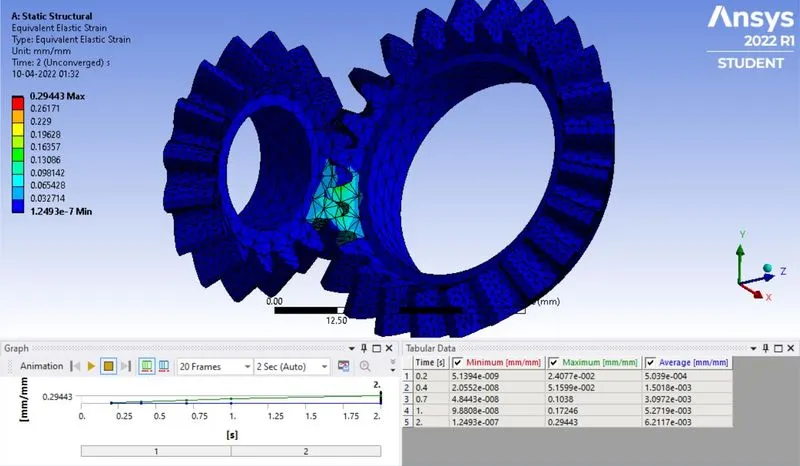
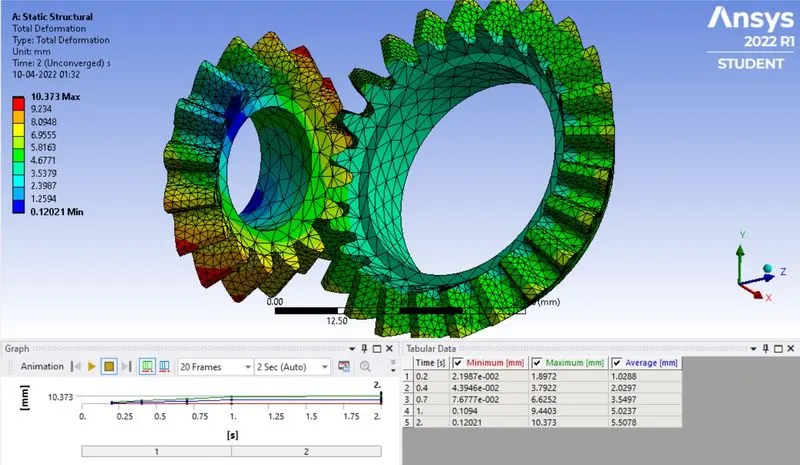
Case 2 : 5mm
stress
strain
Deformation
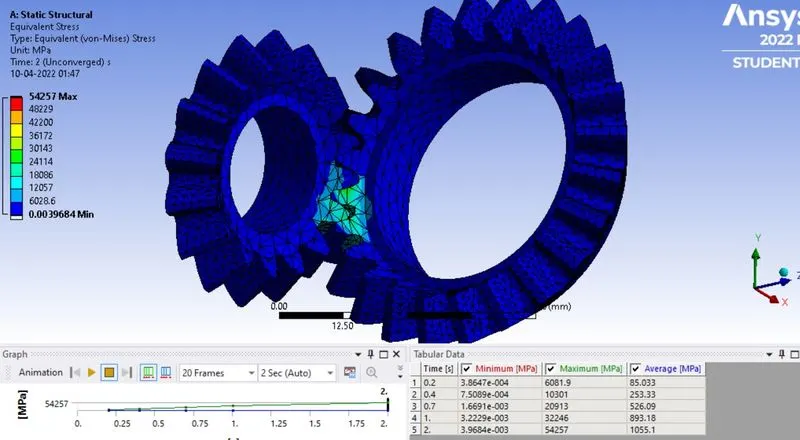
Case 3: 4mm
stress
Strain
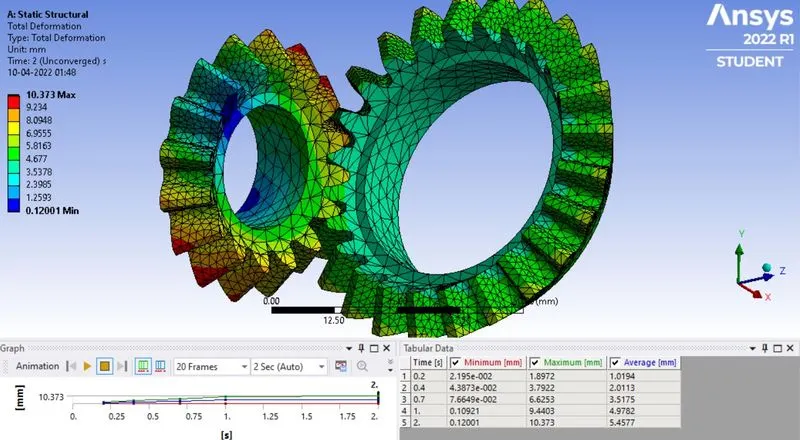
Deformation
Comparison :
Equivalent stress Equivalent strain Total Deformation
min Max min max min max mesh size
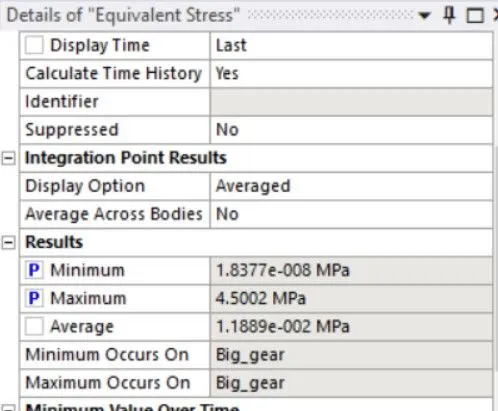
2.175e-4 5130.9 4.2415e-9 5.1569e-0.4 2.1987e-002 1.8972 6mm
2.9672e-4 4446.4 5.1394e-9 2.4077e-2 2.1987e-002 1.0288 5mm
3.8647e-004 6081.9 5.0671e-9 4.9022e-2 2.195e-002 1.8972 4mm
From the above table, we can see that Case 2 and Case_3 are nearly similar and Case_1 values are lower in comparison.
Also, we can see that maximum deformation occurs on Big Gear due to the moment.
Here we can see that the line plot of Case_2 is better than Case_1 and the plot of Case_3 is better than Case_2.
In Case_3 there are more elements and nodes due to finer mesh compared to Case_1 and Case_2. .
So results are better calculated for Case_3 with the higher number of elements.
Conclusion : Grid Dependency test has been performed and From the above table and plot, we can conclude performing a grid dependency test on bevel gear by varying the global size of the mesh we achieve much better accuracy of the result. We can observe that as the mesh is refined from 6mm to 5mm and 5mm to 4mm we achieve better approximate of the result for equivalent elastic strain and equivalent stress, however, performing the simulation with further refining the mesh would result in a very close approximation of the result but with very negligible change in the result with an additional on the computational power and time.