Week -2
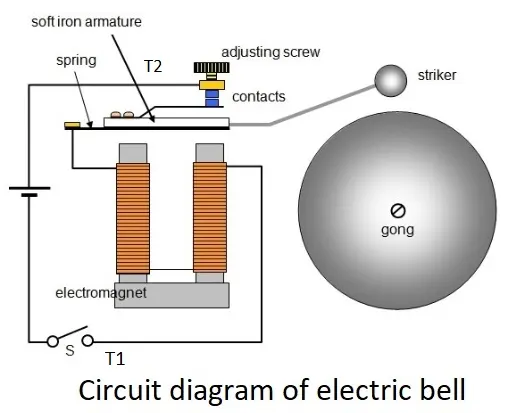
- Make a Simulink model of Doorbell using solenoid block with the following details:
In the above arrangement, when the switch is closed the electromagnet receives electrical power from the battery and pulls the metal arm to hit the bell producing sound.
Create a situation where the switch is closed for 2 seconds and then released. Observe the physical movement of the plunger.
Answer: An electric bell is a mechanical or electronic bell that functions by means of an electomagnet. When an electric current is applied, it produces a repetitive buzzing, clanging or ringing sound. Electromechanical bells have been widely used in telephones, fire and burgeler alarm, as school bells , doorbells, and alarms in industrial plants, since the late 1800s, but they are now being widely replaced with electronic sounders. An electric bell consists of one or more electromagnets, made of a coil of insulated wire around an iron bar, which attract an iron strip armature with a clapper. When an electric current flows through the coils, the electromagnet creates a magnetic field which pulls the armature towards it, causing the hammer to strike the bell.
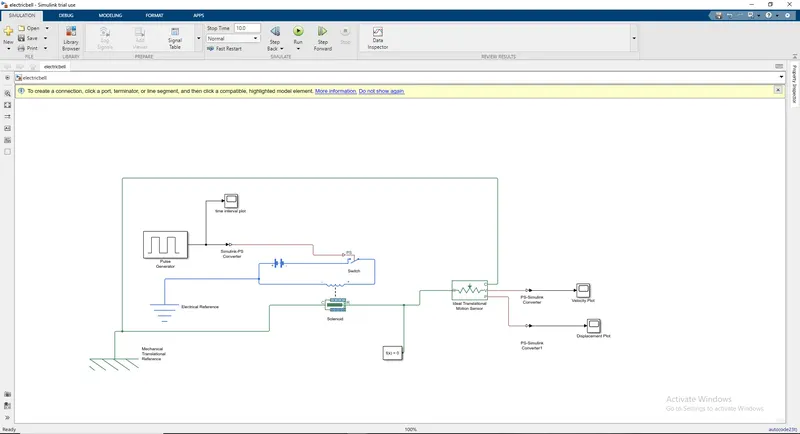
To Create a situation where the switch is closed for 2 seconds and then released.A pulse generator is used to create the conditions required for the bell then the Simulink signal is converted into PS signal which is passed to the switch.the switch is powered by a batter .The battery is also used to magnatise the solenoid.The Ideal Transitional Motion Sensor is used to determine the transtional or displacement happening in the solenoid and again the PS is converted into Simulink signal then the output is determined by velocity scope and displacement scope.
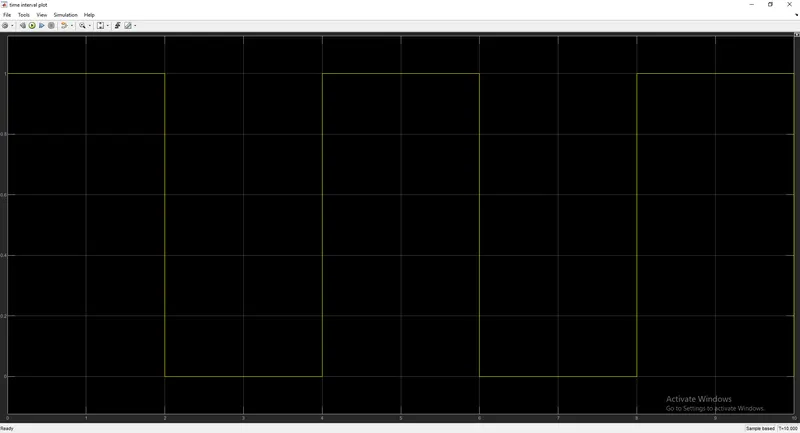
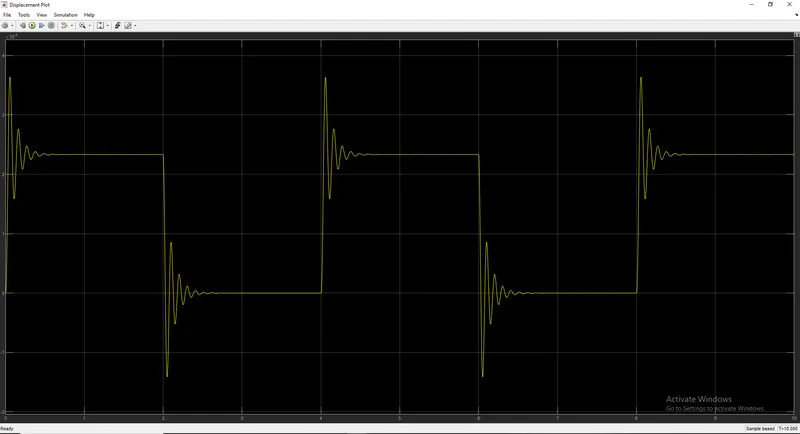
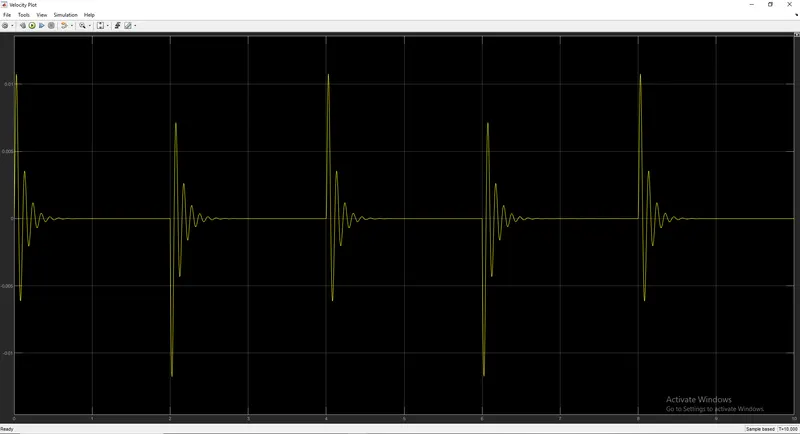
Conclution:Hence the Observed physical movement of the plunger is shown and thus the Simulimk model is verifird.\
2.Use a thermistor to sense the temperature of a heater & turn on or turn off the fan as per below conditions:
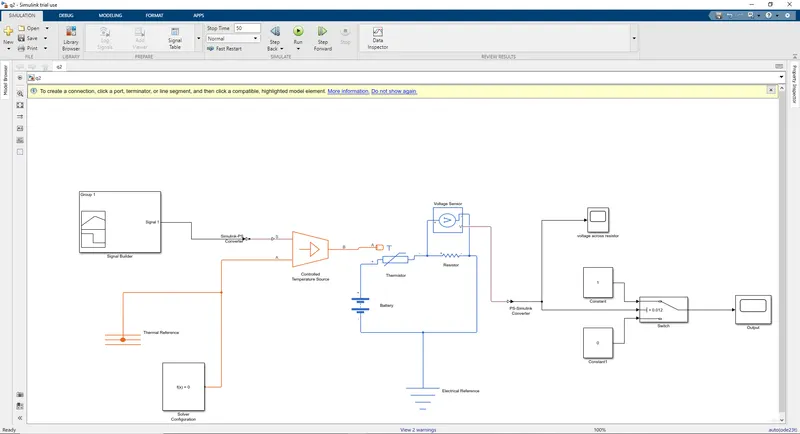
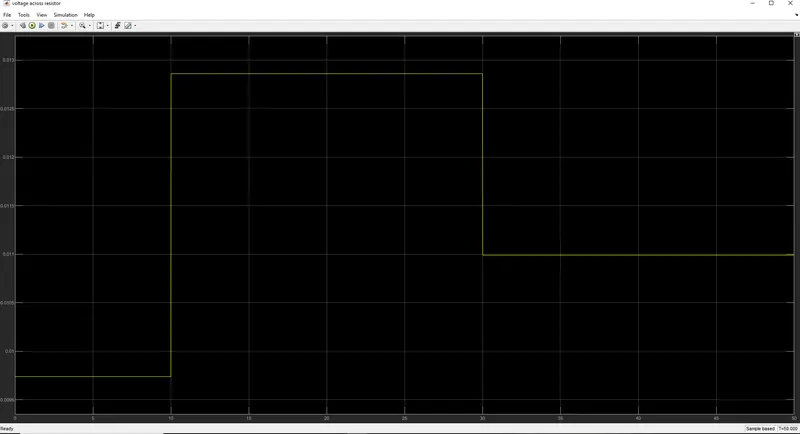
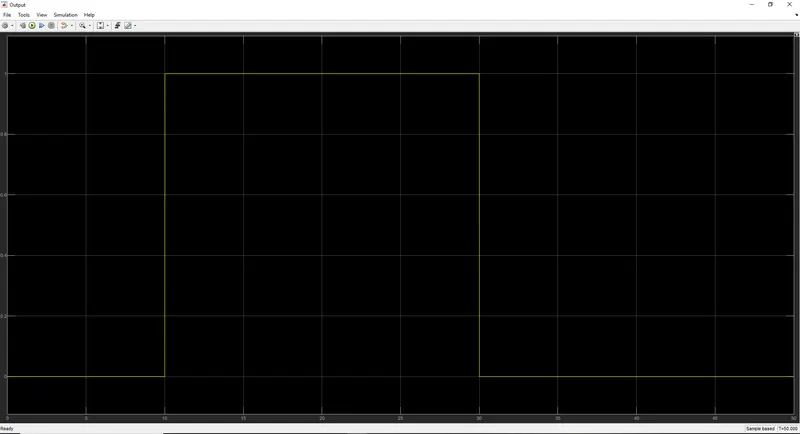
Temperature source: 20 °C from 0 to 10 seconds, 27 °C from 10 to 30 seconds, 23 °C from 30 to 50 seconds
Fan conditions: ON if the temperature above 25 °C, OFF otherwise
Solution:
A thermistor is a resistance thermometer, or a resistor whose resistance is dependent on temperature. The term is a combination of thermal and resistor. It is made of metallic oxides, pressed into a bead, disk, or cylindrical shape and then encapsulated with an impermeable material such as epoxy or glass.
There are two types of thermistors: Negative Temperature Coefficient (NTC) and Positive Temperature Coefficient (PTC). With an NTC thermistor, when the temperature increases, resistance decreases. Conversely, when temperature decreases, resistance increases. This type of thermistor is used the most.
A PTC thermistor works a little differently. When temperature increases, the resistance increases, and when temperature decreases, resistance decreases. This type of thermistor is generally used as a fuse.
Typically, a thermistor achieves high precision within a limited temperature range of about 50ºC around the target temperature. This range is dependent on the base resistance.
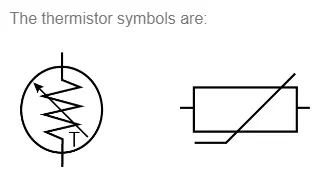
Woking:
In the Simulink,Using the signal builder we are buildind the conditions that are required for our system.The temperature controlled source is used to change the tempertaure of the system which is instructed by the signal builder,then the thermistor is used to sense the temperature of the controlled voltage source which is powered by the battery and resistor is used to provide resistance across the system to protect the thermistor nad the voltage across the system is sensed by voltage sensor then they are converted by PS-Simulink converter.Then the switch is used to on the fan based upon the thershold value of the switch ,if the switch is above thershold value the fan is given supply else it is switched off.
Conclusion:
Thus the temperature is maintained in the system by the programmed Simulink function.