Week -2
Aim:
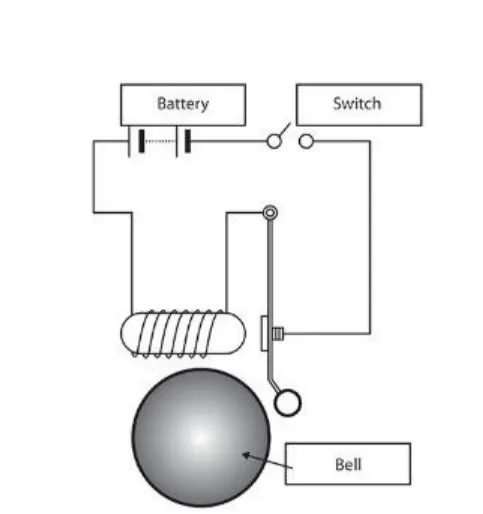
- Make a Simulink model of Doorbell using a solenoid block with the following details:
In the above arrangement, when the switch is closed the electromagnet receives electrical power from the battery and pulls the metal arm to hit the bell producing sound.
Create a situation where the switch is closed for 2 seconds and then released. Observe the physical movement of the plunger.
Assume remaining parameters.
2. Use a thermistor to sense the temperature of a heater & turn on or turn off the fan as per the below conditions:
Temperature source: 20 °C from 0 to 10 seconds, 27 °C from 10 to 30 seconds, 23 °C from 30 to 50 seconds
Fan conditions: ON if the temperature above 25 °C, OFF otherwise.
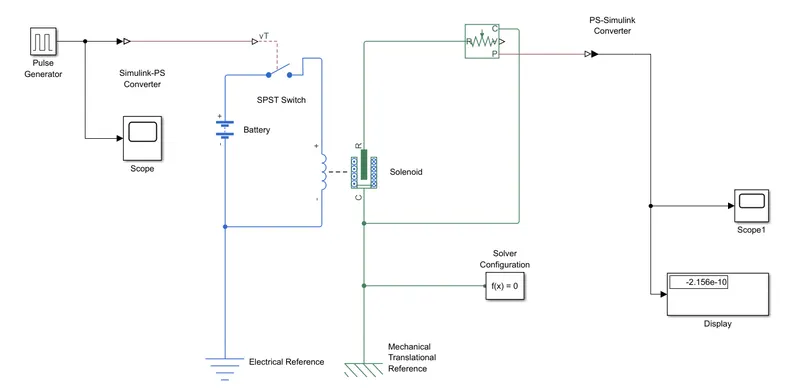
PS-Simulink and Simulink-PS converter, Scopes, Displays, Pulse generator, electrical and mechanical references, solenoid, Battery, switch, ideal Transalation motion sensor, solver configuration. These are the following simscape and Simulink blocks that are going to use in this simulation.
PS-Simulink and Simulink-PS converter: These are basically the converter from Physical systems to Simulink signals and vice versa.
Scopes: Gives the plot of the output
Pulse generator: is an analog input that has amplitude and frequency with which the input is transmitted.
Electrical and Mechanical references: is a reference block with which the system has a ground source as a base.
Solenoid: is an electromagnetic device that is represented as a block here.
Battery: is a device that has a negative and positive terminal for the electric circuit to be completed for an electric flow.
The Switch is a device the completes the electric circuit for current flow and can be controlled manually or automatically depends on the type of switch required.
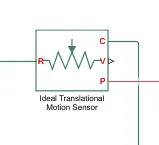
Ideal Translated motion sensor: It's a type of sensor which provides the position or velocity input for the system to generate output.
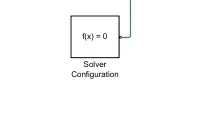
Solver Configuration: It's a type of block that acts as a complete equation for where f(x) = 0 where we find the value of x and generate the output which represents the block diagram as an equation.
Simulink Model:
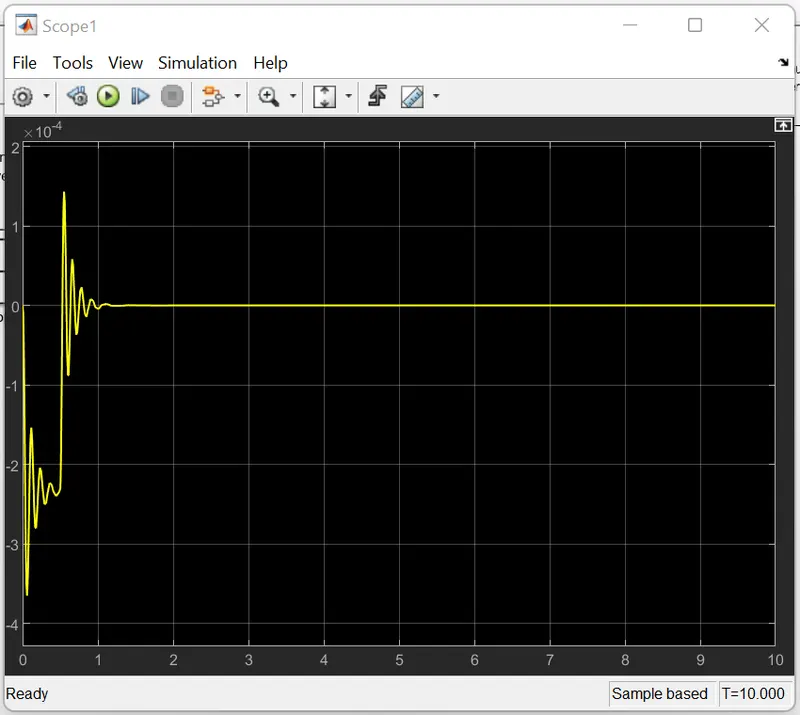
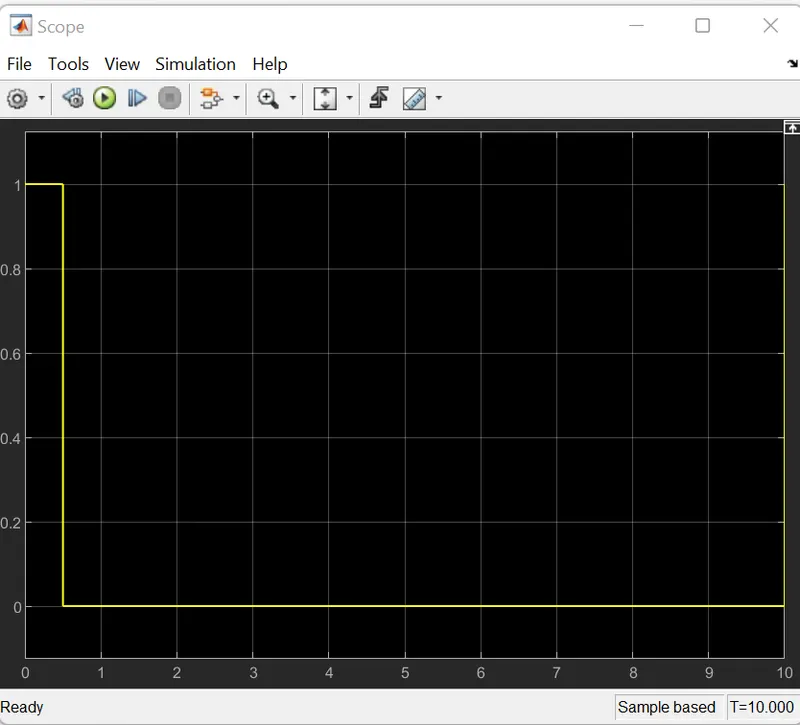
Output:
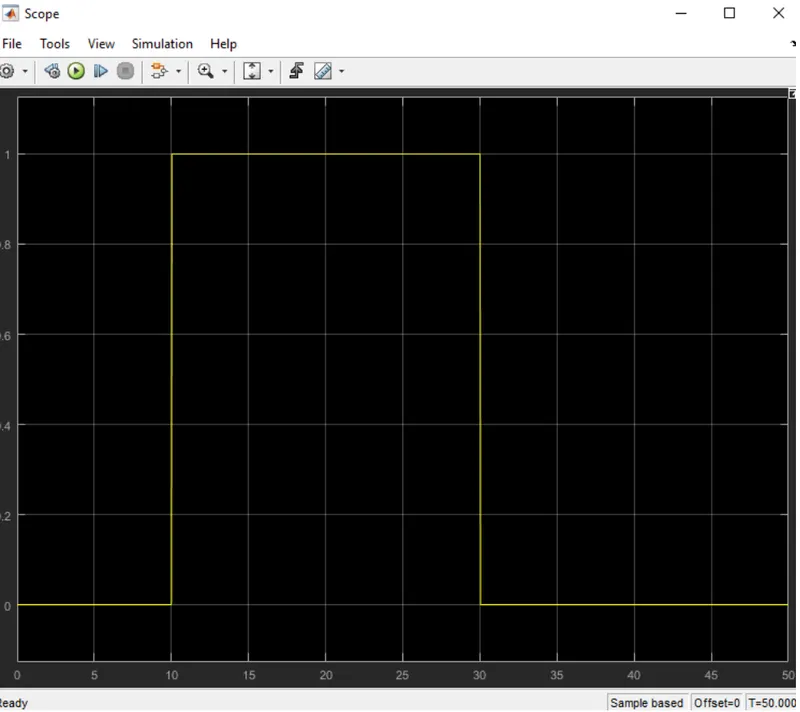
The input signal of the Pulse generator:
2. Use a thermistor to sense the temperature of a heater & turn on or turn off the fan as per the below conditions:
we going to use the same procedure as above to simulate a thermistor to sense the temperature of a heater.
Thermistor: thermal resistor is defined as a type of resistor whose electrical resistance varies with changes in temperature. Although all resistor's resistance will fluctuate slightly with temperature, a thermistor is particularly sensitive to temperature changes.
Thermistors act as a passive component in a circuit. They are an accurate, cheap, and robust way to measure temperature. While thermistors do not work well in extremely hot or cold temperatures, they are the sensor of choice for many different applications. Following is the Simulink block assembly for Thermistor based heater. And with condition follows here as :
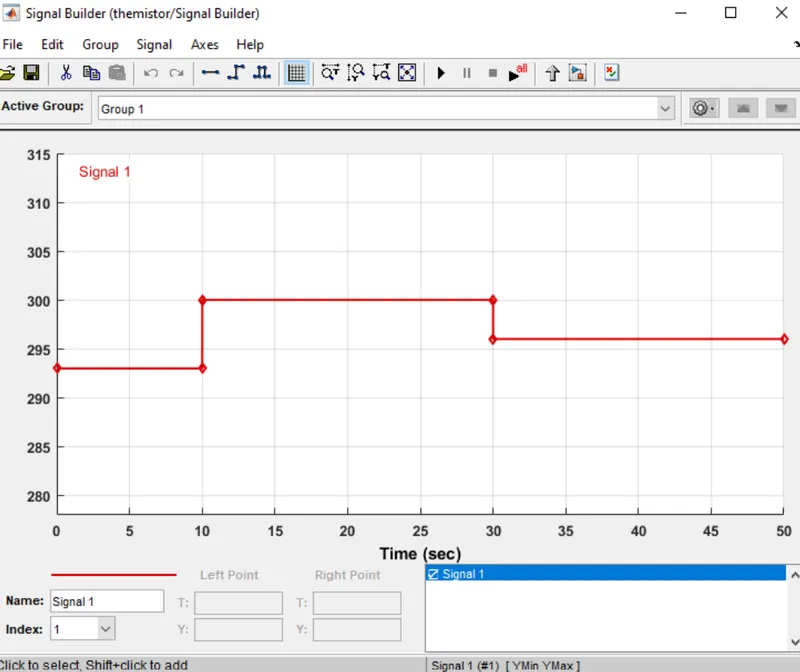
1. 0-10 sec temperature 293
2. 10-30 secs temperature 300
3. 30-50 secs temperature 296
and you can see these details in plot basis in signal builder block where the input is inserted with these signals.
NOTE: Before we run we need to provide an integrated input in the Simulink-PS converter block to be able to read the for systems.
Simulink and simscape block design:
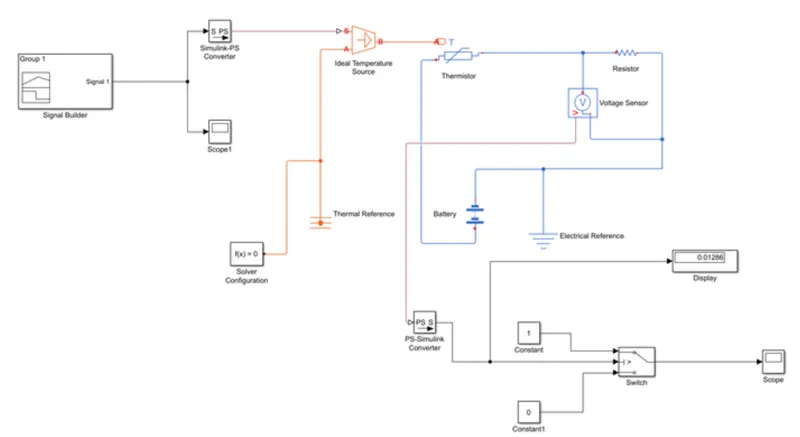
after running for 50 secs we need to provide the display as an input to the switch for ON and OFF conditions.
Output: