Week -2
1) Objective: To design a doorbell model using a solenoid block
Theory: The doorbell uses a solenoid for its operation. A solenoid is a helical type coil type of electromagnet whose length is substantially greater than its diameter. It produces a unique electromagnetic field in the volume of space when an electric current passes through it. In this model the solenoid model consists of an iron core placed on a non magnetic metal bar. When there is no electromagnet, a spring pushes the piston to the left. As long as the doorbell button is held, the current flows through the electromagnet and the piston will remain in that position. When you release the button, the current stops flowing through the electromagnet and the magnet would collapse.
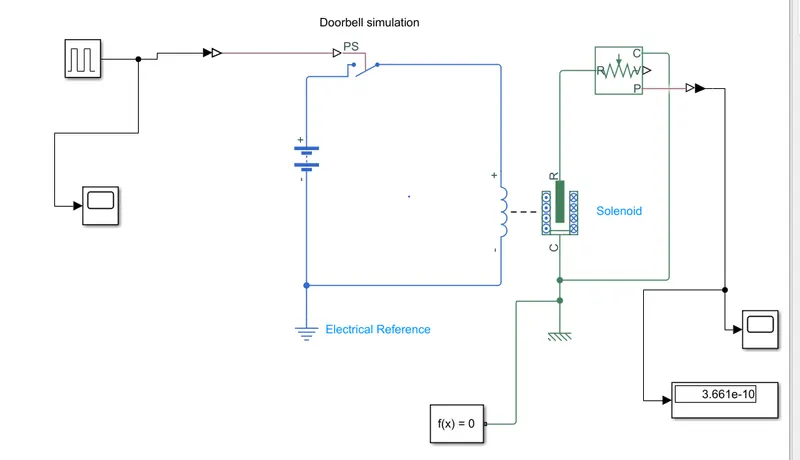
Blocks that are used in simulation:

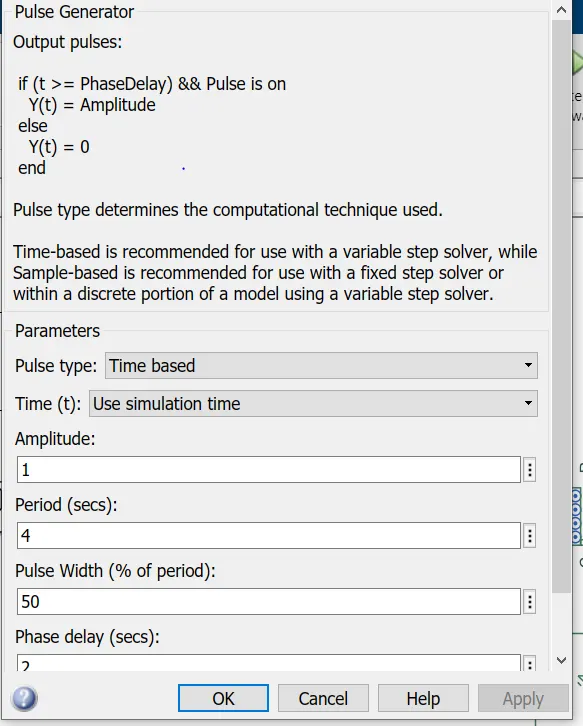
Pulse generator: amplitude and frequency with which input is transmitted.

Scope: This block shows the graphs of the output after simulation.
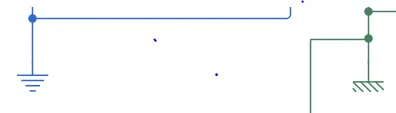
Electrical and mechanical references: They are reference blocks with ground as base.
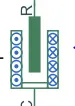
Solenoid: It is an electromagnetic device which is represented as a block here.

Battery: A device with a positive and negative terminal for the electric circuit to be completed for an electric current flow.
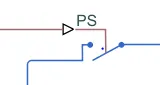
Switch: The device that completes the electric current for electric flow and must be controlled manually and electrically depends on the type of switch required.
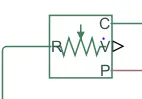
Ideal translated motion sensor: A type of sensor which provides the position or velocity input for the system to generate output.
Solver configuration: Type of block that acts as a complete equation for f(x)=0 where to find the value of x and generate the output which represents the block diagram as equation.
The simulation diagram is shown below:
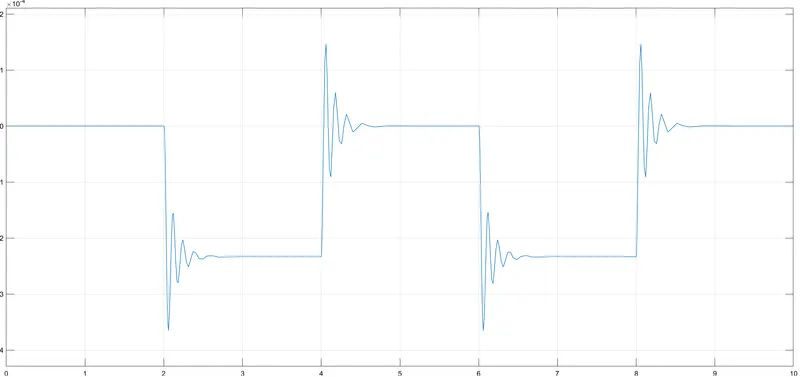
The output at scope is given as:
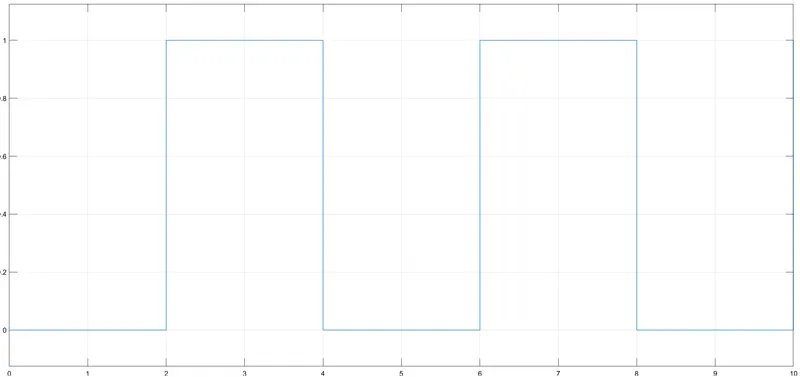
The input to the pulse generator is given as:
2) Objective: To design a Simulink model of a thermistor to sense the temperature of a heater and turn on or off the fan as per the conditions:
Theory: Thermistor: A resistor whose resistance is strongly dependent on the temperature. There are two types of thermistors: NTC(negative temperature coefficient) whose resistance decreases at higher temperatures and PTC(positive temperature coefficient) whose resistance keeps on increasing as the temperature is increased. Thermistors are not suitable at extreme temperatures but they are typically used as sensors in many applications.
The conditions given in the question is:
a) 0-10 secs, temperature: 293K
b) 10-30 secs, temperature: 300K
c) 30-50 secs, temperature: 296K
We have used a repeating sequence stair to define the inputs. The simulation is shown below:
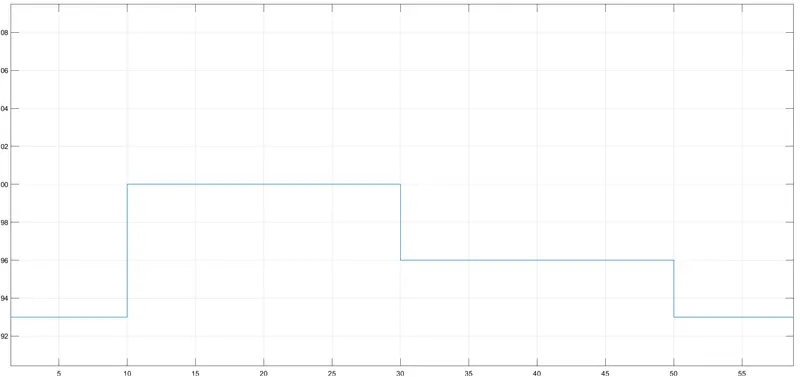
We will consider only up to 50secs according to the question so the simulation run time is given as 50 seconds.
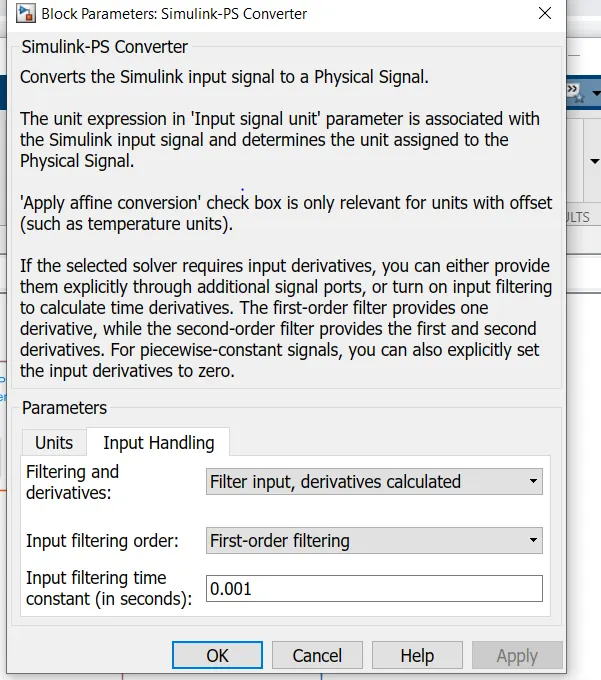
After this, we have to change the filter and derivatives of the Simulink-PS converter to consider the derivatives.
The block design for running until 50 seconds is given below:
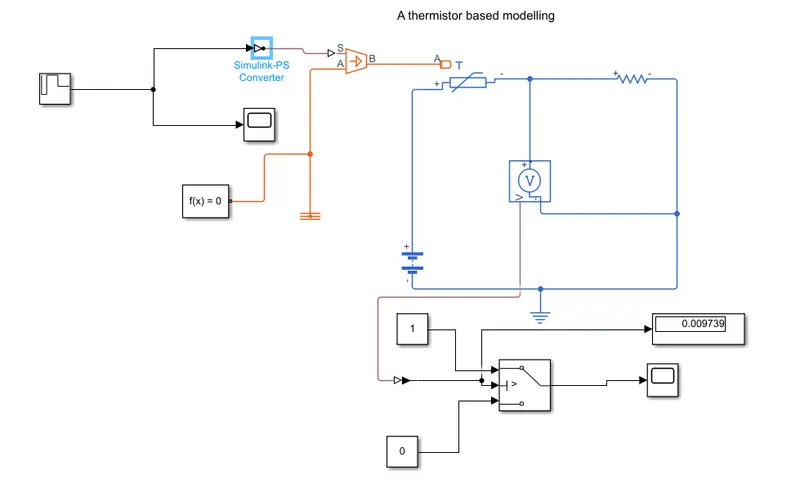
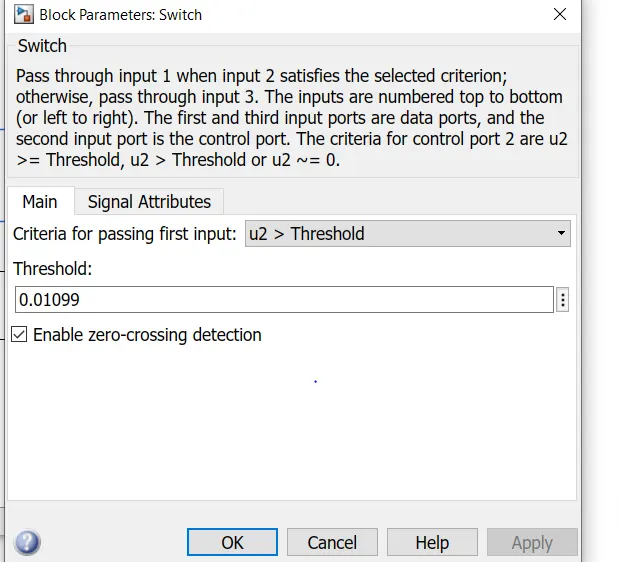
The threshold for the switch is given as:
The output of the entire simulation is given below after running it for 50 seconds:
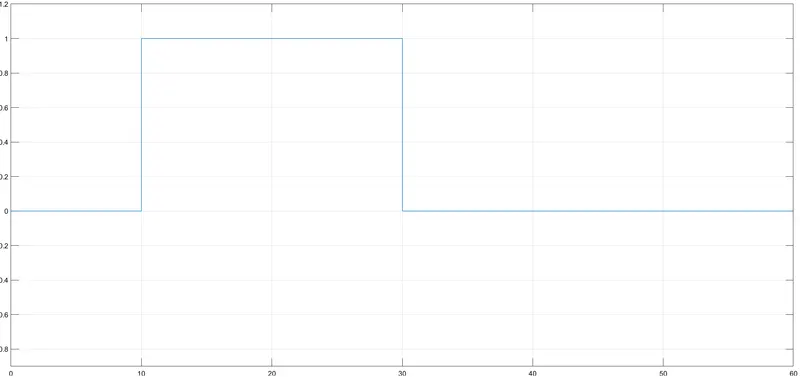
Conclusion: From the output, it can be seen that the switch is triggered only when the temperature is greater than 298K(25 degrees celsius) which is the threshold temperature. For the rest of the time, it is in an OFF state.