ASSEMBLY OF THE BUTTERFLY VALVE
ASSEMBLY OF THE BUTTERFLY VALVE
OBJECTIVE:
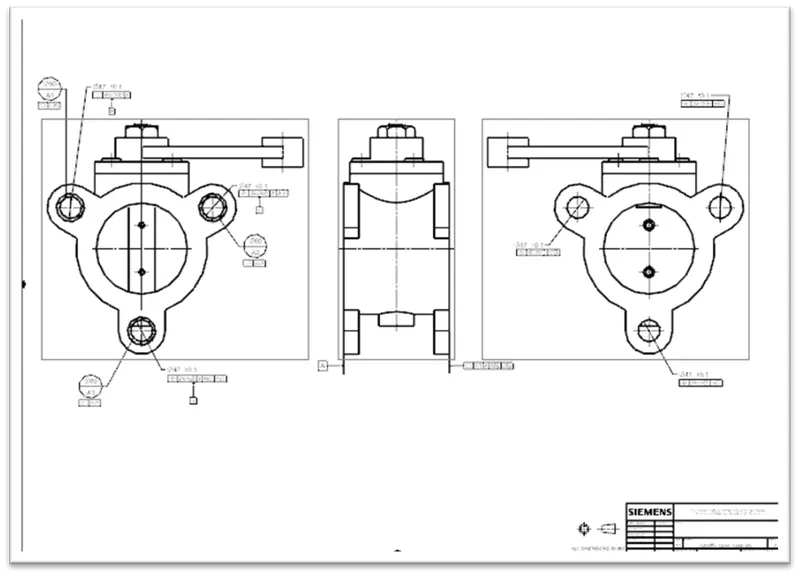
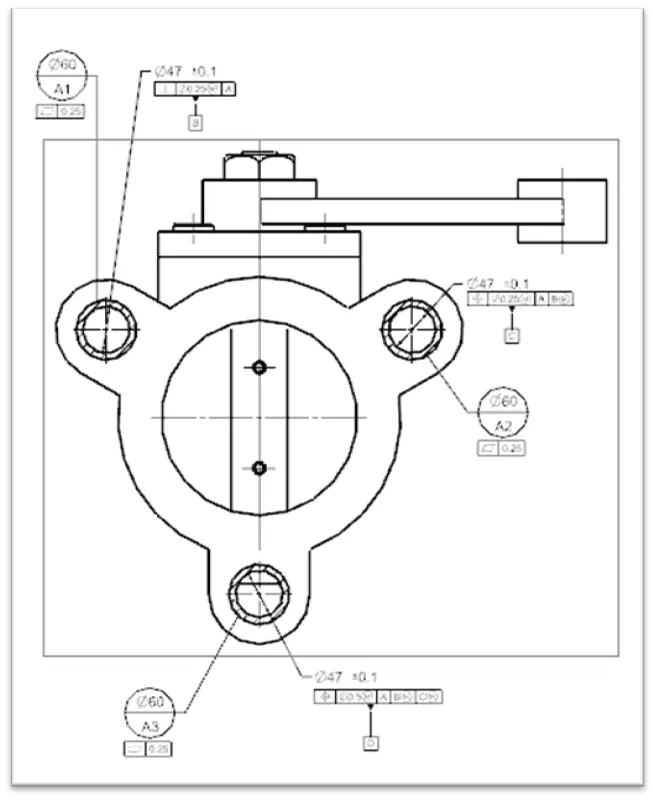
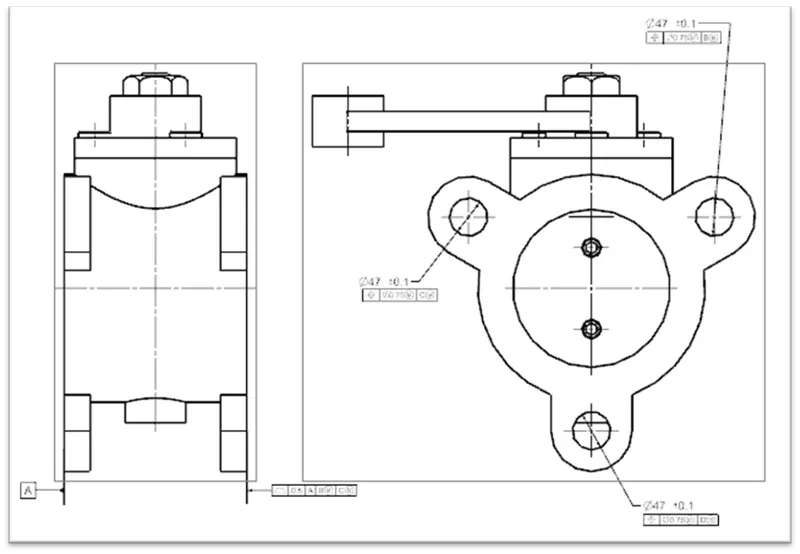
Main objective of the project is to model the Butterfly valve, retainer, plate, handle and shaft to create the all of them and assemble to apply the GD&T.
SOFTWARE USED: NX 12.0
- To design the Butterfly valve and other parts in NX 12.0 version using some basic feature to create them and assemble.
- NX Software is a flexible and powerful integrated solution that helps you deliver the products faster and efficiently.
- NX Cad software is widely used automotive, aerospace industry.
INTRODUCTION:
- Let’s get started how NX Cad software performing in modelling application.
- We creating the butterfly valve and other parts for GD&T application.
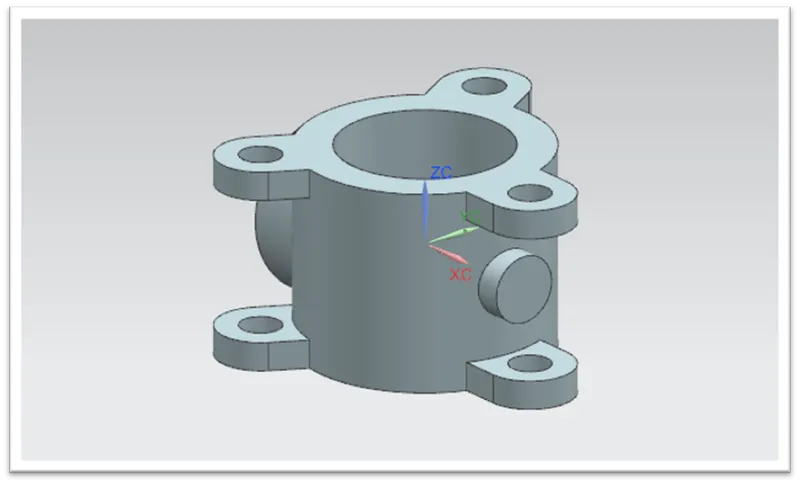
- Butterfly valves are used where space is limited. Unlike gate valves, butterfly valves can be used for throttling or regulating flow as well as in the full open and fully closed position.
- The disc is lighter than a ball, and the valve requires less structural support than a ball valve of comparable diameter. Butterfly valves are very precise, which makes them advantageous in industrial applications. They are quite reliable and require very little maintenance.
DESIGN METHODOLOGY: (BUTTERFLY VALVE)
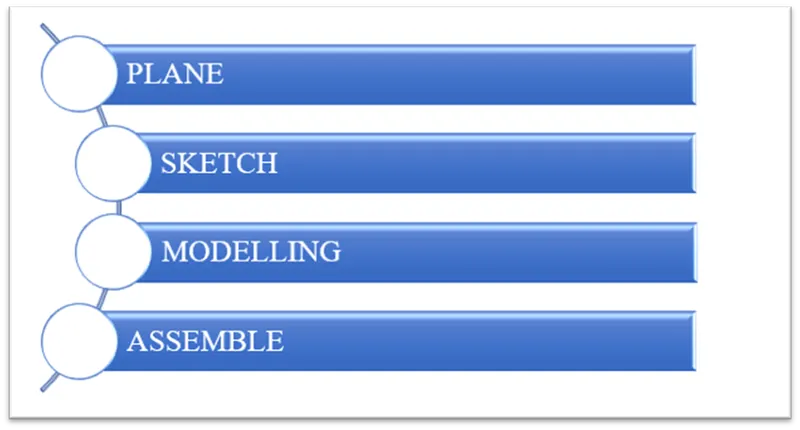
DESCRIPTION:
In this project we modelling and assembling the butterfly valve with help of NX cad software. Let’s know the purpose of creating the butterfly valve.
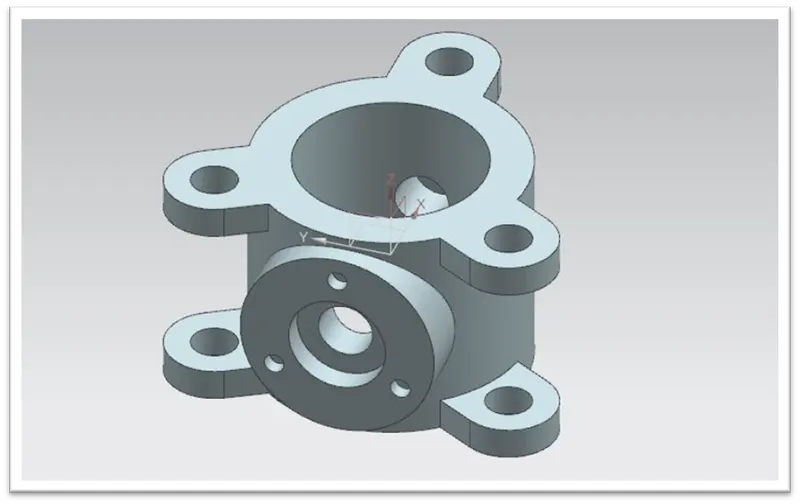
BUTTERFLY VALVE:
The butterfly valve gets its name from how the movement is similar to a wing for flight. The rod is analogous to a butterfly's body, while the disc moves like a butterfly wing. A butterfly valve's motion is similar to that of a butterfly that has landed with the wings moved up and down with a 90-degree motion.
Butterfly valves can be used for throttling or regulating flow as well as in the full open and fully closed position.
The disc is lighter than a ball, and the valve requires less structural support than a ball valve of comparable diameter. Butterfly valves are very precise, which makes them advantageous in industrial applications. They are quite reliable and require very little maintenance.
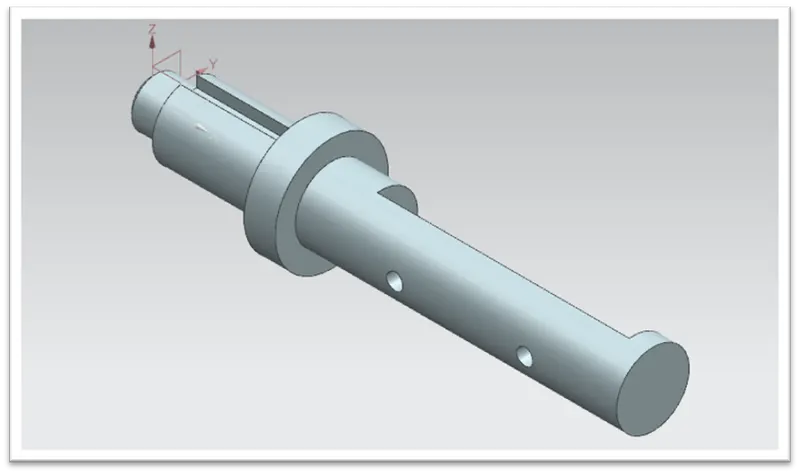
SHAFT/STEM:
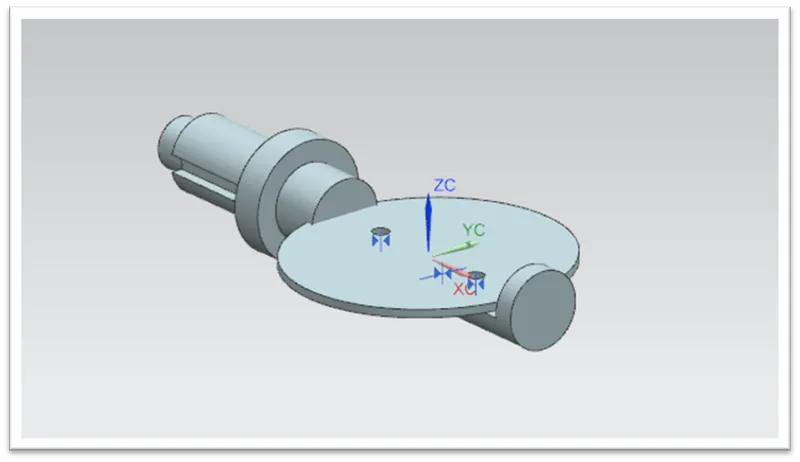
A shaft is a rotating machine element, usually circular in cross section, which is used to transmit power from one part to another, or from a machine which produces power to a machine which absorbs power.
Butterfly valve shaft is used for connecting the different type of component together to rotated.
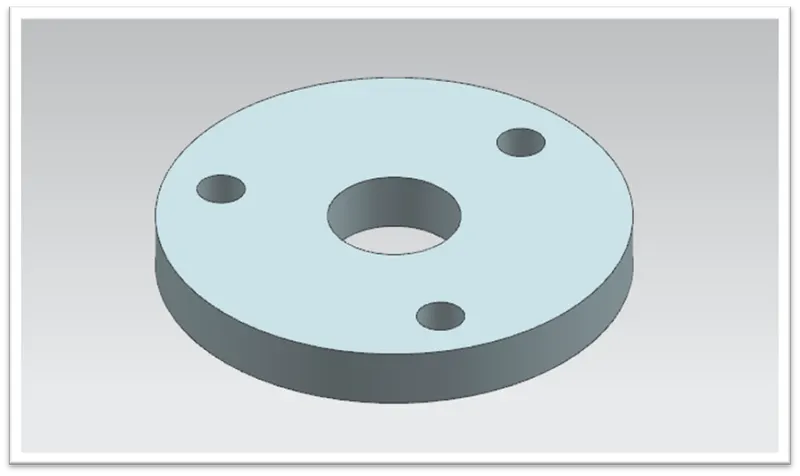
RETAINER:
A valve spring is placed around the stem of a valve and held in place by a retainer. Its main job is to control the entire valvetrain, ensuring that the proper amount of spring pressure is applied consistently to prevent valve bounce.
Valve spring retainers are responsible for keeping the correct pressure on the valve spring by locating it between the spring seat and the retainer itself.
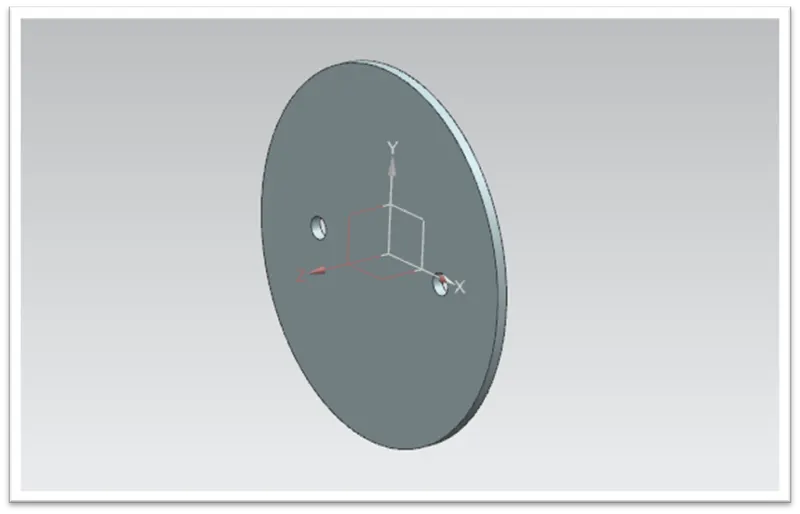
DISC/ PLATE:
The disc is lighter than a ball, and the valve requires less structural support than a ball valve of comparable diameter. Butterfly valves are very precise, which makes them advantageous in industrial applications. They are quite reliable and require very little maintenance.
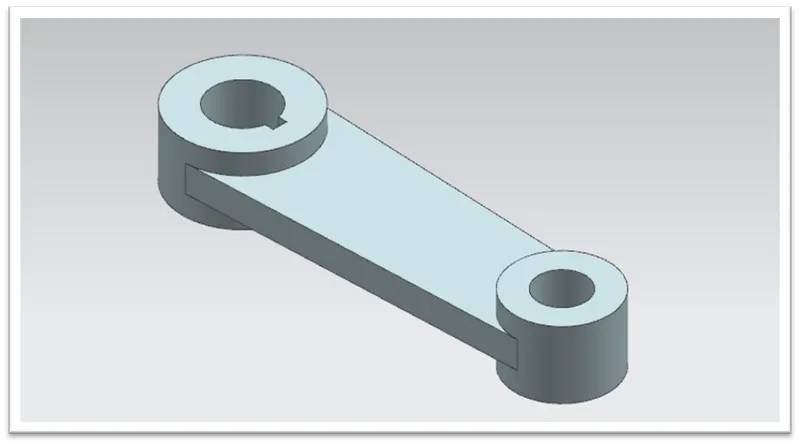
LEVER:
Butterfly valve Handle is used for open and close the valve for required application.
NUT:
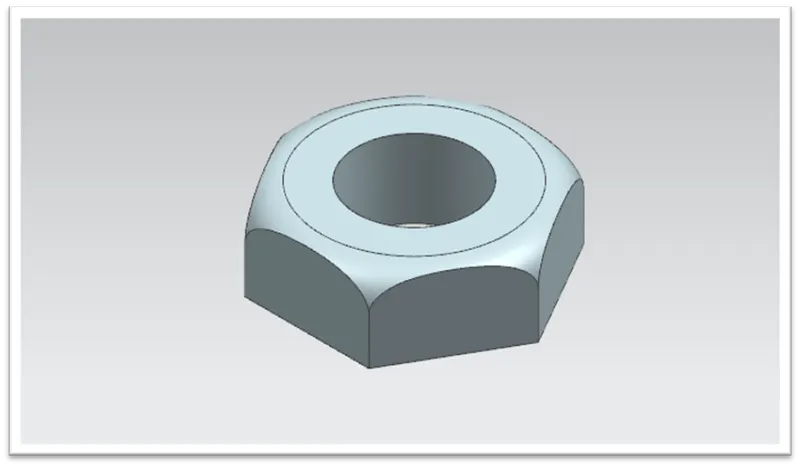
A nut is a type of fastener with a threaded hole. Nuts are almost always used in conjunction with a mating bolt to fasten multiple parts together. Nut is a very simple part in butterfly valve.
ASSEMBLE:
So, creating the all of model to assemble the specific constraints,
First fix the butterfly valve,
Next shaft and plate are fixed using the assembly constraints,
Then fix nut using the concentric and fix constraints,
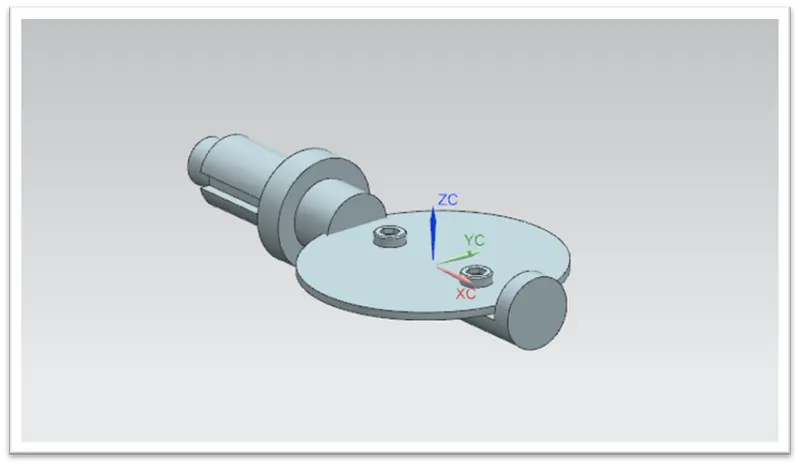
Using the axis to fix the shaft and butterfly valve body,
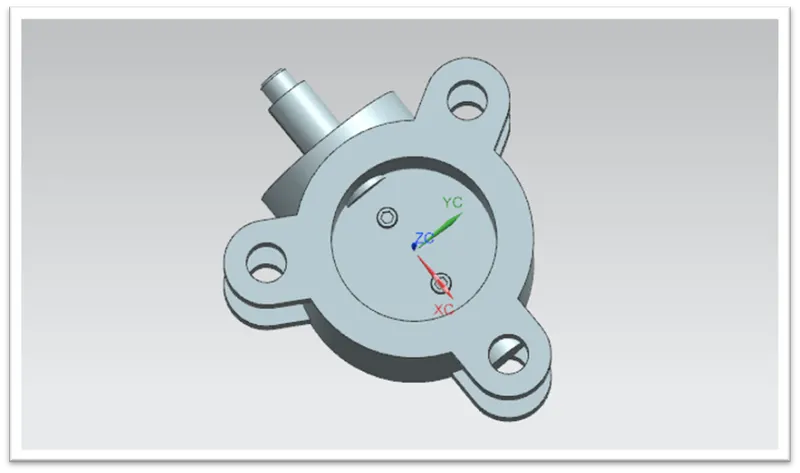
Using the axis to fix retainer in butterfly valve body and to joint the retainer surface into butterfly valve body surfaces.
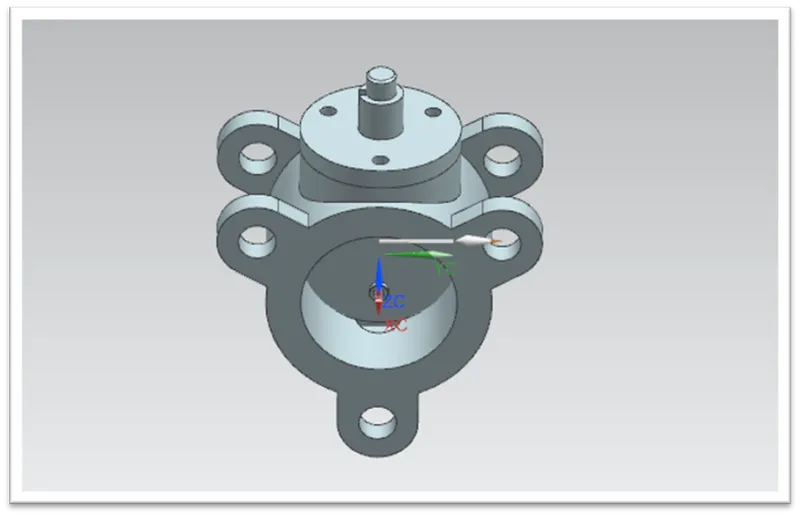
To use butterfly valve axis to the handle axis are colinear,
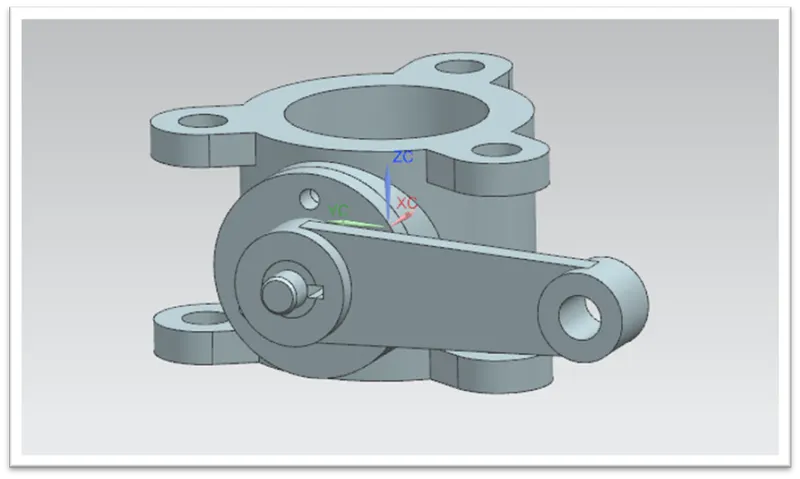
Nut fixed to the retainer top,
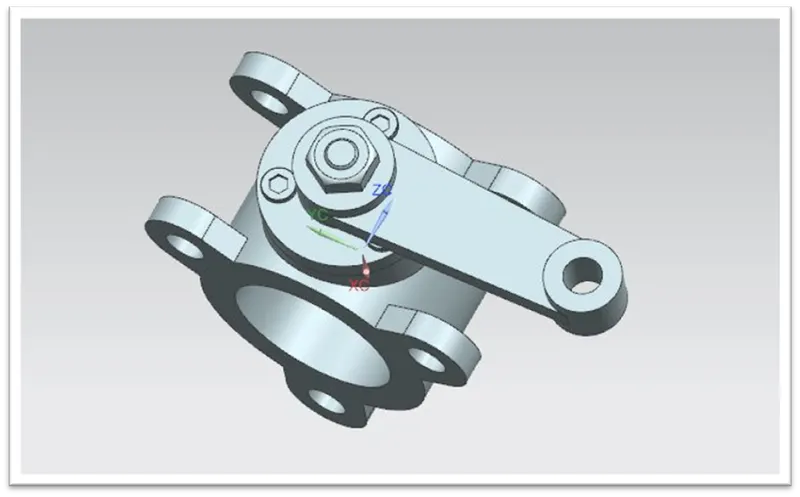
ASSEMBLE VIEWS:
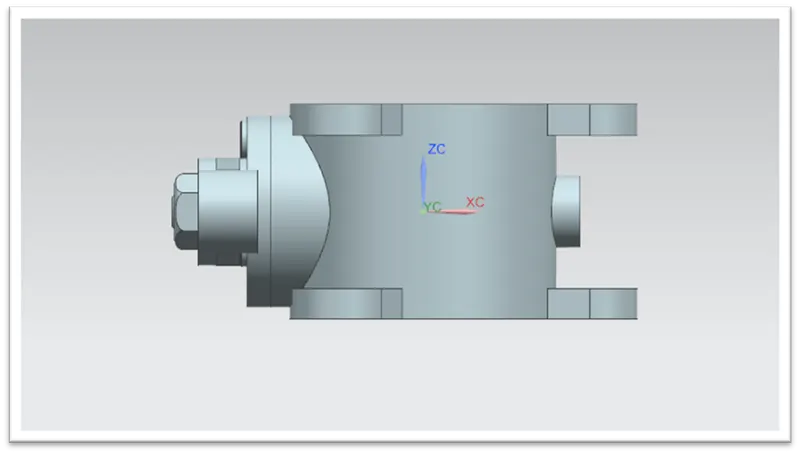
FRONT VIEW:
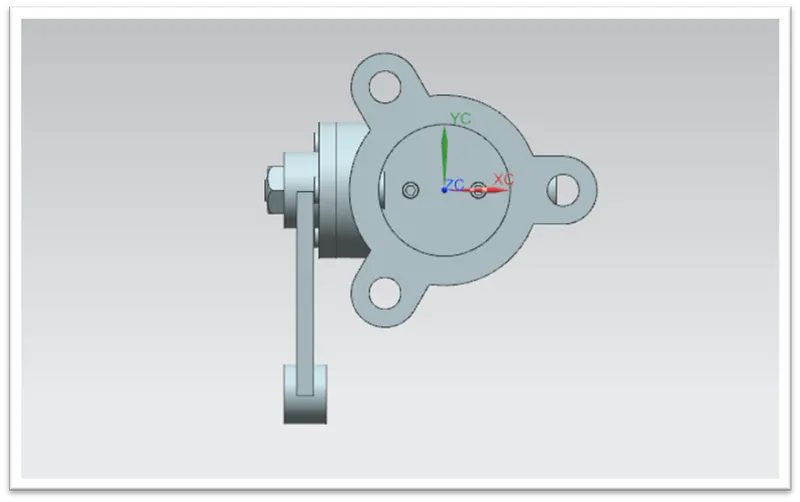
TOP VIEW:
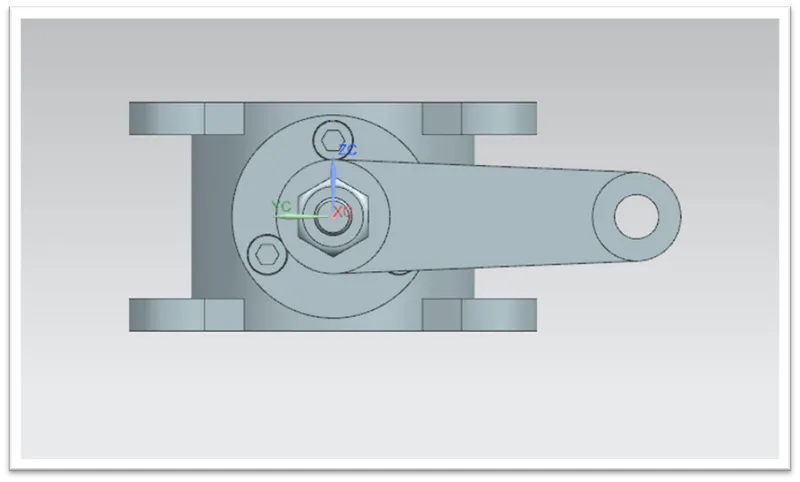
SIDE VIEW:
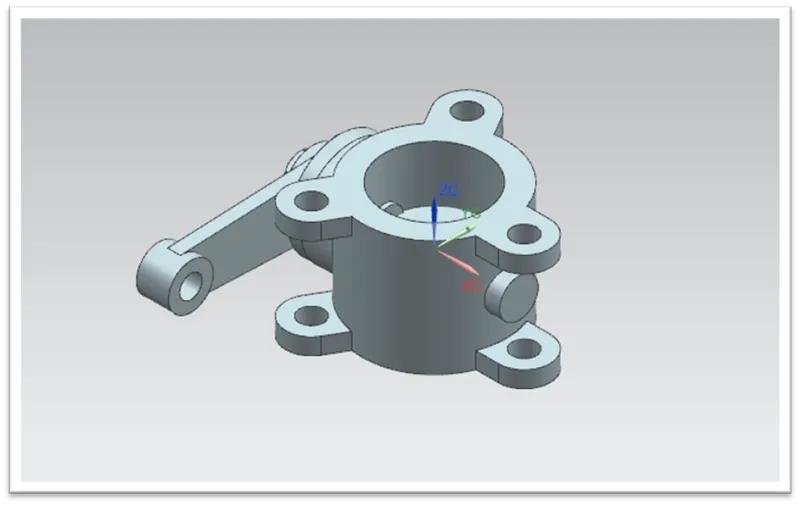
ISOMETRIC VIEW:
CONCLUSION:
After creating the butterfly valve model to assemble all the parts and apply the GD&T to the assemble parts.