Week 11: Project 2 - Emission characterization on a CAT3410 engine
Aim: Emission characterization on a CAT3410 engine
objective: run simulations with both these pistons and characterize the emissions (Soot, Nox and UHC)
- Create cut-plan animations showing Soot, Nox and UHC and compare them between the omega and the open-w pistons.
theory:
Piston: A piston is a component of I.C. engine; it is shaped like a disk which reciprocates inside the cylinder. The piston moves due to combustion of fuel-air mixture in the cylinder. The piston also does the work of compressing the fuel air mixture.
The main work of piston in any internal combustion engine is to receive the impulse which is generated due to the expansion of the gas. Then this impulse is transferred to the connect shaft via the connecting rods. Another main purpose of the piston is to dissipate the excessive heat produced due to combustion to the engine cylinder walls.
There are several types of pistons including:
- Wrist pin piston
- Rider band piston
- Full-floating piston
- Semi-floating piston
- Press-fit piston
- Slipper piston
- Dome piston
- Dish piston
- Flat-top piston
- Dome with valve relief piston
Each type of piston serves a specific purpose and is used in different types of engines depending on the application. For example, a dome piston is used in high-performance engines because it increases the compression ratio, while a dish piston is used in engines that require lower compression ratios.
omega piston

An Omega piston is a specific type of piston that is used in internal combustion engines. It is a type of dome piston, which means that it has a raised area or "dome" on the top of the piston. This dome shape allows for a higher compression ratio, which can result in increased engine power and efficiency.
Omega pistons are typically made from high-strength, lightweight materials such as aluminum or alloy. They also have a unique design that allows them to dissipate heat more efficiently, which helps to reduce engine wear and tear. Additionally, they have a unique design with unique grooves and cutouts that help to increase the strength of the piston and also to dissipate heat and lubrication more efficiently.
Omega pistons are typically used in high-performance engines and motorsports applications such as racing and drag racing because of their ability to increase compression ratios and engine power.
open-w piston
An open W piston is a specific type of piston design that is used in internal combustion engines. It is characterized by the "W" shape cut out of the top of the piston, which allows for increased airflow into the combustion chamber. This can result in increased engine power and efficiency.
The open W piston design allows for a larger volume of air to enter the combustion chamber, which can increase the compression ratio and lead to more efficient combustion. The design also improves the turbulence in the combustion chamber, which can lead to more complete combustion and a more efficient use of fuel.
Open W pistons are typically used in high-performance engines and motorsports applications such as racing and drag racing because of their ability to increase compression ratios and engine power. They are also useful in engines that have high thermal loads and need to dissipate heat effectively.
It's important to note that the Open W piston design is a proprietary design and is owned by a specific company or manufacturer, thus the design may differ from one company to another and may have some variations depending on the manufacturer and application.
case setup:
open converge application in tools in that click on make engine sector surface for omega piston
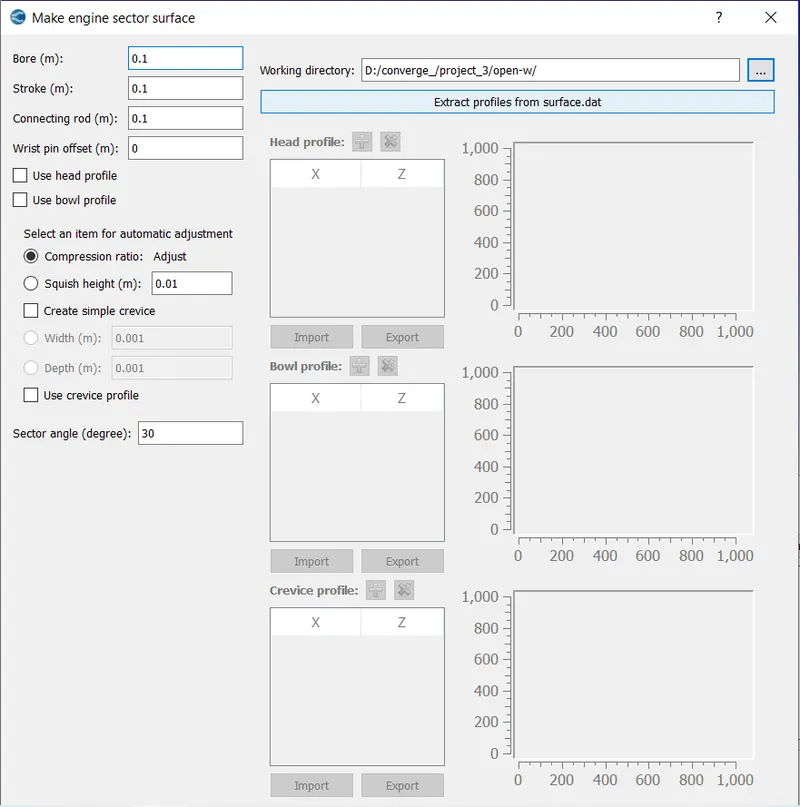
for omega piston click on extract profilr from surface.dat file and upload bowl profile basile omega file and click on then there will create a bowl profile file
now open same tools now
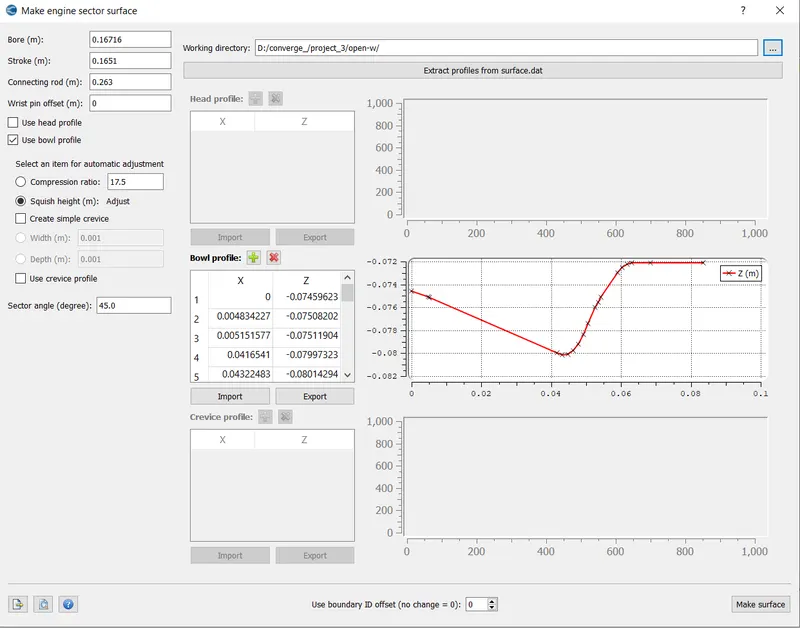
bowl profile creaction
now import the input profile
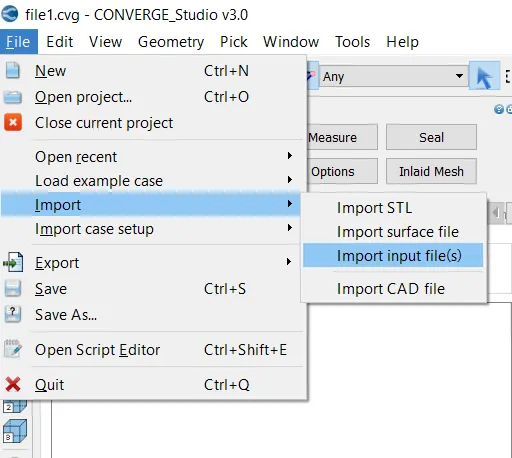
input file importing
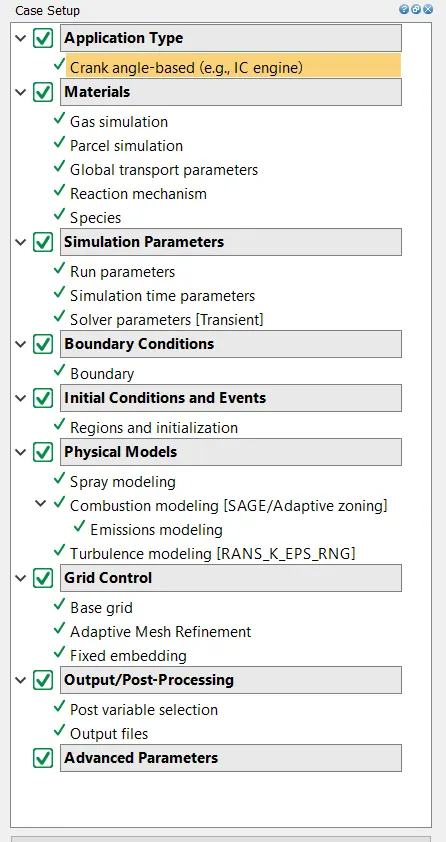
case setup tree
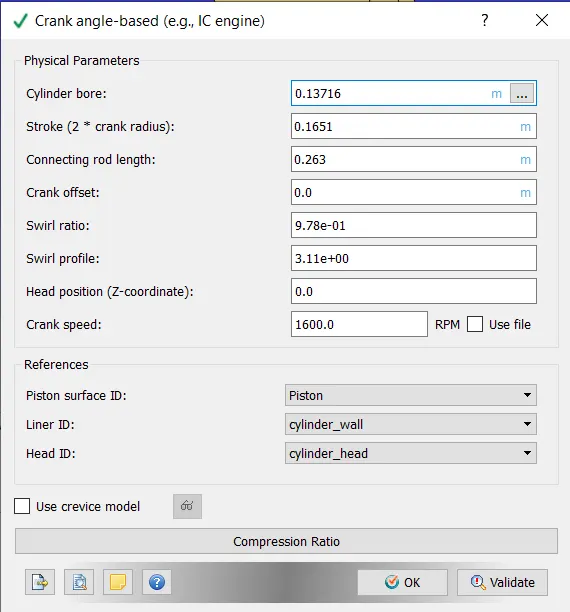
application type
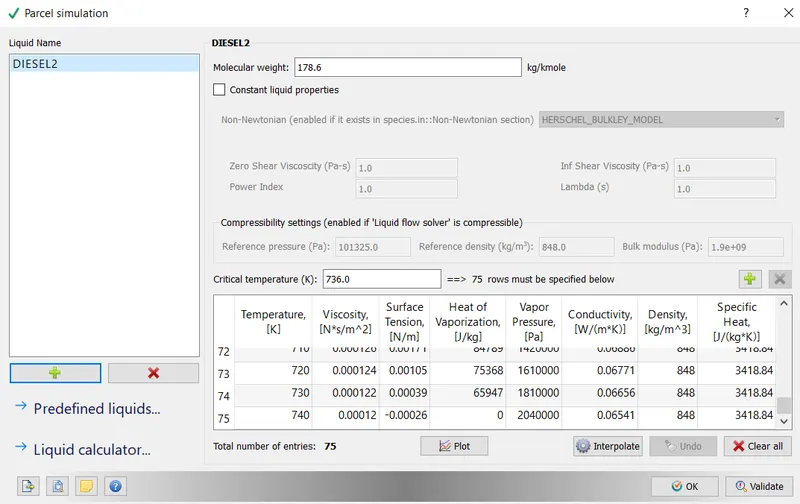
parcel
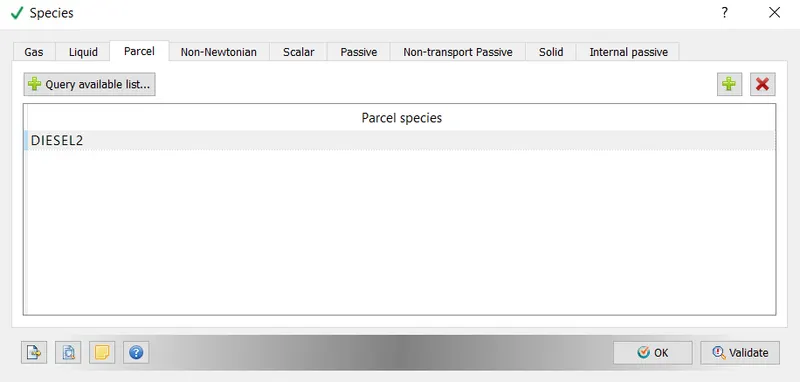
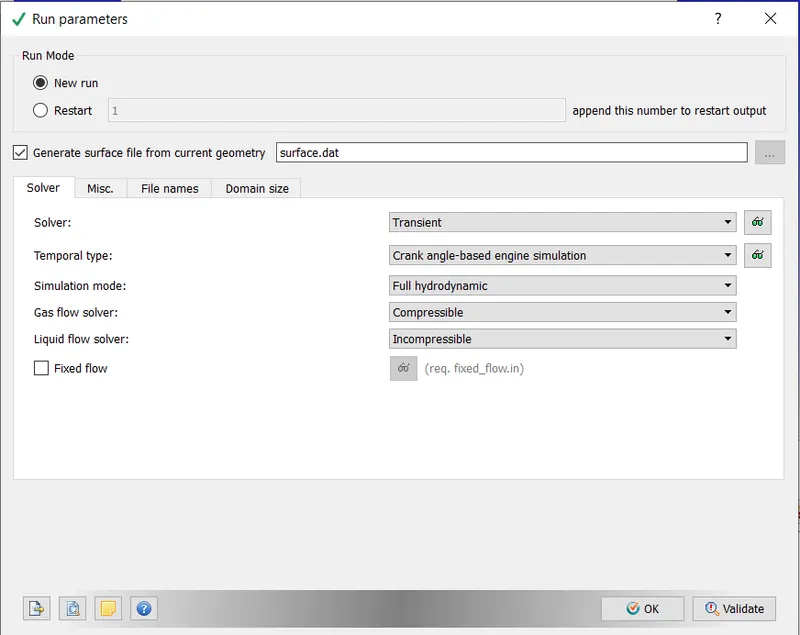
run parameter
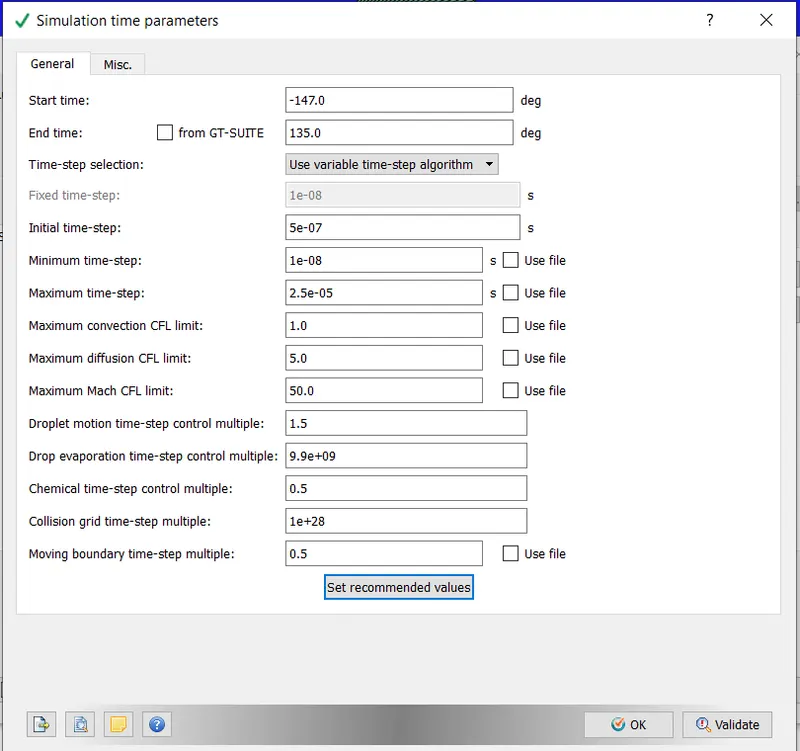
simulation parametr
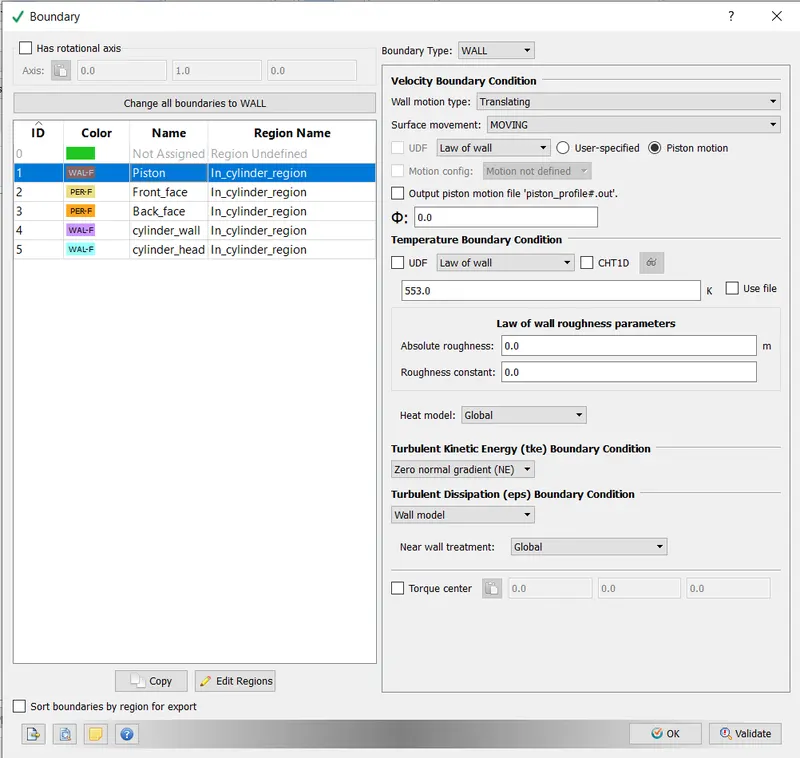
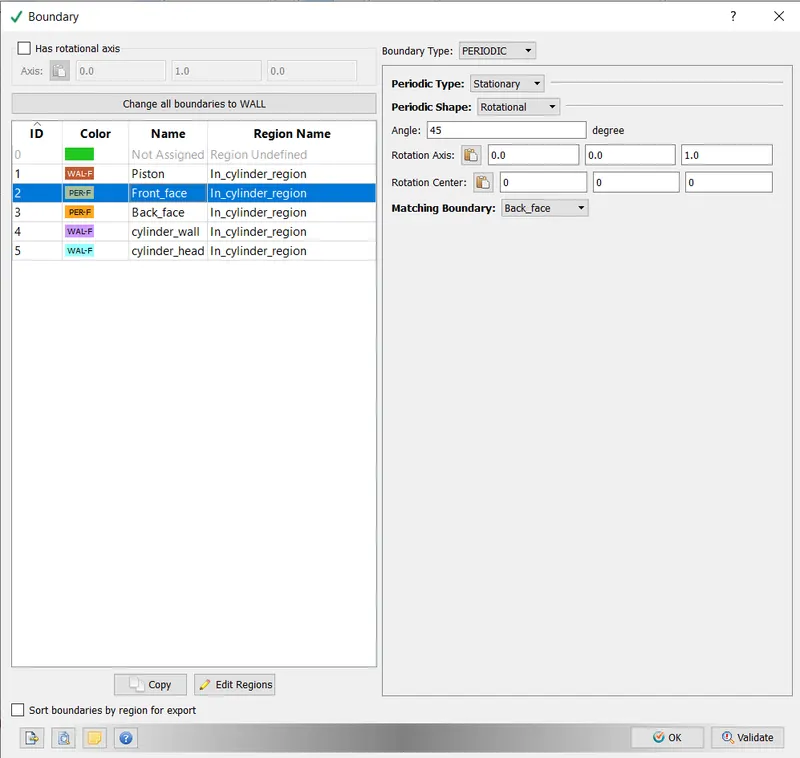
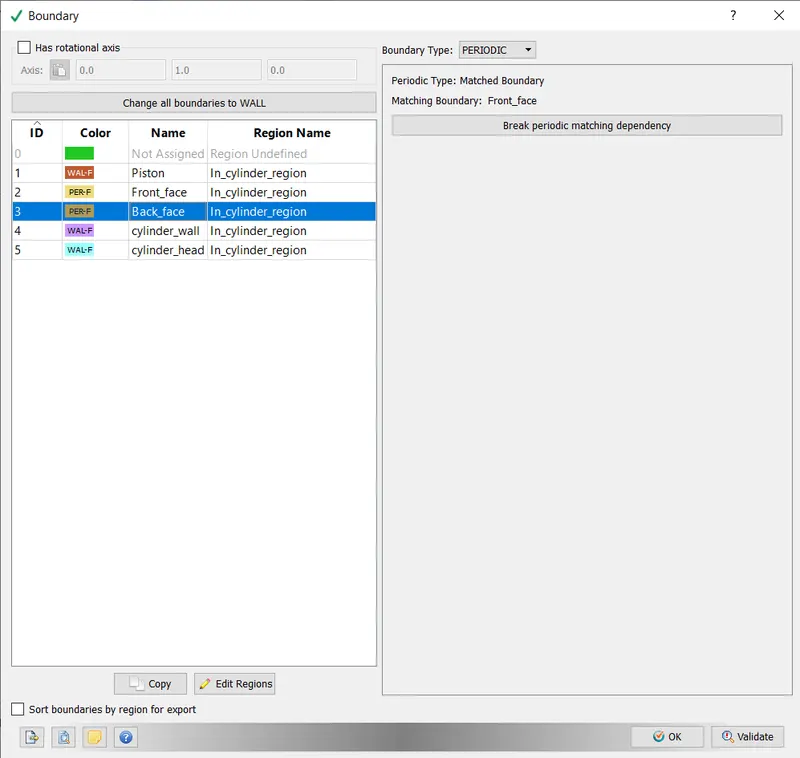
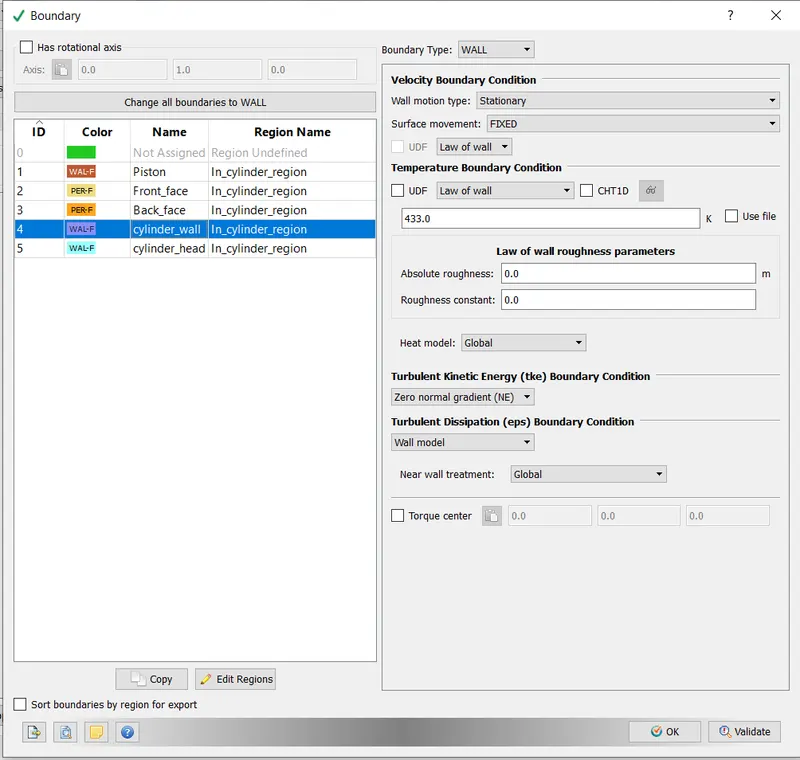
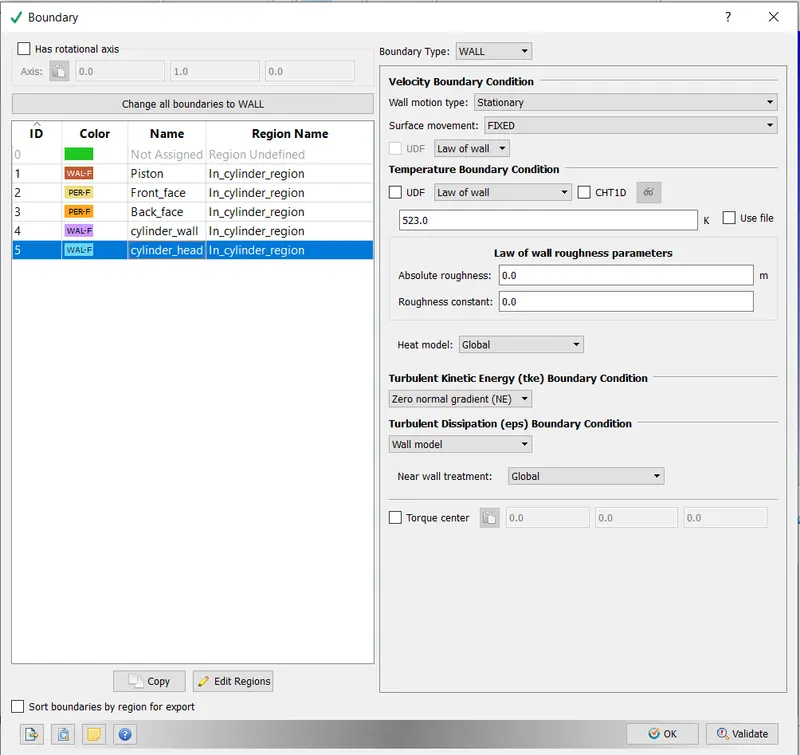
bounday condtion
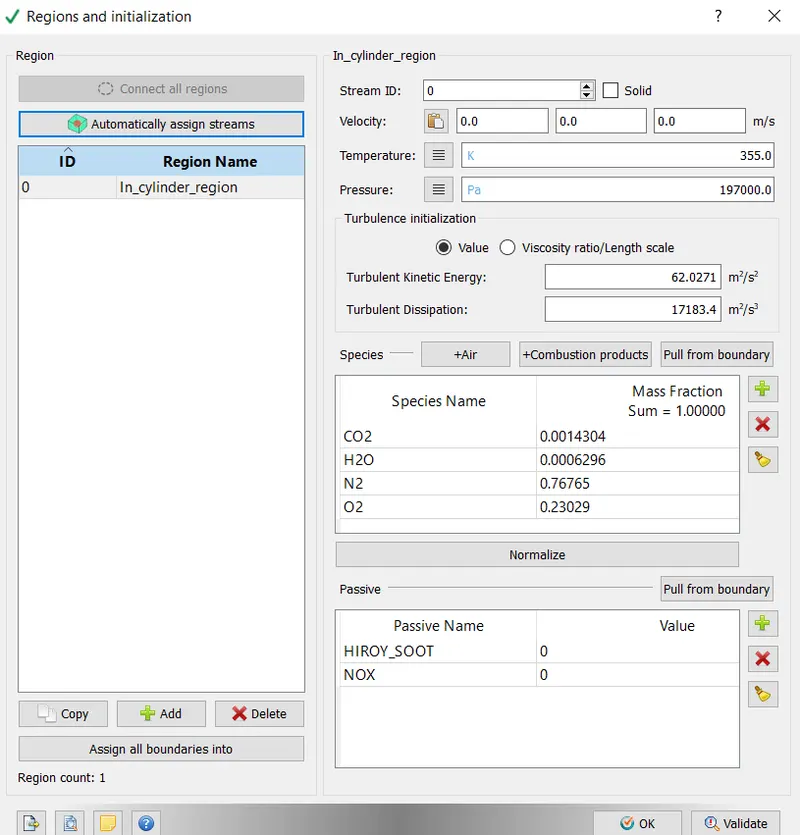
region and intialization
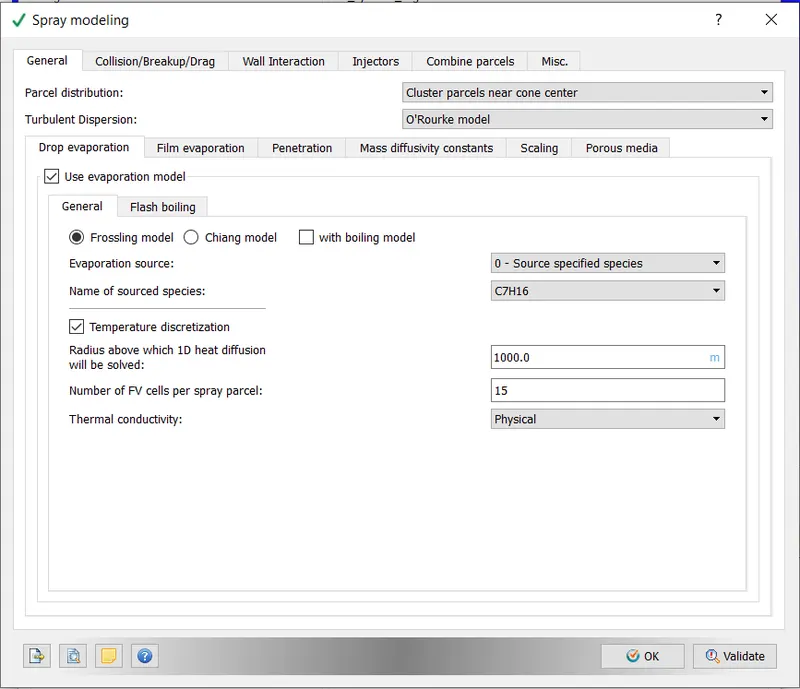
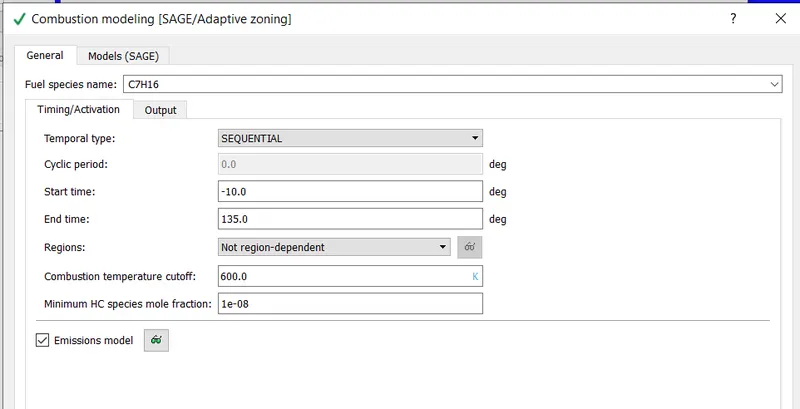
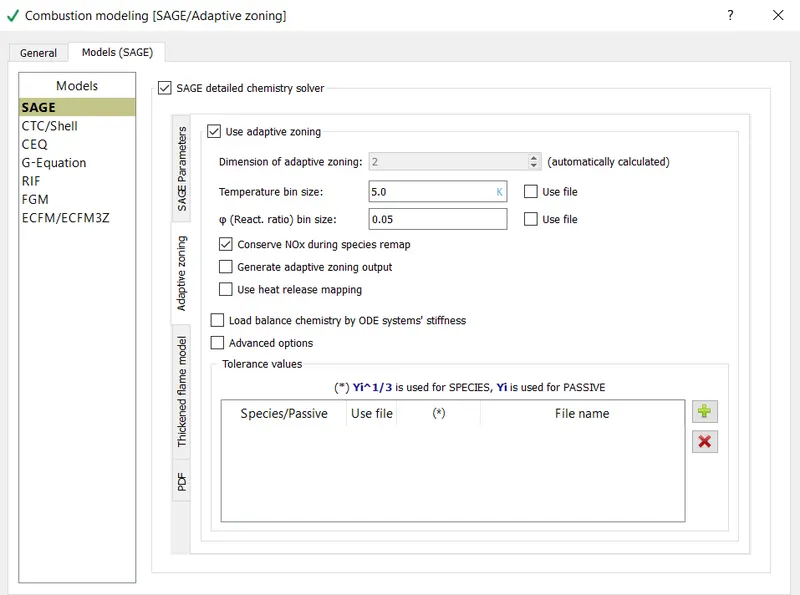
spram modeling and combustion modeling
combustion modeling:-
CONVERGE’s SAGE detailed chemistry solver uses local conditions to calculate reaction rates based on the principles of chemical kinetics. This solver is fully coupled to the flow solver, but the chemistry and flow solvers parallelize independently of one another, which speeds up the simulation. With the appropriate mechanism, the SAGE solver can predict a wide range of cases (e.g., a variety of fuels [premixed, non-premixed, partially premixed, multiple fuels], emissions modelling, and unique phenomena such as end-gas auto-ignition).
spray modeling:-
CONVERGE has two types of liquid injection parameters: nozzles and injectors. An injector is a group of nozzles. In CONVERGE you can set up local coordinate systems, which help you intuitively configure and manipulate the geometry of the nozzles within an injector. In applications such as internal combustion engines, the fuel spray initiates, propagates, and dissipates very quickly and on a very small spatial scale. To dynamically capture the important physics of the injection process, you need a high-density grid around the spray. However, you do not need high resolution far from the spray or before fuel is injected. Our automated Adaptive Mesh Refinement (AMR) technology provides the resolution you need exactly when and where you need it: in spray cases, near the injector and along the path of the spray. The combination of AMR and powerful spray models makes CONVERGE uniquely suited to helping you achieve grid convergent results in a timely manner.
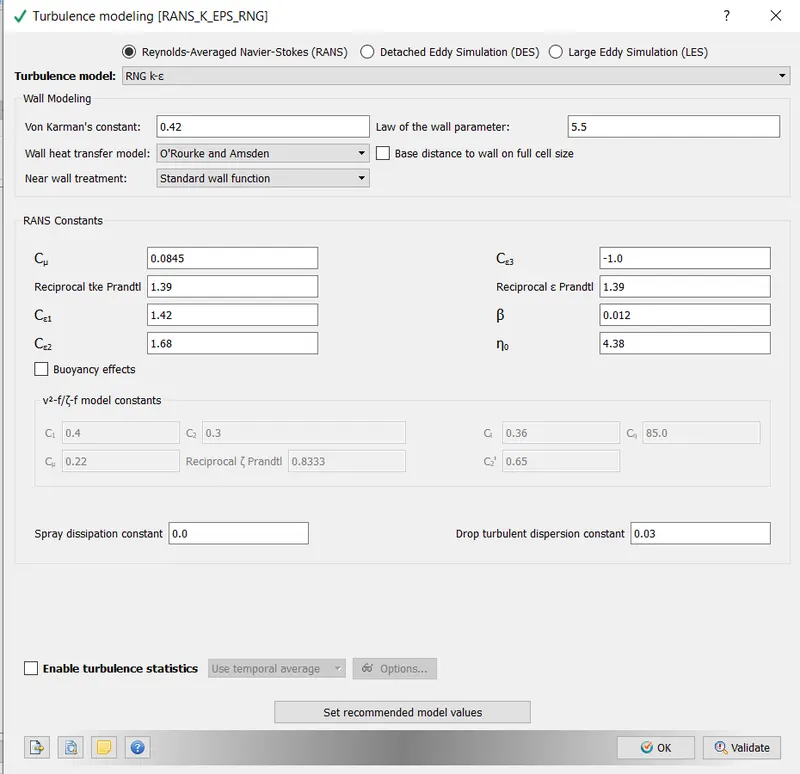
turbulence modeling
base mess =0.004m
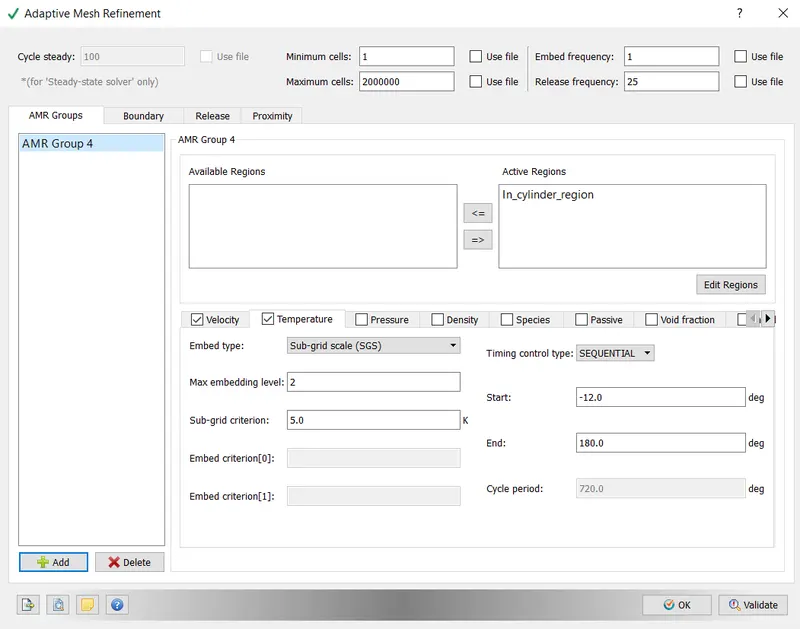
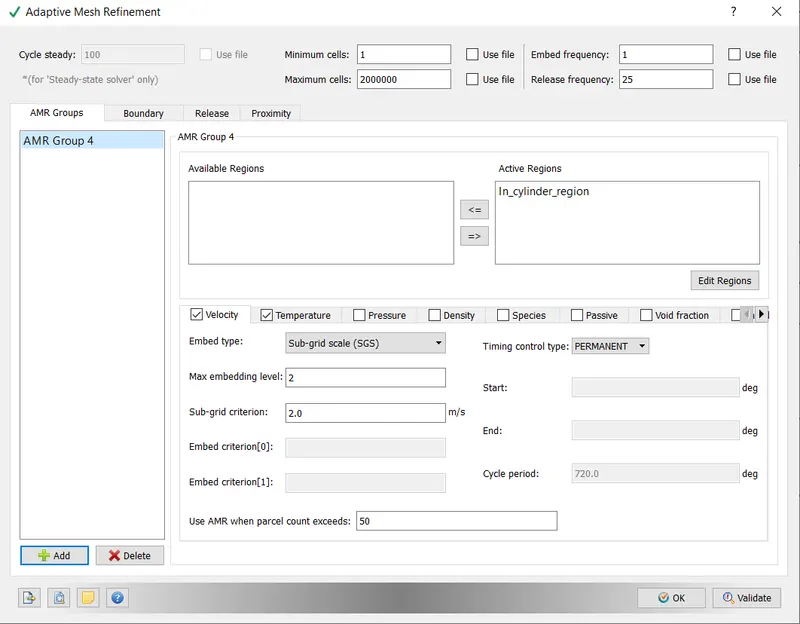
adaptive meshhing
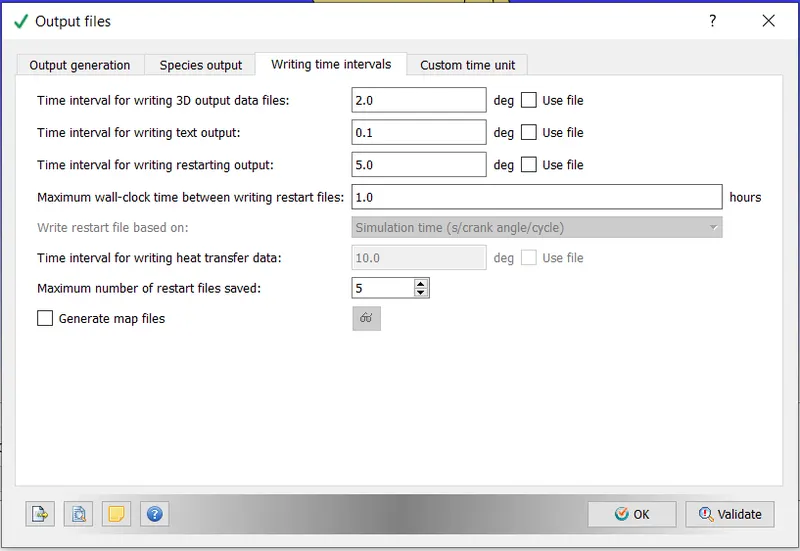
output file writing
aftre case set up validate the set up and export input file to a folder
now open cygwin and navigate to the input file saved profile and run the this command
mpiexec.exe -n 8 converge.exe restricted
for both the piston follow the same process after simulation post process the result uling paraview
Result
the plot results can be viewed in convege lin ploting section
the results were dicused here
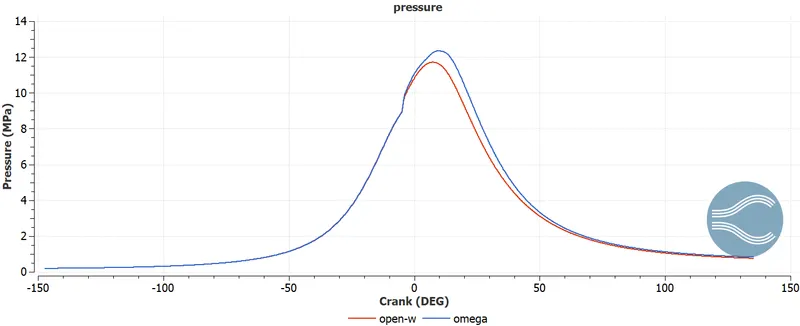
pressure
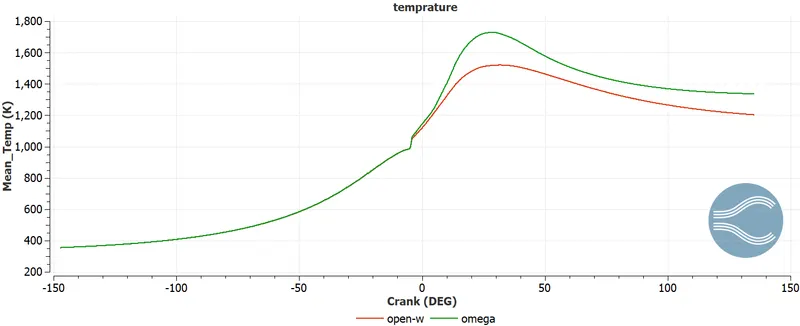
temptrure in cylinder
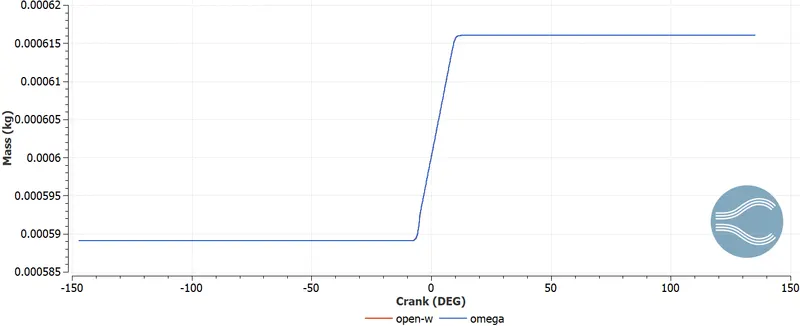
mass
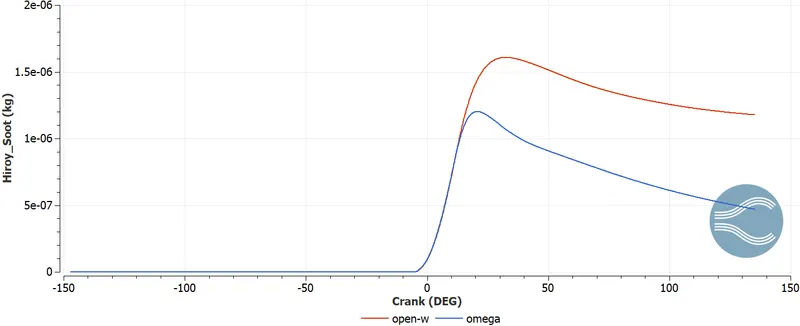
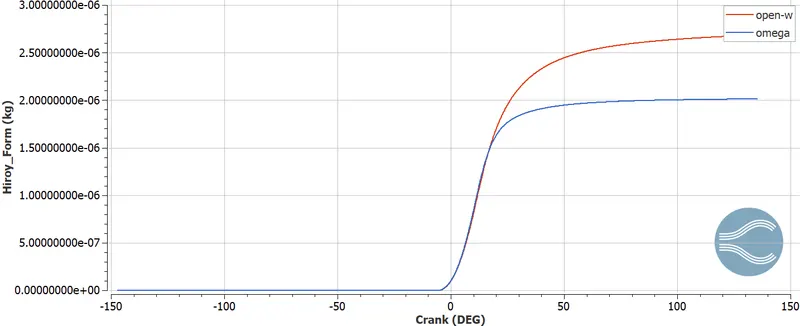
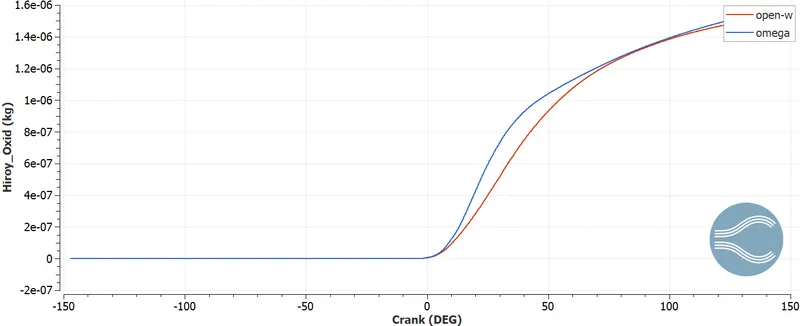
soot emmistion in engine
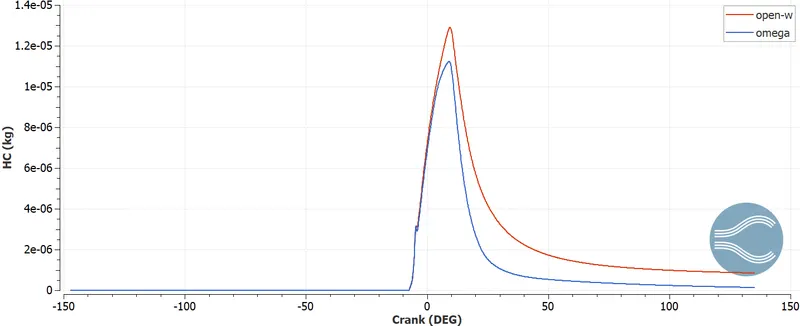
hydro caebon emmision
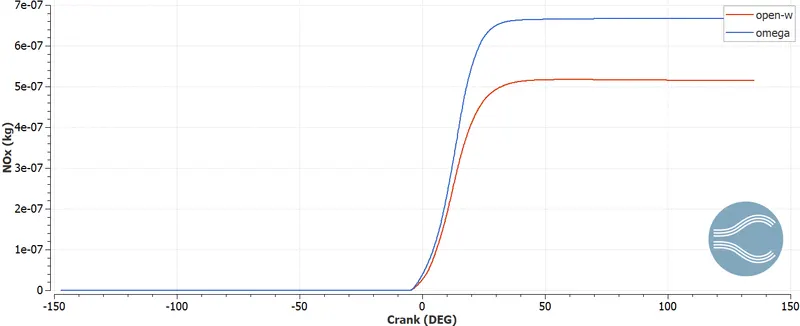
NOX emmision
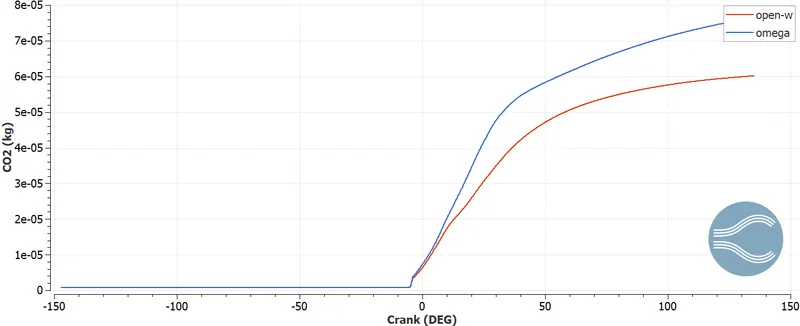
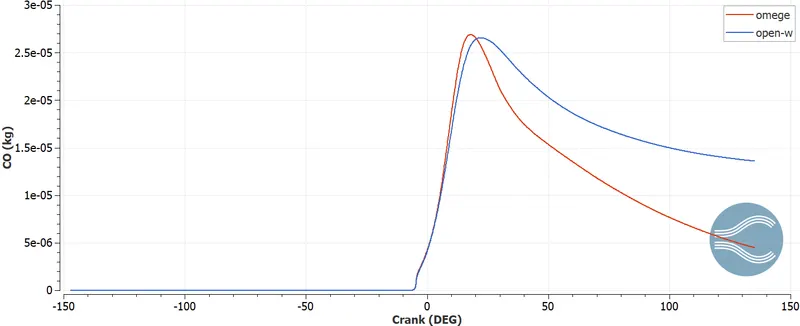
CO2 and CO
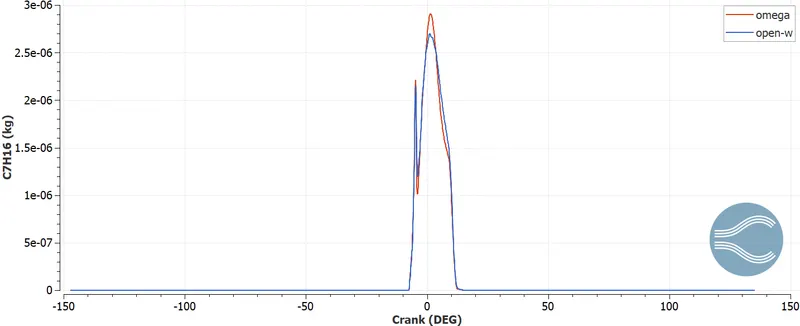
species mass of C7H16
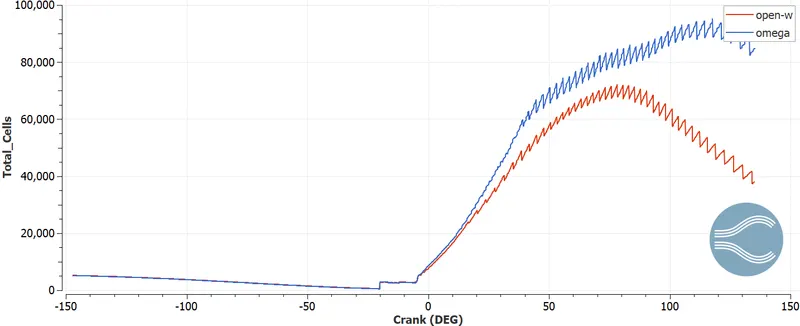
cell count
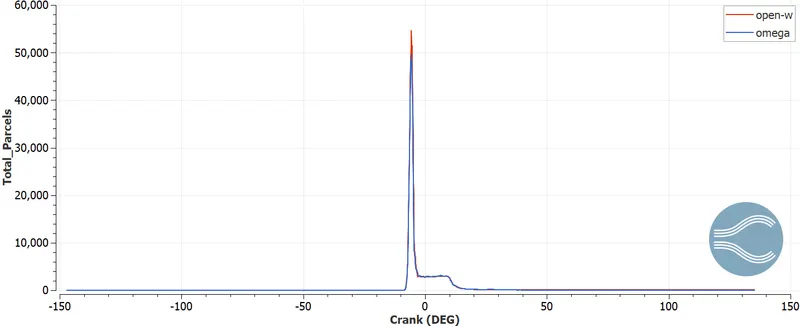
total parcels
post processing results
open-w
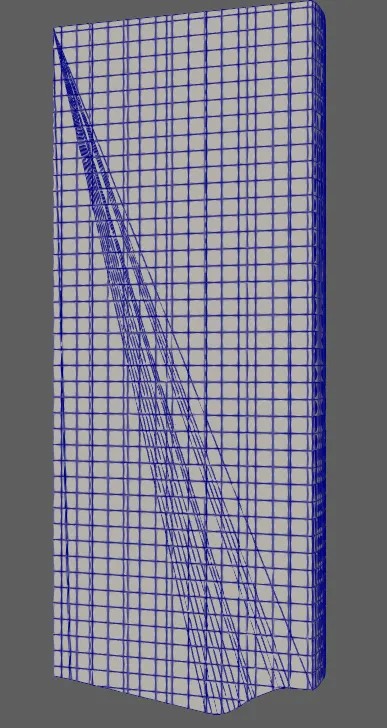
meshing
post processing results at the end of the simulation
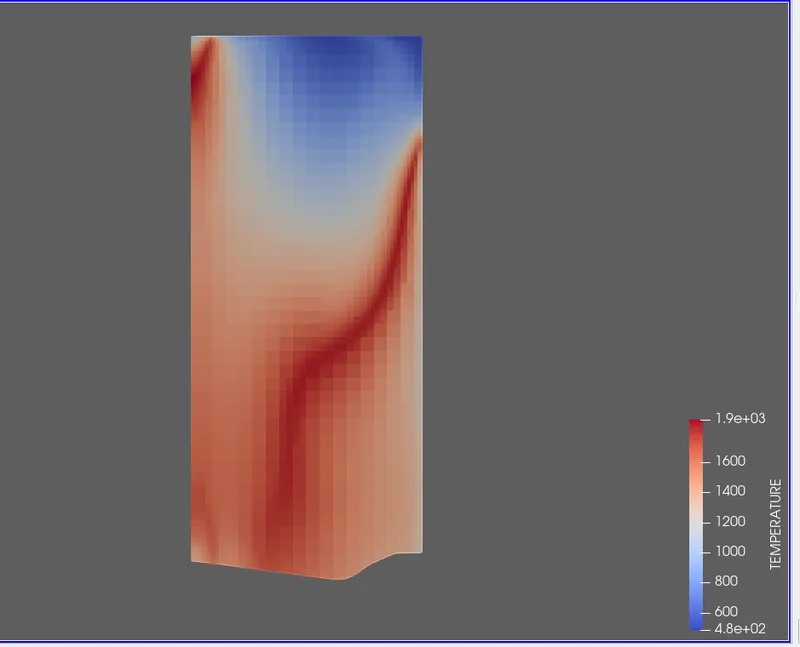
temprature
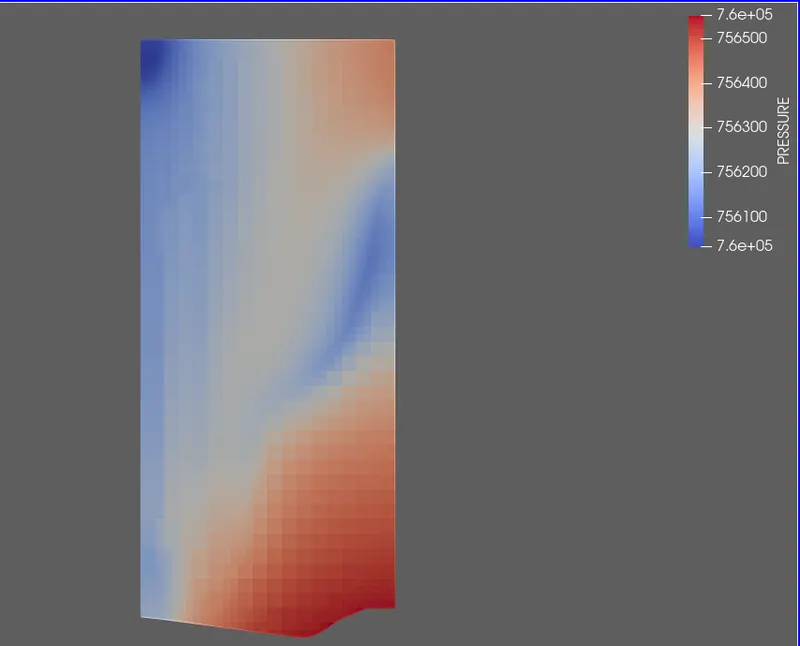
pressure
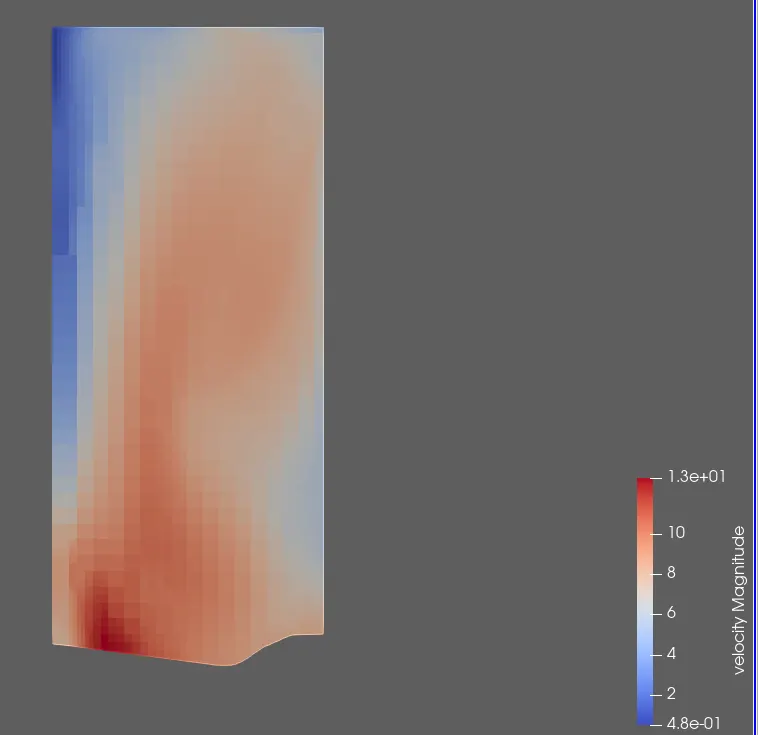
velocity
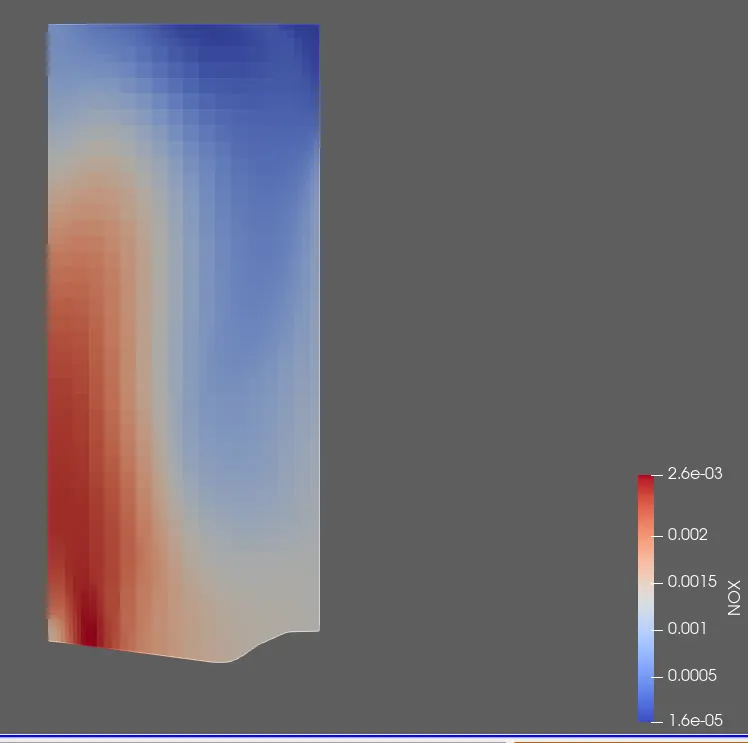
NOX
the animation of these counour is uploaded in zip file
conclusion
from the results plot and post processing it can seen that
advantage of omega over open w piston
- omega piston is more effiecient
- producess high temprature
- more compressure ratio
- more energy release
- less soot release
- less unburt hydrocarbon release because its more effieciet
- less CO release which is more dangerous to envirement
disadvantages of omega piston
- due to high temprature NOX emmision increases
- CO2 emmision is more
animation plots which support conclusion are attaced in zip file