Week 11: Project 2 - Emission characterization on a CAT3410 engine
Aim: To simulate fuel spray and combustion in two different piston profiles in the cylinder head and study the effect of piston profiles on the key performance parameters and emissions.
Theory:
A diesel engine population has created pressures on controlling diesel PM(Particulate matter) and NOx emissions. The initial progress in diesel emission control was achieved through engine technologies, including changes in the combustion chamber design, improved fuel systems, charge air cooling, and special attention to lube oil consumption. The diesel engine has the highest thermal efficiency of any practical internal or external combustion engine due to its very high expansion and inherent lean burn which enables heat dissipation by the excess air.
When the fuel is sprayed into the chamber, the fuel converts into smaller droplets. These droplets get vaporized with air due to swirling motion. The swirling motion is affected by the piston profile. If the swirling motion is higher, it results in a faster combustion process which means higher heat release, MEP(Mean effective pressure), temperature, and efficiency. The higher temperature leads to produce a higher amount of NOx emission. On the other hand, the lower swirling motion results in a slower combustion process. This project deals with 2 different types of piston profiles which are studied and simulated. They are an Open-w piston and an Omega piston.
Procedure:
Import the geometry file of the diesel engine(360 degrees combustion chamber). Here we are simulating 1 sector of domine. Make surface tool is used to create a sector model for 360 degrees.
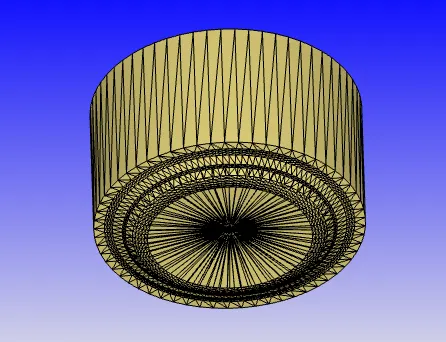
First of all, we use the extract_profile utility in STUDIO, in order to create a sector from a full geometry. Click on Extract profiles from surface.dat in the Make engine sector surface window. You can extract the head and bowl profiles from your full geometry and import that into the make_surface utility to create a sector.
There are some requirements before we can go ahead extracting the head and bowl profiles from full geometry. The full geometry must be centered at z=0 and any cut plane through the geometry must form a closed loop, implying we need to remove the valves and ports from your geometry and close the holes.
Omega piston Open-W piston
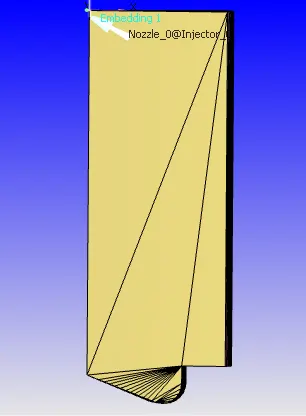
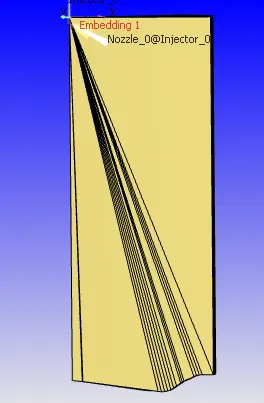
Result:
1. Mean temperature:
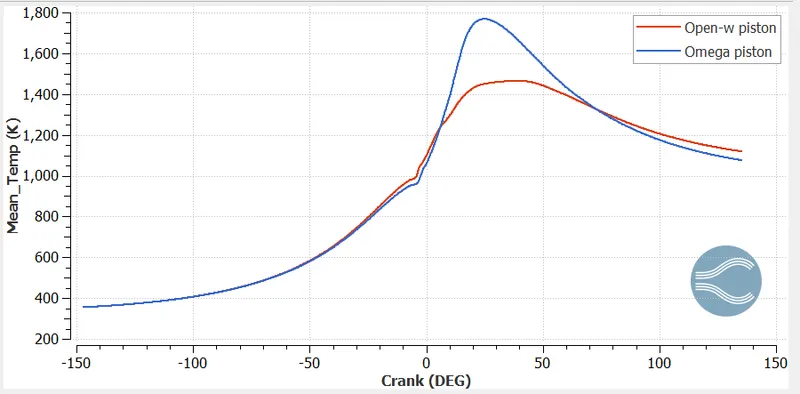
From the above mean temperature plot, the mean temperature for the open-w piston is 1453k and for the omega piston is 1766.2k. While comparing both plots Omega piston is having a higher temperature than the open-w piston.
2. Pressure:
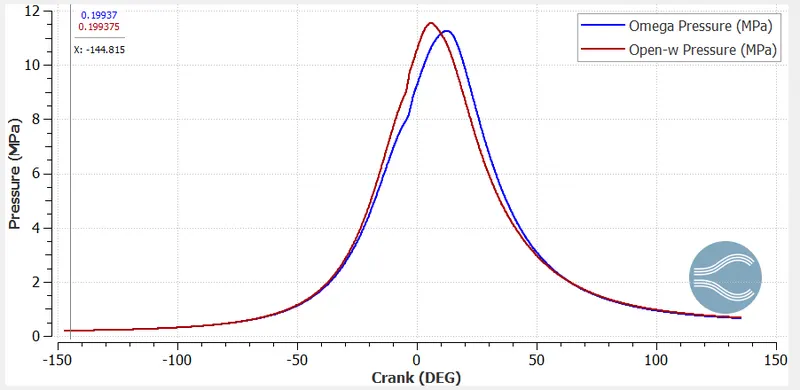
From the plots, the Open-w piston is having a higher pressure than the omega piston.
3. CO2:-
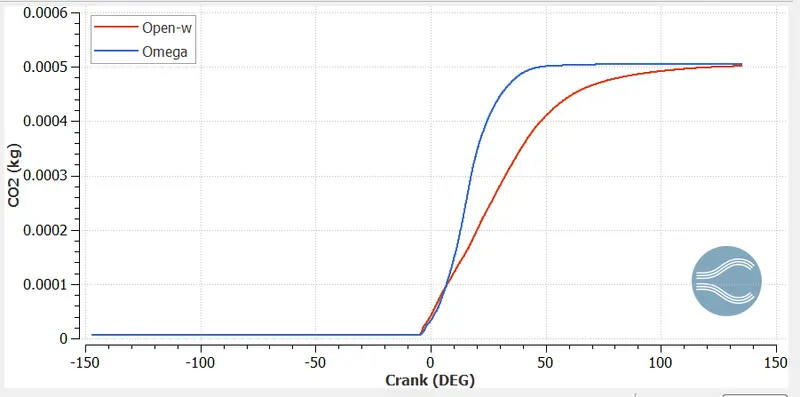
During combustion, the carbon (C) from the fuel combines with oxygen (O2) from the air to produce carbon dioxide (CO2). The combustion process also produces heat that is converted into the mechanical energy that propels the vehicle. The omega piston produces more CO2 than the open-w piston.
4. CO:-
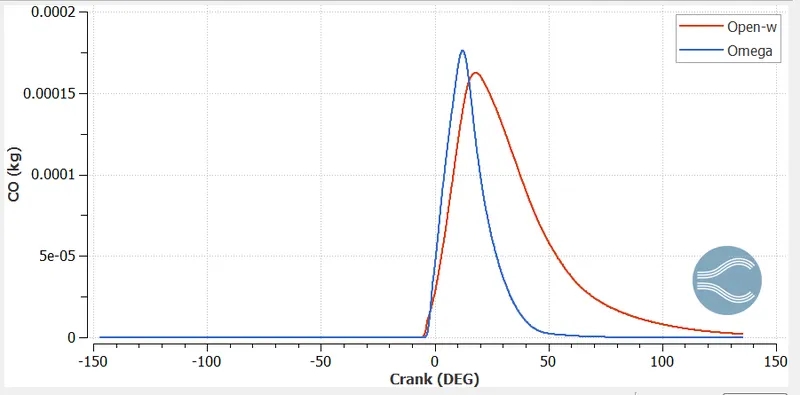
When the combustion starts the CO increases inside the cylinder at that time the omega is higher than the open-w and as the combustion progresses the CO gets oxidized to CO2 and the mass of CO starts to decrease. By the end of the cycle, the open-w piston is higher than the omega piston.
5. NOx:
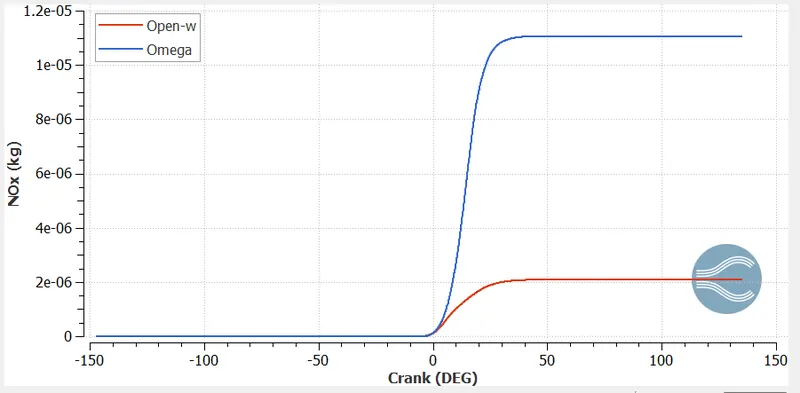
NOx is produced when the reaction takes place between nitrogen and oxygen particles in combustion, especially at higher temperatures. The omega piston produces 1.1364e-5 Kg of NOx and 1.7460e-6 Kg for the open-w piston. The omega piston is higher than the open-w piston because the temperature of omega is higher.
6. Soot:-
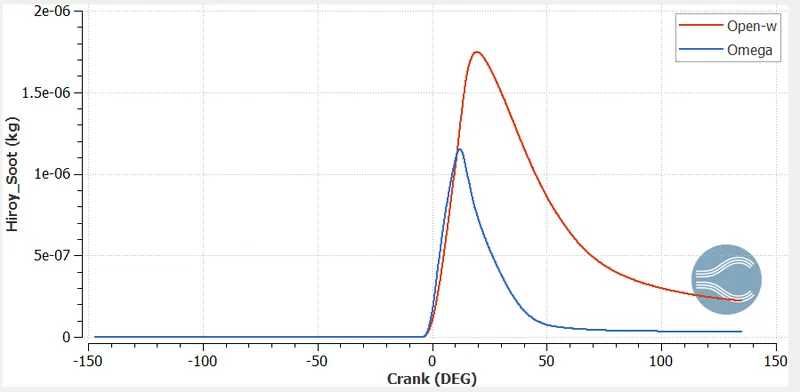
From the above plot, by the end of the cycle, the open-w piston is higher than the omega piston. Higher the soot indicates incomplete combustion in the cylinder.
7. C7H16:-
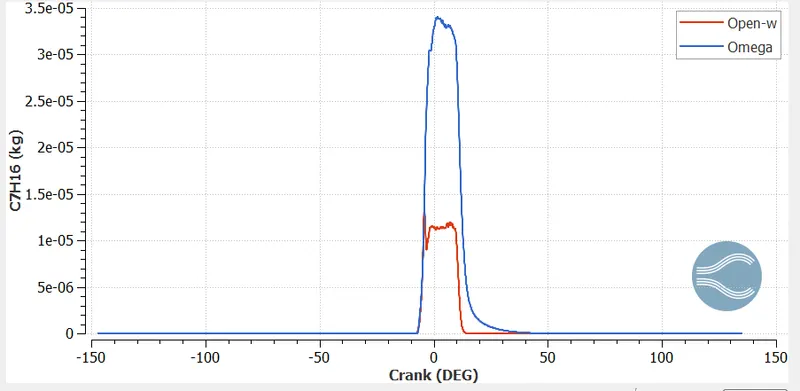
The production of C7H16(heptane) is higher in the omega piston while comparing with the open-w piston.
8. Heat release rate:-
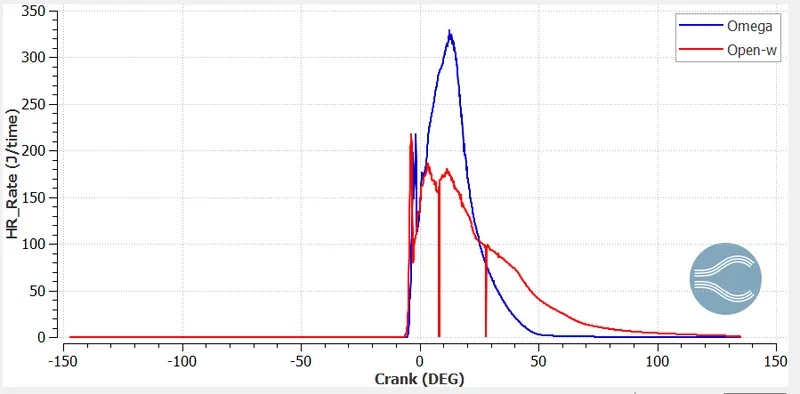
From the above plots, the heat release rate for the omega piston is higher than the open-w piston.
9. Integrated HR:-
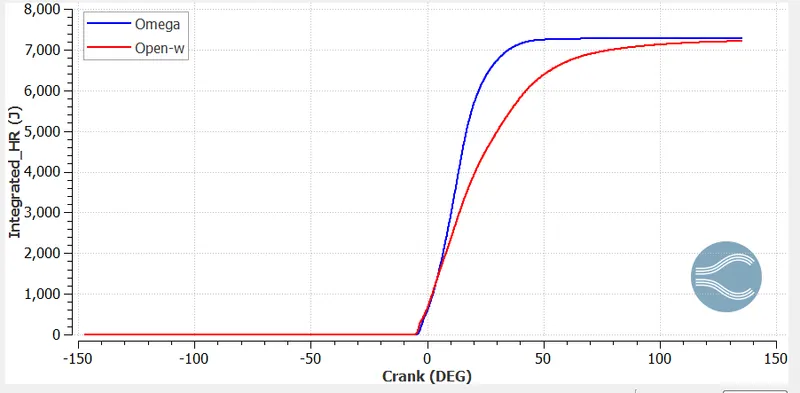
From the integrated heat release plot, the heat release for the omega piston is 7279J and for the open-w piston is 7211J. The Omega plot is higher than the open-w piston plot.
10. HC:-
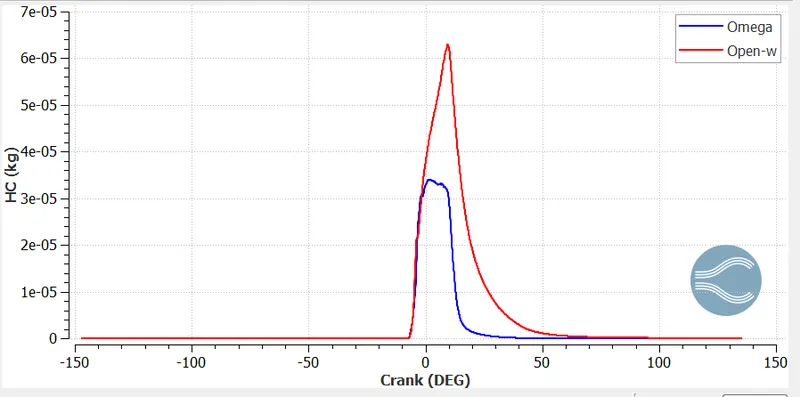
Hydrocarbons (HCs) are products of incomplete combustion process which can occur during the operation of the ic engines. The open-w type of piston is having higher amount of HC than the omega piston.
11. Spray parcels:-
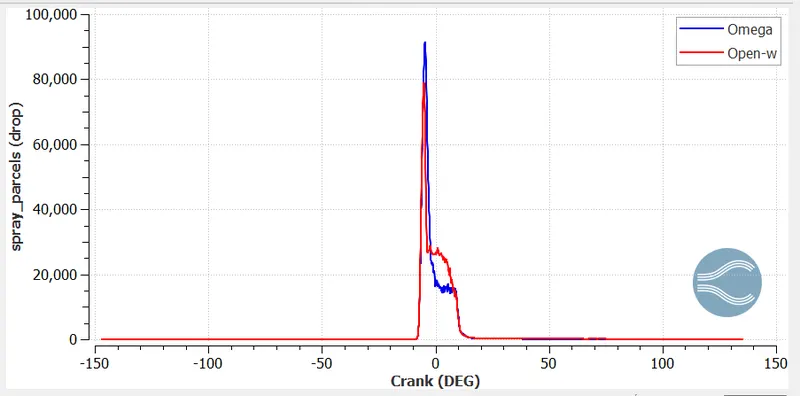
The omega piston is producing higher spray particles than the open-w piston.
Animation Links:
For omega piston Soot emissions: https://youtu.be/saTMy0LlarU
For omega piston NOx emissions: https://youtu.be/BSiHNrqX4Xg
For omega piston C7H16 emissions: https://youtu.be/Hszs8x0qkGw
For omega piston CO emissions: https://youtu.be/LD1Y2uA4cwA
For omega piston Co2 emissions: https://youtu.be/BEjs5cpTTn8
For open-w piston Soot emissions: https://youtu.be/Io6f3bkxAaM
For open-w piston NOx emissions: https://youtu.be/ZFu3o-DLMm0
For open-w piston C7H16 emissions: https://youtu.be/JSBdZM9Rh8E
For open-w piston CO emissions: https://youtu.be/WTrFQQY3Vds
For open-w piston Co2 emissions: https://youtu.be/jxquZ5pksHk
Conclusion:
The analysis of thermodynamic and emission parameters is calculated. Comparing the results, the Omega piston is more efficient than the open-w piston. But the only drawback in the omega piston is that it produces higher NOx emission than the open-w type because the omega piston is having a higher combustion temperature.