Week 11 - Final project
ABSTRACT:
The project deals with the explanation of steps and procedures followed while developing the Door Trim Panel of a car using CATIA V5. Using the given class A surface tooling axis, class B surface, class C surface were created, and after forming the solid body from that the flanges and the B side features such as Dog house, push pins, Heat stakes, etc were built. And finally, the draft analysis is also done on the components to check the manufacturability of the components.
Door Trim
The door panel covers internal parts like the window regulator, the power window motor, and the wiring. It is attached to the sheet metal part of the door. It is designed differently based on the design of the sheet metal part of the door. Besides its aesthetic look, it also has many functional features attached to it such as an armrest, bottle holder, speaker attachment, etc. In older cars, door panels used to be made out of cardboard and upholstered with material that matches the rest of the upholstery within the cabin. On the other hand, most modern cars have door panels made from plastic.
Problem Statement:
- Create a closed body of the door trim panel using the Class A surface provided along with the master section.
- Create a push pin with the dog house for the lower substrate.
- Use Heat Stakes for the part to the part attachment.
Tools Used:
Part workbench:
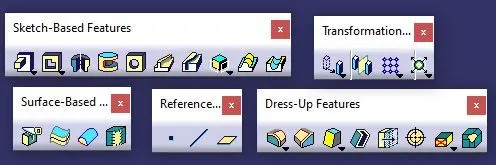
Surface Workbench:

DOOR TRIM PANEL
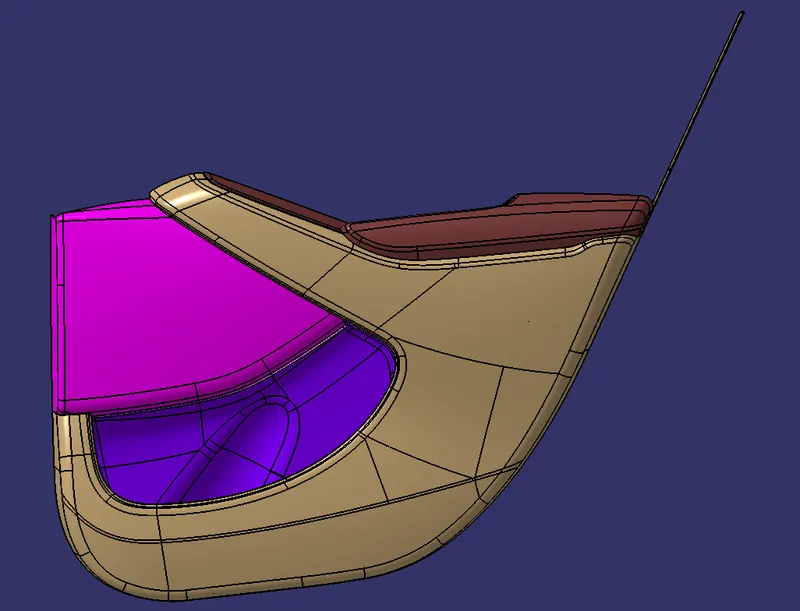
SWITCH PANEL
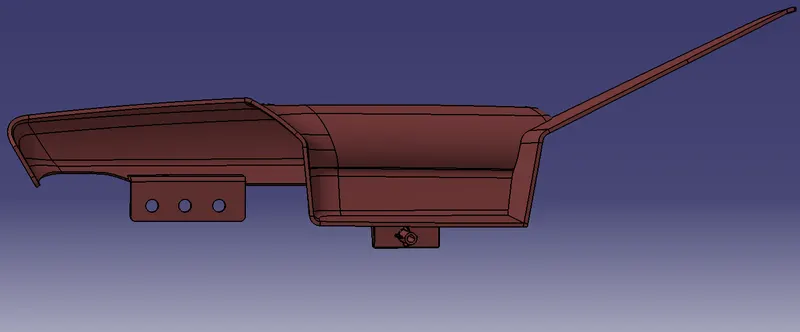
BOTTLE HOLDER
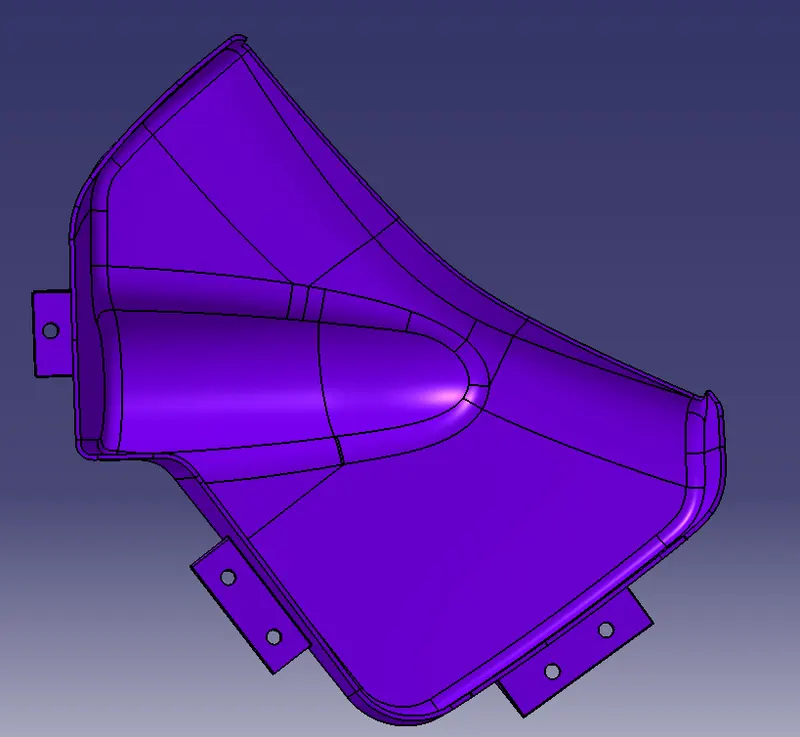
LOWER SUBSTRATE
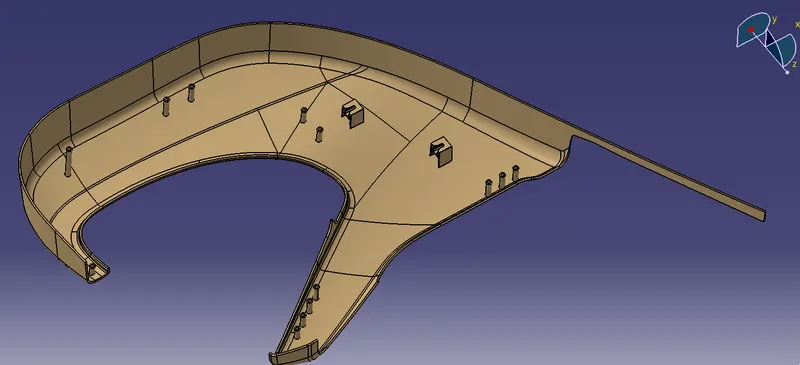
LOWER SUBSTRATE
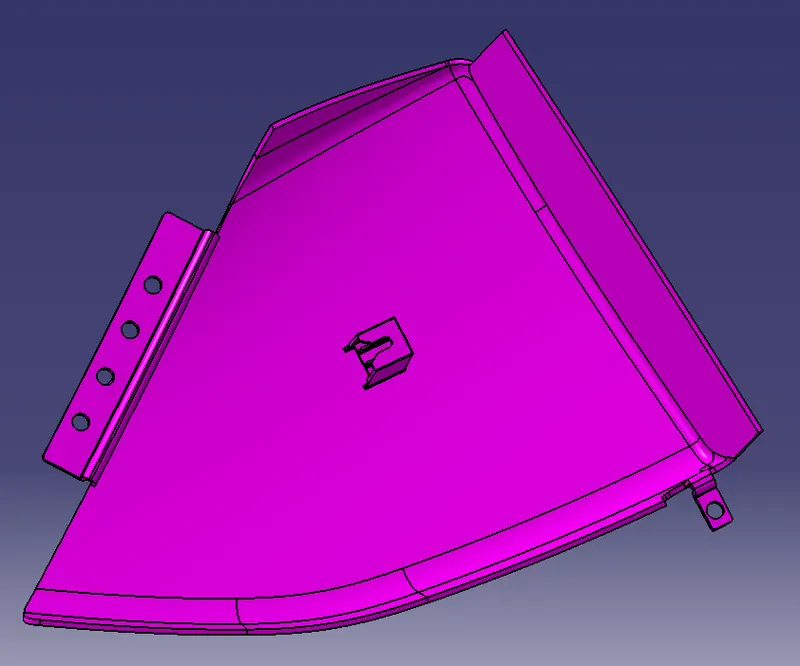
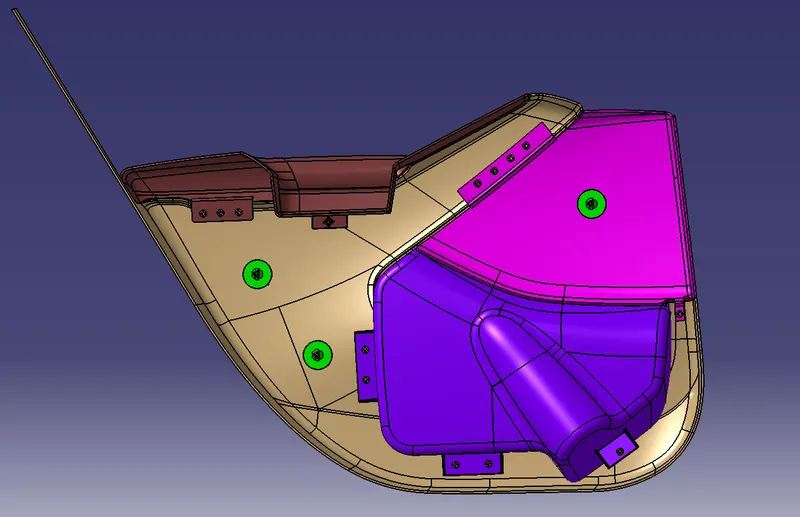
ENGINNERING FEATURES
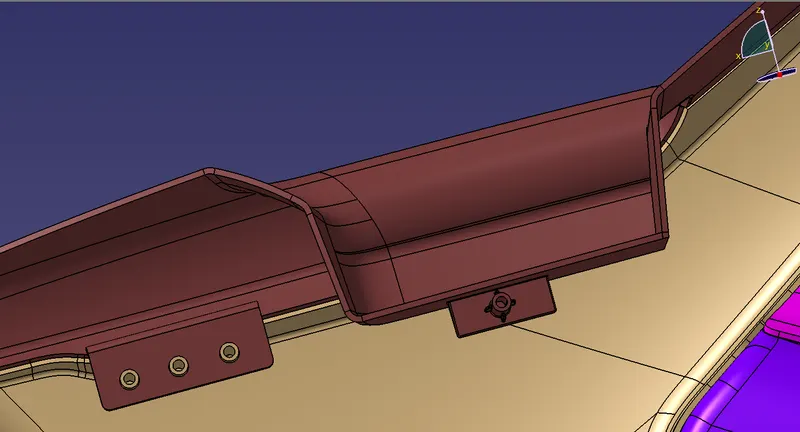
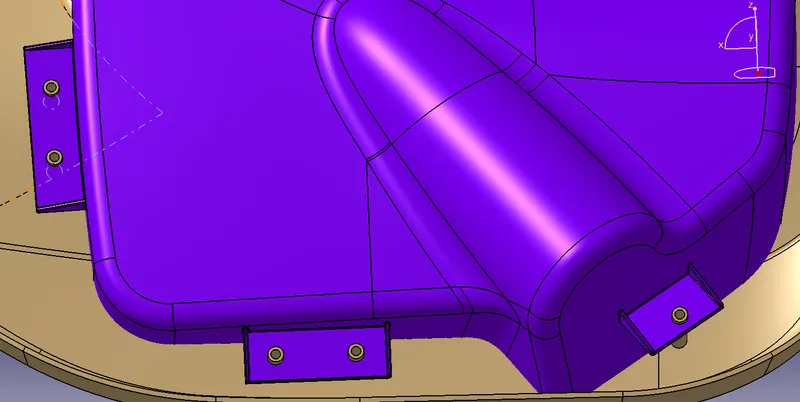
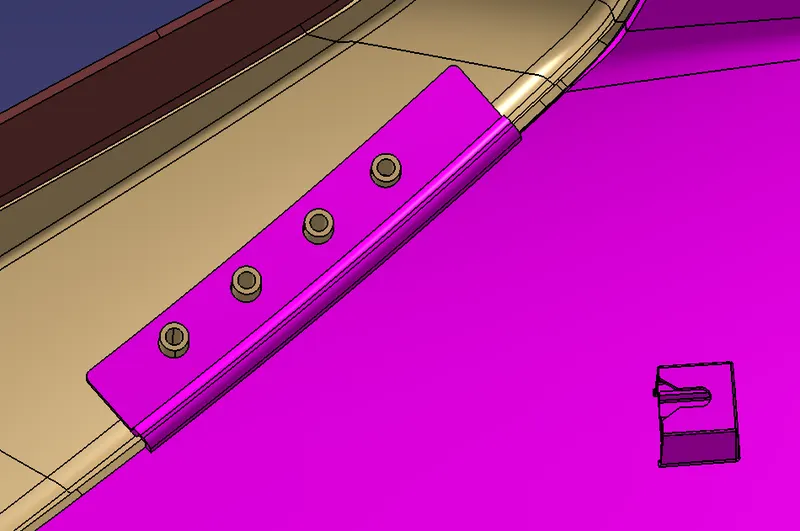
- Heat stack
Heat staking also known as thermoplastic staking is the process of joining two plastic part materials together. In heat staking we use local heating and cooling to raise the temperature of plastic components and allow plastic reforming to be carried out. This reforming can be used in a wide variety of applications.
Heat stacks are don't have any proper dimension. It is created for joining two parts which made on plastics by plastic welding. After create heat stack and flange, which are plastic welded and joined together.
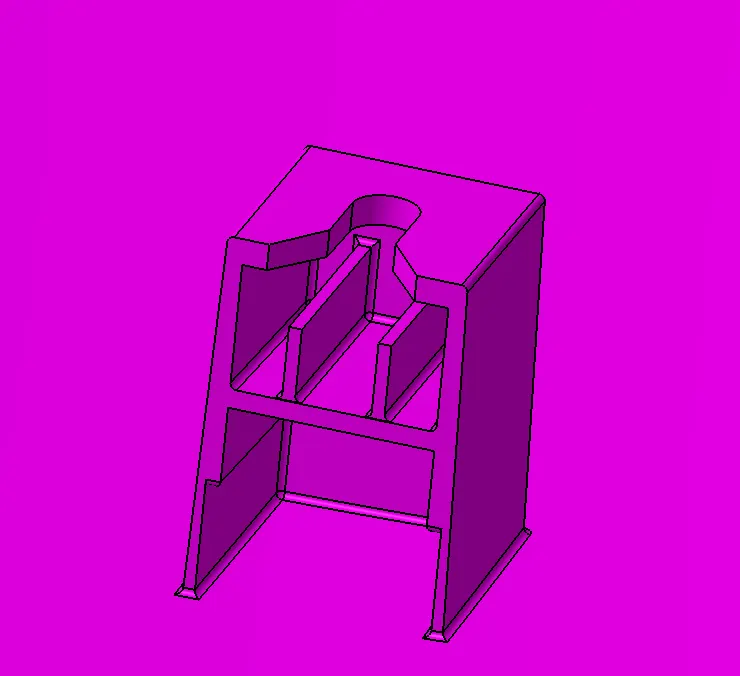
- Dog House
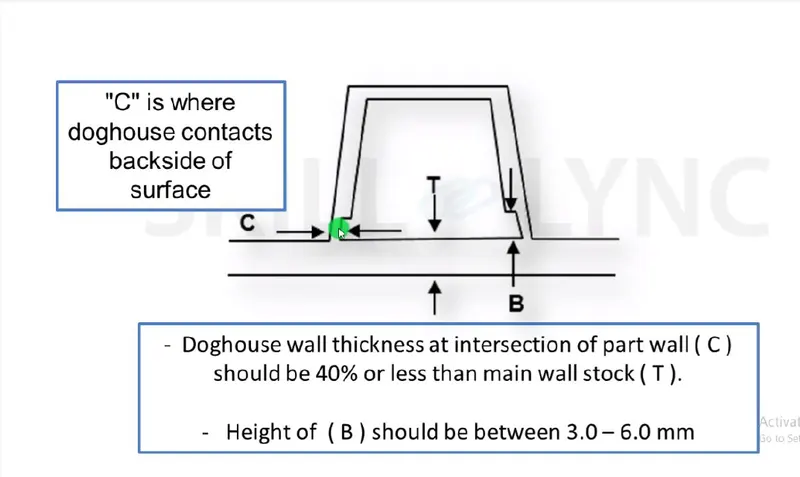
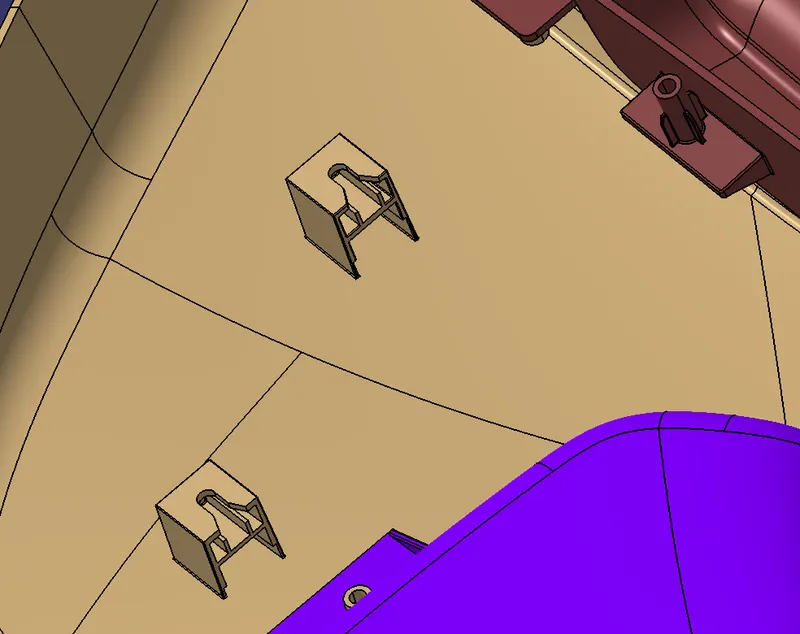
Dog house is a 4 sided box attached to a flat surface which usually requires a riser/slide to mold. In other words, it has 3 sides and a “roof”, where the roof usually has a hole for attachment purposes.” No straight or “flat” walls should be designed flat or straight. Dog house is an engineering feature used in plastic trim design. Dog houses are used as supporting feature. Sometimes other engineering features like snaps; locators etc. are mounded on them to increase their strength. Dog houses are subjected to draft analysis to prevent breakage of the component during ejection from mould cavity. Dog house and other engineering components are built on B-surface.
PUSH CLIPS
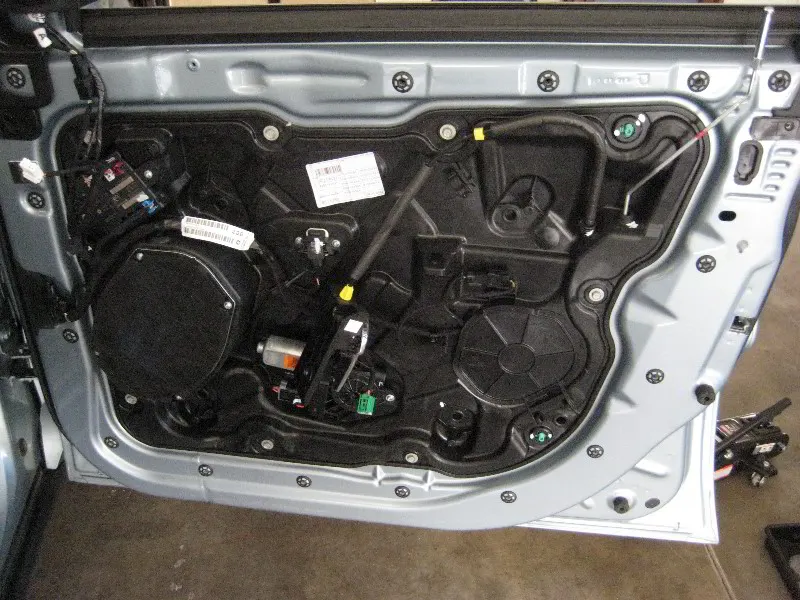
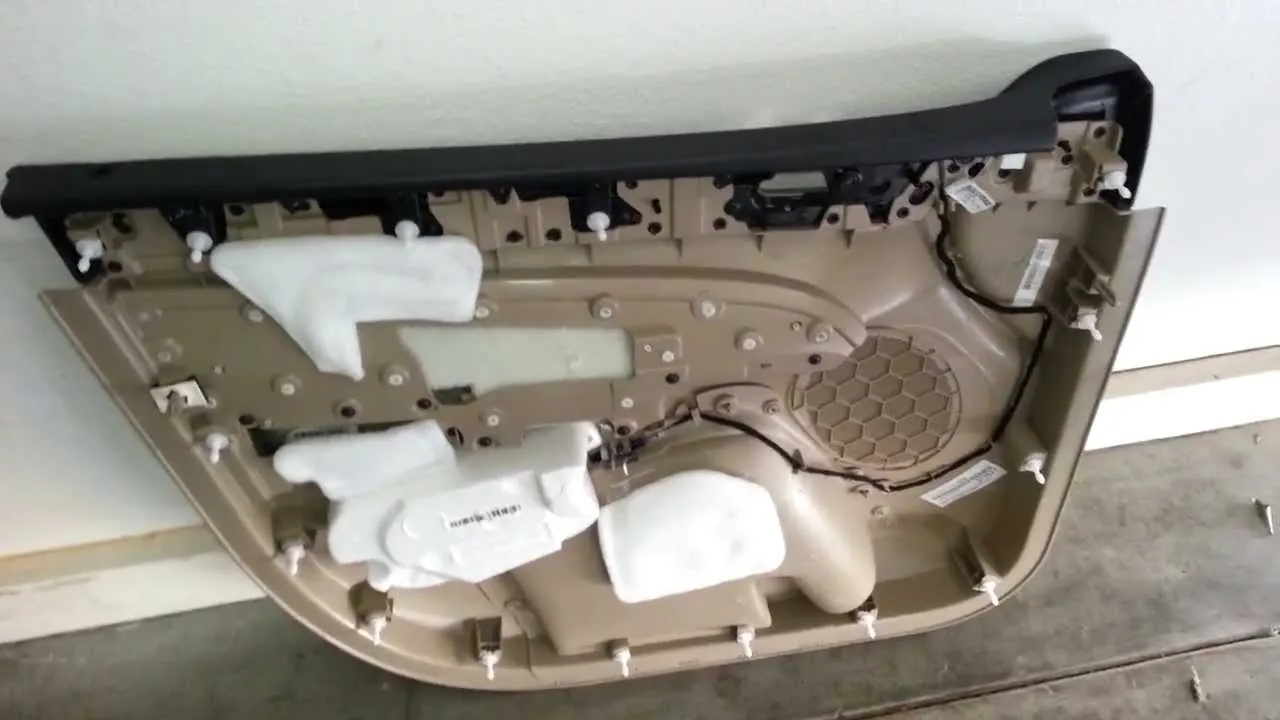
Push clips are the type of rubber material, which os used for connect the door trim to the body of the door side by pushing it.
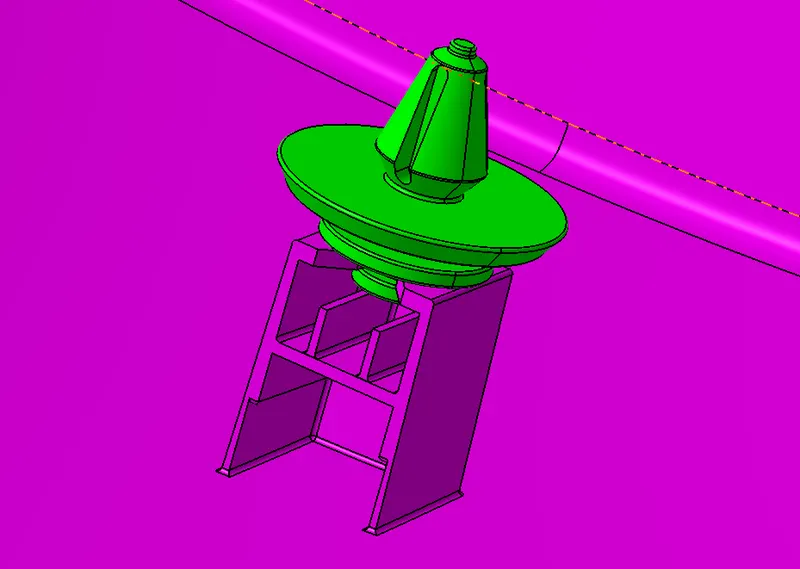
DRAFT ANALYSIS
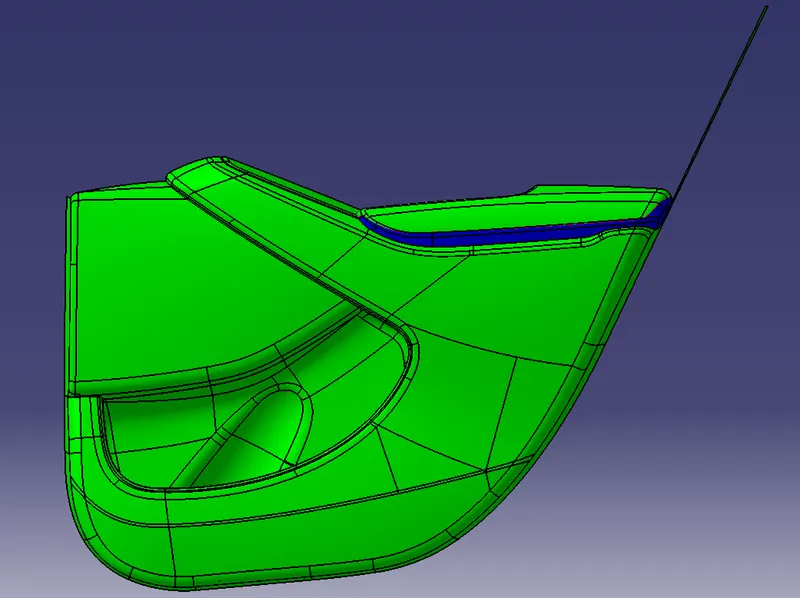
LOWER PART
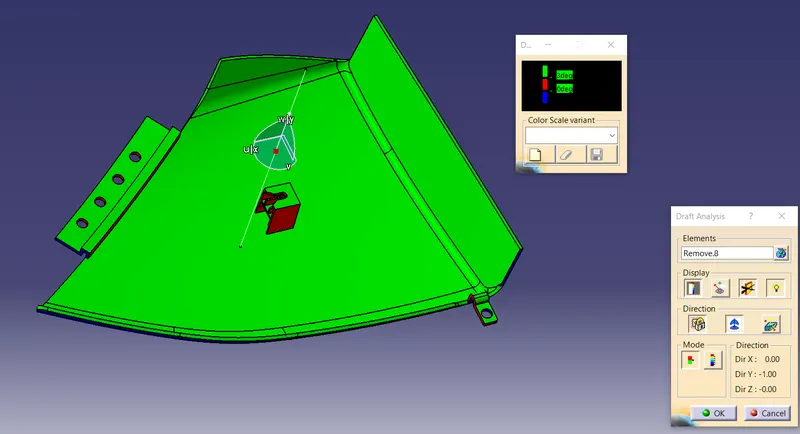
BOTTLE HOLDER
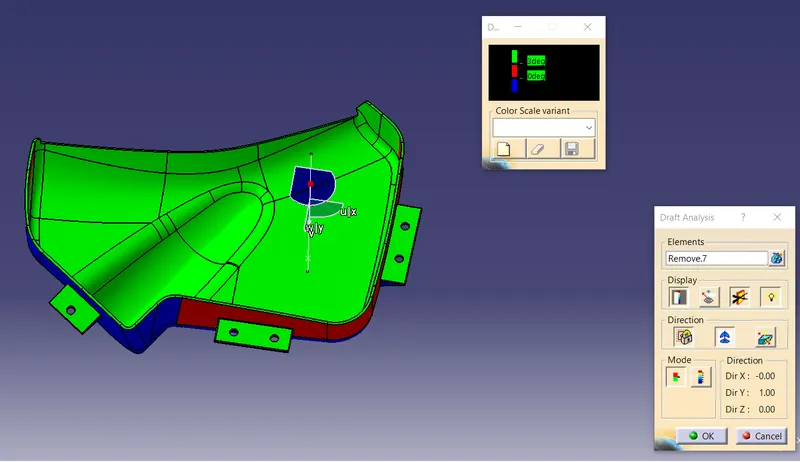
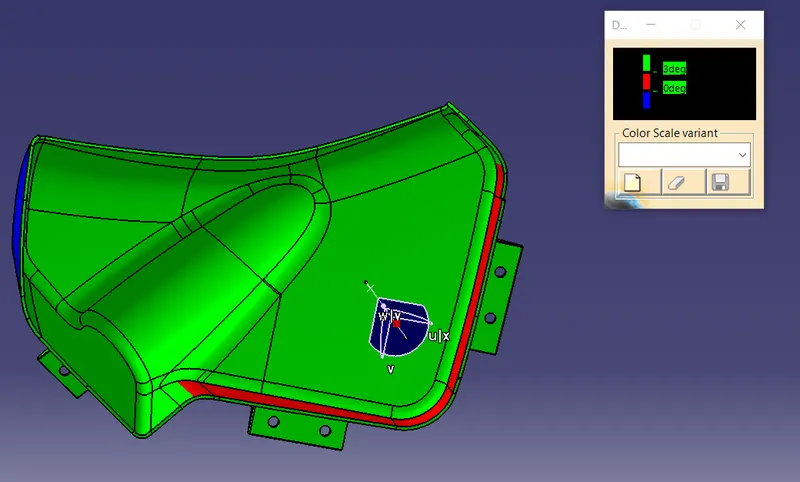
LOWER SUBSTRATE
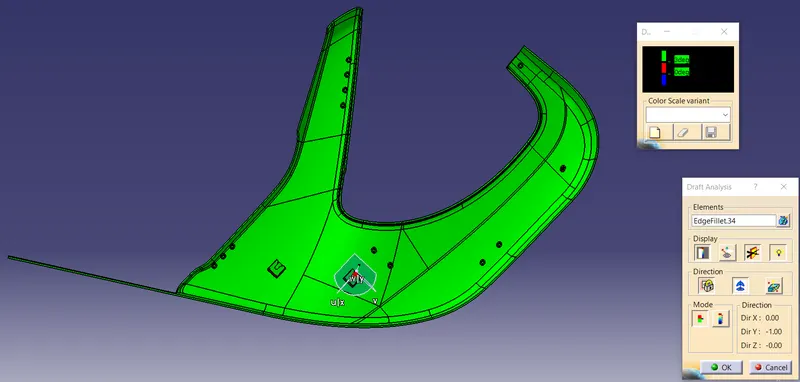
SWITCH PANEL
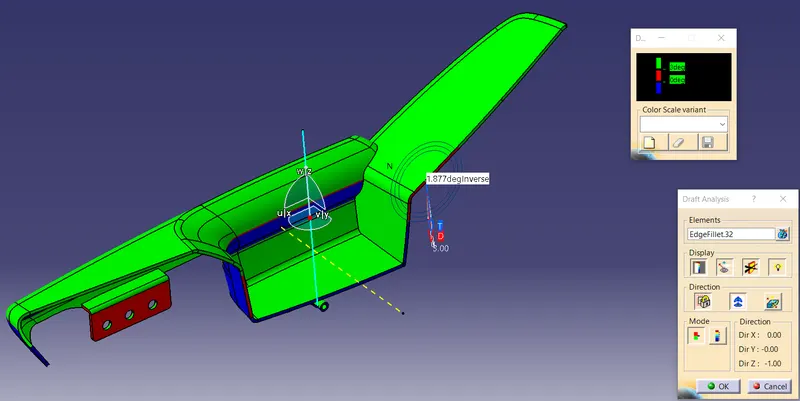
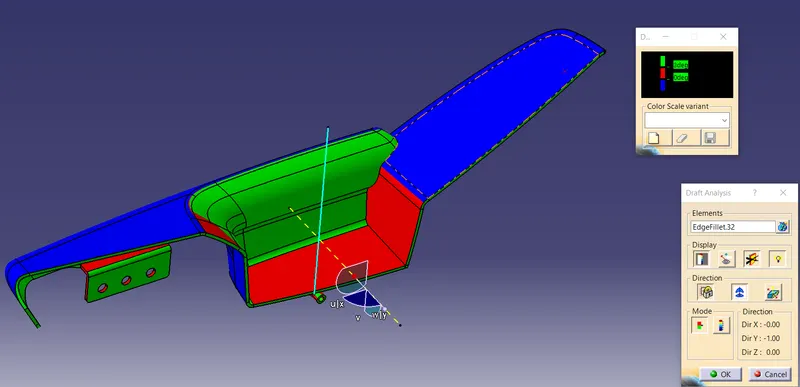
CONCLUSION
1. The Door trim is created using a generative shape design, Part workbenches.
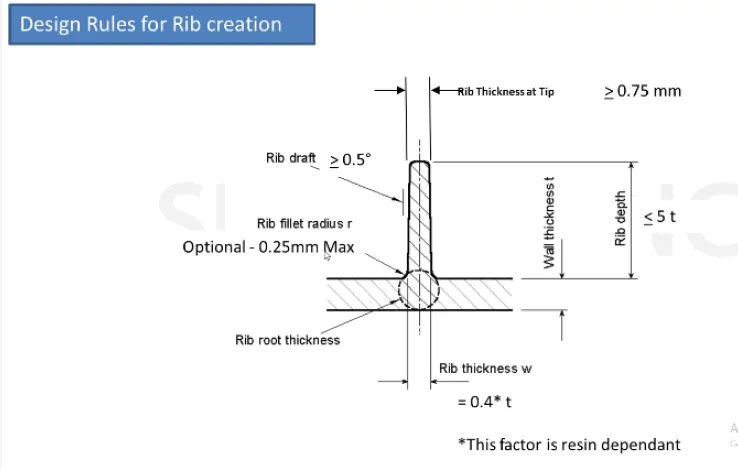
2. The model is designed with the nominal draft angle of 3 degrees for the component and
0.5 degrees for the Attachment features.
3. The Closed body of the model is created using close body command in part design
workbench.
4. The attachment features in the model are designed following the design rules.
5. The tree structure is maintained clearly.