Week 11 - Final project
AIM:-
To design and develop vehicle interior door using Catia V5 with given class A surface along with Master section.
OBJECTIVE:-
- To create the thickened part using the master section for reference.
- To create the mounting features as per design guidelines in the industry and with master sections.
- To perform draft analysis and tool analysis.
INTRODUCTION:-
The door panel is the interface between the interior of the car and the inner working of the door. Generally, the door panel is divided into parts for easy designing like the armrest, map pocket, lower substrate, and bottle holder. These require one of the toughest requirements among the interior parts of the car. This should be designed to withstand the load while being less than 2mm in thickness and also to protect the occupants during collisions.
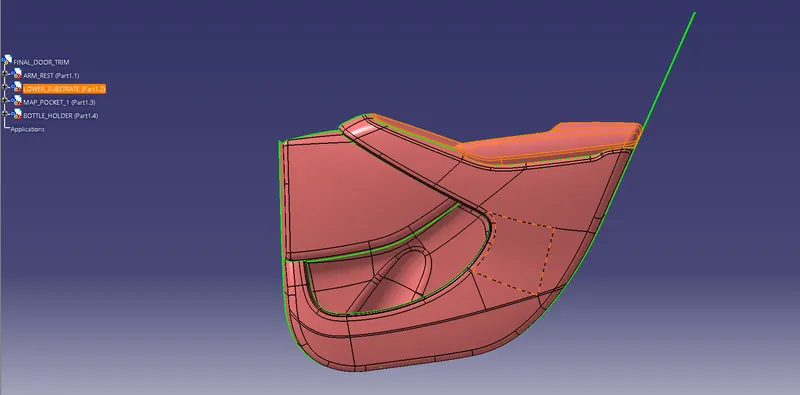
METHODS FOLLOWED IN CREATION:-
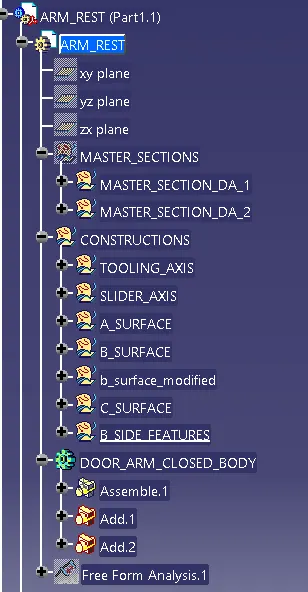
- Tooling axis creation
- Class B surface creation
- Class C surface creation
- Closed body creation
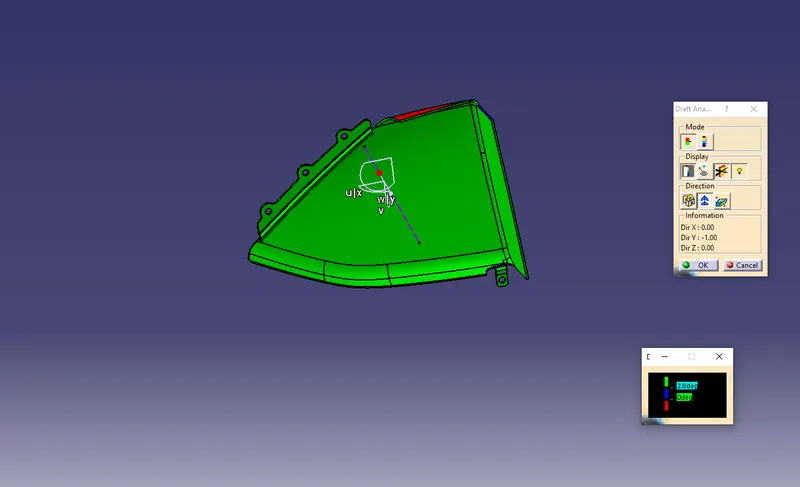
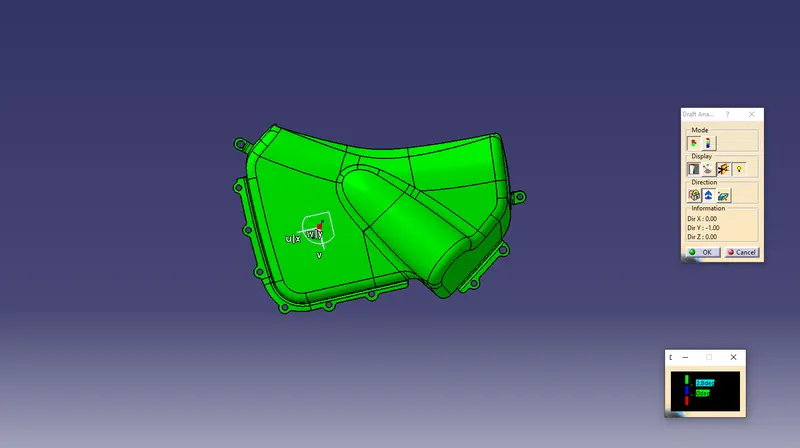
- Draft analysis
PROCEDURE OF PART CREATION:-
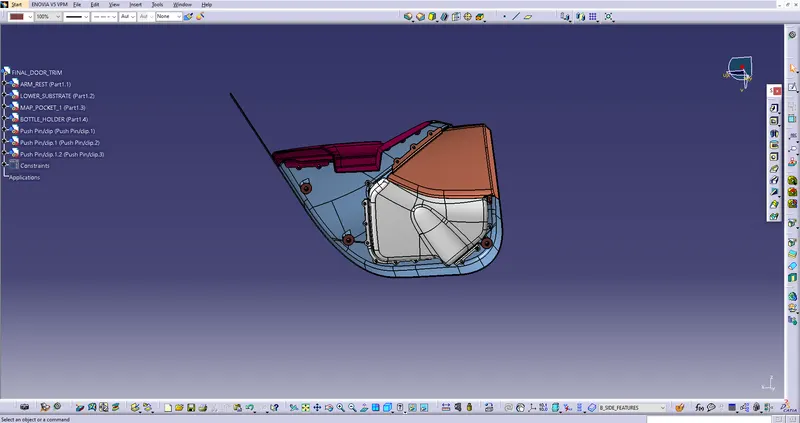
Interior door trim consists of four components
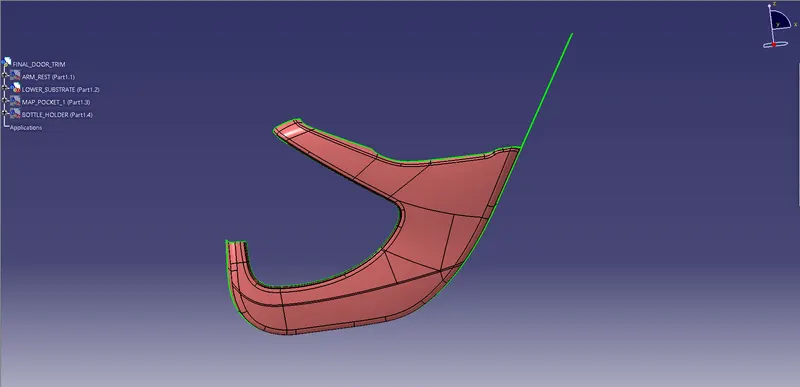
1. Lower substrate
2. Bottle holder
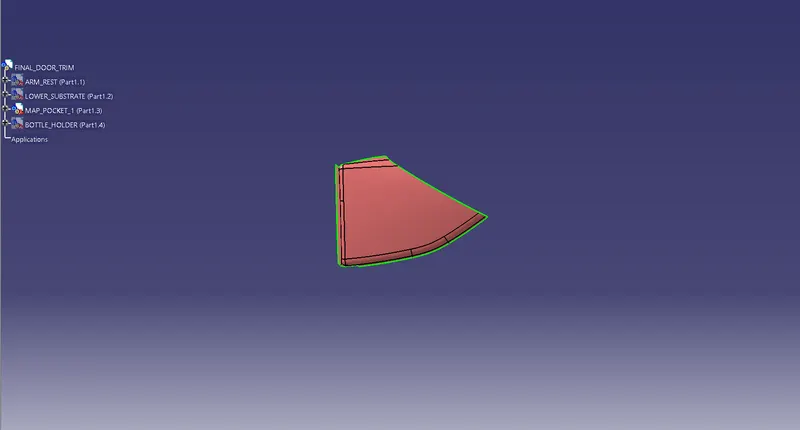
3. Map pocket
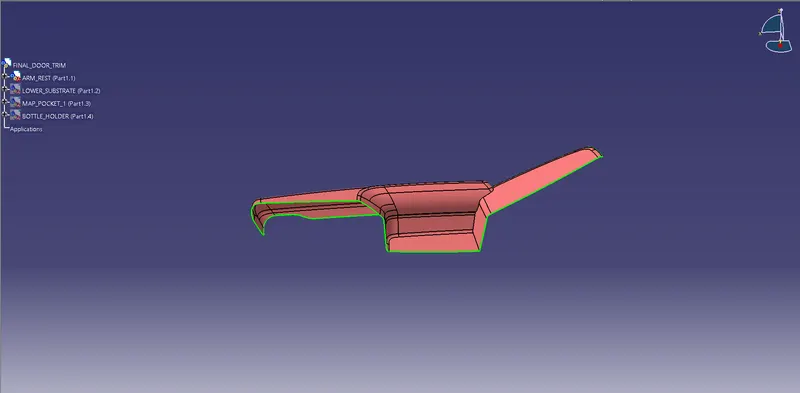
4. Door armrest
DOOR ARMREST:-
LOWER SUBSTRATE:-
MAP POCKET:-
BOTTLE HOLDER:-
TOOLING AXIS:-
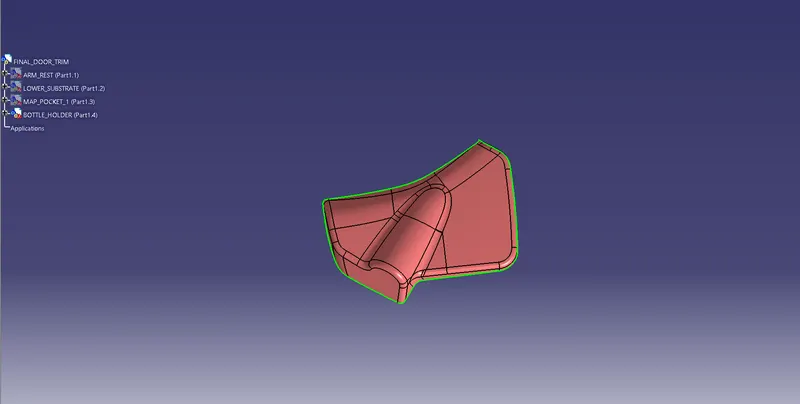
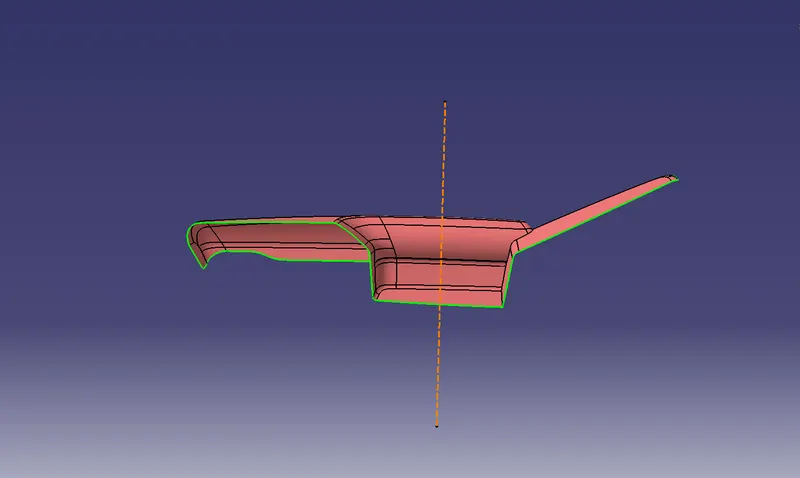
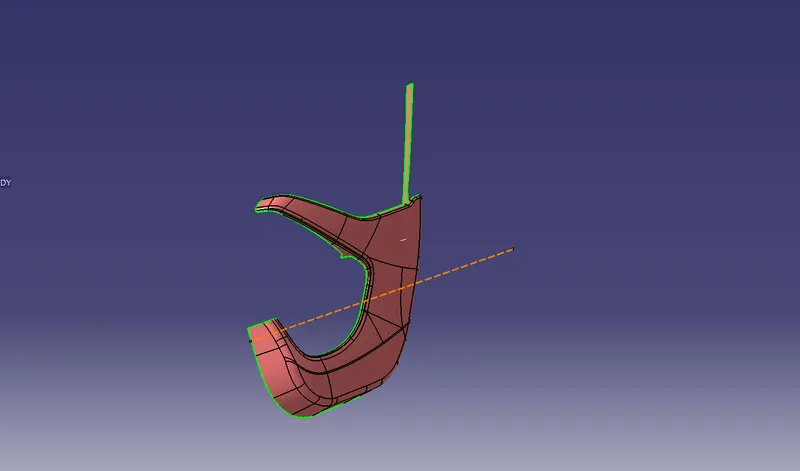
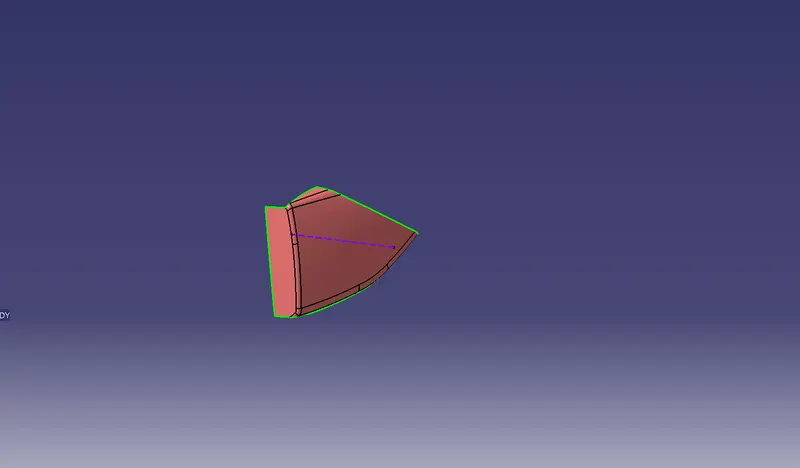
The tooling axis is the direction in which the core and cavity open and close. The design engineer works on it to analyze the Class-a Surface and finds out the best possible direction to tool considering the draft angle with respect to the tooling directions that the component can be easily ejected from the mold.
DOOR ARMREST:-
LOWER SUBSTRATE:-
MAP POCKET:-
BOTTLE HOLDER:-
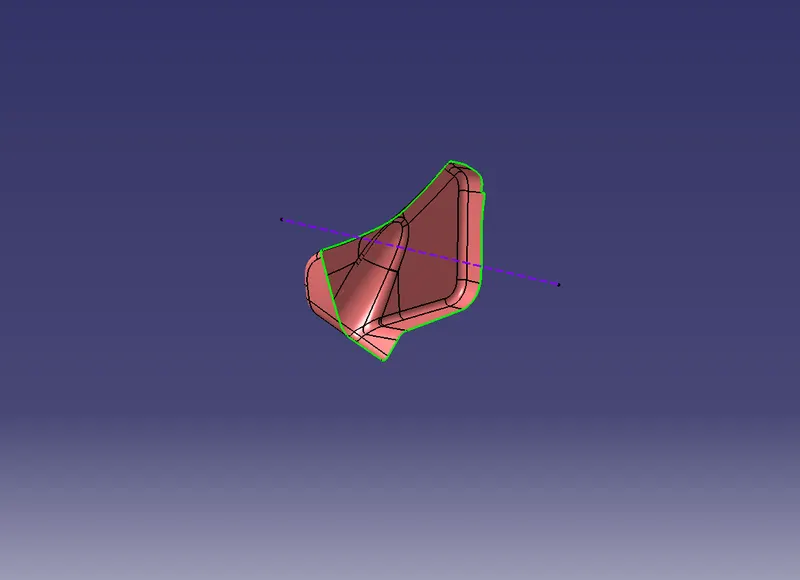
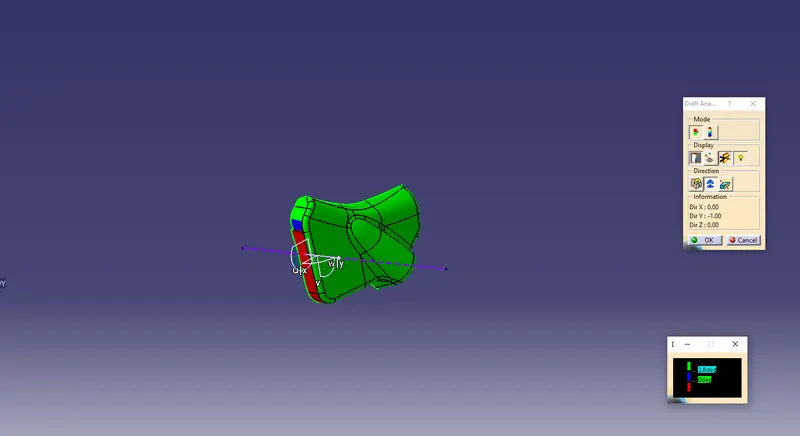
Draft analysis of class A surface:-
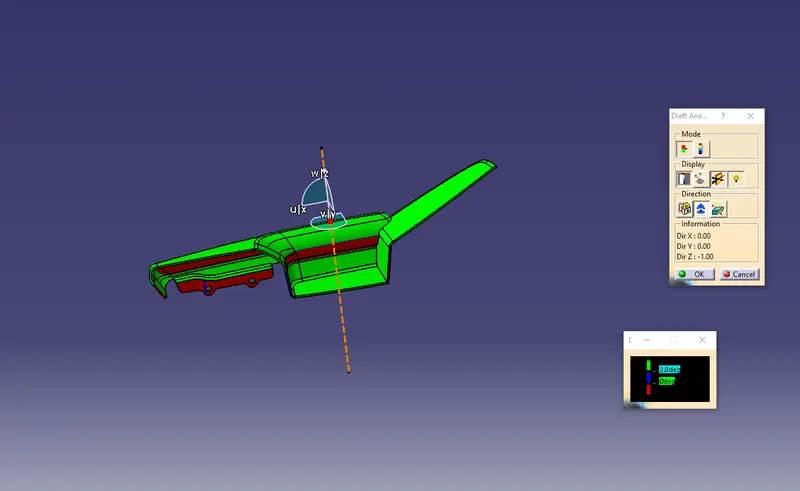
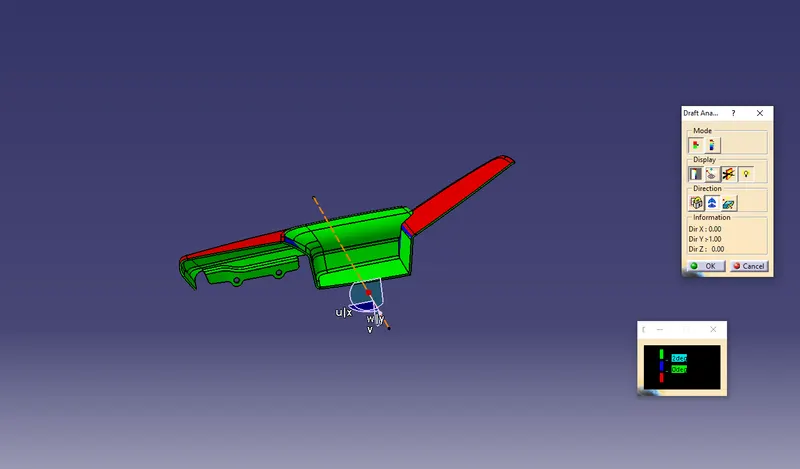
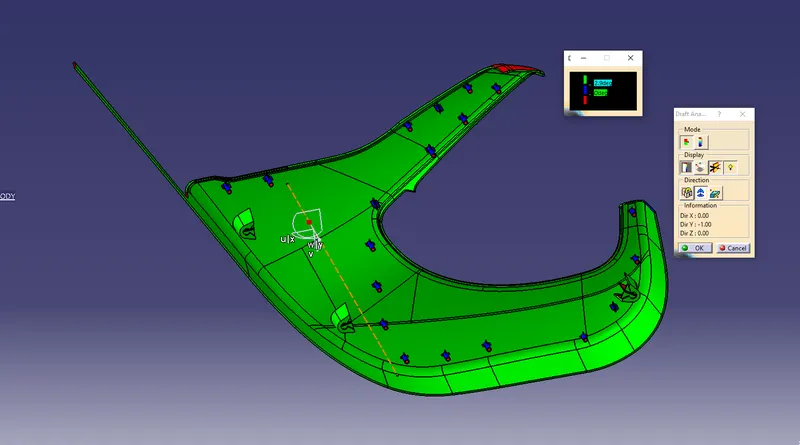
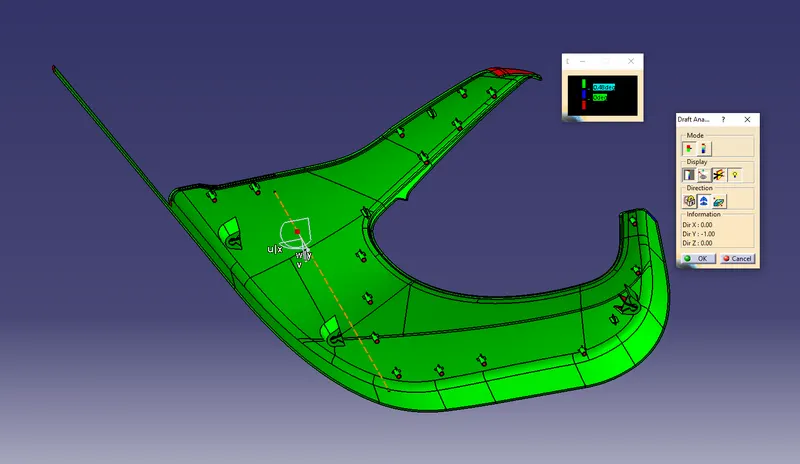
The draft analysis command enables you to detect if the part you drafted will be easily removed. This type of analysis is based on colour ranges identifying zones on the analyzed element where the deviation from the draft direction at any point, corresponds to specified values.
DOOR ARMREST:-
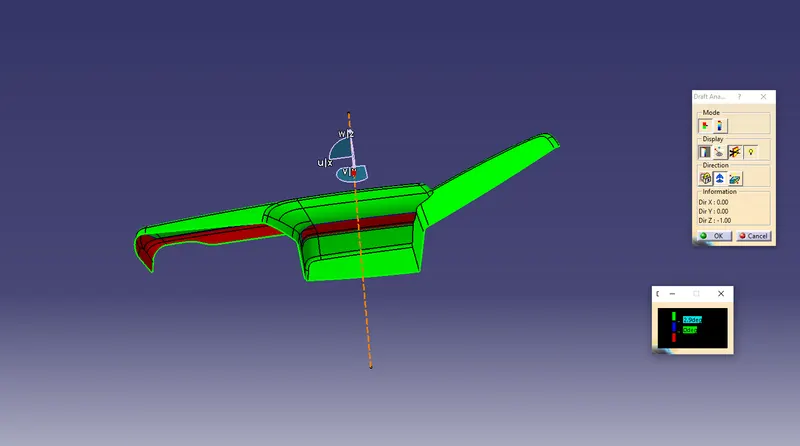
LOWER SUBSTRATE:-
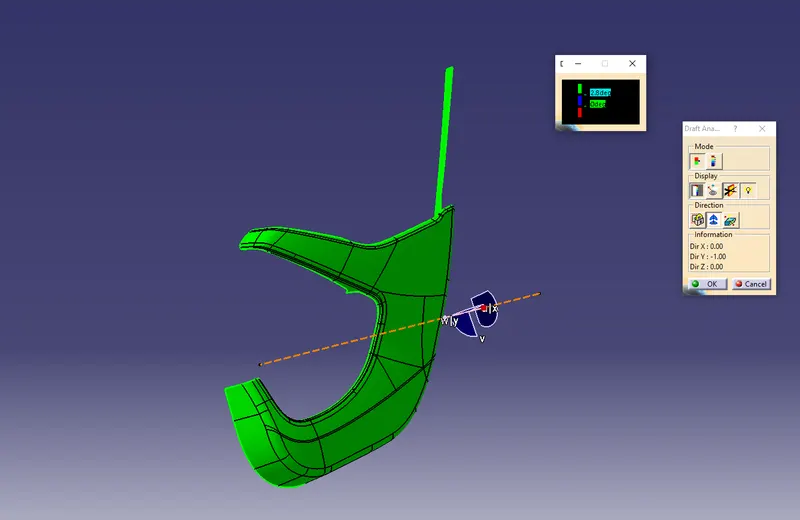
MAP POCKET:-
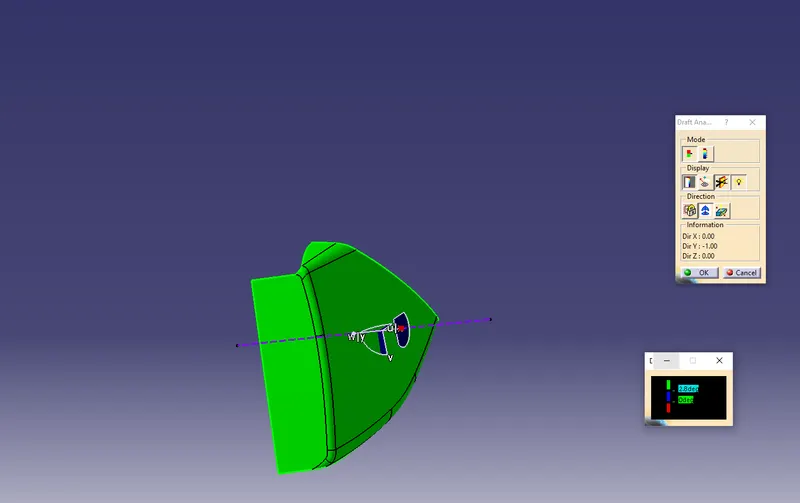
BOTTLE HOLDER:-
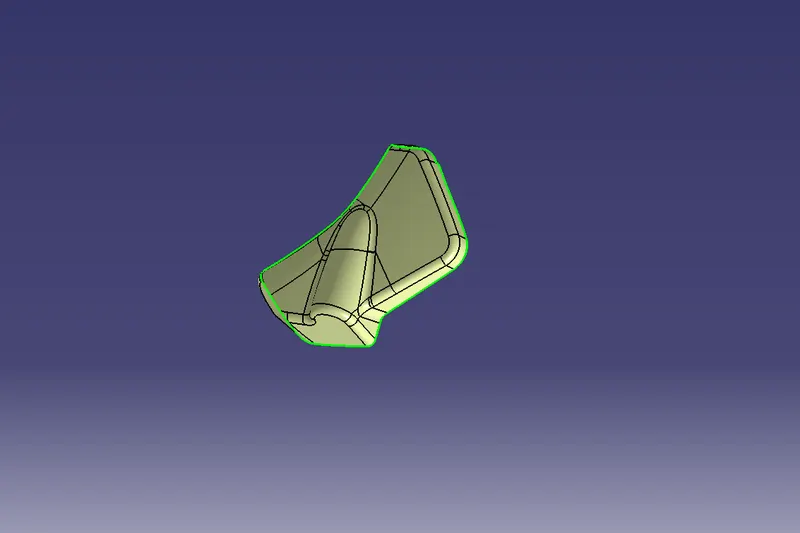
CLASS B SURFACE:-
Class B surface includes derived surfaces created by offset operations from class A surfaces to define the thickness of the material. In this file, it is important to link Class B surfaces geometrically to enable an adaption to class A surfaces. After the creation, the tooling axis B surface is to be created which is nothing but the surface parallel to the A surface B contains all the fillets and the edges which the A surface contains.
DOOR ARMREST:-
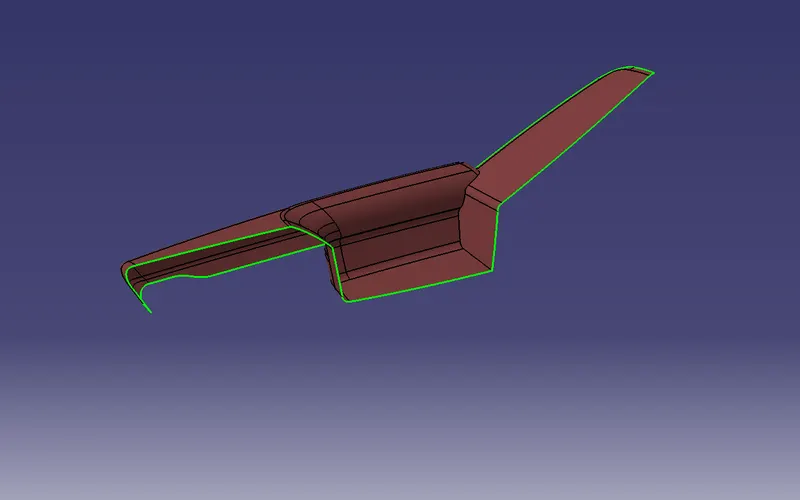
LOWER SUBSTRATE:-
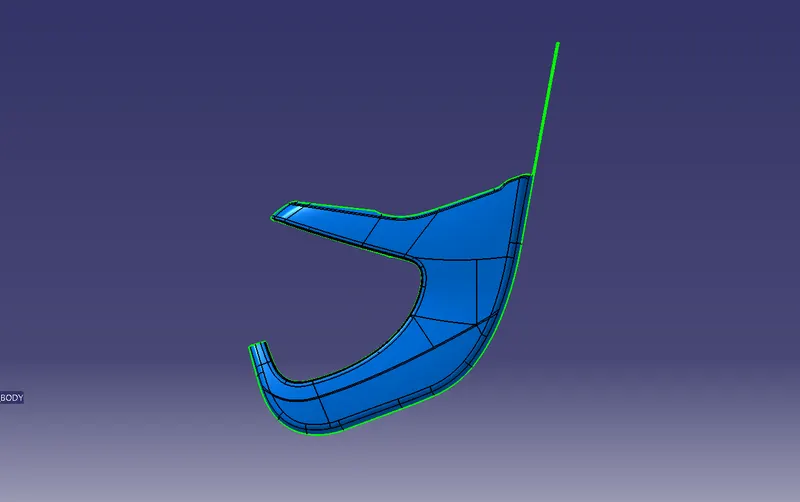
MAP POCKET:-
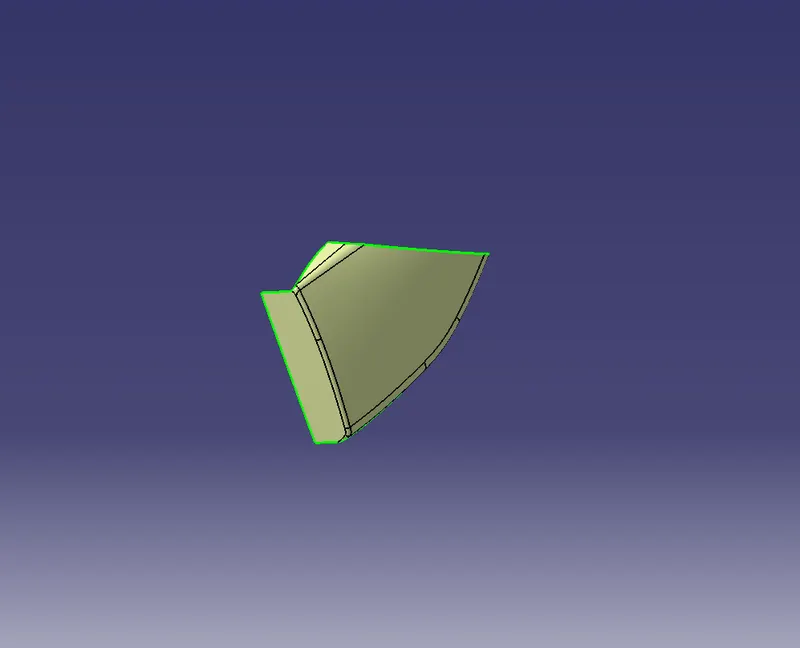
BOTTLE HOLDER:-
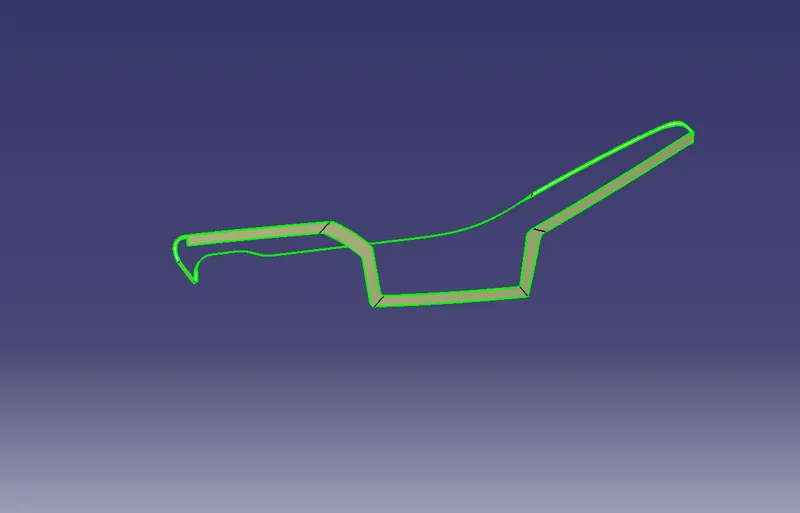
Class C surface:-
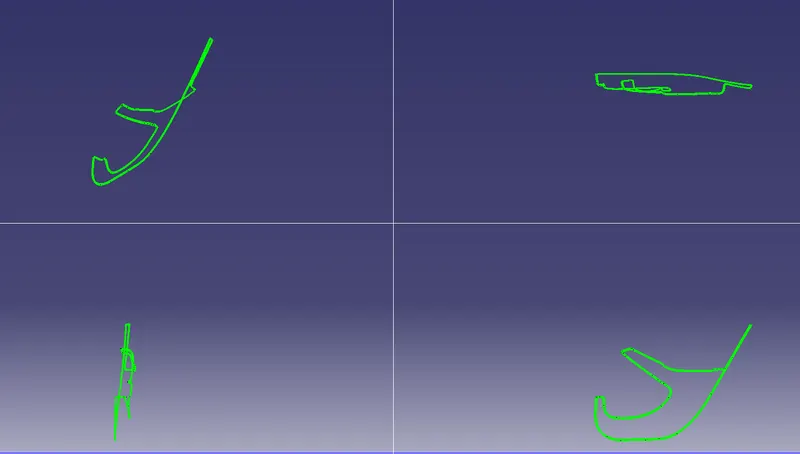
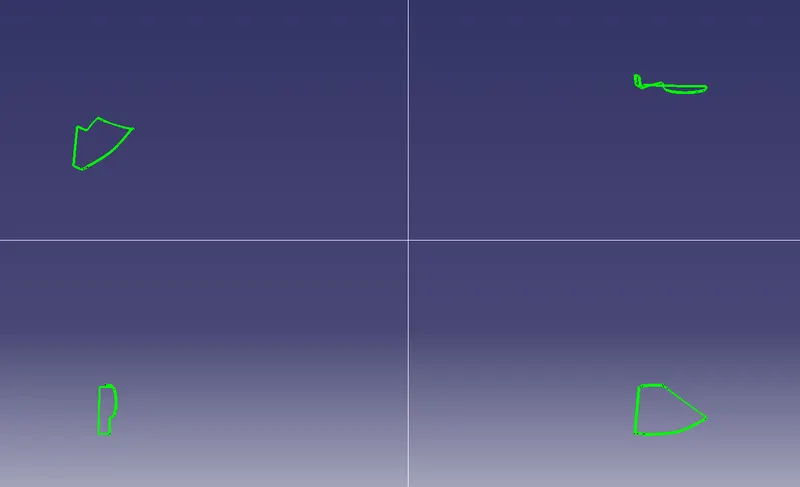
Class C surface is swept along the boundary of Class A at an angle perpendicular to the class A surface with respect to the tooling axis direction with a draft angle of 3 degrees.
DOOR ARMREST:-
LOWER SUBSTRATE:-
MAP POCKET:-
BOTTLE HOLDER:-
JOINING CLASS-A, B & C:-
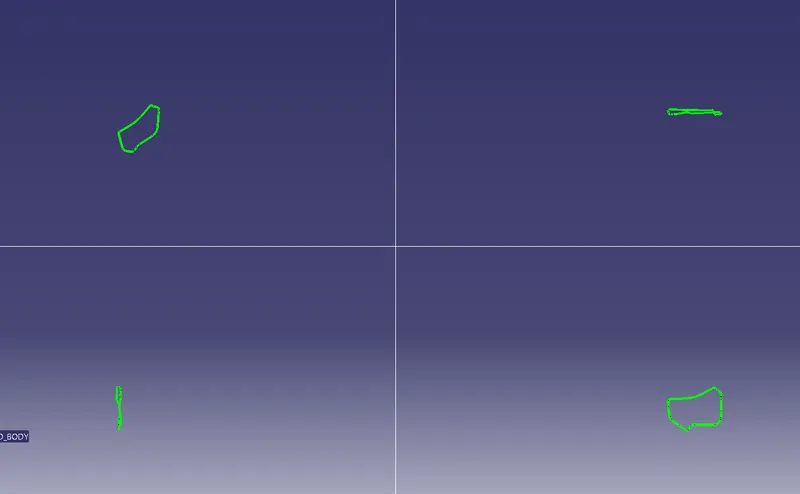
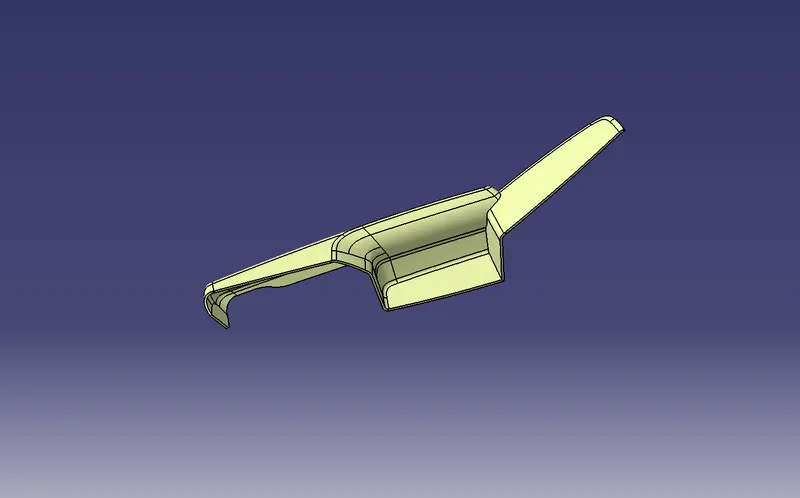
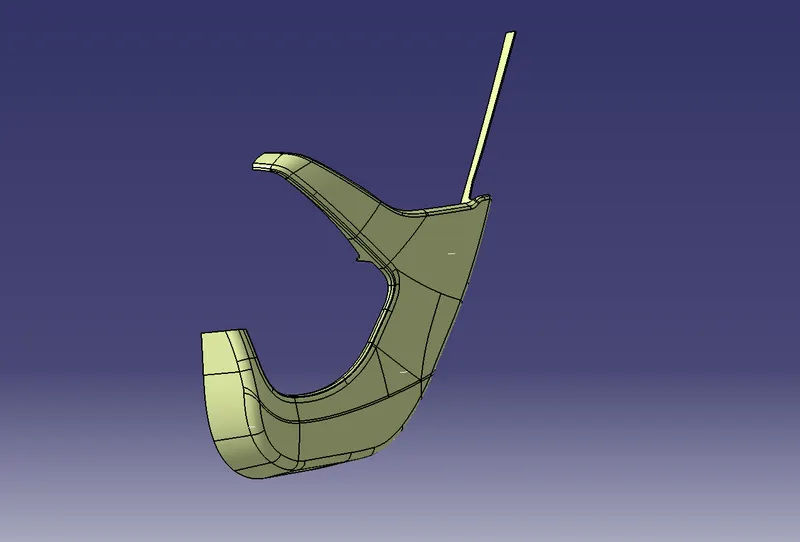
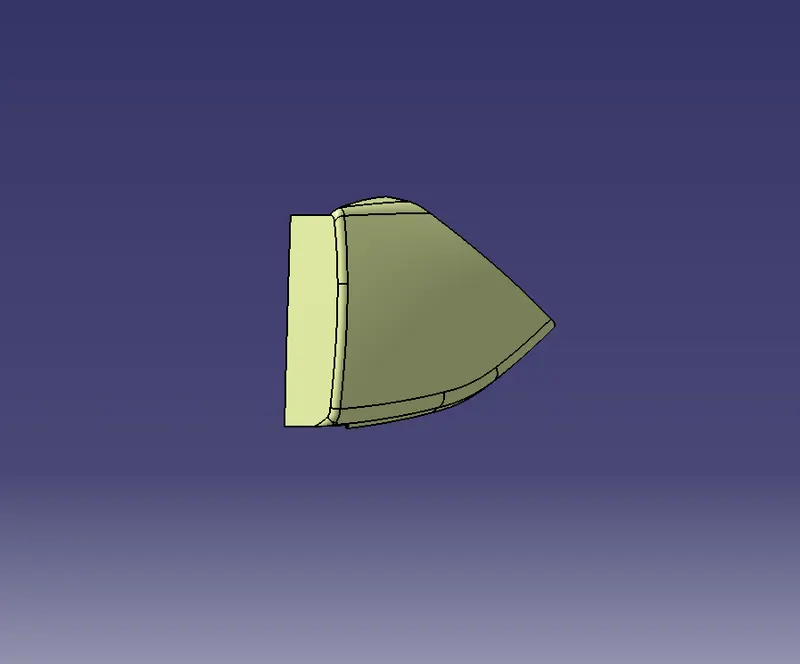
After finishing all the 3 surfaces join the Class A and Class C surfaces using the join command. Now the joined surfaces are then trimmed with the Class B surface to form a closed surface.
DOOR ARMREST:-
LOWER SUBSTRATE:-
MAP POCKET:-
BOTTLE HOLDER:-
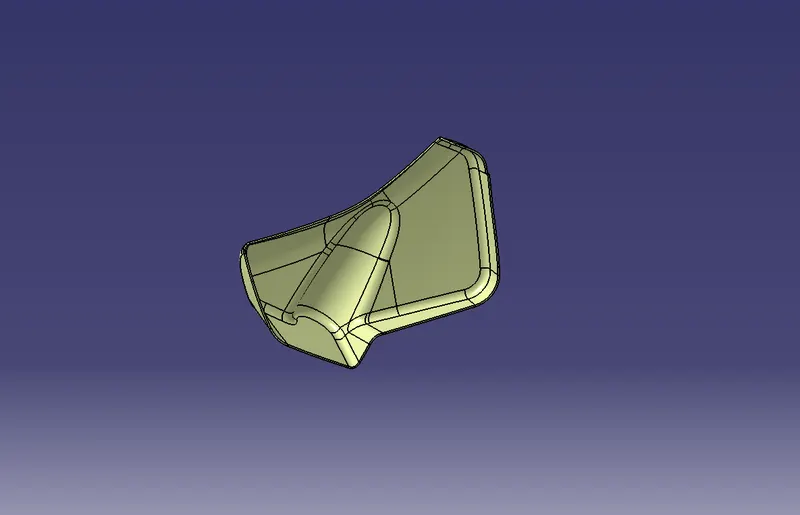
CREATION OF FLANGES, RIBS, HEAT STAKES, AND DOG HOUSE:-
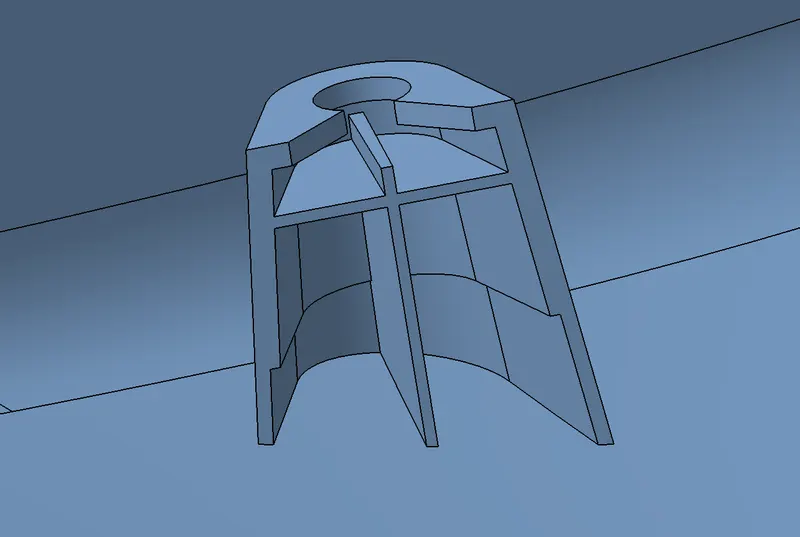
DOG HOUSE:-
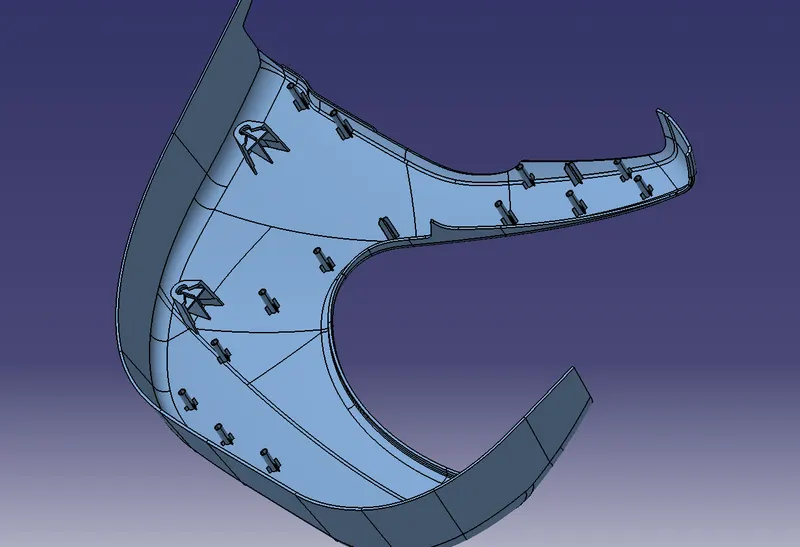
- Dog house wall thickness at an intersection of the part wall (C) should be 40% or less than the main wall stock (T)
- The height of (B) should be between 3-6 mm.
RIBS:-
- Ribs are created to increase the stiffness and strength of the surface.
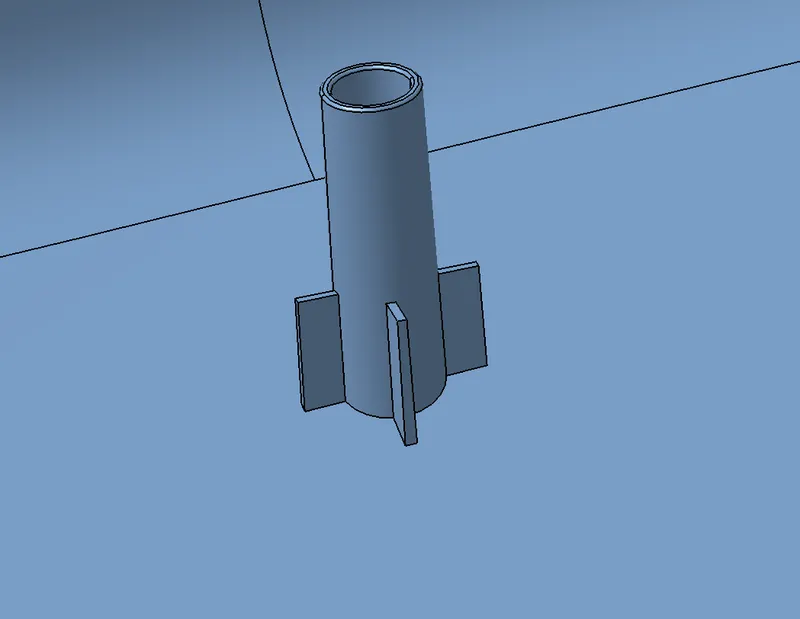
HEAT STAKES:-
- Heat Staking is a pulsed heat process to join two or more parts out of which one at least is made of plastic.
- The process is to deform the plastic material using heat and force at a set process time.
- The bond is made bit partially deforming the plastic part in order to fix the other.
LOWER SUBSTRATE WITH DOG HOUSES, HEAT STAKES, AND LOCATORS:-
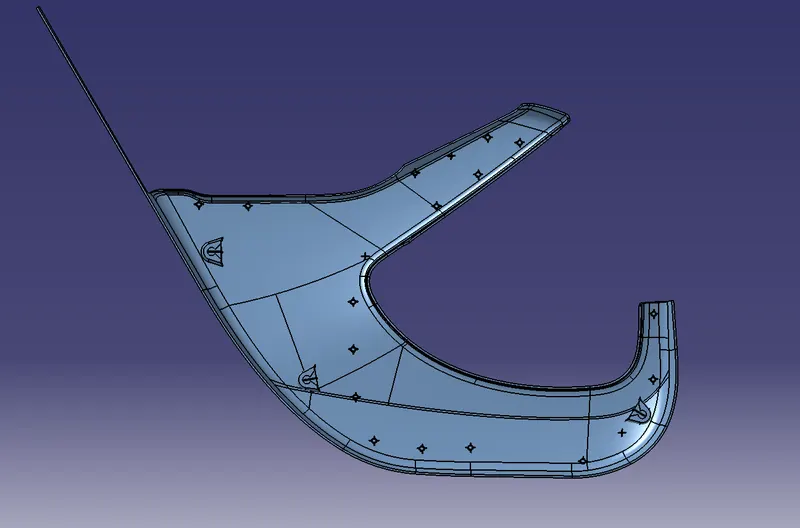
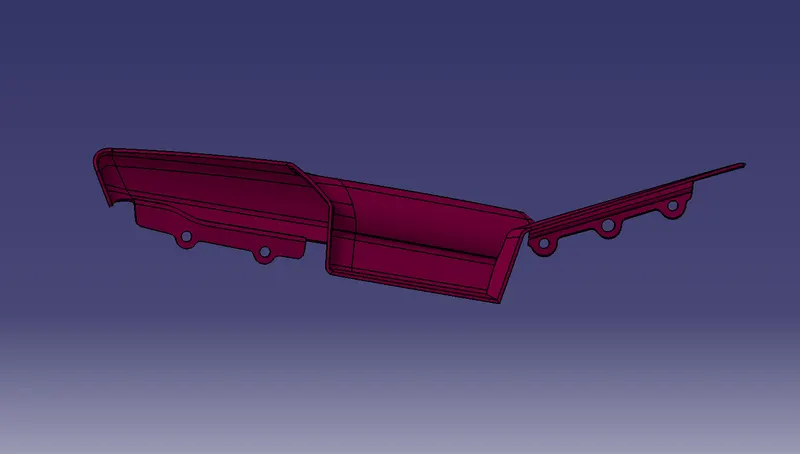
ARMREST WITH FLANGES:-
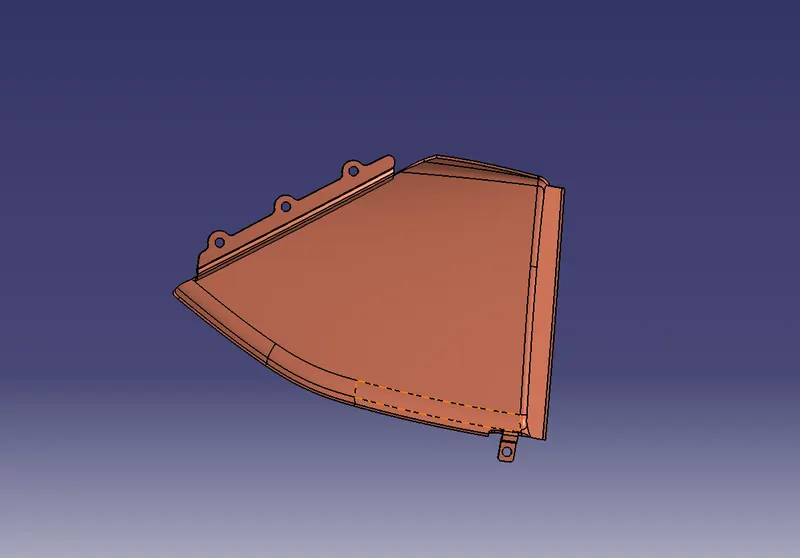
MAP POCKET WITH FLANGES:-
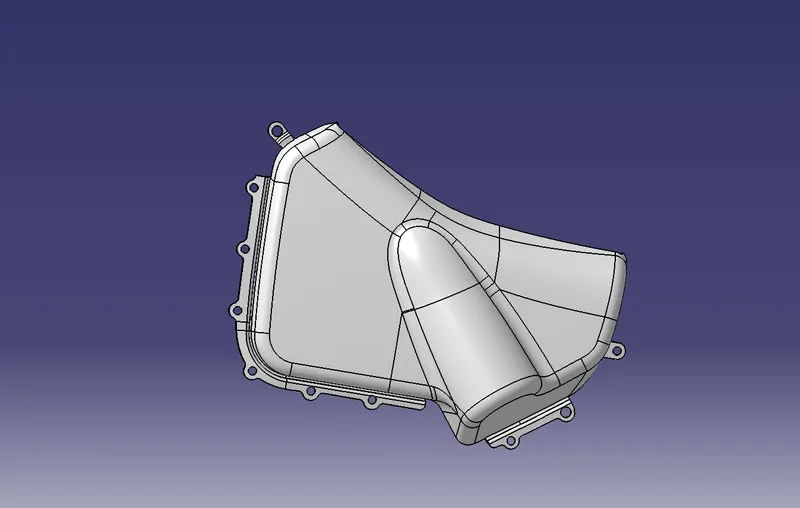
BOTTLE HOLDER WITH FLANGES:-
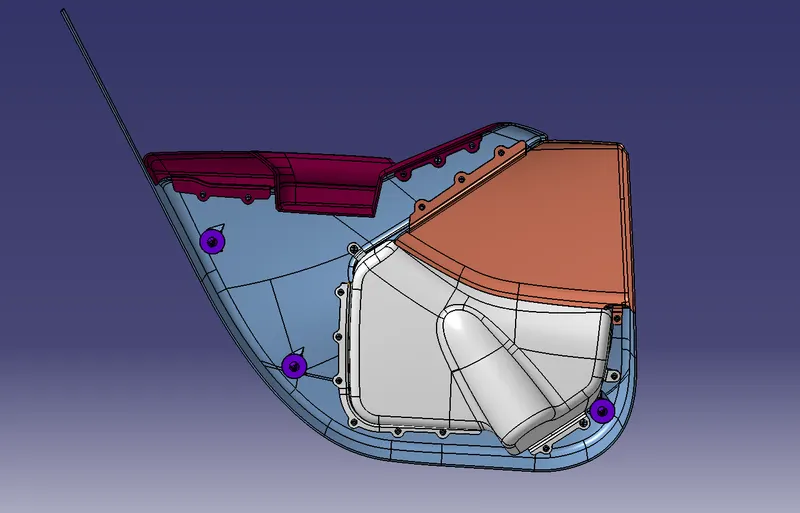
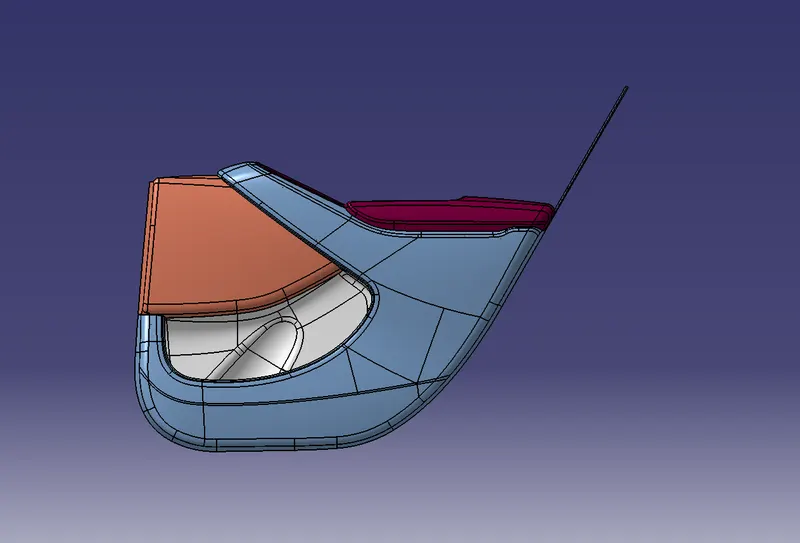
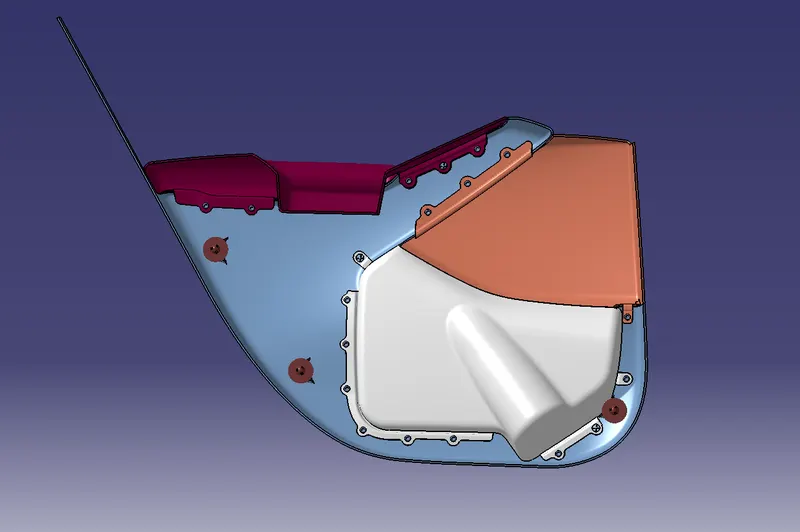
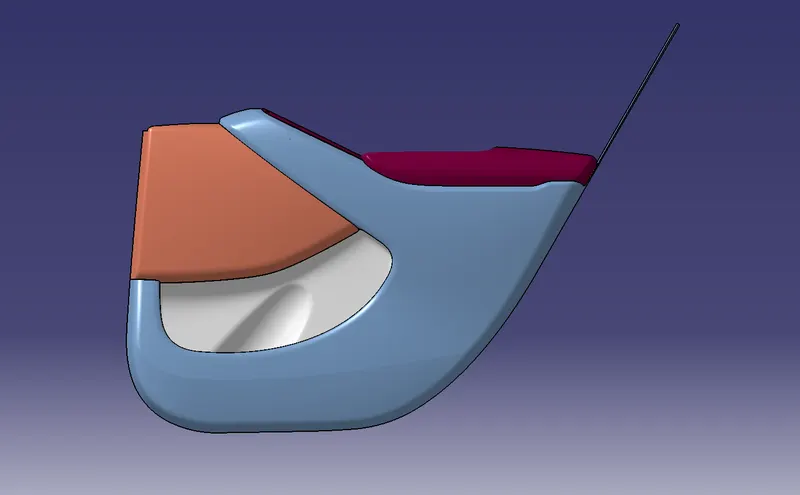
FINAL ASSEMBLED DOOR PANEL WITH PUSH PINS:-
DRAFT ANALYSIS:-
ARMREST:-
LOWER SUBSTRATE:-
MAP POCKET:-
BOTTLE HOLDER:-
FINAL DOOR PANEL:-
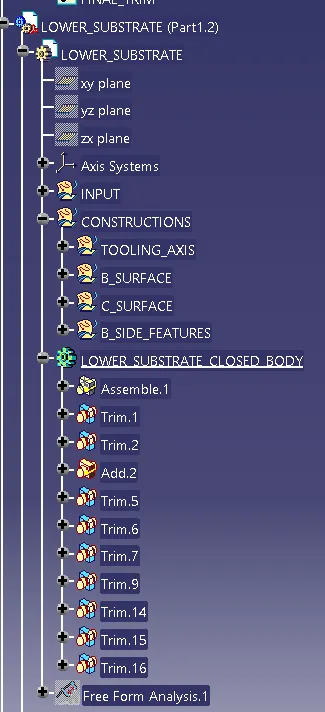
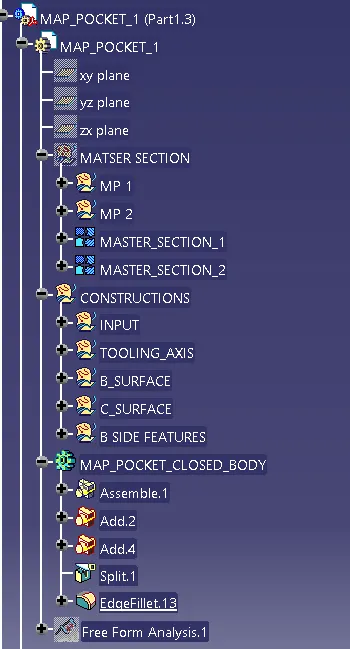
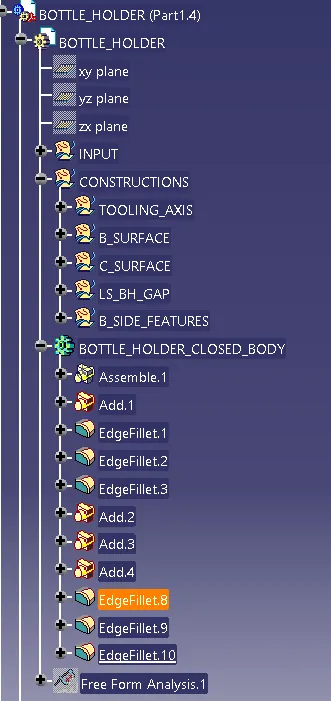
TREE STRUCTURE:-
CONCLUSION:-
The creation of car interior door trim is designed using the given Class-A surface. The Class-b and C surface is created with the help of Class-A. By using the given master sections the attachment features i.e, HEAT STAKES, FLANGES, DOG HOUSES, LOCATORS, and PUSH CLIPS are created under the design rules. The draft analysis has been performed to analyze the draft of the component. With all data, I conclude the interior door cut is completed and meets the required design rules.