Week 11- Assembly Workbench
REPORT
Quick return mechanism
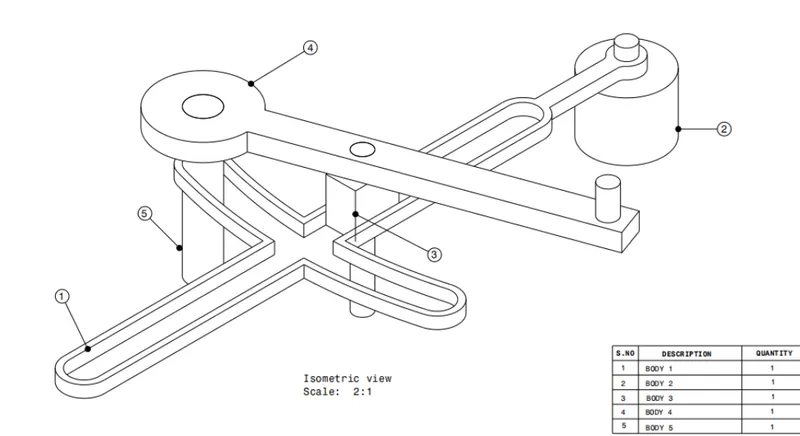
A quick return mechanism is an apparatus to produce a recirocating motion in which the time taken for travel in return stroke is less than in the forward stroke. it is driven by circular motion source and uses a system of links with three turning pairs and sliding pair. quick return is a common feature of tools in which the action is performed in only one direction of the stroke , such as shapers and powered saws, because it allows less time to be spent on returning the tool to its initial position.
procedure:
1. The different part bodies are created separately
2. Part are opened in the assembly workbench and they are assembled accordingly.
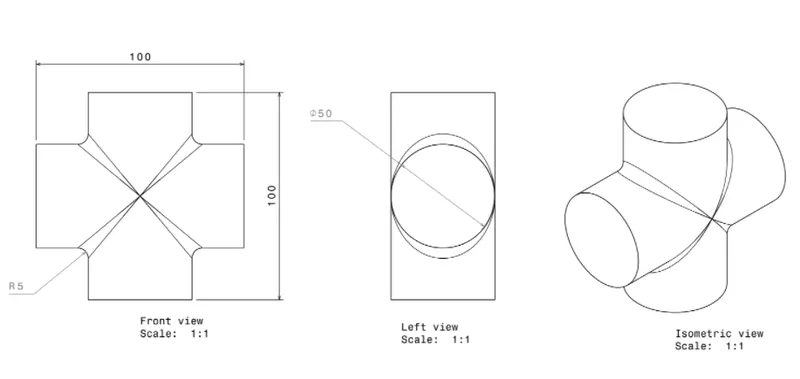
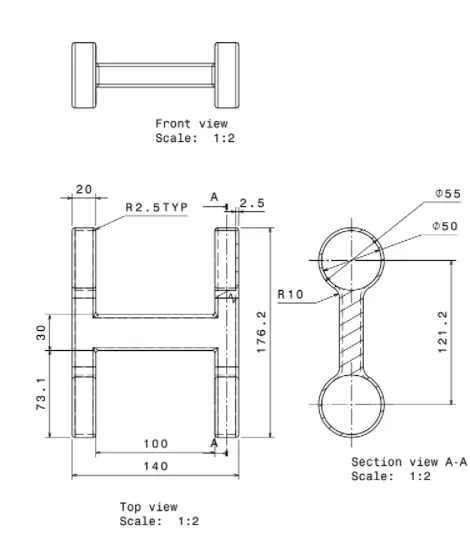
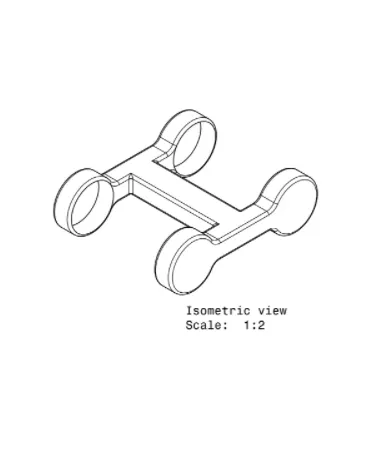
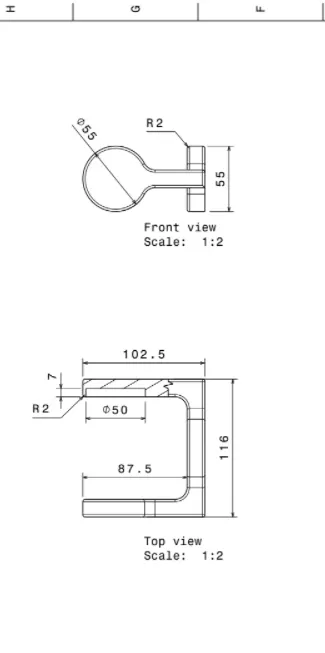
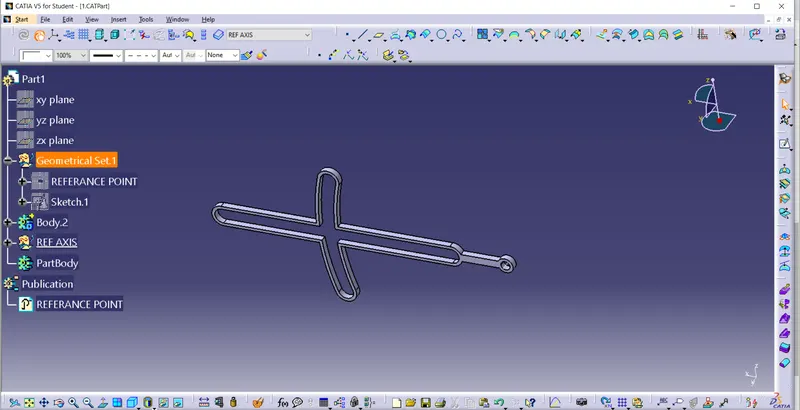
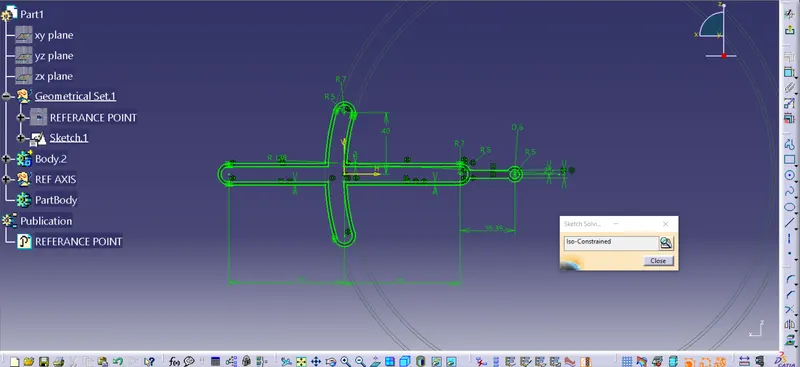
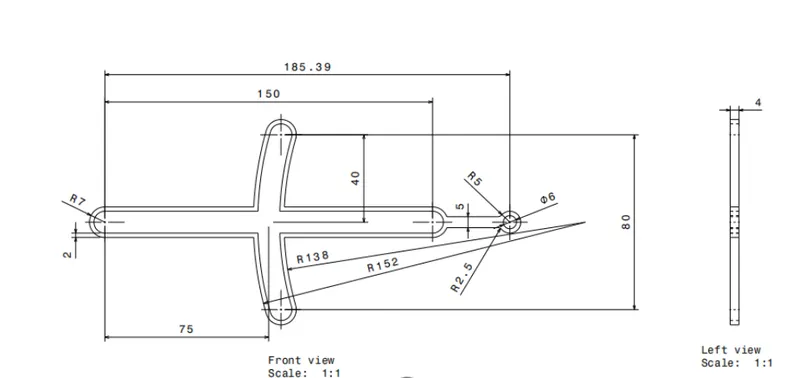
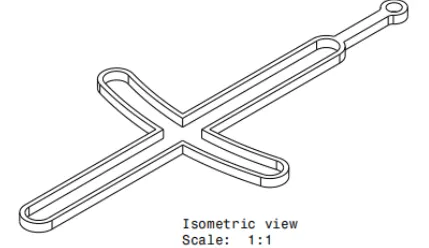
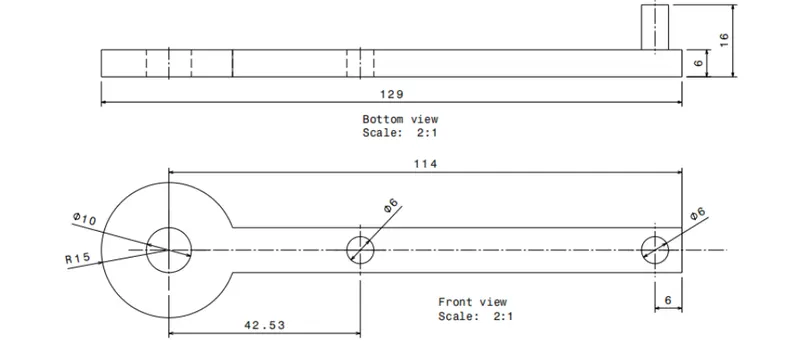
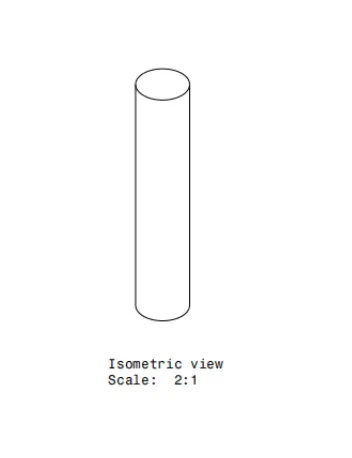
Slotted lever
Base
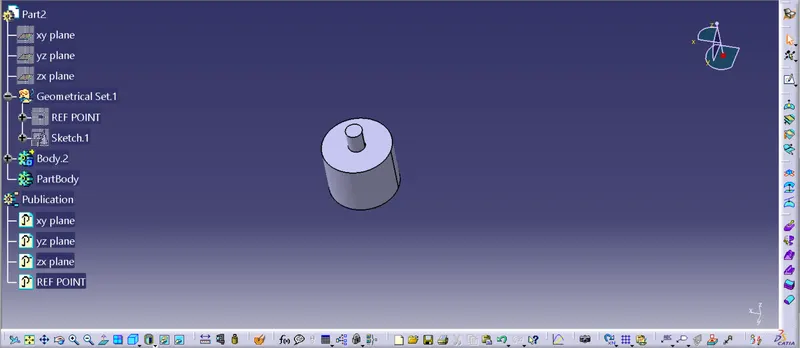
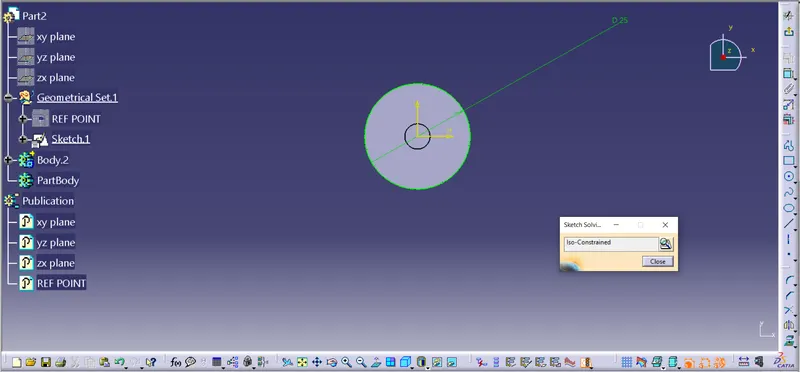
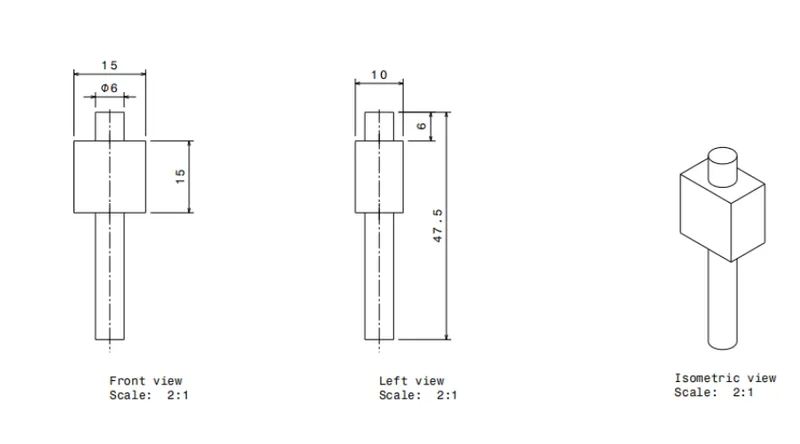
Rectangular Slider
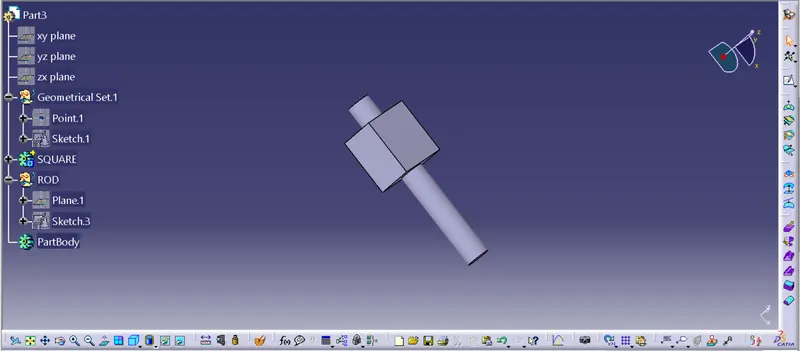
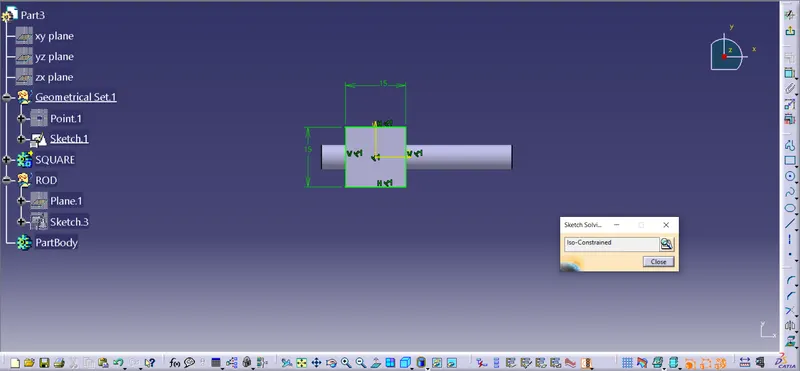
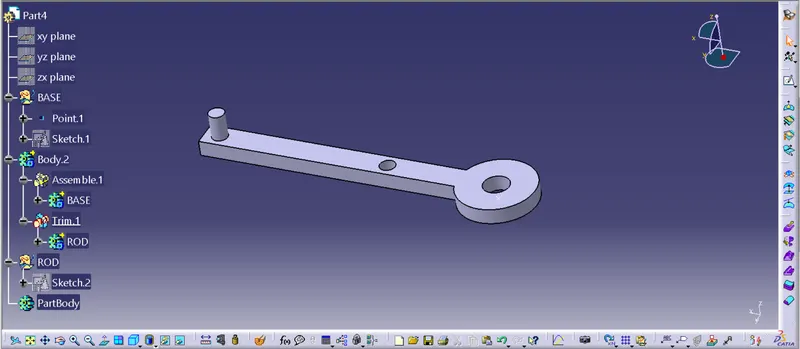
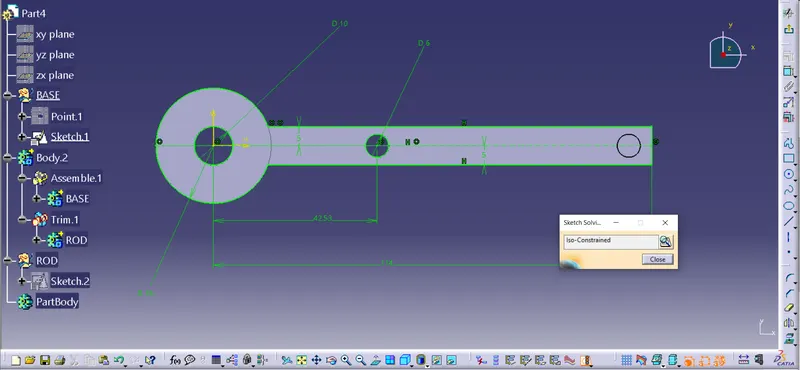
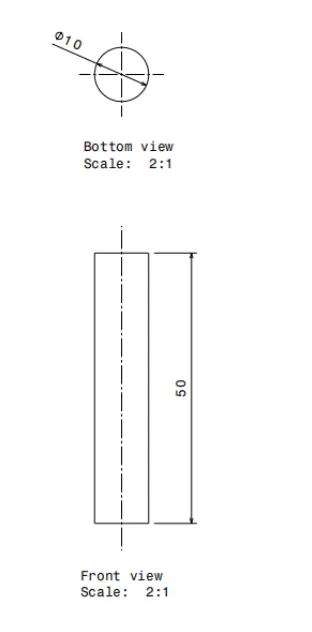
Swinging Arm
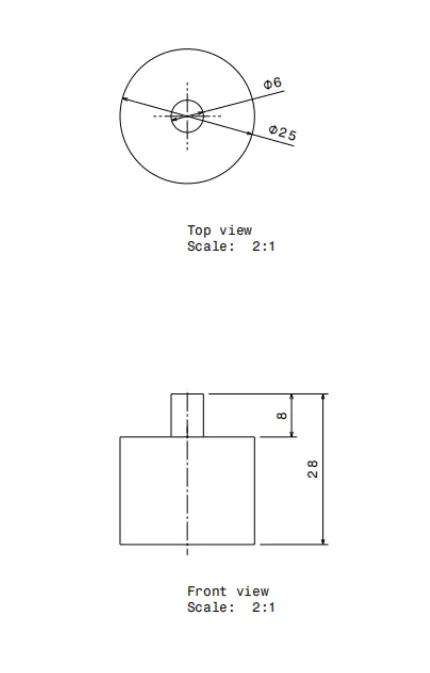
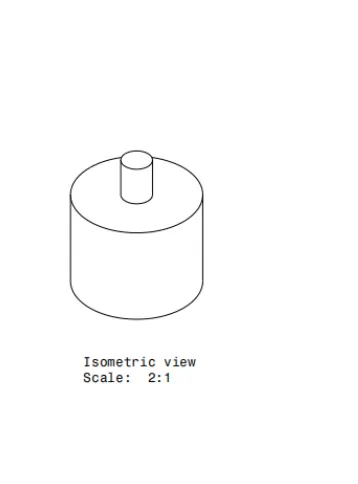
Circular Slider
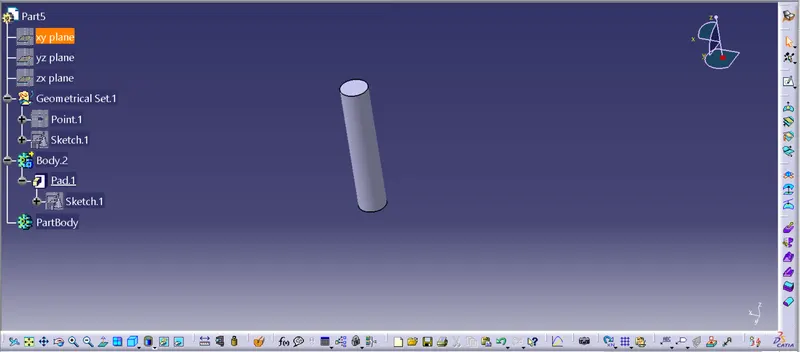
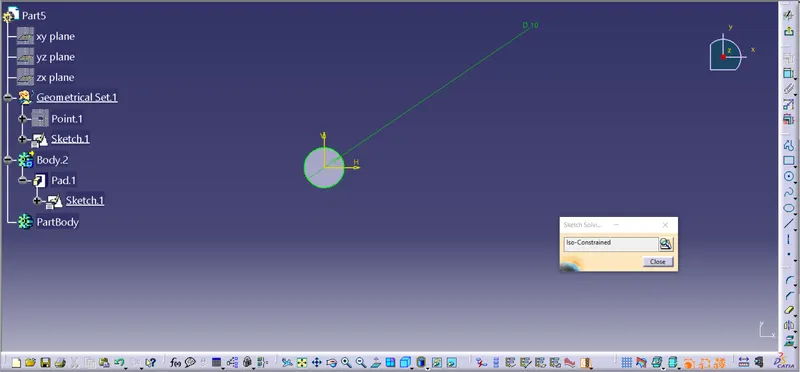
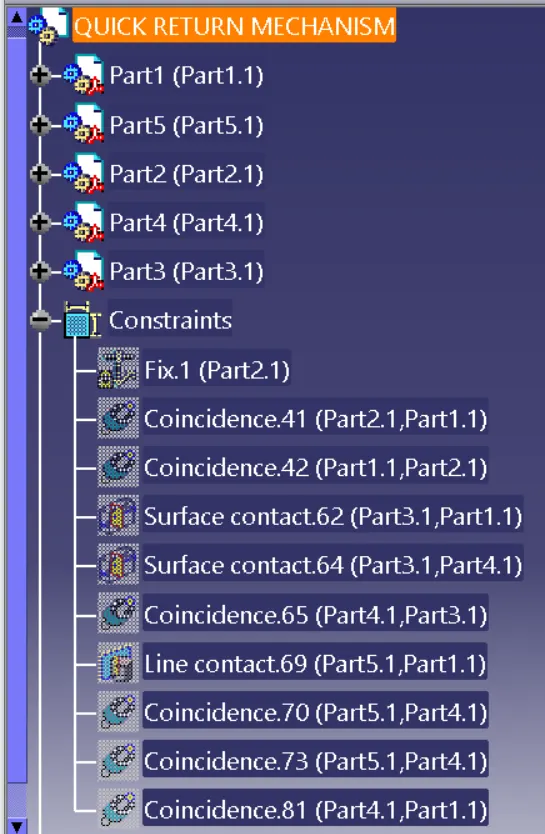
The part bodies are opened in a assembly design workbench and each parts are constrained accordingly using the coincidence constraint tool. The necessary constraints are mentioned in three structrue.
For joining the slotted lever and base the reference axes of the same are constrained and also their coresponding ref point of contact inorder to obtain the below mentioned assembly.
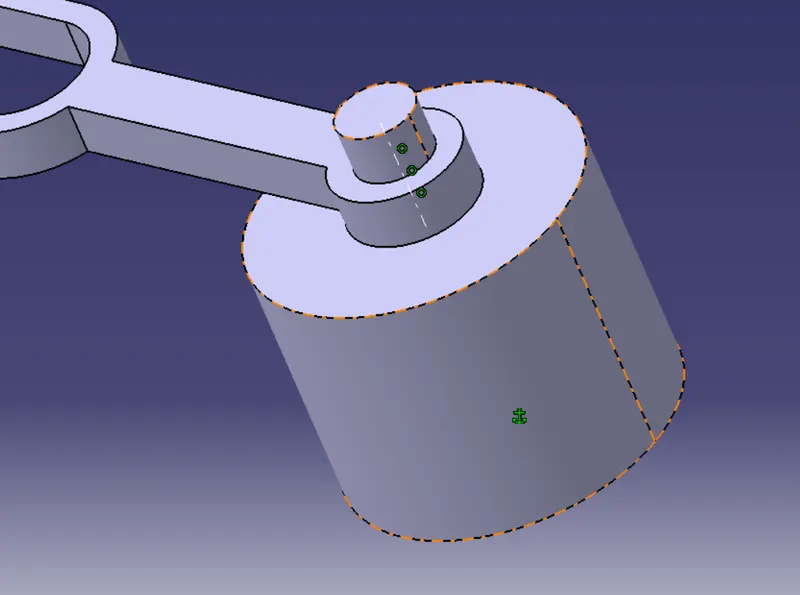
The Rectangular Slider are constrained along the guide axis of the slotted lever so that the motion of slider will be restricted to the axis.
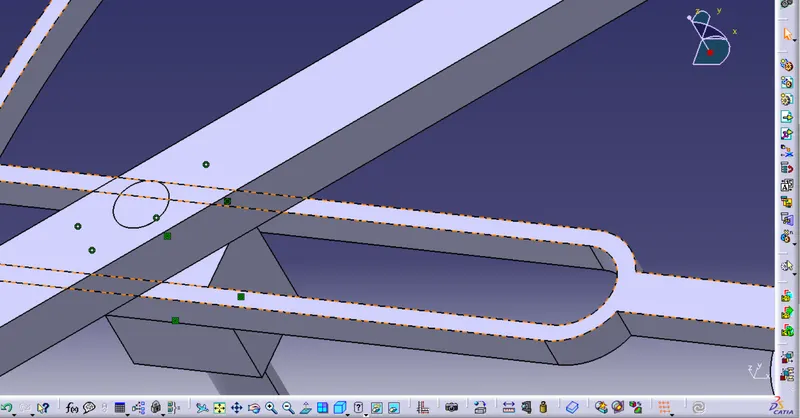
Similarly the reference axes of the swinging arm are constrained with rectangular slider and circular slider.
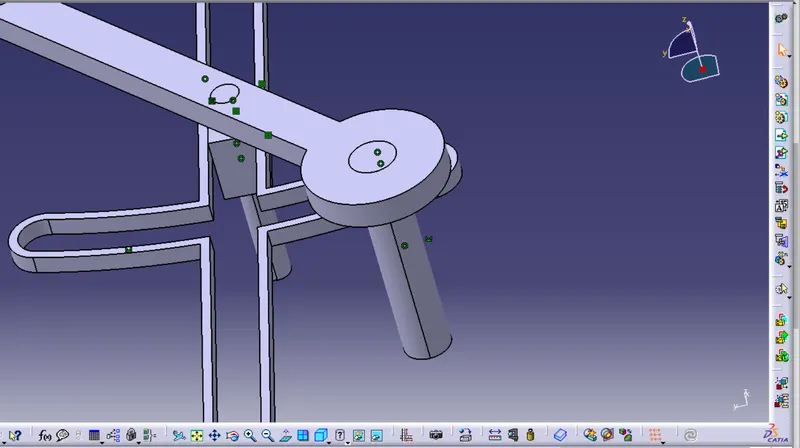
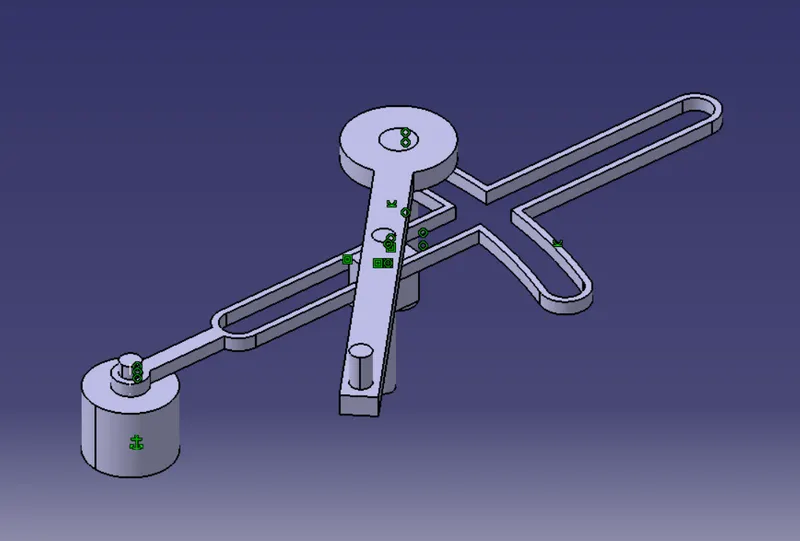
Drawing:
CV JOINT
CV joint is a coupling which is used to transmit power from the transmission to the wheels at constant velocity . They also allow a drive shaft to transmit power through a variable angle, at constant rotational speed,without an appreciable increase in friction or play . They are mainly used in front wheel drivw vechicles. modern rear wheel dive vechicles with independent rear suspension typically use CV joints at the ends of the rear axle halfshafts and increasingly use them on the drive shaft.
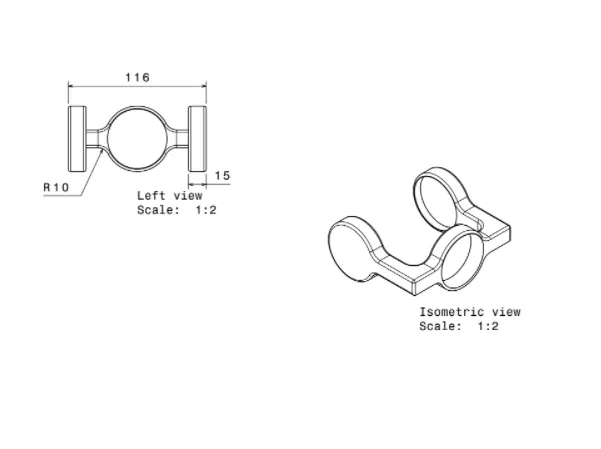
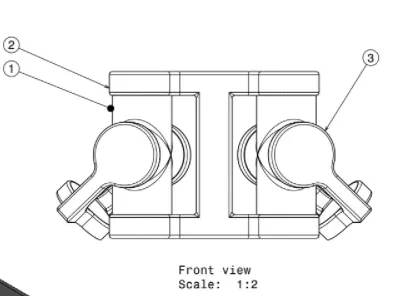
Similar procedure is followed for assembly of different parts.
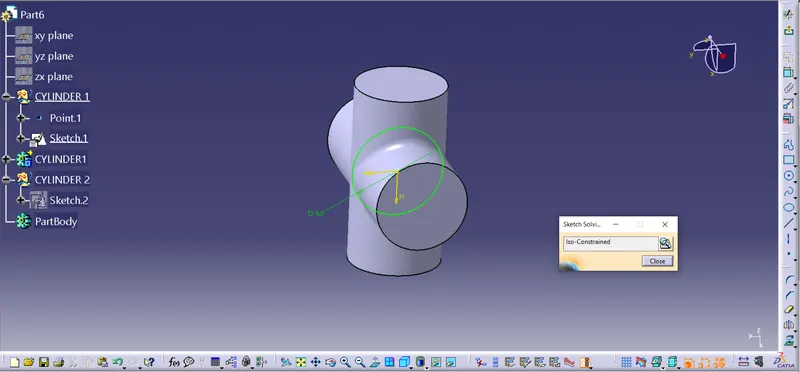
Part 1
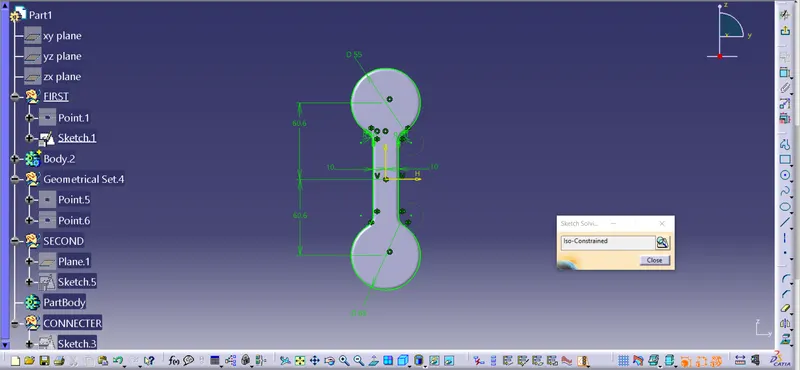
part2
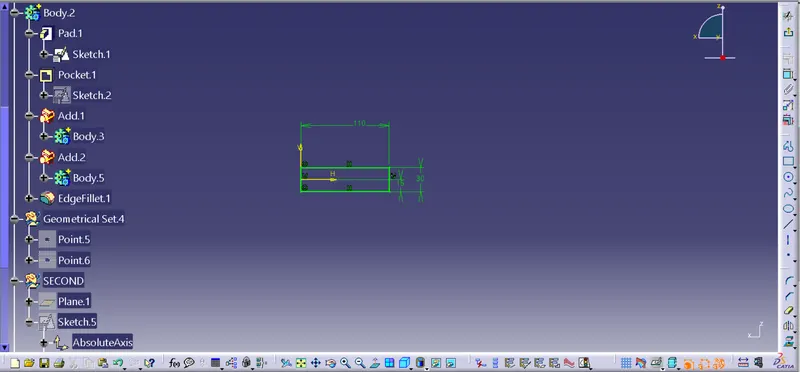
part3
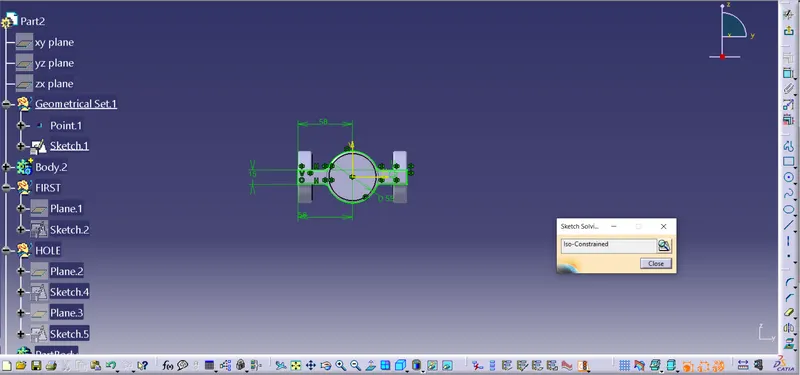
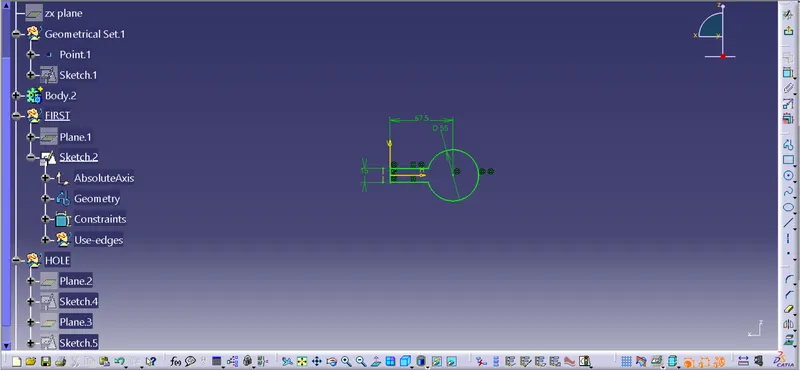
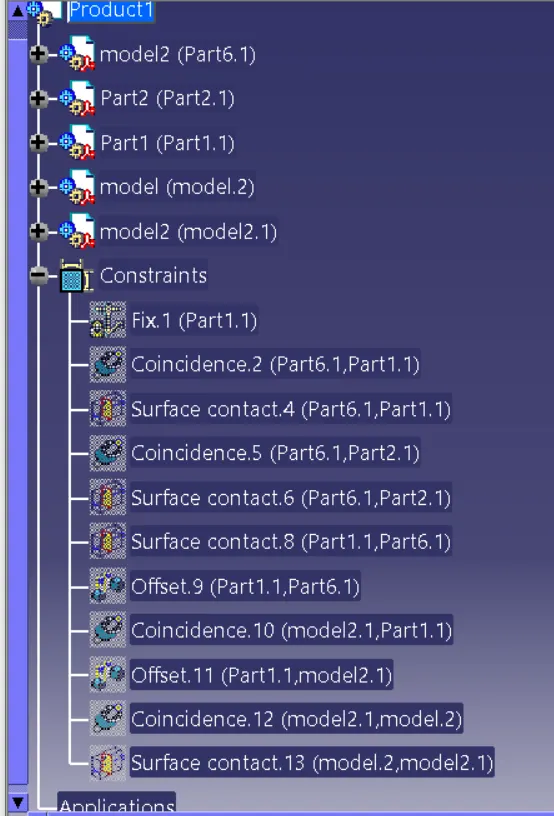
All the parts are opened in the assembly workbench and they are constrained with respective refrence axes and reference points to assemble the part to a single assembly.
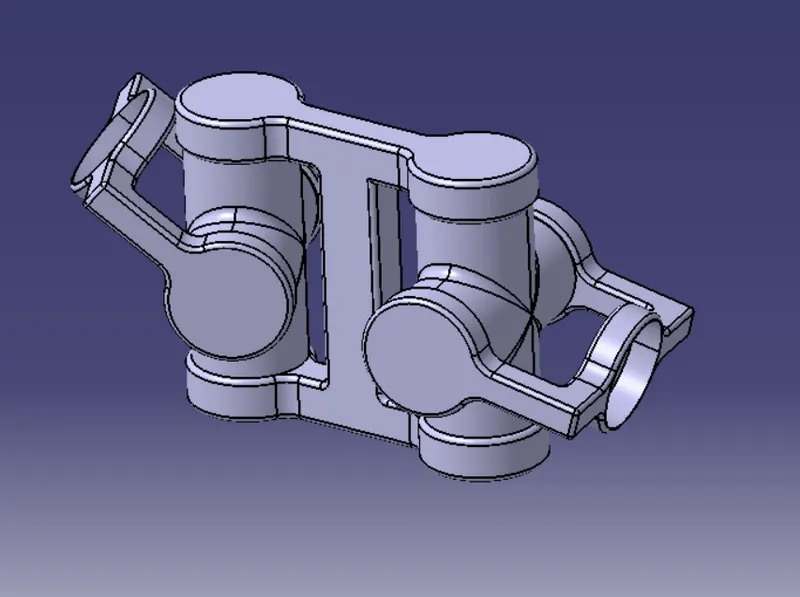
DRawing: