Week 10 - Simulating Combustion of Natural Gas.
AIM: Simulating combustion of natural gas.
OBJECTIVES:
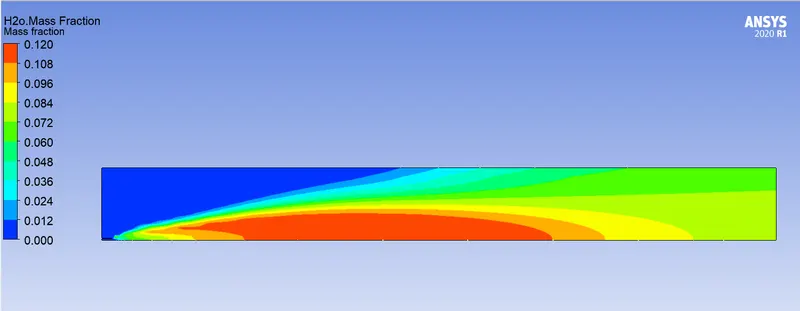
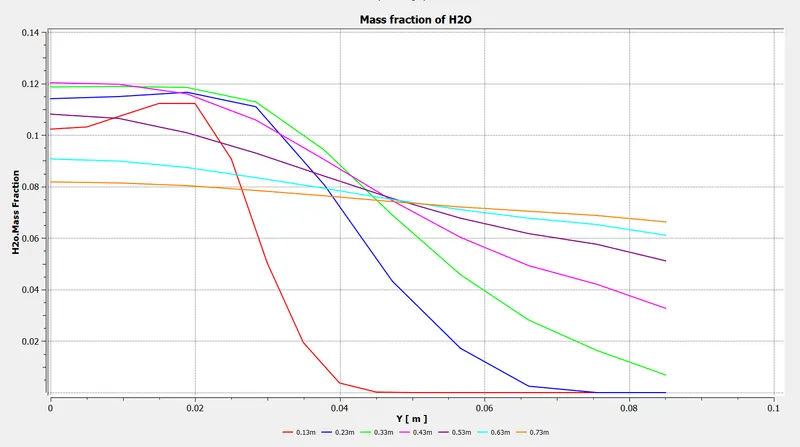
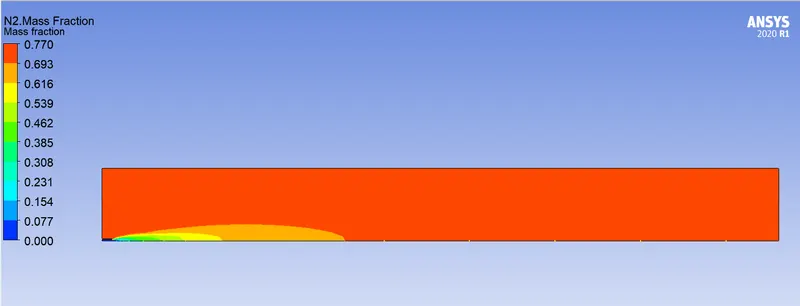
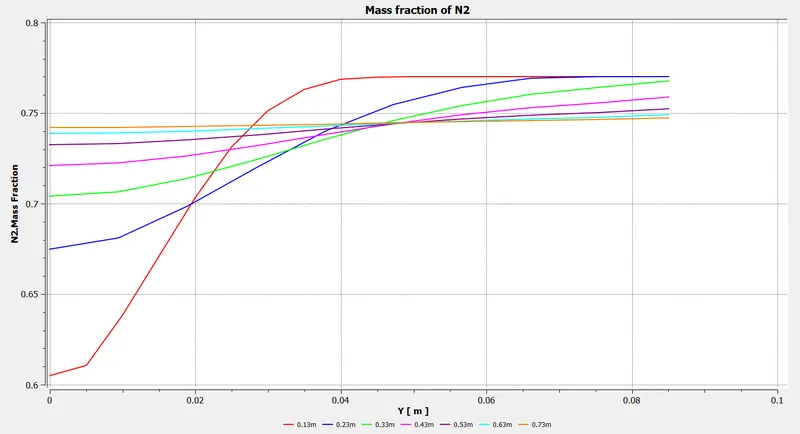
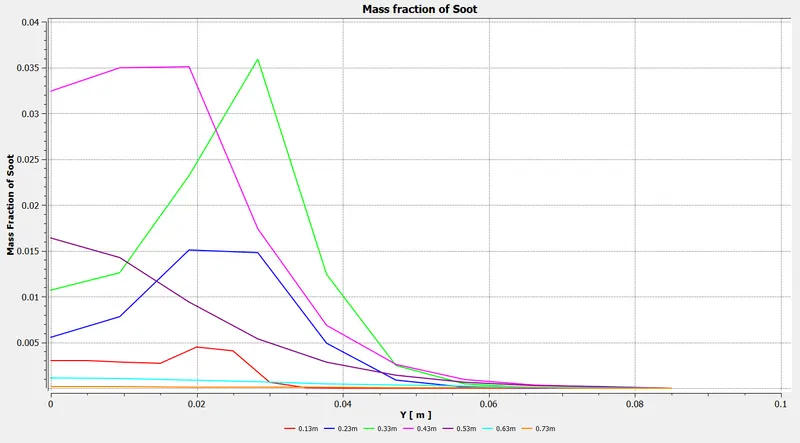
Part 1: Perform a combustion simulation on the combustor model and plot the variation of the mass fraction of the different species’ in the simulation using line probes at different locations of the combustor as shown in Fig. You need to plot for CO2, H2O, CH4, N2, O2, NOx emissions & Soot formation.
Part 2: Addition of water gradually from 5% to 30% to evaluate the effects on results.
GEOMETRY CLEANUP:
- First we will import the geometry to Spaceclaim.
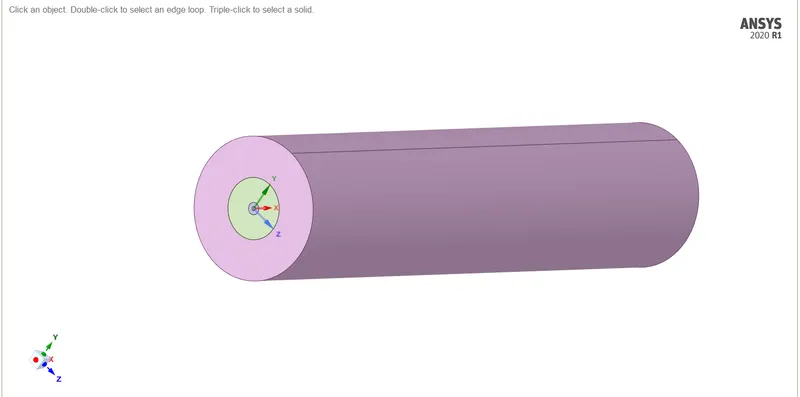
- The geometry of the combuster given to us is a 3D geometry. We can create mesh and perform analysis over this however it will take a very long time.
- Thus, we will convert this 3D geometry to 2D.
- First, we will split the body until only one quadrant of the geometry. Look at the steps given below.
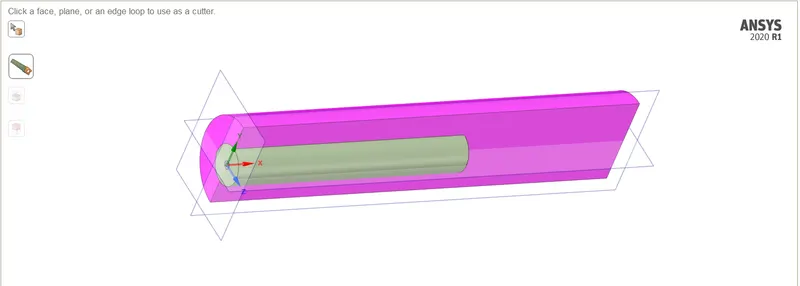
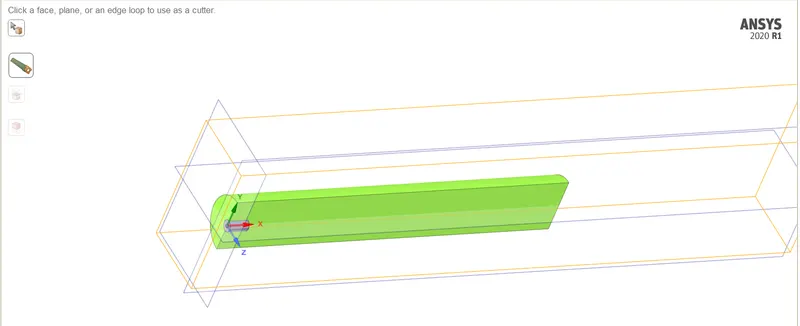
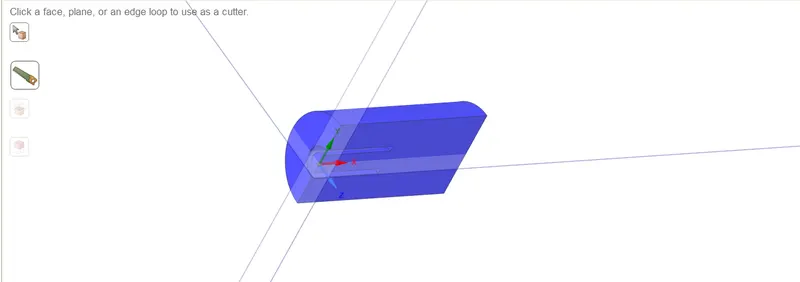
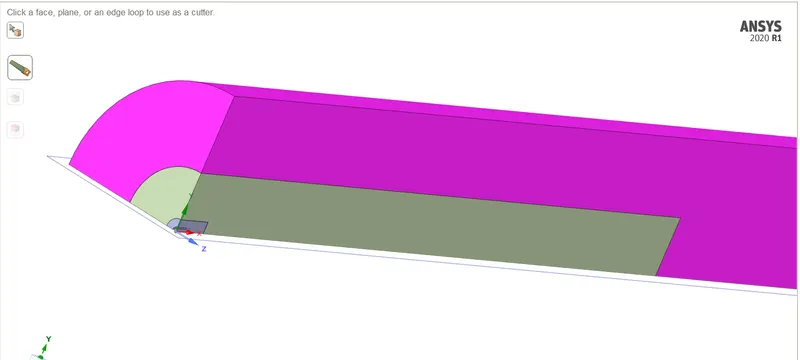
- After we have cut the geometry, we will combine all the components into one component.
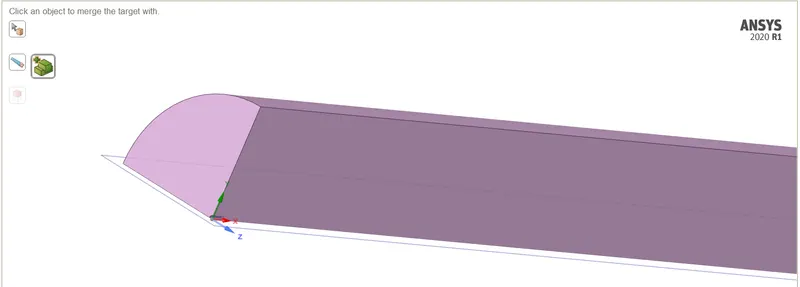
- We will create a new design and copy-paste the highlighted region to the new design.
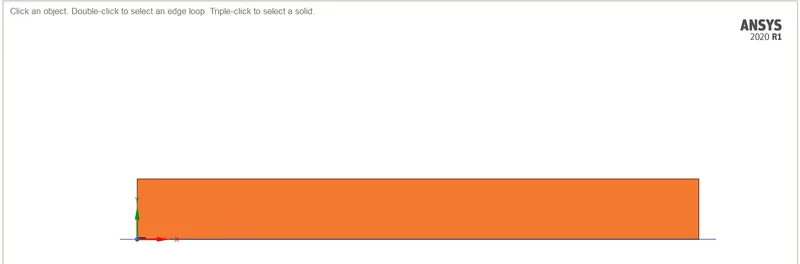
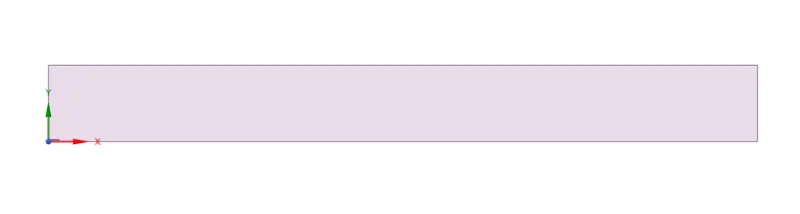
- With this, our geometry has been created.
- After this we can move on to create the named selections for our analysis and creating mesh.
MESHING:
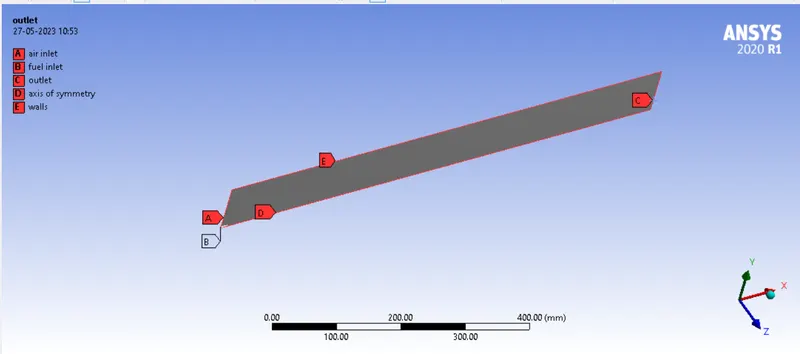
- While meshing, make sure you turn on capture proximity to capture the mesh near fuel inlet properly.
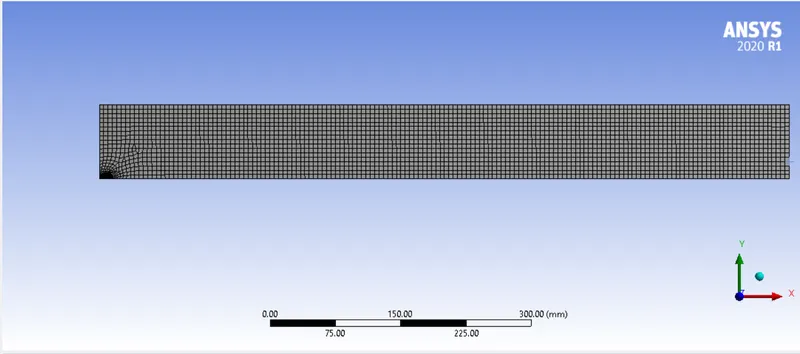
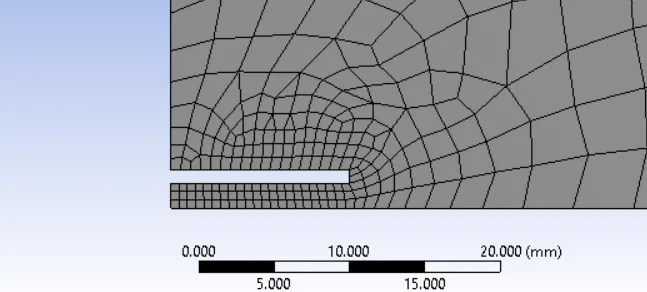
- After this, we can move onto the solving section.
SOLVING:
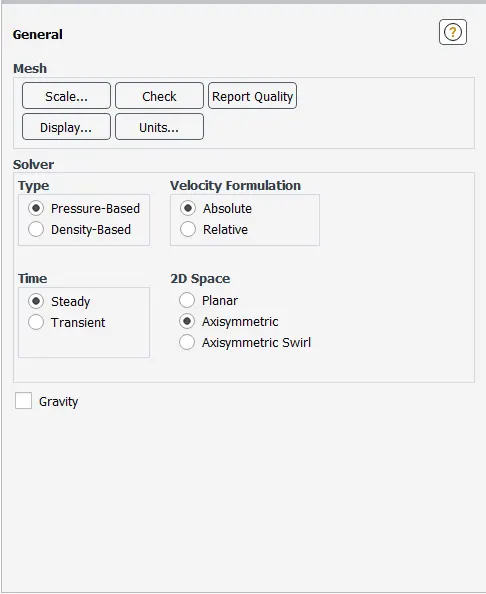
- We will turn on the axisymmetric option as it is an axisymmetric 2D model. We will be using a steady state pressure based solver.
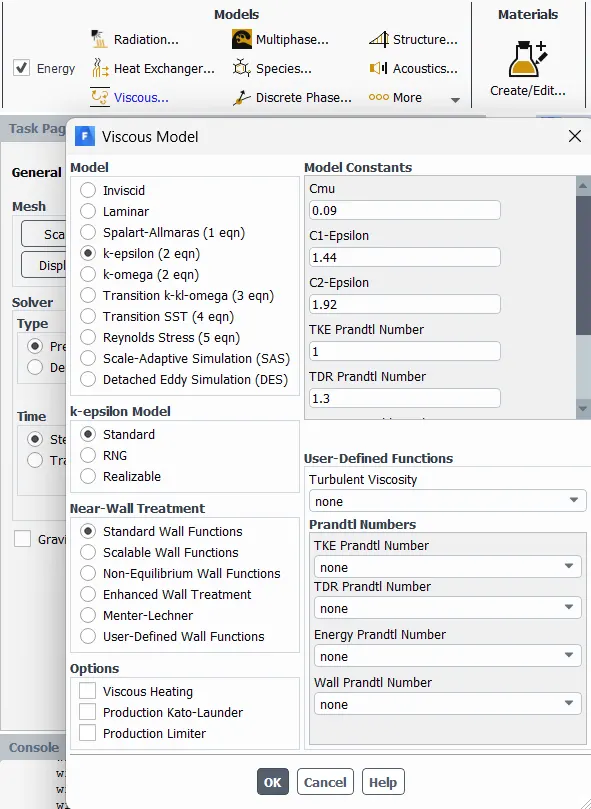
- We will turn on the energy equation. For the viscous model, we need to select a turbulence model as we will be performing combustion on the basis of turbulence.
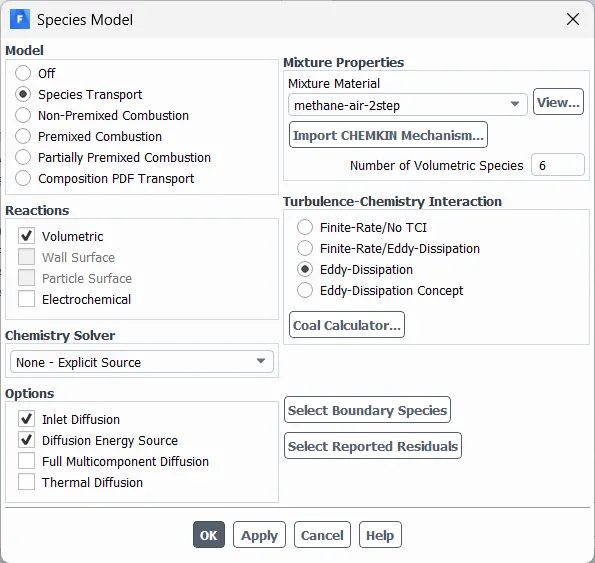
- We will select the species option and turn on "species transport". For mixture material we are using methane 2-air as it allows us for the addition of water which we have to do according to the question.
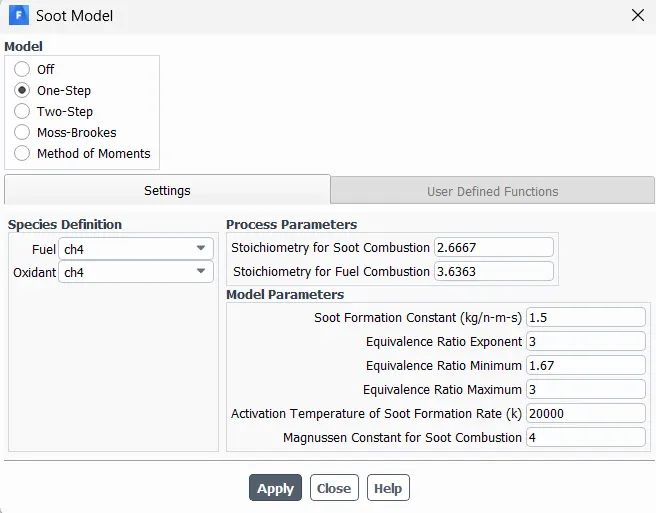
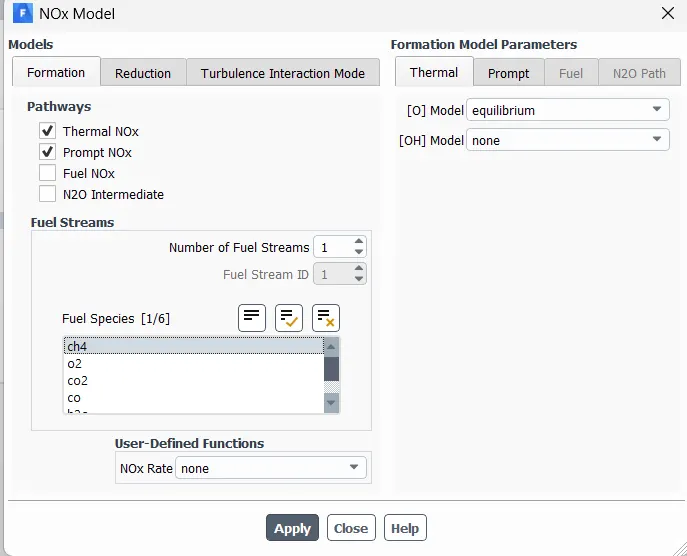
- In order to model soot and NOx formation, we need to turn Soot and NOX models respectively.
- For soot model, we are going to use "One-step model".
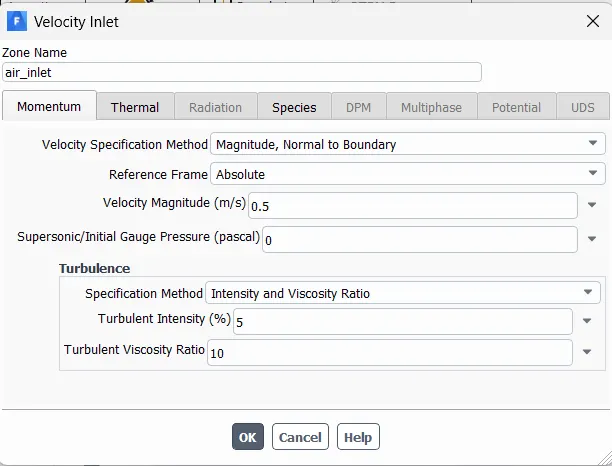
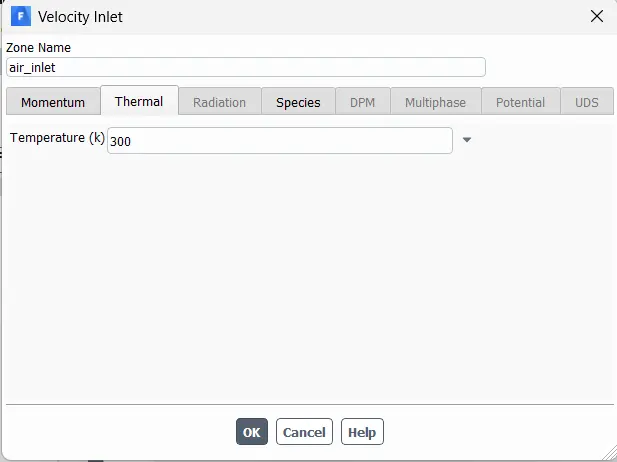
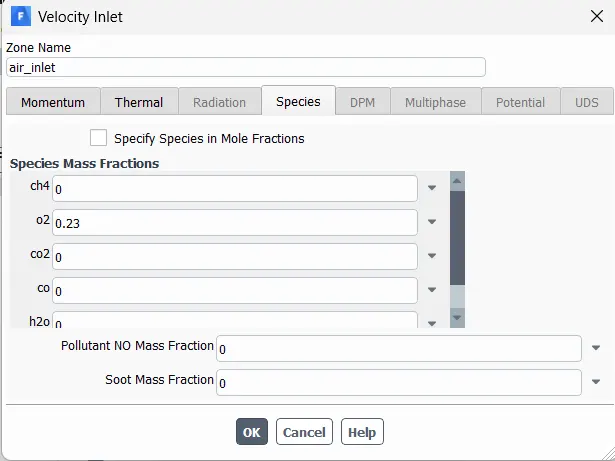
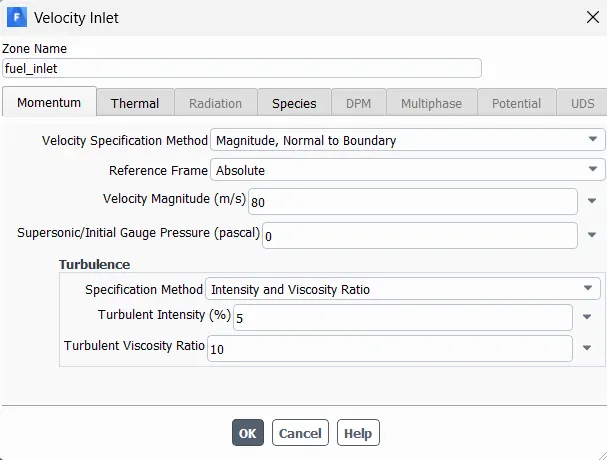
- At the boundary conditions
- Air-inlet:
- Fuel inlet:
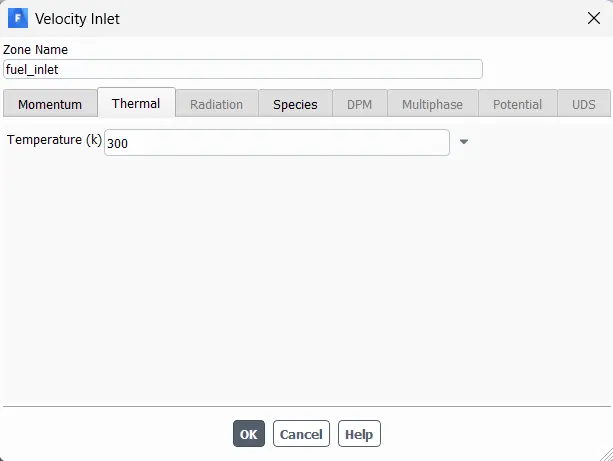
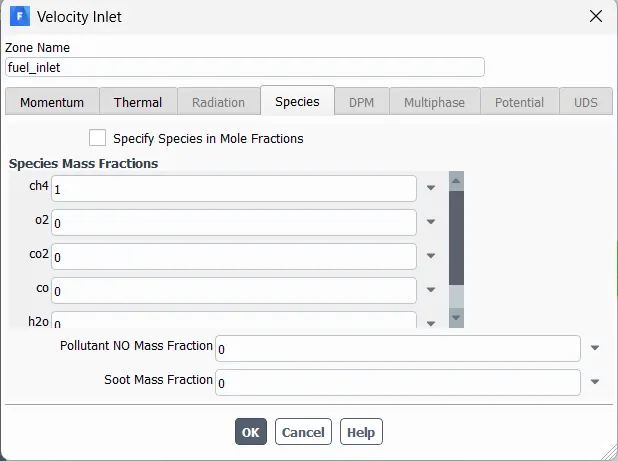
- The outlet will be kept at pressure outlet.
- After this we will initialize the solution.
- We will now move to CFD Post to analyse the solution.
RESULTS:
- Temperature:
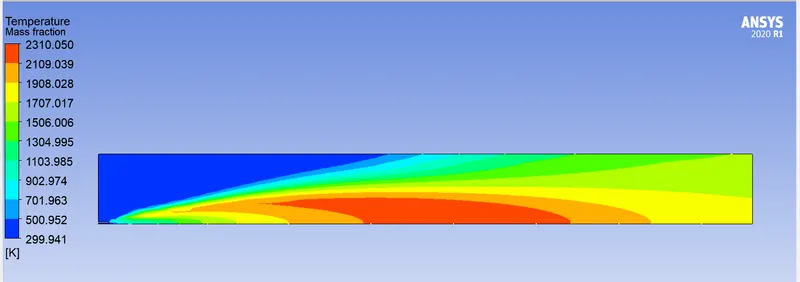
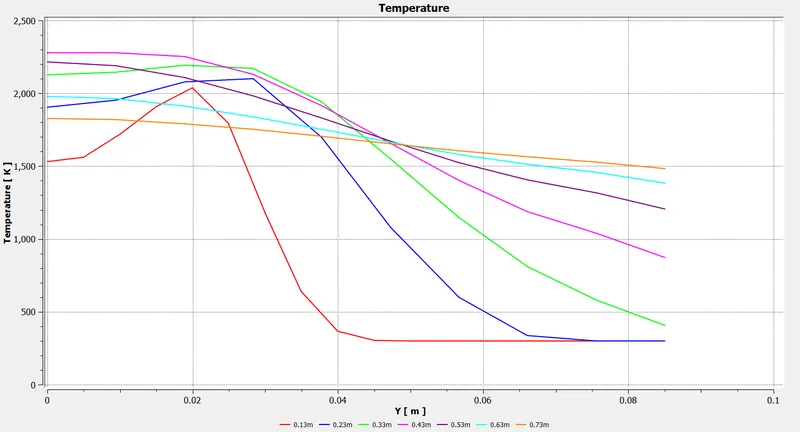
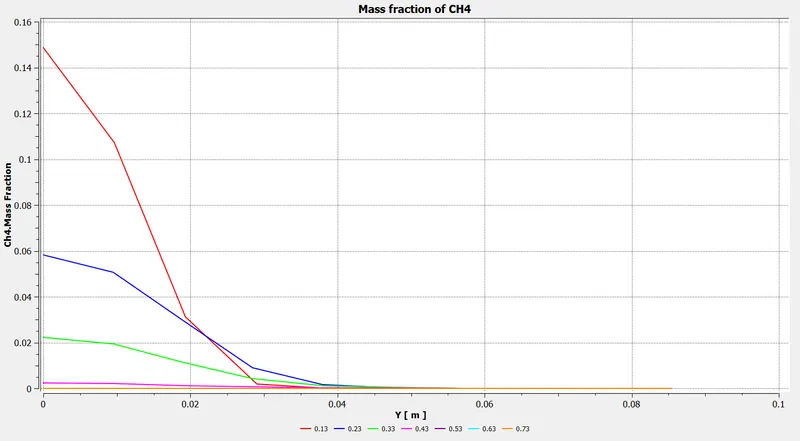
- Mass fraction of CH4:
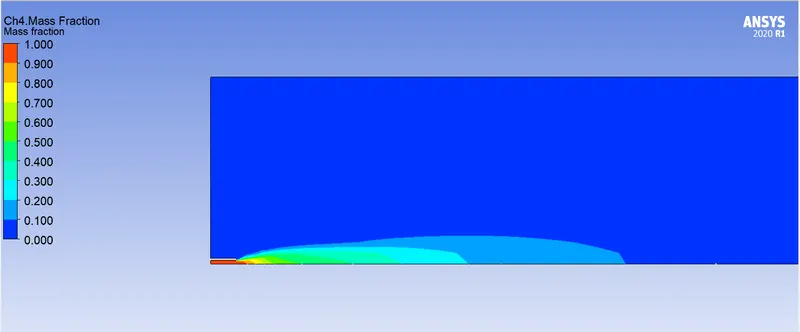
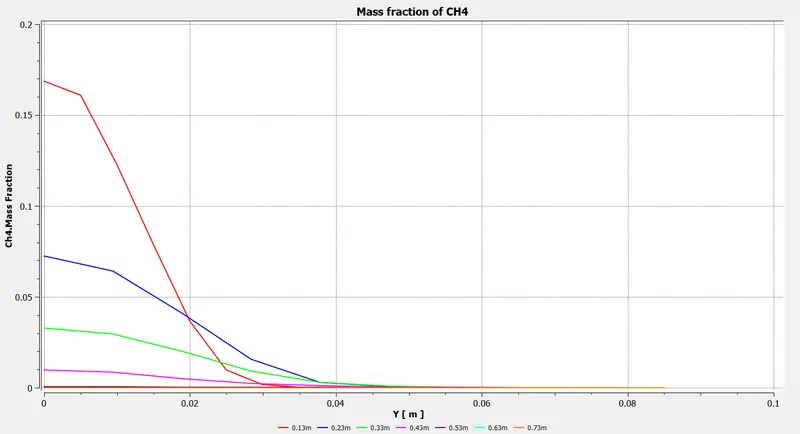
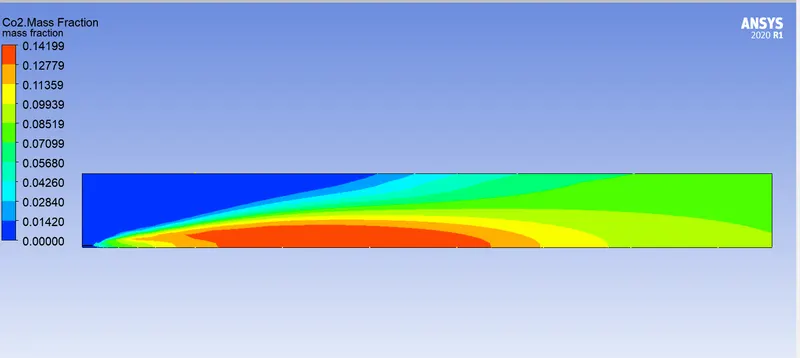
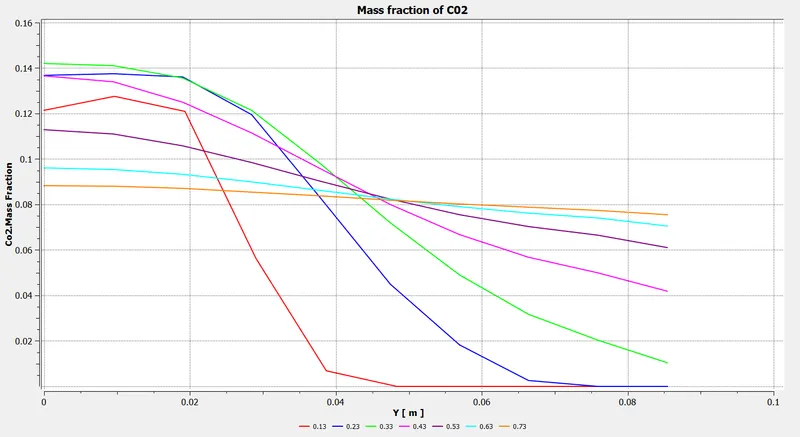
- Mass fraction of C02:
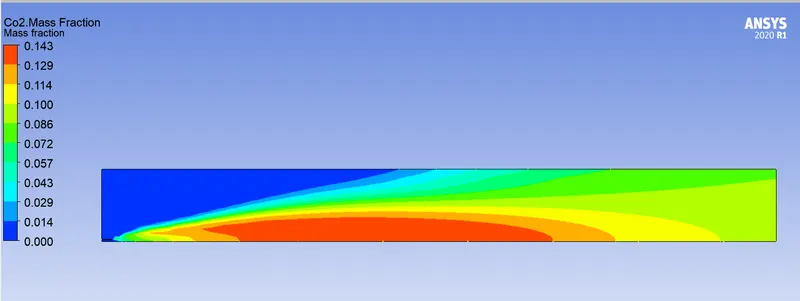
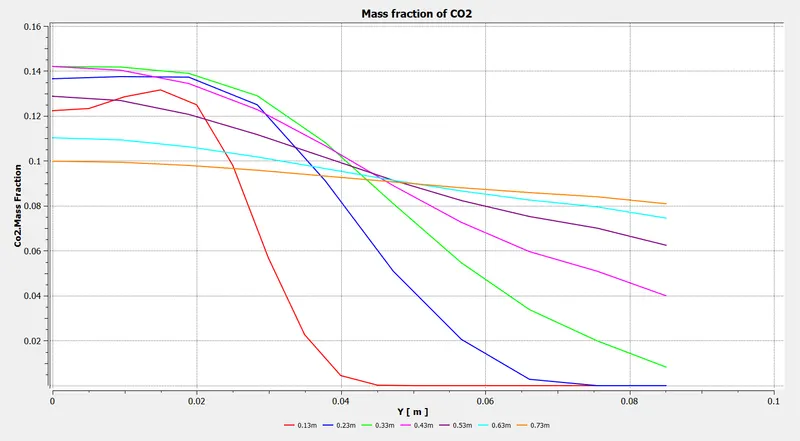
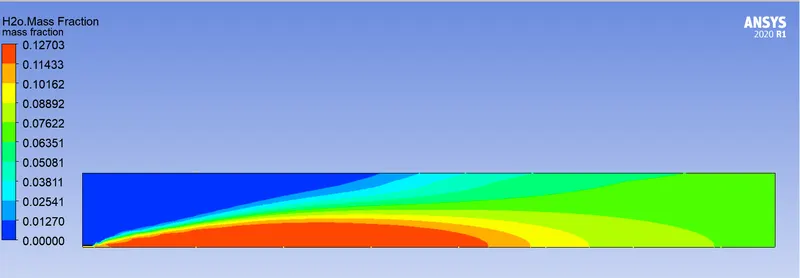
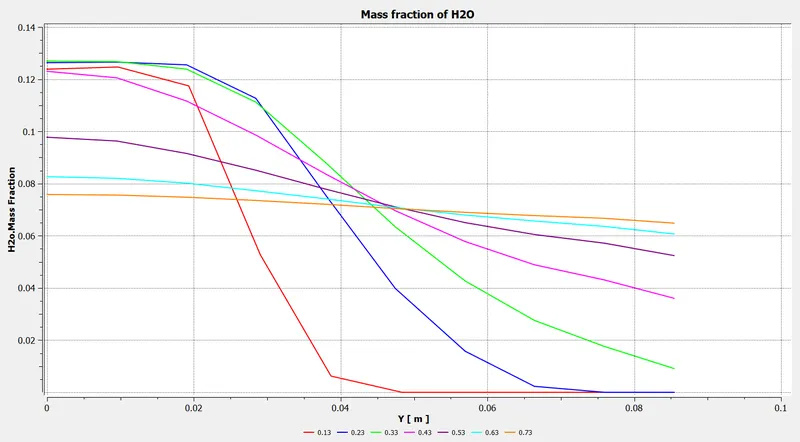
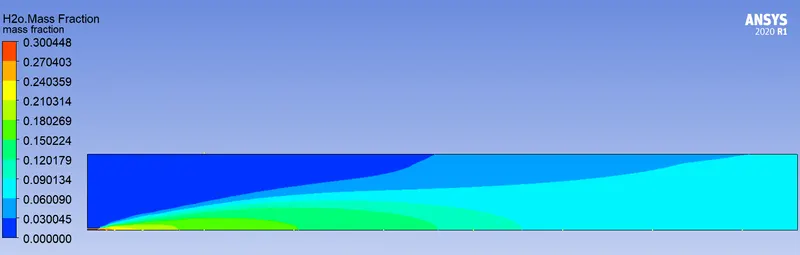
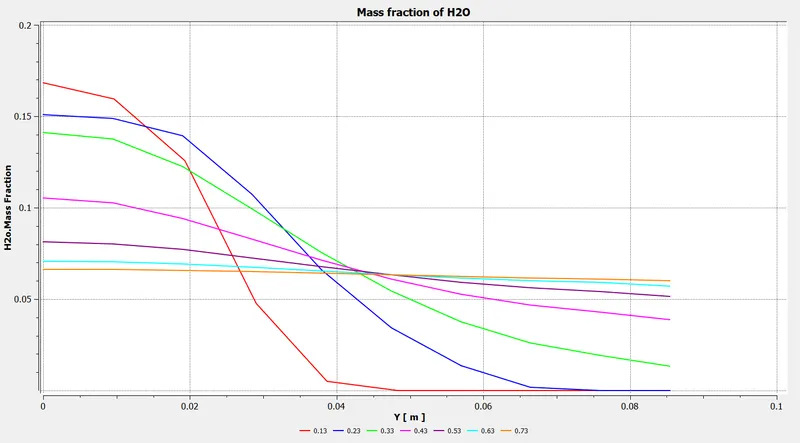
- Mass fraction of H2O
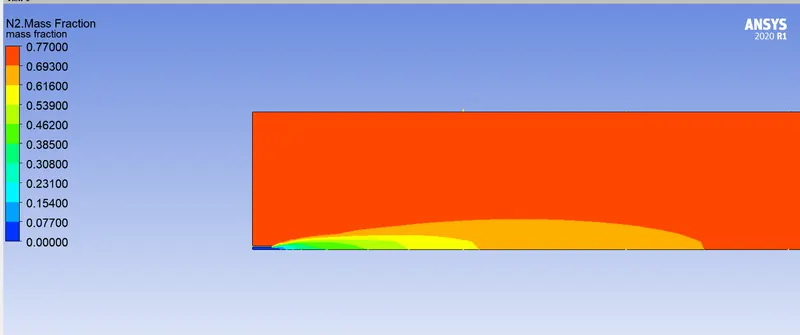
- Mass fraction of N2
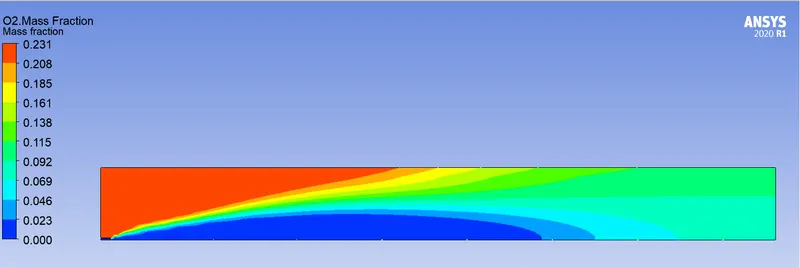
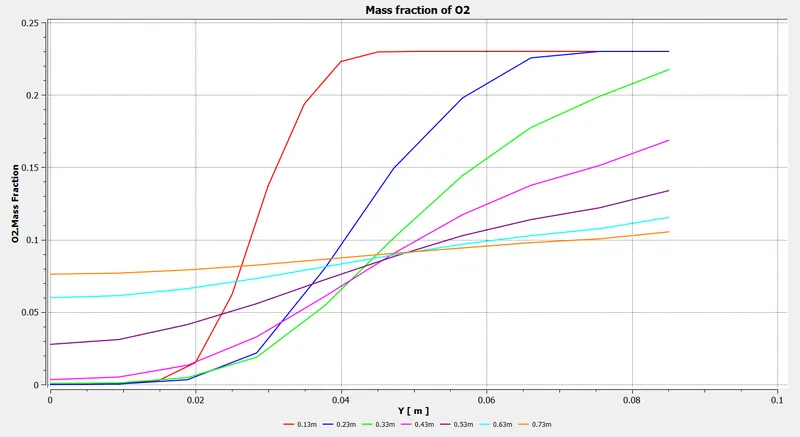
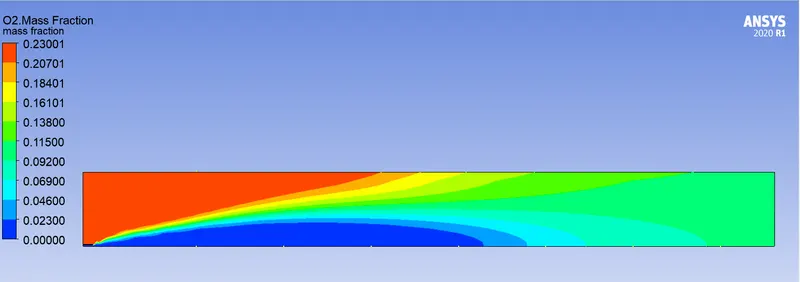
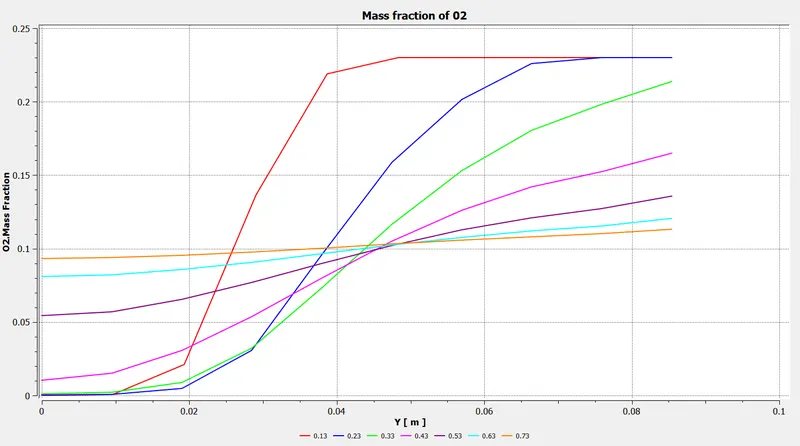
- Mass fraction of O2
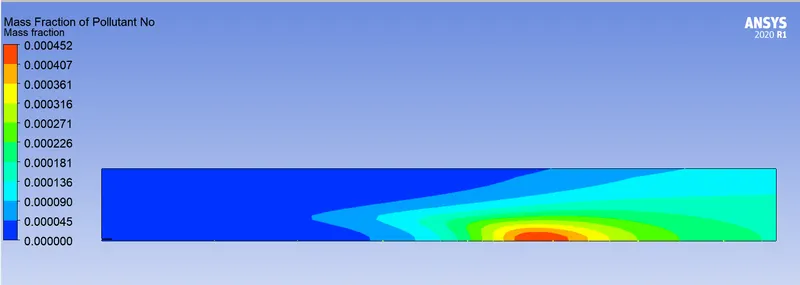
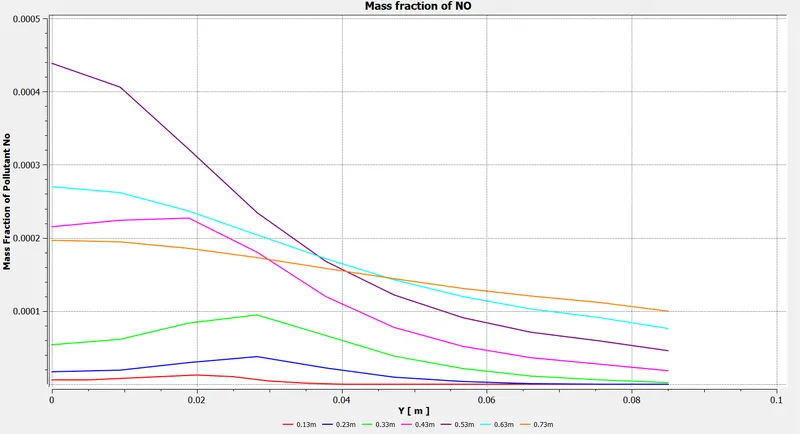
- Mass fraction of NO:
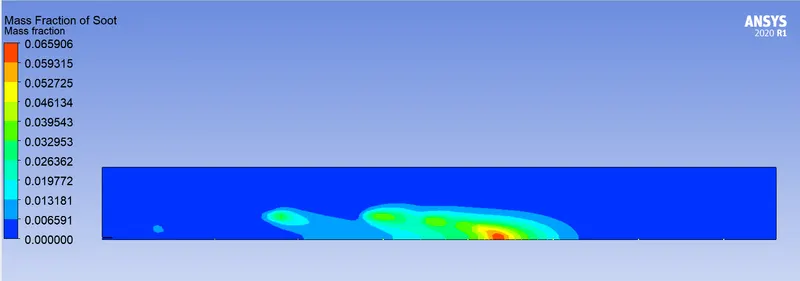
- Mass fraction of Soot
RESULTS FROM PART 1:
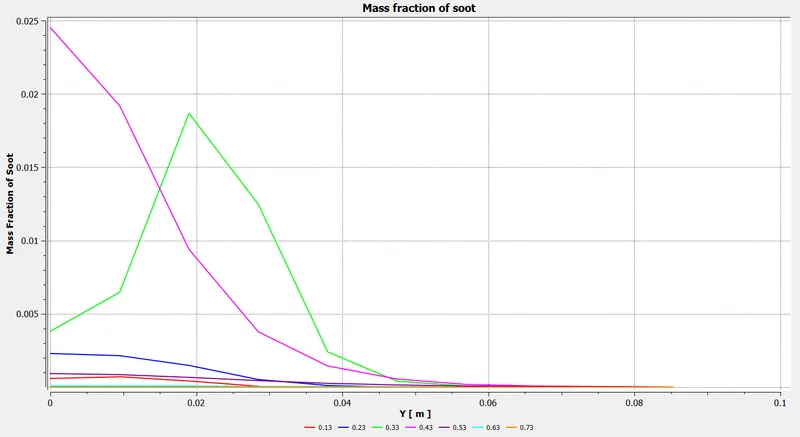
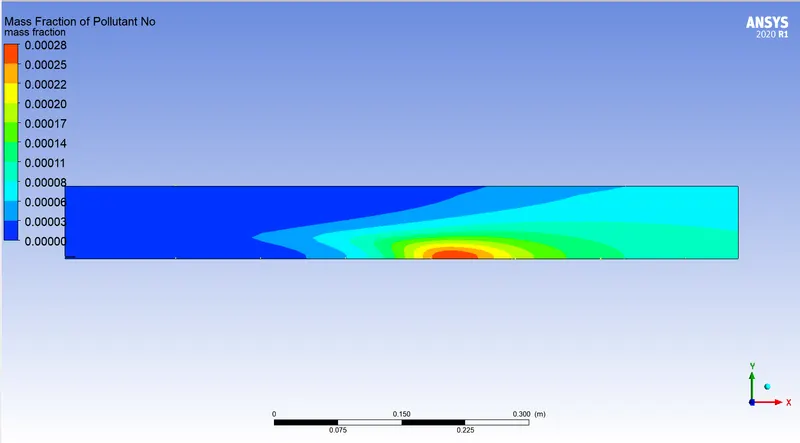
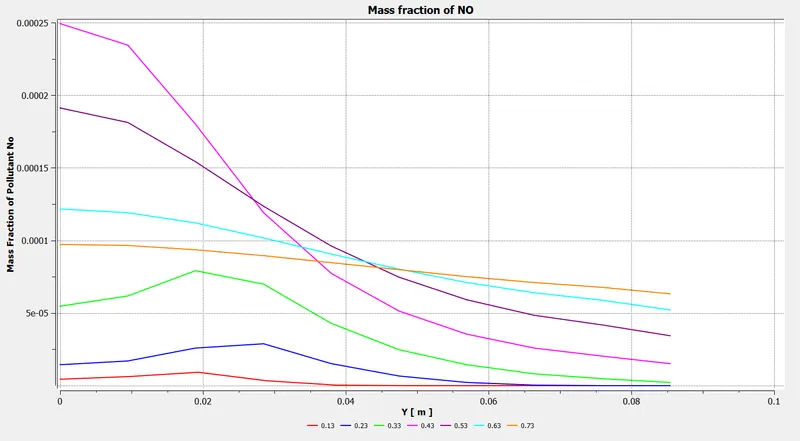
- We can see that there is formation of soot and NO near the outlet of the combustor. In order to reduce the production, we will add water to the fuel progressively from 5% to 30% and look at the soot formation.
1. 10% H2O mixed fuel:
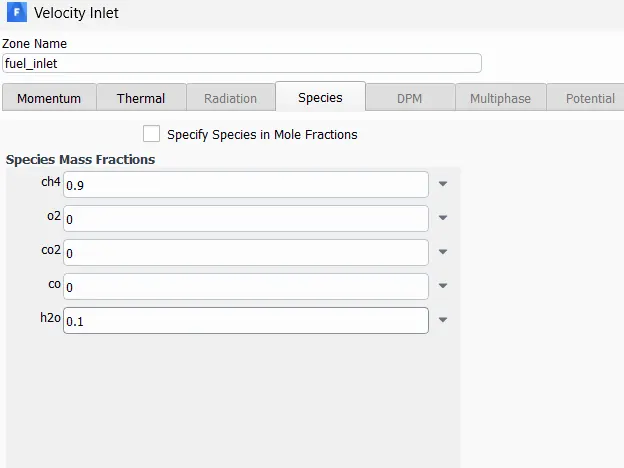
- At the inlet, we used 1 mole of CH4. Now to dilute the mixture, we will add 10% water.
- Therefore at the fuel inlet we would add 0.9 mole of CH4 and 0.1 mole of H20.
RESULTS (10% H2O):
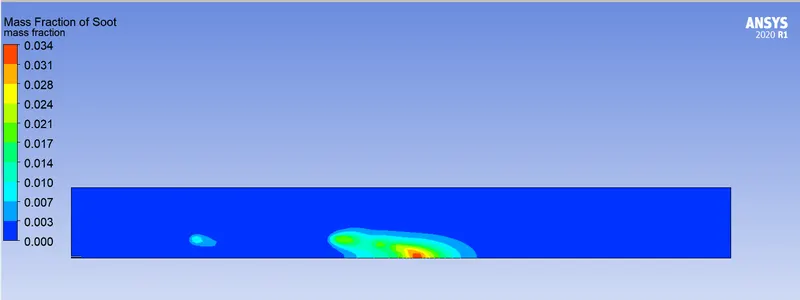
- Soot formation:
- Mass fraction of NO
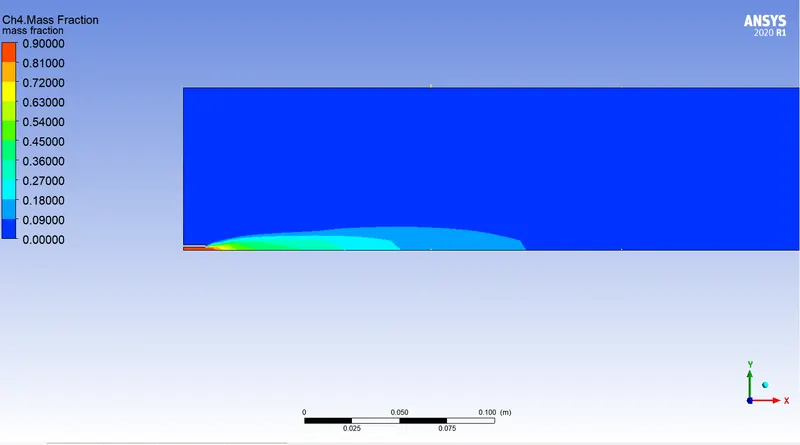
- Mass fraction of CH4
- Mass fraction of CO2
- Mass fraction of O2
- Mass fraction of CH4
- Mass fraction of N2
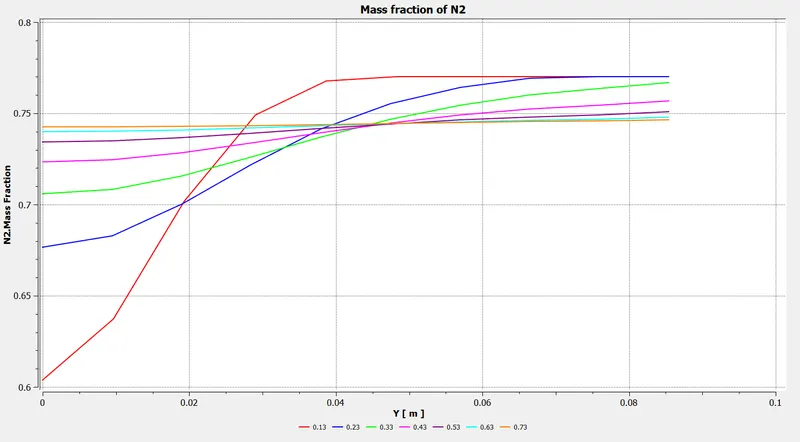
2. 20% H20 mixed fuel
- We need to change the ratio of fuel and h20 at the fuel inlet before initialising.
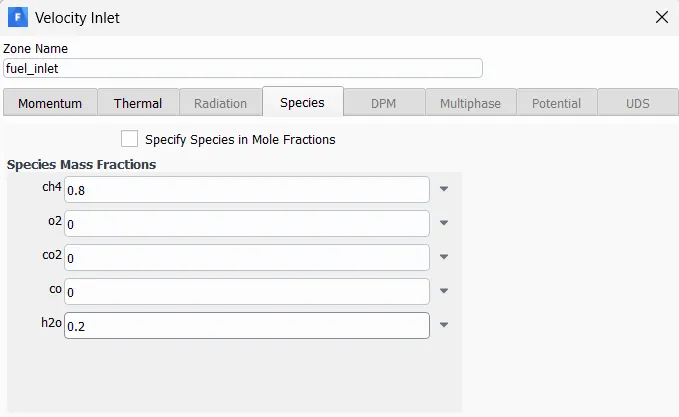
RESULTS:
- Mass fraction of Soot:
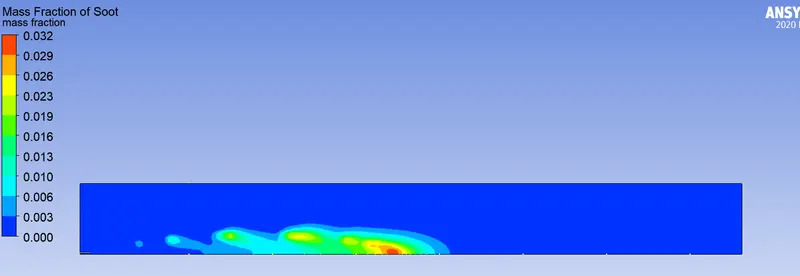
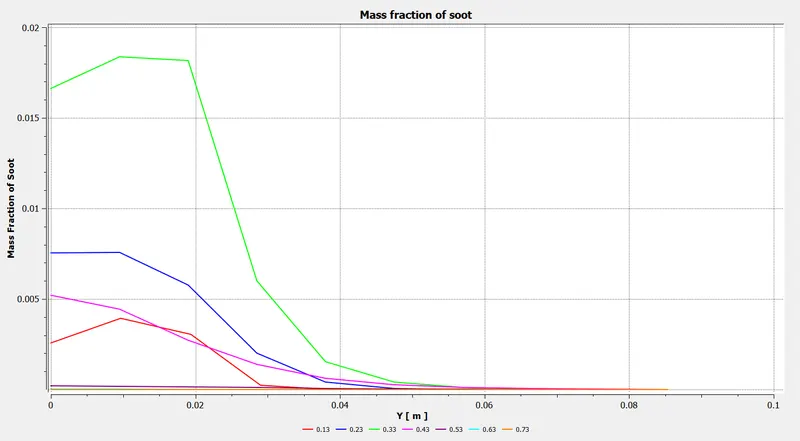
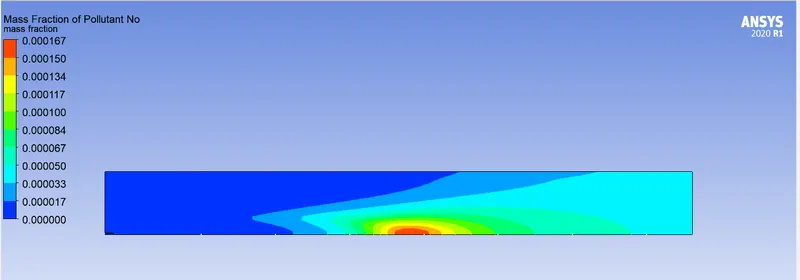
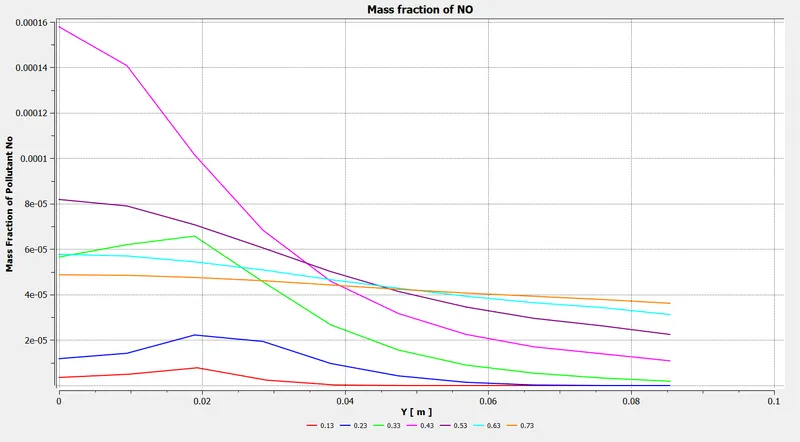
- Mass fraction of NO
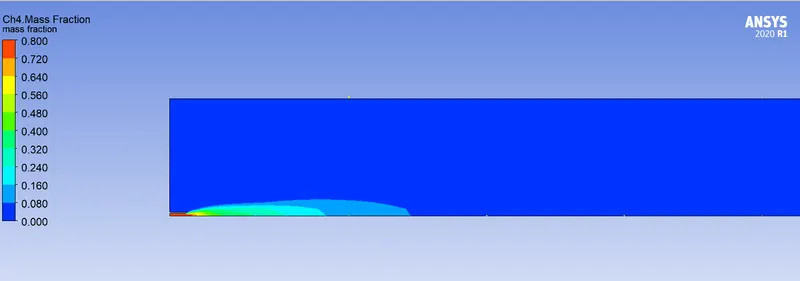
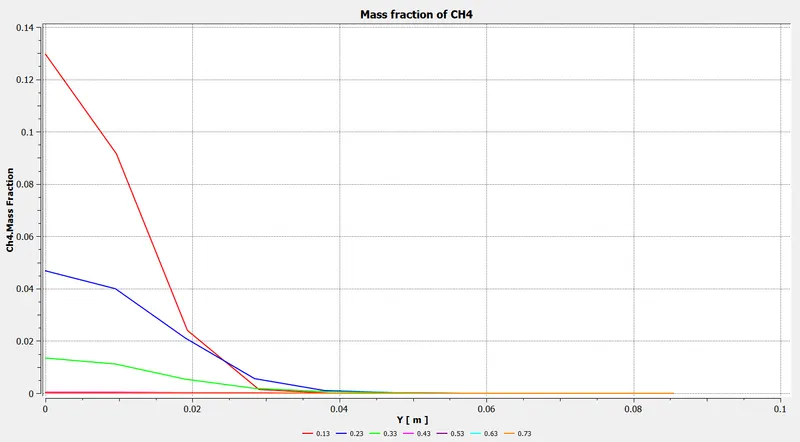
- Mass fraction of CH4
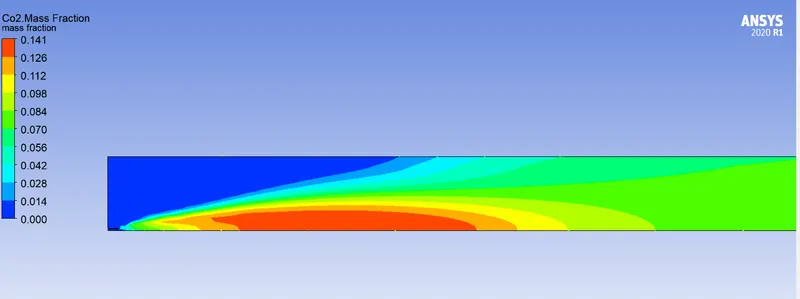
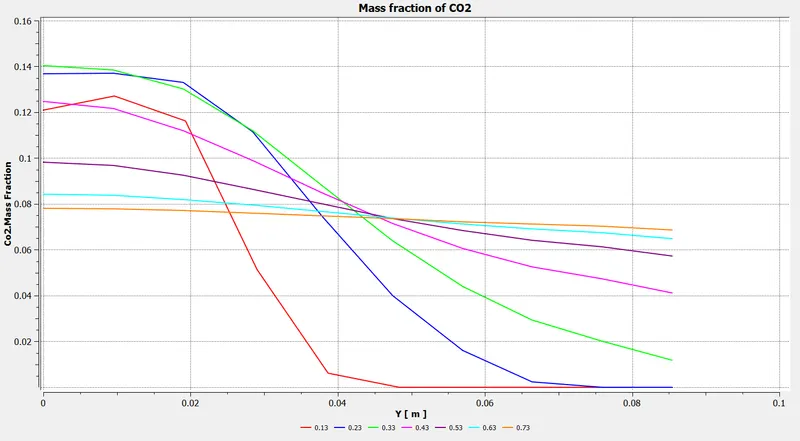
- Mass fraction of CO2
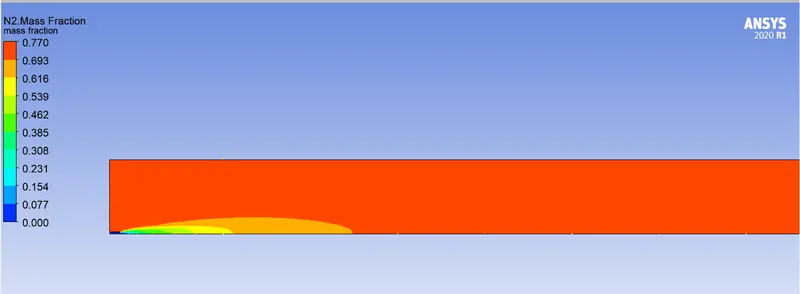
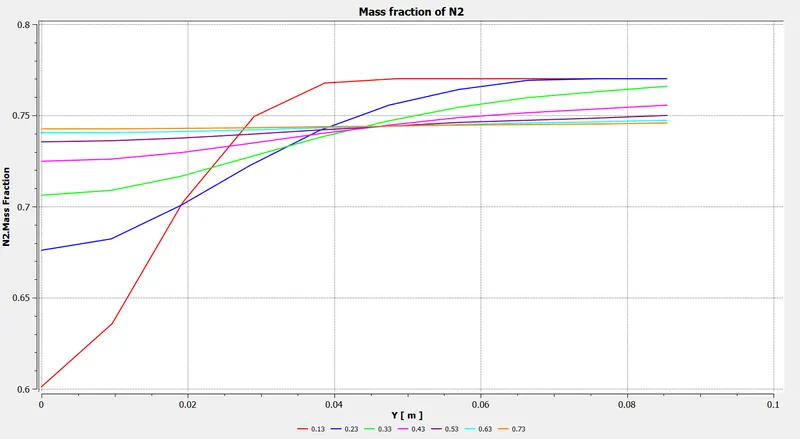
- Mass fraction of N2
- Mass fraction of O2
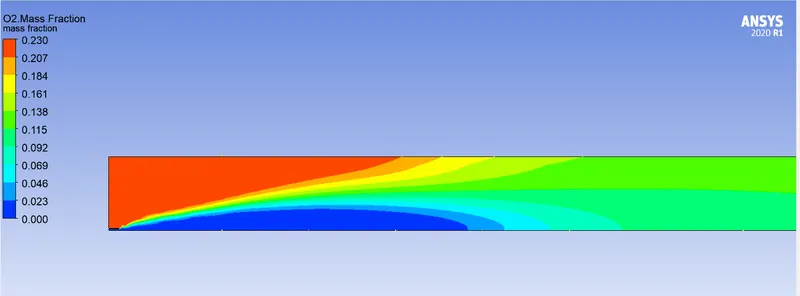
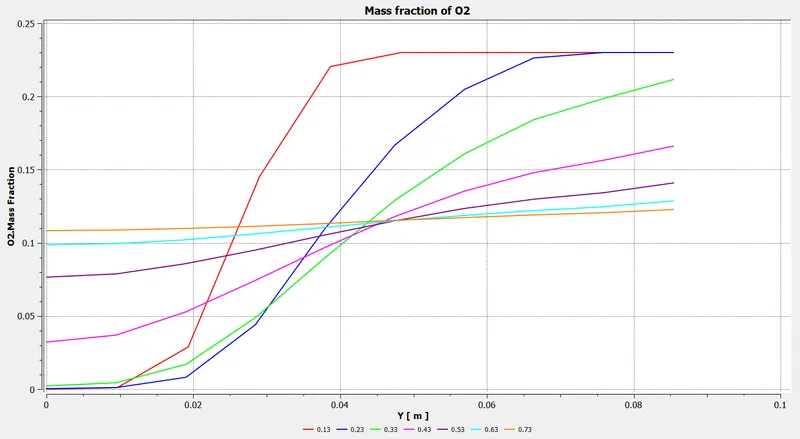
- Mass fraction of H2O
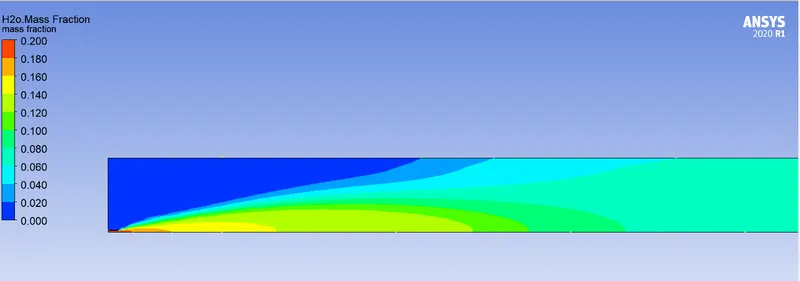
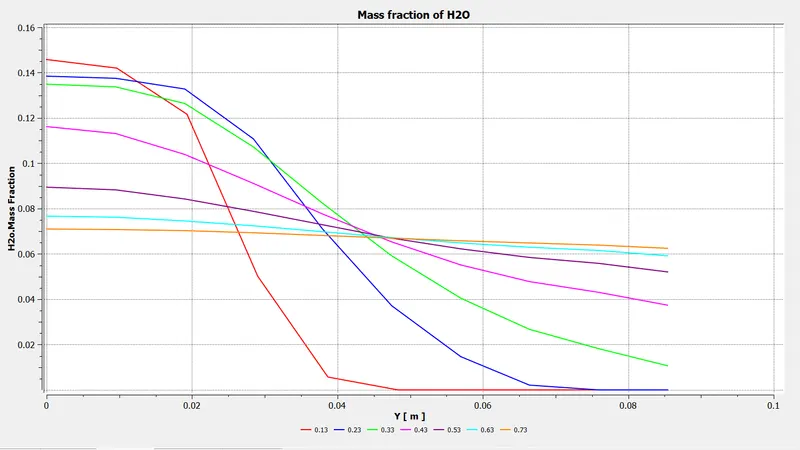
3. 30% H2O mixed with fuel
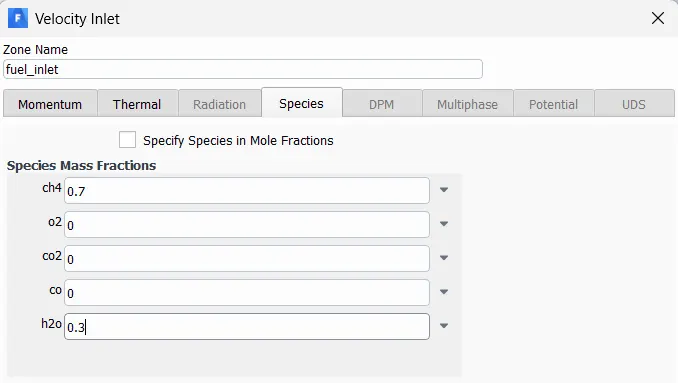
RESULTS:
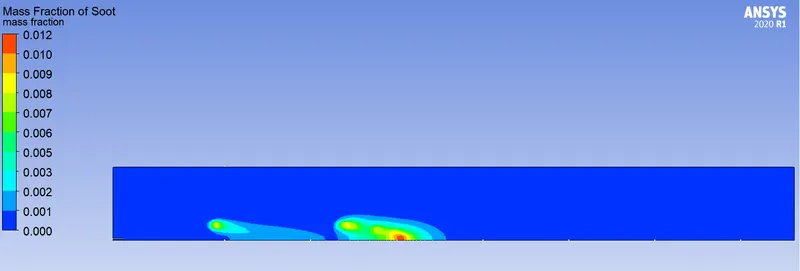
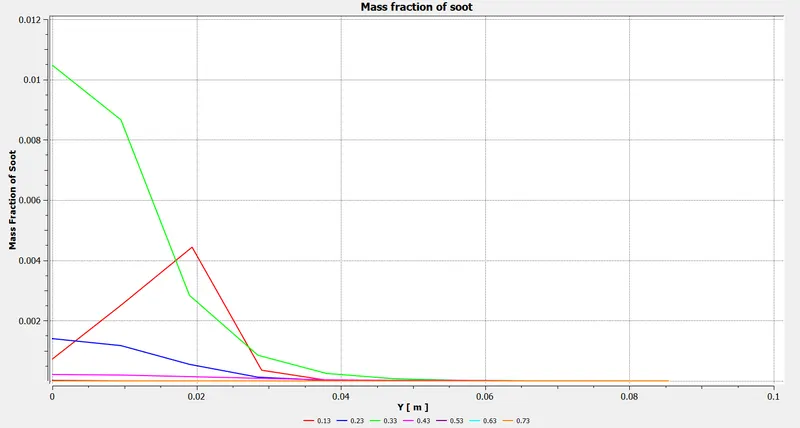
- Mass fraction of Soot
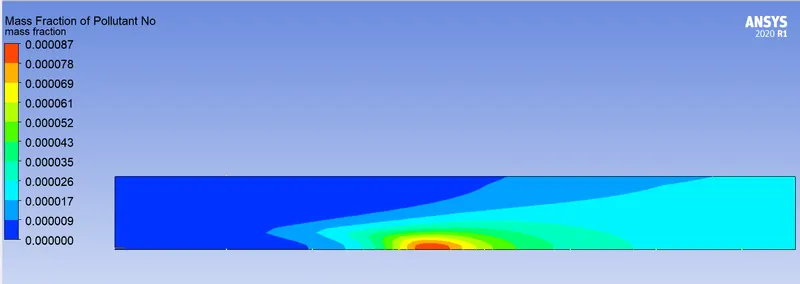
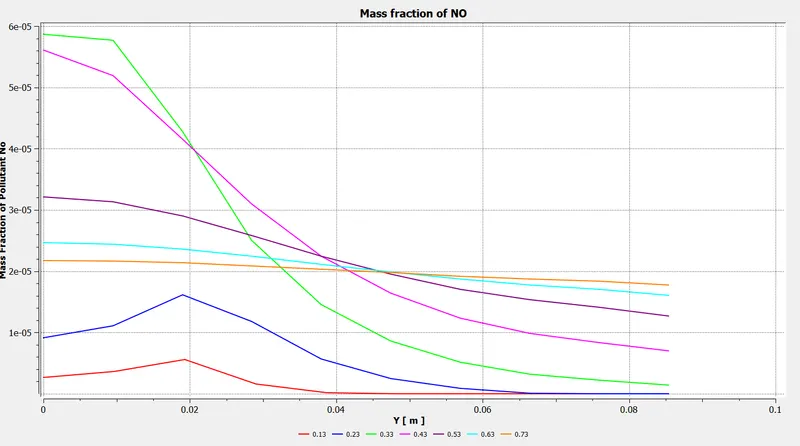
- Mass fraction of NO
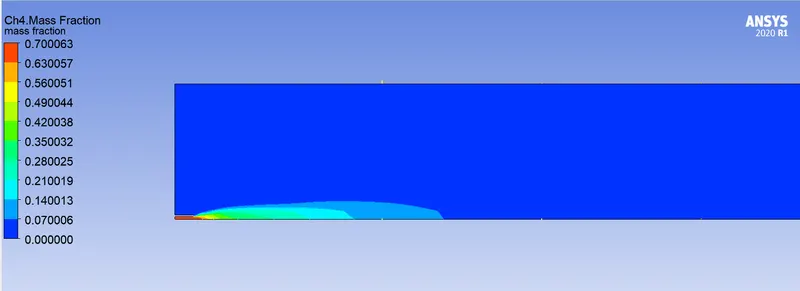
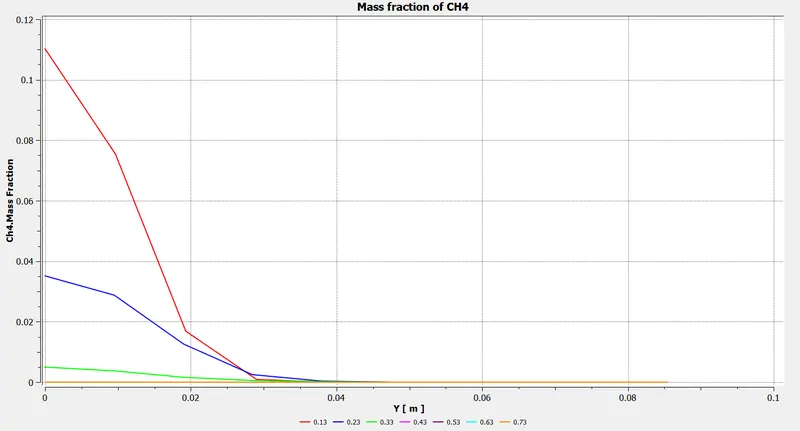
- Mass fraction of CH4
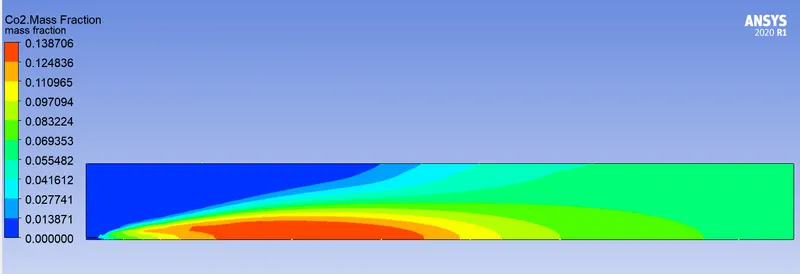
- Mass fraction of CO2
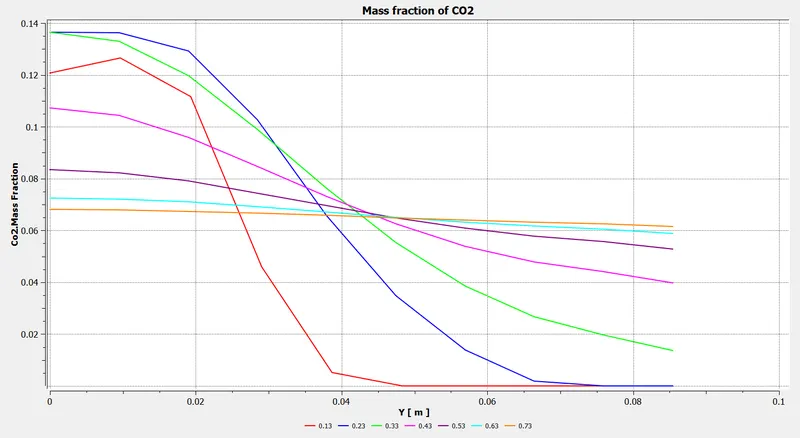
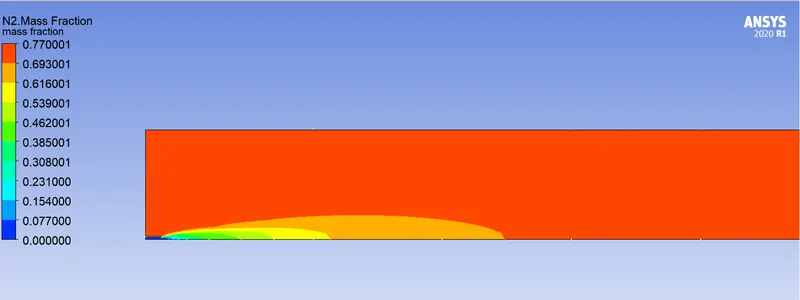
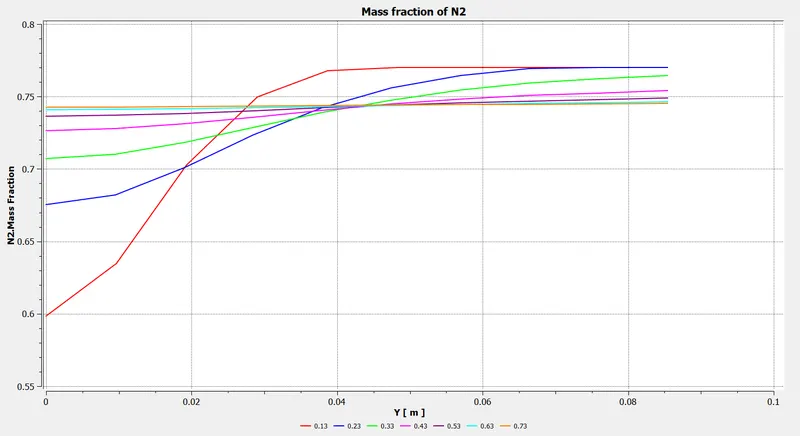
- Mass fraction of N2
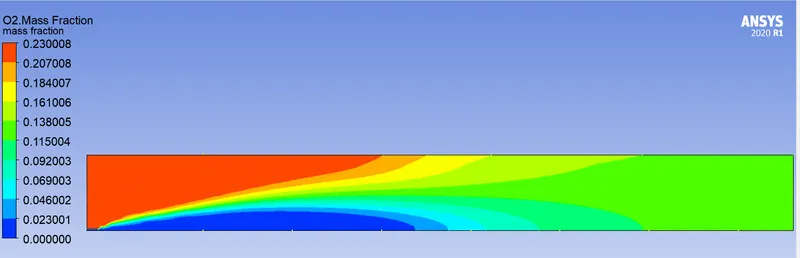
- Mass fraction of O2
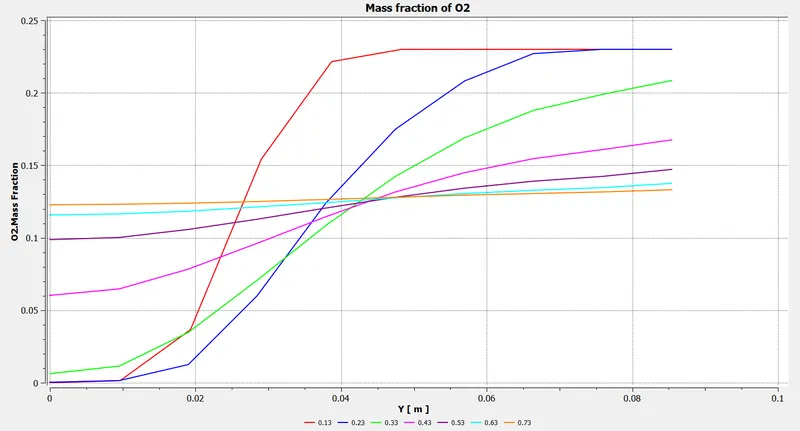
- Mass fraction of H20
FINAL RESULTS:
| Sr No. | % of Water addition | Mass fraction of Soot | Mass fraction of NO |
| 1 | 0% | 0.0659 | 0.000452 |
| 2 | 10% | 0.034 | 0.00028 |
| 3 | 20% | 0.032 | 0.000167 |
| 4 | 30% | 0.012 | 0.000087 |
- With the addition of water to the fuel, the percentage of soot has been reduced by 18%.
- Similarly, the addition of water has caused the percentage of NO to be reduced by 19%