Week 10 - Simulating Combustion of Natural Gas.
OBJECTIVE:
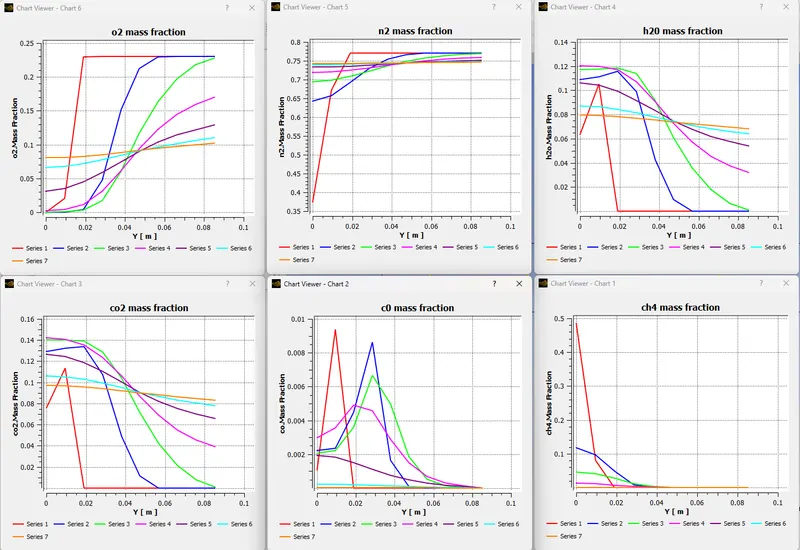
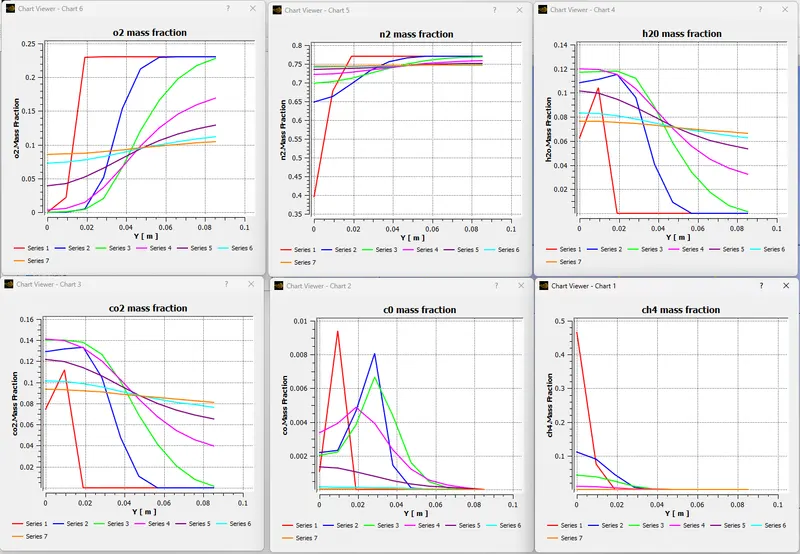
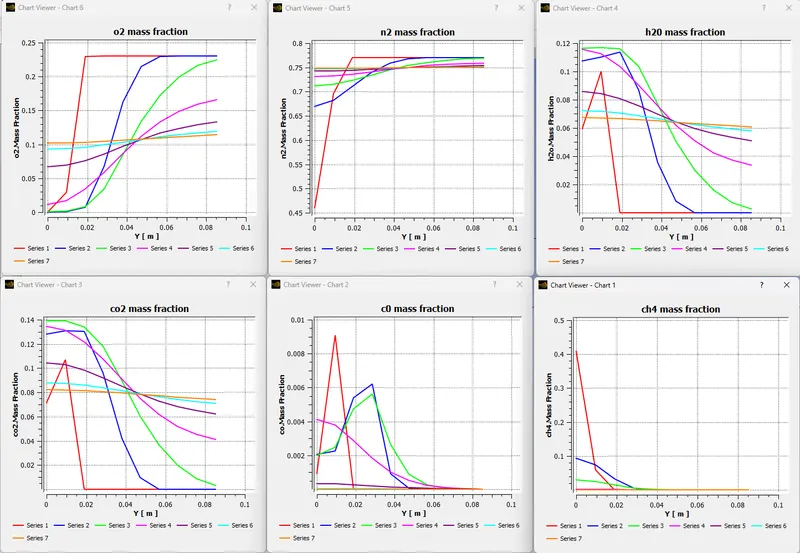
- Perform a combustion simulation on the combustor model and plot the variation of the mass fraction of the different species’ in the simulation using line probes at different locations of the combustor.
- Plot for CO2, H2O, CH4, N2, O2, NOx emissions & Soot formation.
- Add the water content in the fuel from 5% to 30% by mole and observe the effect of it on the results.
Combustion is a chemical reaction that occurs when a fuel combines with oxygen, usually from the air, to release heat and light. This reaction produces carbon dioxide and water vapor as byproducts.
Combustion is used in many applications, including burning fossil fuels to generate electricity, heating homes and buildings, and powering vehicles. However, combustion can also have negative environmental impacts, as it releases greenhouse gases and air pollutants that contribute to climate change and air pollution.
In addition to the practical applications of combustion, it is also a fundamental process in chemistry and physics. Understanding the mechanisms of combustion is important for developing more efficient and sustainable energy sources, as well as for understanding the behavior of materials under extreme conditions.
The combustion of natural gas is a common example of combustion. Natural gas is composed primarily of methane, a hydrocarbon compound consisting of one carbon atom and four hydrogen atoms. When natural gas is burned, the methane reacts with oxygen from the air to produce carbon dioxide, water vapor, and heat:
CH4 + 2O2 -> CO2 + 2H2O + heat
This reaction is exothermic, meaning that it releases heat. The heat generated by the combustion of natural gas can be harnessed for a variety of applications, including heating homes and buildings and generating electricity in power plants.
One of the benefits of burning natural gas is that it produces fewer pollutants than other fossil fuels, such as coal or oil. However, the combustion of natural gas still produces carbon dioxide, a greenhouse gas that contributes to climate change. As such, efforts are being made to develop more sustainable and efficient ways to generate energy that minimize greenhouse gas emissions.
NOx and soot are two types of air pollutants that are commonly associated with combustion.
NOx is short for nitrogen oxides, which are a group of gases composed of nitrogen and oxygen that form when fuels are burned at high temperatures, such as in engines, power plants, and industrial processes. The two most common nitrogen oxides are nitric oxide (NO) and nitrogen dioxide (NO2). NOx can have negative impacts on human health and the environment, contributing to the formation of smog, acid rain, and the depletion of the ozone layer.
Soot, on the other hand, is a type of particulate matter that is formed during incomplete combustion of fuels such as coal, oil, and wood. It consists of tiny particles of carbon, along with other chemicals and compounds that can be harmful to human health when inhaled. Soot can also contribute to air pollution and climate change by absorbing sunlight and warming the atmosphere.
Both NOx and soot can be controlled and reduced through various methods, such as using cleaner fuels, improving combustion efficiency, and installing pollution control devices. These efforts are important for improving air quality and protecting human health and the environment.
One technique for reducing the emissions of NOx and soot from combustion is to inject water into the combustion process. This is known as water injection, and it can have several benefits:
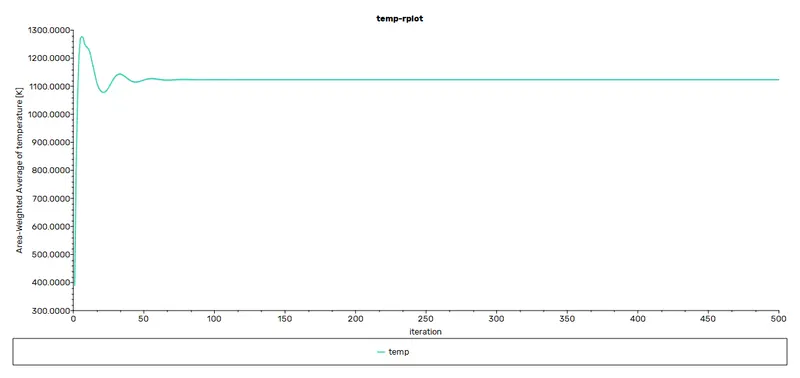
Lower combustion temperatures: Injecting water into the combustion process can help to lower the temperature of the flame. This can reduce the formation of NOx, as high temperatures are a key contributor to its formation.
Increased fuel efficiency: Water injection can also improve the efficiency of the combustion process. By reducing the temperature of the flame, less energy is wasted as heat, and more energy is used to power the engine or other device.
Reduced emissions: Water injection can also help to reduce the formation of soot and other particulate matter, which can be harmful to human health and the environment.
However, water injection is not a perfect solution, and it can have some downsides. For example, injecting water can increase the amount of water vapor in the exhaust, which can contribute to the formation of acid rain if the exhaust gases contain other pollutants such as sulfur dioxide. Additionally, water injection can add complexity and cost to the combustion system, and it may not be practical or economical for all applications. As with any technique for reducing emissions, it is important to consider the trade-offs and choose the best approach for a given situation.
METHOD OF SIMULATION:
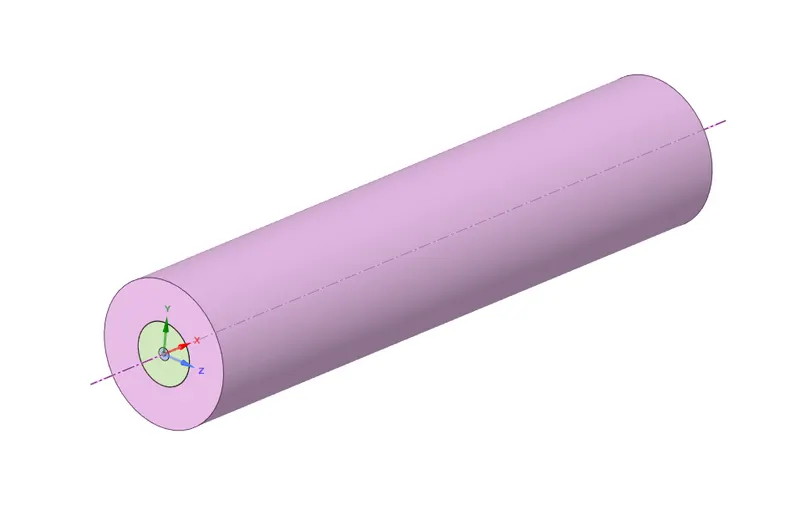
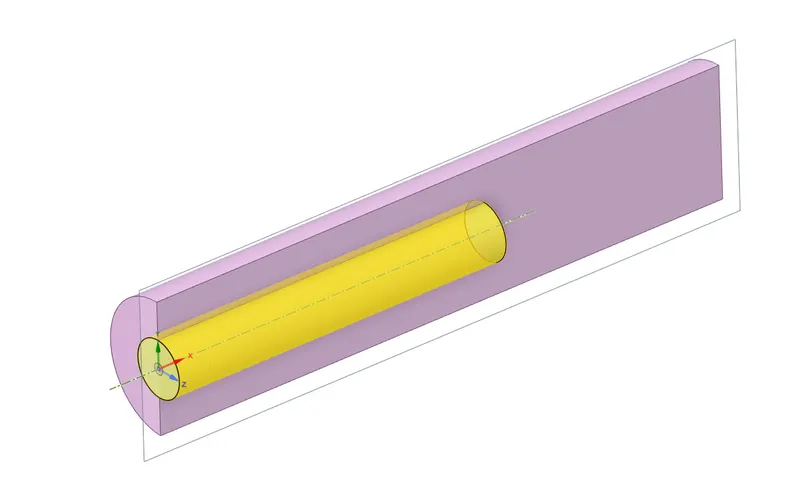
GEOMETRY CHECK
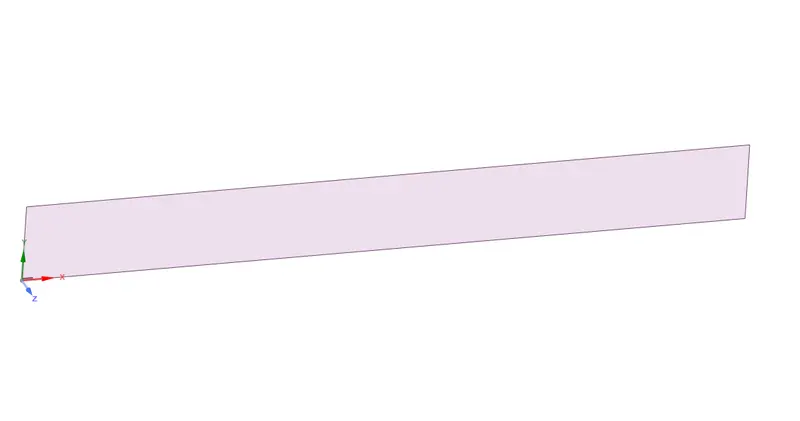
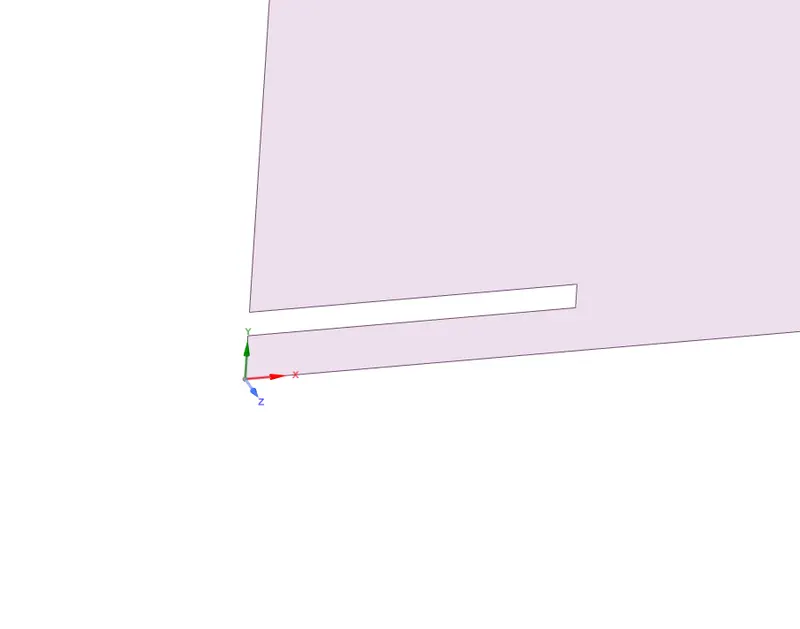
- CUT THE MODEL IN HALF AND GET THE SURFACE NEEDED
MESH THE SURFACE
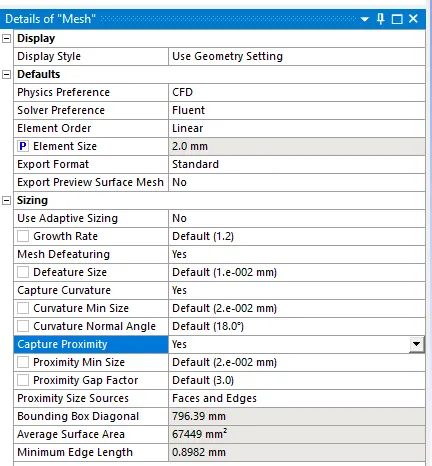
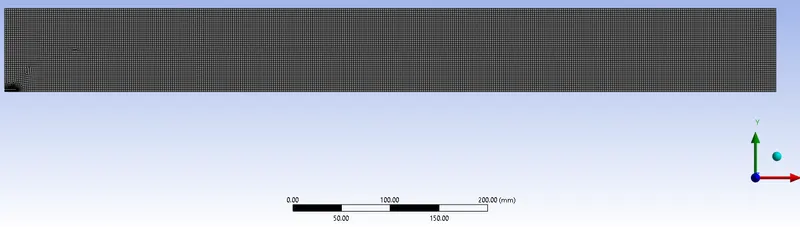
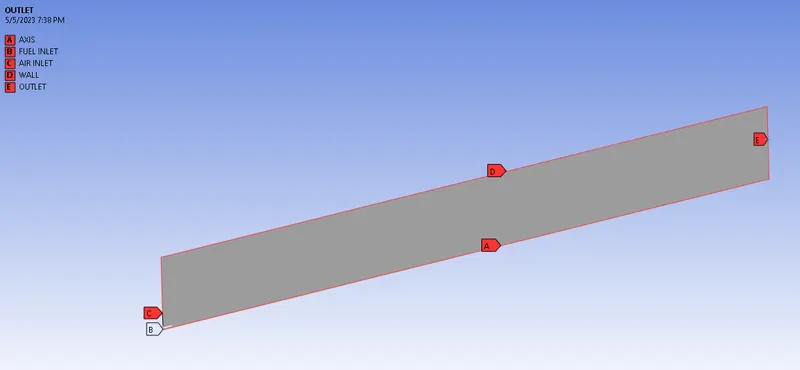
I MESHED THE SURFACE INTO 2MM FOR REFINEMENT AND ENABLE CAPTURE PROXIMITY, HAVING A GAP FACTOR OF 3. THEN RENAME THE PARTICULAR AREA FOR BOUNDARY.

SETUP:
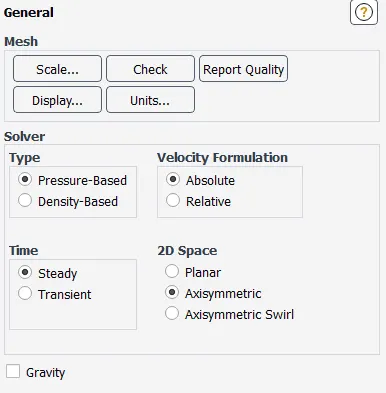
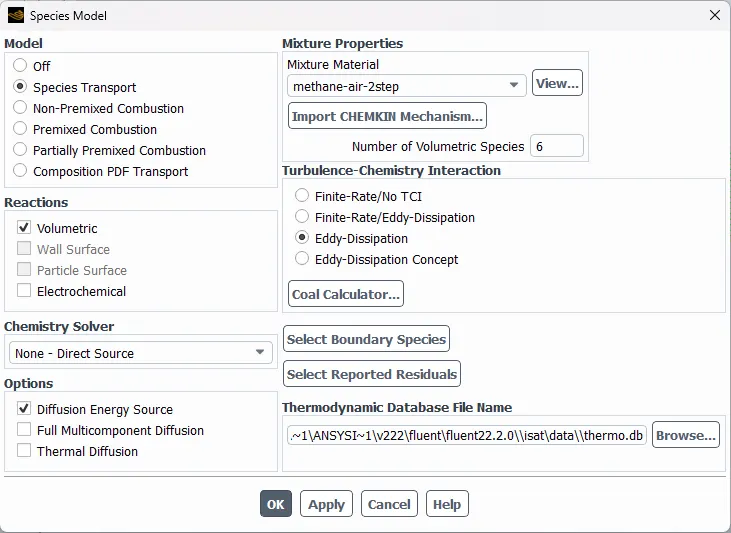
I ENABLE ALSO THE SPECIES SINCE I WILL SIMULATE A NATURAL GAS.
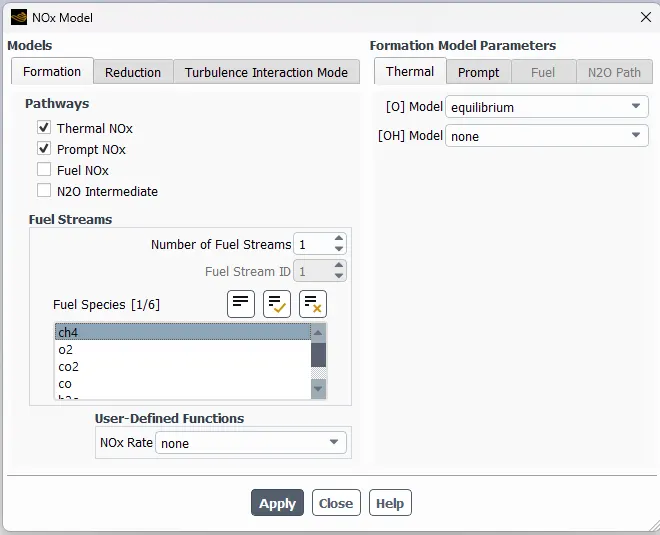
SETUP FOR NOX MODEL:
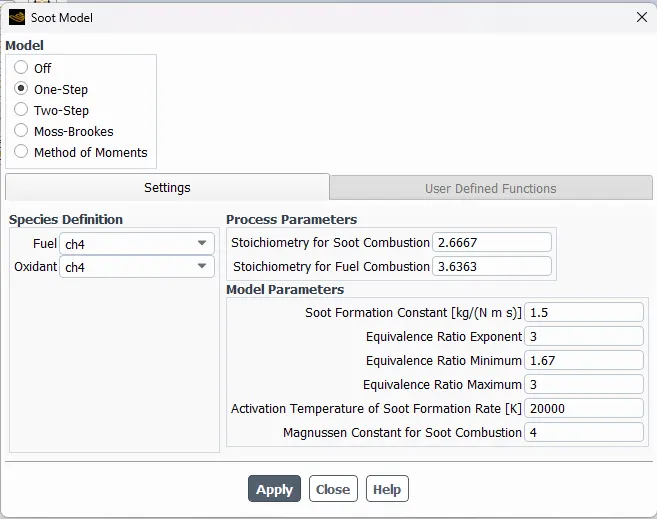
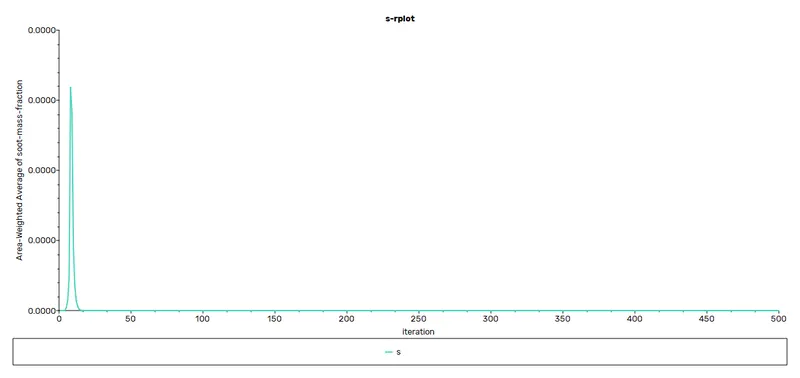
SETUP FOR SCOOT MODEL:
FOR SOLUTION AND RESULT:
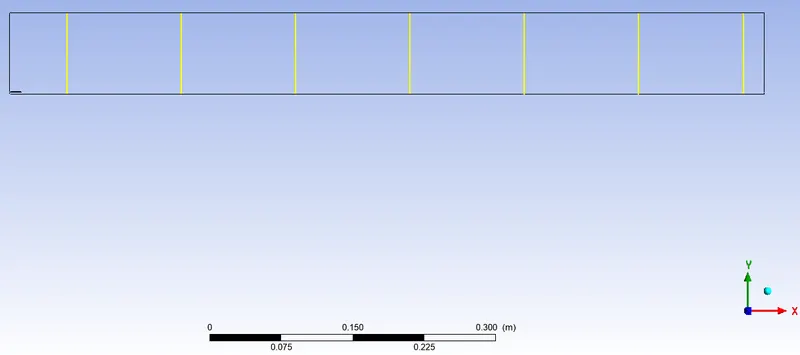
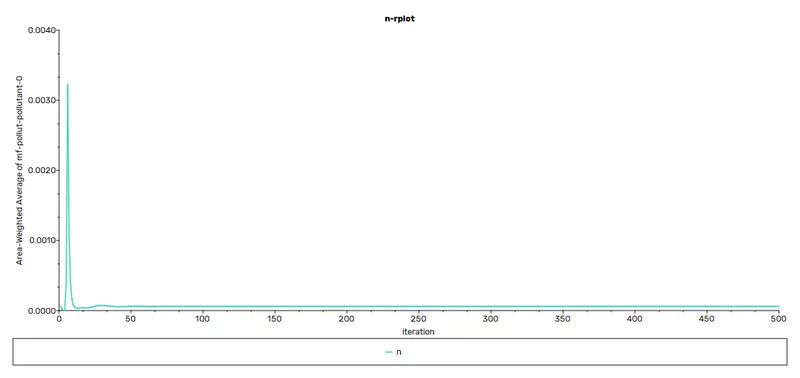
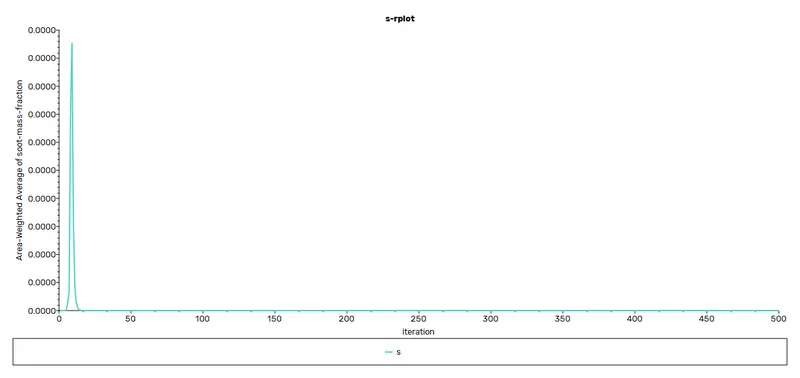
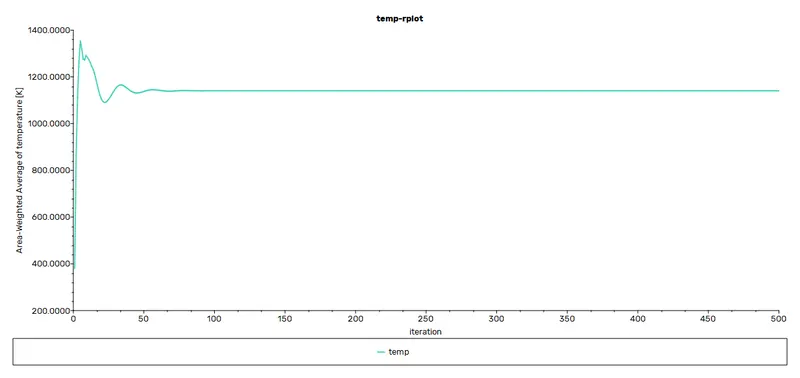
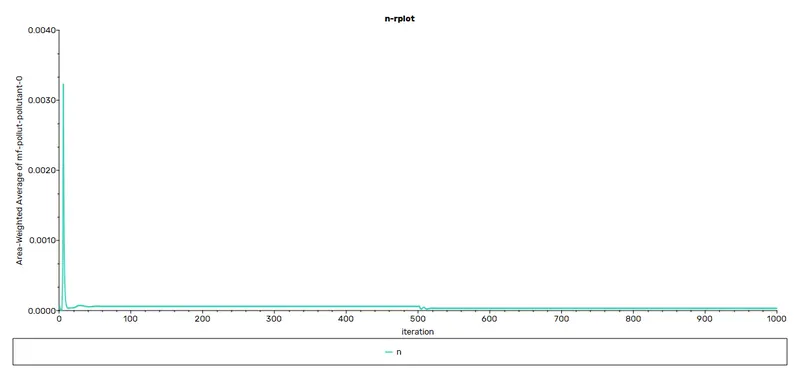
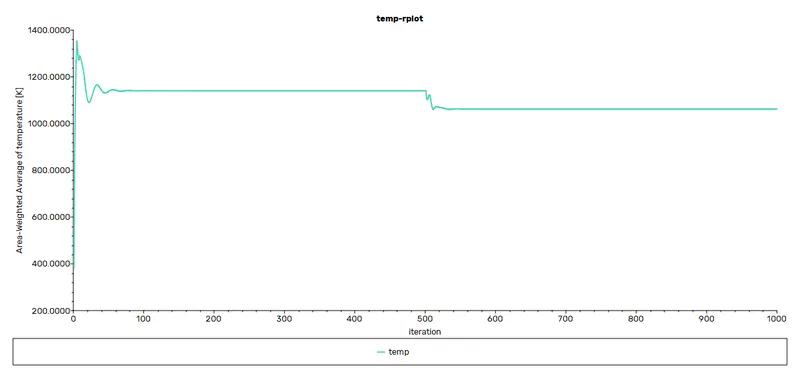
I CREATED A LINE PROBE TO GET A PLOT AND GRAPH OF DIFFERENT SPECIES.
RESULT FOR CASE 1:
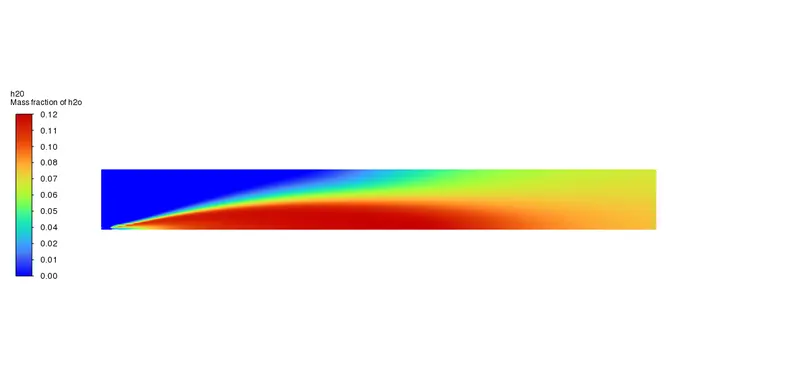
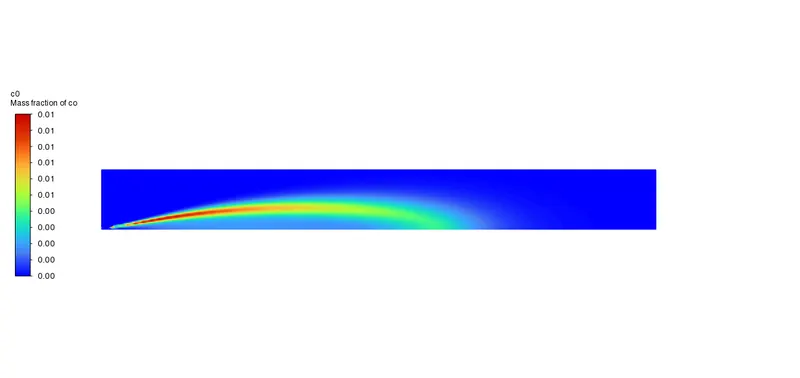
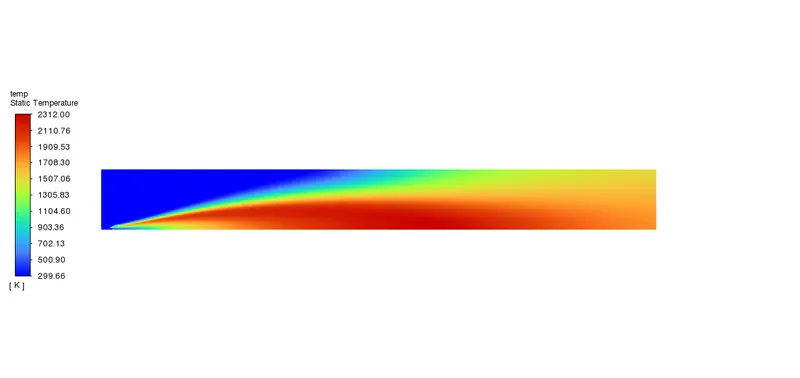
VELOCITY AT AIR INLET = 0.5 M/S (TYPICAL FOR ALL CASES)
TEMPERATURE = 300 K (TYPICAL FOR ALL CASES)
VELOCITY AT FUEL INLET = 80 M/S (TYPICAL FOR ALL CASES)
02SPECIES = 0.23
CH4 SPECIES = 1
H20 = 0
ITERERATION = 500
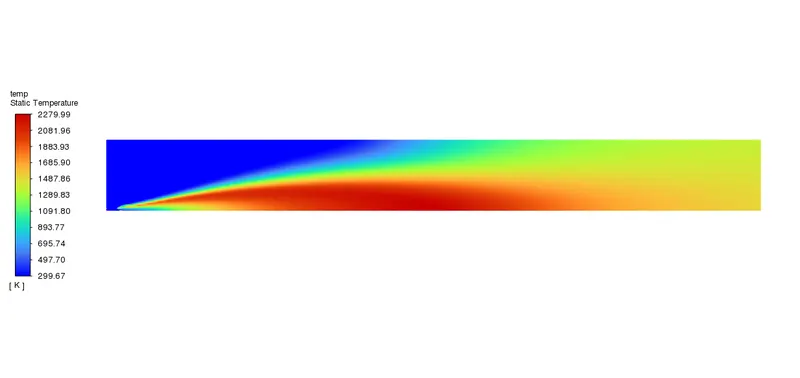
CONTOURS:
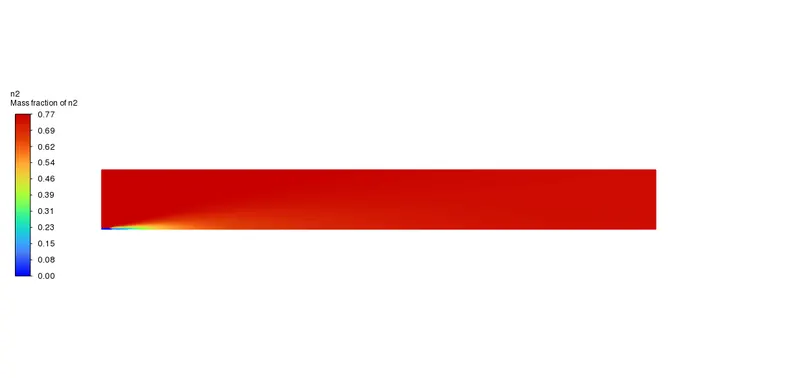
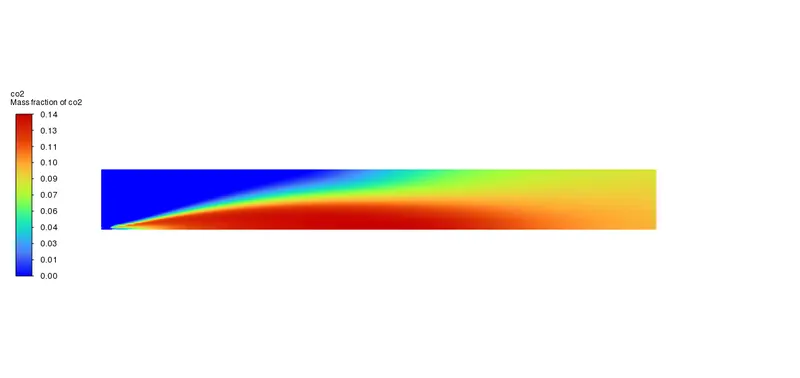
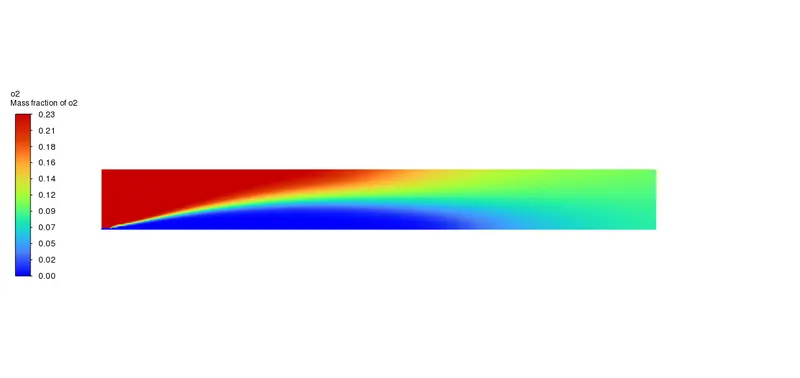
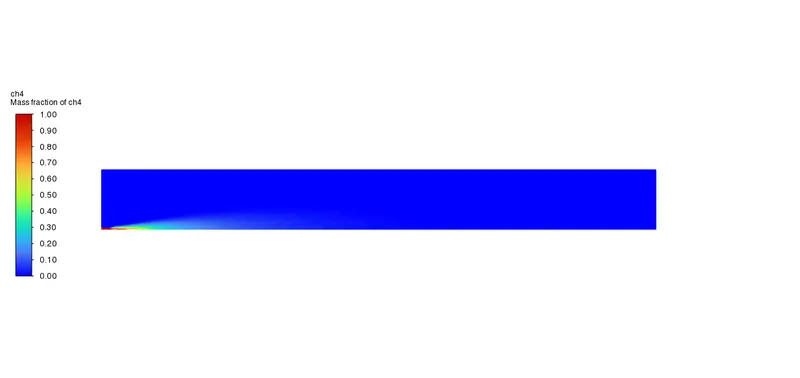
PLOT AND GRAPH:
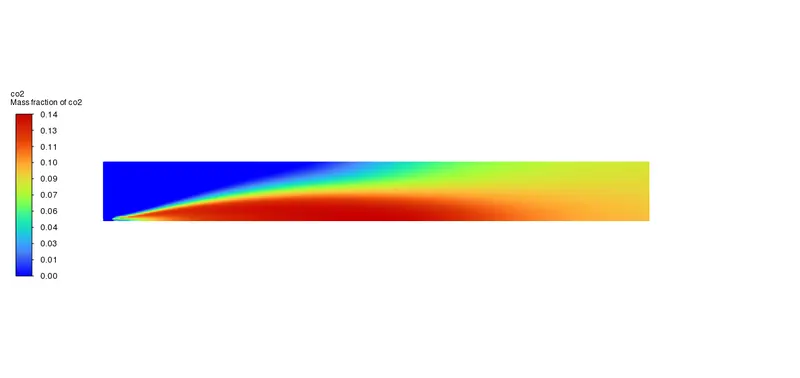
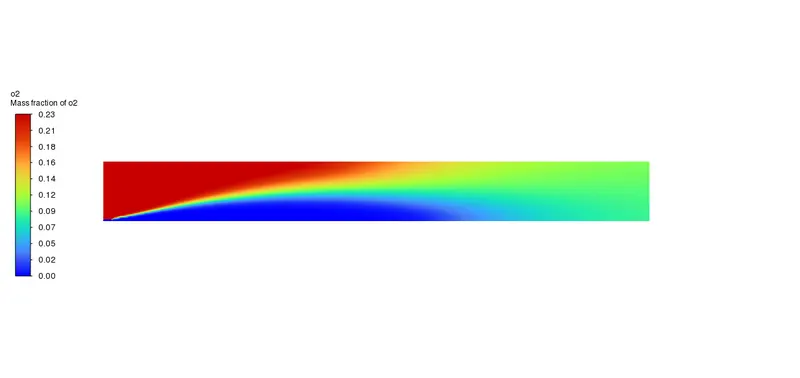
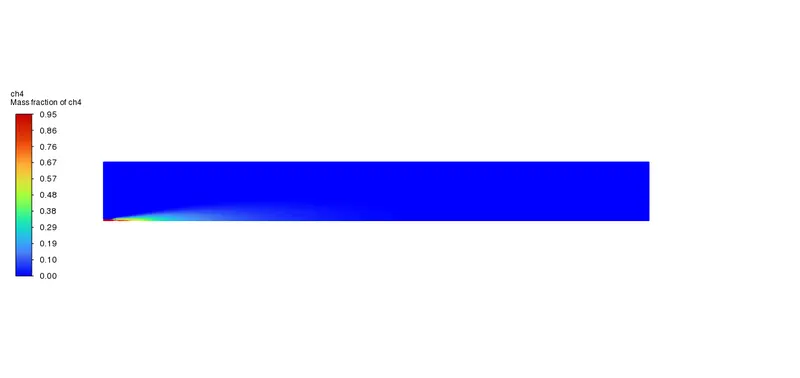
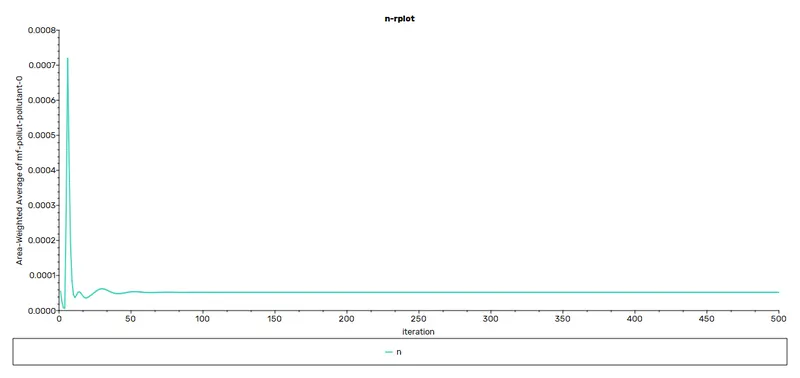
RESULT FOR CASE 2.a:
VELOCITY AT AIR INLET = 0.5 M/S (TYPICAL FOR ALL CASES)
TEMPERATURE = 300 K (TYPICAL FOR ALL CASES)
VELOCITY AT FUEL INLET = 80 M/S (TYPICAL FOR ALL CASES)
02SPECIES = 0.23
CH4 SPECIES = 0.95
H20 = 0.05
ITERERATION = 500
CONTOURS:
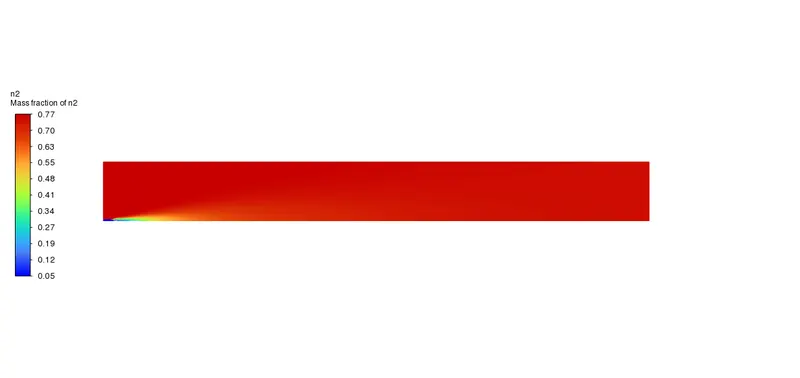
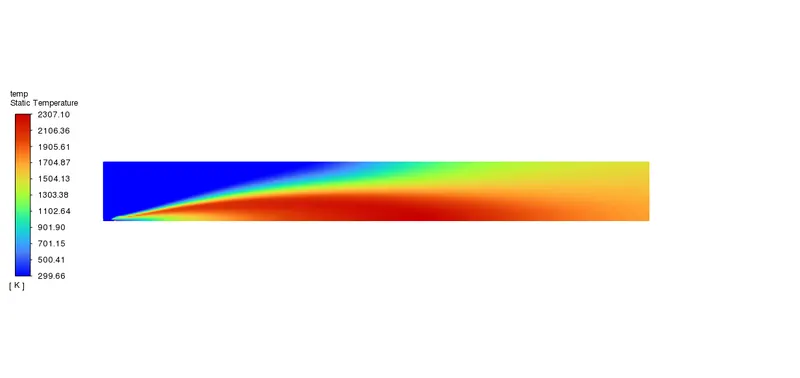
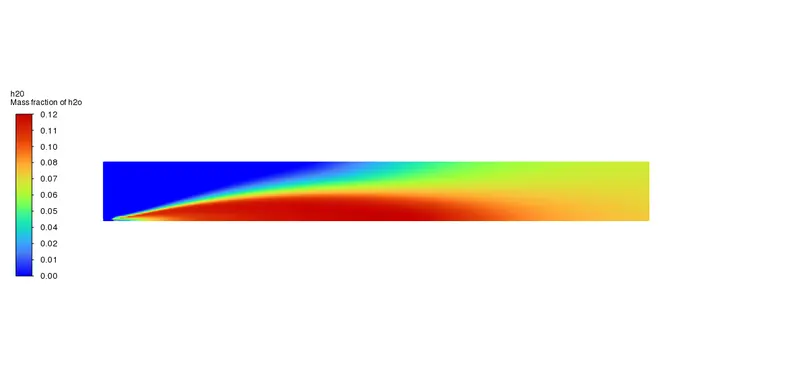
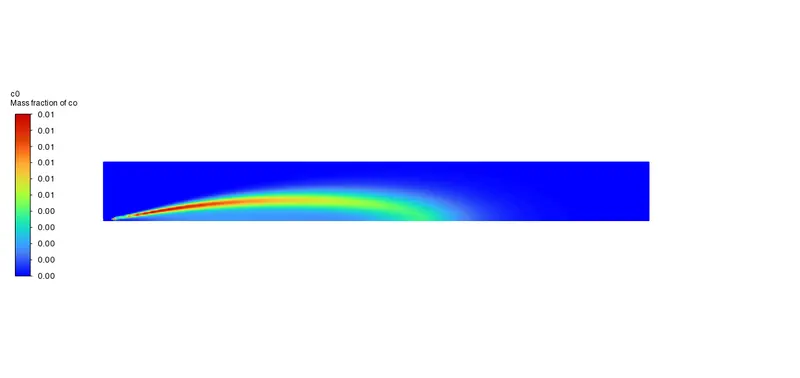
PLOT AND GRAPH:
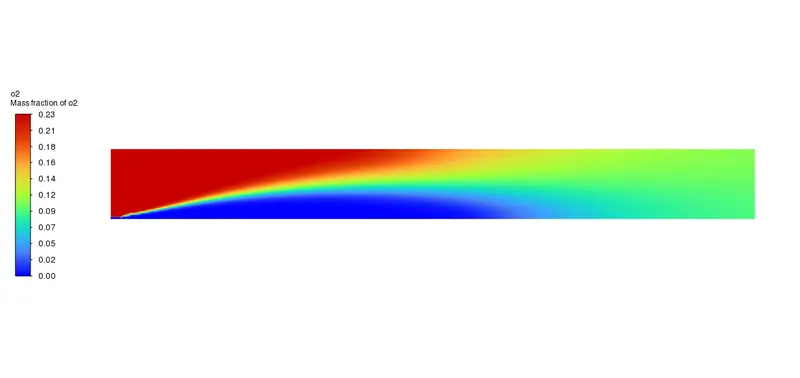
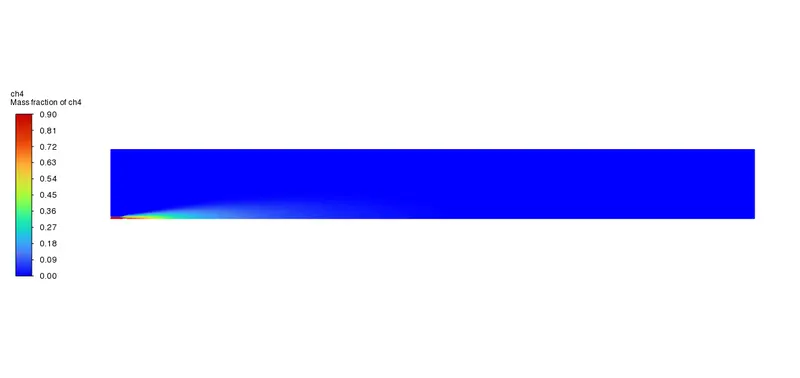
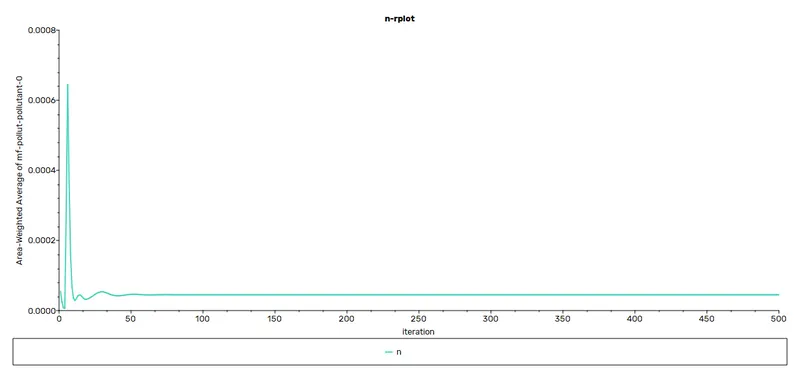
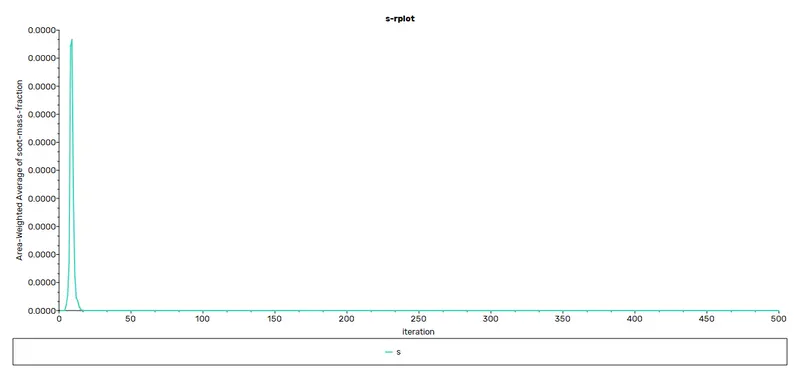
RESULT FOR CASE 2.b
02SPECIES = 0.23
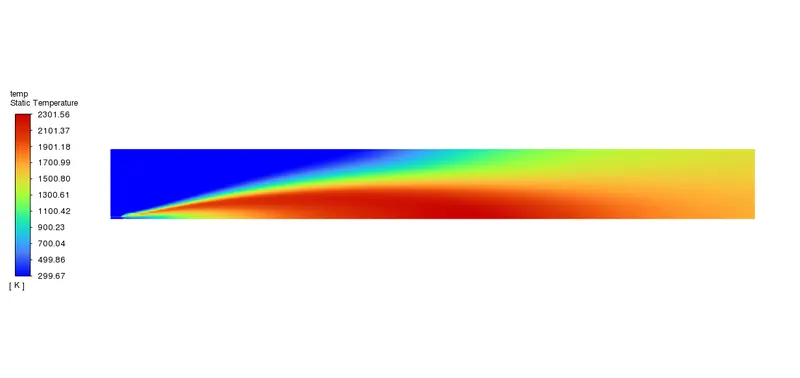
CH4 SPECIES = 0.9
H20 = 0.1
ITERERATION = 500
CONTOURS:
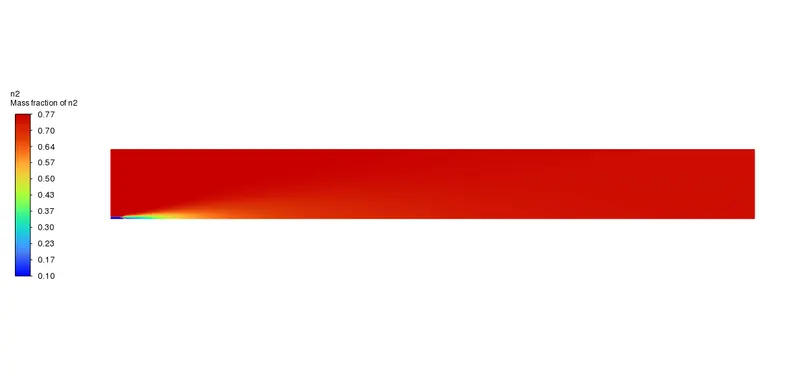
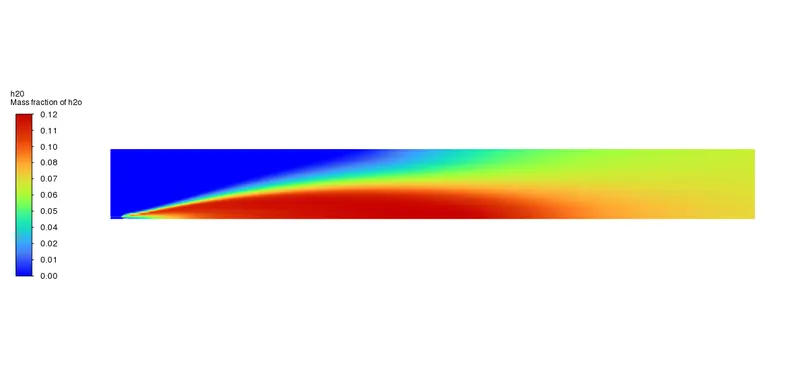
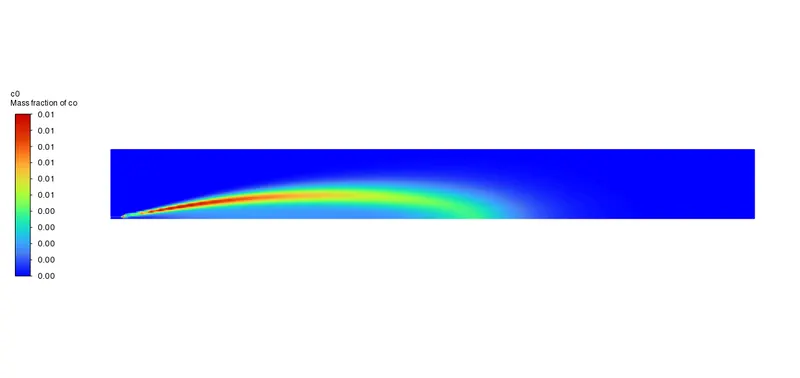
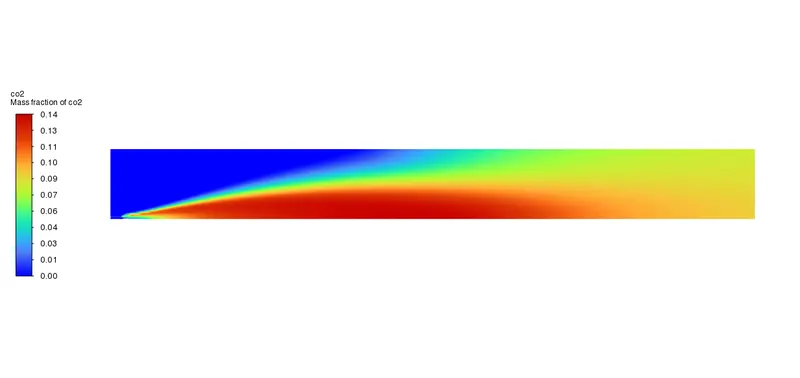
PLOT AND GRAPH:
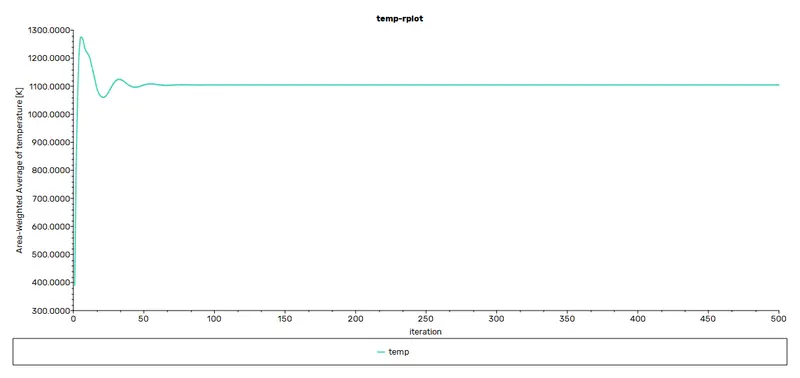
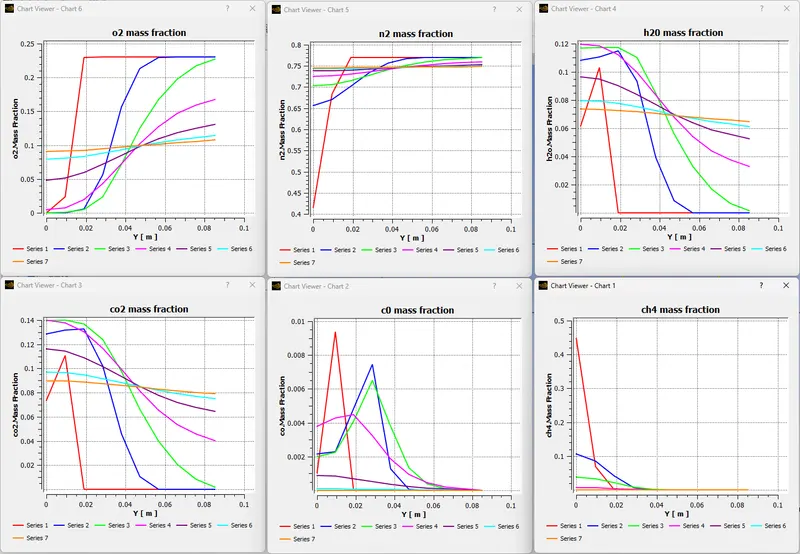
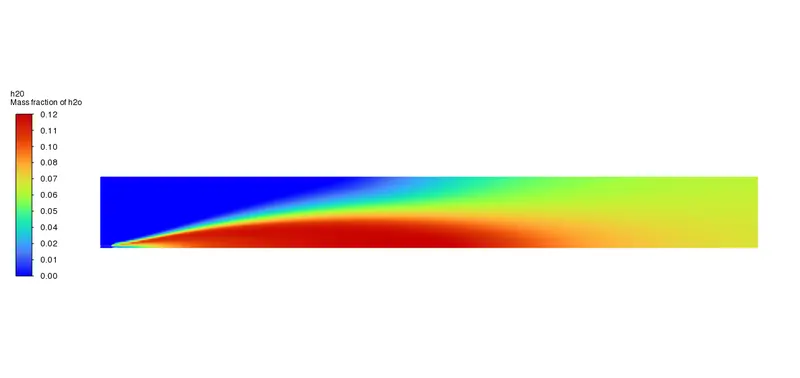
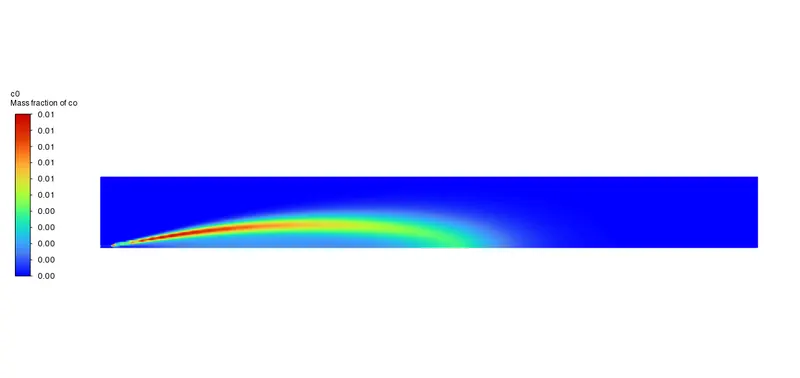
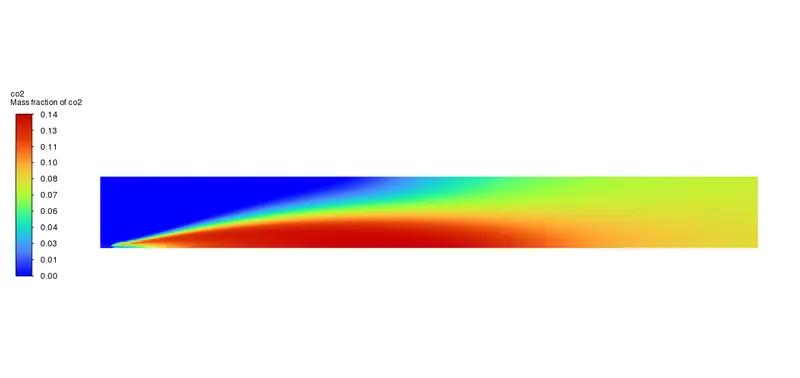
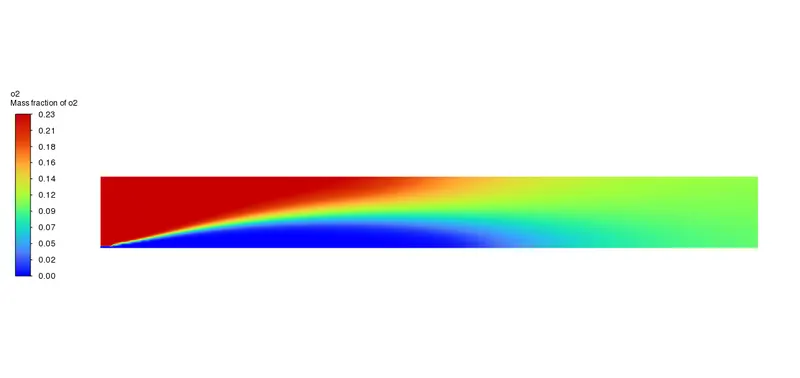
RESULT FOR CASE 2.c
02SPECIES = 0.23
CH4 SPECIES = 0.85
H20 = 0.15
ITERERATION = 500
CONTOURS:
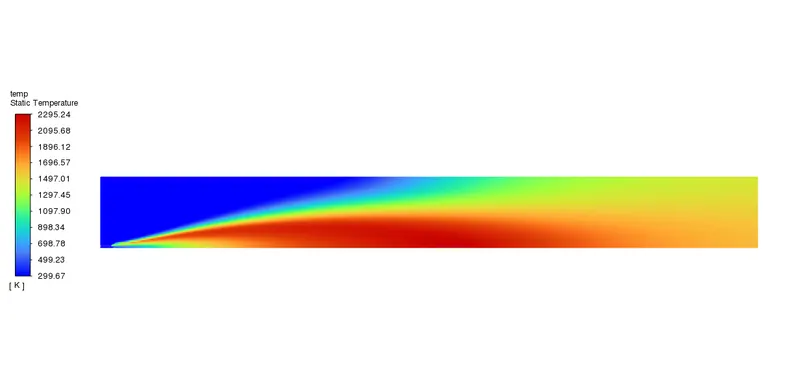
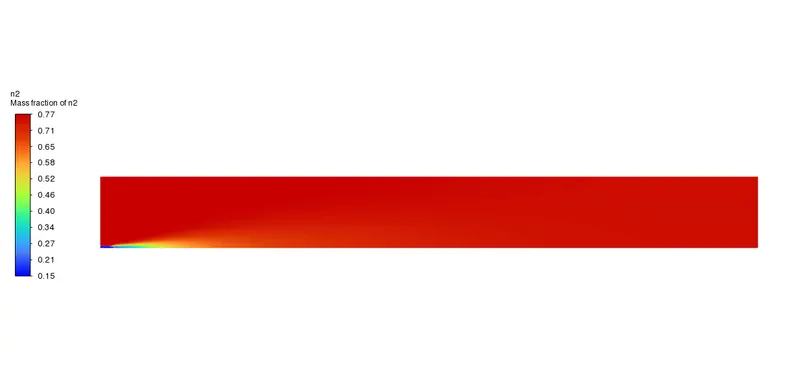
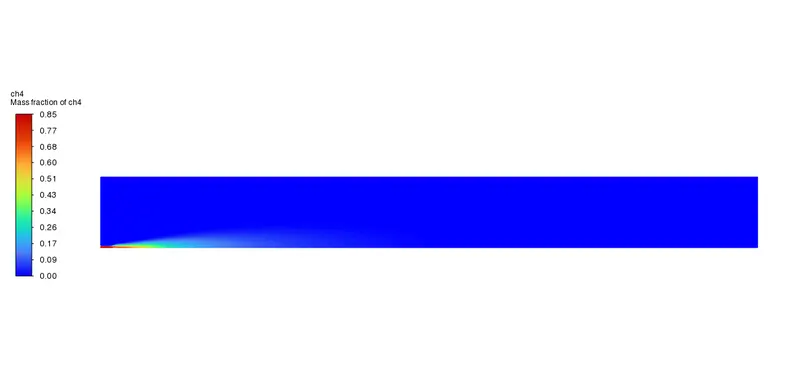
PLOT AND GRAPH:
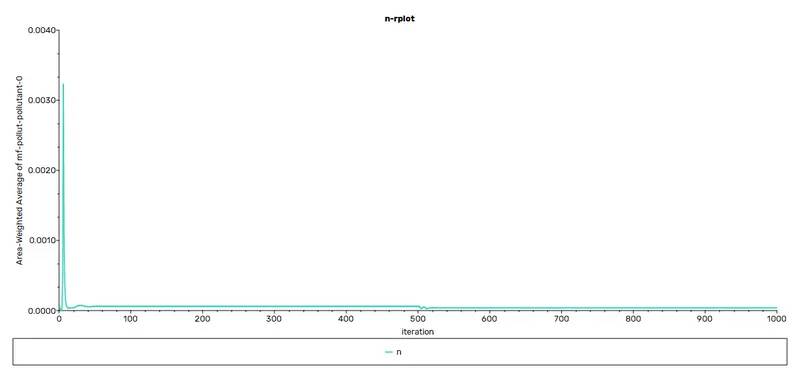
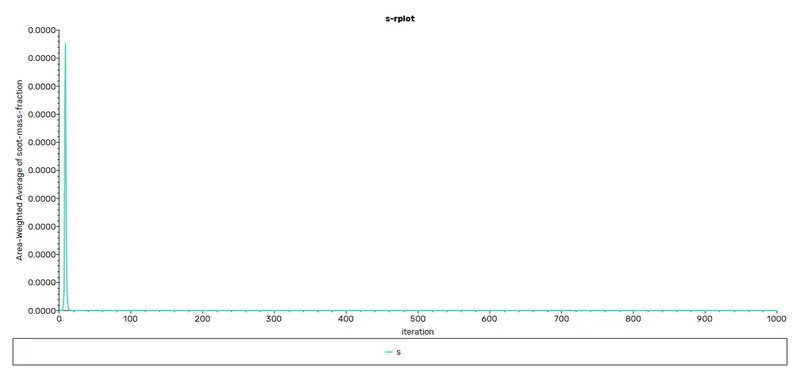
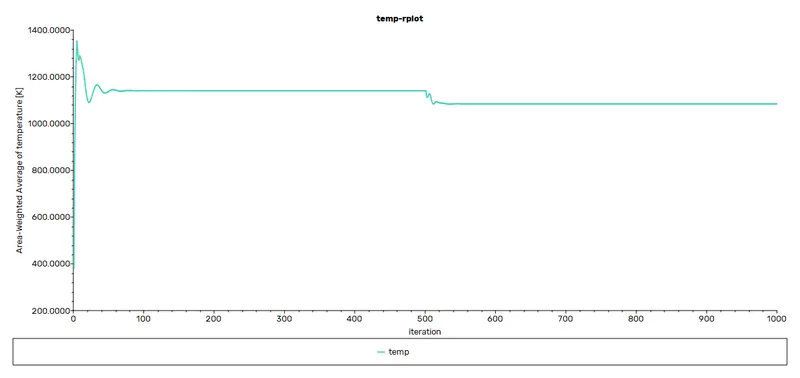
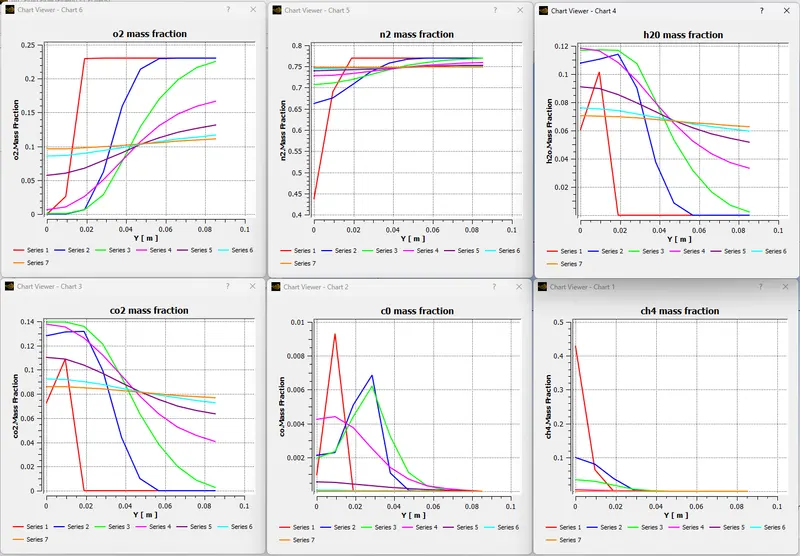
RESULT FOR CASE 2.d
02SPECIES = 0.23
CH4 SPECIES = 0.8
H20 = 0.2
ITERERATION = 500
CONTOURS:
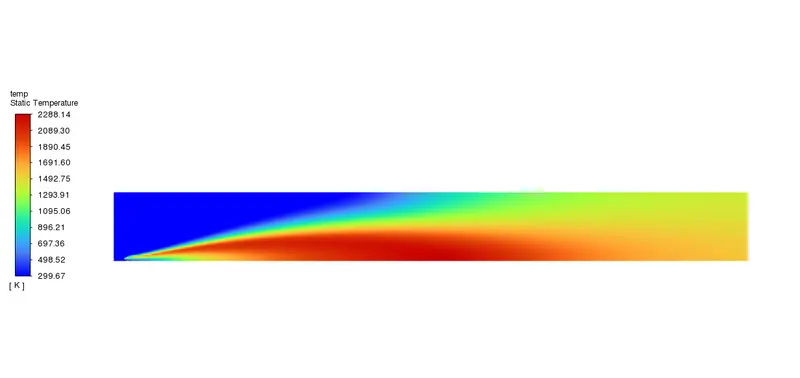
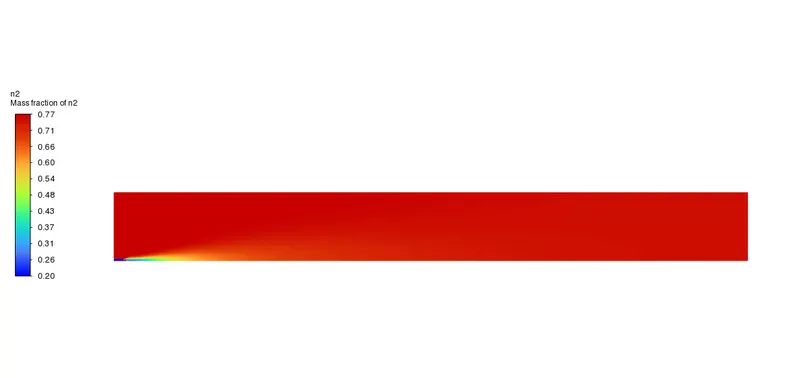
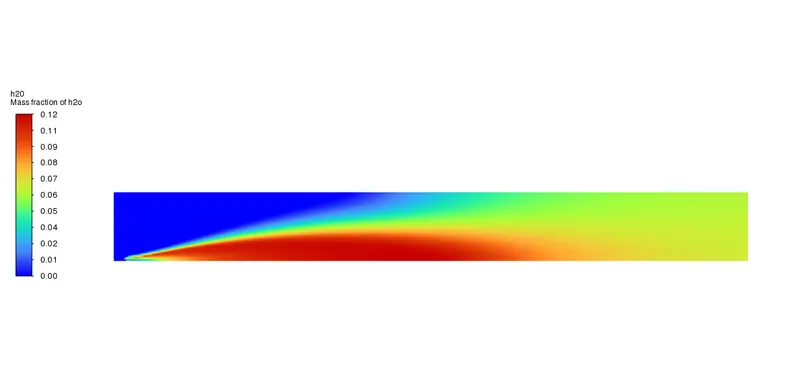
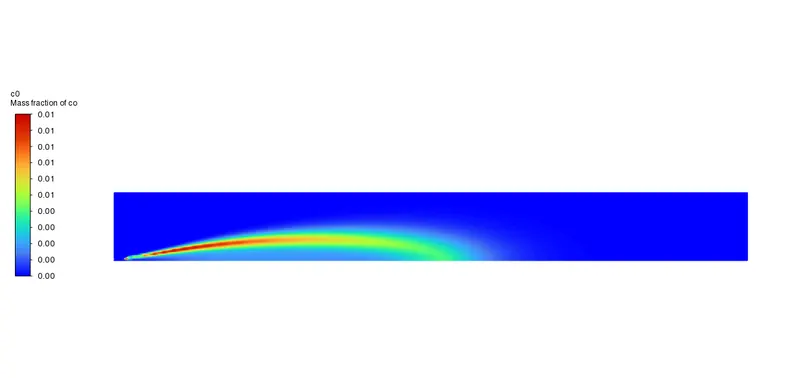
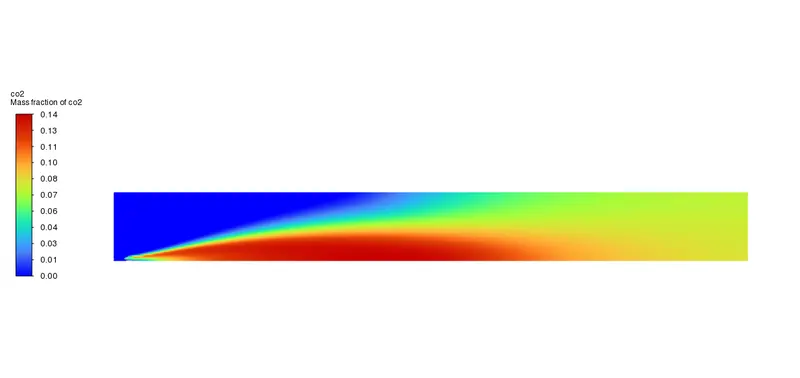
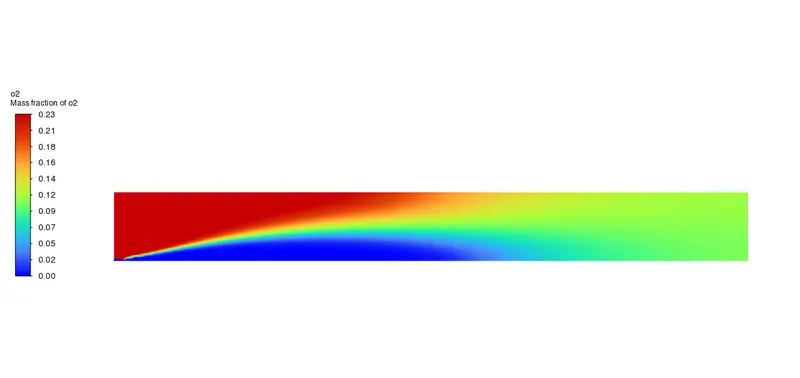
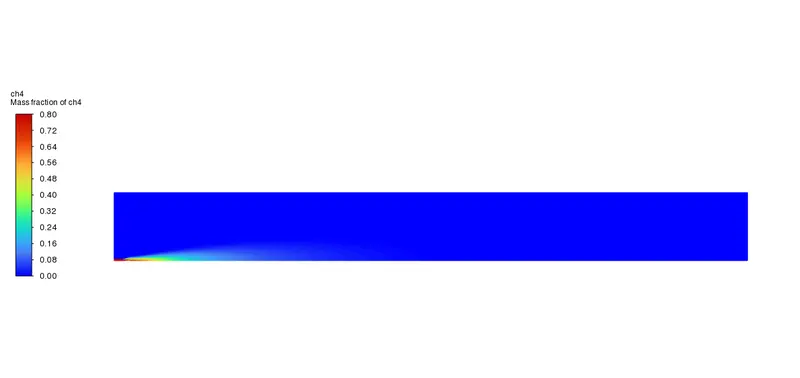
PLOT AND GRAPH:
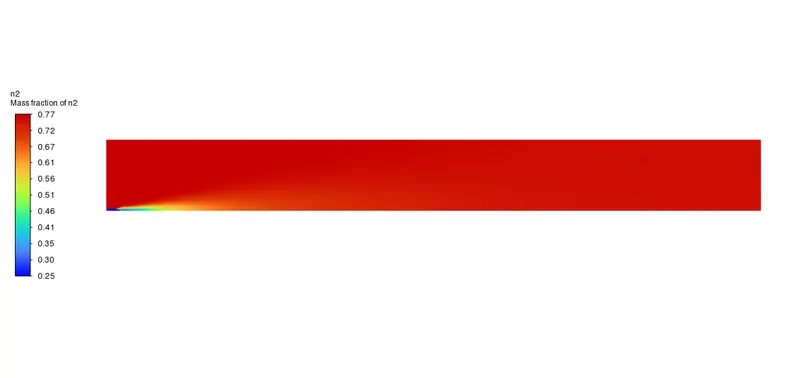
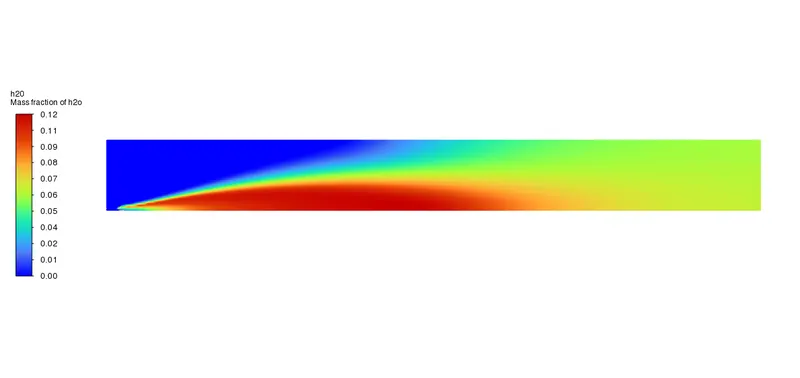
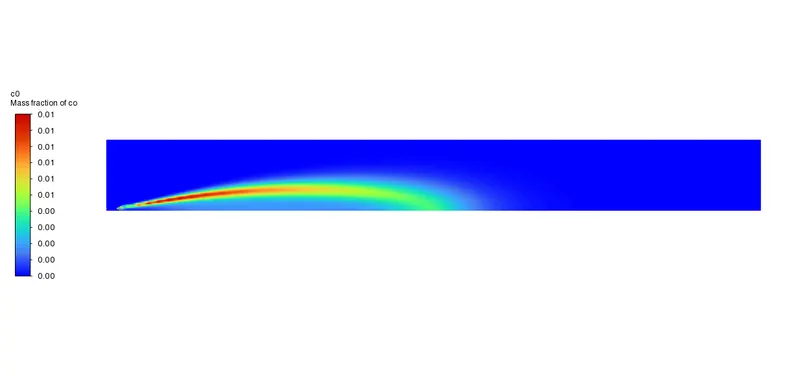
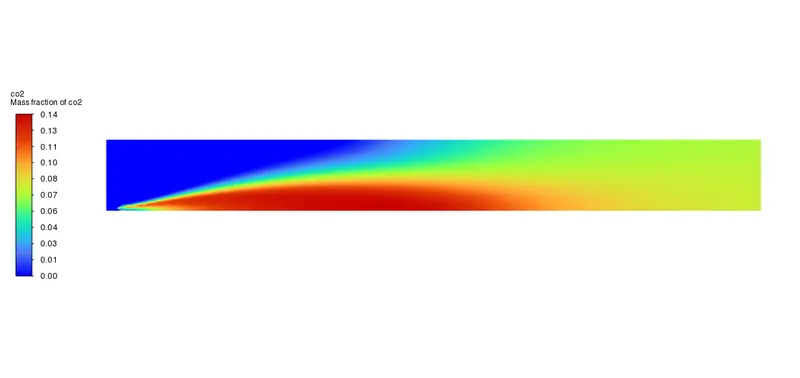
RESULT FOR CASE 2.e
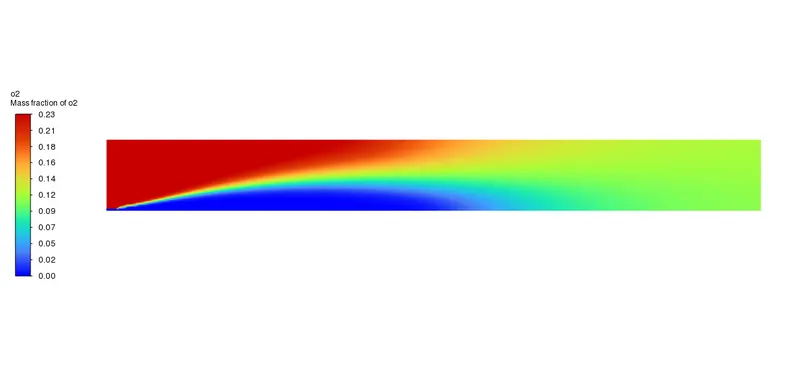
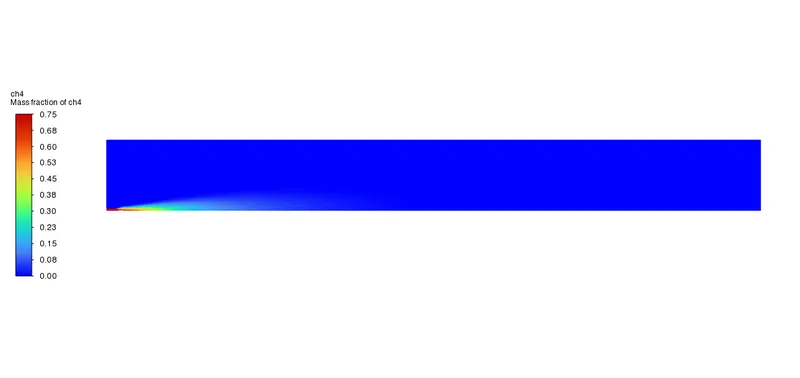
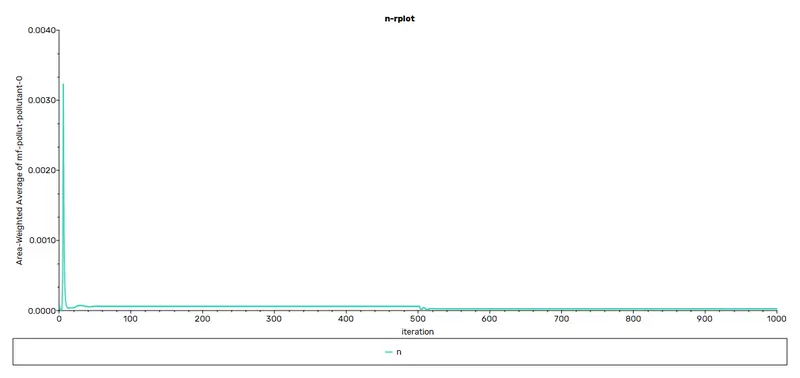
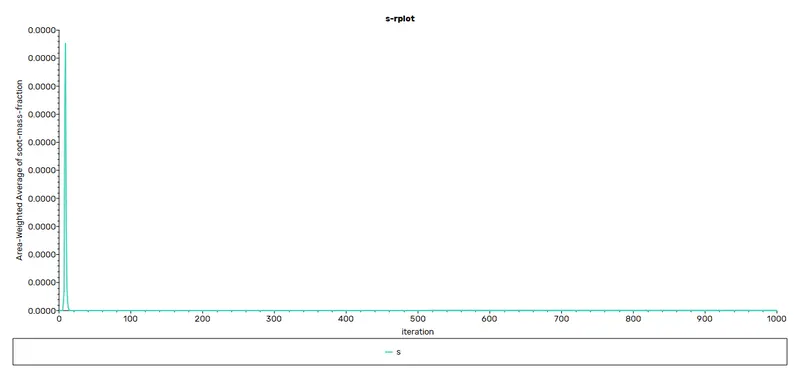
02SPECIES = 0.23
CH4 SPECIES = 0.75
H20 = 0.25
ITERERATION = 500
CONTOURS:
PLOT AND GRAPH:
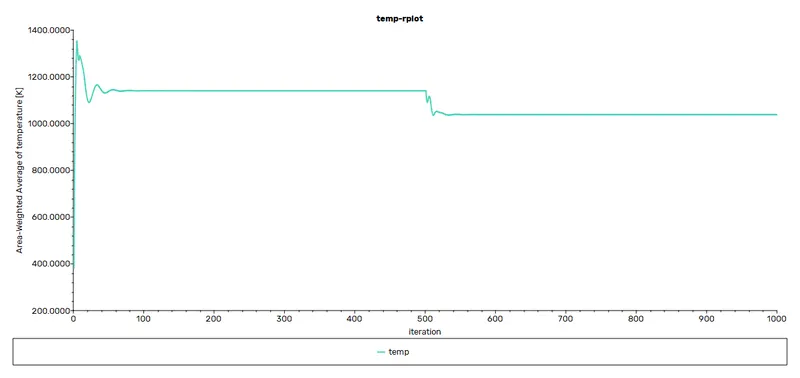
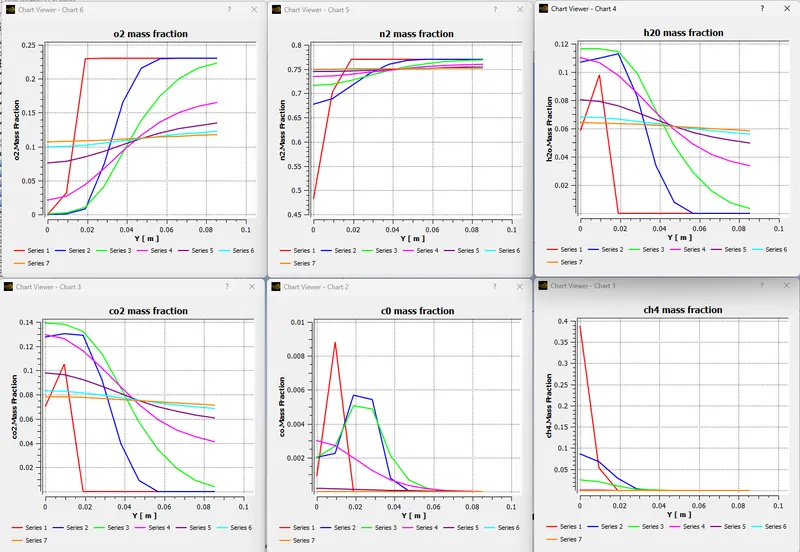
RESULT FOR CASE 2.f
02SPECIES = 0.23
CH4 SPECIES = 0.7
H20 = 0.30
ITERERATION = 500
CONTOURS:
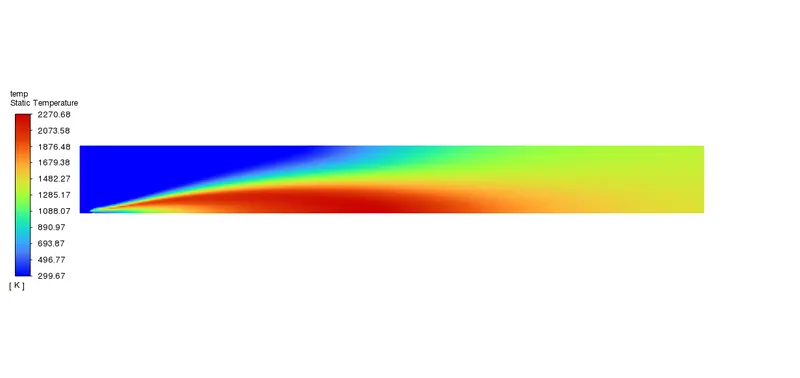
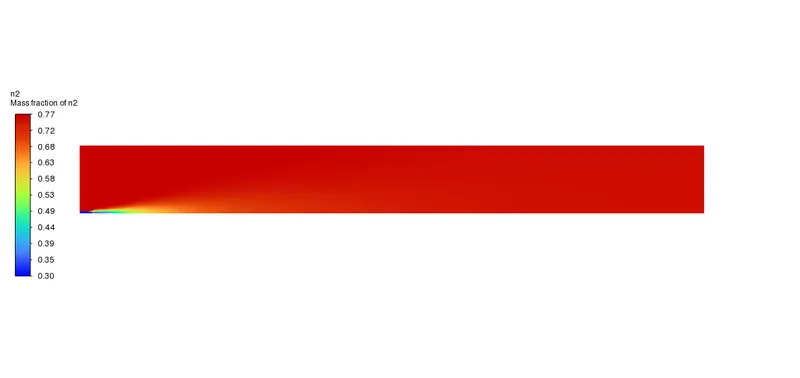
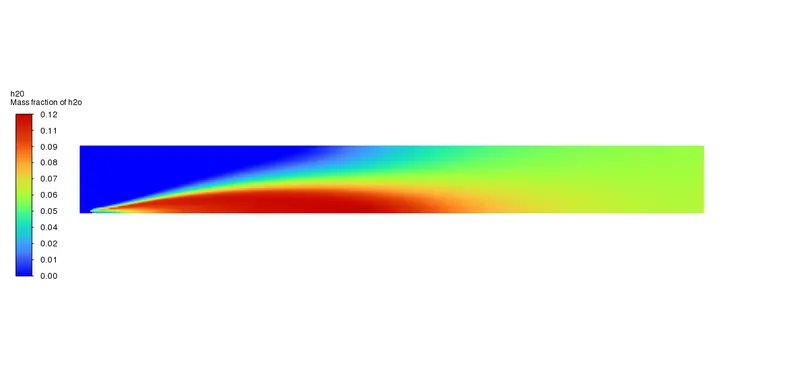
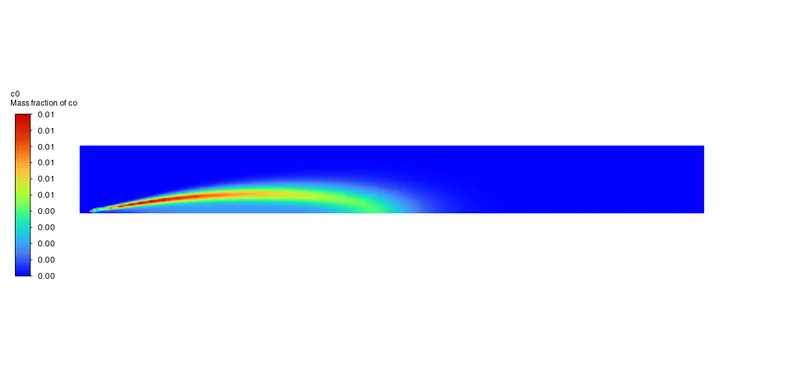
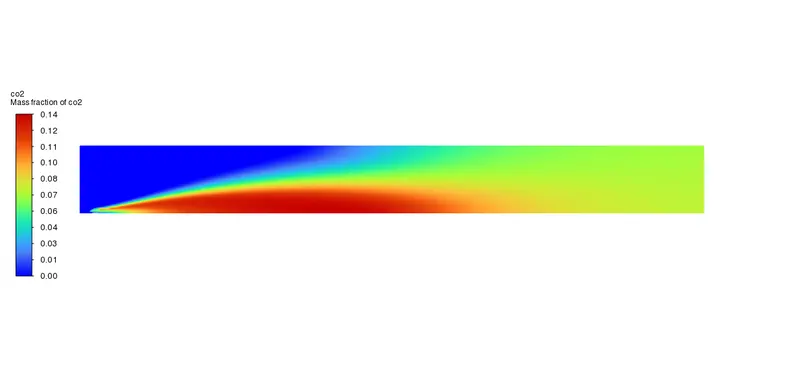
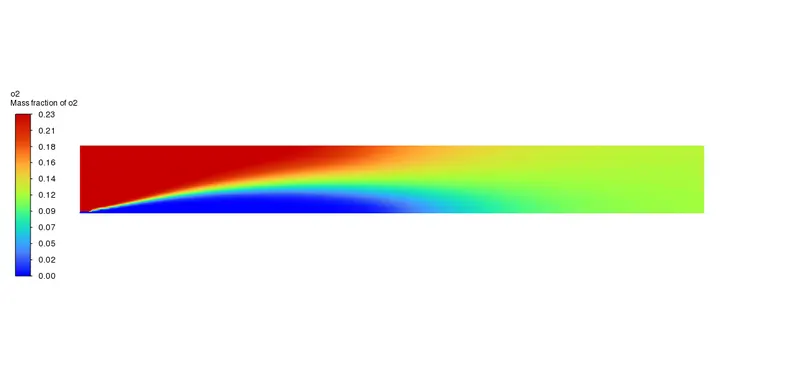
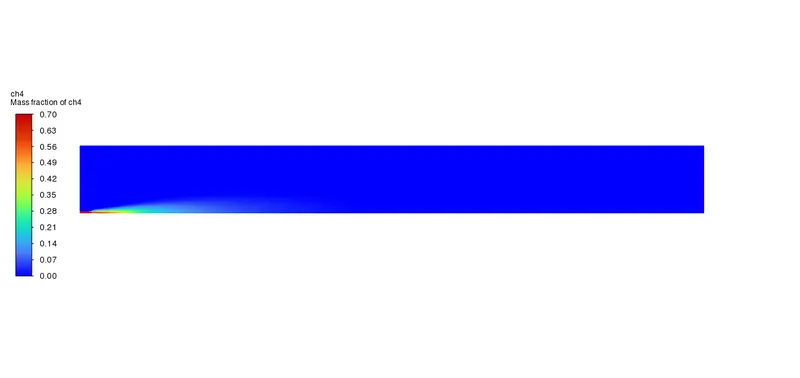
PLOT AND GRAPH:
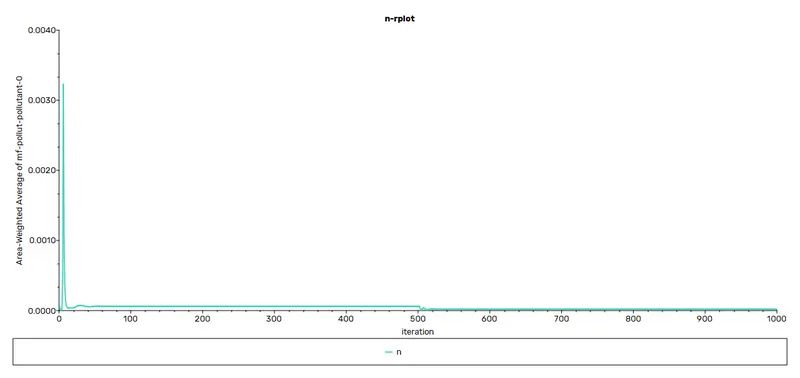
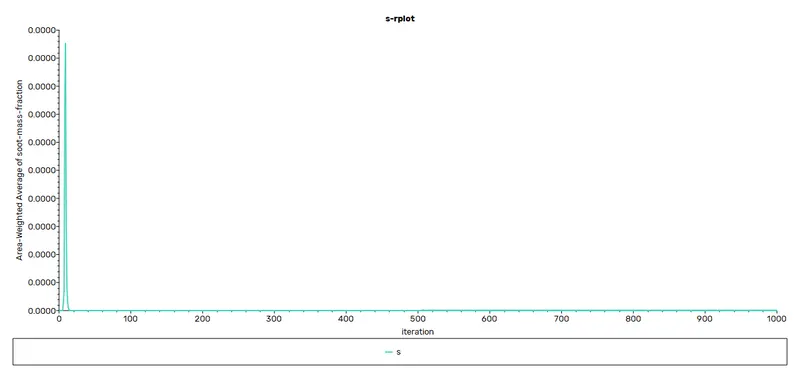
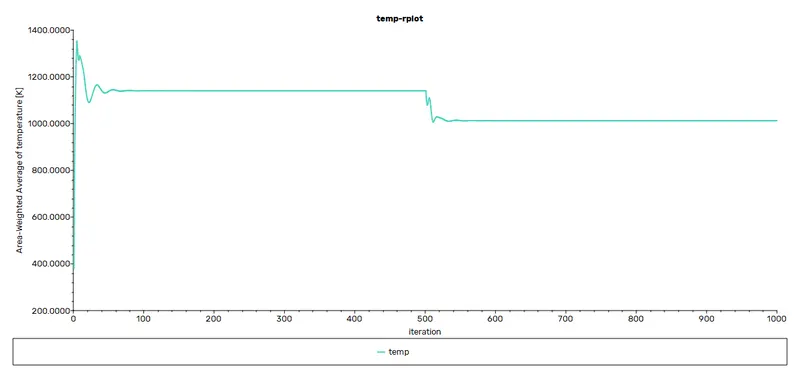
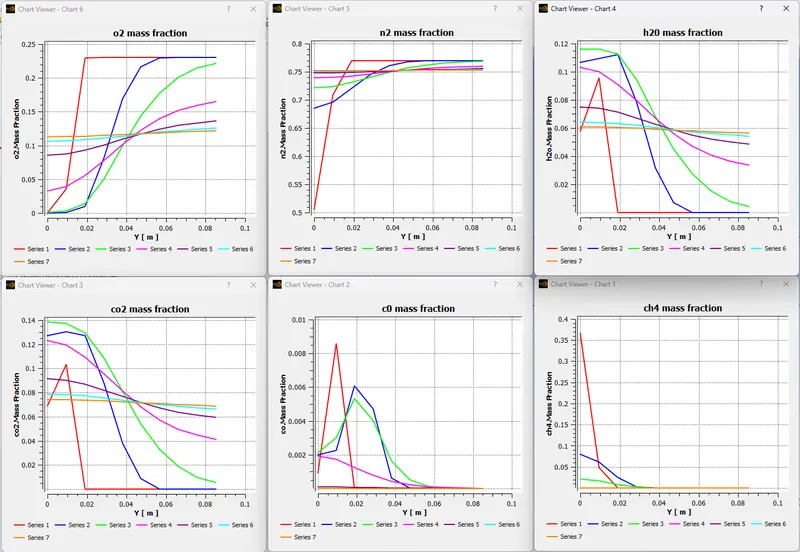
CONCLUSION:
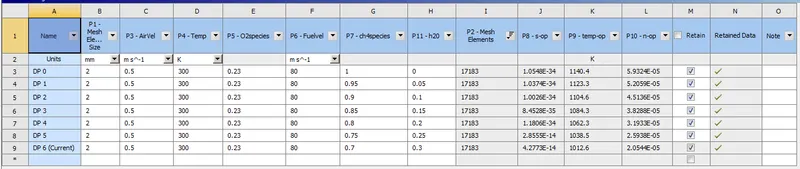
- AFTER ALL THE CASES, I CONCLUDE THAT ADDING WATER TO THE COMBUSTION REDUCES THE NOX AND SOOT.
- LOWERING THE TEMPERATURE OF THE FLAME BY ADDING WATER, CAN HELP REDUCE THE FORMATION OF NOX AND SOOT.