Week 10 - Simulating Combustion of Natural Gas.
Introduction to GUI based CFD using ANSYS Fluent
Week 10 :- Simulating Combustion of Natural Gas
The combustion modelling is applicable to reacting flows such as in boilers, furnaces, gas turbine burners and de-laval nozzles.
The present project deals with the combustion modelling via CFD (2-D), including chemical kinetics and the species transport.
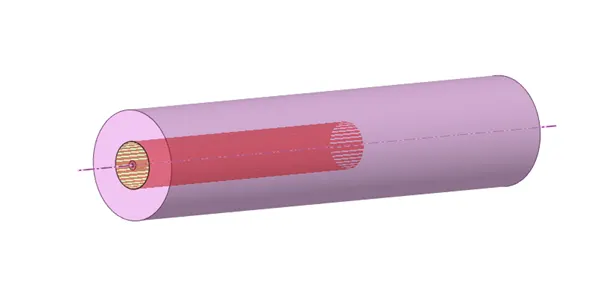
A 3-D model of radial combustion chamber is loaded in SpaceClaim, since its a 3D body, and solving each and every cell of it is a lot more time consuming, for that reason, the body is split and a 2D face is extracted for the analysis.
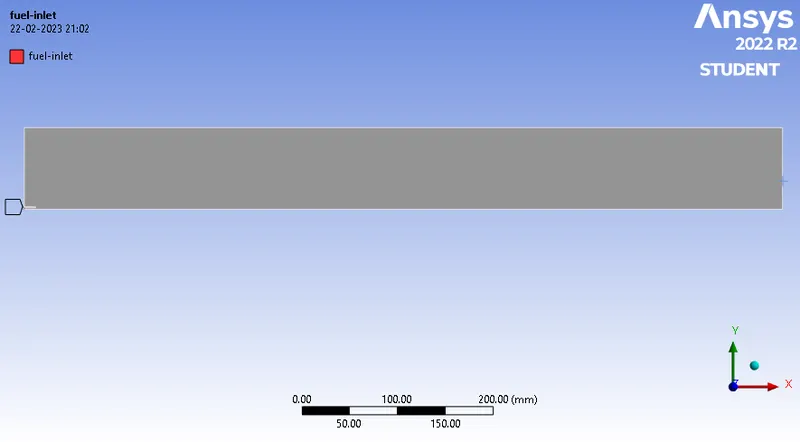
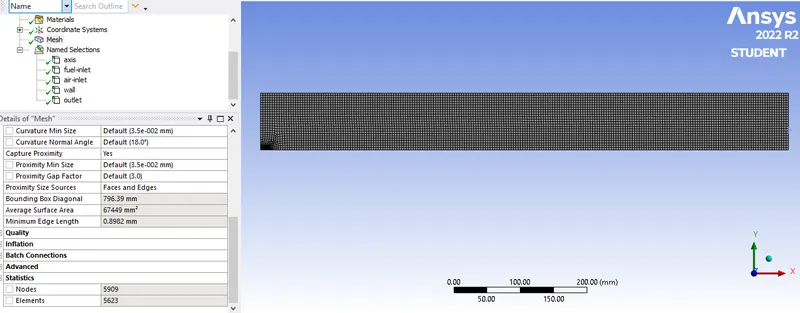
In the Mesh, the named selections are given to the boundary, by making the problem axisymmetric. The selections include Fuel and Air inlet, wall, axis and an outlet. Thereafter the mesh is generated, by enabling the "Capture Proximity", this is done to make fine meshing near the gap regions.
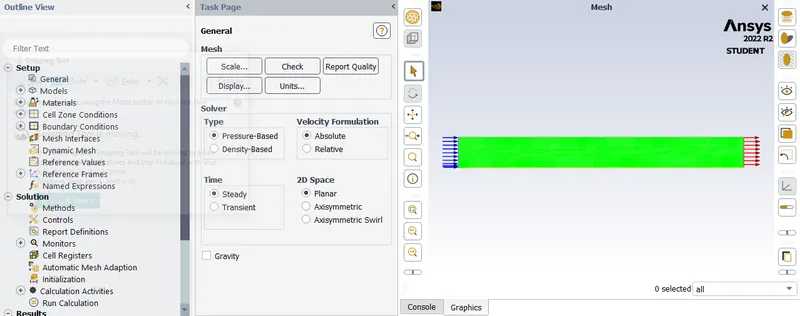
Nextly, in Ansys Fluent, Pressure based solver is selected for the Steady-state analysis. Secondly, here the flow eventually gets turbulent, and combustion takes place via dissipation of eddies as well, so the k-epsilon model with standard wall functions is chosen as it works well with flows that are wall bounded.
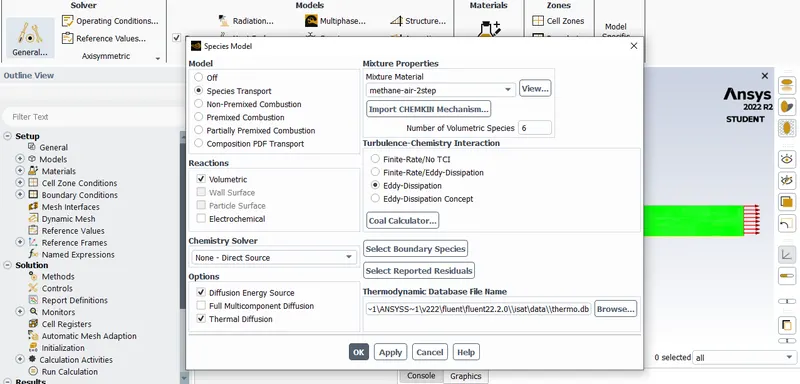
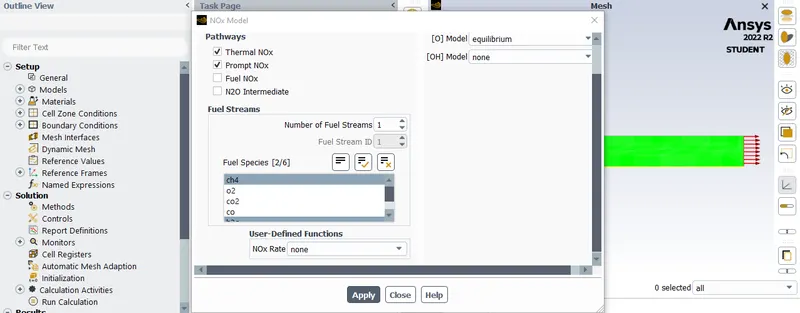
Now as the model involves the chemical species, the species transport model is enables for volumetric reactions and diffusion selected as well. For the combustion, Eddy-Dissipation is enabled with NOx and one-step method for soot model. For the NOX; the Thermal and Prompt Models are selected, as with the former, the NOx formation is determined thru atmospheric nitrogen and in the latter case, NOx is produced at a low temperature.
As far as the Boundary conditions are concerned, the fuel inlet, with velocity 0.5 m/s is provided with CH4 and air inlet with oxygen, with 80 m/s. The walls are defined by no-slip and thermal conditions at temperature of 300 K.
For Mixture, "Methane-air-2step" is considered as it allows addition of water.
The cases are ran for 3 setups, with gradual increase of water with air.
| CASE | CH4 | H2O |
| 1 | 1 | 0 |
| 2 | 0.9 | 0.1 |
| 3 | 0.7 | 0.3 |
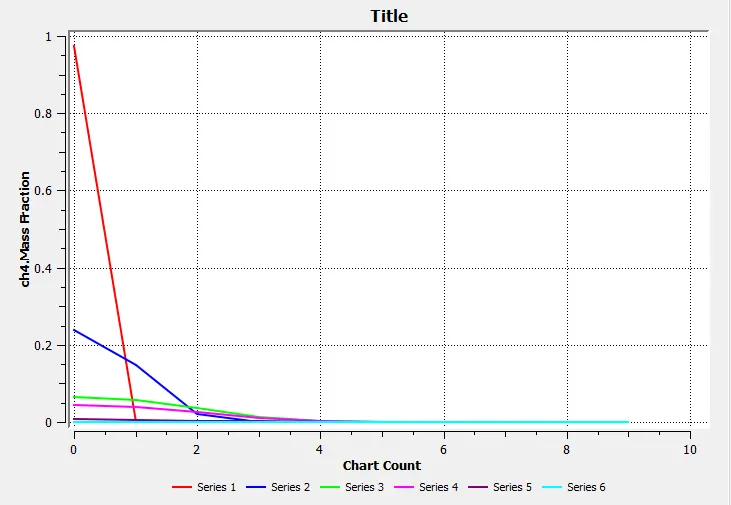
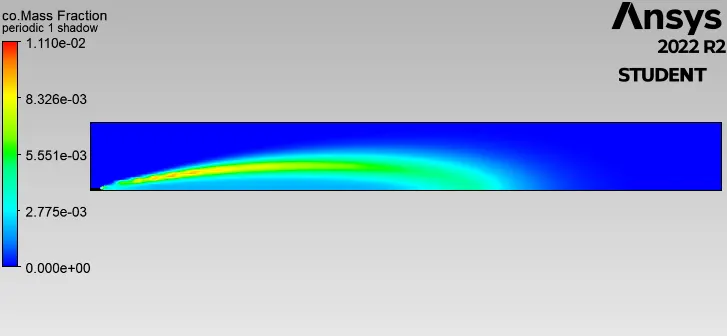
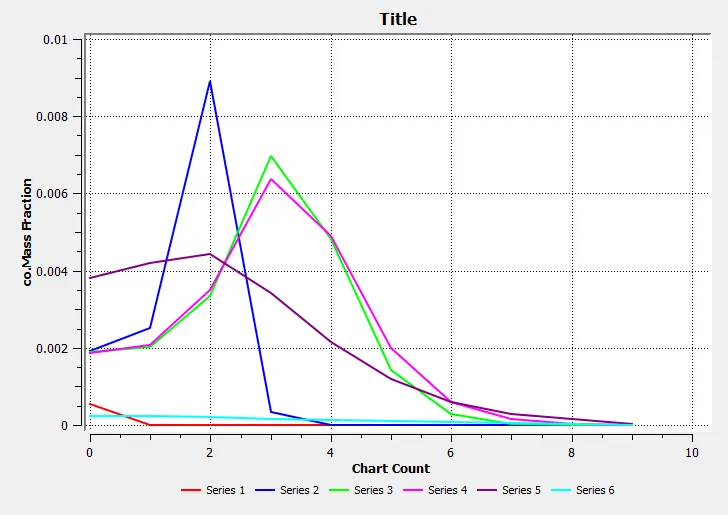
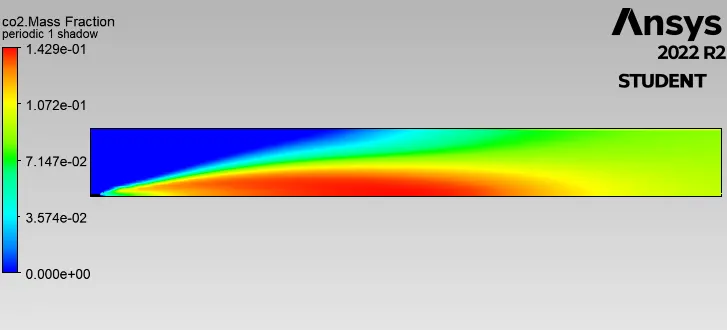
Plots for CASE 1:
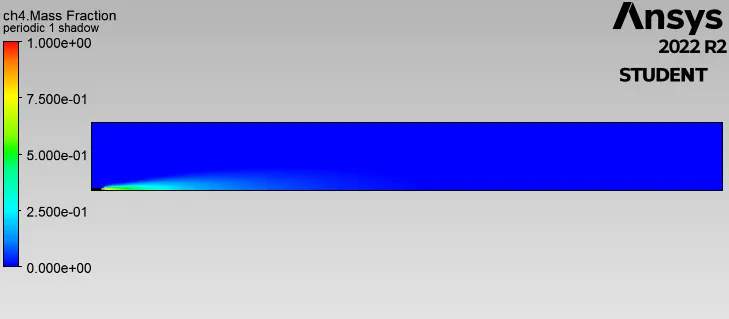
For CH4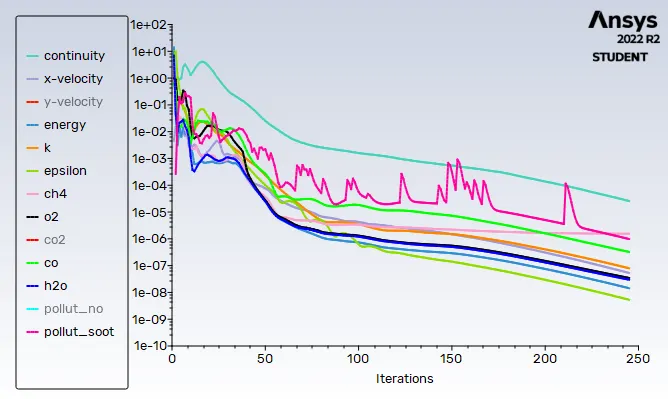
For CO
For CO2
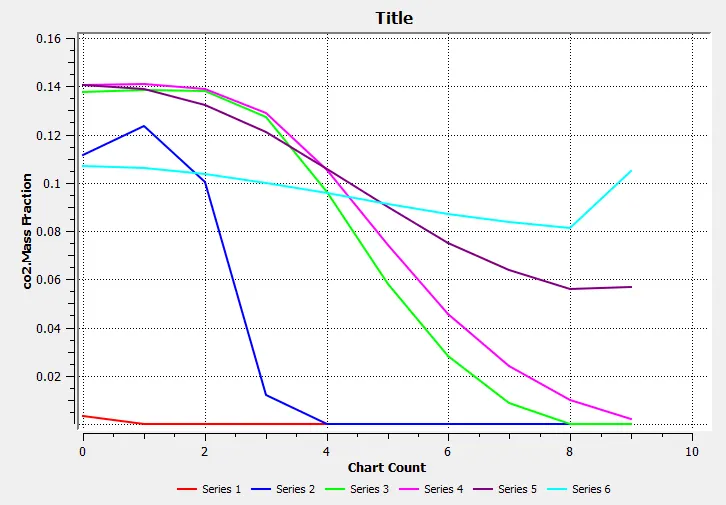
For H2O
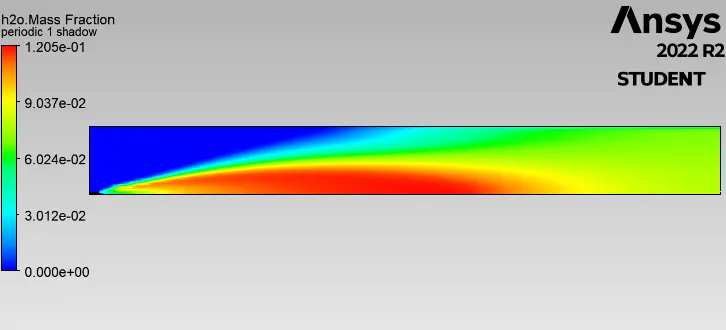
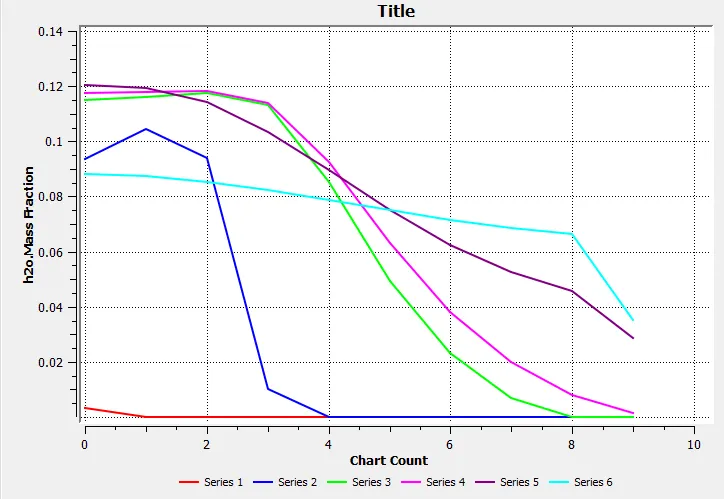
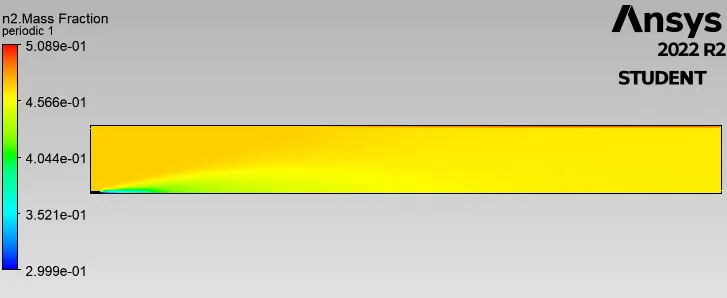
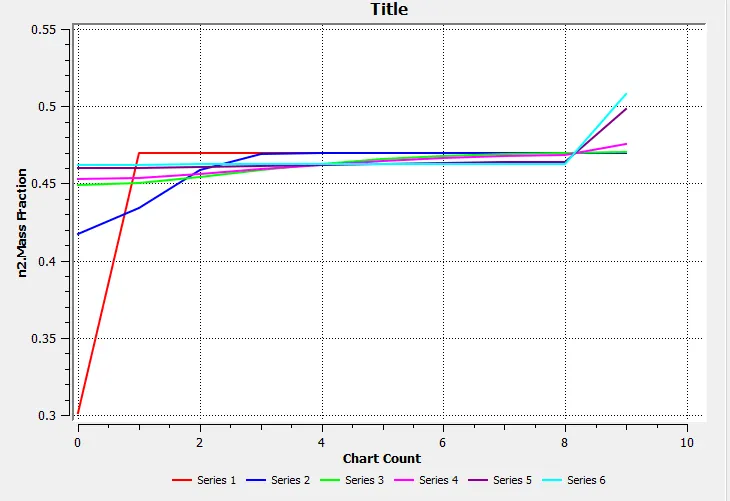
For N2
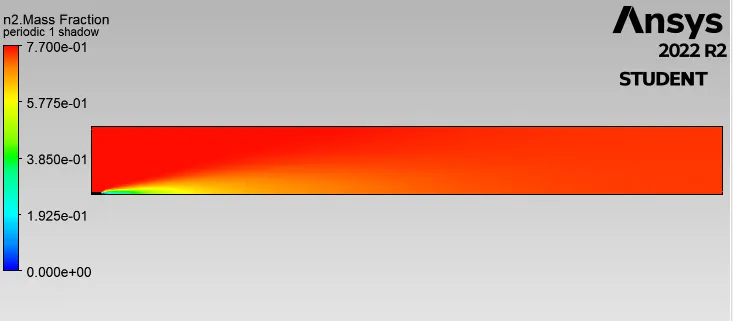
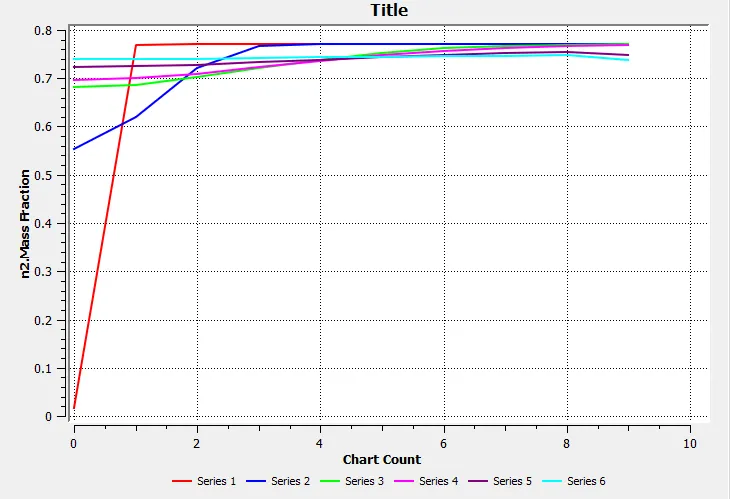
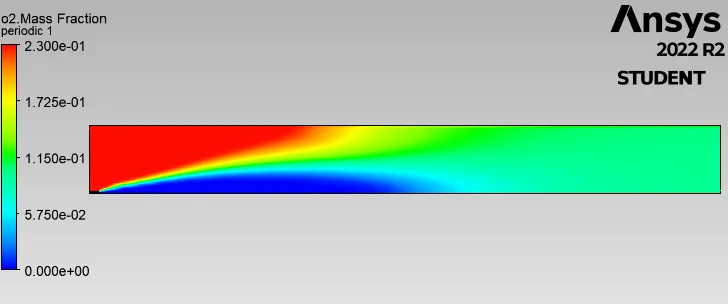
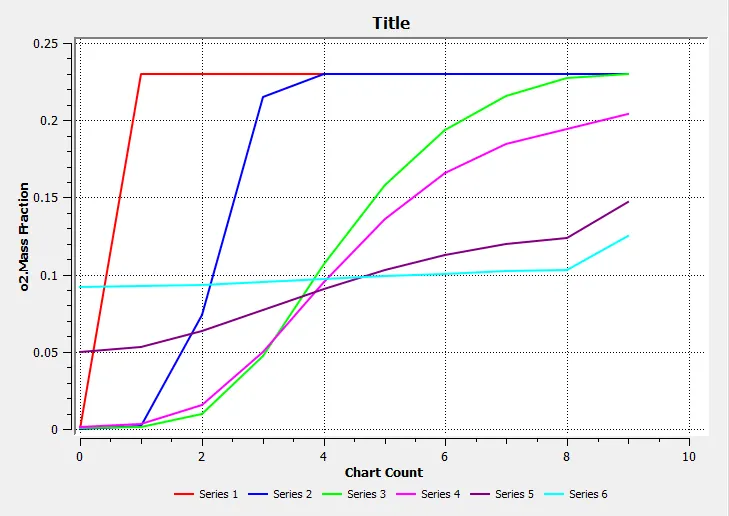
For O2
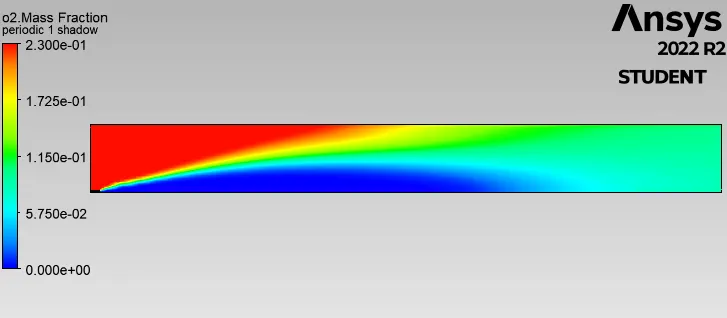
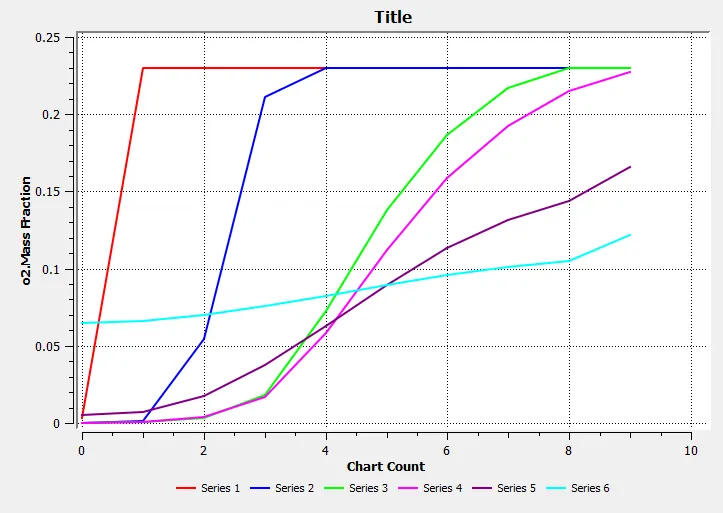
Plots for CASE 2:
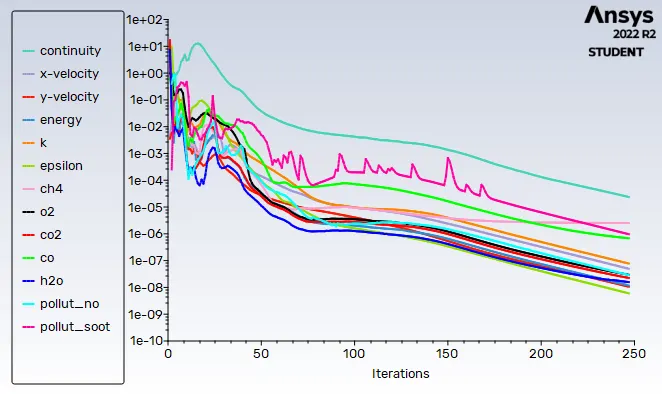
For CH4
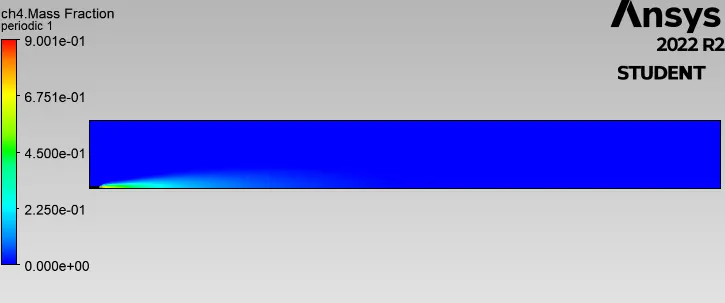
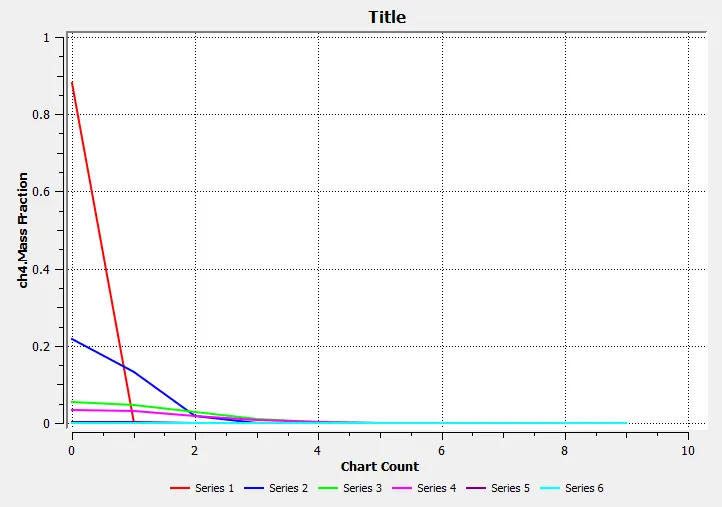
For CO
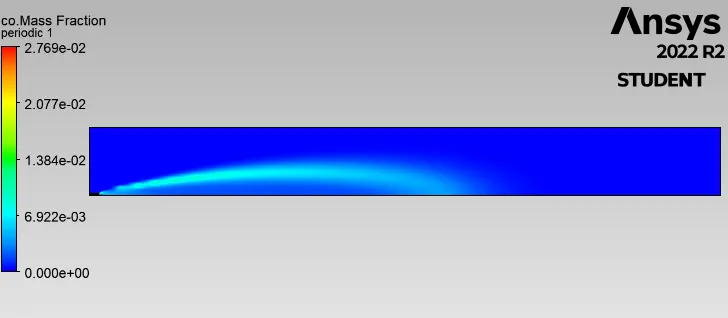
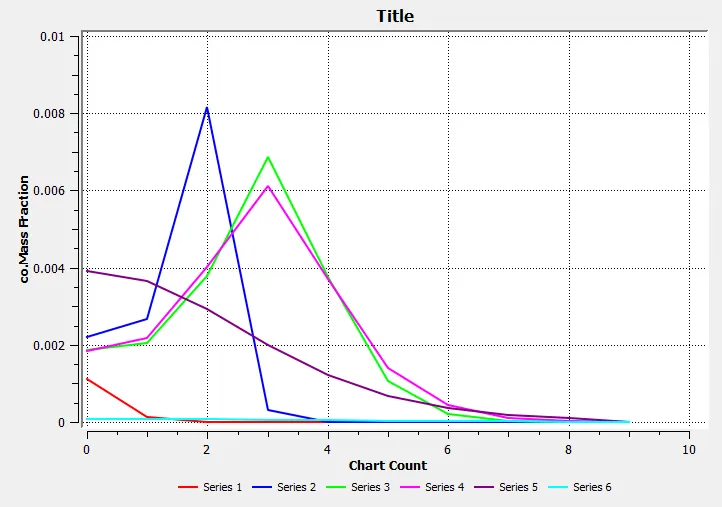
For CO2
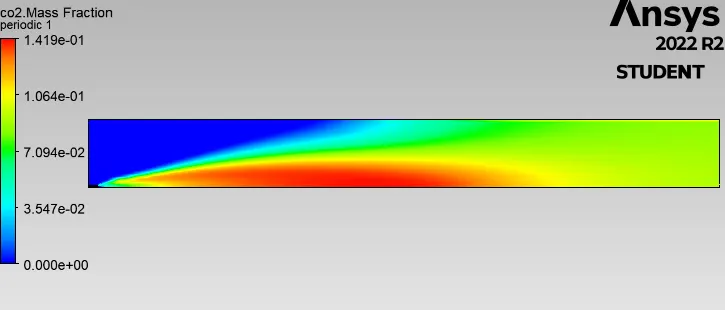
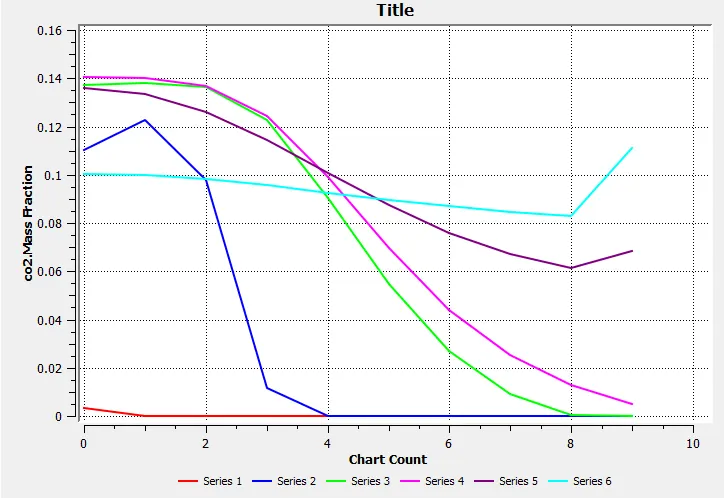
For H2O
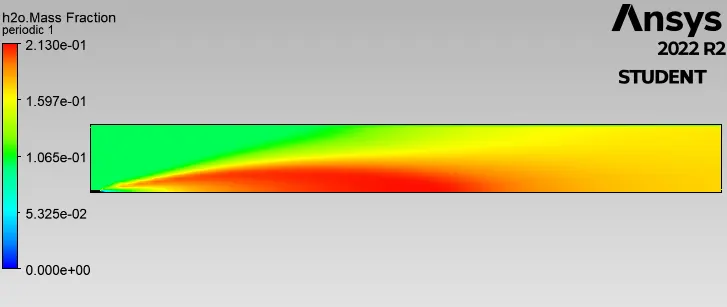
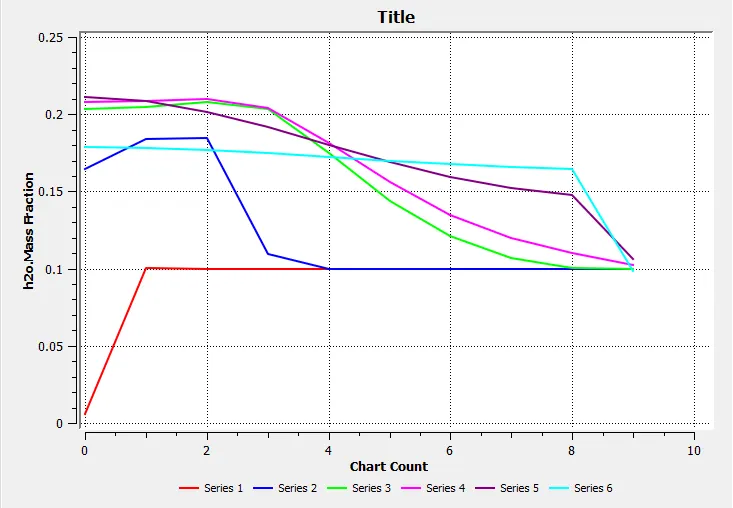
For N2
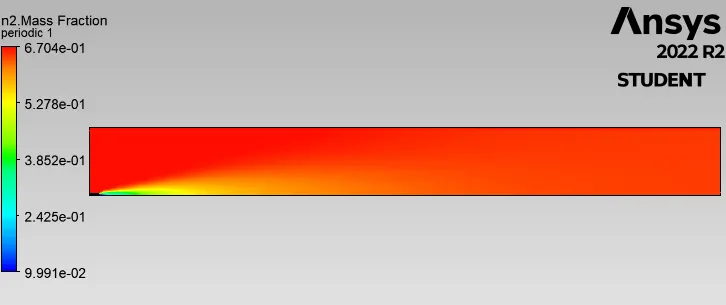
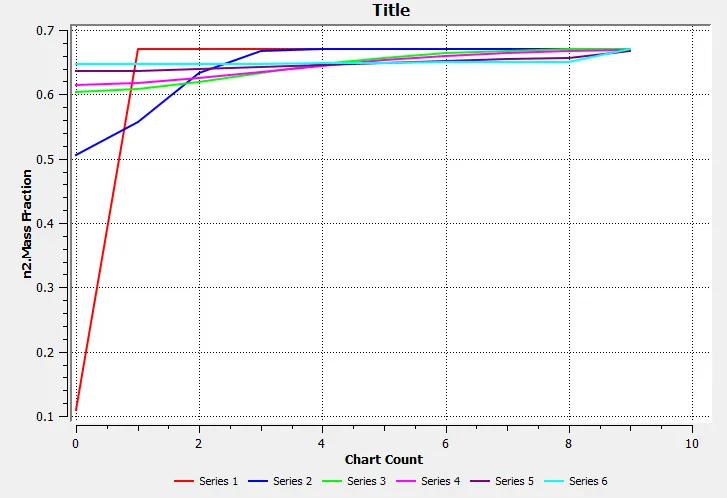
For O2
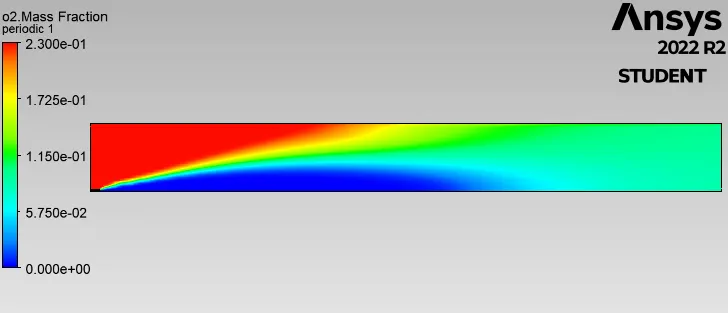
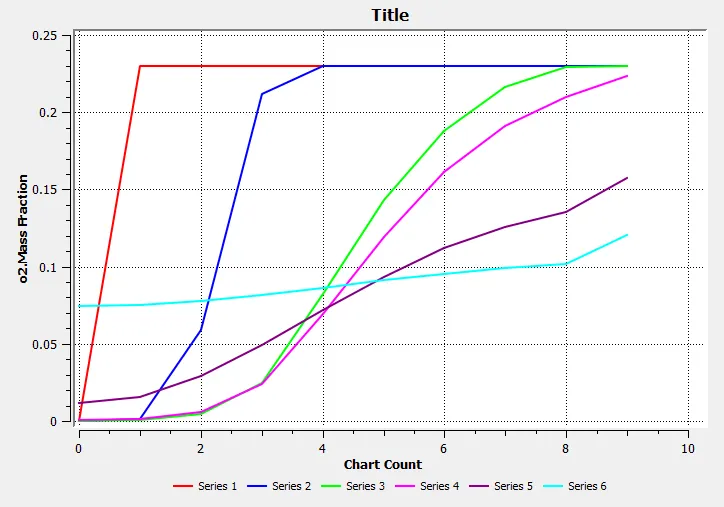
Plots for CASE 3:
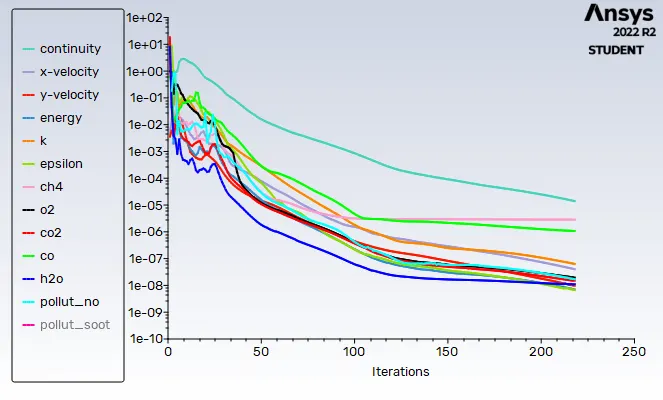
For CH4
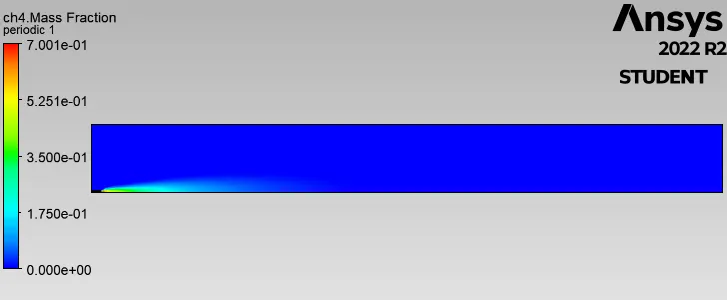
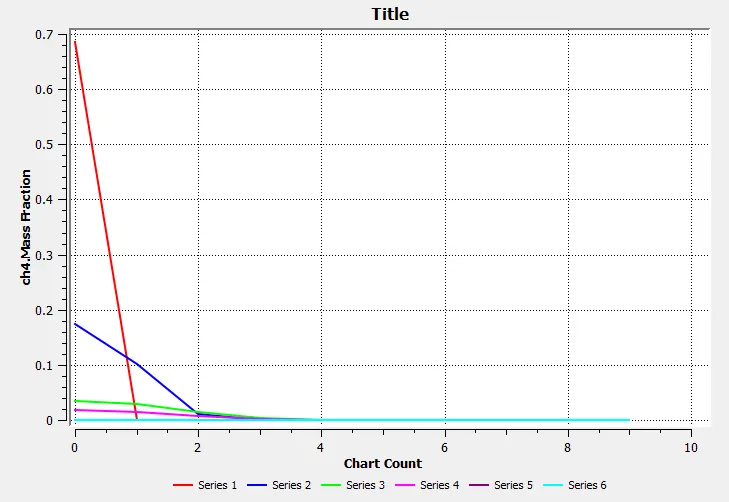
For CO
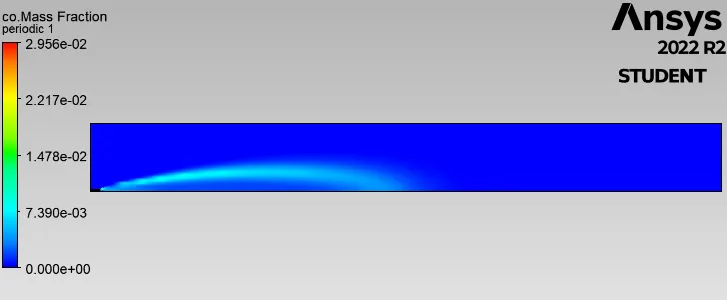
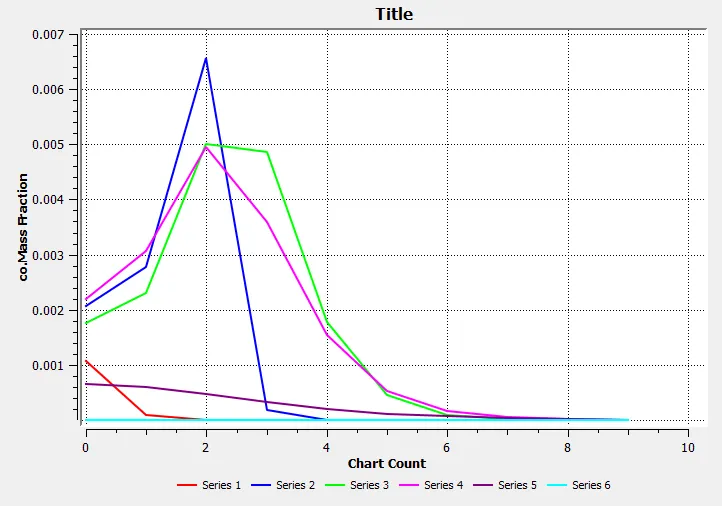
For CO2
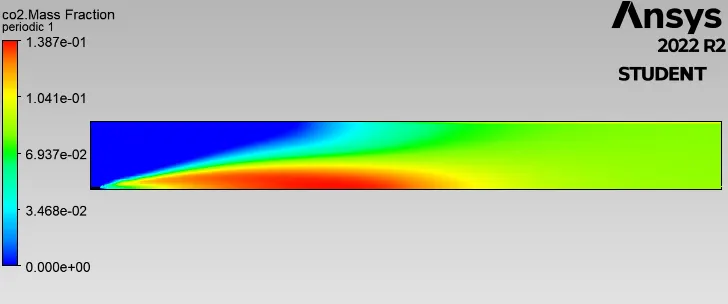
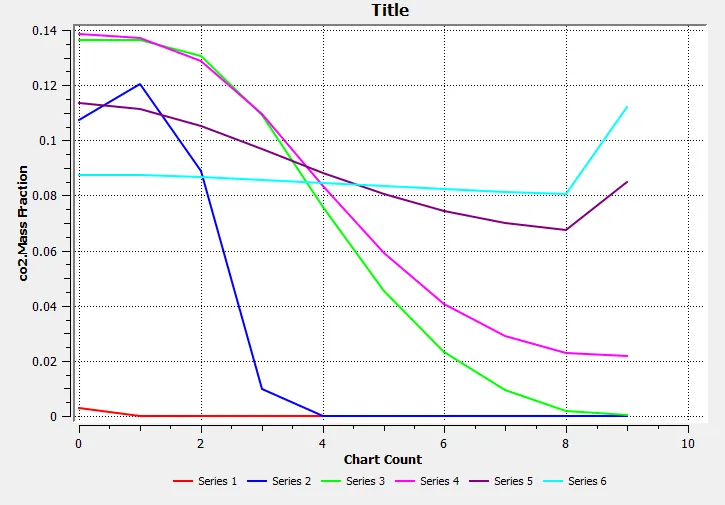
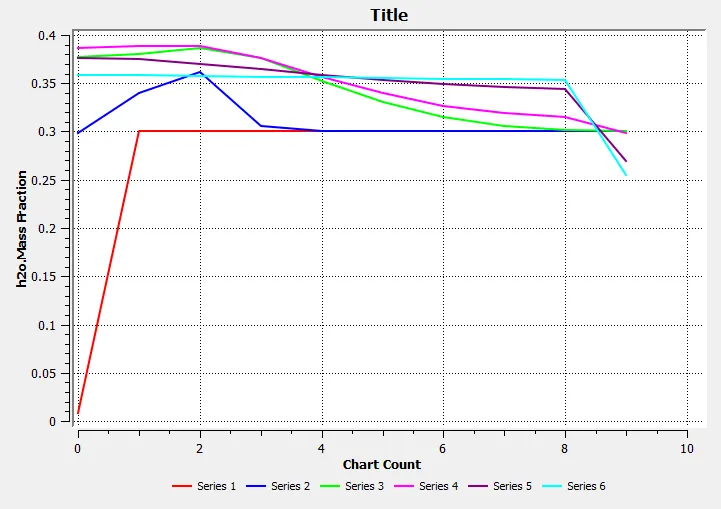
For H2O
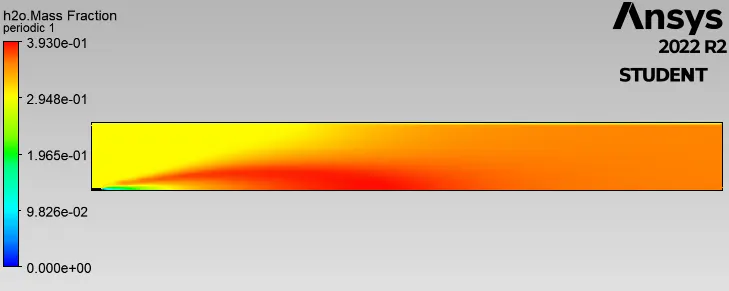
For N2
For O2
Conclusion:
Based on the above plots, it is clear that, as the content of H2O is increased, the formation of NOx is reduced. Also, the temperature in the combustor decreases as well.
With the Eddy-Dissipation model, combution via diffusion can be simulated even if there is no presence of an ignition source.