Simulating Combustion of Natural Gas.
Aim- Combustion of Natural Gas.
Simulation Procedure :
Geometry:
1. Import the given combuster.
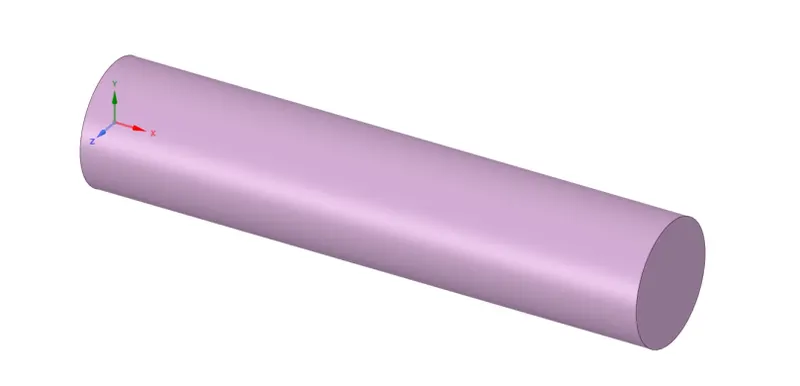
2. Combine all the components and split the body to get the desired symmetric plane.

3. Copy the plane and create the new design window and save it.
This completes the geometry section.
Mesh :
1. Open the mesh section.
2. Add mesh element size(we have used 10 mm as mesh element size).
3. Add mesh method and select triangular mesh method.

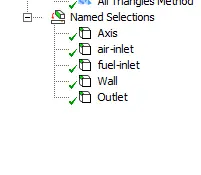
4. Name the boundaries as Air inlet, Fuel inlet, axis, walls, outlet.
Setup :
1. Perform mesh check.
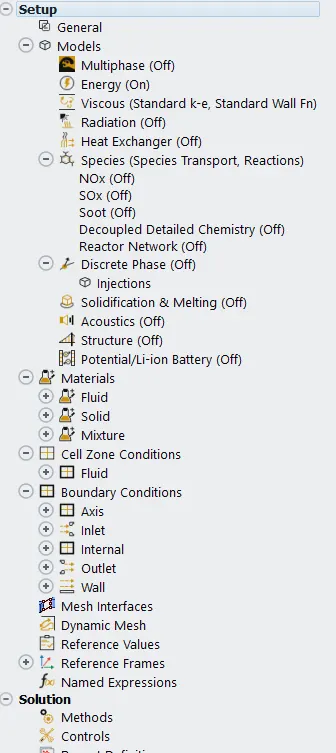
2. Enable Axisymmetric option in 2D space of general settings.
3. Enable the energy model.
4. Enable viscous model(we have used k-epsilon standard model).
5. Enable the species transport model.
6. Enable NOx model, also thermal and prompt NOx pathways.
7. Set the boundaries, air inlet and fuel inlet.
8. Set the solution method, initialize with hybrid initialization.
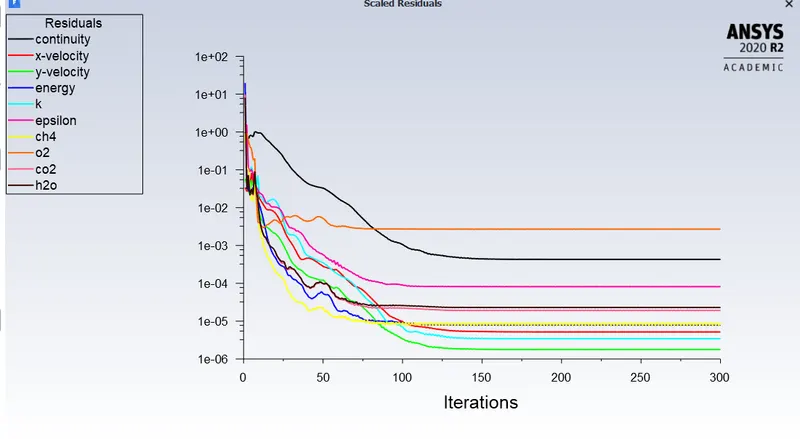
9. Set the contours and simulate the problem.
Result :
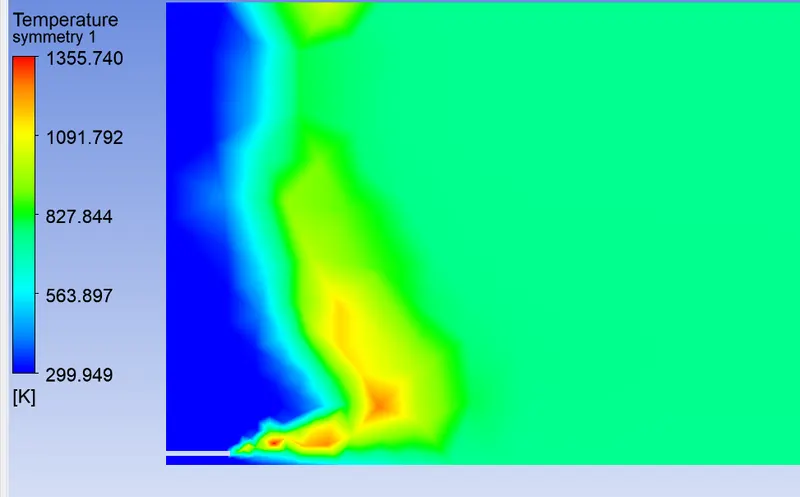
Temperature
Parameter :
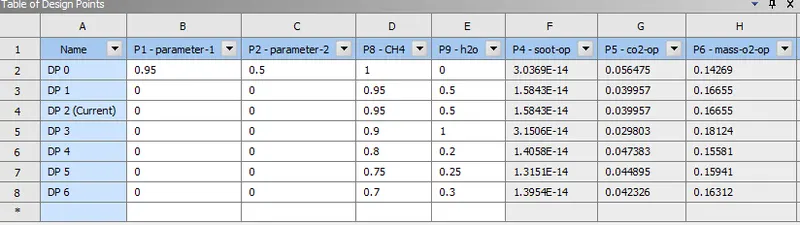
3. Set more no. of DP units and provide different CH4 and H2O percentages for each.
4. Select the retain data option and update all the dp points so the solution runs automatically for all Dp points and solves according to the current DP settings.
5. Now observe the NOx, Soot, temperature at outlet for all Dp points.
Below are our simulation results of NOx, Soot, temperature at outlet for all Dp points.
Part-2
Mesh Inputs :
Mesh method : triangular
Body sizing :
air inlet edge - 900 no. of divisions.
fuel inlet edge - 500 no. of divisions.
Inner wall edge - 500 no. of divisions.
Mesh element size : 0.8 mm
Total Elements : 254679
Nodes : 130009
Setup Inputs :
Viscous model : K-epsilon (standard).
Species model : species transport.
Mixture material : Methane-air-2-step.
Turbulence chemistry reaction : Eddy Dissipation.
NOx pathaways : Thermal NOx - It occurs due to oxodation of `N_2` present in combustion air mainly due to temperature. Higher the temperature of the flame,higher the formation of thermal NO .
Prompt NOx - Prompt NO is formed in the earliest stage of combustion. Prompt NO is made by the reaction of atmospheric nitrogen with radicals in the air.
Soot model : One-Step soot model.
Solution method : SIMPLE.
Initialization method : Hybrid.
Boundaries :
Air inlet : Velocity - 0.5 m/s.
Species - O2 - 0.23.
Temperature - 300 k.
Fuel inlet : Velocity - 80 m/s.
Temperature - 300 k.
Case-1
Species - Part I - CH4(100%) H2O(0%)
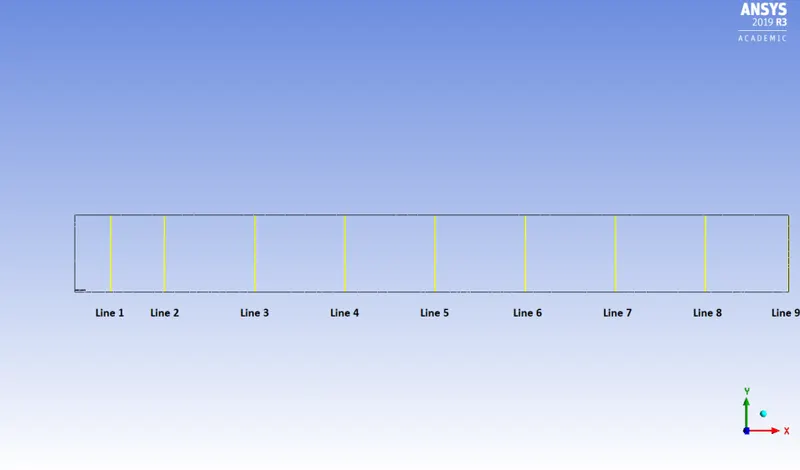
Contour lines:
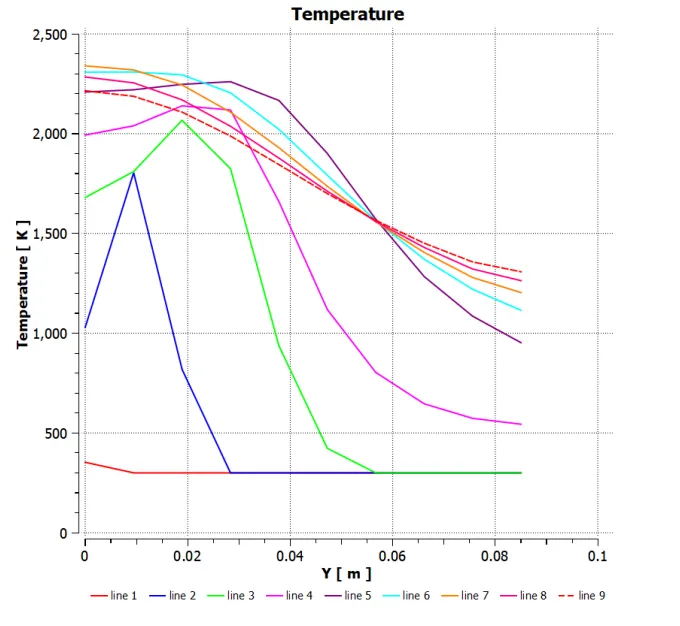
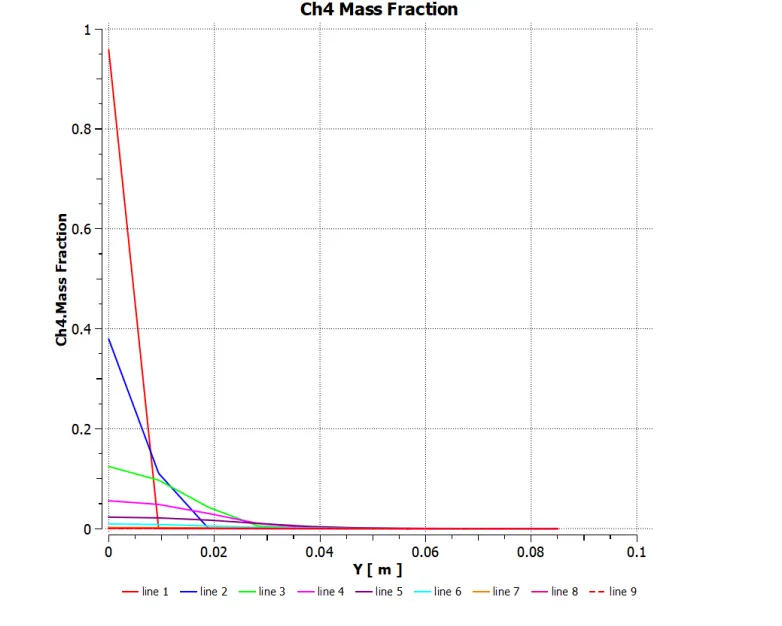
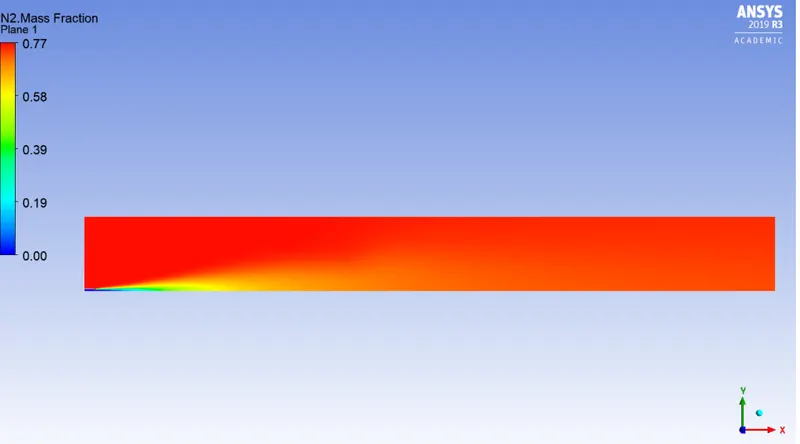
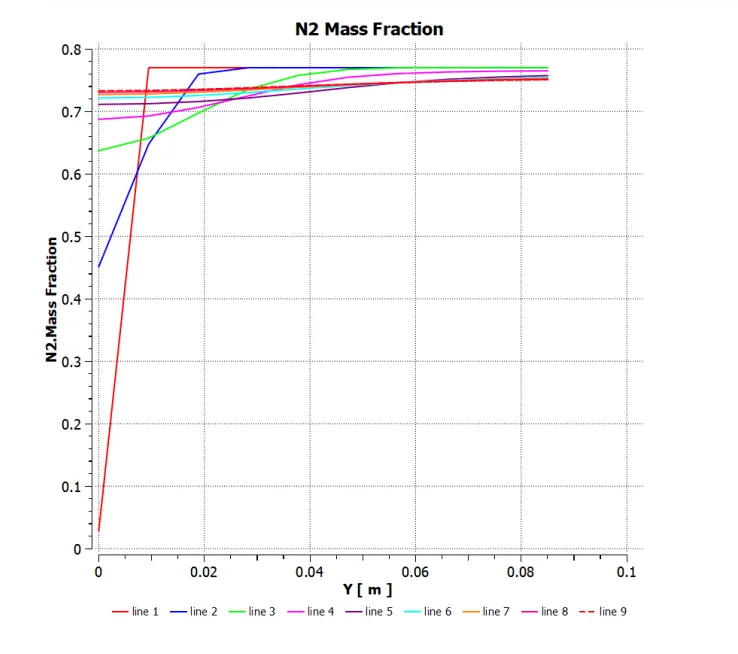
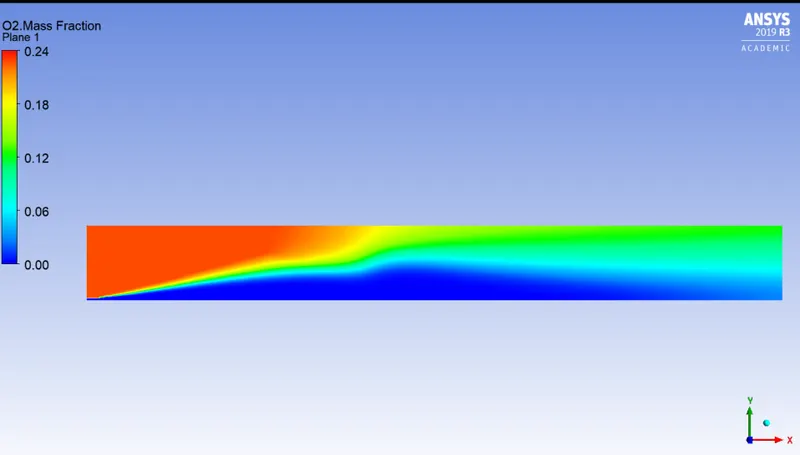
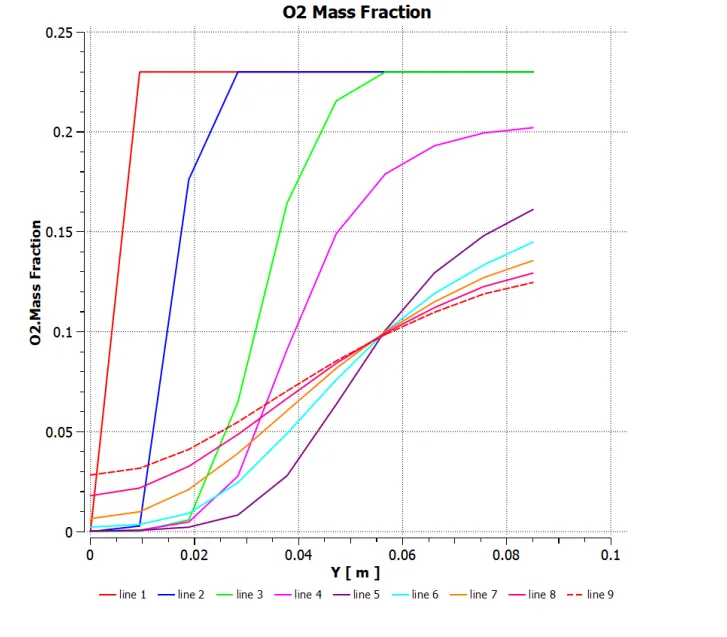
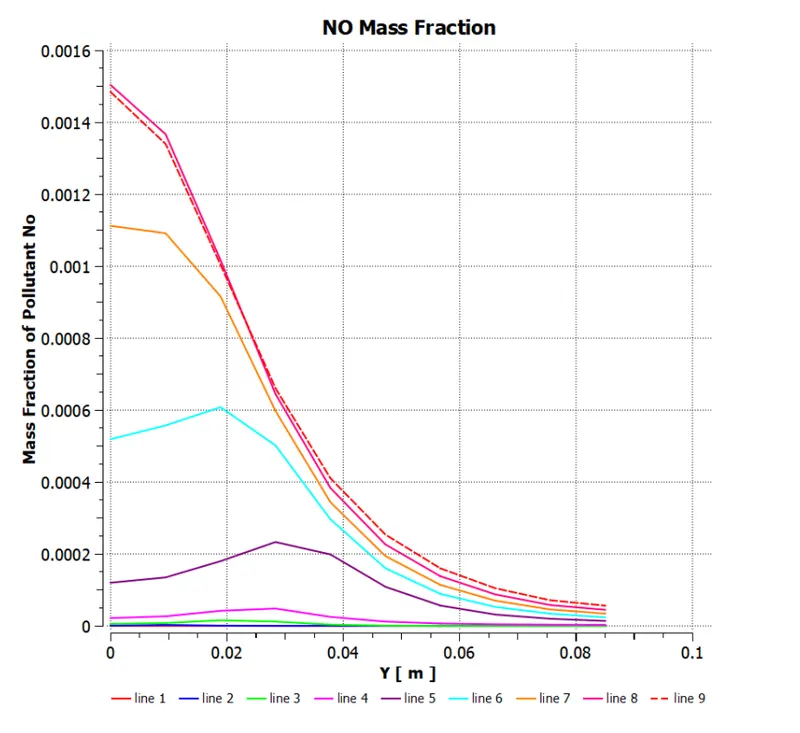
These are the contour lines from which we will obtain graph for specific variables followed below.
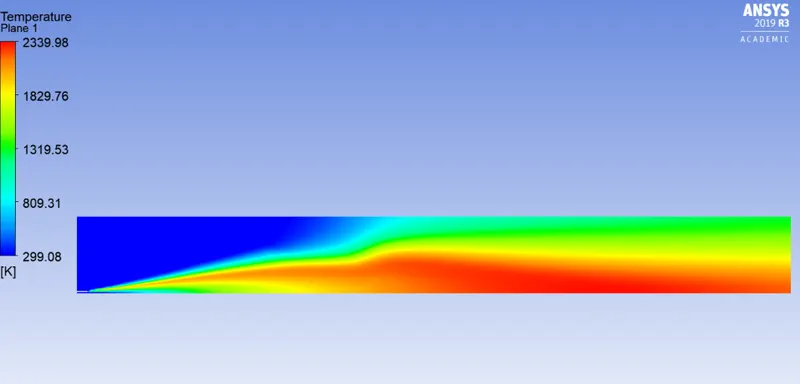
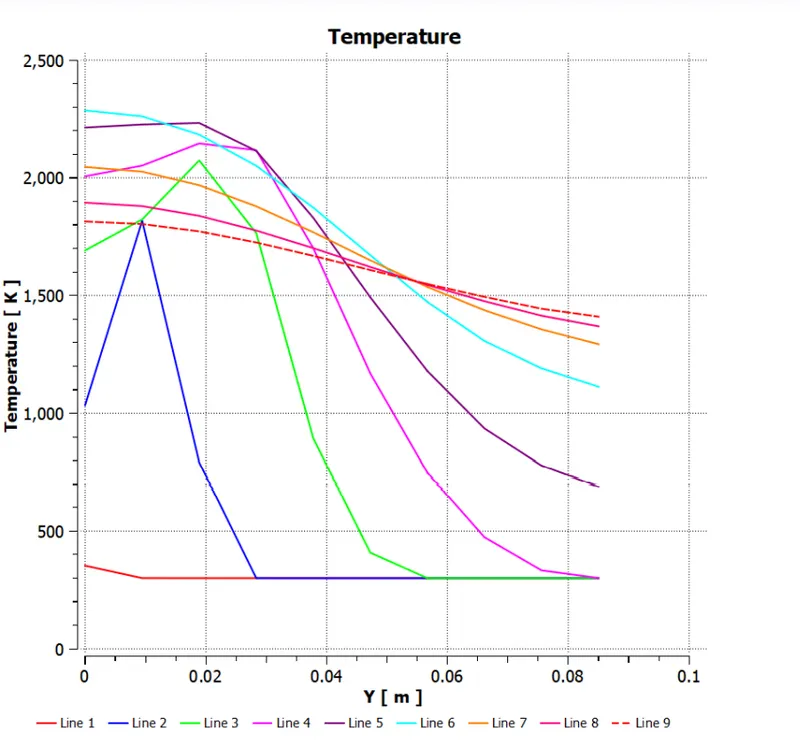
Temperature :
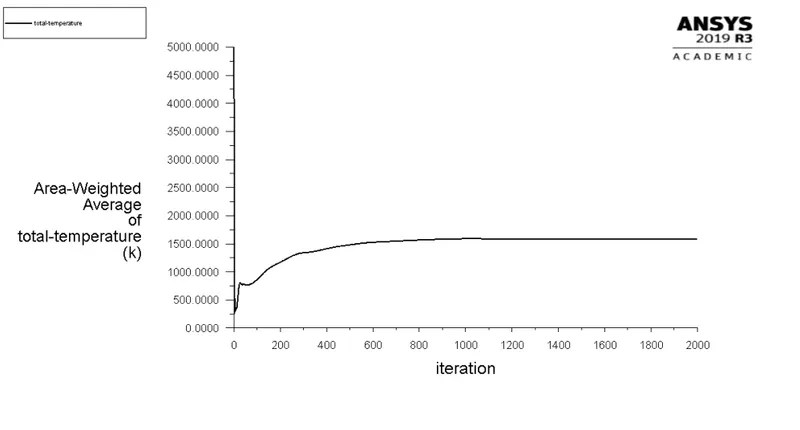
Avg. Total temperature:
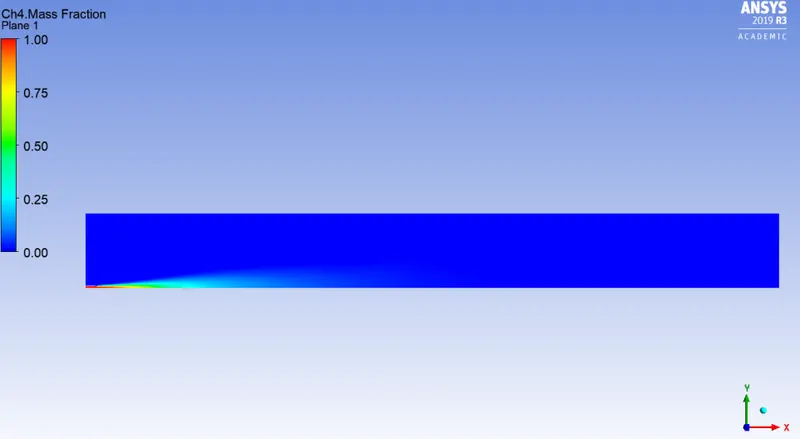
CH4 Mass fraction:
CO2 Mass fraction:
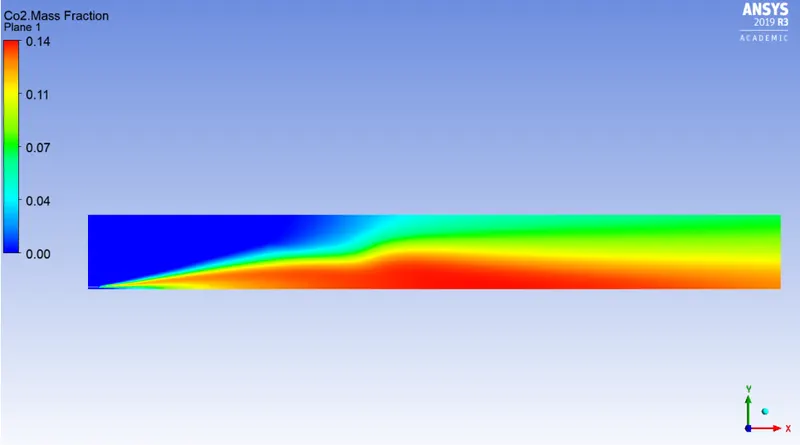
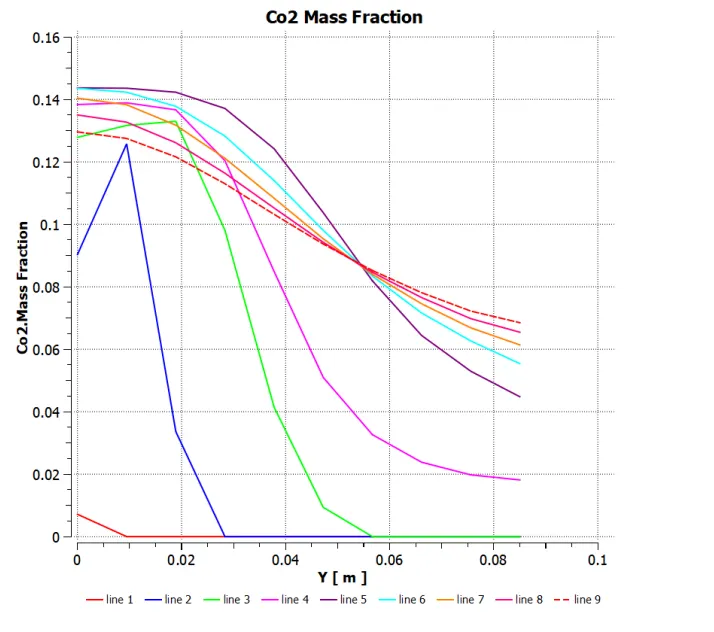
H2O Mass fraction:
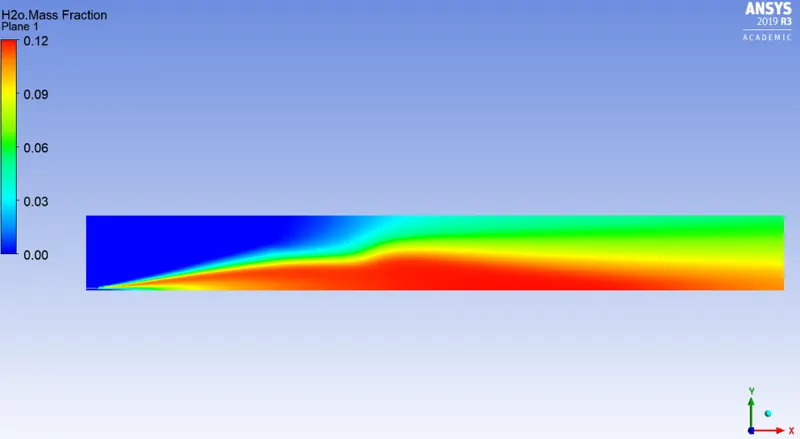
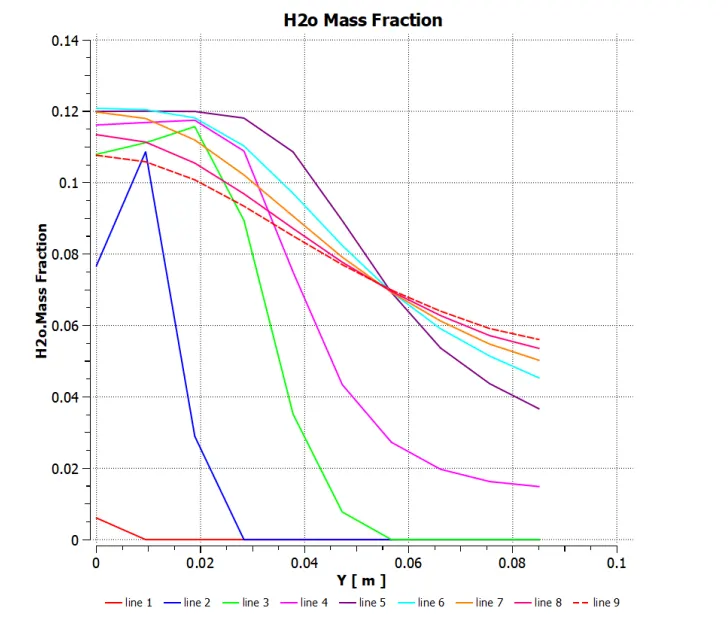
N2 Mass fraction:
O2 Mass fraction:
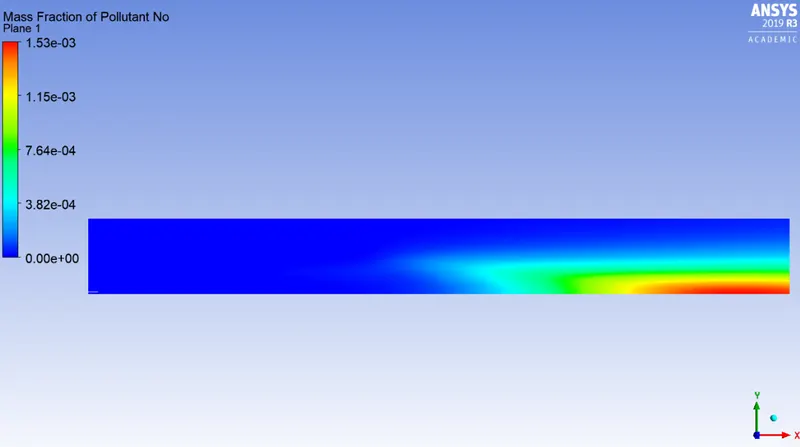
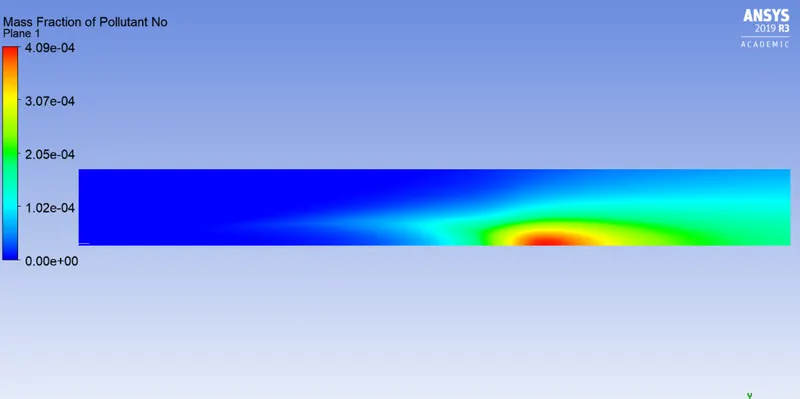
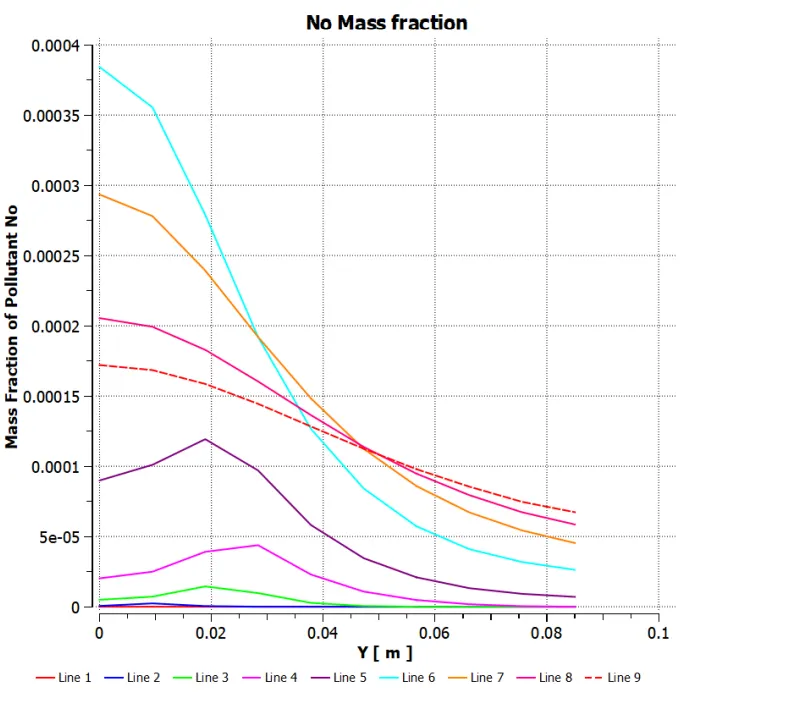
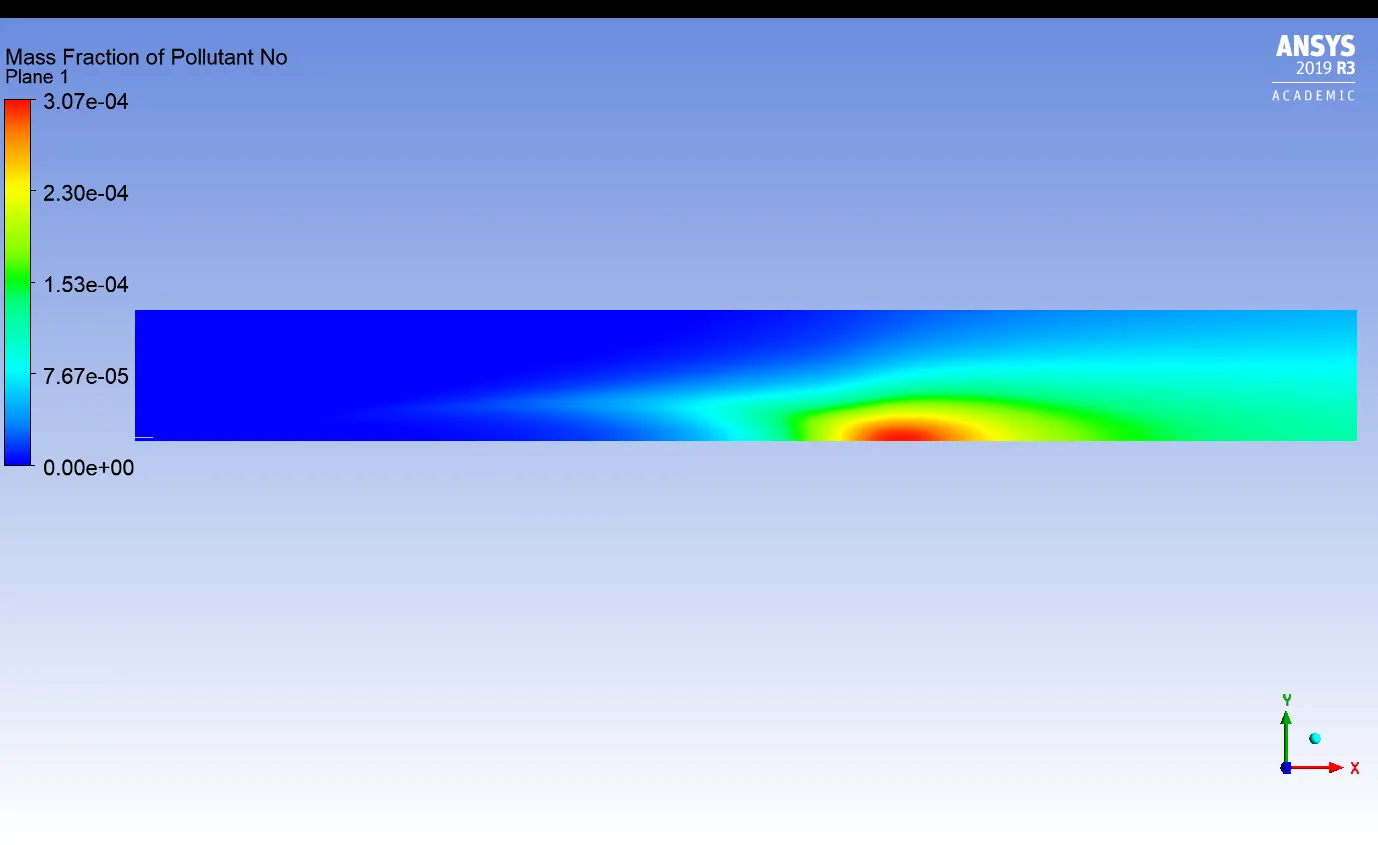
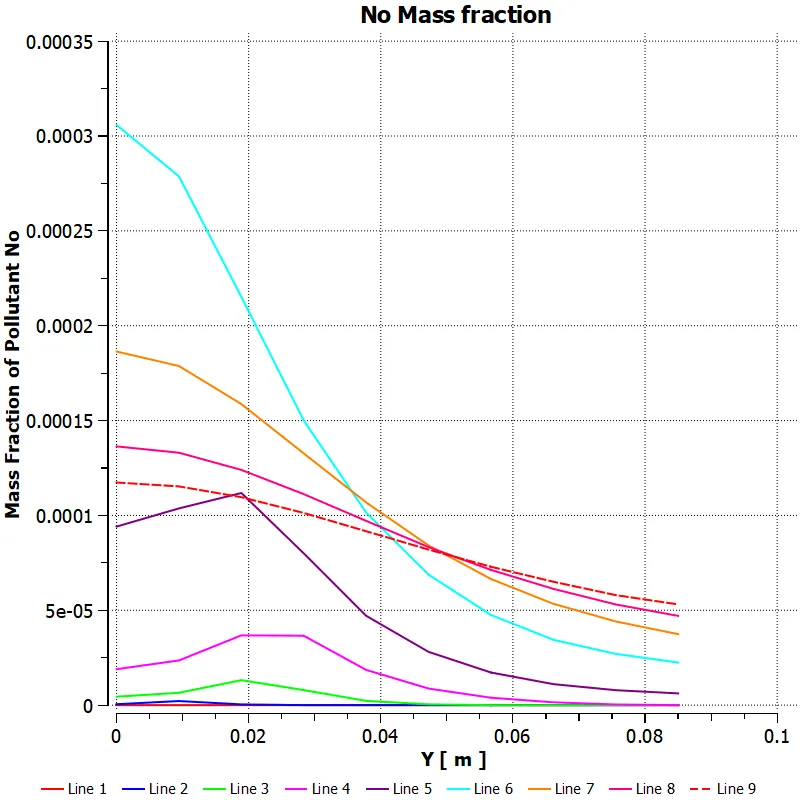
NO Mass fraction:
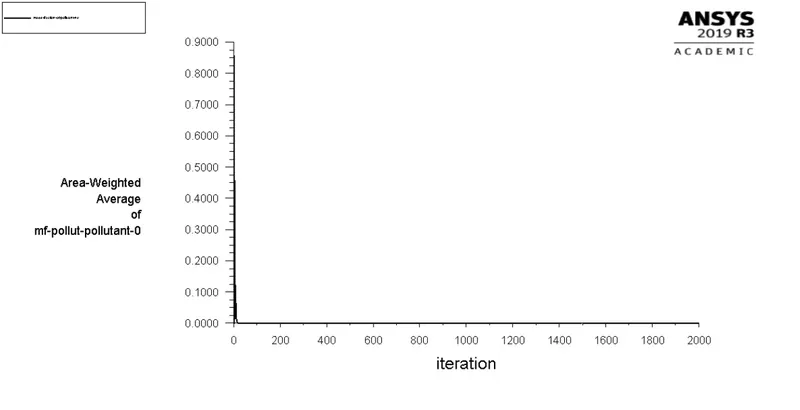
Avg. Of pollutant NO
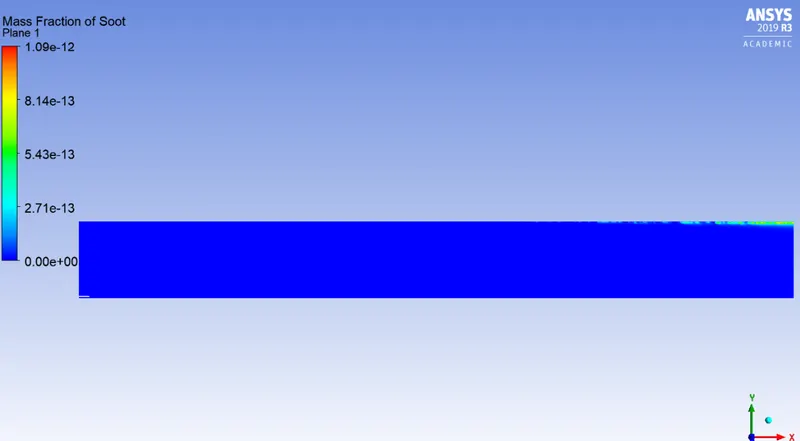
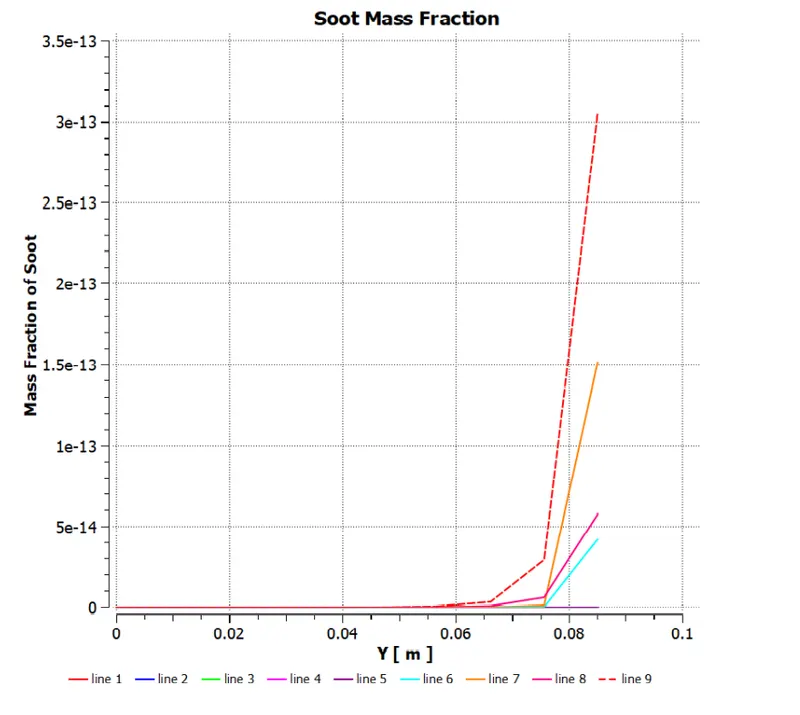
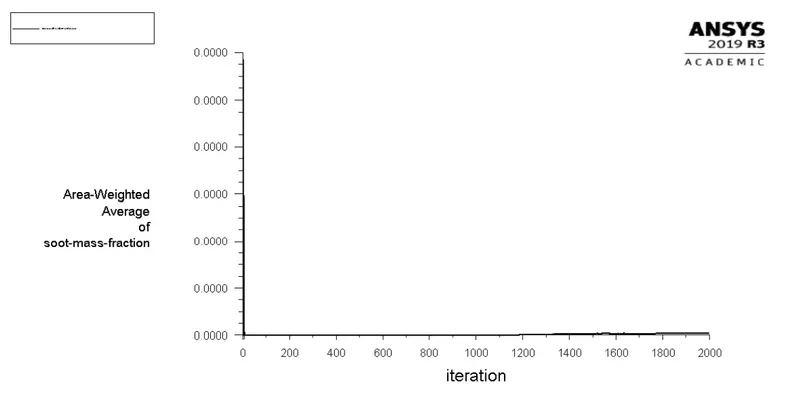
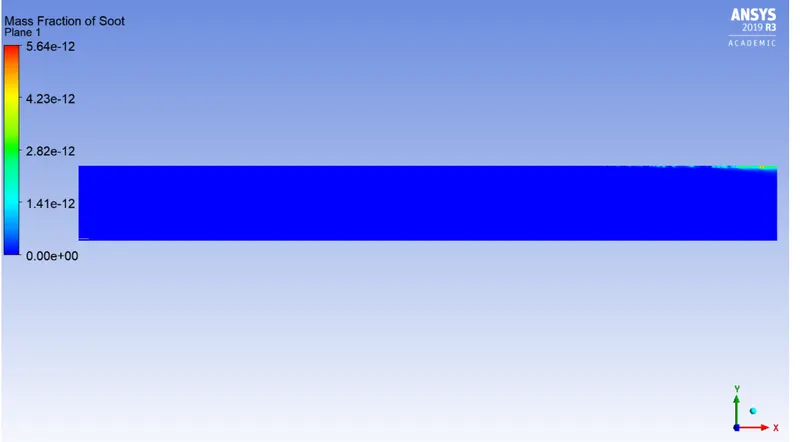
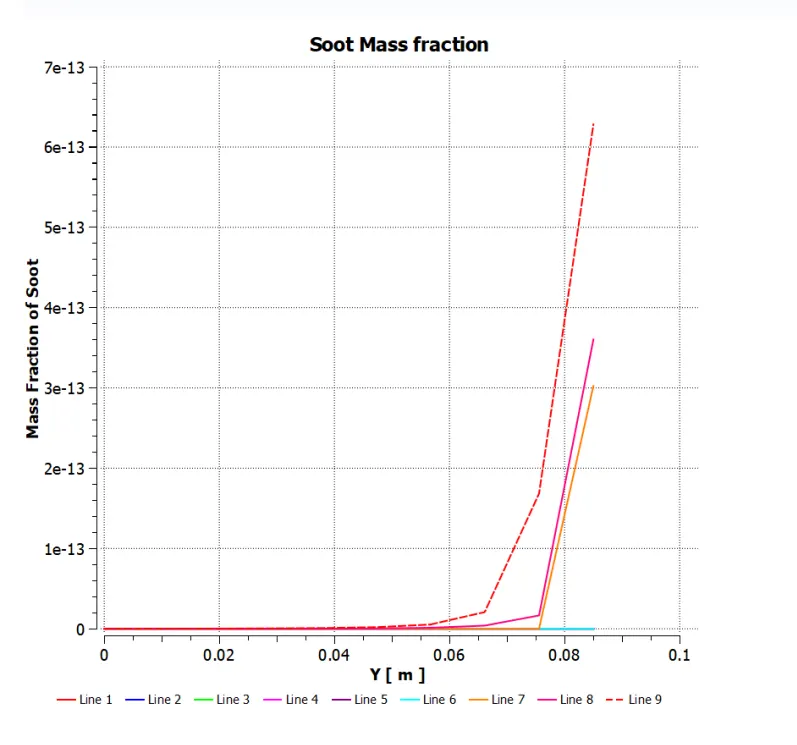
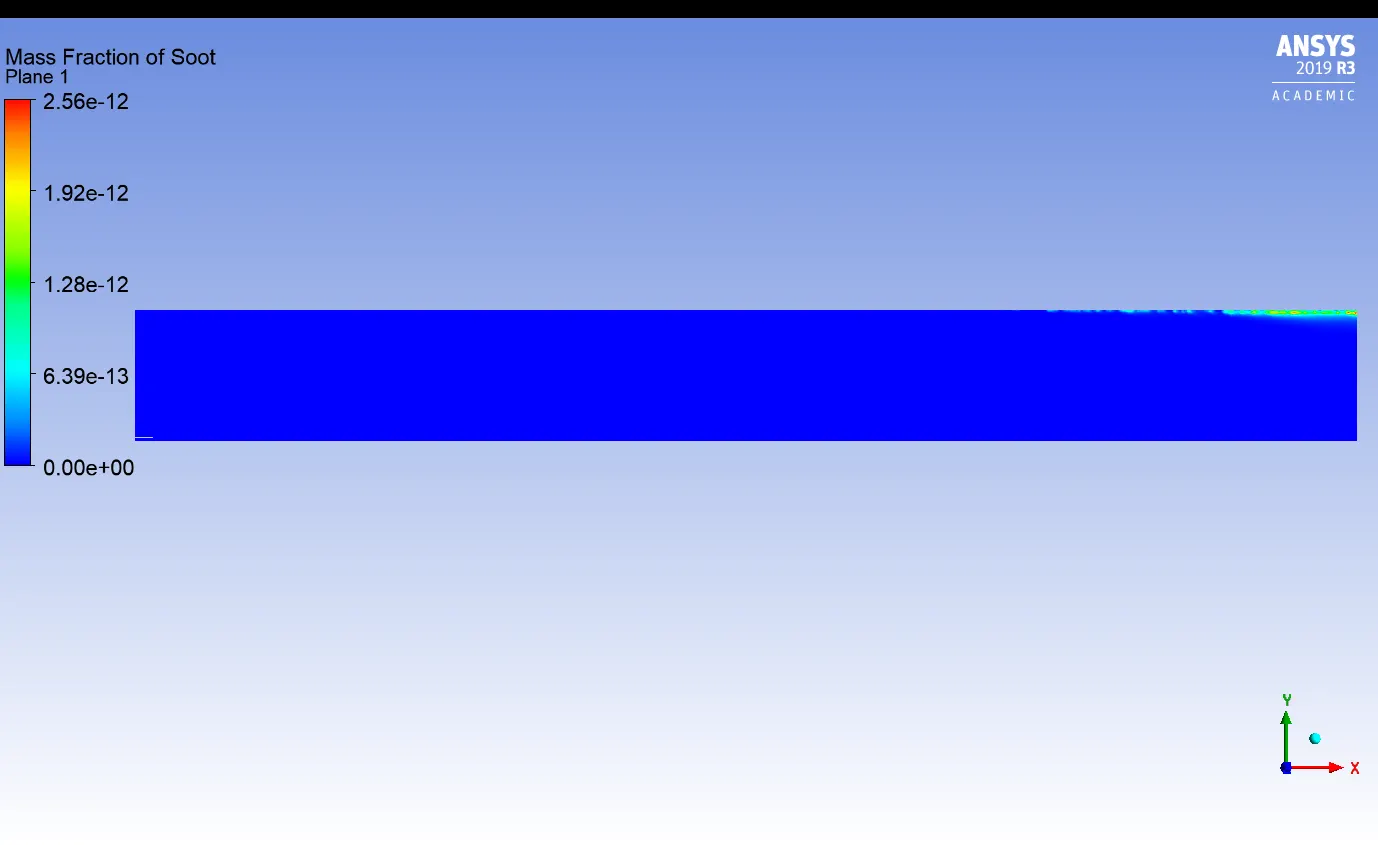
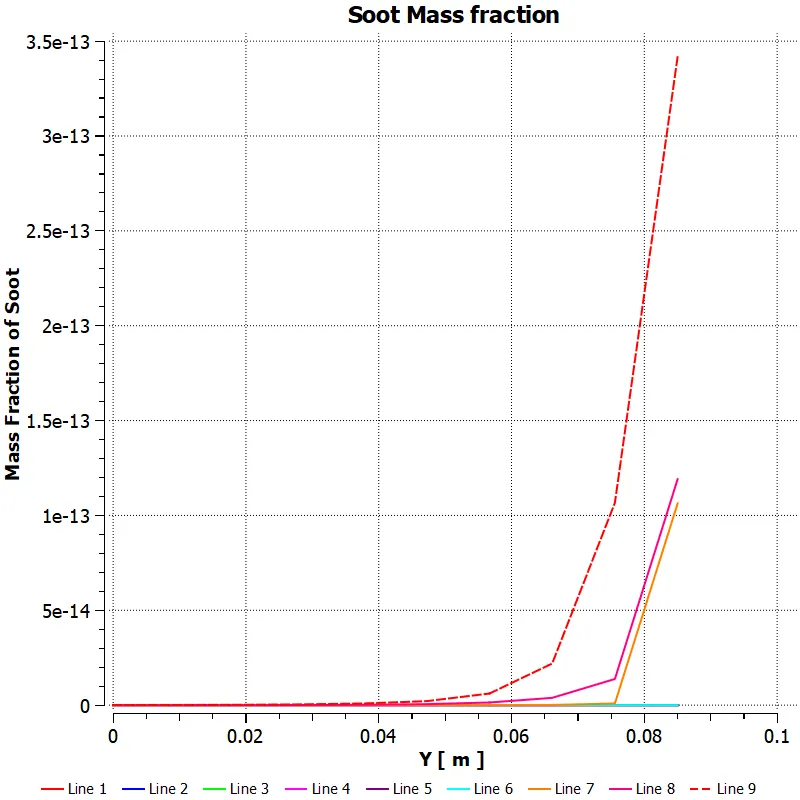
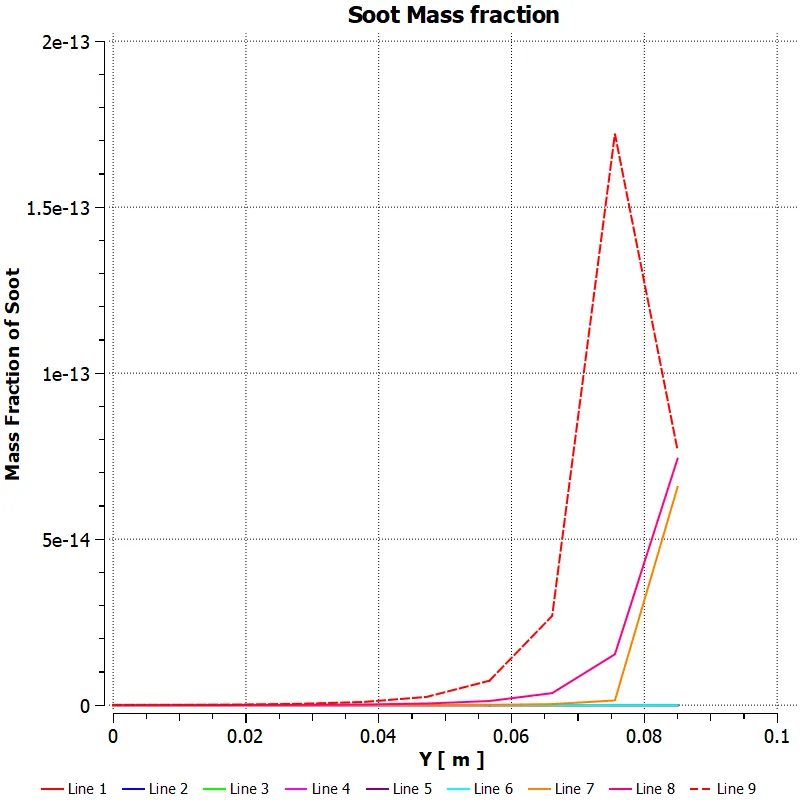
Soot Mass fraction:
Case-2
Species - Part II - CH4(95%) H2O(5%)
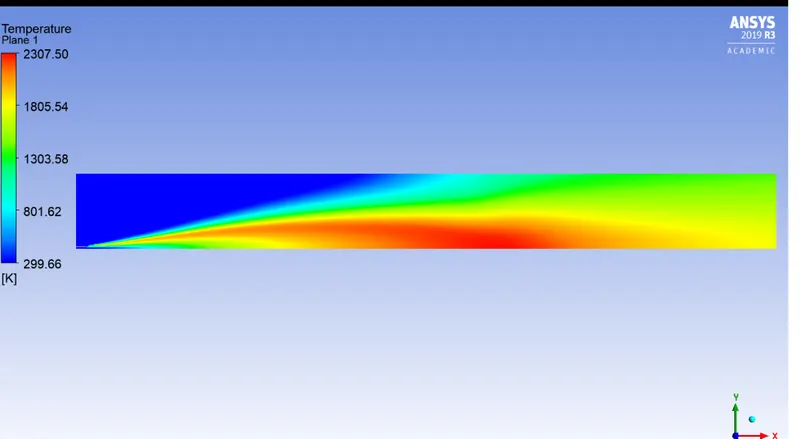
Temperature
No pollutant
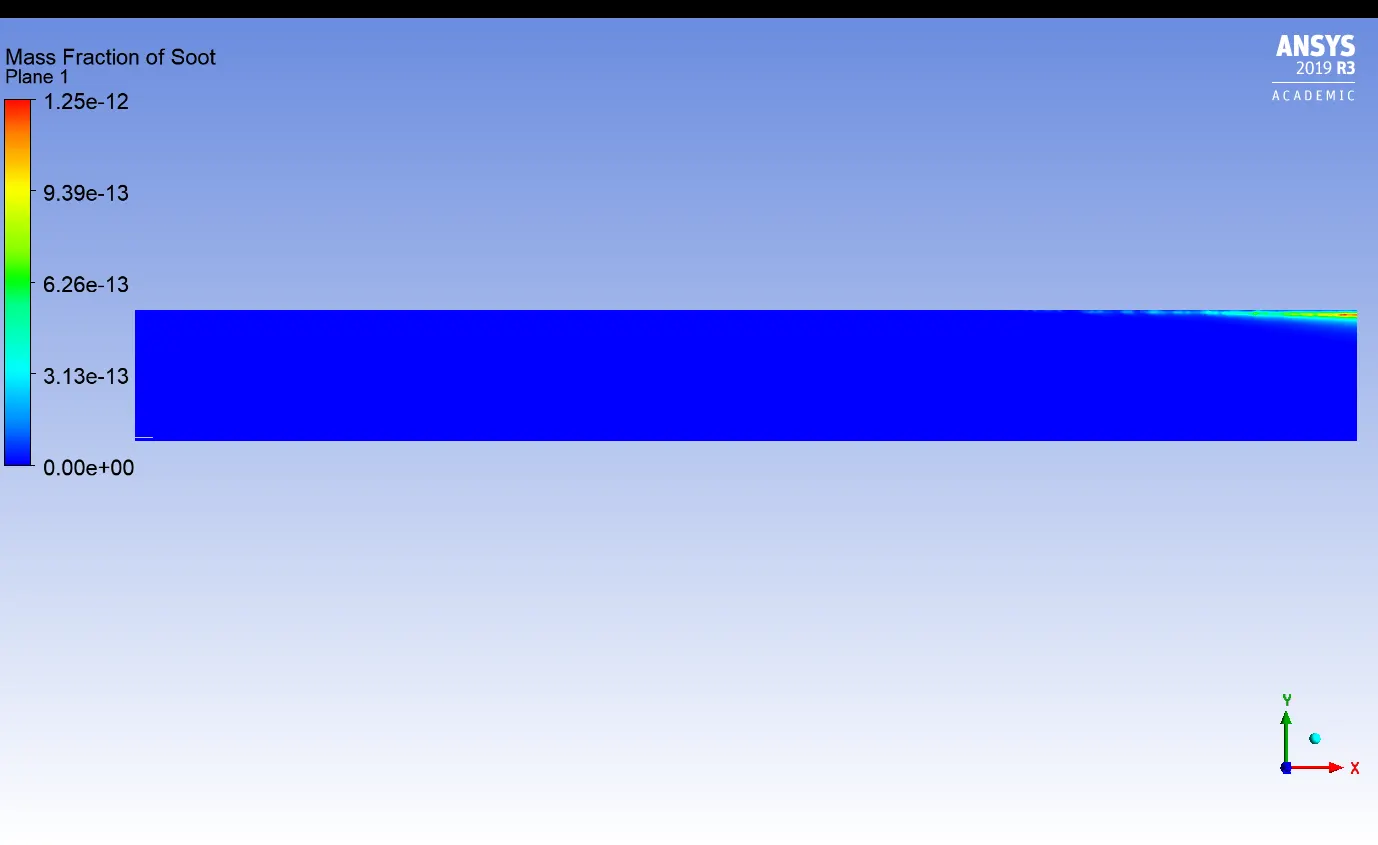
Soot

Case-3
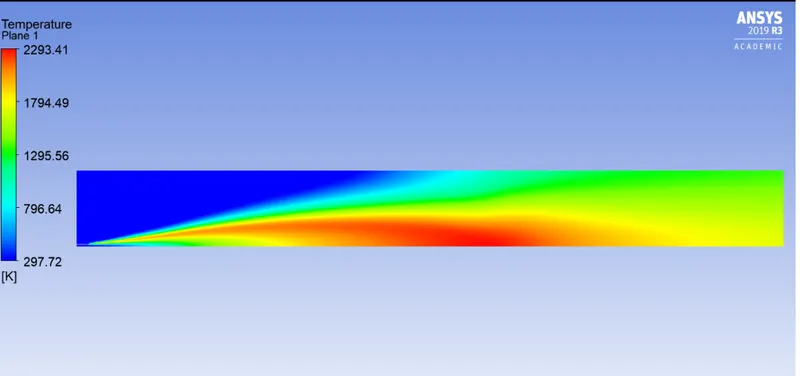
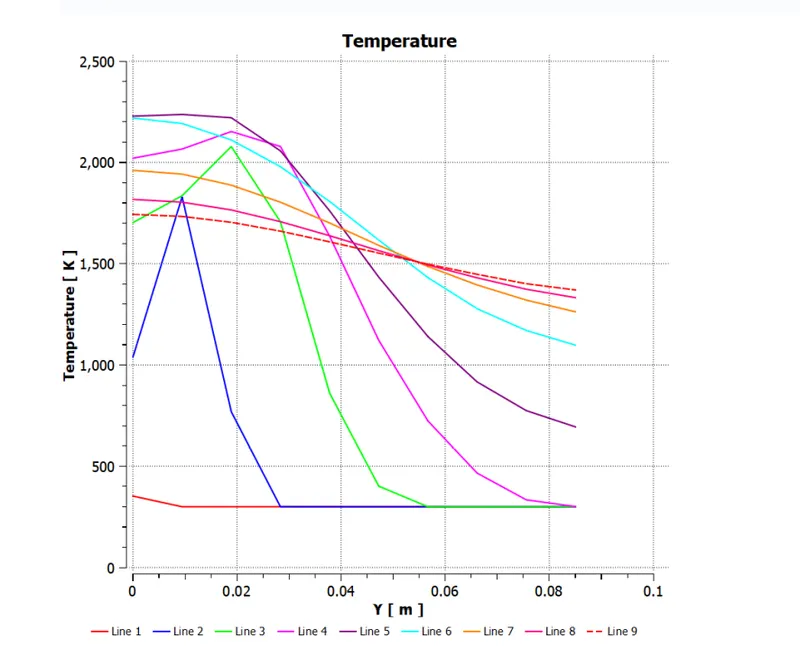
90% CH4 - 10% H2O
Tempereture
Case-4
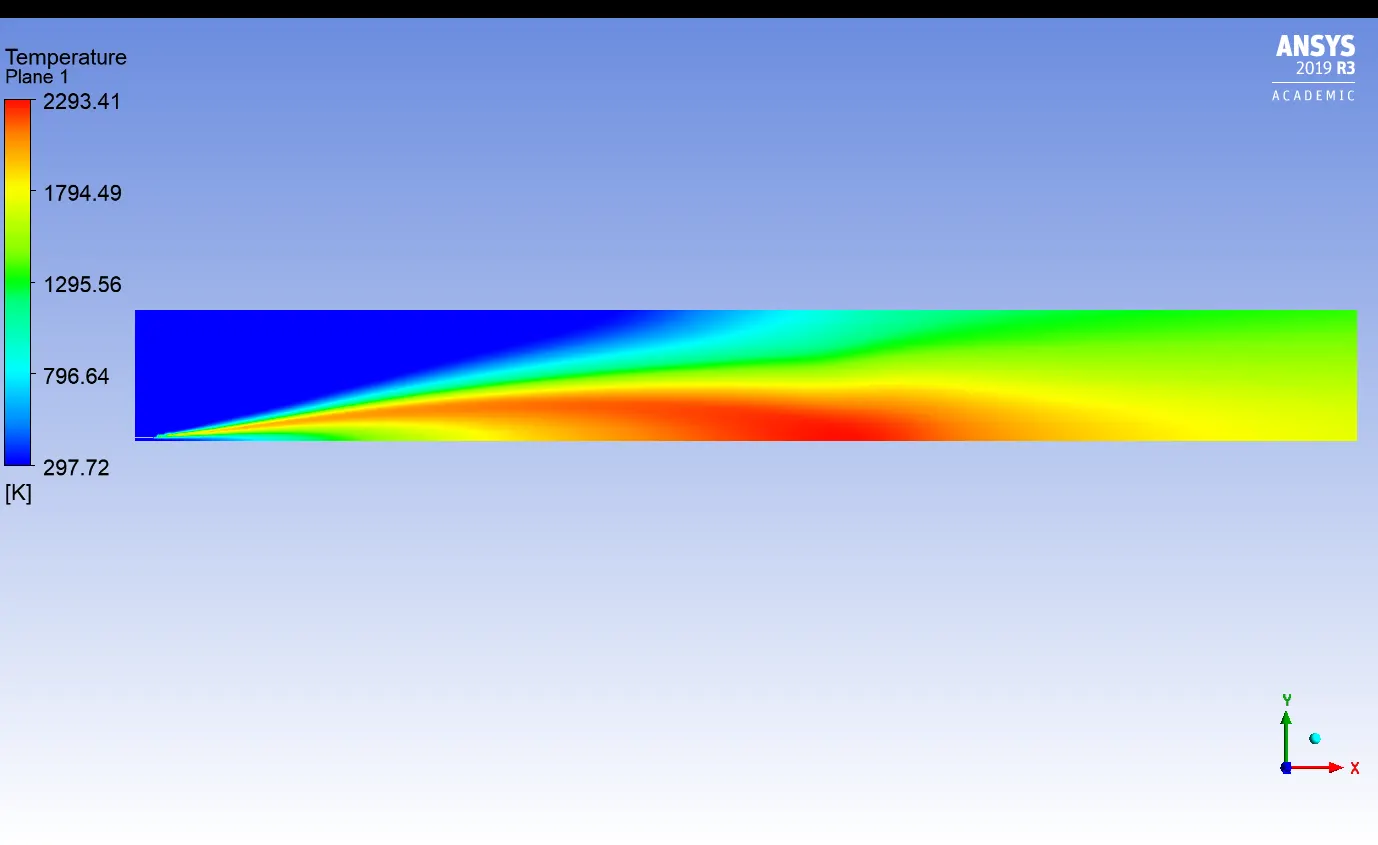
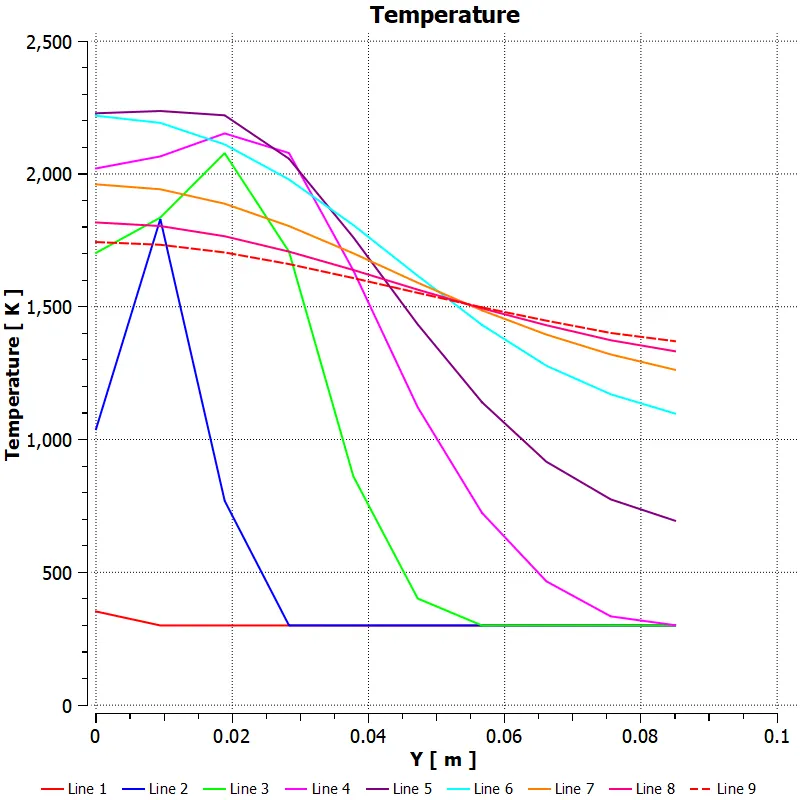
90% CH4 - 10% H2O
- Temperature
- No pollutant
- Soot

Case-5
85% CH4 - 15% H2O
- Temperature
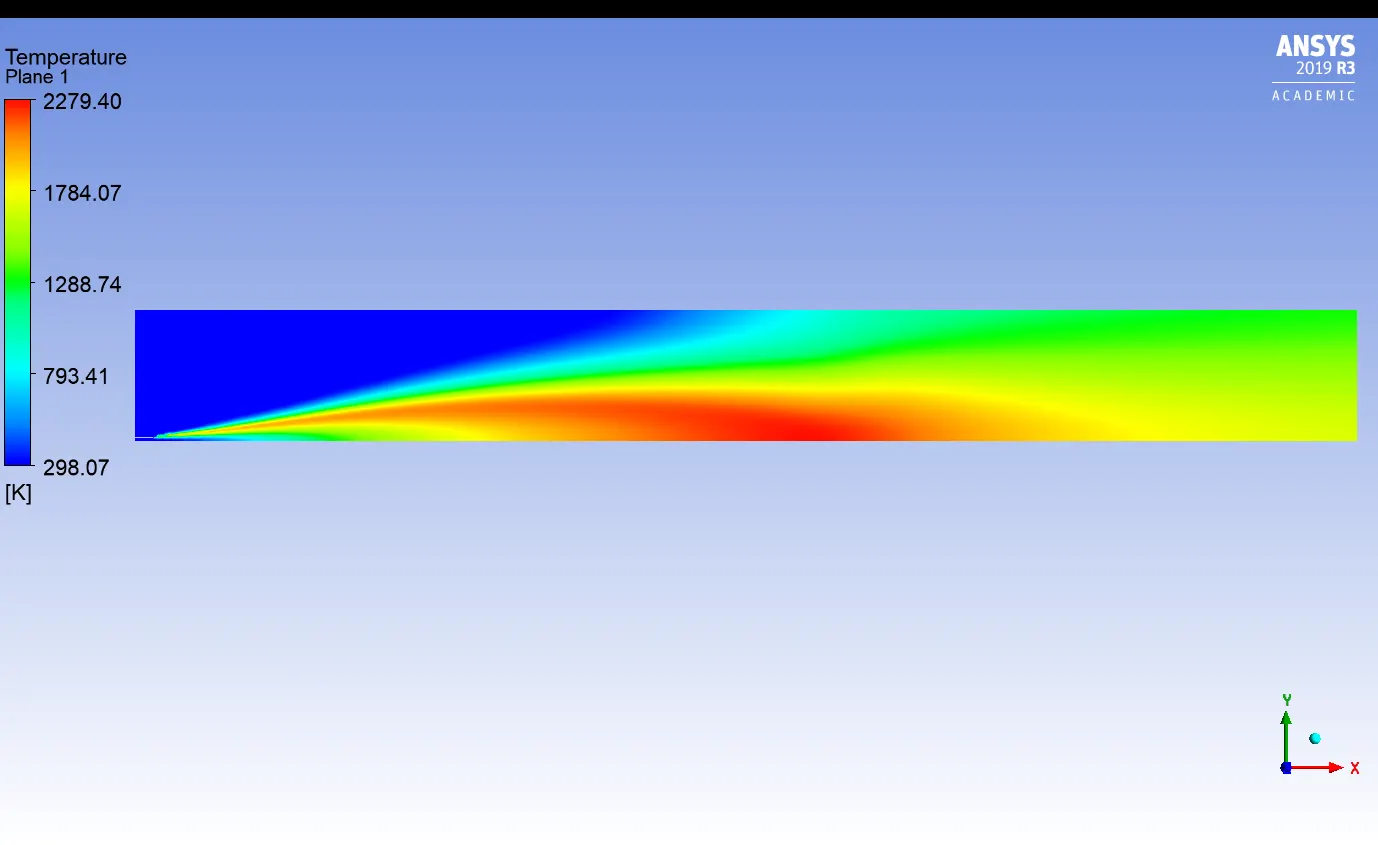
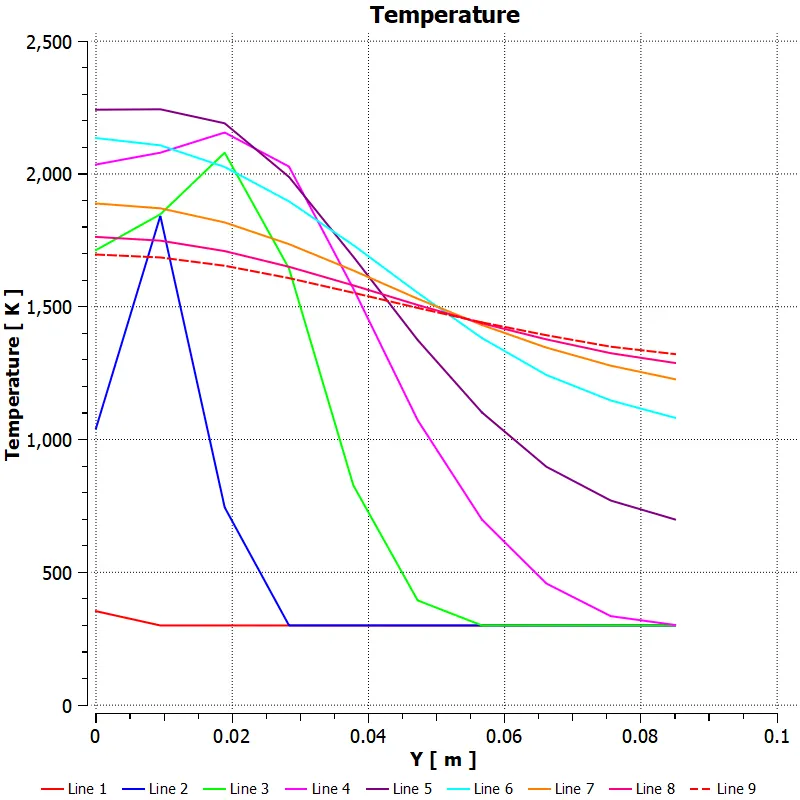
- No pollutant
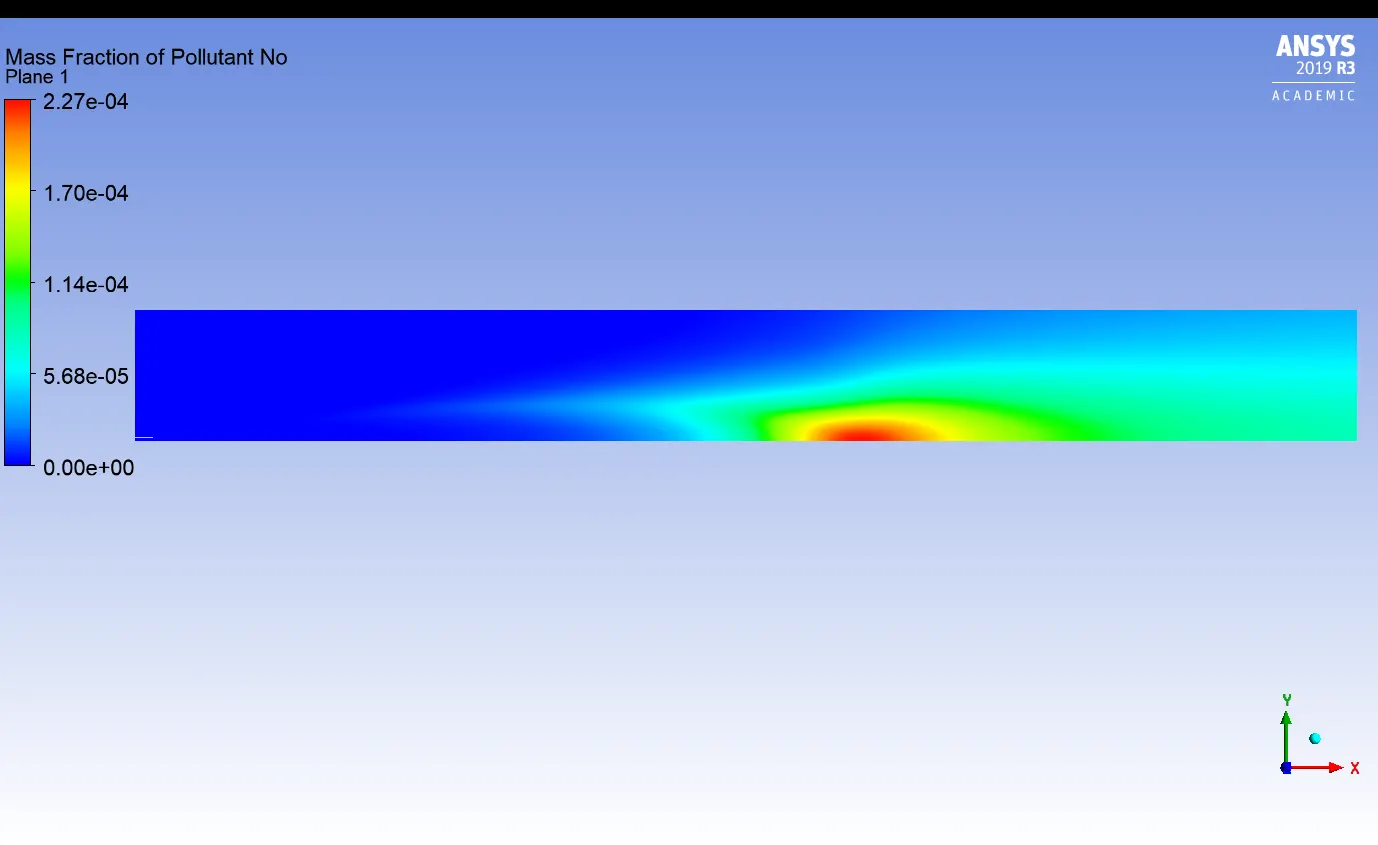
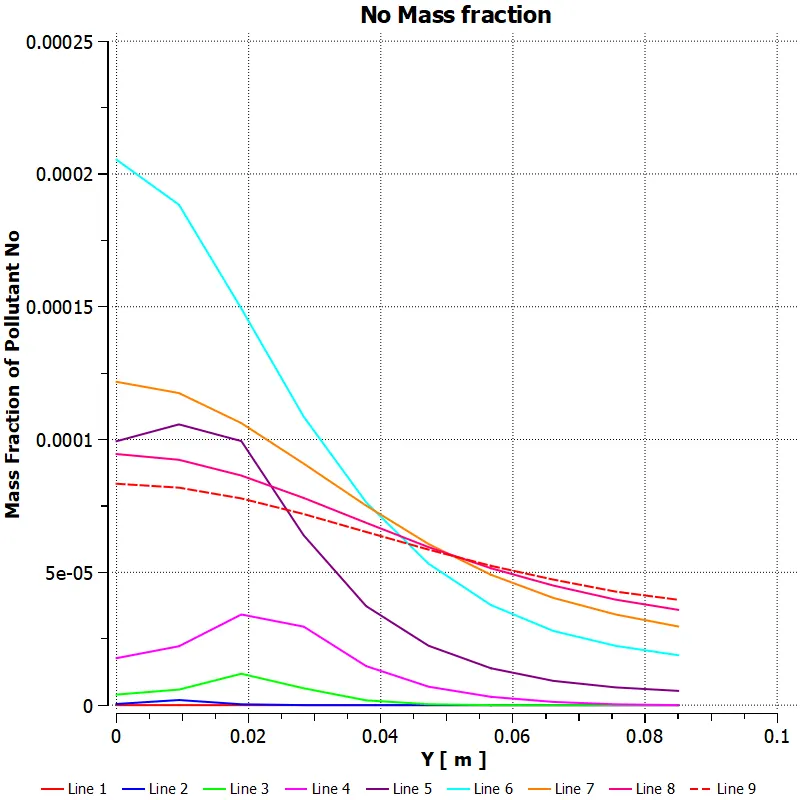
- Soot
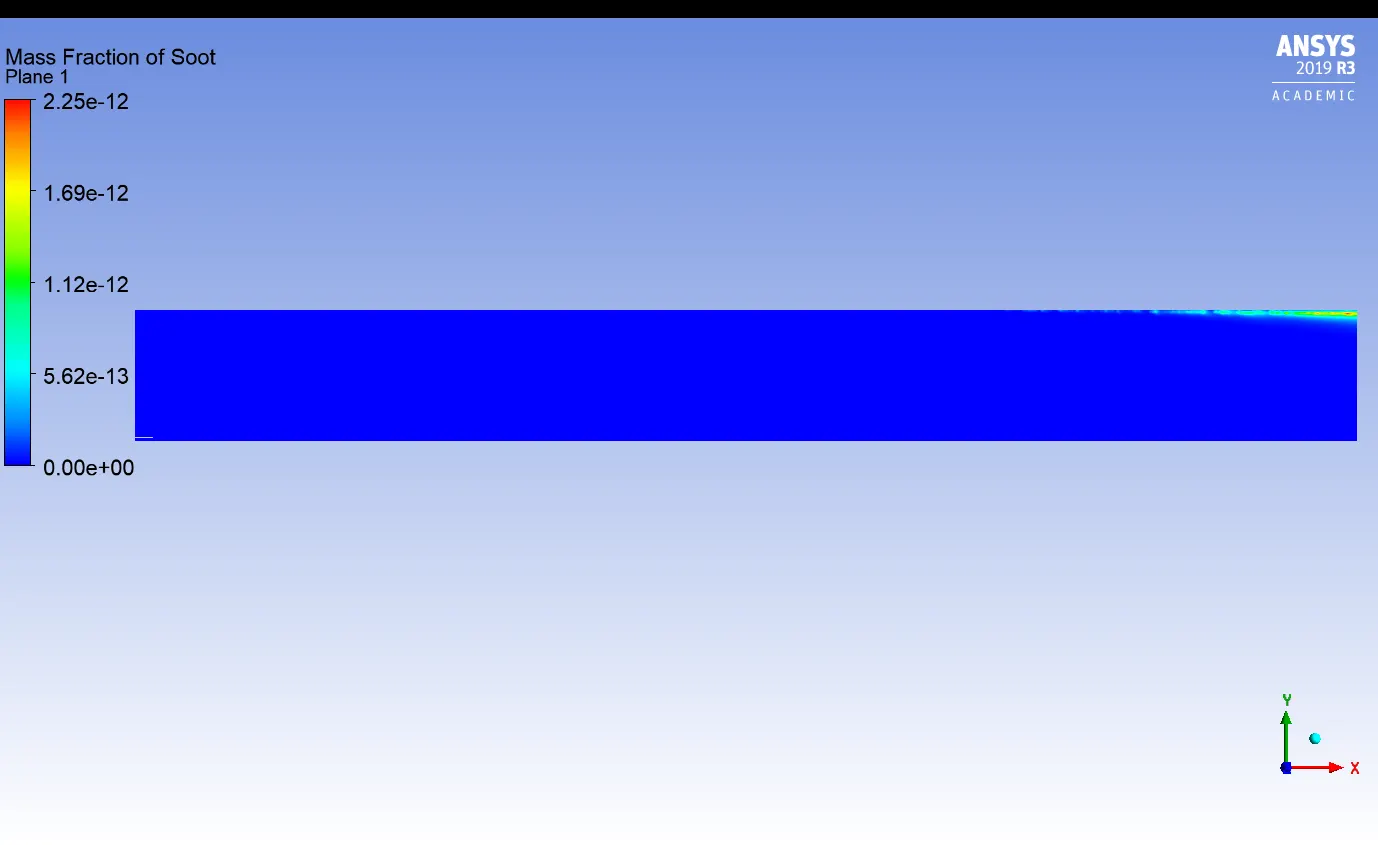
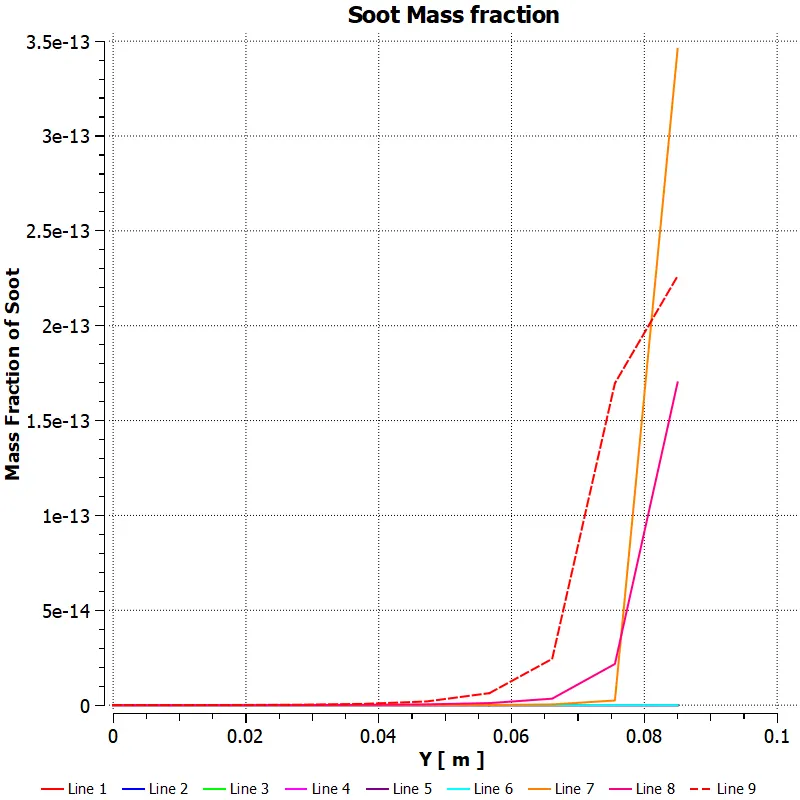

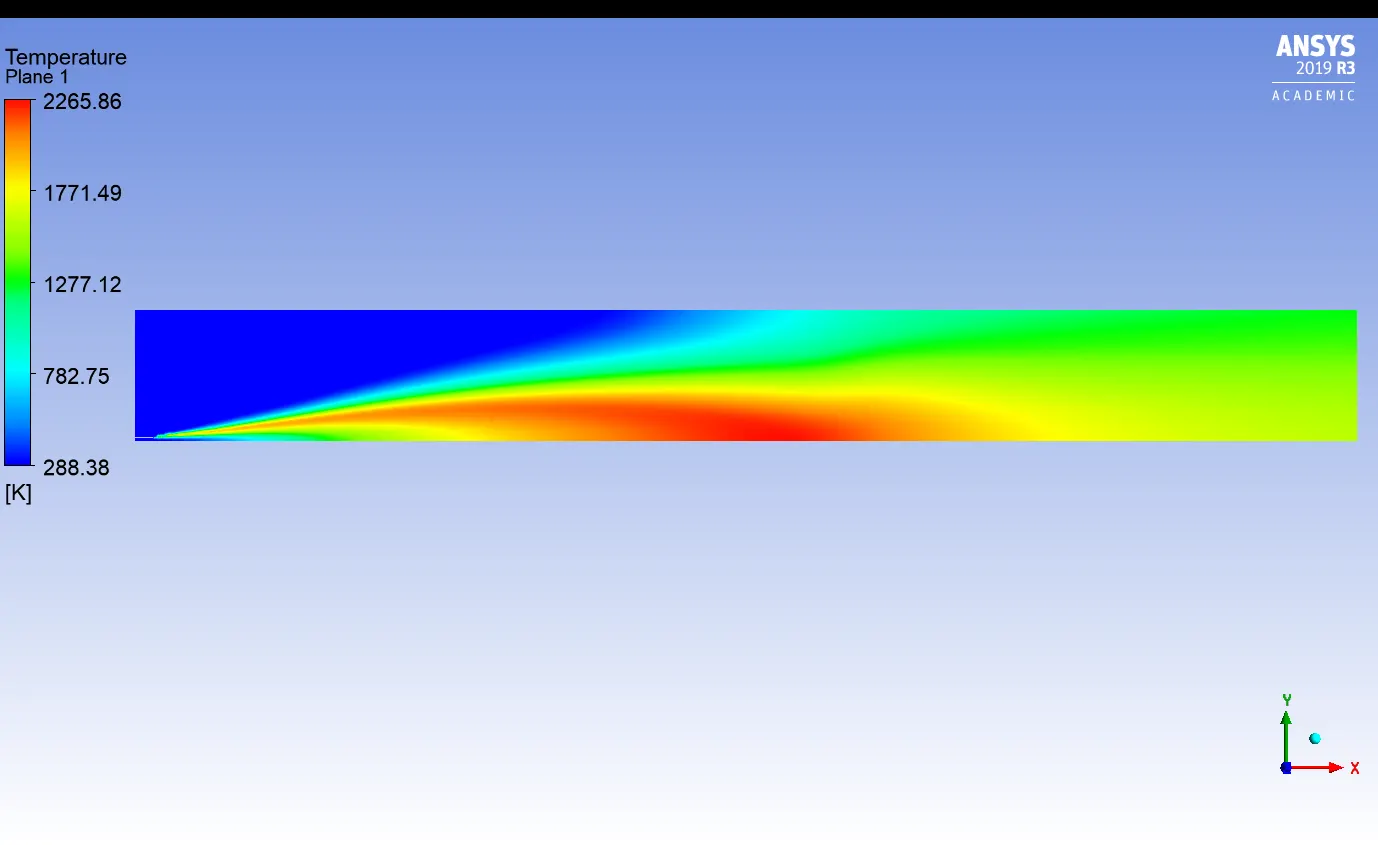
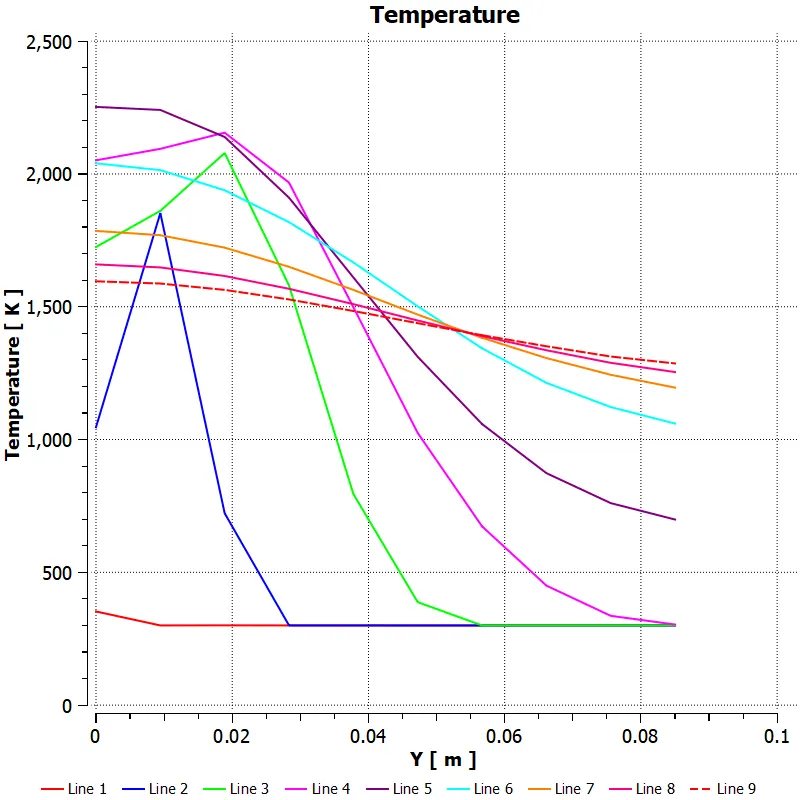
Case-6
80% CH4 - 20% H2O
- Temperature
- No Pollutant
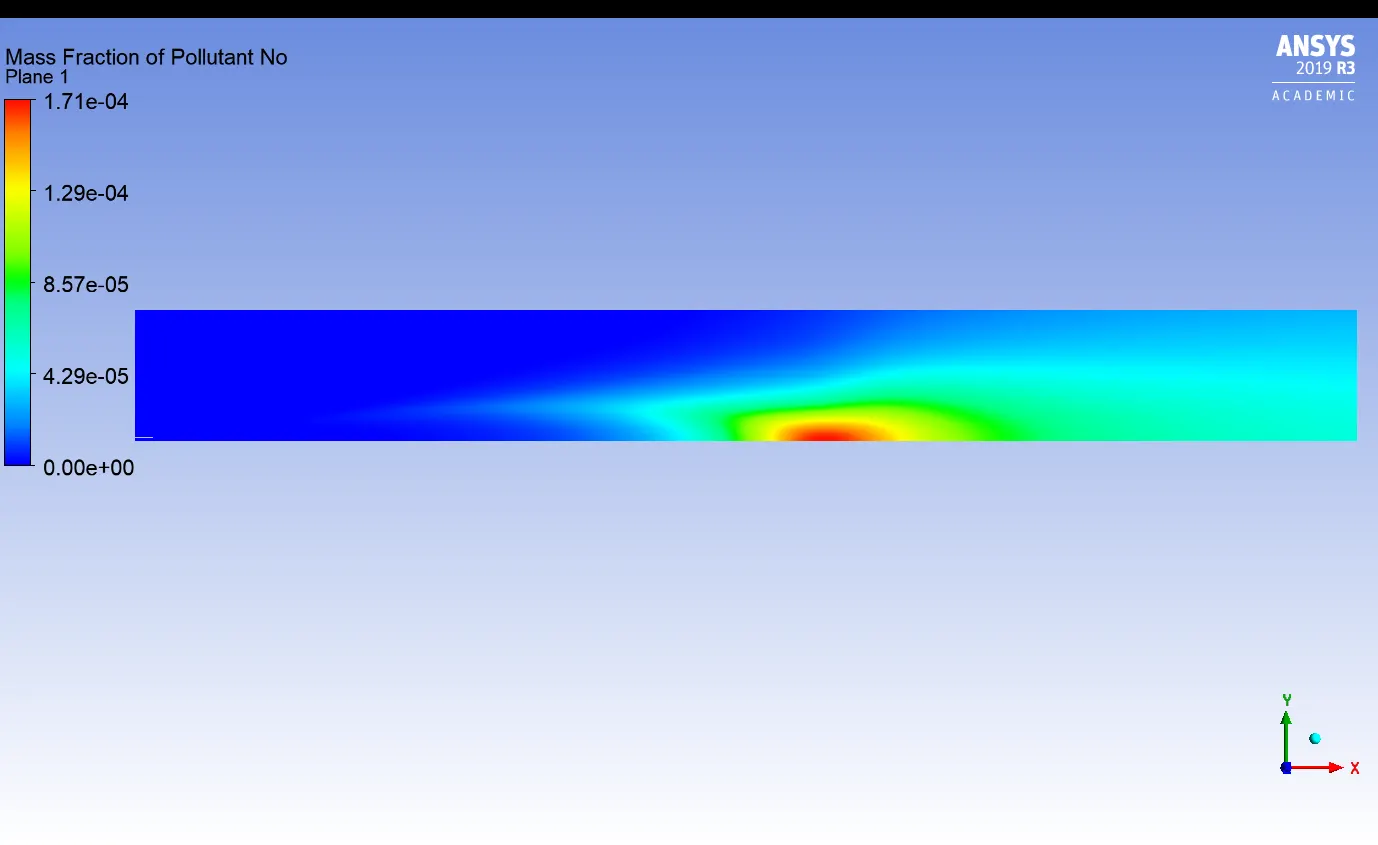
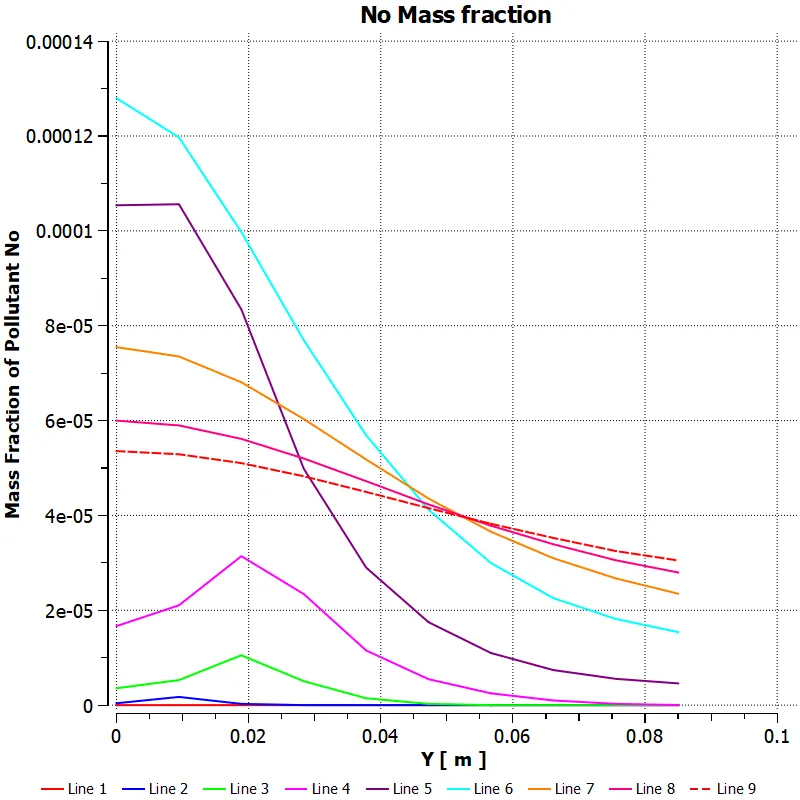
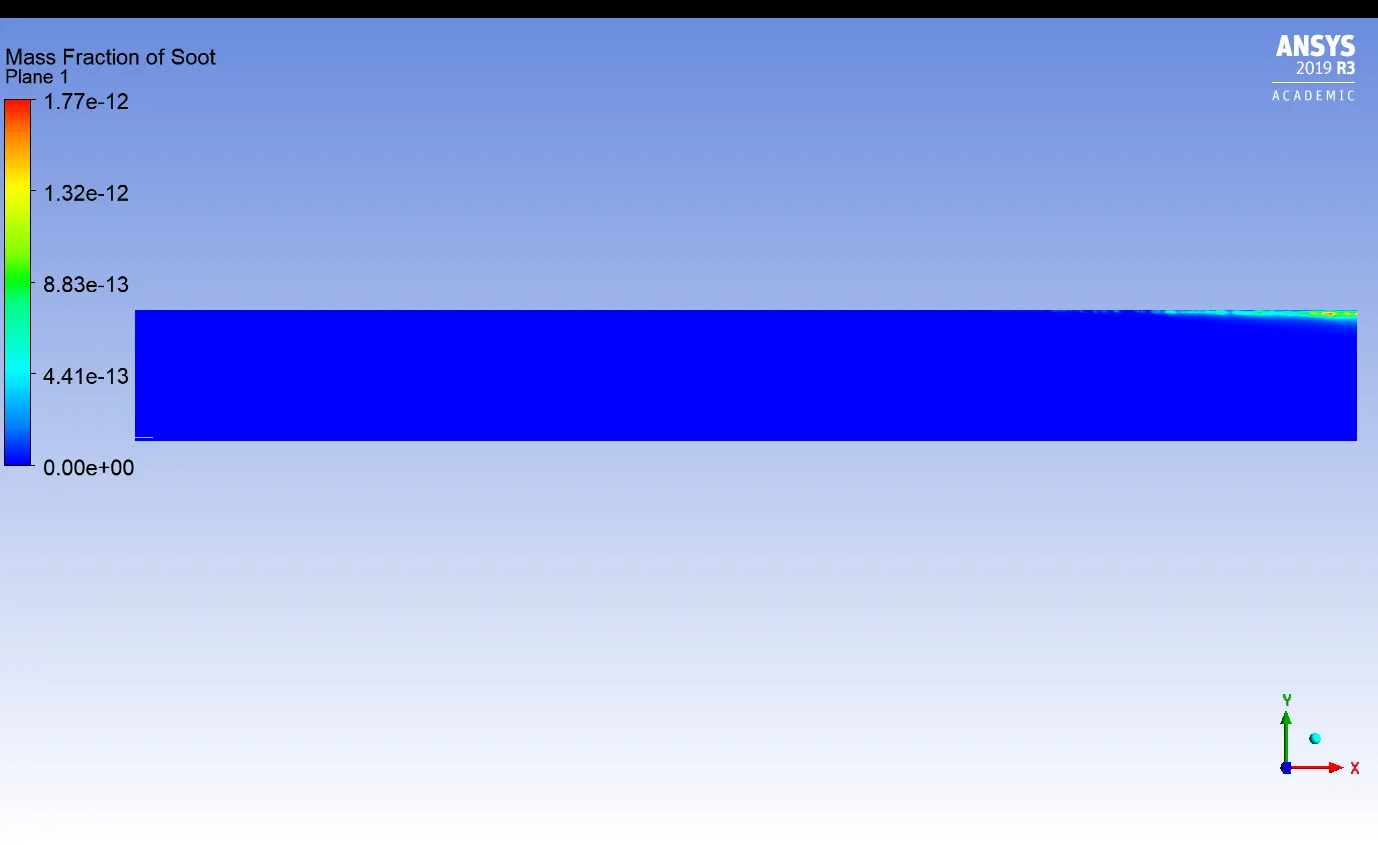
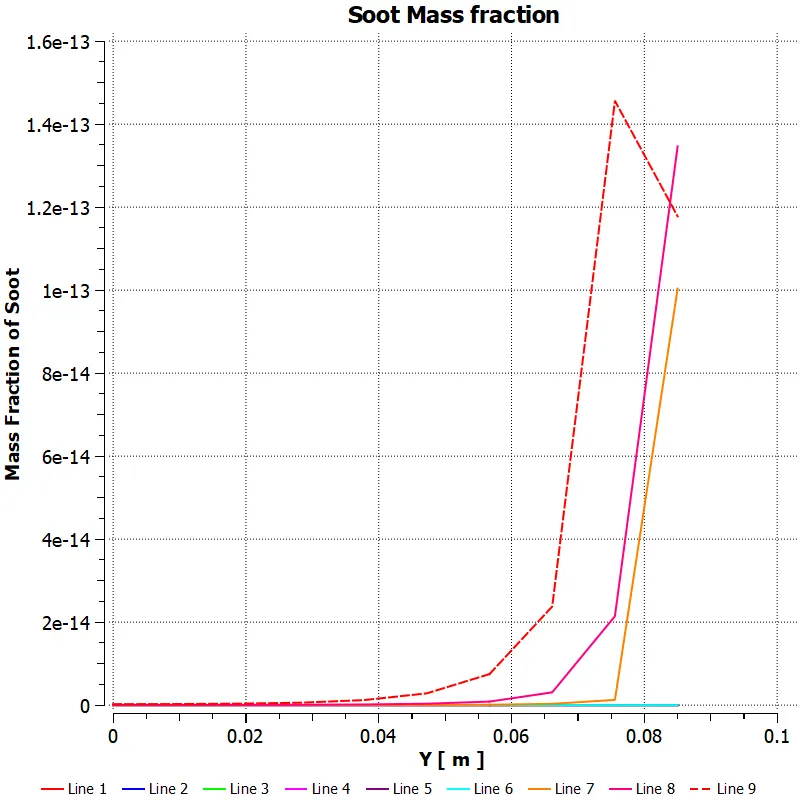
- Soot

Case-7
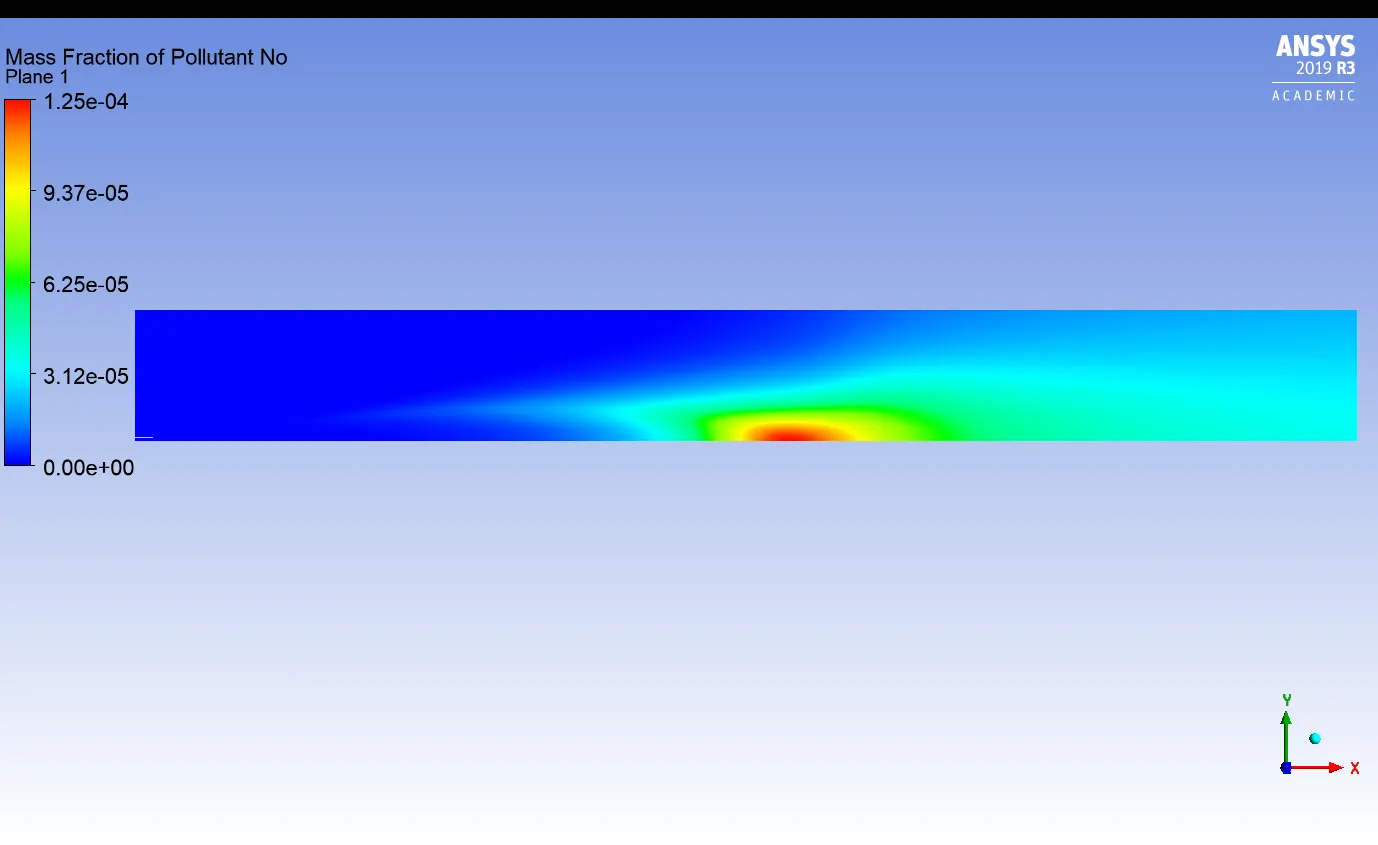
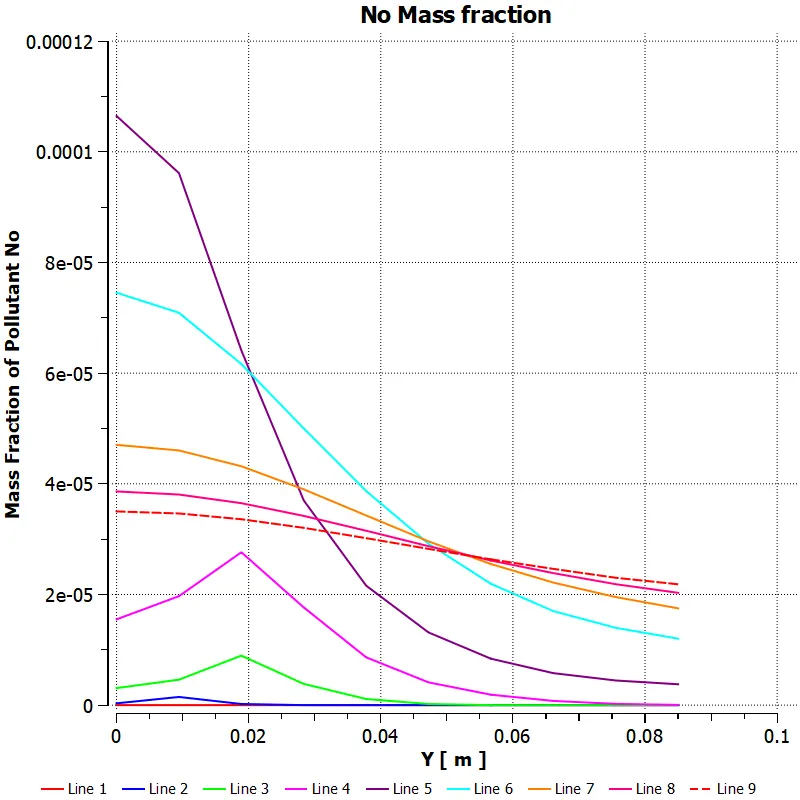
75% CH4 - 25% H2O
- Temperature
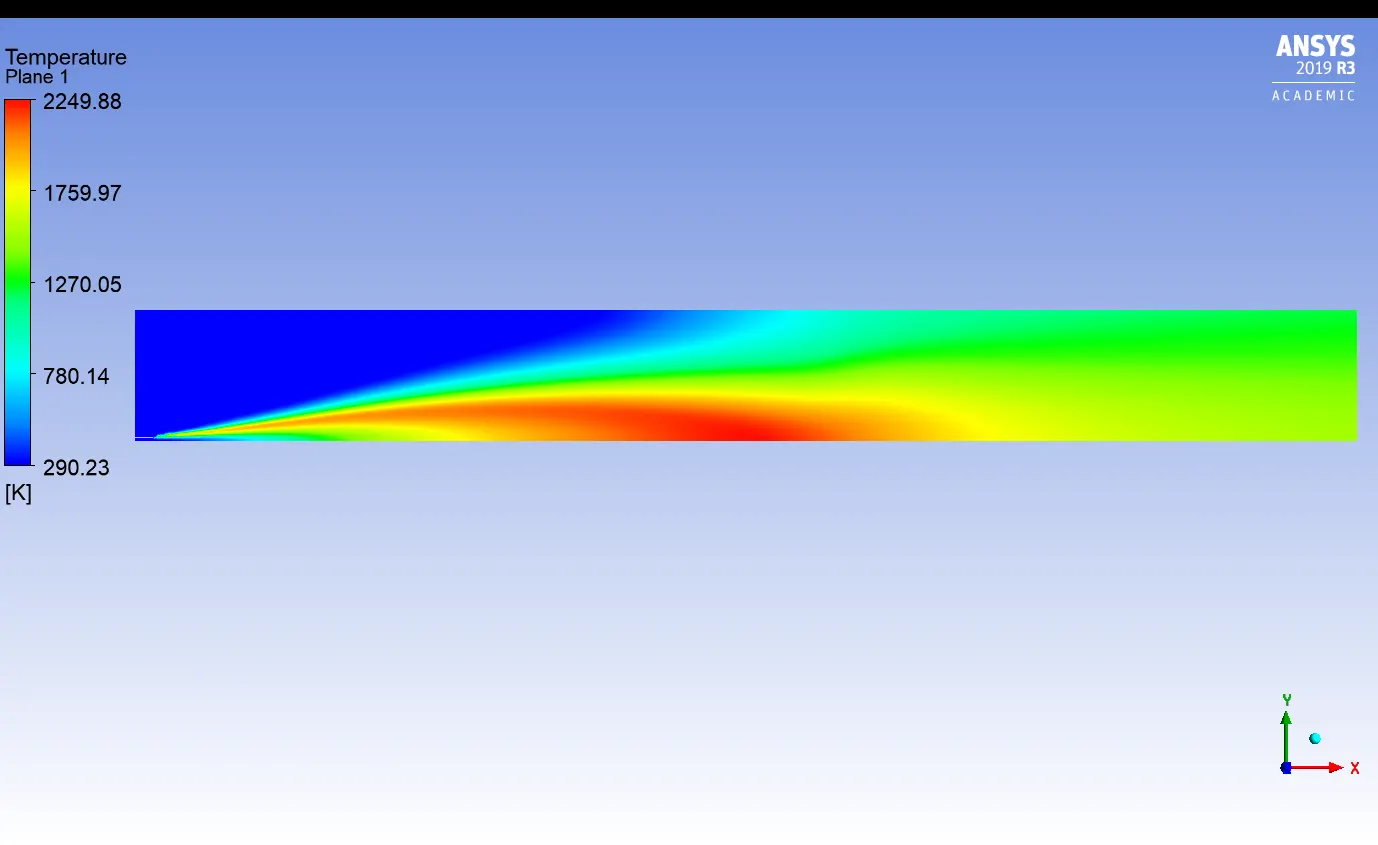
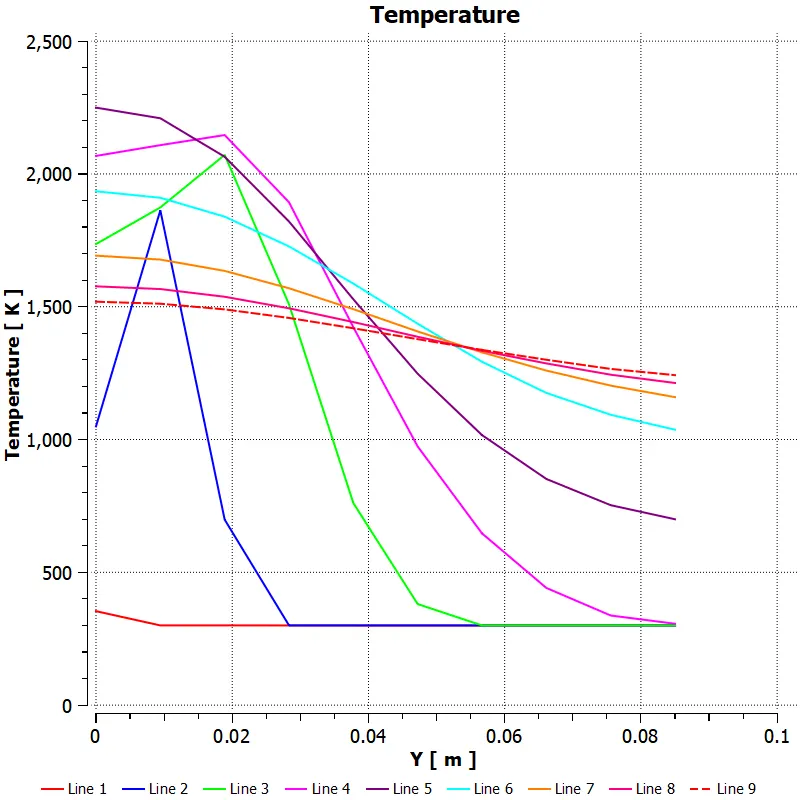
- No Pollutant
- Soot

Case-8
70% CH4 - 30% H2O
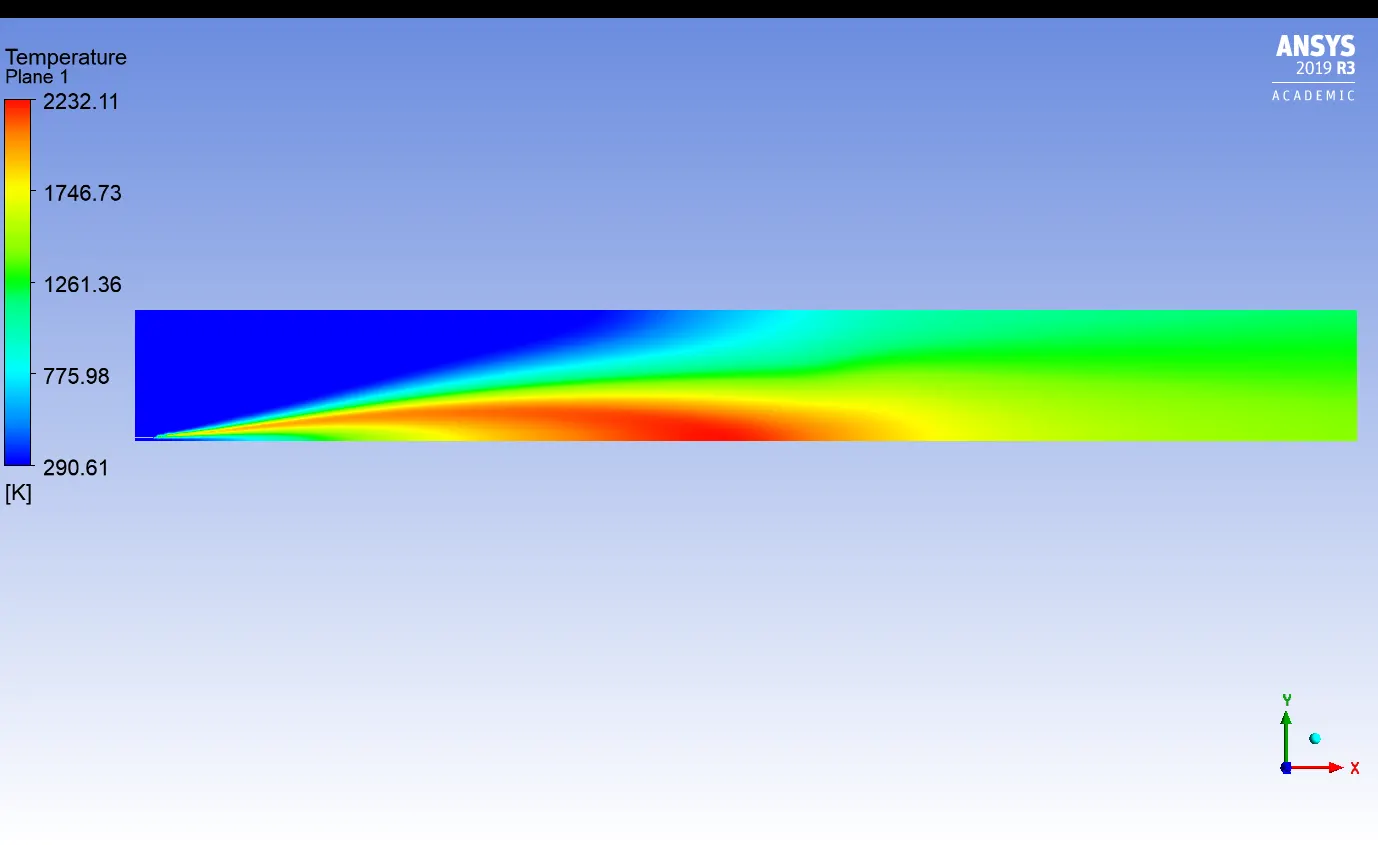
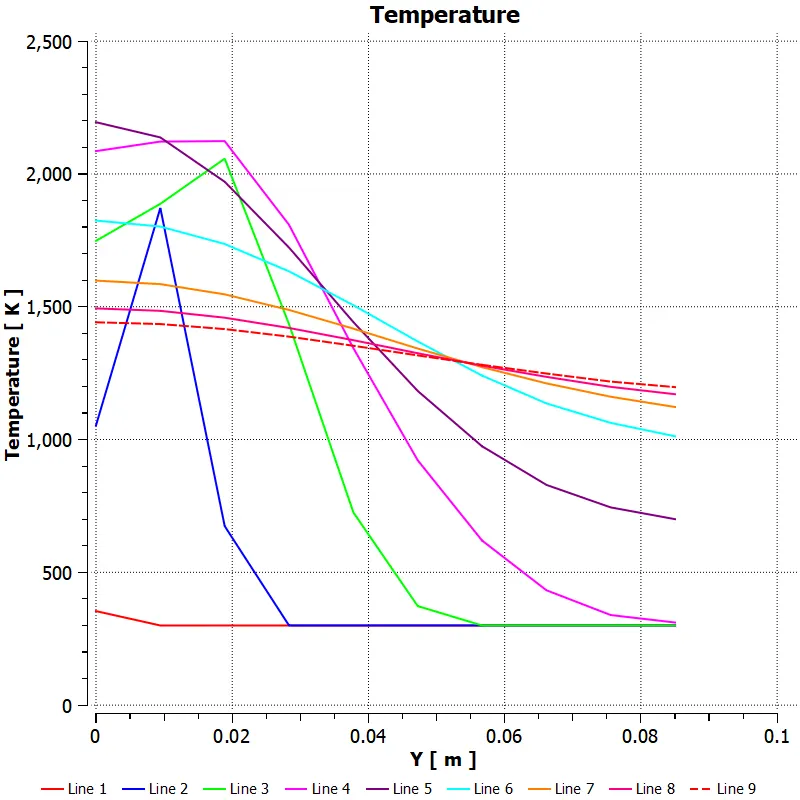
- Temperature
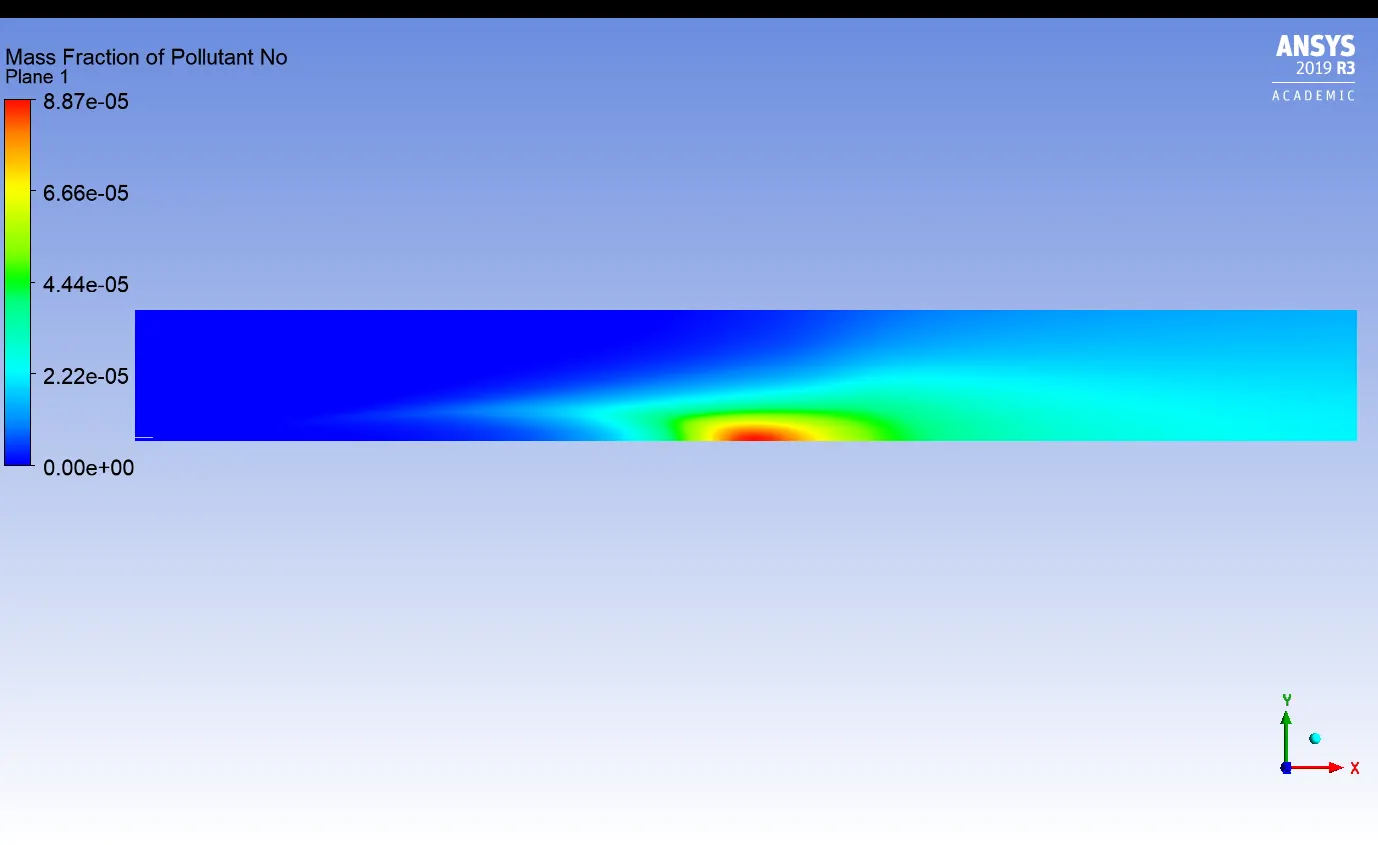
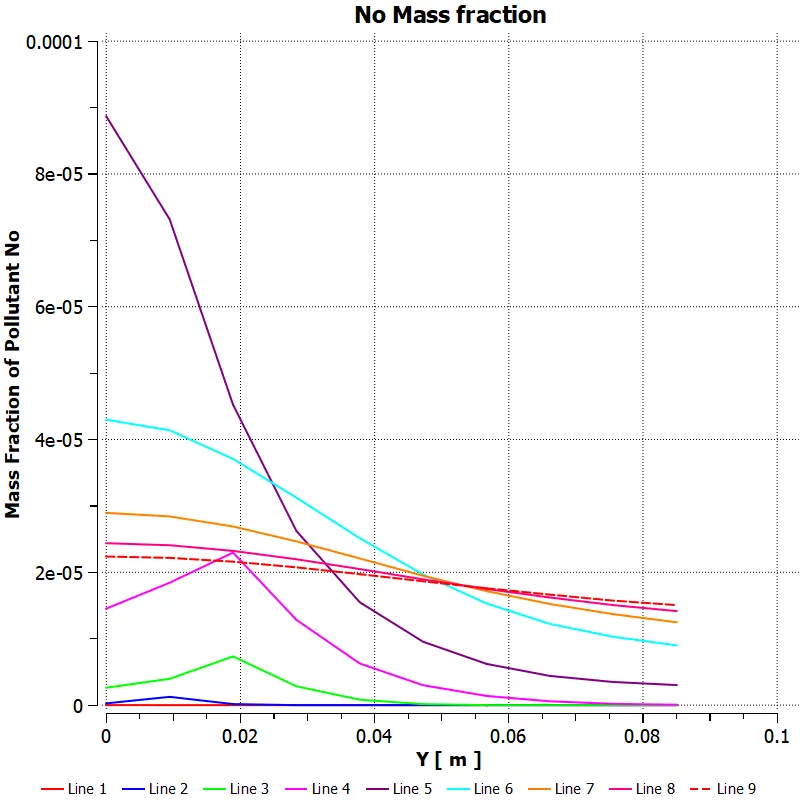
- No Pollutant
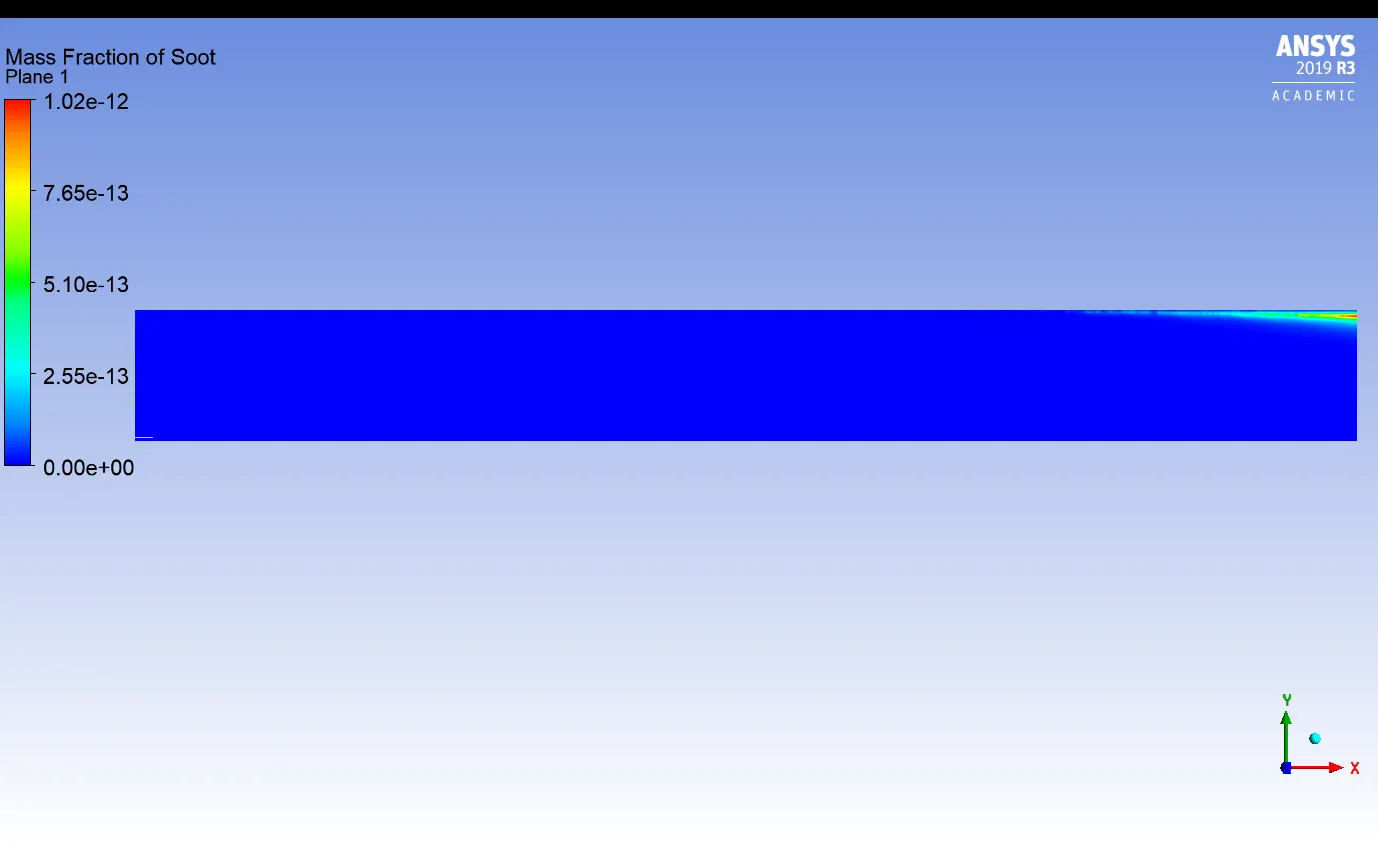
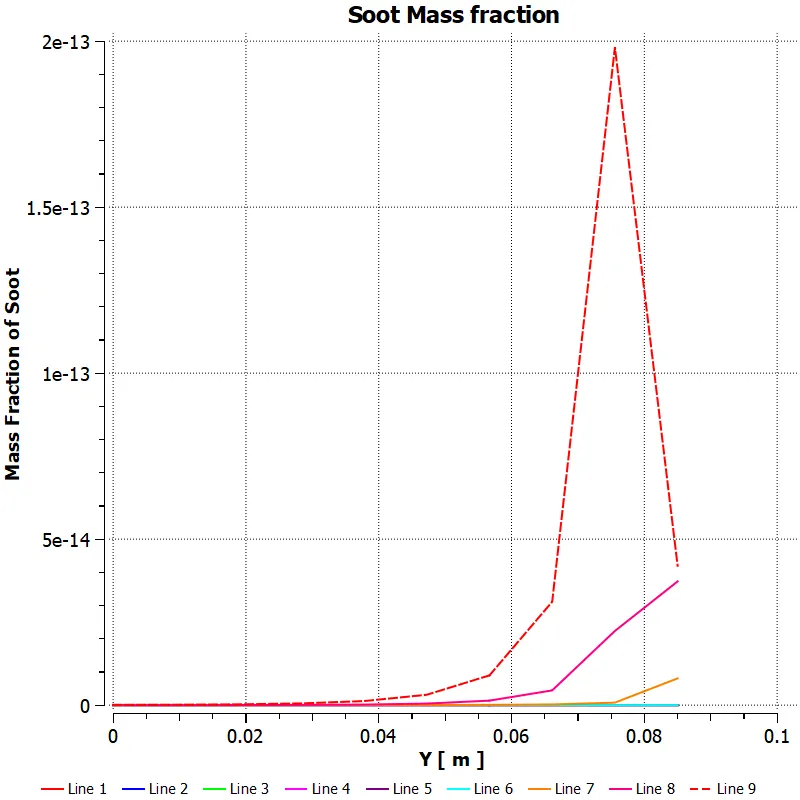
- Soot

Part II Observation table :
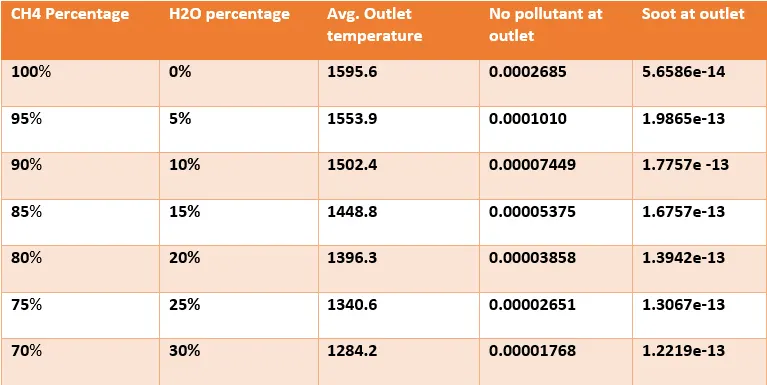
Observations :
- We can observe that as the water content is increased, NO pollutant at outlet decreases, ultimately resulting in less harmful emission.
- Same way temperature also decreases.
- We can see that soot formation is e-13 which is very less, also with increase in water percentage, soot at outlet increases.