Week 1- Mixing Tee
Aim: To set up steady-state simulations to compare the mixing effectiveness when hot inlet temperature is 360C & the Cold inlet is at 190C, using k-epsilon and k-omega SST models.
Procedure:
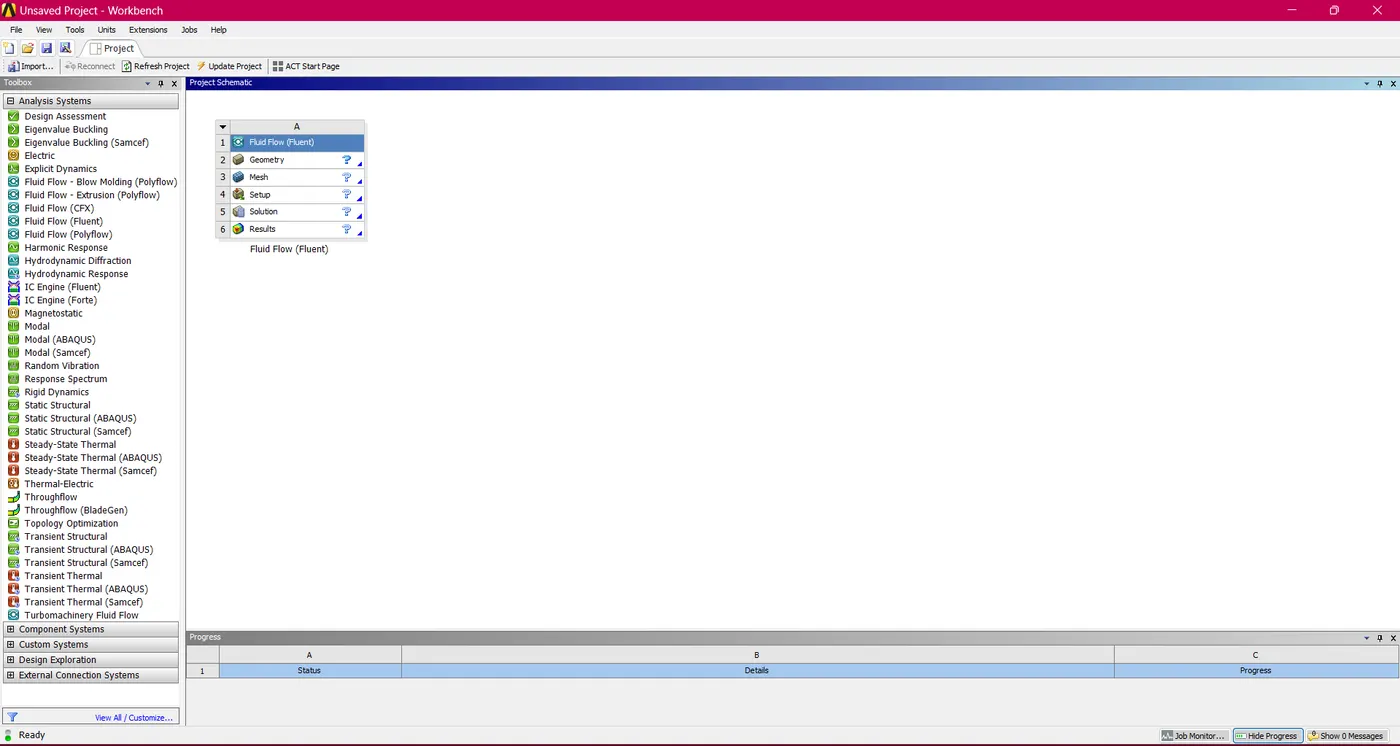
1. Open Ansys Workbench, and select the Fluent solver.
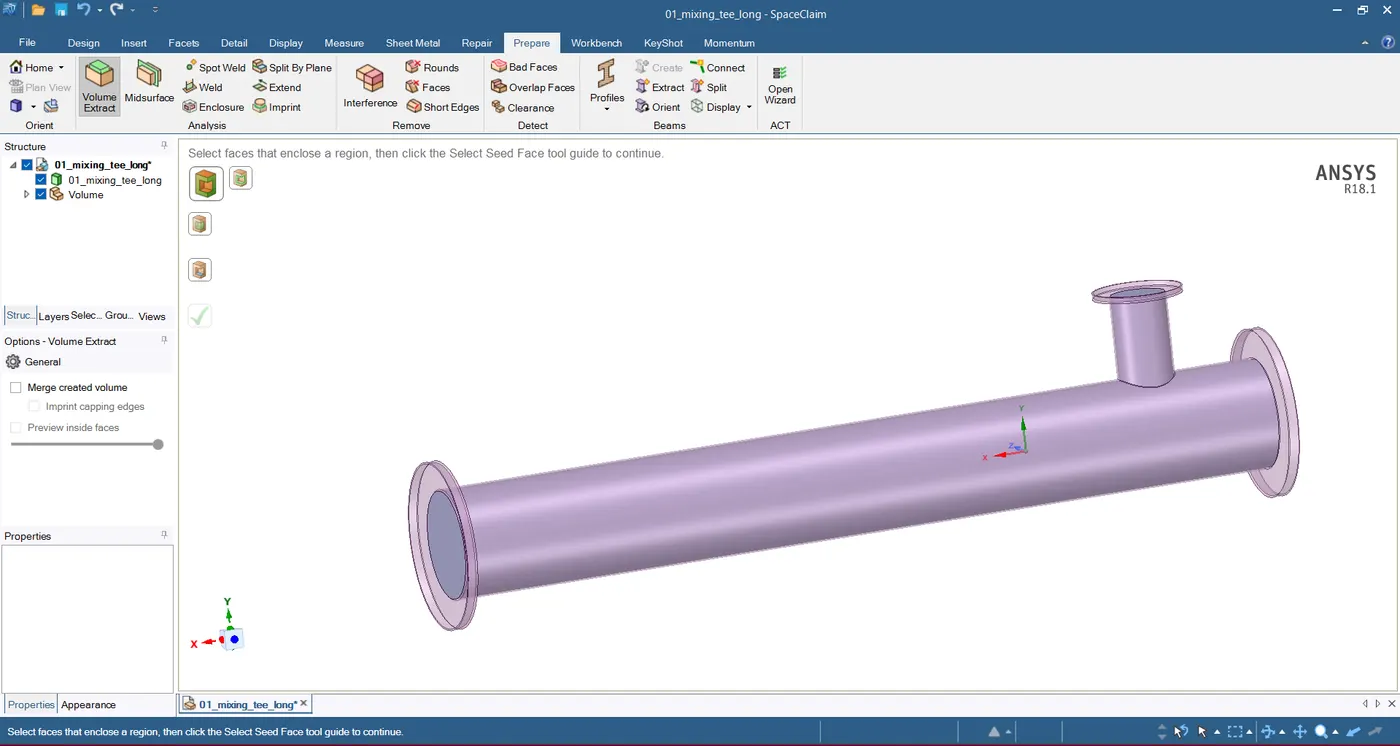
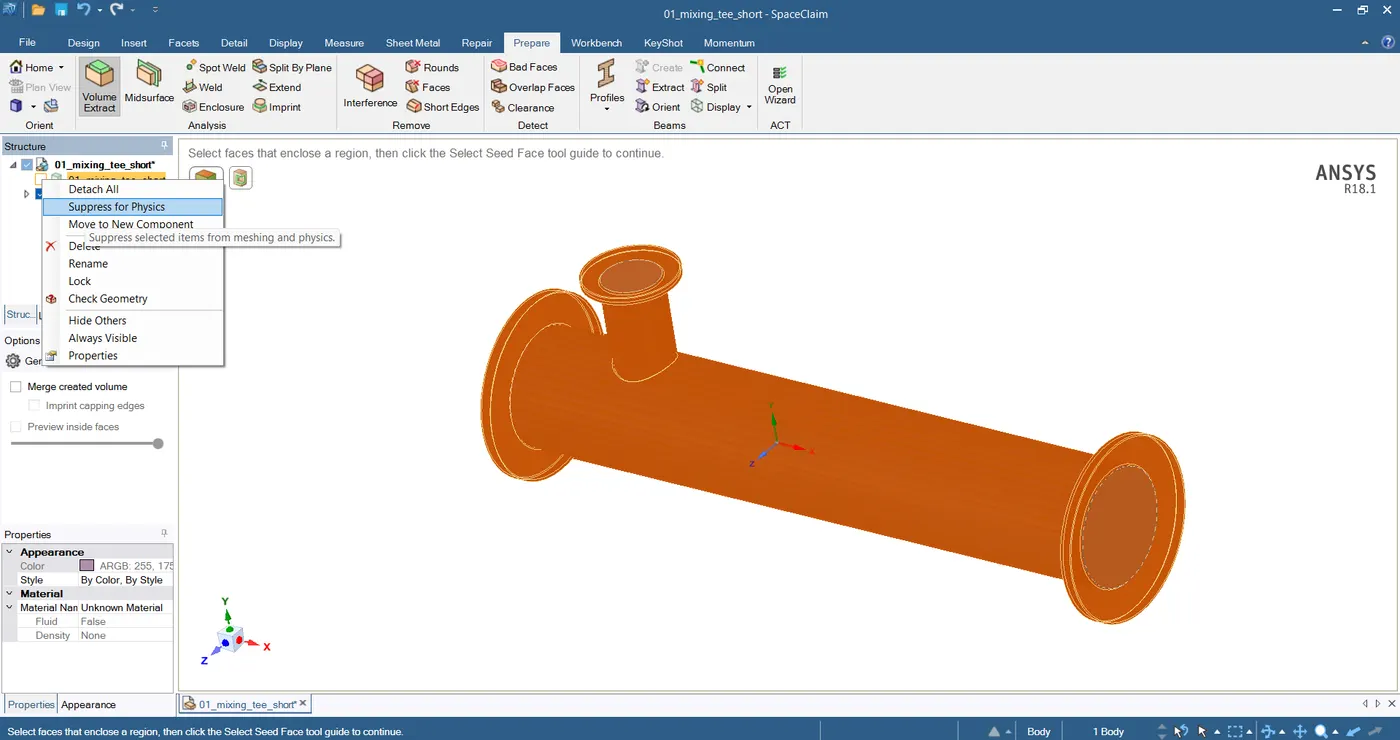
2. Open Spaceclaim and load the mixing tee
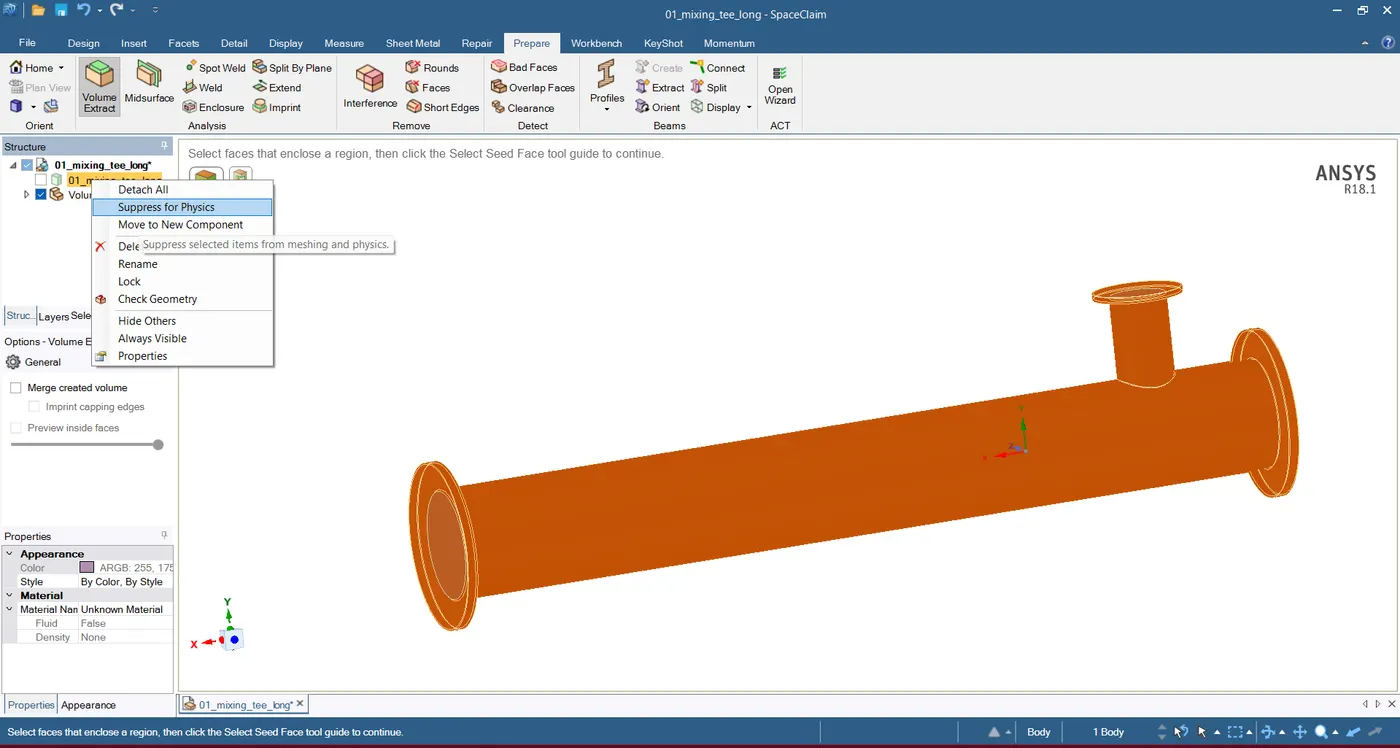
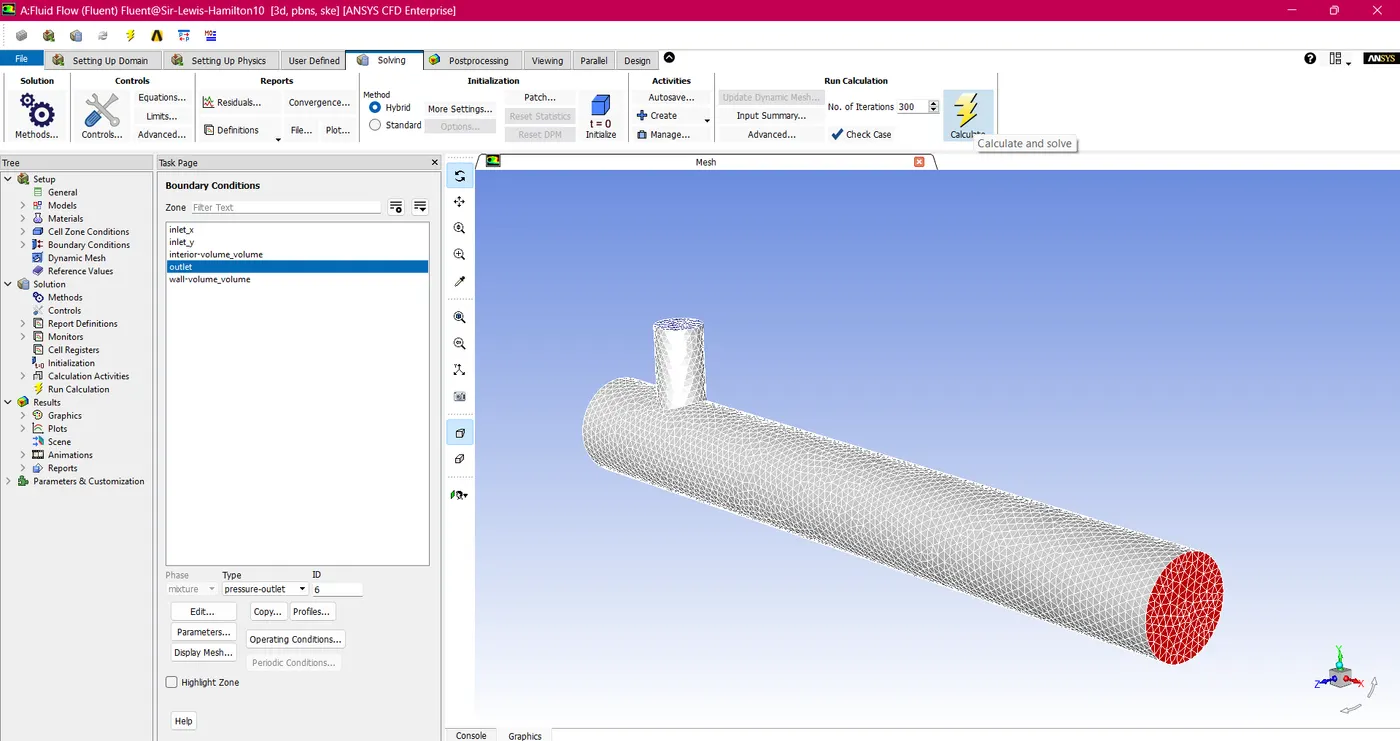
3. Extract the required volume and save.
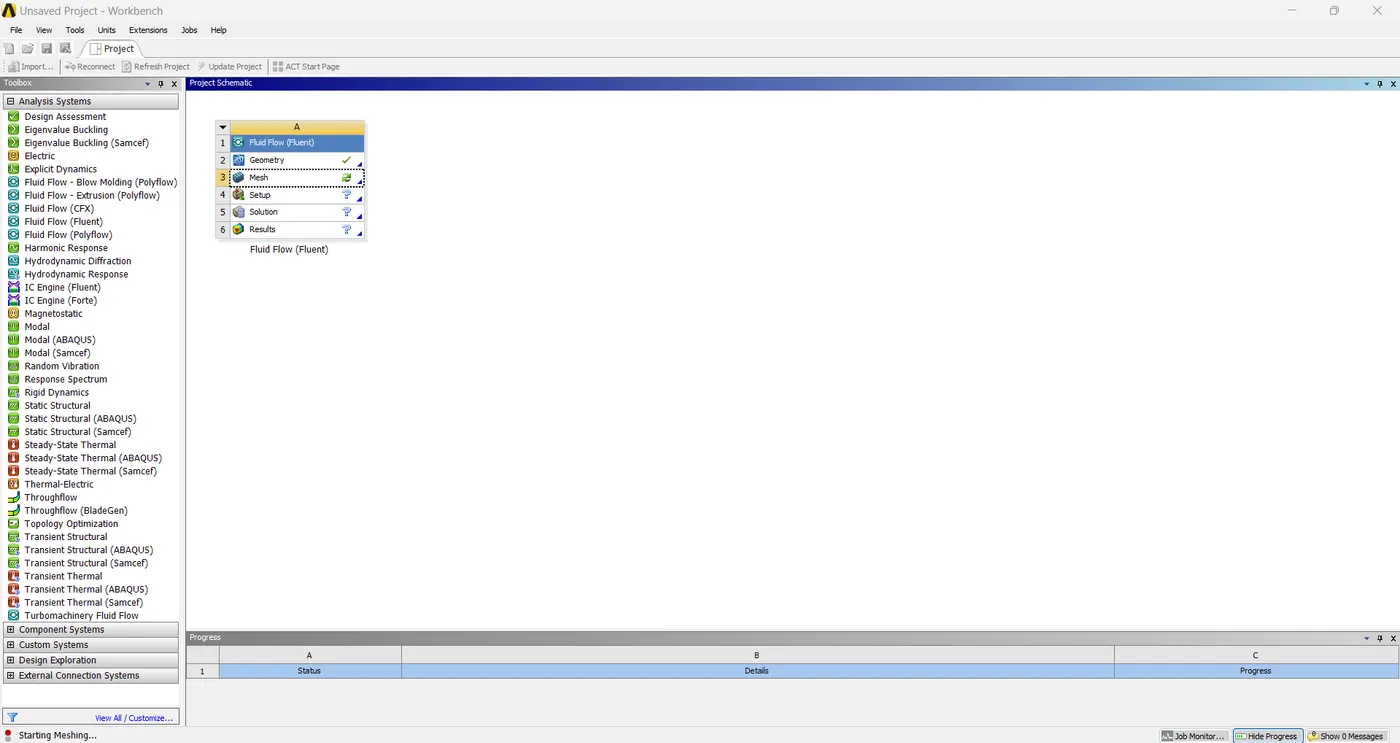
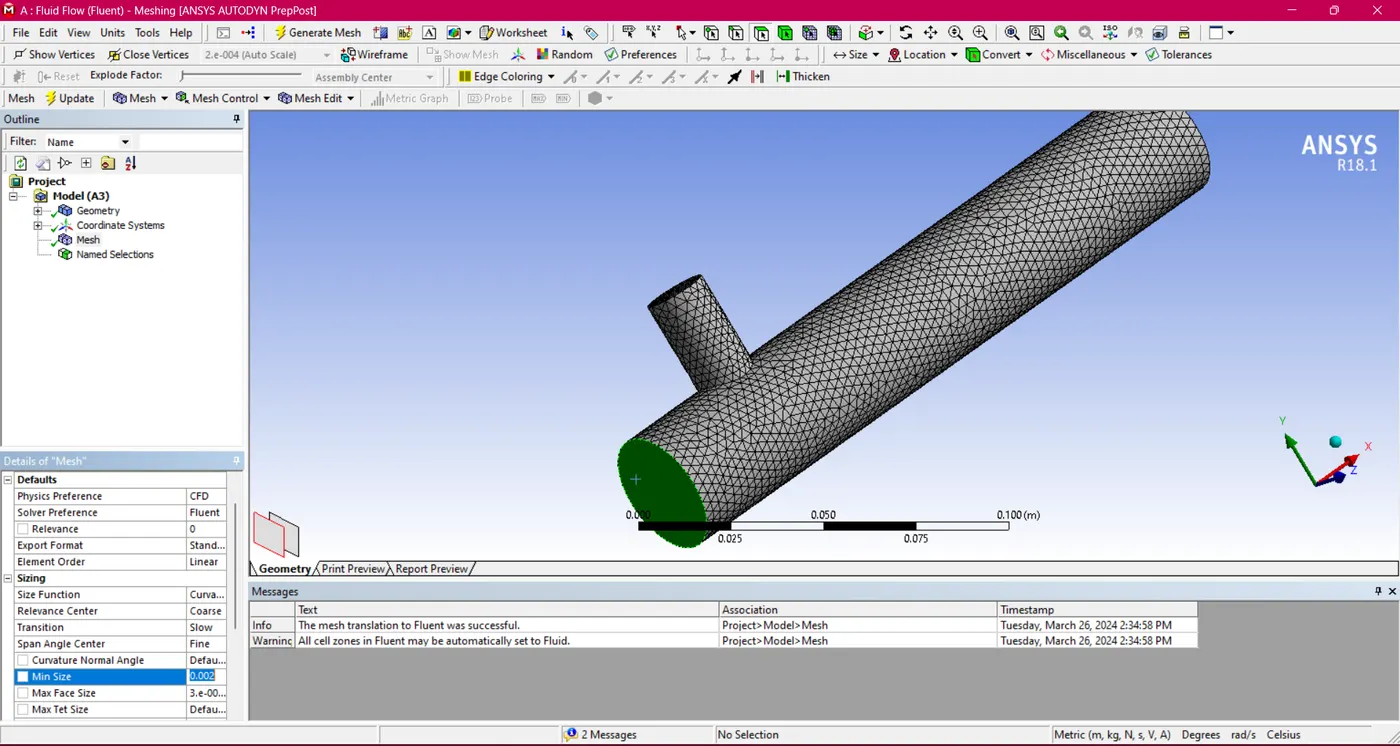
4. Now I'm workbench, open Mesh.
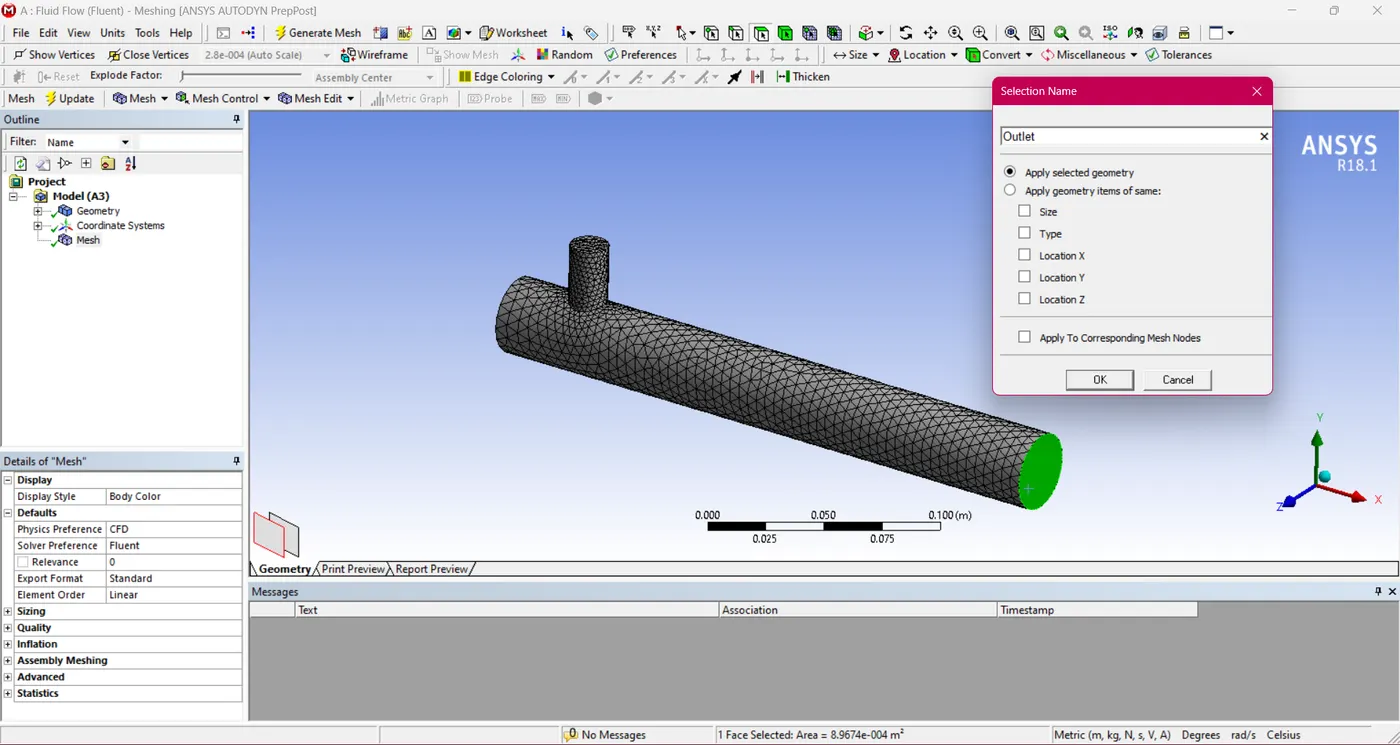
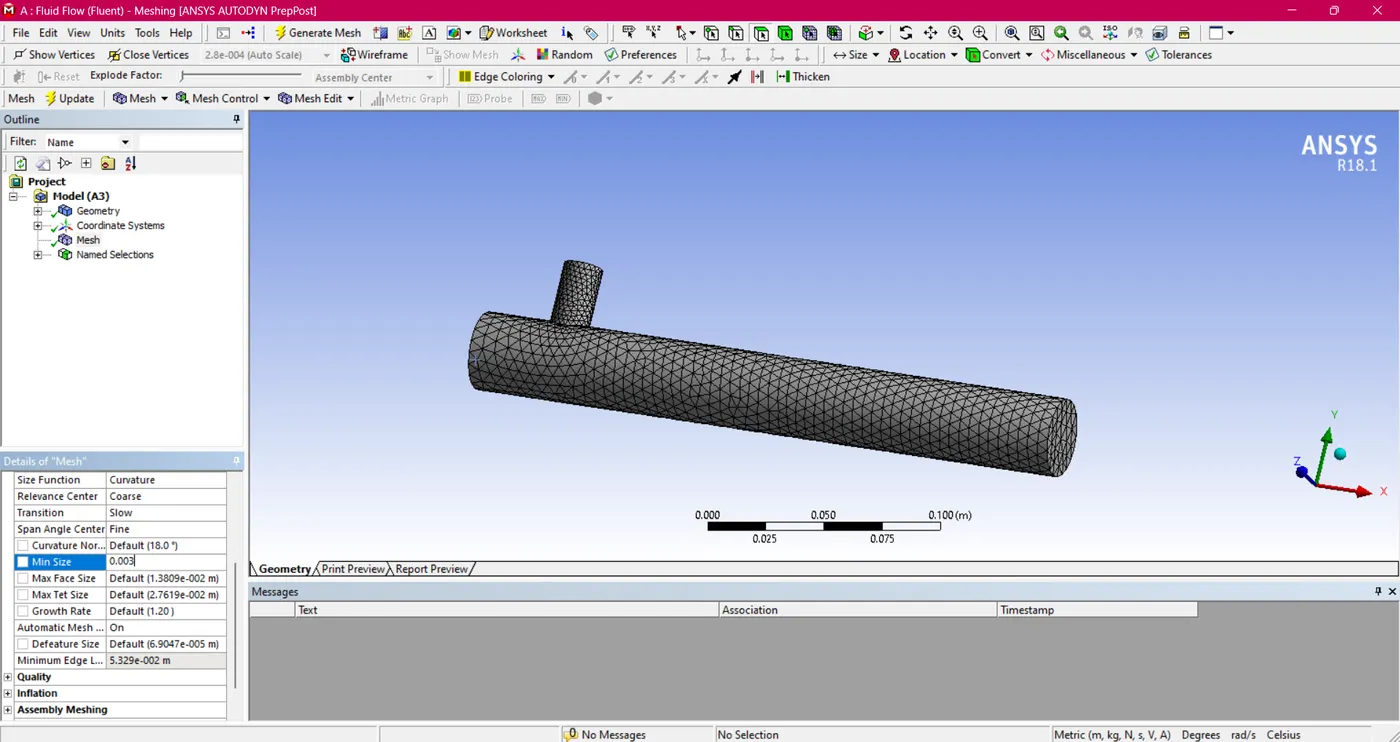
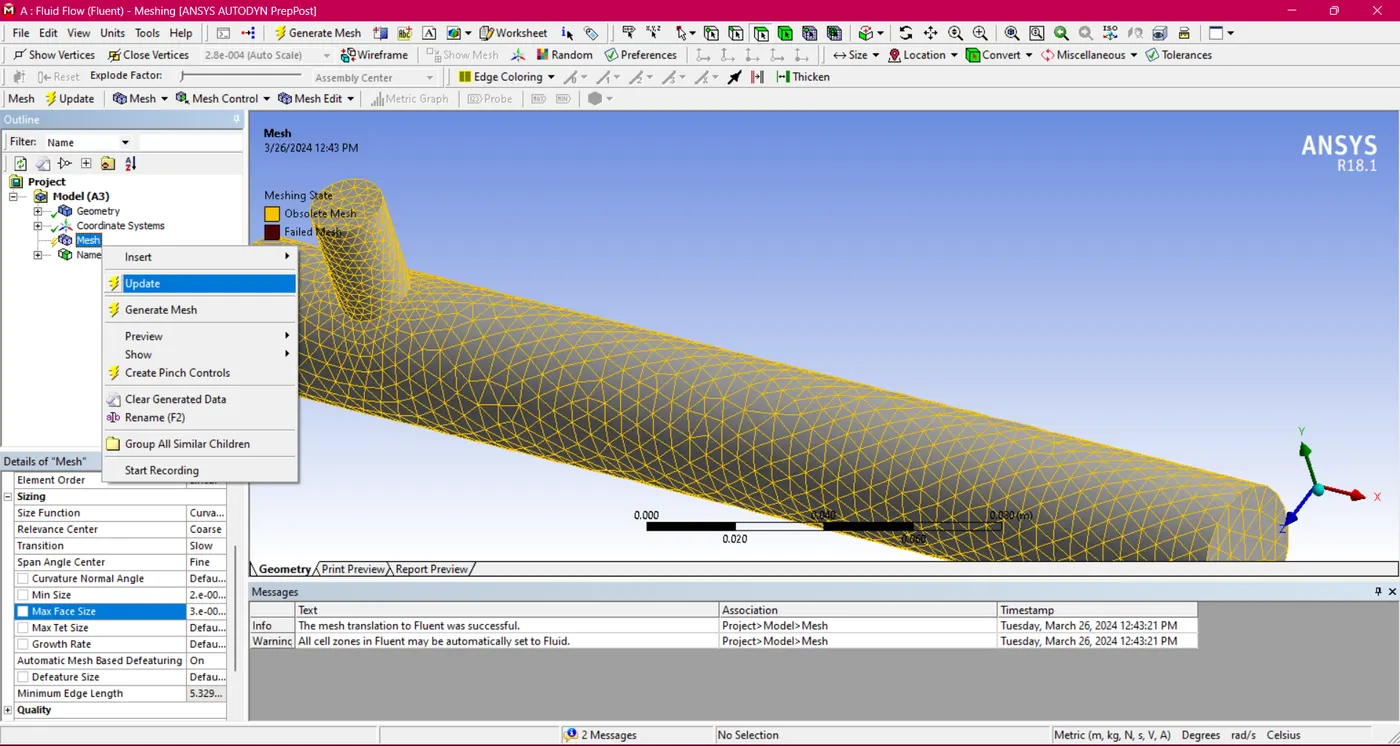
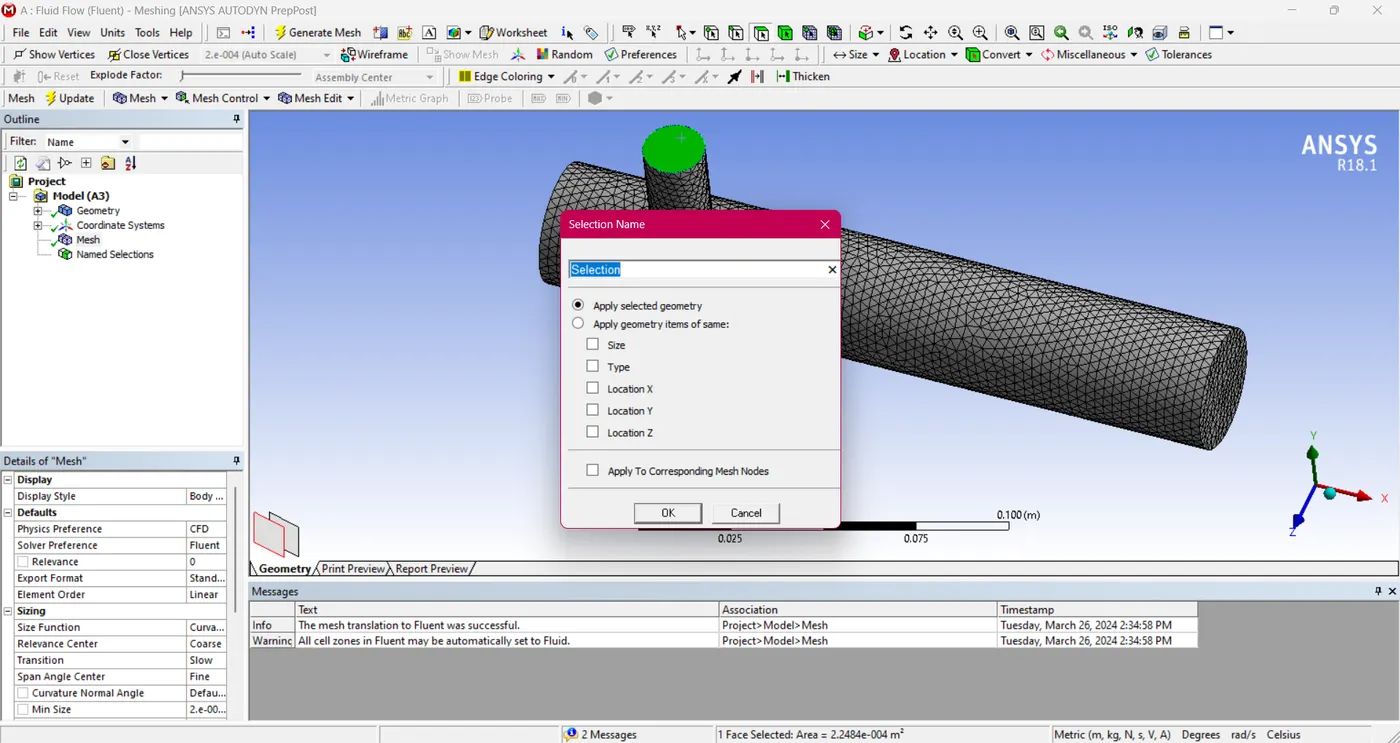
5. Name the Inlets and Outlets respectively and also adjust the mesh size according so as to get accurate results but not take too long to mesh.
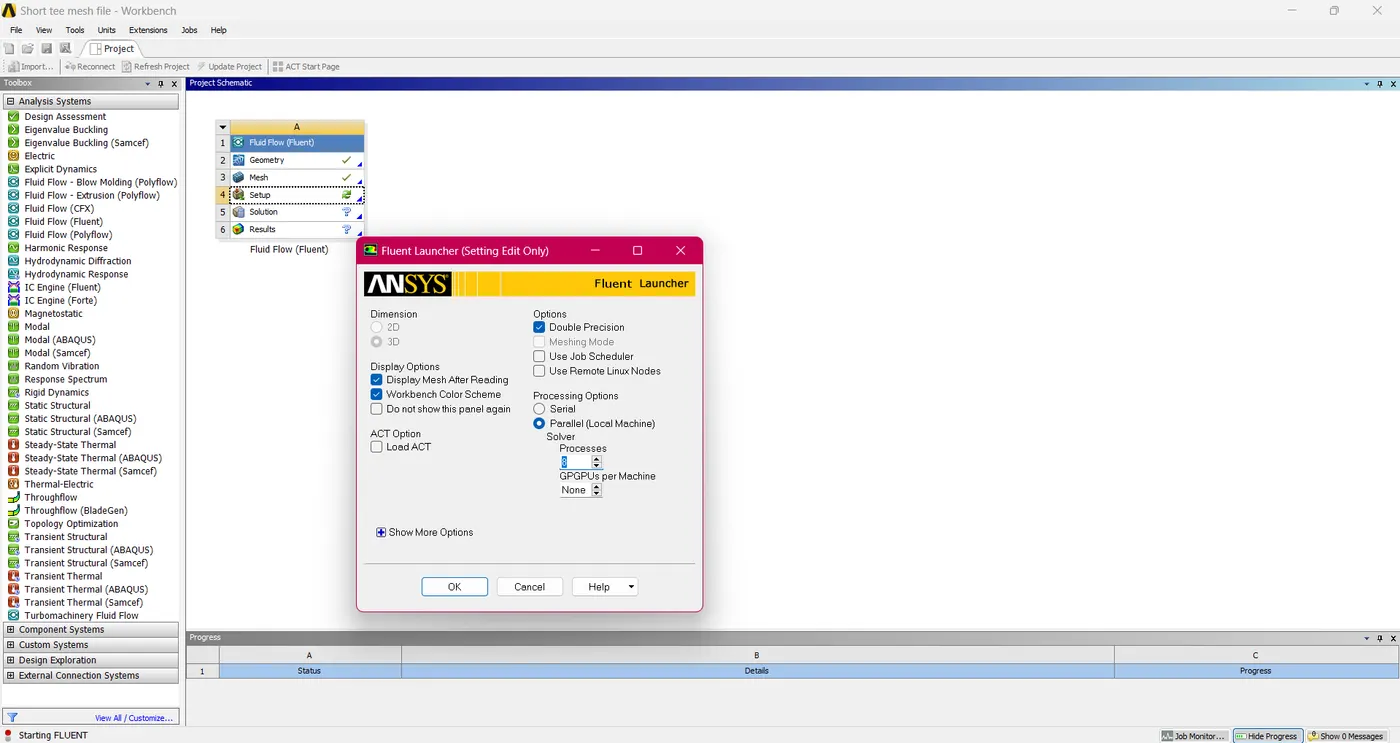
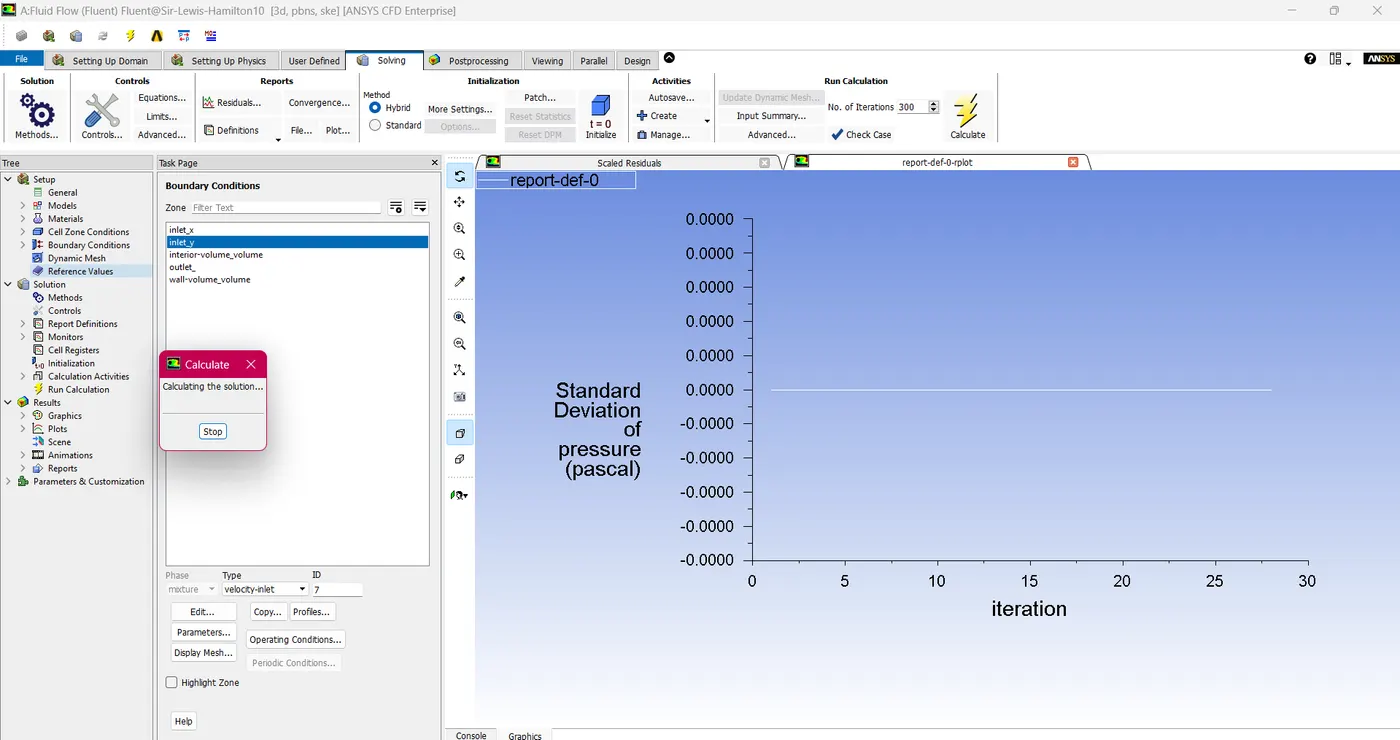
6. In the workbench, open up Ansys fluent.
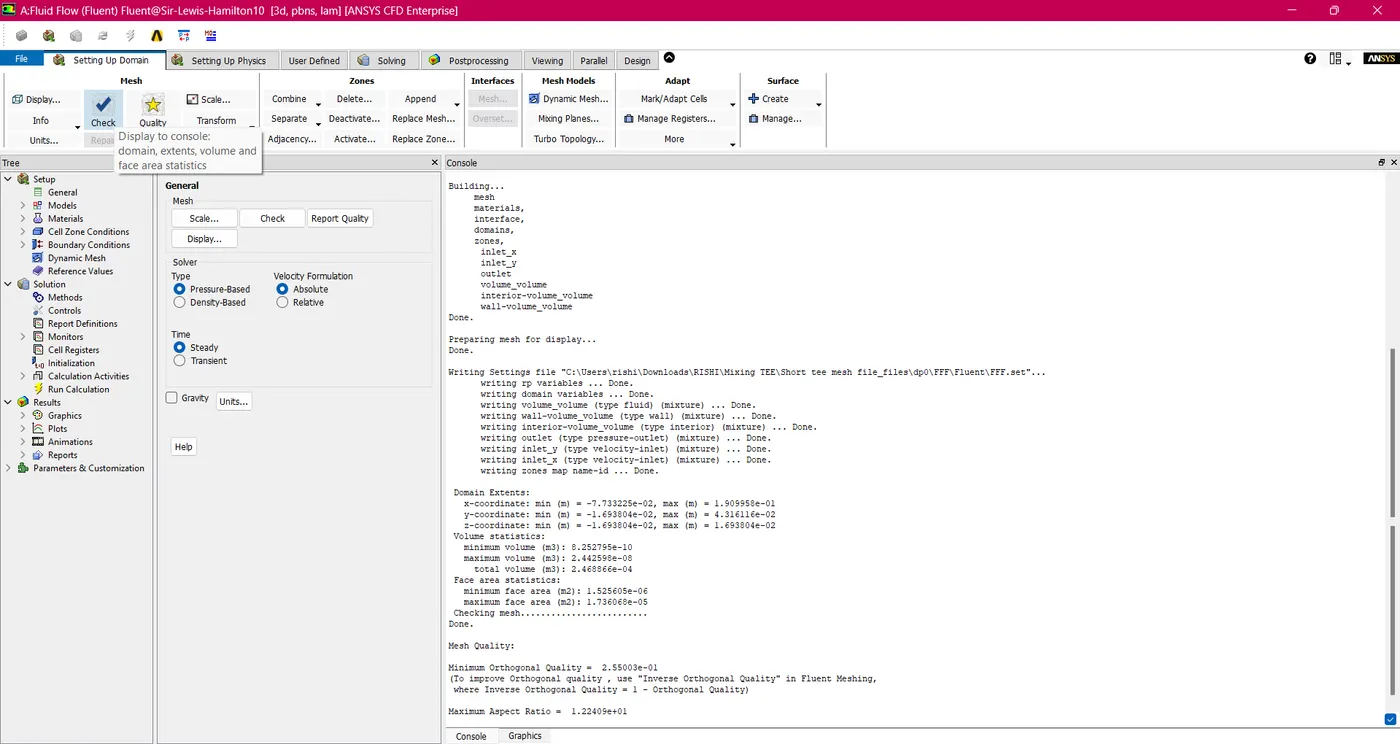
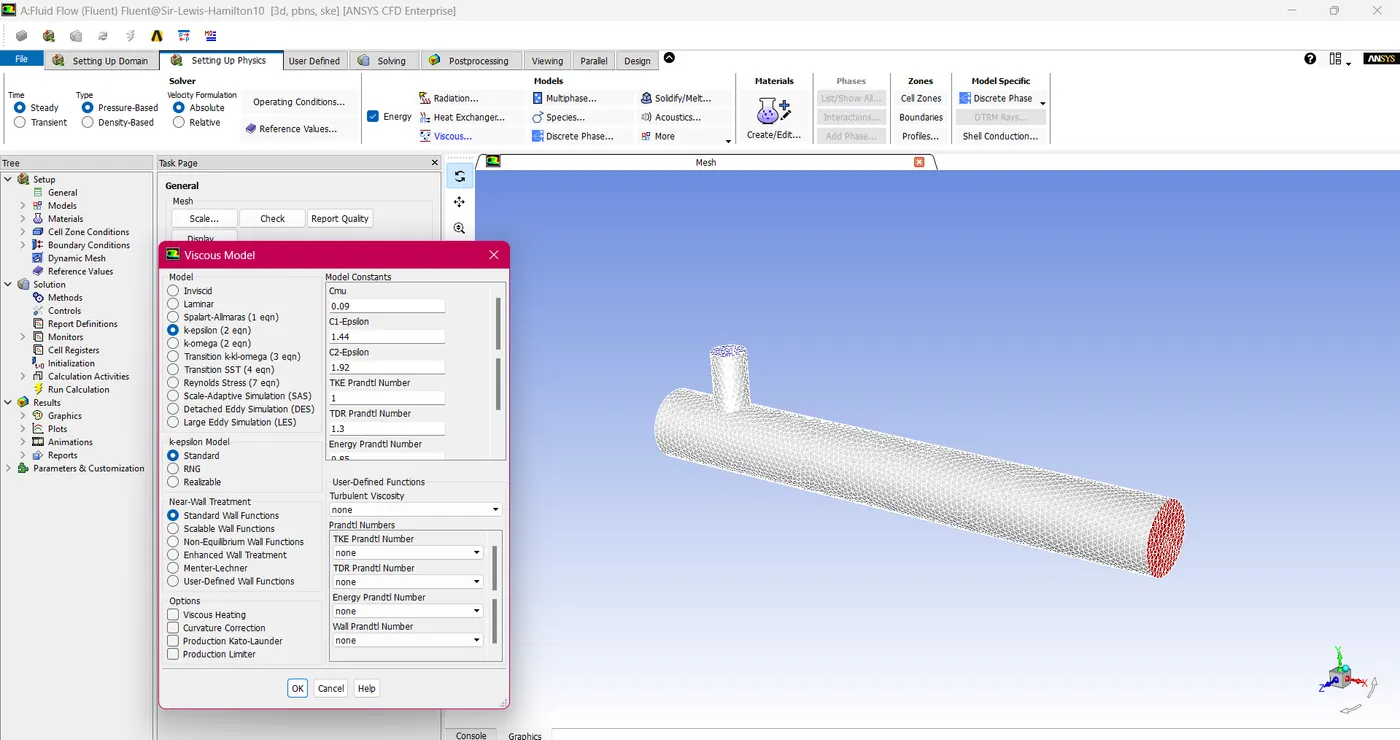
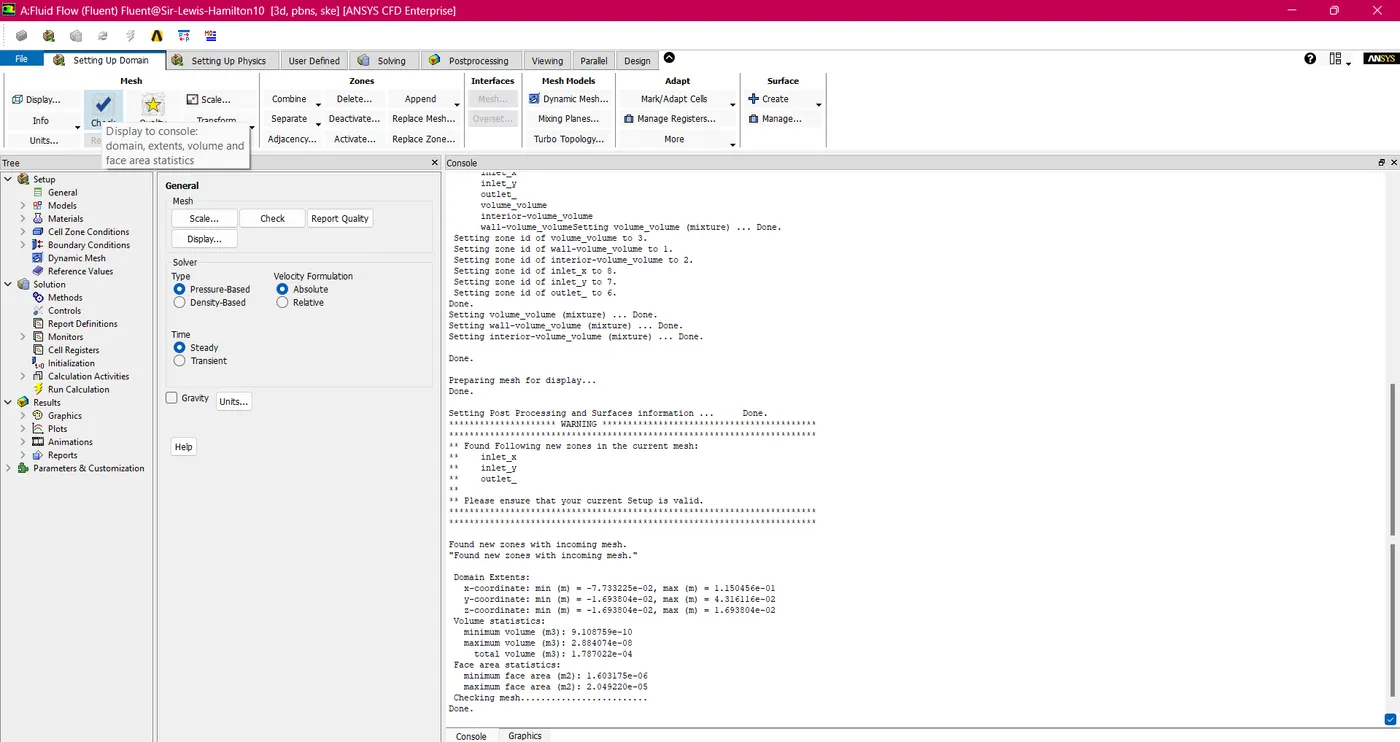
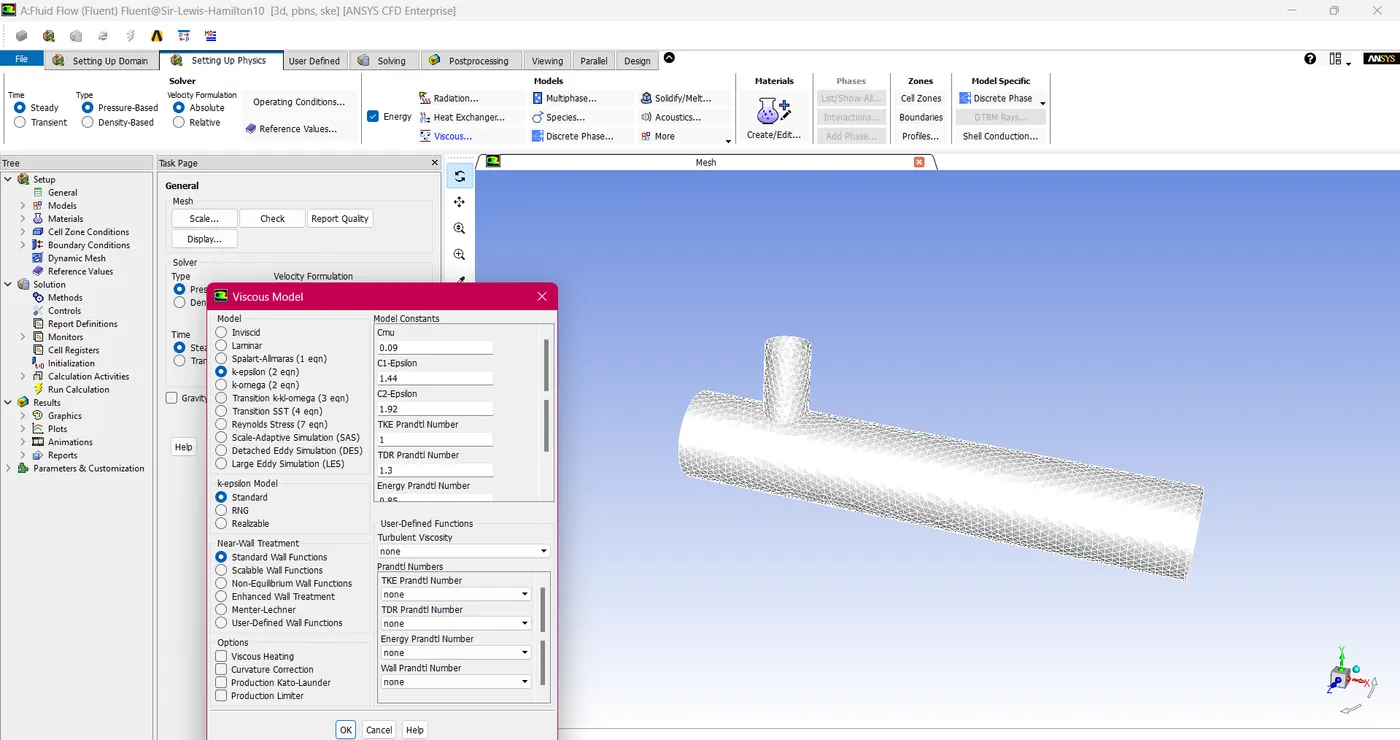
7. Check the quality of the mesh, proceed to set up the physics tab, and choose the type of flow in the solver. Select the energy equation and the k- epsilon / k - omega SST or realizable models depending on requirements and understanding.
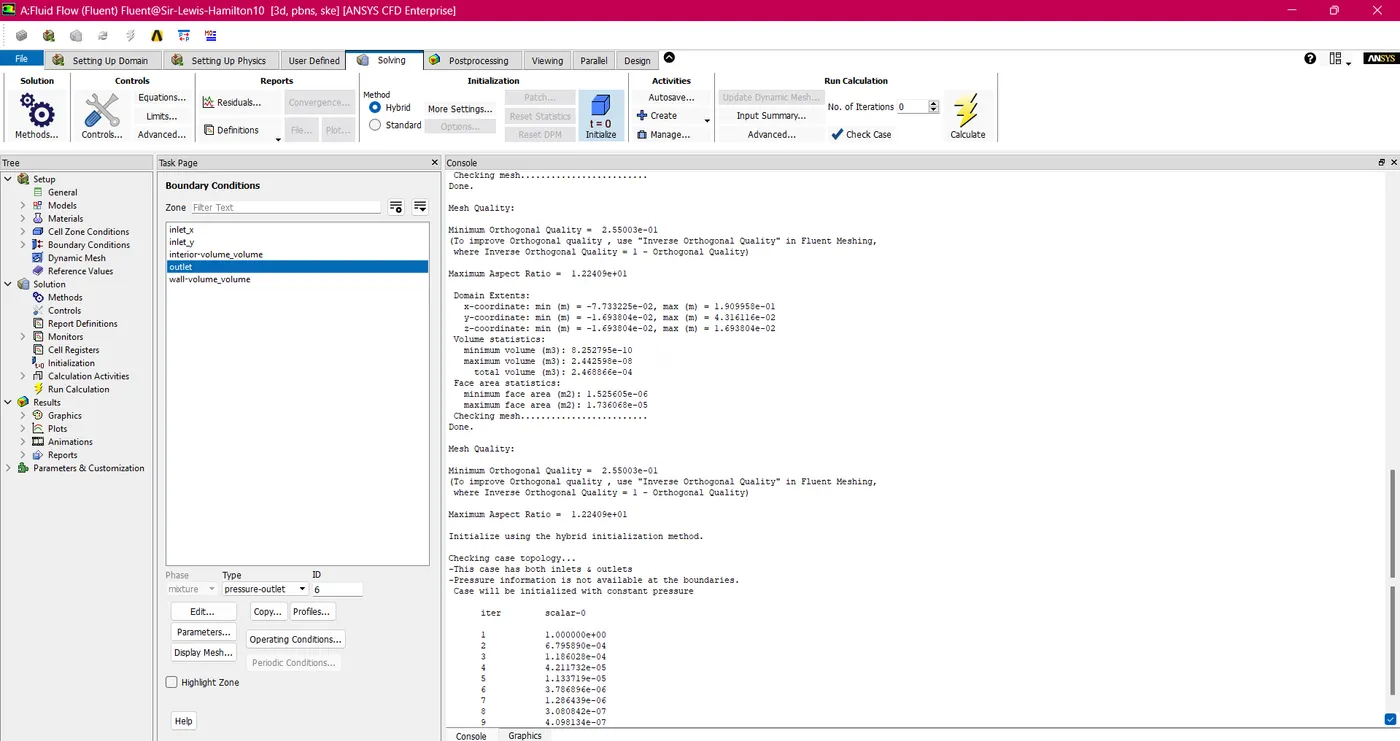
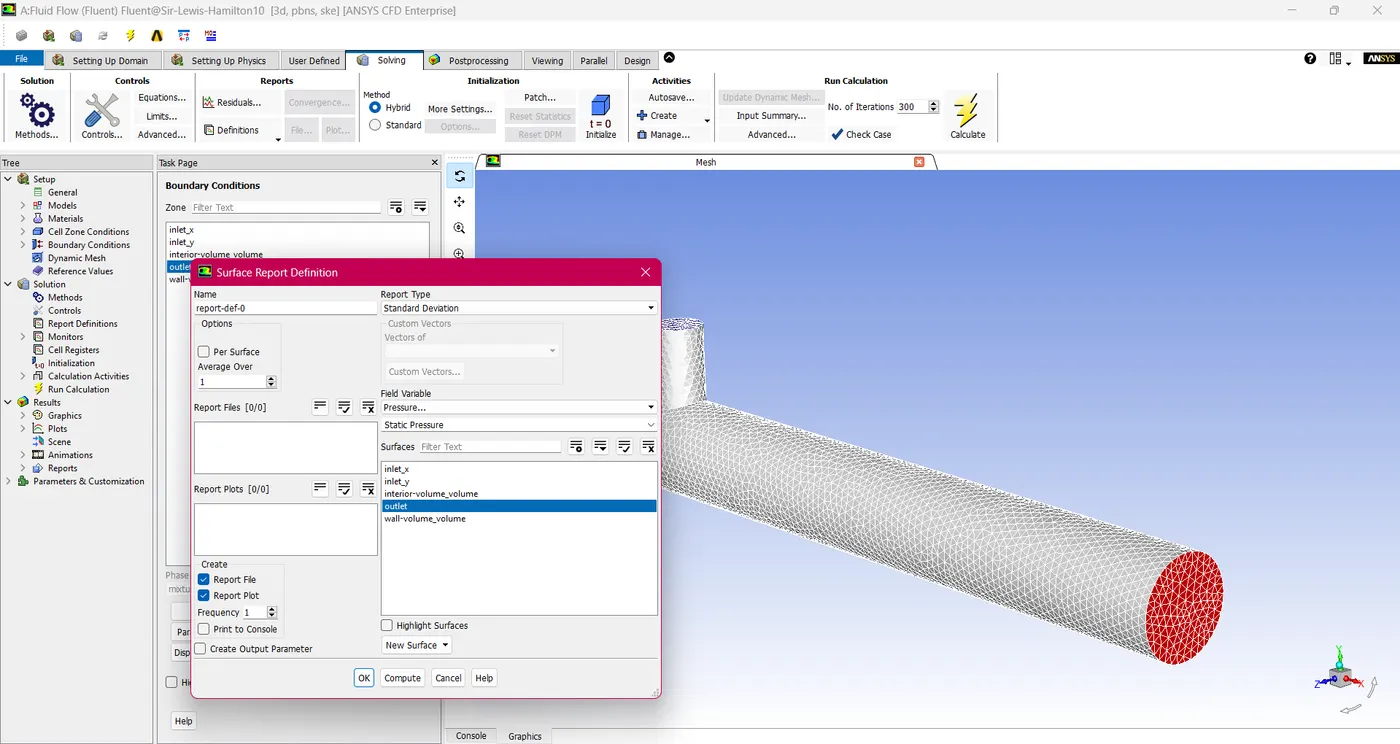
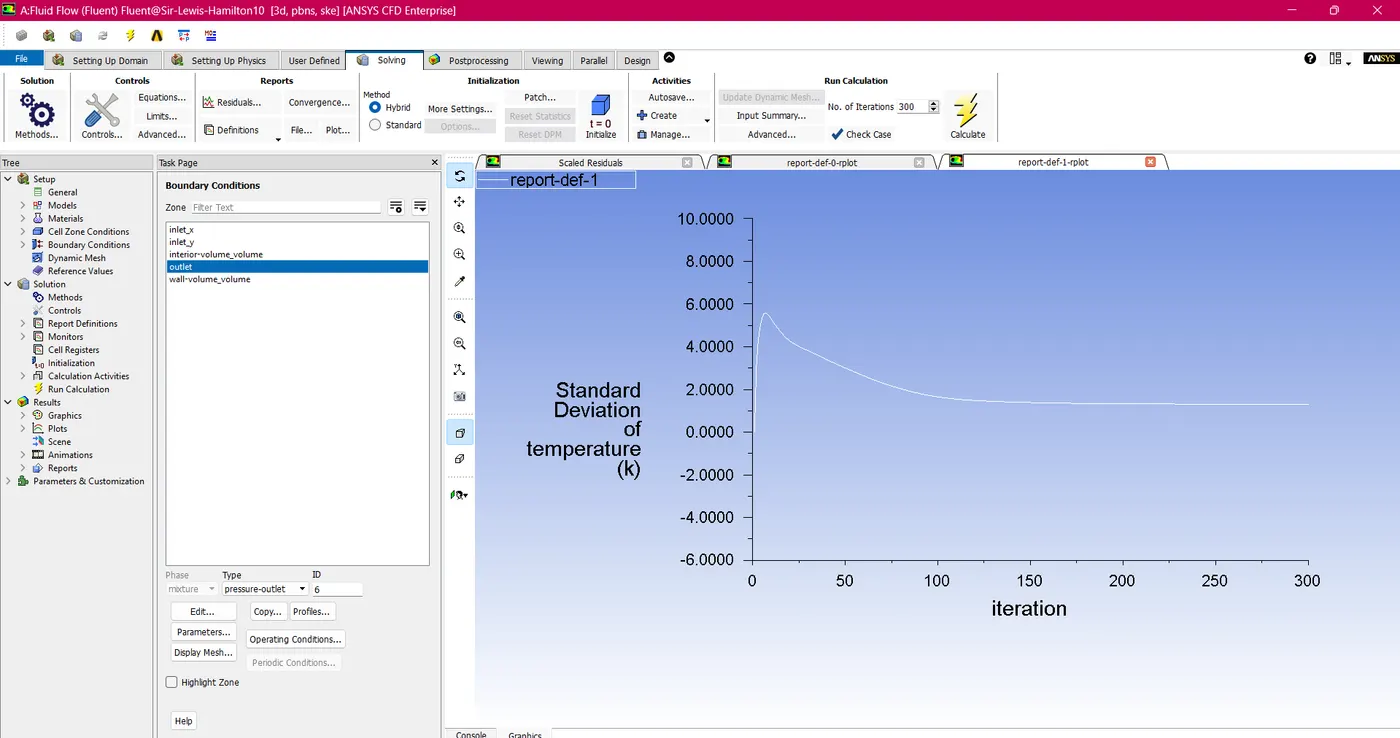
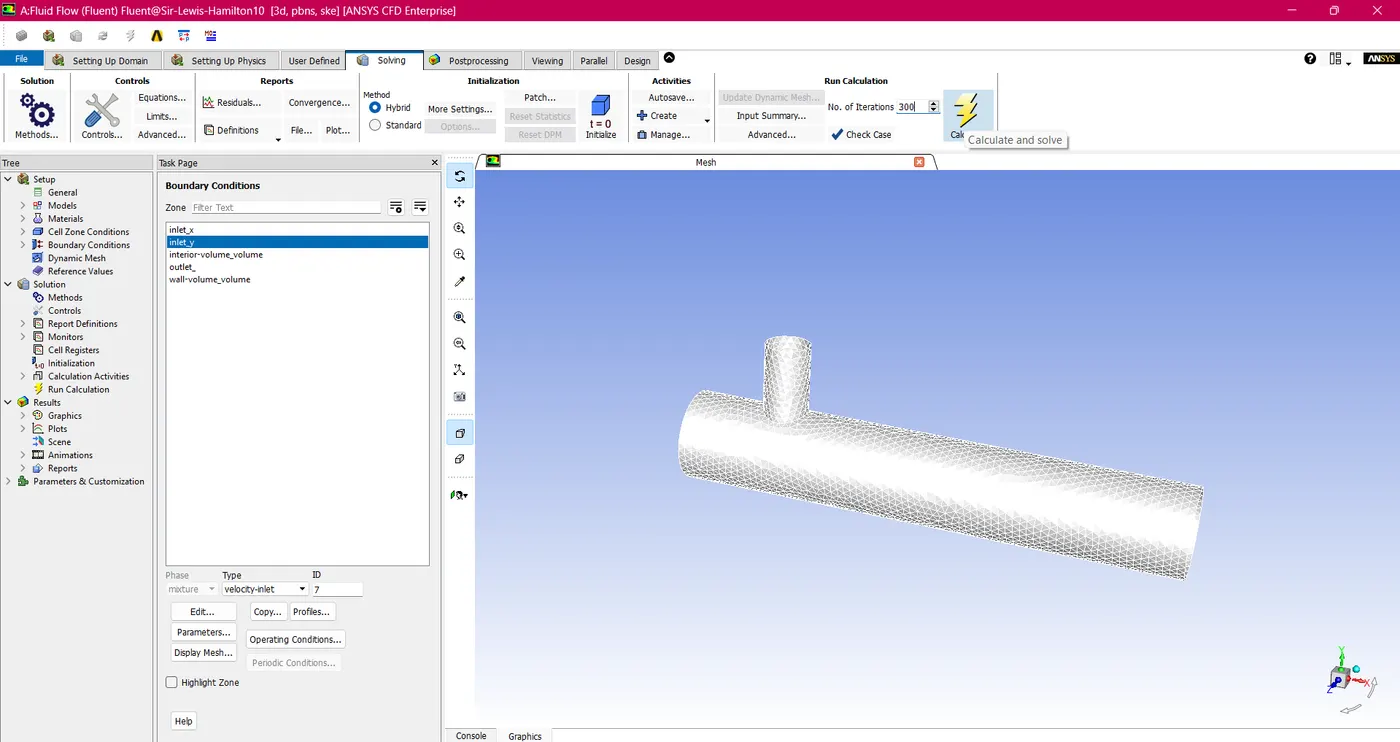
8. Initialize the solution in the solving tab and then calculate the results for x number of iterations depending on the achievement of standard deviation.
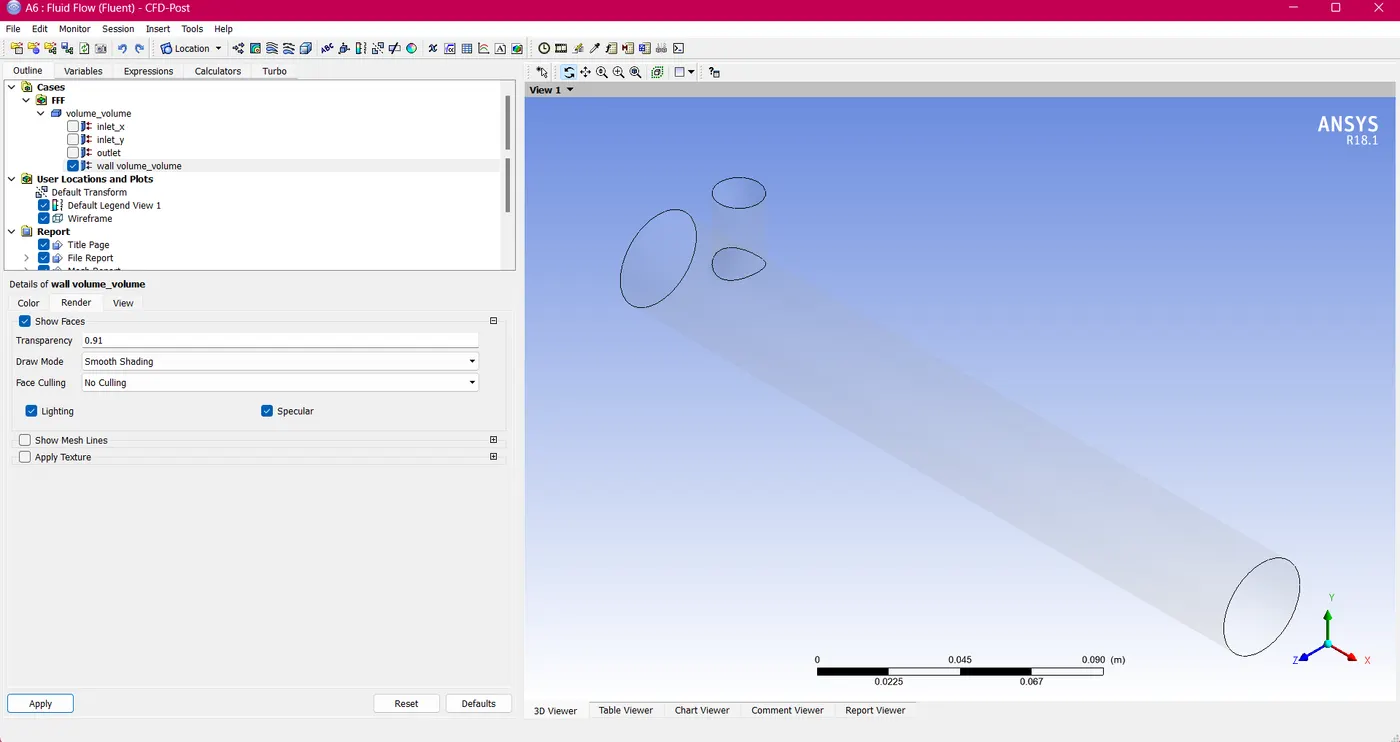
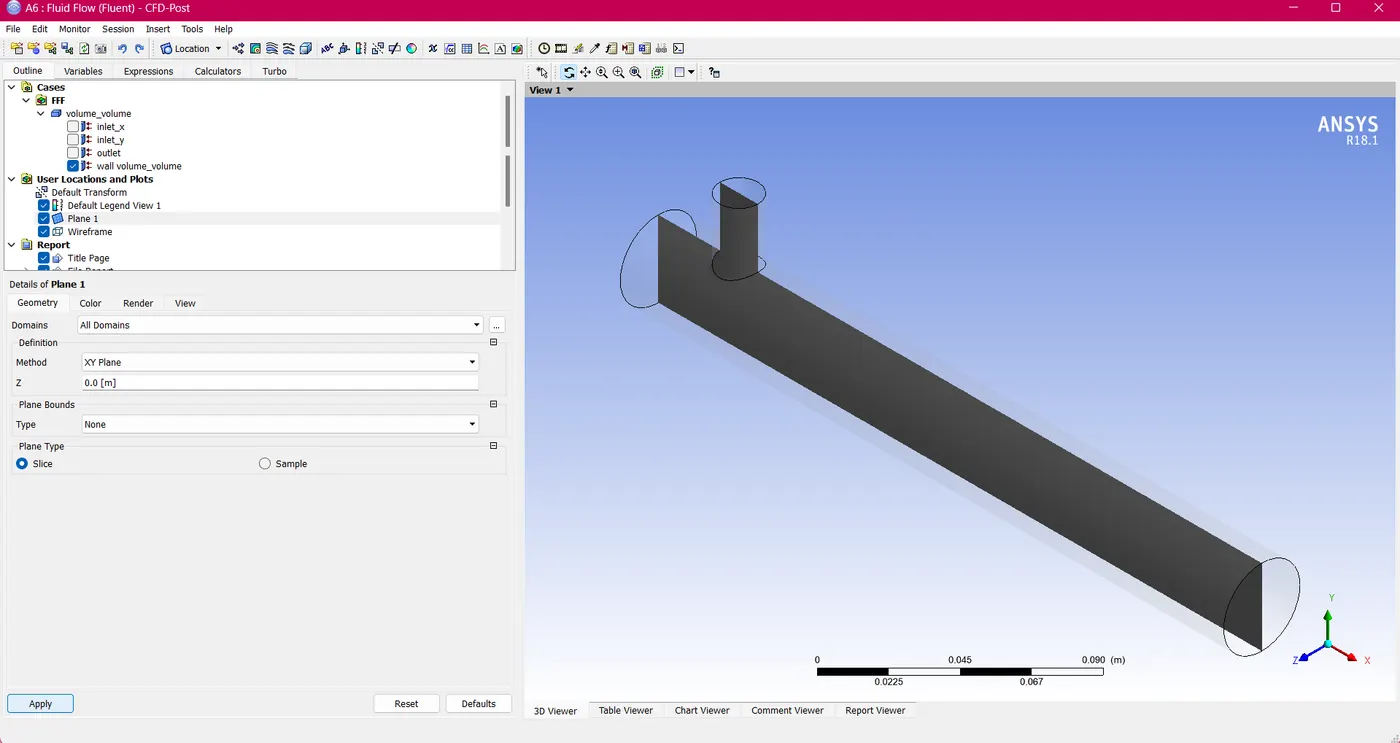
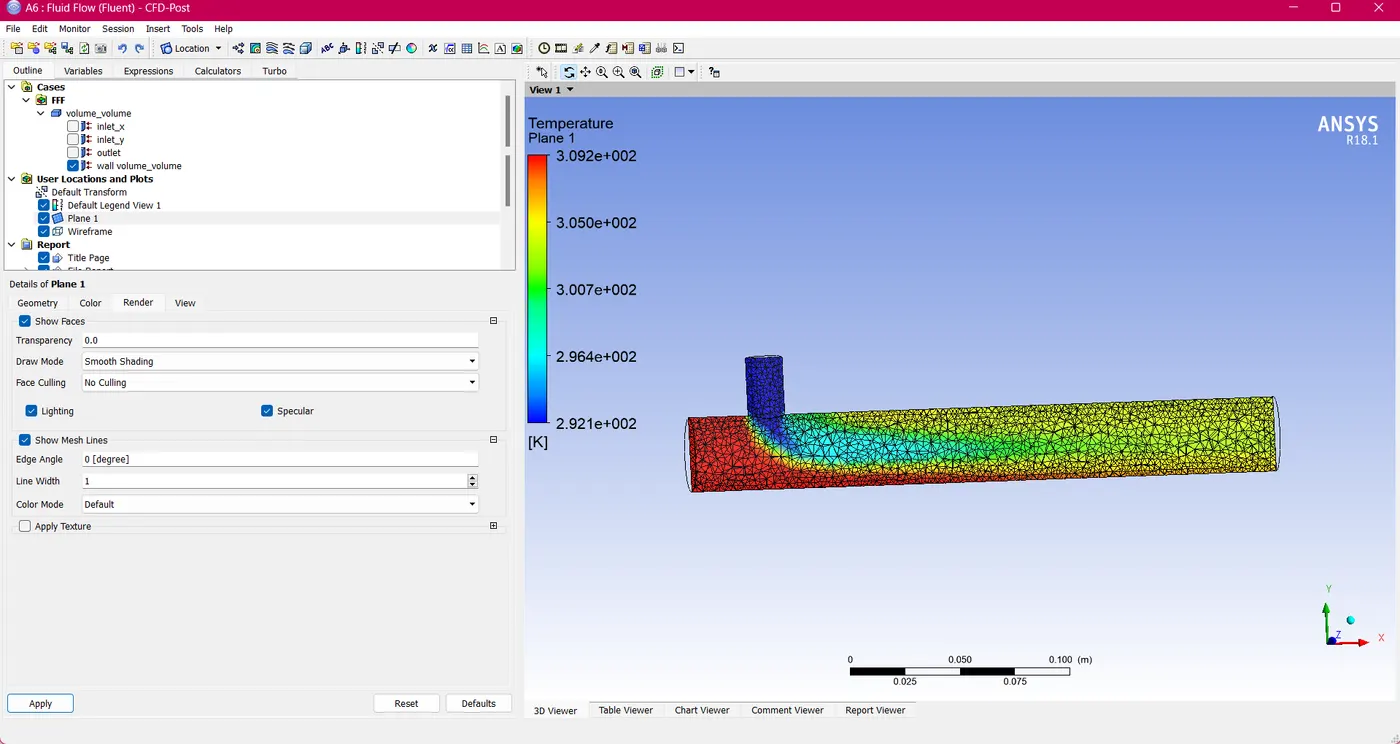
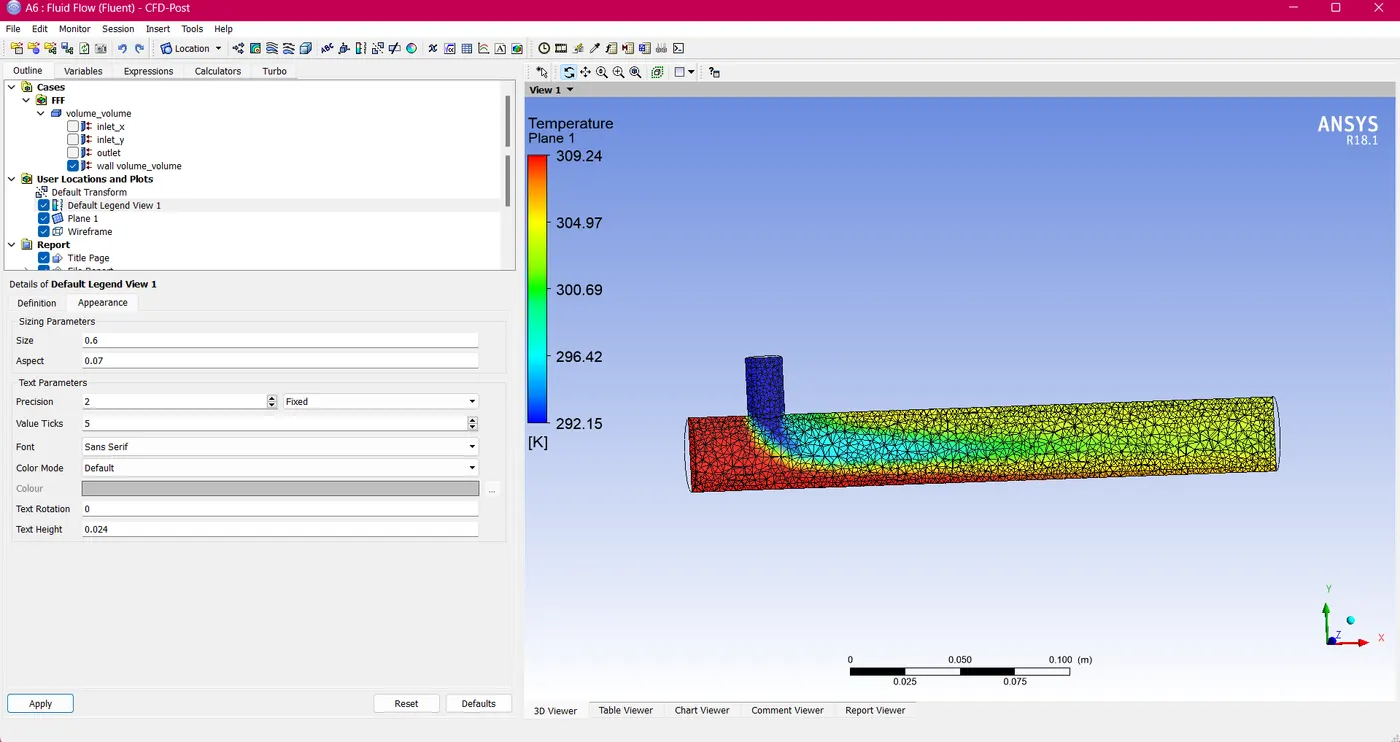
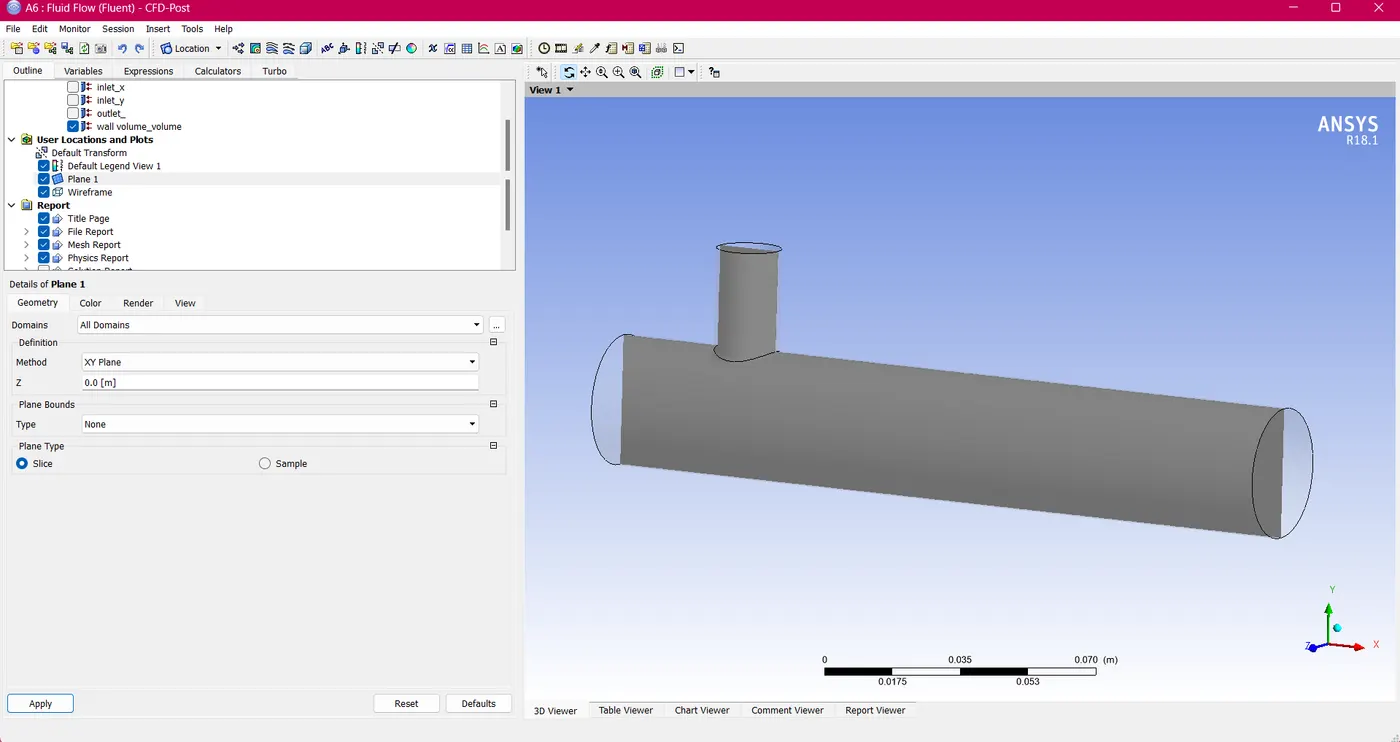
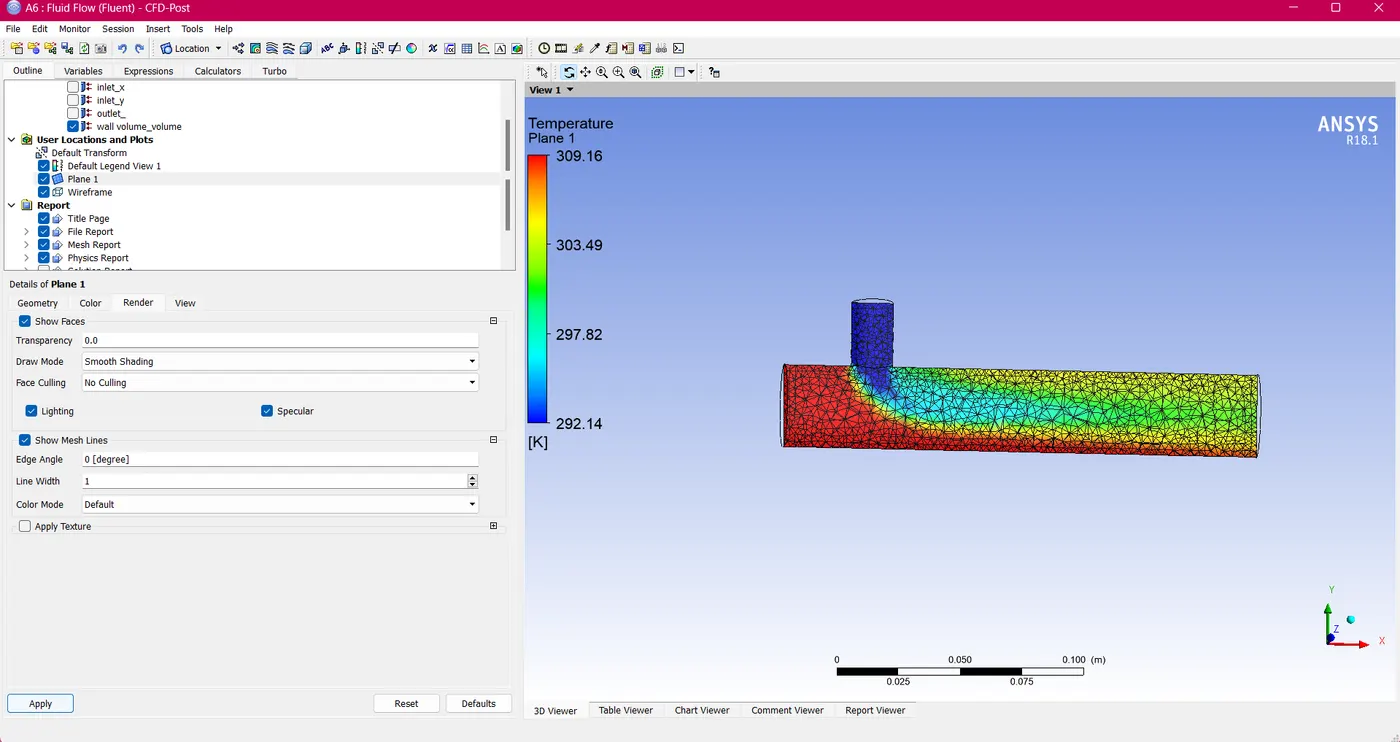
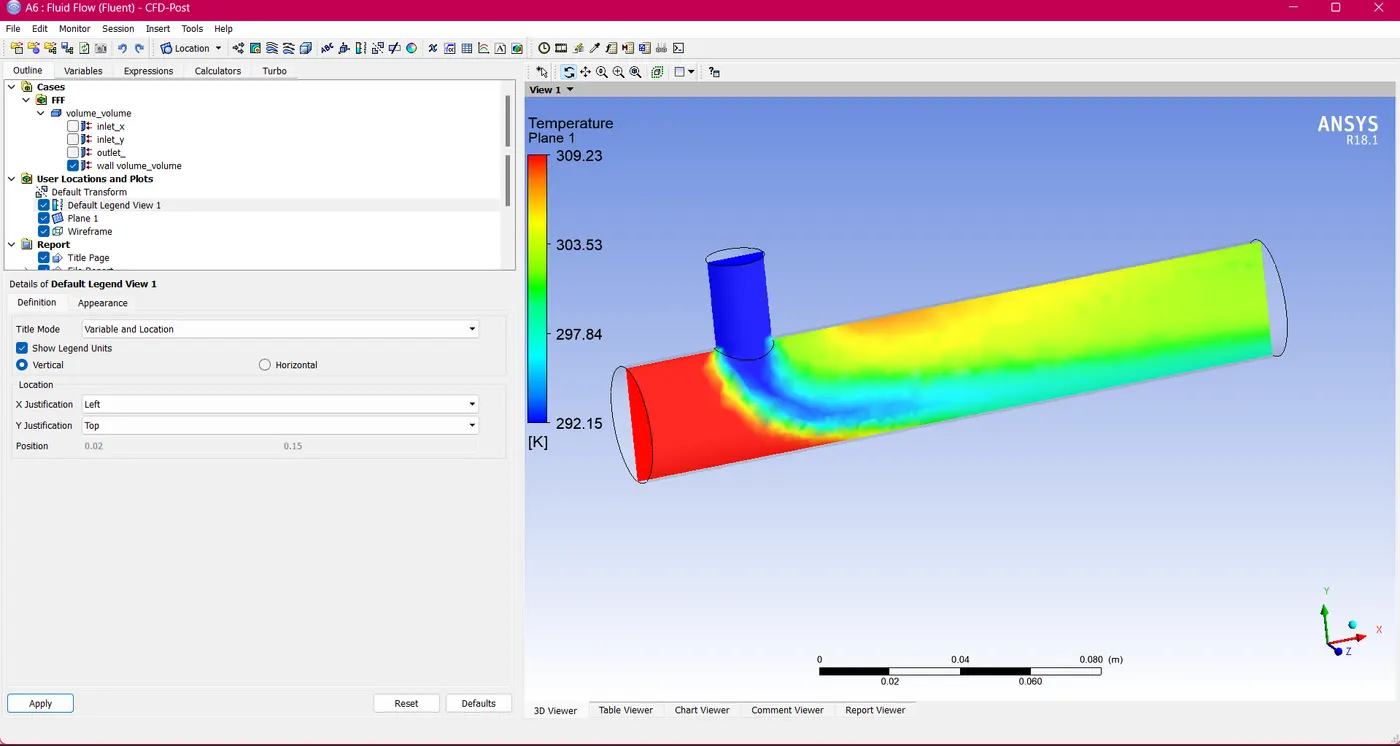
9. Open the CFD post from the workbench give the correct transparency and color to the wall and create and plane in the middle to be able to view the pressure and temperature changes throughout the mixing tee.
10. Save the project and follow the same steps for different models with different momentum ratios to understand which is more suitable for us and will give us the best results.
NOTE: The realizable model provides a better mixture or array of results. The rate of mixing and dispersion is better calculated in the realizable model. It can also be used to make up for a slightly degraded mesh quality when compared to the more stable SST model.
NOTE: The longer mixing tee provides more time for the mixture of the two fluids at different temperatures to take place, which results in a lesser standard deviation. The use of a momentum ratio of 4 instead of 2 in both mixing tees also obtained better results. The usage of the momentum ratio as 2 with the temperature difference provided to us resulted in uneven mixing towards the bottom of the mixing tee.
Thus, the realizable k epsilon model with the longer mixing tee and the momentum ratio of 4 provided the best results.
Step by step pictures of 2 cases :