Week 1- Mixing Tee
Aim- To find a proper model for simulation of mixing tree problem
Introduction- Mixing of hot and cold fluid is a common model used in most of the application, so we have to find a proper model who efficiently solve the problem by examine different conditions.
Theory of the topic
1. Optimum size of the meshing element
Target length selection- we have to select the target by taking into the consideration of following things-
a. Capture geometry properly
b. Computional resourse
c. Computional time
By taking into consideration of above points following are the optium target length.
2. Quality Criteria
– Skewness
(optimal cell size -cell size)/optimal cell size
Skewness with 0 is best and 1 is worst
maximum skewness < 0.9
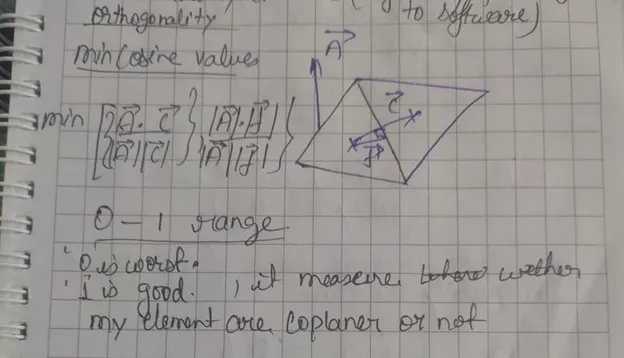
– Orthogonal Quality
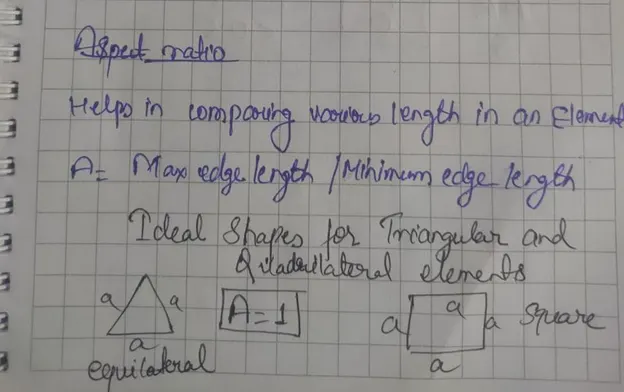
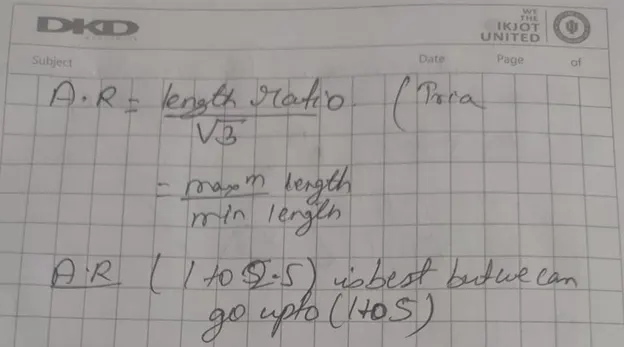
– Aspect Ratio
Solving & Modelling Approach
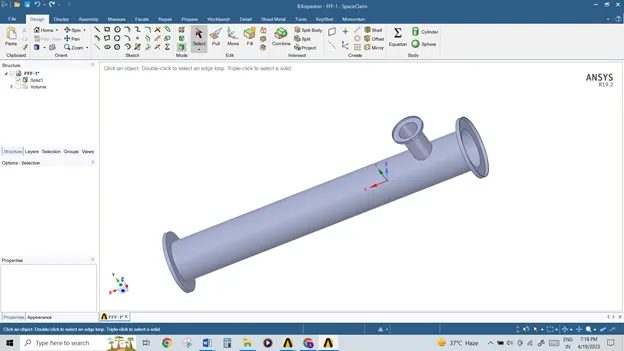
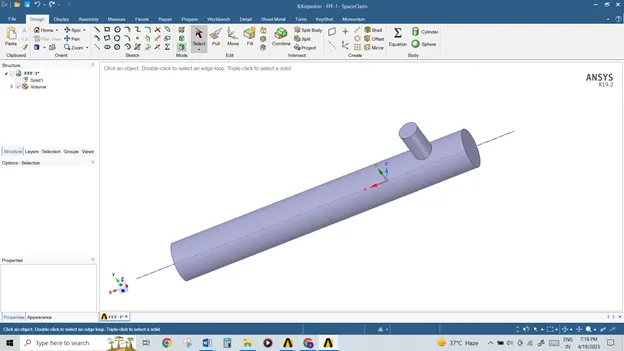
First open the geometry in space claim and create a required volume for the flow
Meshing
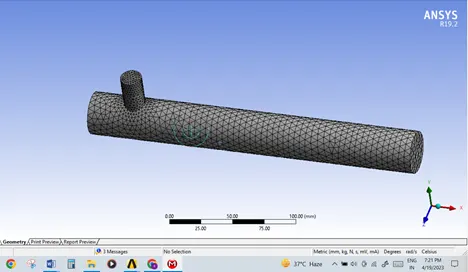
Meshing the model with element size of 5mm
Set up
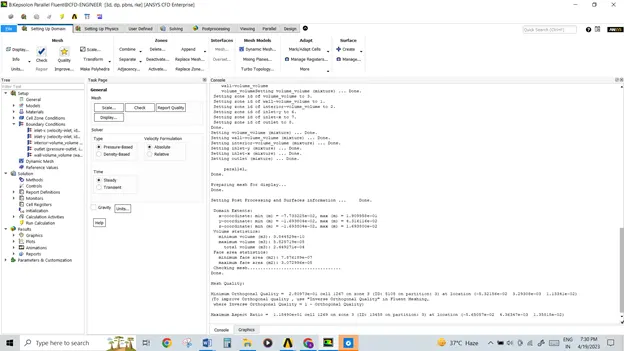
checking the model is correctly meshed
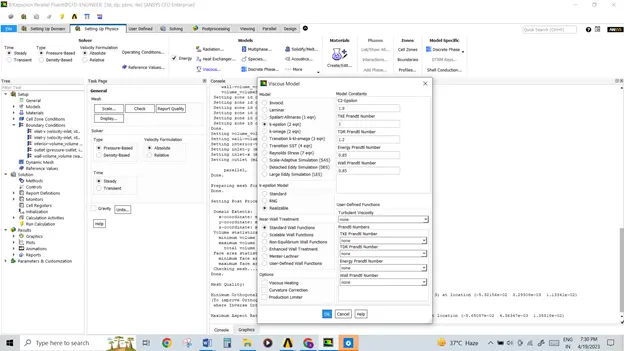
Viscous model
Applying Boundary conditions
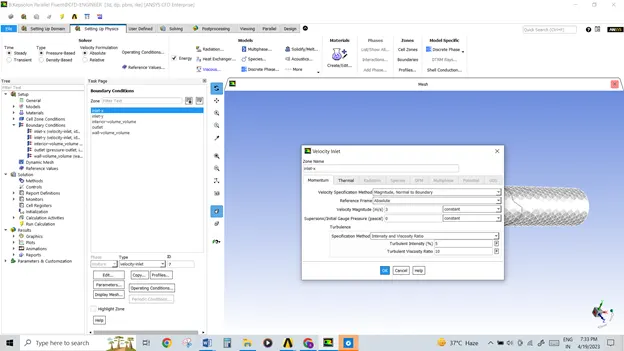
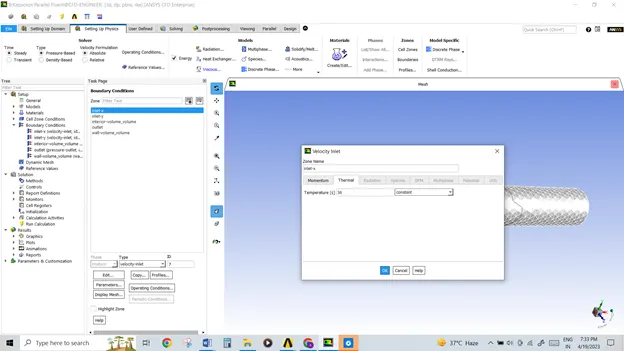
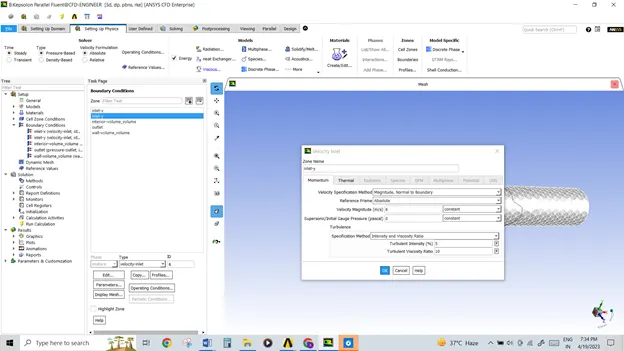
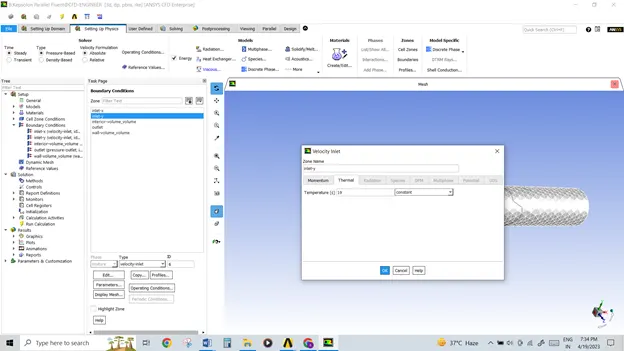
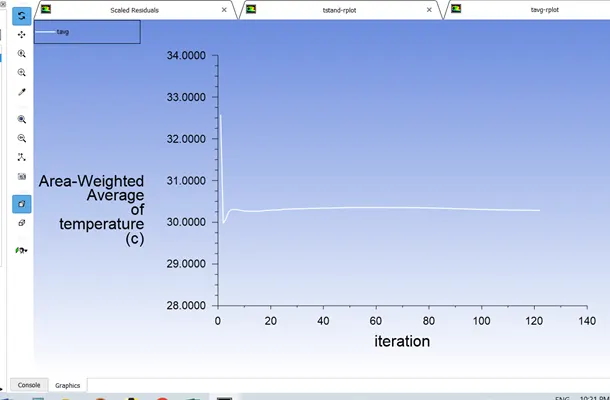
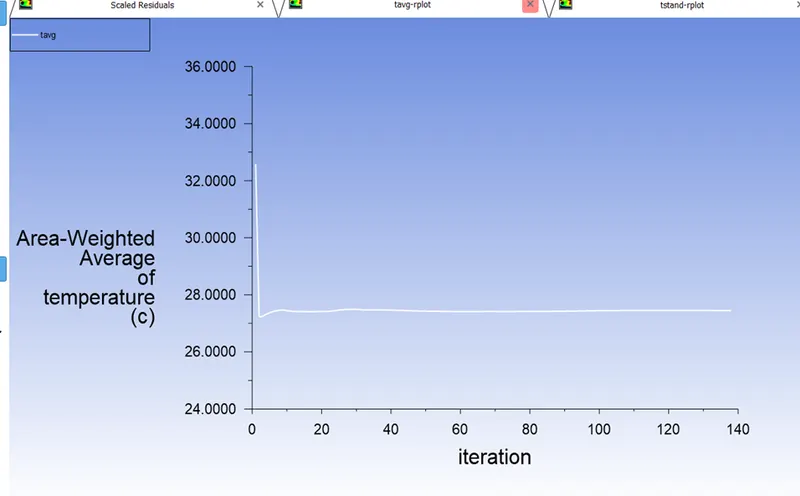
Now initiate the solution then run the calculation for 600 number of iteration
But our solution converged after 150 iterations.
Results
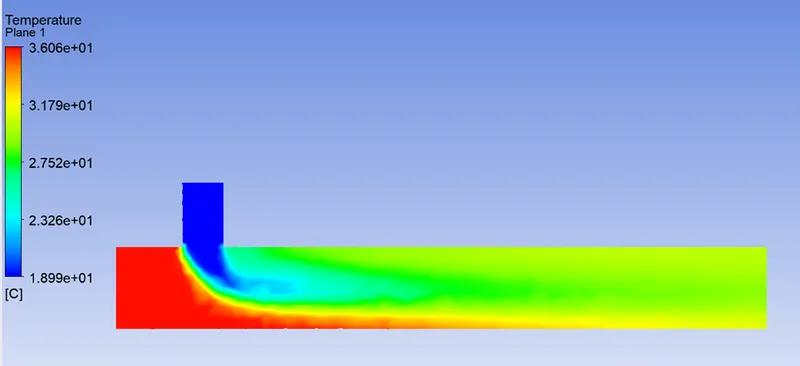
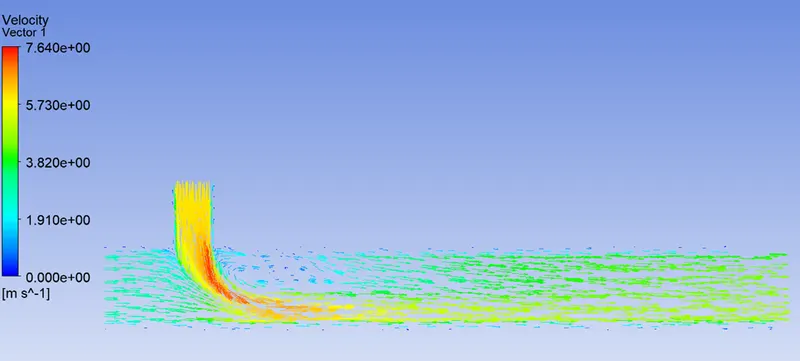
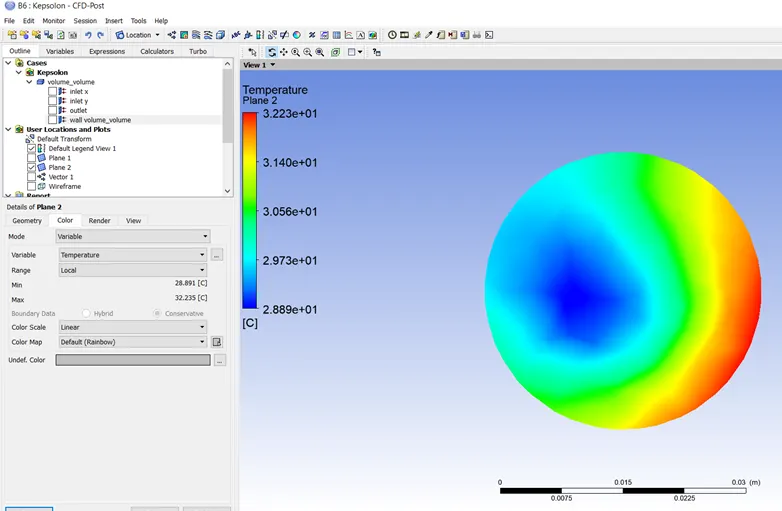
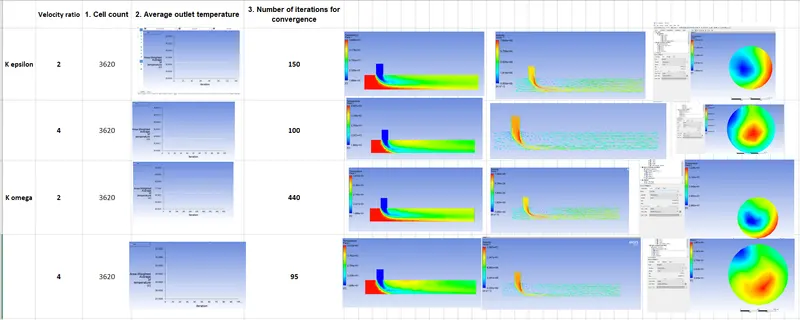
After comparing with different condition we can conclude that
If the velocity of the incoming fluid increases then we get better mixing also increasing the length of pipe is not affecting much to the outlet temperature.
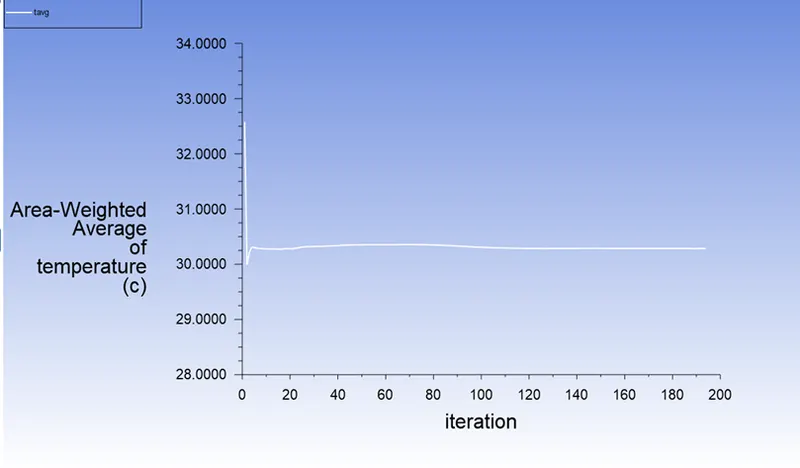
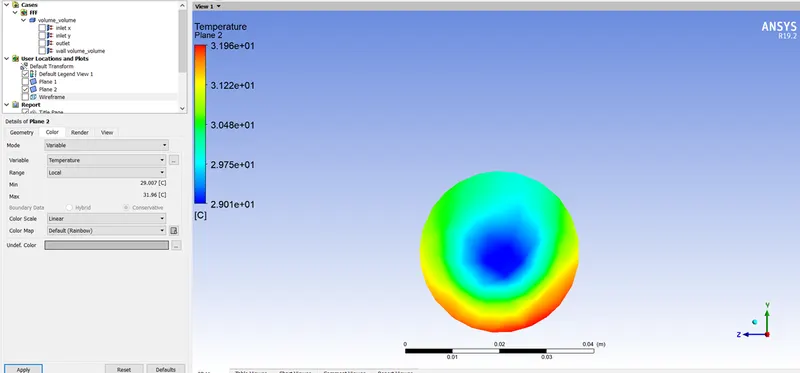
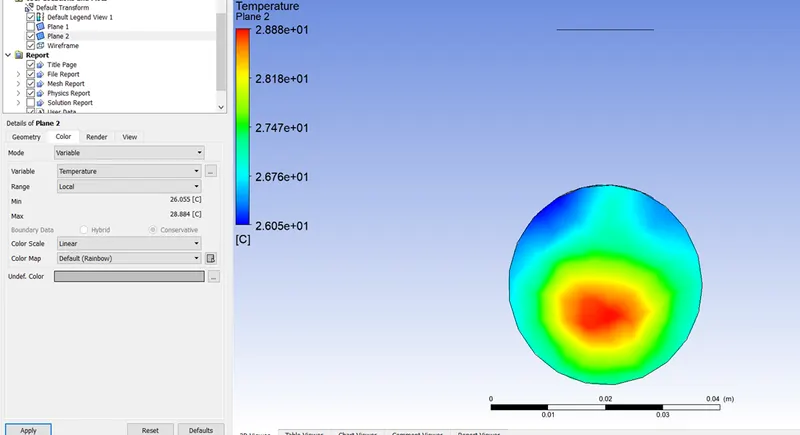
Theoretically we want outlet temperature for velocity ratio of 2 is 30.33'C and we are getting value between 28 to 32'C and for velocity ratio of 4 the theoretical outlet temperature is 27.36'C and we are getting value between 26 to 28'C it means our meshing is good and our results validate with theoretical value.
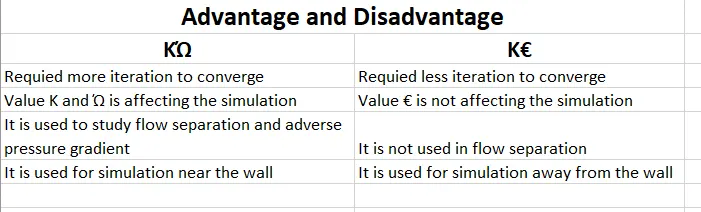
So we can go for the K€ for long pipe
For velocity ratio 2
For velocity ratio 4
Conclusion
For mixing tree problem we can go with K€ model with higher mixing velocity else for the longer pipe because introducing a long pipe not effect much in exit temperature also it is taking higher iteration to converge.