Week 1- Mixing Tee
Aim:
- To set up steady-state simulations to compare the mixing effectiveness when hot inlet temperature is 360C & the Cold inlet is at 190C.
- Used to find the k-epsilon and k-omega SST model for the first case and based on your judgment use the more suitable model for further cases.
Given Data:
- Case 1
- Short mixing tee with a hot inlet velocity of 3m/s.
- Momentum ratio of 2, 4.
- Case 2
- Long mixing tee with a hot inlet velocity of 3m/s.
- Momentum ratio of 2, 4.
Momentum ratio = velocity at cold inlet / velocity at hot inlet
Calculation:
So calculation for Case 1 and Case 2:
if momentum ratio is 2 , value of cold inlet= 6 ; hot inlet = 3 ;
if momentum ratio is 4 , value of cold inlet= 8 ; hot inlet = 3 ;
Expected results:
- In a table, compare the following values from the 2 cases.
- Cell count
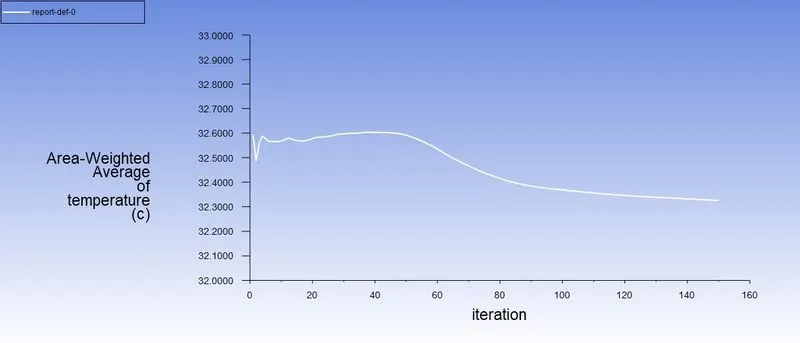
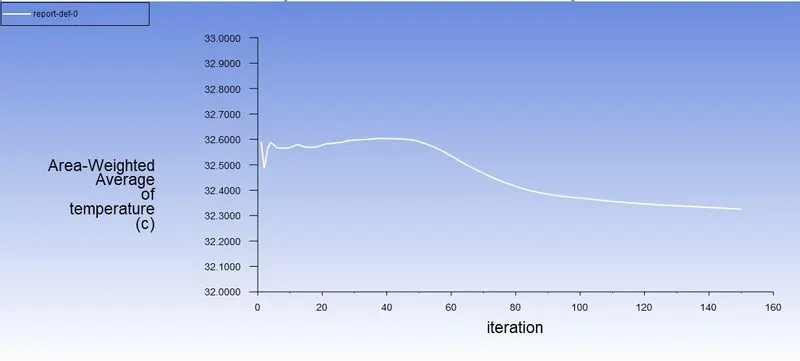
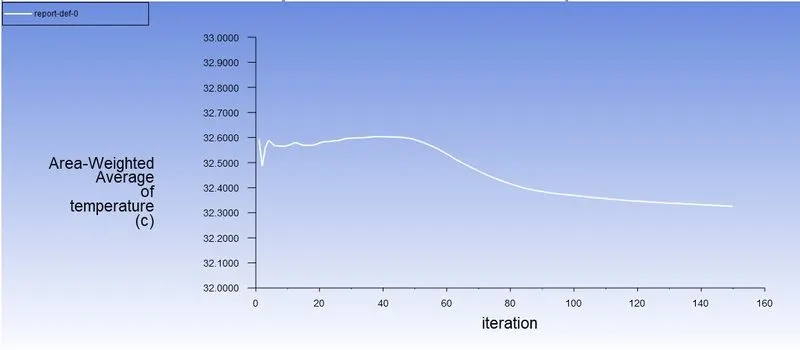
- Average outlet temperature
- Number of iterations for convergence
- Velocity and temperature contour plots on the cut planes along and across the pipe.
- Velocity and temperature line plots along and across the length of the pipe.
- Perform Mesh independent study for any one case.
- Discuss the effect of length and momentum ratio on results.
Introduction:
Computational fluid dynamics is a branch of fluid mechanics, which uses mathematics, physics and computational software to visualize how fluid flows and affects its medium and its neigh bours. In CFD mostly computers are used to predict the fluid flow phenomena based on some governing equations like conservation of momentum – Navier stokes equation, conservation of energy etc. In this study we are going to simulating effect of fluid using Ansys fluent software. Ansys fluent is a very important tool in CAE domain, which is allows you to perform all the three major steps of any simulation pre-processing, solving and post-processing. Ansys fluent facilitates for modelling flow, turbulence, heat transfer and chemical reactions. With Ansys we can accomplice more in less time and with less training.
Mixing tee is a device which uses specifically engineered internal geometry to mix two fluid streams into one steam, efficiently. In this study we are going to find effectiveness of mixing tee. Hot air and cold air are going to be mixed in mixing tee. They will have different velocities. We will use two different mixing tee distinguished with length and analyse the effect of length on mixing.
Theory or Procedure:
- Understand and define the problem statement for each case.
- Open Ansys workbench and set up a fluent simulation setup, and rename it accordingly.
- From fluent setup, open space claims, and Load the geometry. Extract the working fluid region from the loaded geometry to compute simulation in that particular region. And then close space claim.
- Next, in mesh setup, provide boundary names for each surface and generate mesh to the fluid flow volume. Close mesh setup and update the mesh.
- Later, in the setup section, provide all the required parameters according to the simulation, such as simulation type, input velocity and temperature, materials (working fluid), and other user-defined parameters.
- In setup parameters, understand the concept of k-epsilon and k-omega SST and find out which is convenient for the current simulation.
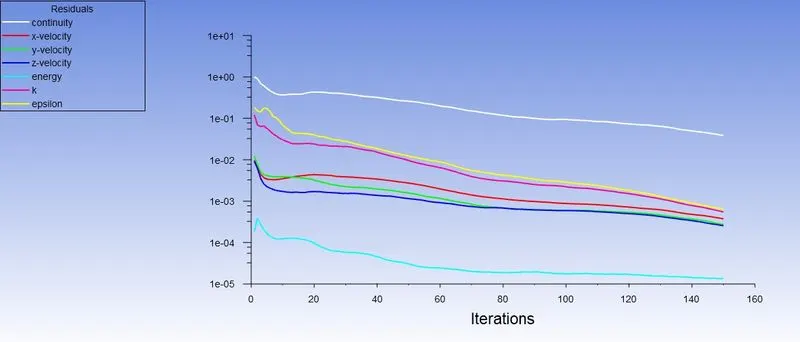
- Afterward, simulate our problem setup for the number of iteration required to converge our results.
- Then, close and update the setup. Open the results section to see all the simulated results.
- Juxtapose generated results from each case for their cell count, average outlet temperature, and the number of iteration for convergence.
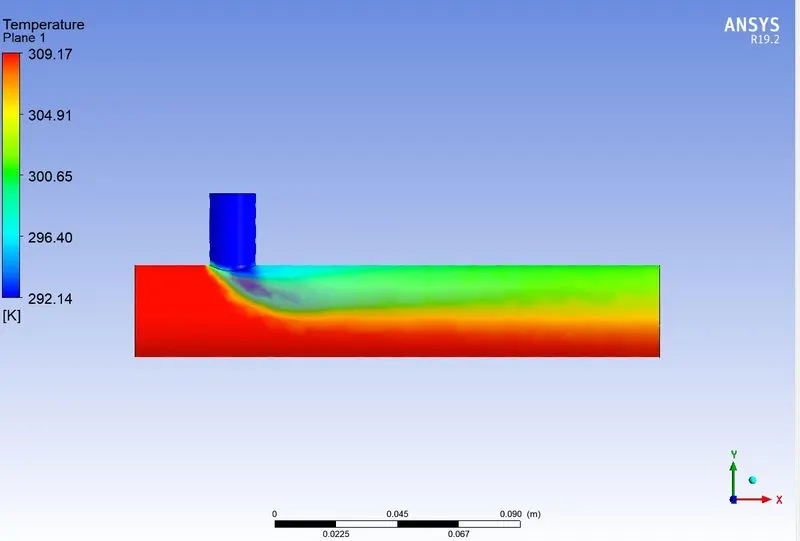
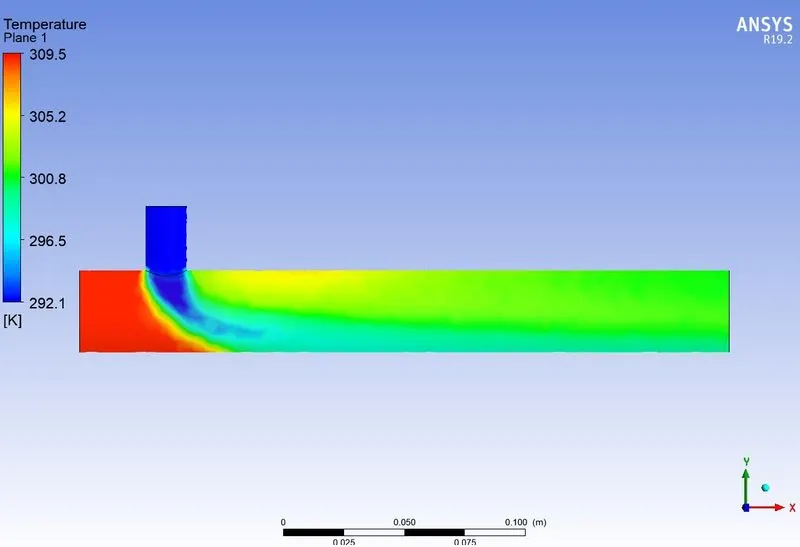
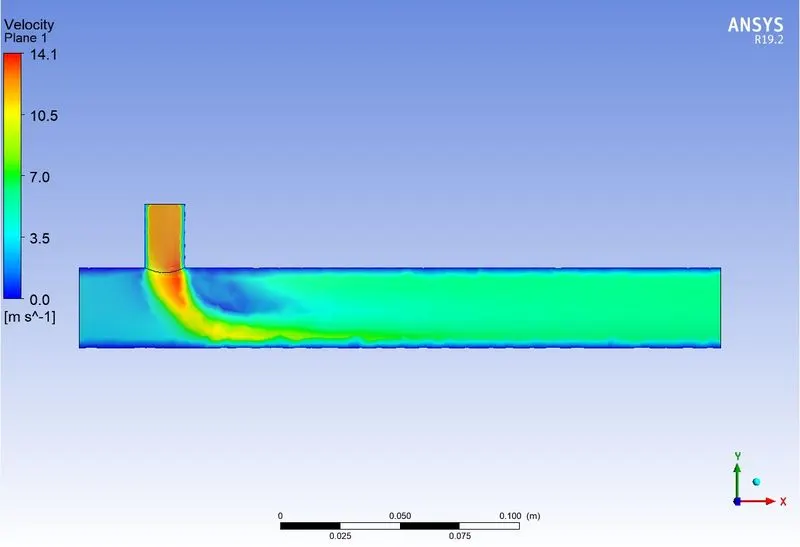
- Display contour plot on the cut plane to visualize velocity and temperature distribution along and across the mixing tee’s length.
- For a more detailed examination, plot velocity and temperature line chart along the mixing tee’s length.
- Validate the test by performing a mesh independence study on any one case.
- Study the effect of length and momentum ratio on the results of each case.
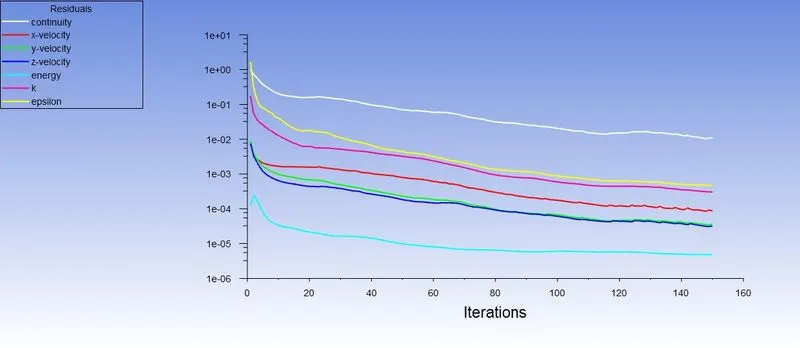
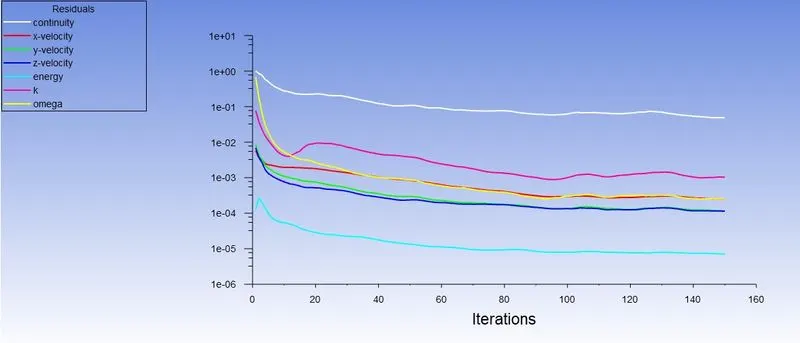
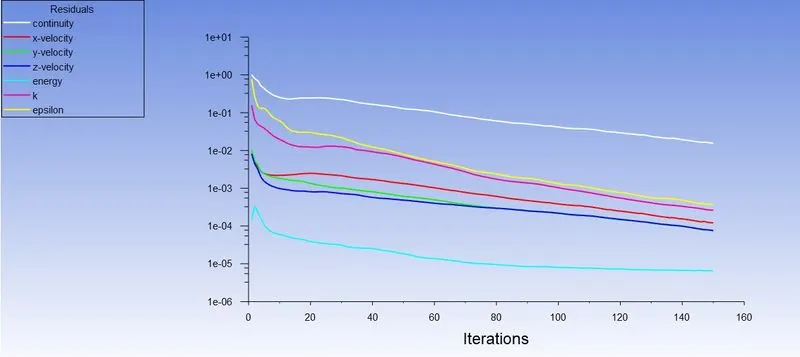
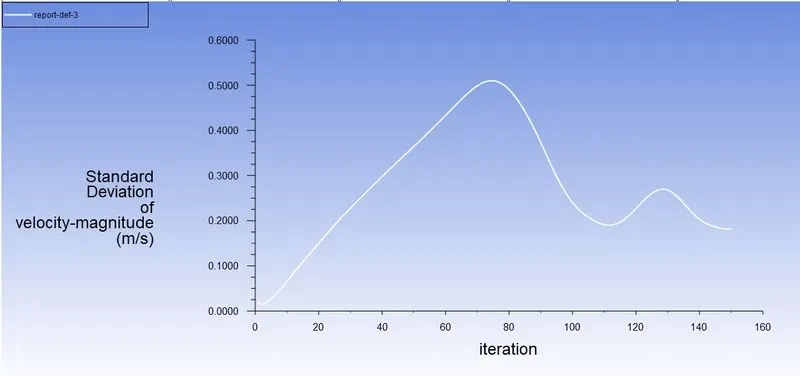
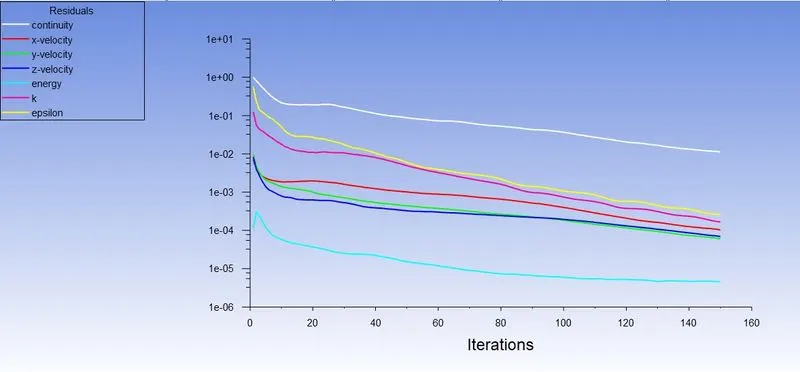
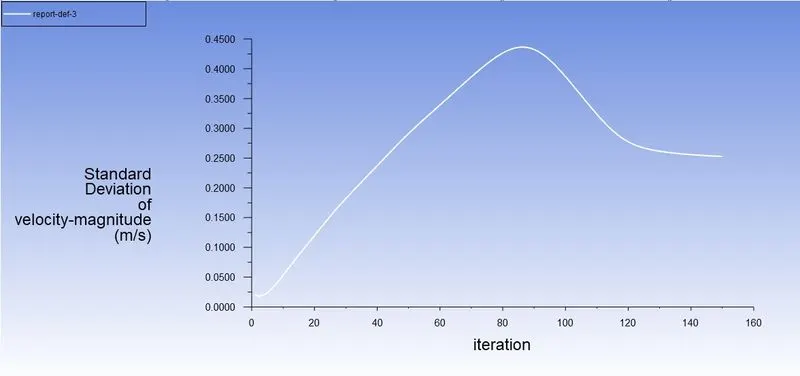
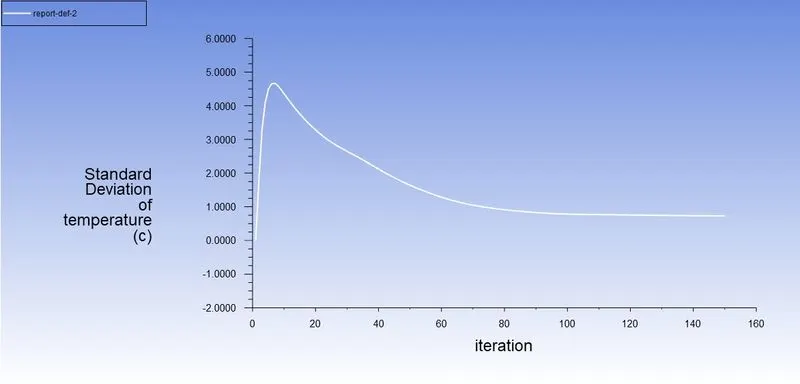
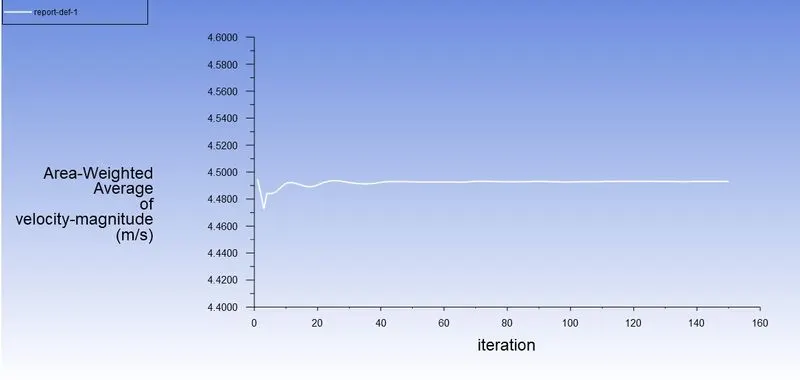
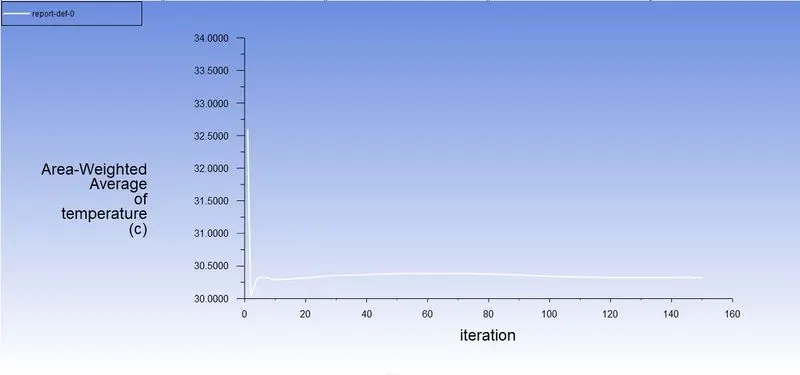
- Plot the convergence graph to verify that all the results are fully converged after running numerous iterations.
Solving Modeling and approach:
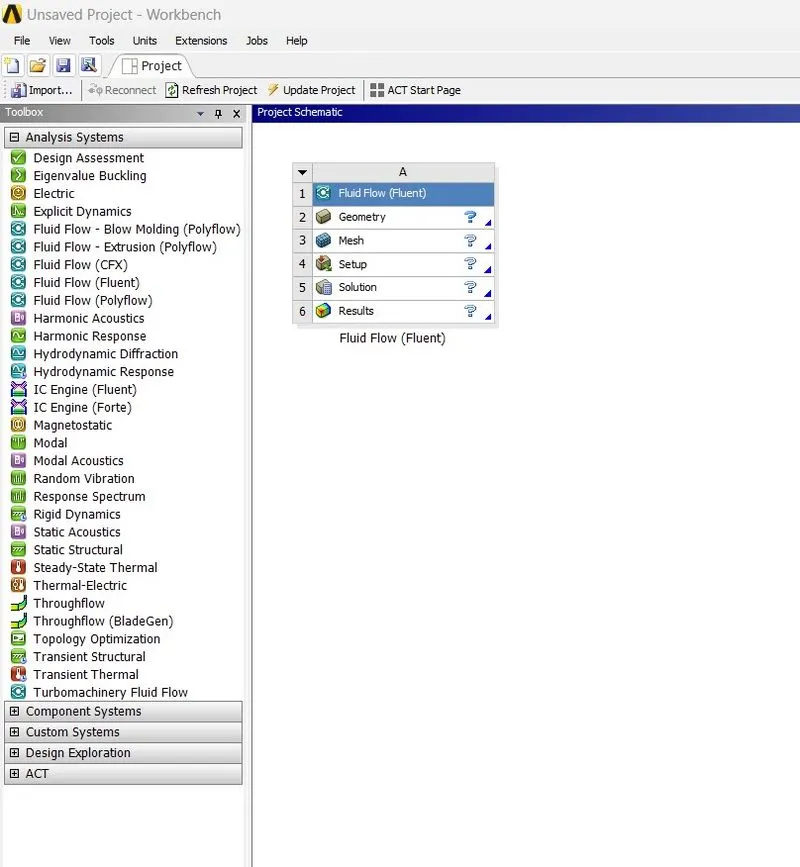
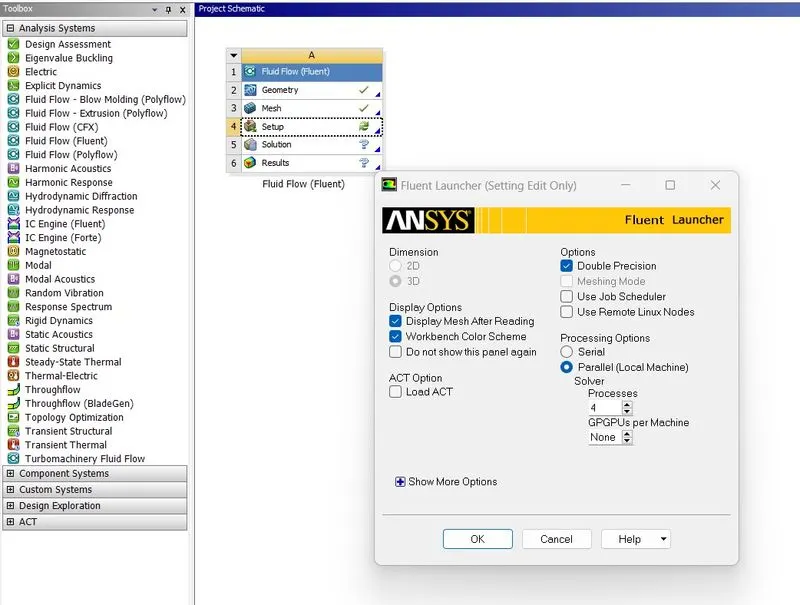
- Let us start with open Ansys workbench and choose Fluid flow (Fluent) option to drag to fix on project schematic window ..
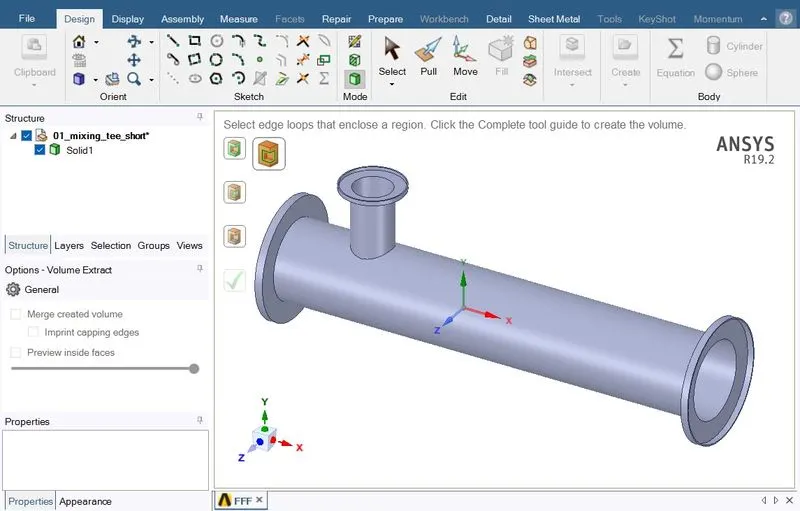
- And choose geometry option to open space claim window to import related file
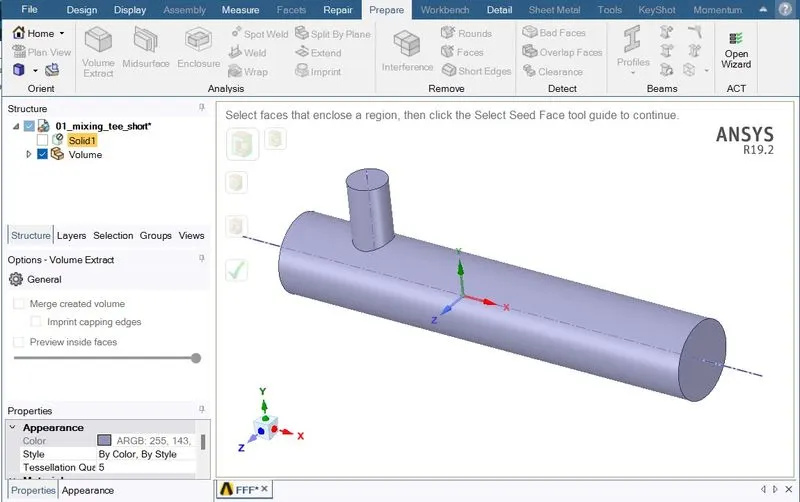
- Select volume edge extract option to choose only volume area for analysis and suppress the other surfaces
Pre - Processor and Solver:
Meshing:
choose face option to select related face and Name it like Inlet x , Inlet Y , Outlet X , Wall
And Double click on Mesh in model Tree set to as it is default setting and Right click to Mesh and click Regenerate mesh
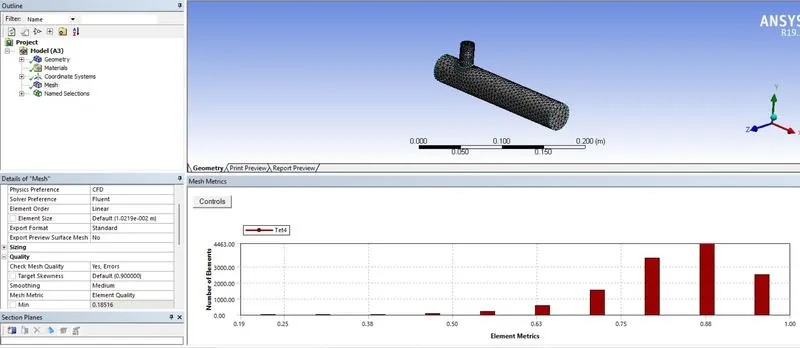
Then Cut the Section option to cut the part in XY direction.
Setup:
Double click on Setup option and choose Double precision and process-4
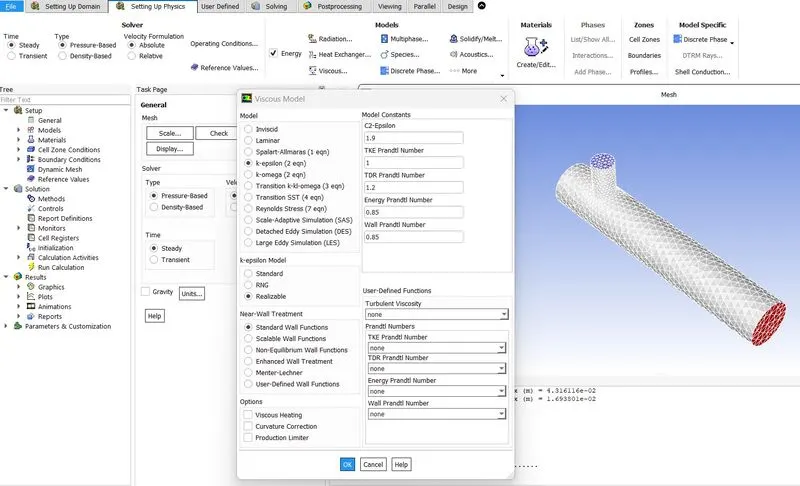
click on Setting up physics to choose K-epsilon method
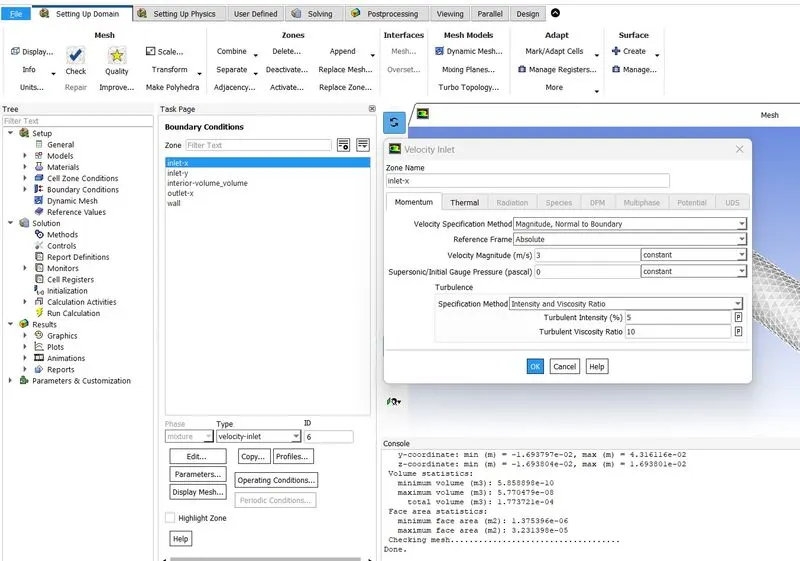
Choose Boundary option to change the velocity magnitude value= 3 m/s and temperature = 36 for Inlet X
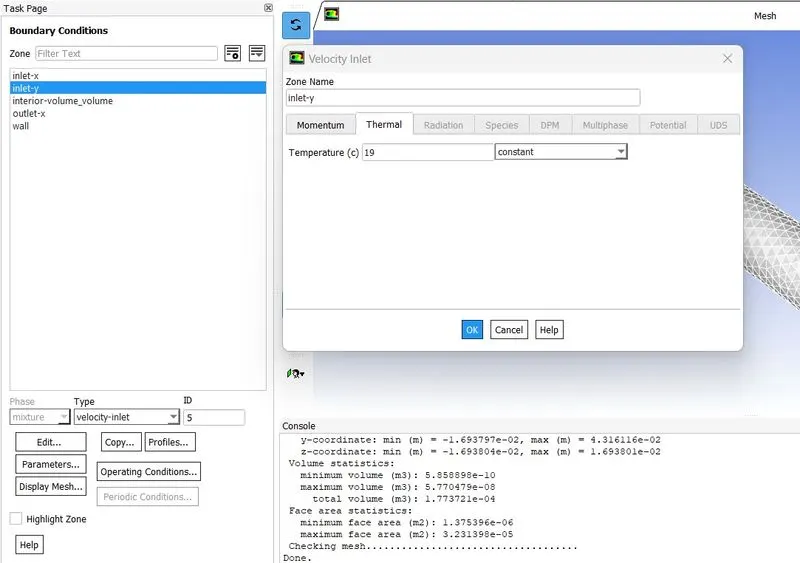
Choose Boundary option to change the velocity magnitude value= 3 m/s and temperature = 19 for Inlet Y
select -- solving-- definition to create report pages
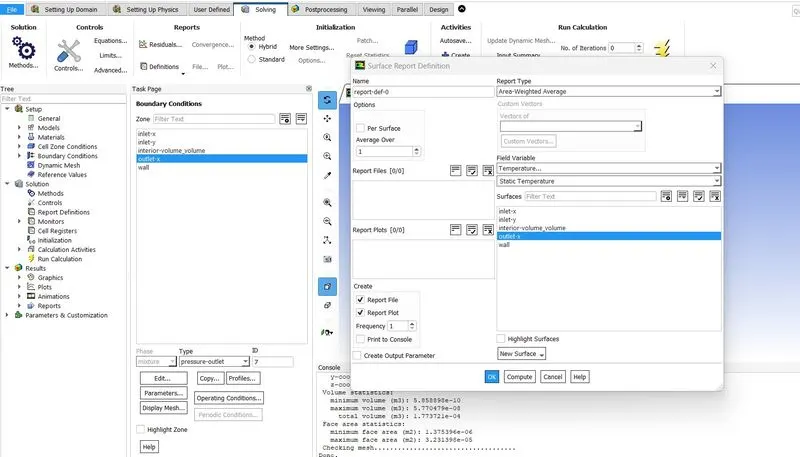
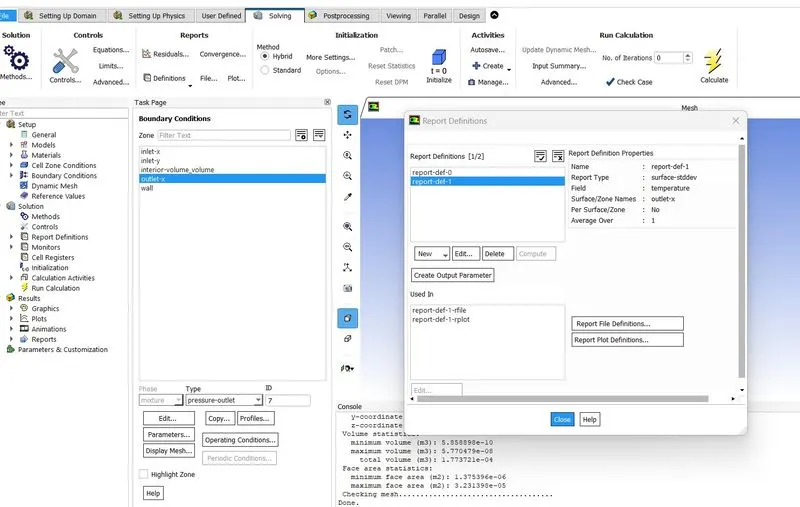
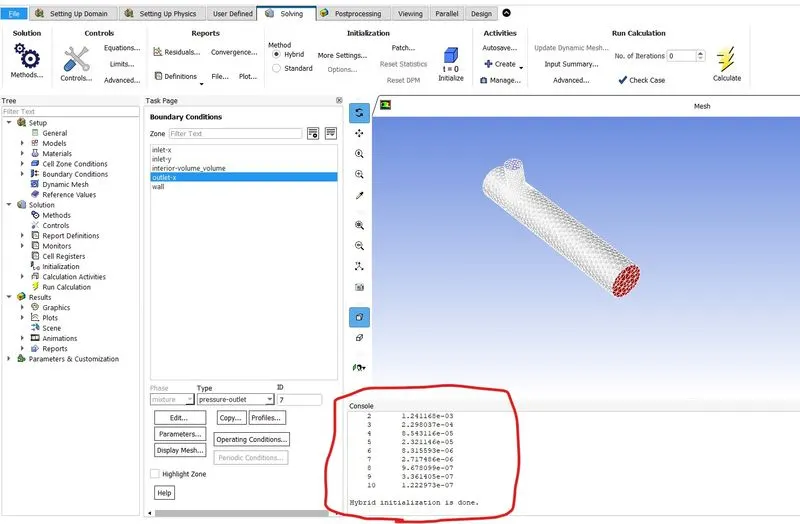
next-- calculation process-- click on Initialization to compute
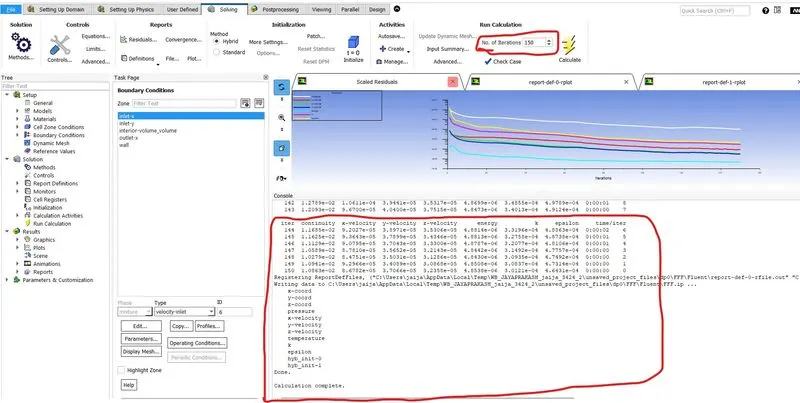
then increase the Iteration to compute data
k-Epsilon
The K-epsilon turbulence model is the most common model used in CFD to simulate mean flow characteristics for turbulent flow conditions. It is a two-equation model that gives a description of turbulence by means of two transport equations (PDEs). the first transported variables are the turbulent kinetic energy (k) and the second transported variable is the rate of dissipation of turbulent kinetic energy.
k-epsilon focuses on the mechanism that affects the turbulent kinetic energy.
k-omega SST
The SST k-omega turbulence model is a two-equation eddy-viscosity model that is used for many aerodynamic applications. It is a hybrid model combining the Wilcox k-omega and the k-epsilon models. A blending function, F1, activates the Wilcox model near the wall and the k-epsilon model in the free stream. This ensures that the appropriate model is utilized through the flow field
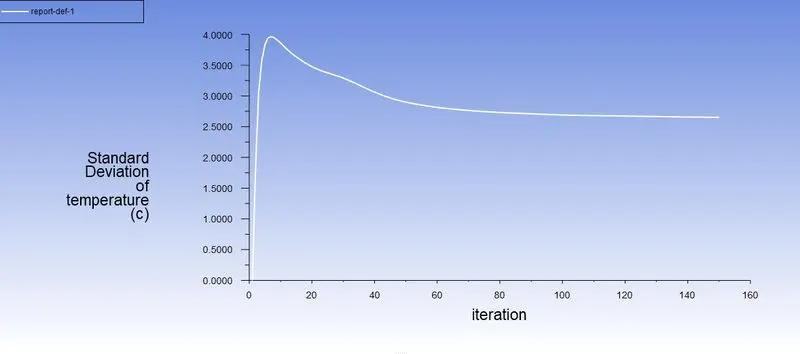
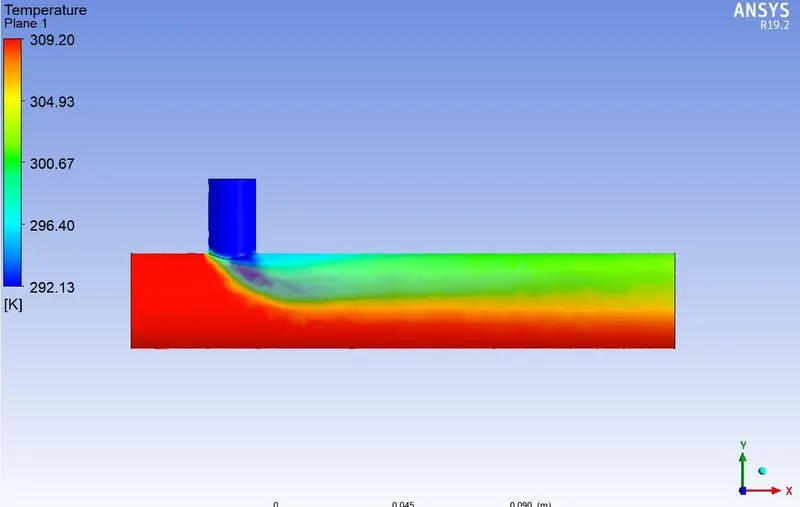
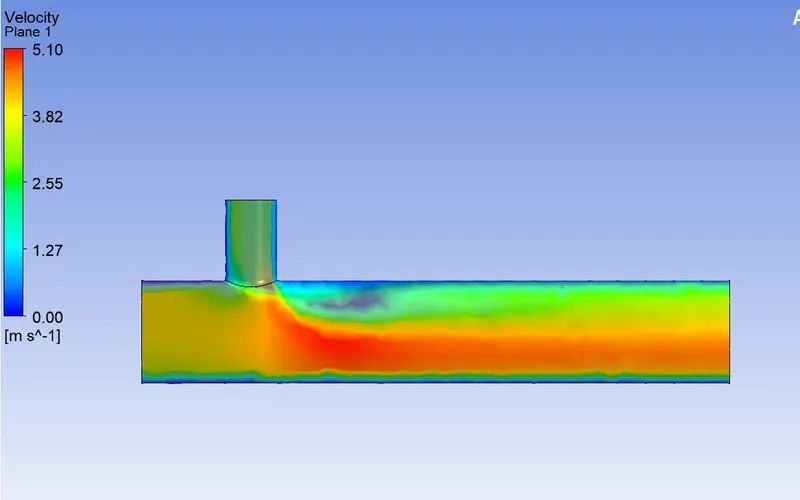
For the k-Epsilon Relizable method:
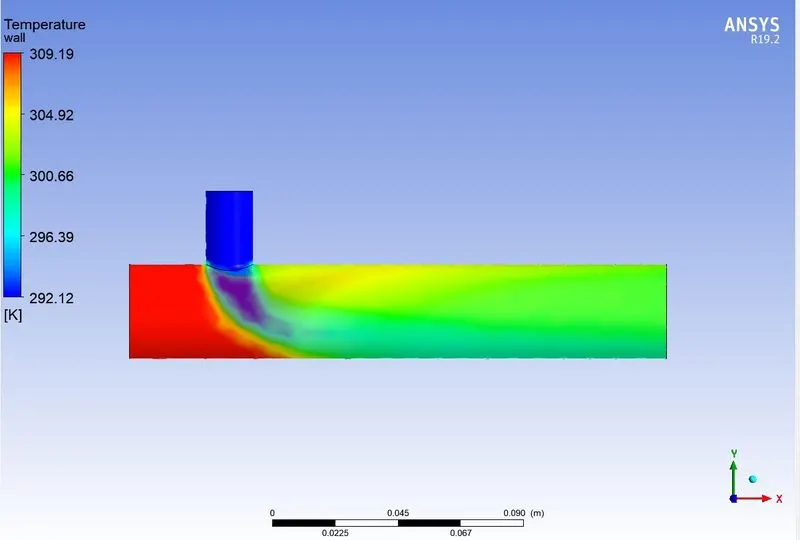
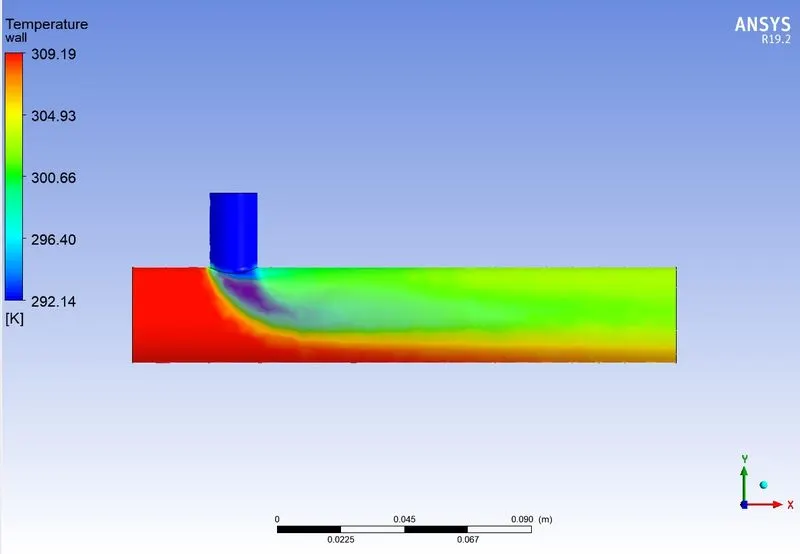
K-Epsilon Temperature contour plot:
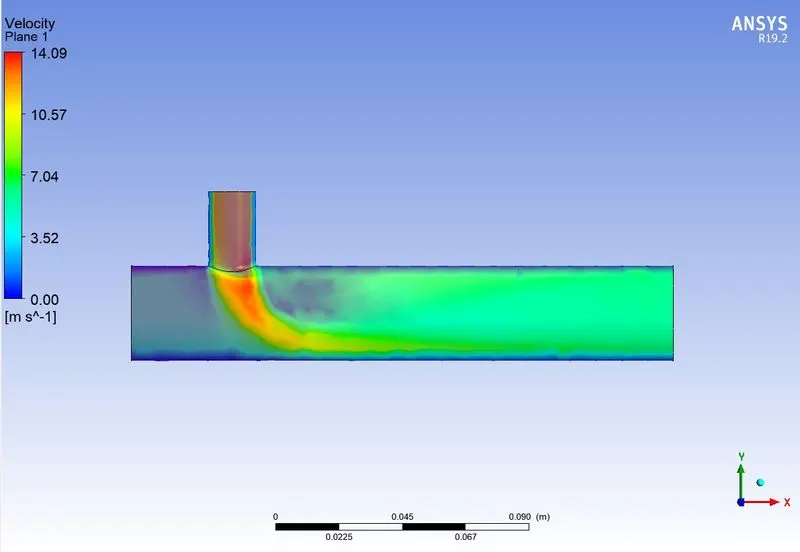
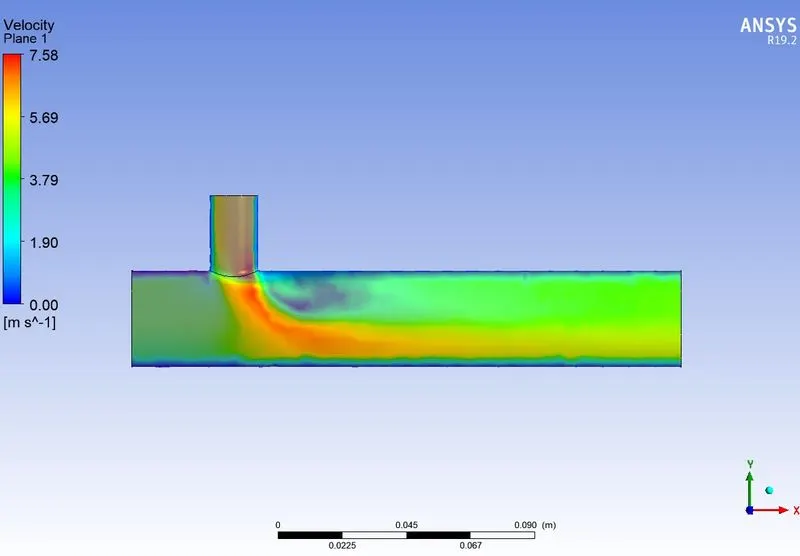
K-Epsilon Velocity contour plot:
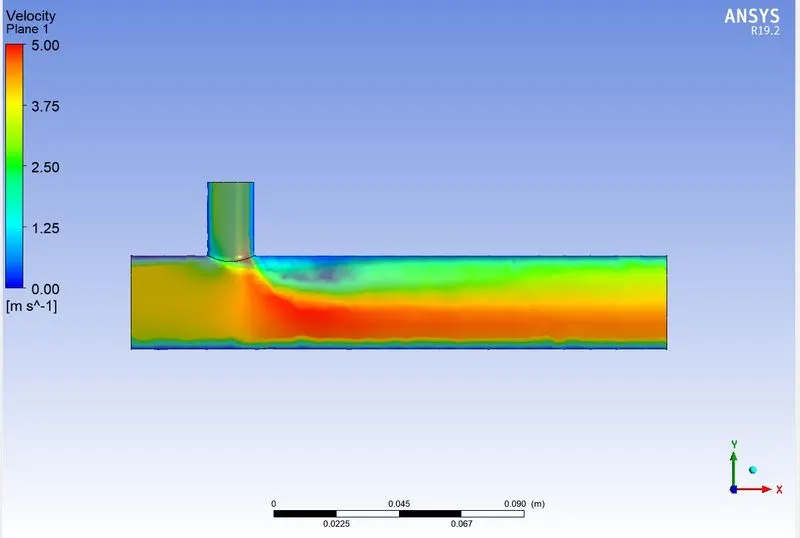
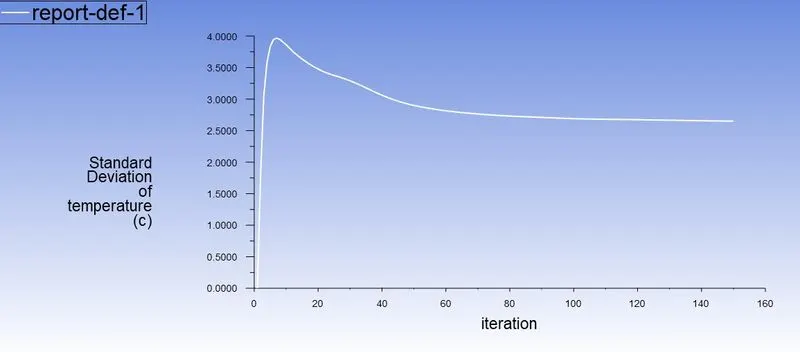
For the k-omega SST method:
Results:
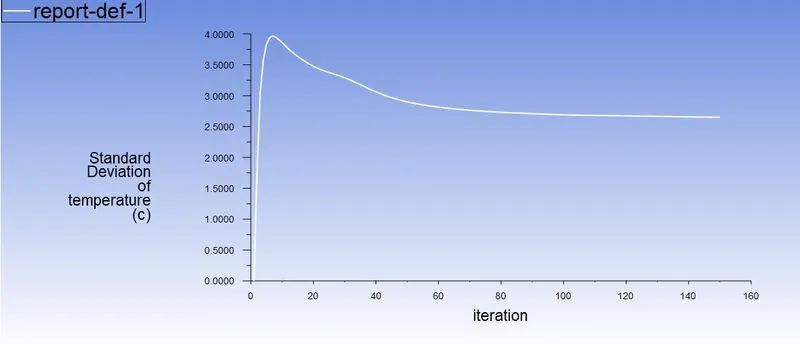
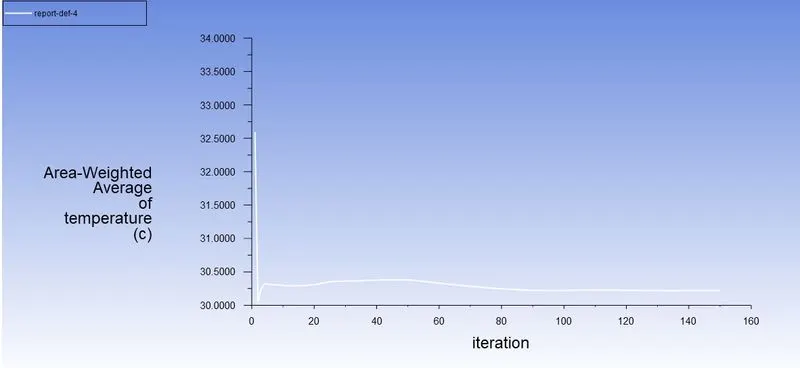
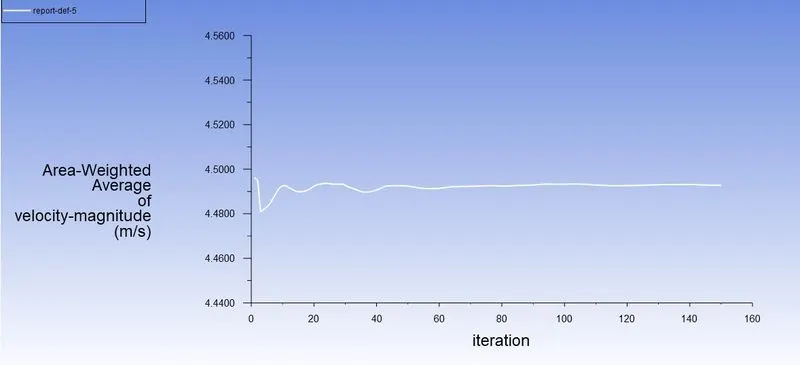
Case-1-a
Short mixing tee
a - Simulation-1
Inlet velocity - 3m/s
Momentum ratio - 4
Inlet velocity of cold air = 3x4 = 12m/s
Case-1-b
Short mixing tee
b - Simulation-1
Inlet velocity - 3m/s
Momentum ratio - 2
Inlet velocity of cold air = 3x2 = 6m/s
Case-2-a
Long mixing tee
a - Simulation-1
Hot Inlet velocity - 3m/s
Momentum ratio - 4
Inlet velocity of cold air = 3x4 = 12m/s
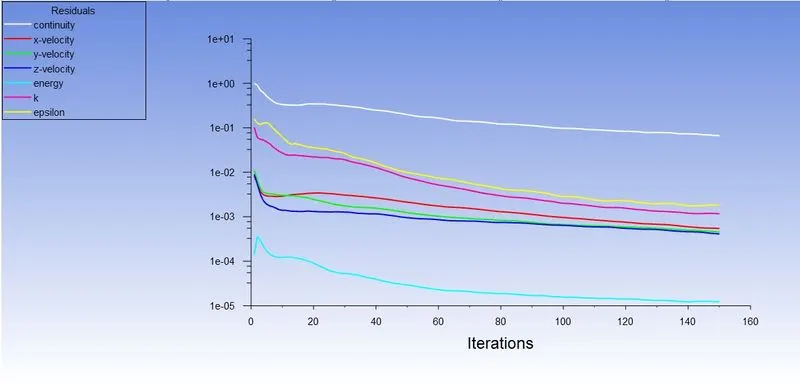
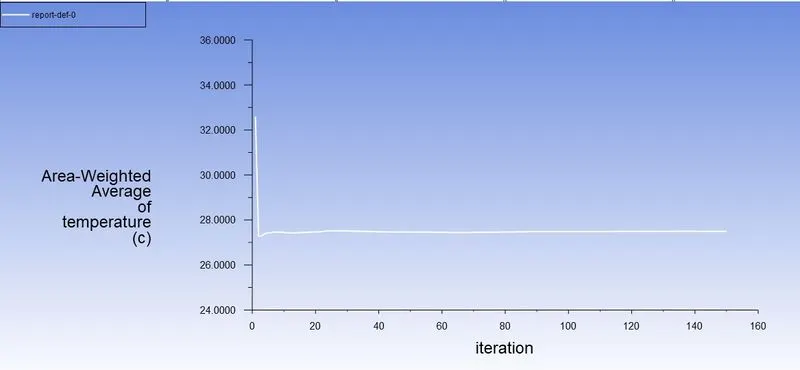
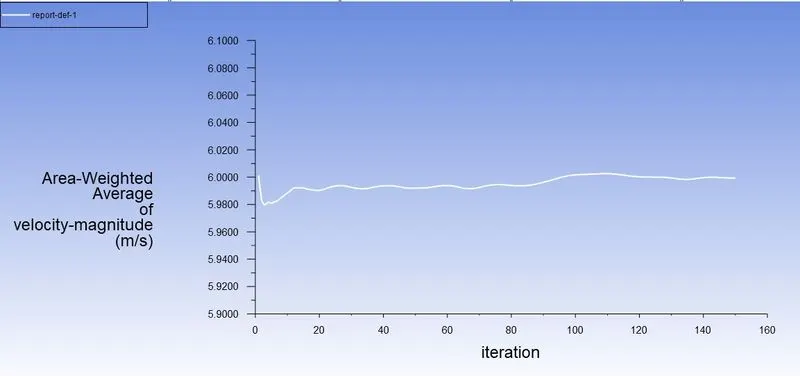
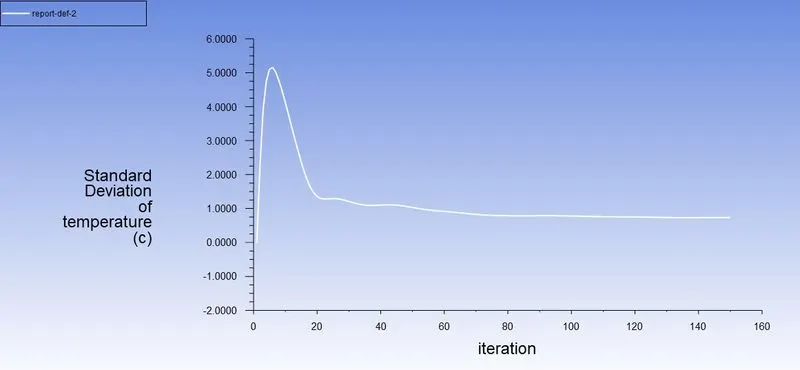
Case-2-b
long mixing tee
b - Simulation-1
Inlet velocity - 3m/s
Momentum ratio - 2
Inlet velocity of cold air = 3x2 = 6m/s
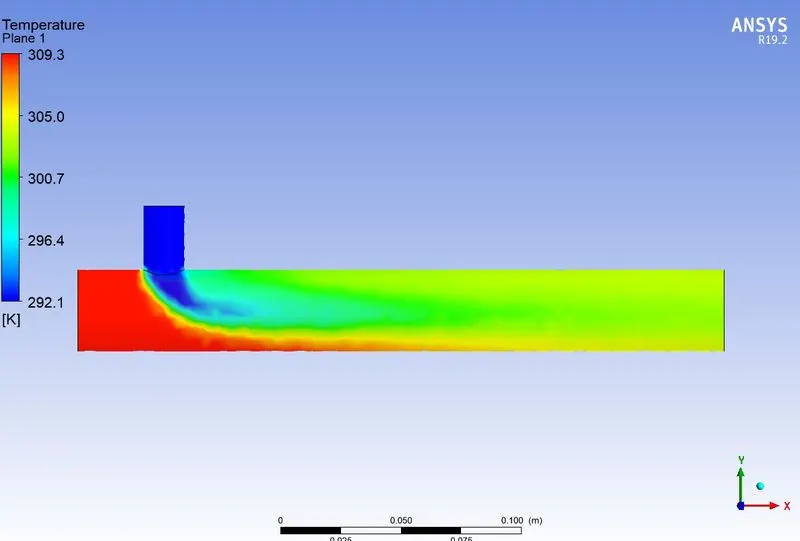
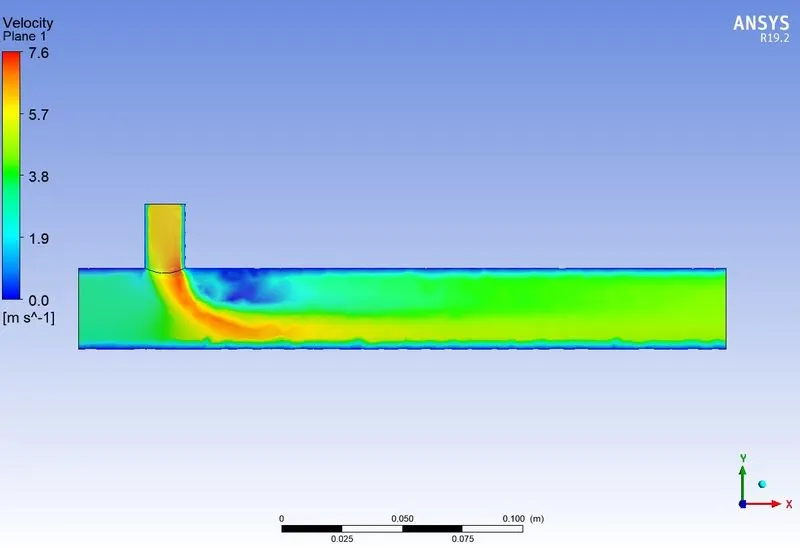
Output Result Table:
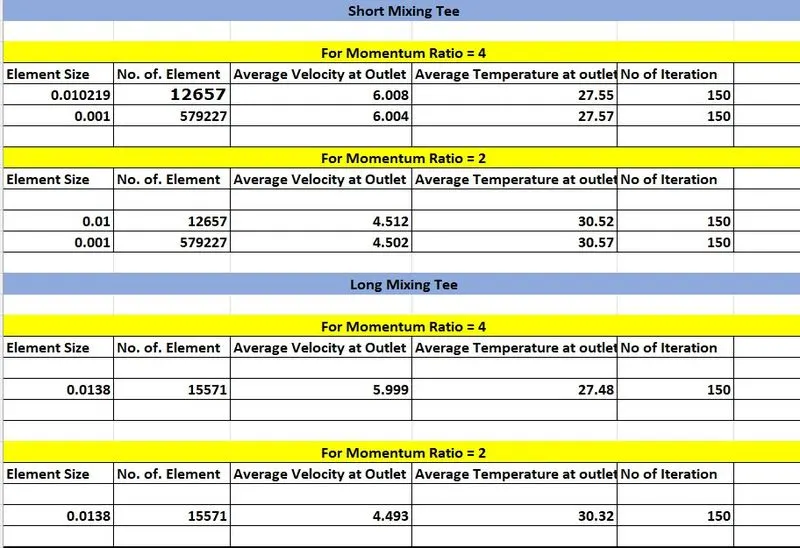
- After putting all the results in a single table we can compare our results where we can see the length of the mixing tee does not affect the results at the output that much if we ignore the diffusion criteria.
- High-velocity flow showing good mixing results than low-velocity flow.
- All results are passing the mesh independence criteria.
Conclusion:
- k-epsilon models predict flow virtually far from the boundaries (wall), and the k-omega model predicts near the wall. As in this case we need a flow simulation turbulent model far from the wall, therefore, the k-epsilon method is used.
- Solving the first simulation on the fluid domain using coarse mesh gives an initial overview of the analysis which converges results fast. As element number increases the convergence time also increases. Therefore, after obtaining the rough results using coarse mesh simulation successfully we can improve mesh quality and get to final accurate results doing this saves a lot of time which is also extremely helpful for mesh independence test.
- To get better mixing at outlet high velocity of flow is very effective. Therefore, a higher momentum ratio gives better mixing of hot and cold fluid stream at the outlet.
- As the Length of the mixing tee increases because diffusion flow always gives slightly better mixing of two-fluid.
- Finally, in the above cases, it is very important to use a short mixing tee with a momentum ratio of 4 to get precise results but one has to consider the diffusion of flow along the length of the mixing tee, a long mixing tee with momentum will be the greater option.