Week 1:- Introduction to BiW and Fixtures Challenge
- What is BIW? Define its parts.
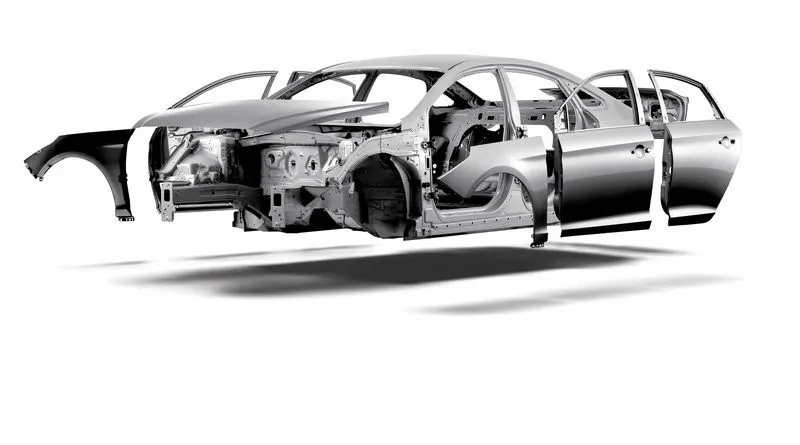
BIW is the stage where all the parts of the body of a car are joined together using various techniques and is the base for any further processing. BIW is the term given to the assembled body on which process like painting etc. needs to be done. BIW includes the doors, hoods, lids, etc. but does not include parts like seats, electronics, motor.
BIW is basically a skeleton of a car.
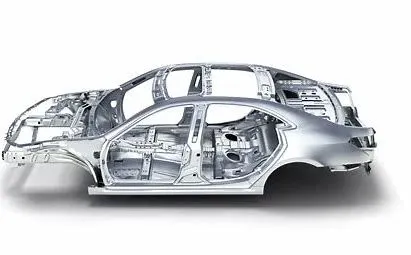
When designing a new model, during benchmarking focus is given to the number of parts that for a BIW; more the number of parts, safer the design is, but the cost of the car increases as well due to more operations needed to be done to assemble them in addition to other reasons.
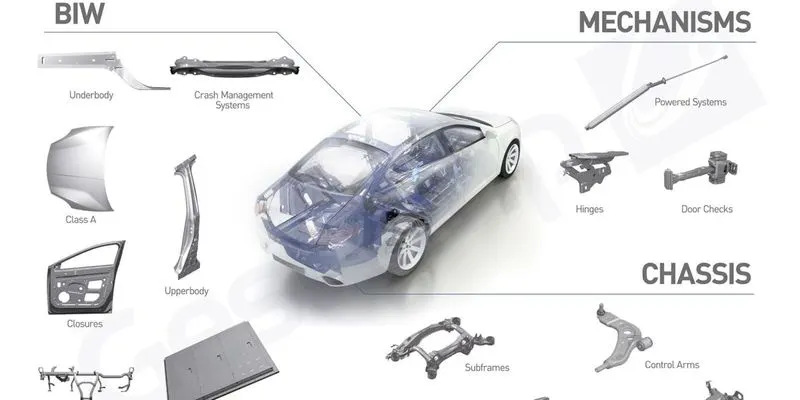
The BIW is broadly classified in the following categories:
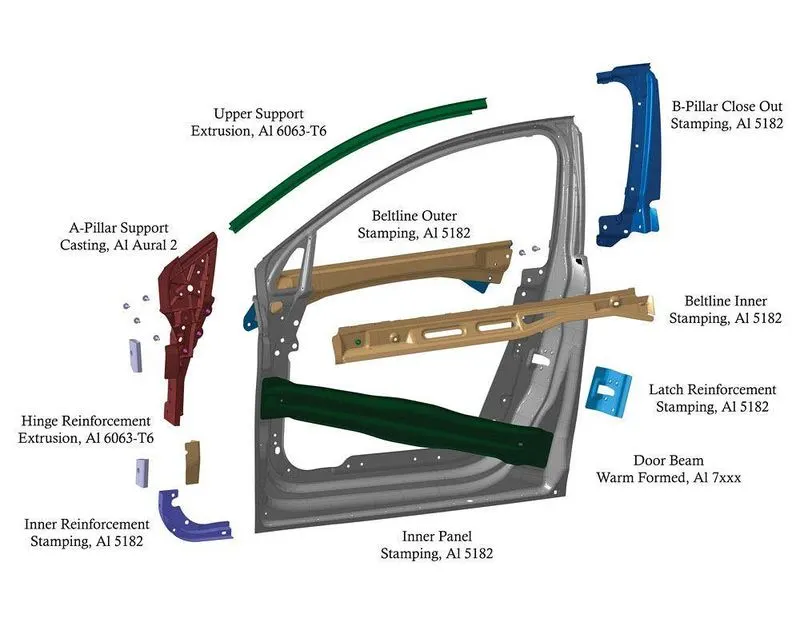
- Body Sides:
- Body Side Outer: Refers to the outer part of the side body on left and right side of the car, where doors are mounted.
- Body Side Inner: The inner side of component where the doors are mounted.
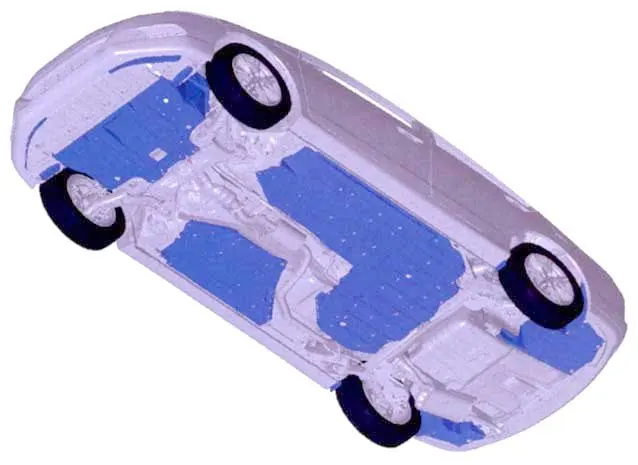
- Underbody:
- Front End Under frame: The area which supports the engine in a car.
- Main Floor: The underside of a car which is exposed to the road.
- Read End Under frame: The area under the boot space in a car.
- Closures:
- Front Door: The doors for driver and front passenger. Is a swinging component.
- Rear Door: The doors for passengers at the back, is also a swinging component.
- Hood: The part which protects the engine from outer environment and protects the pedestrian during a collision.
- Deck Lid: The lid that closes the deck of a car.
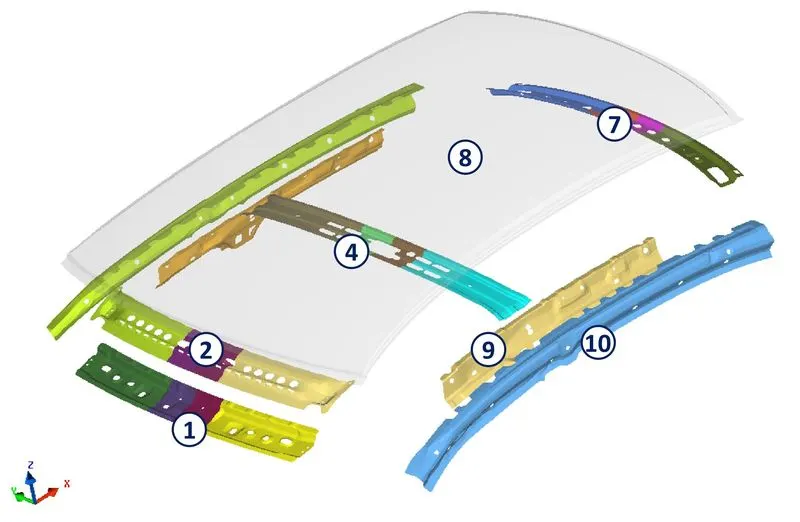
- Roof:
- Roof Inner: The part of the roof which supports the lights and the outer roof from distortion due to heat or extreme cold.
- Roof Outer: The part which covers the head of the passengers sitting in a car and is exposed to heat and cold.
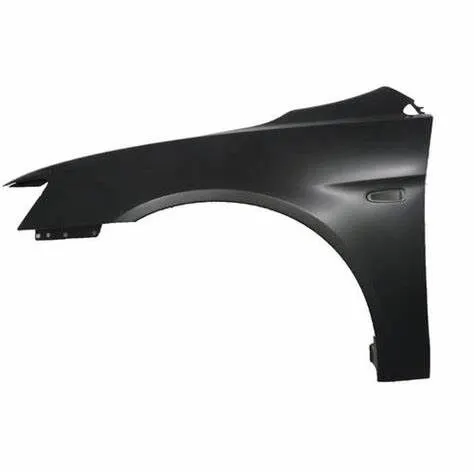
- Fender: The part which connects the body side to the bumper area.
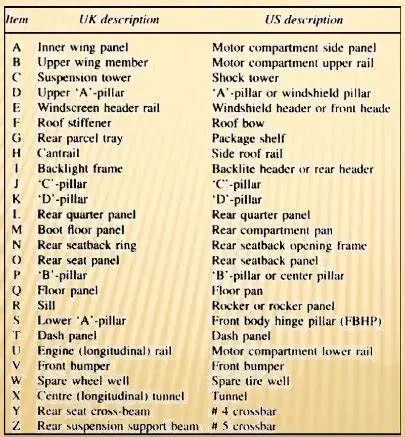
- What do you understand by BIW Nomenclature?
Nomenclature is a naming or choosing a name for things. Various countries have various ways naming the same thing. BIW nomenclature is the same i.e., parts that have different naming based on the country.
- What is Fixture and its types.
Using 3-2-1 principal, a work piece is held stable with the help of a device. This device is called as a fixture. To hold a work piece as big as major BIW components, more than a single fixture is required and hence a unit consisting of various tools supported on a base unit is called as a welding fixture.
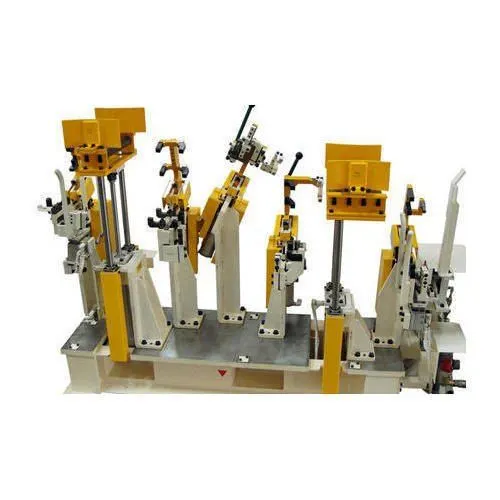
Fixture design requirements:
- It should not damage the workpiece it is holding.
- There should be no defects left behind after the removal of fixture.
- Fixture design should be simple and easy to manufacture.
- Cost constrain should be kept in mind as designing of fixtures shouldn’t be expensive as it increases the price of the final product.
- The fixtures should be adjustable upto some degree.
Features a fixture should have:
- It remains stable even during operation.
- Lasts longs and does not require frequent maintenance after few cycles.
- Clamping should be at the right position i.e., right above the supporting points.
- Easy to reach by operator for routine maintenance.
The fixtures are usually made of various types of steels, e.g., carbon steel for cutting, die steels for press tools, high speed tool steel for drills, reaming etc. For operations like cutting gears, alloy steels are used. The most common material used is mild steel and cast iron.
Types of Fixtures:
- Production Fixtures:
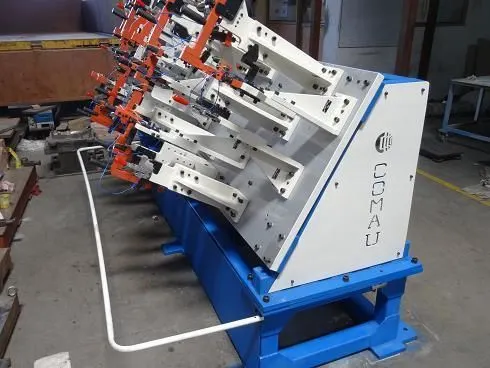
- Term of fixtures used for mass production.
- The quality for maintaining dimensions and tolerances is checked.
- Should be designed for long term use and hence should not wear out easily.
- Should be easy to maintain.
- Needs to work efficiently to reduce production time.
- Should be fast and easy to locate the fixture points.
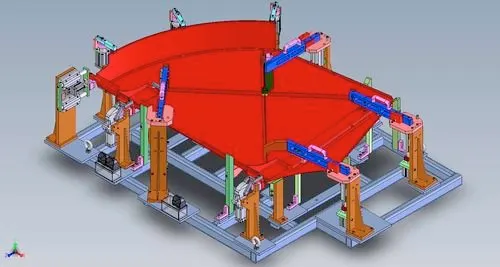
- Pre-Production Operation Fixtures:
- Can also to thought as a prototype version of the production fixture.
- A prototype is made based of the OEM it is being designed for and checked for feasibility.
- The quality is checked and it saves time and money as the problems can be rectified before the actual working of the fixture.
- It may be an added stage but it saves from any delays in production due to fixture failure.
- Checking Fixtures:
- Used for after production checking of the part.
- Gauges used to measure the geometry and compared with design data to check if part is within acceptable range.What is basic principle of fixture design?
4. What is basic principle of fixture design?
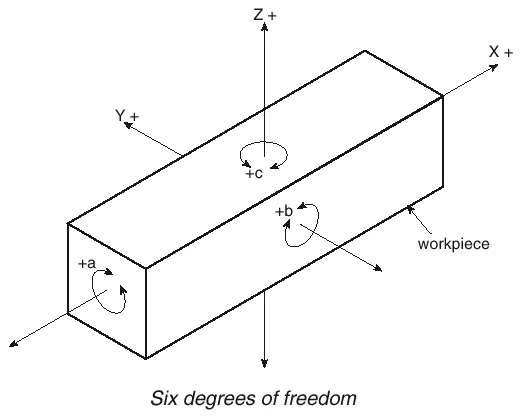
3-2-1 principle for locating is the first step of designing fixtures. It is used for reducing the number of unwanted components and arresting the 6 degrees if freedom of the component. Using the principal, we can lock 3 translational movements of the component and 3 rotational movements.
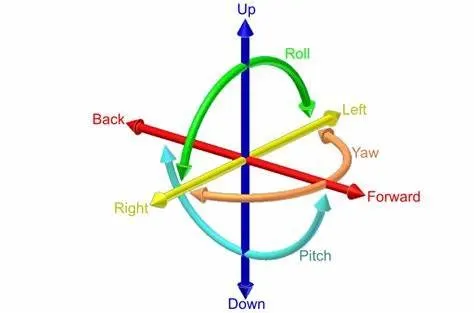
6 degrees of freedom.
3-2-1 principal:
First/ Primary Datum:
- The 3 refers to the first datum which lock 3 degrees of freedom, 1 translational and 2 rotational.
- A minimum of 3 points is required to define this plane.
- For example, rectangular block is resting on a table. The side which rests on the table is the first plane/datum.
- This restricts the block from moving in an up and down direction and rotating in 2 directions thus locking 3 degrees of freedom.
- But this block can still move forward and reverse direction and in left and right direction. For locking these directions further datums need to be defined.
- Selection: The first plane should be selected such that the 3 points are furthest from each other. Largest surface is to be used for defining the first plane.
Second/Secondary Datum:
- This plane is perpendicular to the first datum. If it’s to be defined by points, it needs minimum of 2 points.
- In the above example, the smaller side of the block which is perpendicular to the resting datum will be the second plane.
- It locks 2 degrees of freedom: 1 translational at is to and fro movement in one direction and the last rotational direction which wasn’t constrained by first plane.
- Selection: The datum must be perpendicular to the first datum.
Third/Tertiary Datum:
- For locking the last degree of freedom, a datum which is perpendicular to the first two datums should be defined.
- In the above example, the longer side of the block which is perpendicular to the side resting on the table and is also perpendicular to the smaller side of the block will be the third datum.
- Selection: Minimum of 1 point is required to define the third datum.
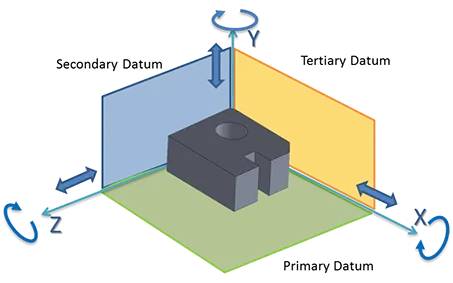
All six degrees of freedom locked.
- Elaborate types of BIW stations.
The assembly line for BIW has various stations to joins all the different parts of the BIW. These stations have substations which are carry out different process like gluing, welding and so on. For these operations to be carried out, the stations are broadly classified as below:
- Tools
- Grippers
- Stands
- Miscellaneous
Tools:
Geo tool: It is a station where major and most important welding operations need to be performed to make the assembly stable. The positions operations need to be done need to be defined accurately. The pin tolerance (-0.15) is tightly controlled.
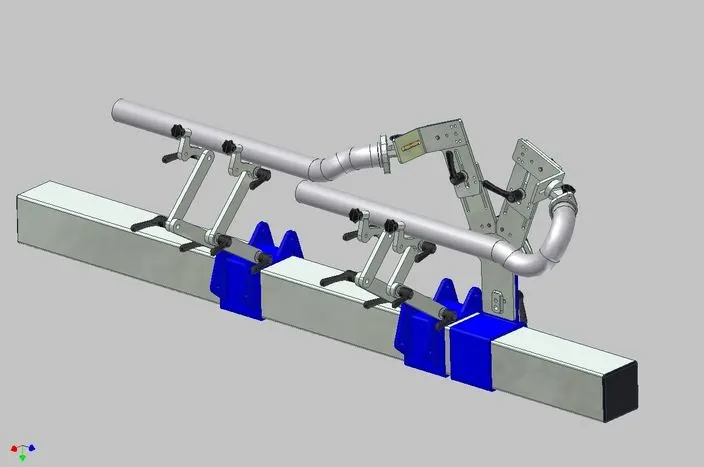
welding fixture of pipe.
Re-spot Tool: The remaining spots not covered in the previous operations are covered here. The re-spot tool has a comparatively less tolerance of -0.28.
Marriage / Hemming Tool: The station where inner and outer panel is joined together. The outer panel is hemmed over the inner panel to maintain the aesthetics of skin surface. Hemming is done for all skin surfaces.
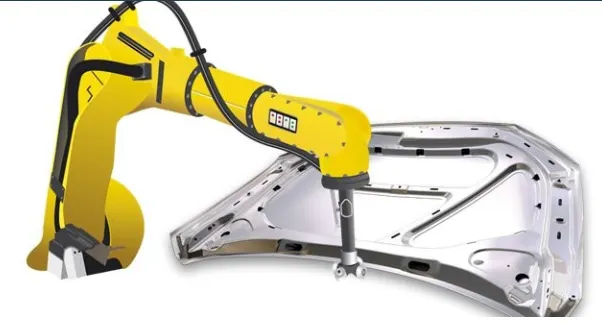
Grippers: A gripper is used to hold an object and move it depending on the design of the gripper. It enables, holding, tightening, moving etc of a part. Gripper is usually attached to a robot which enable it to move, it is only the end part of a whole unit.
- Material handling gripper: Used only to hold a part. Used for pick and drop.
- Process Grippers: These carry out specific operations like gluing, welding, reveting etc.
- Combo grippers: Can carry out multiple processes on the same gripper.
- Dual Gripper: These handle parts from one station to other while the other gripper carries out an operation.

Magnetic Gripper
Stations:
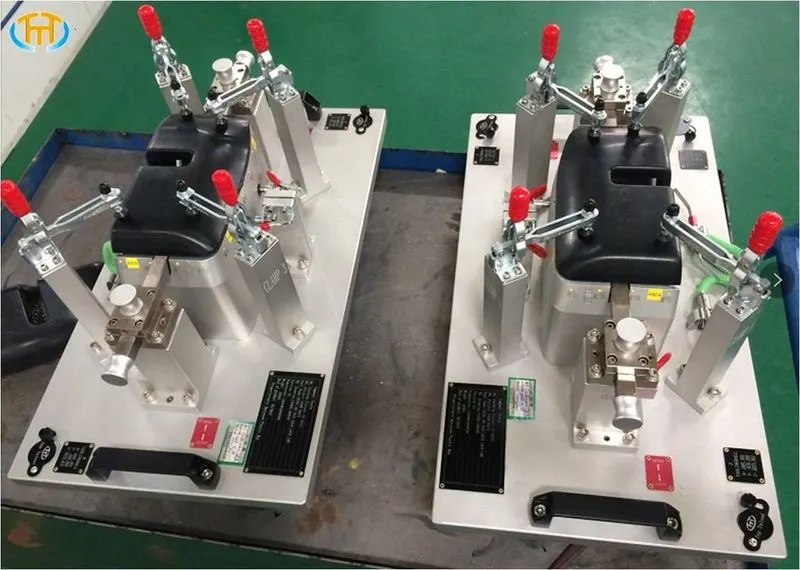
Checking stations: As the name suggests, to ensure all the requirements are met, checking stations are important. There are following operations done on the checking station:
- Gauge type checking- Gauges are used to check various dimensions or relative tolerances.
- Fixed type checking- The parts are fixed with clamps and fixtures and a CMM is used to measure coordinates of various points and compared with standard measurements decided for the part.
- Automated checking- It uses sensors and other electronic equipments, to check the component.
Stand Stations
- Pedestal Stands: The stand on which various grippers are to be mounted.
- Gluing and sealer stand: The glue gun is fixed on a stand to ensure gluing at the right spot.
- Docking stand: It is used to hold equipment which will be needed soon for further operation.
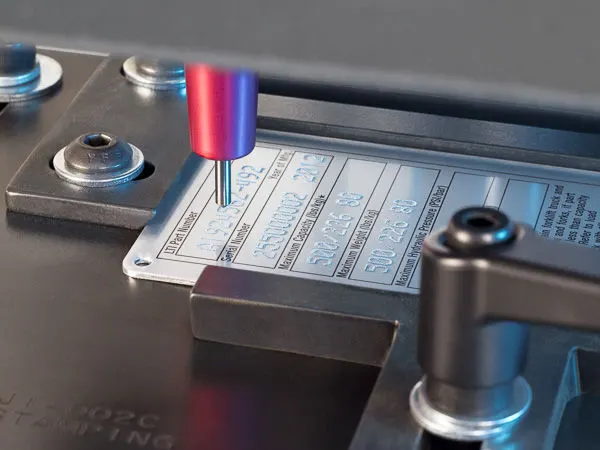
- Date Stamp Stand: It stamps the date of manufacture of manufacturing details on the part. The part is simple held in of the stand and the stamp embosses or dies the part with the details.
Miscellaneous Station:
- Curing: Some parts need rest time after operation like drying time or cooling time. This is done on curing stands as they take these components from one place to another.
- Buffer stand: To lessen time required for setup, some parts are kept ready to be operated on after the completion of the part at hand.
- Take out trolly: These stands are used to take some parts out for inspection.
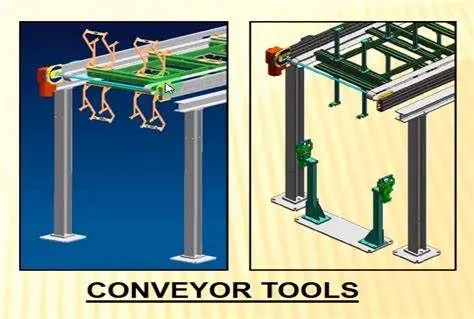
- Conveyor: Used for continuous flow of parts for simultaneous operations.
- What are basic terminologies used in BIW fixture?
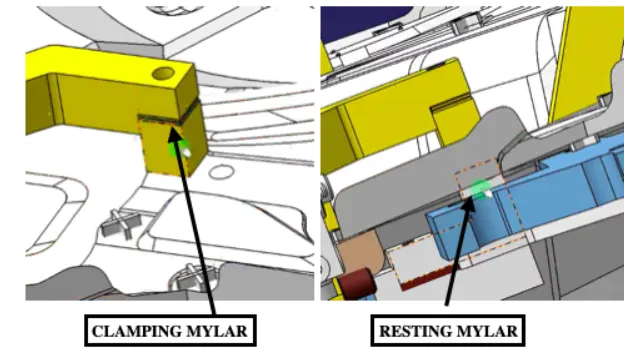
- Mylars/NC/Fingers: Fingers are basically holding/ clamping devices which hold the component from top and bottom. They are respectively named Clamping mylars and Resting Mylars.
- PLP (Principal Locating Point): Locating points using pin. These help in maintaining accuracy of the work done on job.
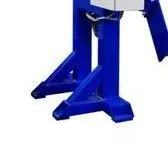
- Blade: Blades are plates attached to riser. Additional needed equipment like cylinders, arms , etc. are loaded on the riser.
- Raiser: Blades are mounted on the riser, which provides height to the mounted components. Risers are usually either L type or square type.
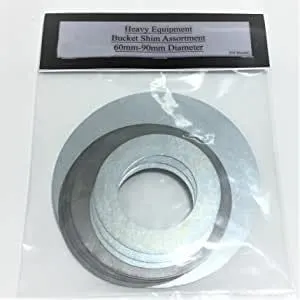
- Shims: They are added to the assembly to allow adjustments in errors occurred due to stack up tolerances of the part. If shims are not provided it my result in either loosely holding of the job or tightly holding of the job. If the job is held lightly, it may result in moving of job during operation and if it’s held tightly, it may damage the job.
- Rough Locators: It’s just in manual fixtures, to given an initial positioning of the job before the clamps are attached to the job.
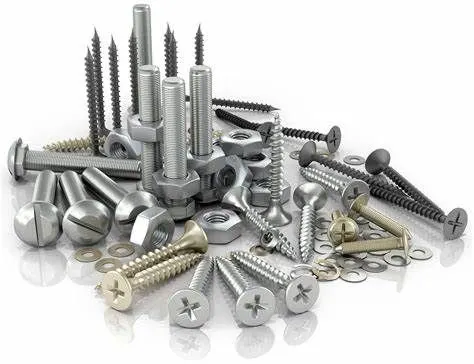
- Hardware: They are fasteners like, nut, bolt, washers, etc.
- CMM: Co-ordinate measuring machine. Used for checking coordinates of fixtures, measuring dimensions, comparing design data.
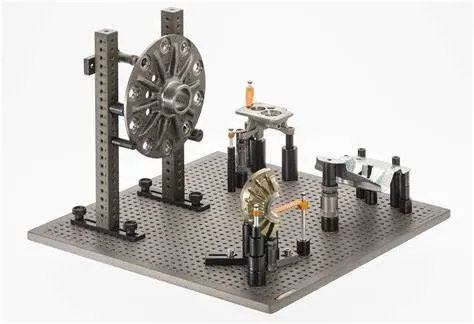
- Units: Refers to the different assemblies like base unit, clamp unit, pin unit etc.
- Number Plate: Used for quick identification of parts.
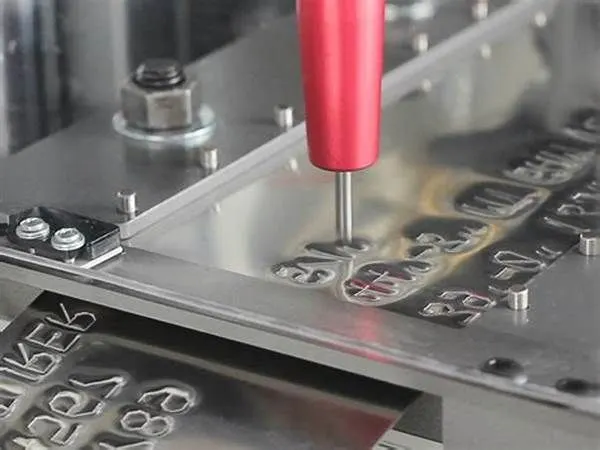
- Name Plate: Includes details like company name, weight of the assembly, fixture type, etc. joined to the fixture.
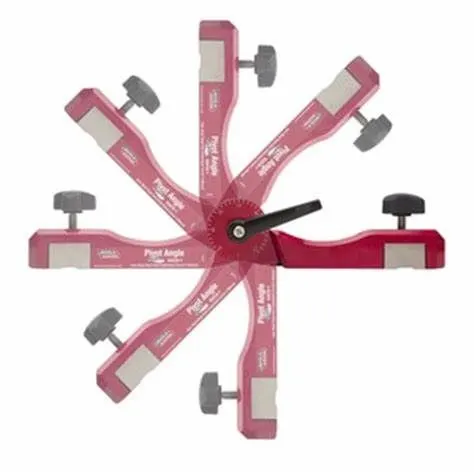
- Clamp Arm: The arm which can rotate about an axis for holding and releasing the part is called the clamping arm.
- Pivot: Axis about which clamp arm rotates.
- Class A/ Skin Surface: The outer surface which is the styling surface is referred to as skin surface in BIW components. It is important that skin surface maintains its aesthetics and so care is taken to not perform any operations on the skin surface.
- Sensors and Reed switches: Electrical components which is generally bought out and are added to the fixture assembly to check proper working of all the moving components and positioning parts.
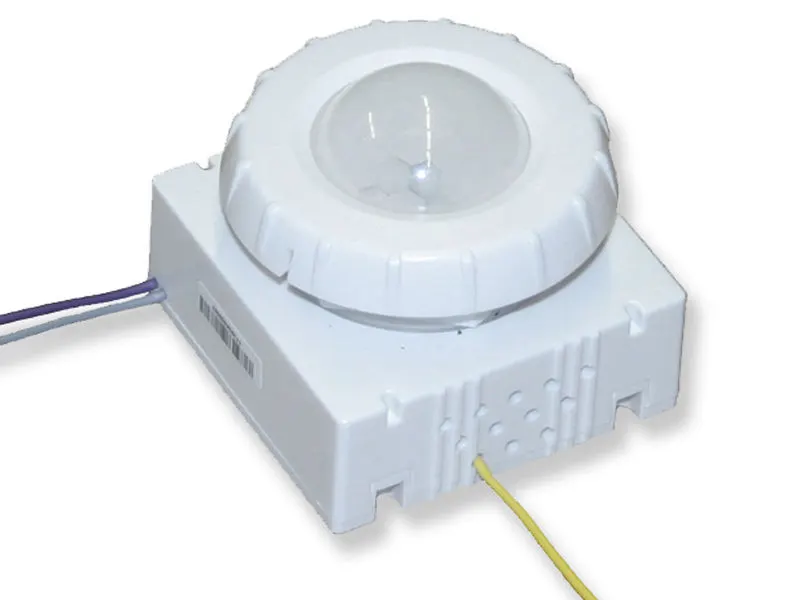
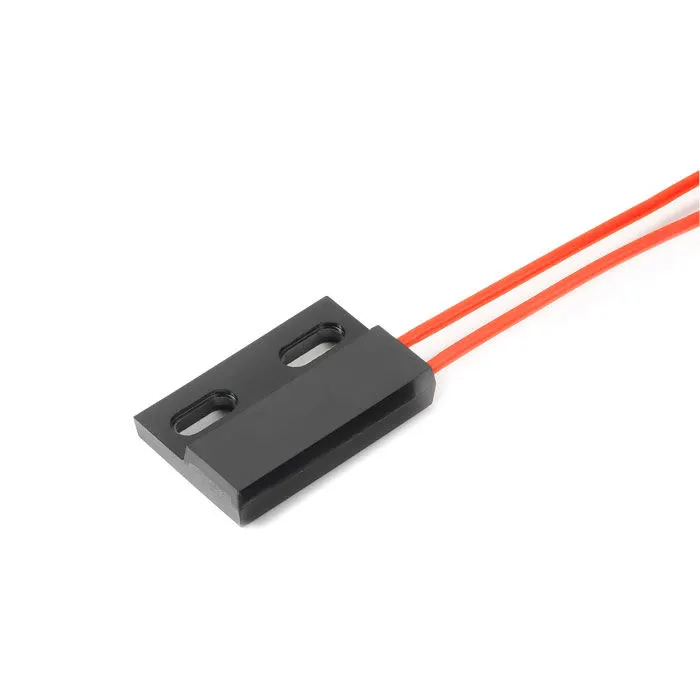
Fixture sensor and reed sensor.