Underbody Coating
Aim :
Write a one-pager about Under-Body Coating and its purpose, its types in detail, and its pros and cons.
Objective :
- Underbody coating -
Underbody coating provides long term protection from corrosion to car's underbody. It also protects parts like internal body panels, frame rails and other inner cavities that are not physically accessible but are prone to corrosion.
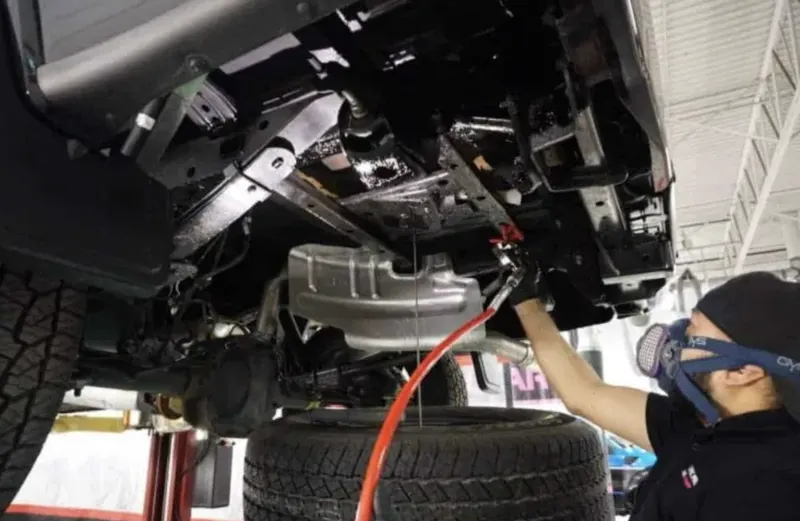
No matter the climate, the underbelly of every vehicle needs proper care and protection. Undercoating helps protect your vehicle against rust and corrosion.Seals on the underbelly parts have gotten a lot tighter and more effective at keeping out dust and moisture, but there are other factors to consider. Poor roads, rocks getting thrown from the tires and denting the metal, and corrosion from road salt in the winter all play a huge part in the damage or decay of a vehicle's underbelly. Used vehicles especially will need a little underbelly protection.while it's already been exposed to contaminants and rust, applying undercoating will prevent further damage.
- Types of Undercoating
1. Rubberized Underbody Coating
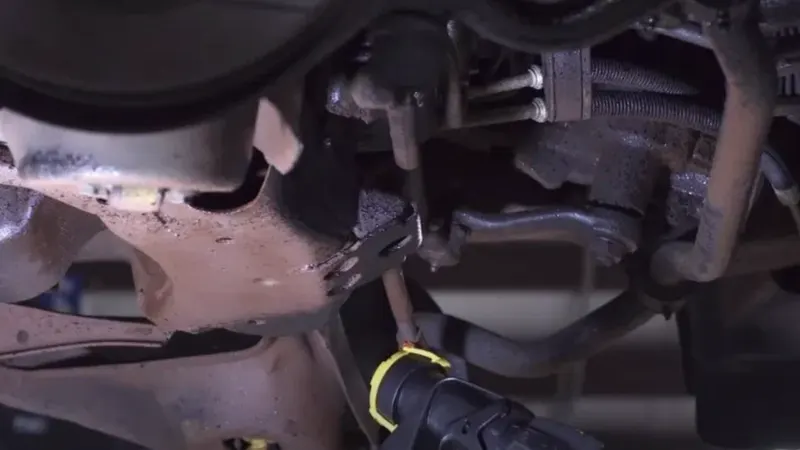
Rubberized vehicle undercoating is easy to apply and offers sound-cushioning as well as protection from dust, moisture, and dings or dents.
In addition to your undercarriage, rubberized undercoating is also safe to use on wheel wells and quarter panels, and dries to a soft rubbery finish that prevents further rust, damage, or moisture seeps.
2.Wax Based Underbody Coating
Wax Underbody Coating Spray is a solvent containing, bitumen free anticorrosive agent based on wax, polymers and anticorrosive additives. The product can be precision and exhibits excellent sag resistance. It is fast drying, and even in a thin layer thickness it forms a closed water protecting film.
3.Asphalt Based Automotive Undercoating
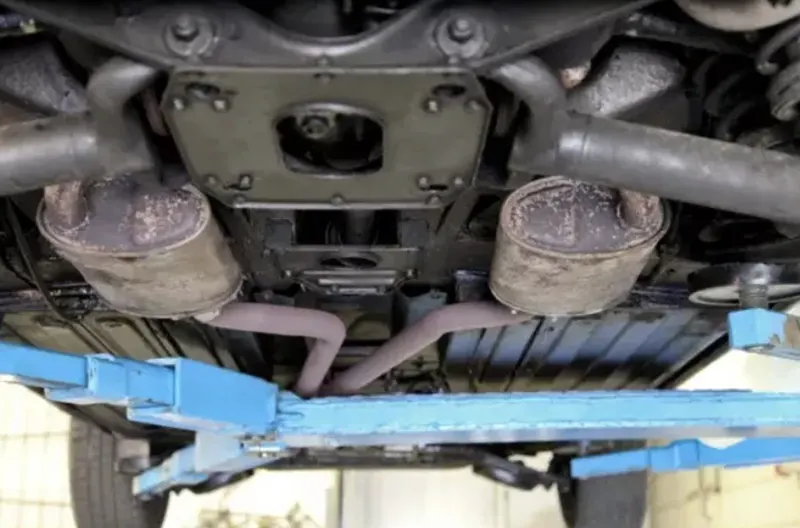
Asphalt Based Undercoating does provide some benefits over Waxed Based Undercoating. They both stick well to most any surfaces and do a great job sealing out moisture, road chemicals and oxygen. But mainly, Asphalt undercoating has the benefit of being less expensive. They protect anywhere up to 5 years and dry to a Firm to Hard coating.
4.Polyurethane Underbody Coating
A polyurethane coating is a polyurethane layer applied to the surface of a substrate for the purpose of protecting it. These coatings help protect substrates from various types of defects such as corrosion, weathering, abrasion and other deteriorating processes.
- Advantages of Underbody coating -
1.Fights Rust
It plays an important role in keeping corrosion at bay. Underbody coating can come in handy especially if you live near the sea, where there is too much humidity, and rusting is just one of those everyday things. You should also seriously consider undercoating if you reside in a place where it snows in winter.
2.Absorbs Noise
Undercoating can soften the noises that reach the cabin. Since the undercoating is often made up of rubber it absorbs some of the rackets. The occupants of the car could spare themselves of the road noises – at least up to a certain extend.
3.Reinforcement
If your car comes with stock underbody coating, using another coating on top of it, is not going to hurt. It will offer additional reinforcement, protecting the underbody from water, road debris, gravel and small pebbles. There would also be a lesser chance for the factory coat to flake away.
4.Prolong Car’s Life
Good undercoating not only defends the underbody from corrosion but also protects the engine and transmission as well.Less rusting coupled with slower wear and tear can surely add years to the lifespan of your vehicle. There would be fewer dents, dings and scratches on the undercarriage for you to fret about.
- Disadvantages of Underbody coating -
1.Less Effective If Corrosion Already Exists.
2.Need to Reapply Every 3 to 5 Years.
3.It adds weight to the vehicle.