Underbody Coating
AUTOMOTIVE UNDERBODY COATING
Underbody coating is usually a dense cladding applied uniformly to the undercarriage of the automobile. It is normally sprayed or painted on when the car is just out of the dealership and is clean.But even if you are getting the undercoating applied after a couple of years, it's fine too. This is because it can prevent further damage to the undercarriage.
The main purpose of undercoating is to check rust especially in the body components like frame rails along with other exposed metal parts. Underbody coating can also reduce wear and tear.
Significance -
- Udercoating helps to provide an additional layer of insulation and protection to the undercarriage of your vehicle.
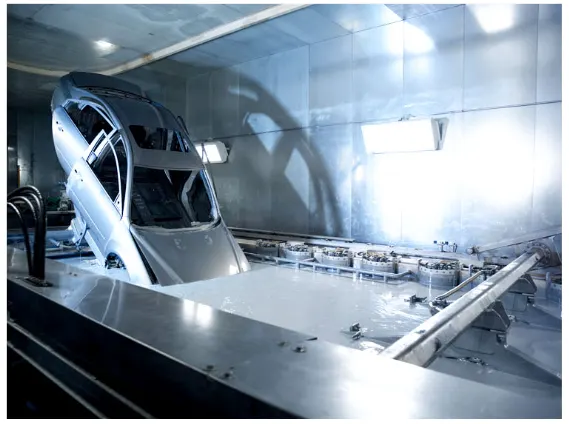
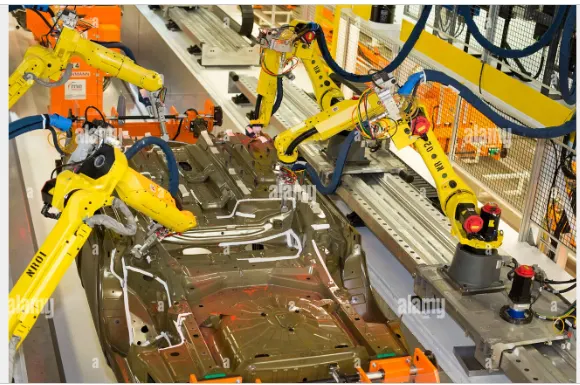
- Manufacturers may apply car undercoating at the factory.
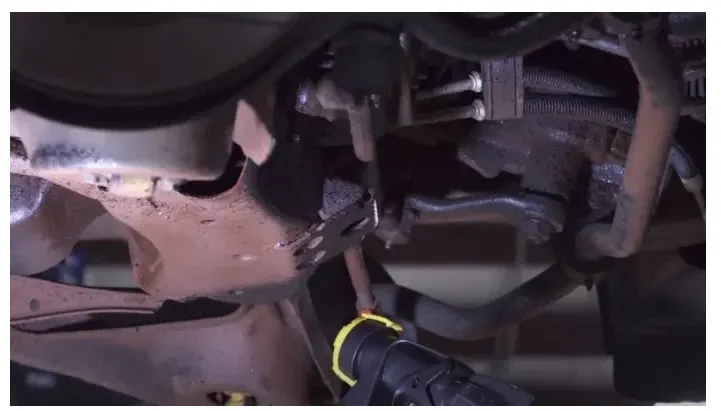
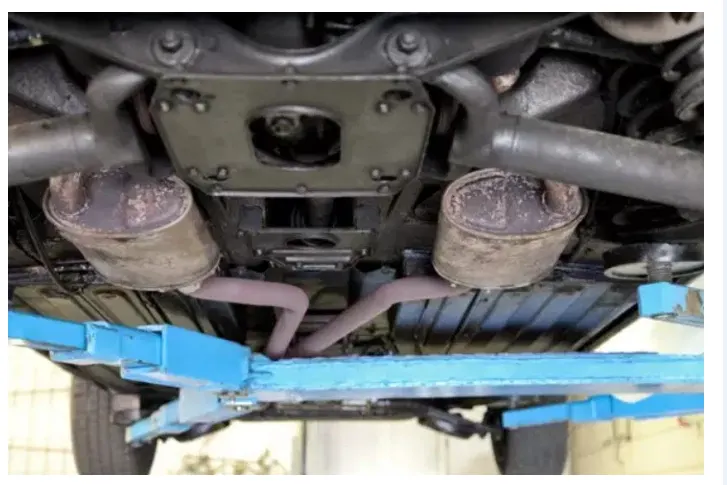
- The undercoatig covers most of the car's underside, includig floorboards, frames, gas tank, pans, wheel wells and muffers, suspension parts and exhaust pipes. This effect can be linked to black coating a parking lot or a rod.
- Udercoating material adhere to metal. even if it is painted. Most of them come in pressurized cans for easy spray-on application. While an even spread may be tough to achieve without professional applicators.
- Ingreidents used in the manufacturing of undercoating include fiberglass,ceramics,rubber asphalt and silicone. Each has different properties in terms of heat resistance and retention, but all give protection against the elements and damage.
- Auto undercoating protects the undercarriage. a vehicle's most vulnerable area. Unlike the visible portions of your vehicle, the undercarriage doesn't get washed frequently but it absorbs most of the moisture, grime, salt and other substances when you come in contact with them,as you drive.
- In addition to protecting your vehicle from elements damage, good undercoating can also reduce engine noise, leaving you quieter than ever before.
- Even if you by a new car with undercoating from dealer, remember that undercoating wears off typically within a short period of i year. Worn, patchy car undercoating can get damaged. when water and other elements then get trapped under the coat, further eroding metal.
Type of Undercoating
There are several types of under coating available, Some of them are
1. Rubberized Undercoating-
Rubberized vehicle undercoating is easy to apply and offers sound -cushioning as well as protection from dust, moisture and dings or dents. In addition to your undercarriage is also safe to use on wheels wells and quarter panels and dries to a soft rubbery finish that prevents further rust, damage or moisture seeps. The coating can be painted over and if necessary for bodywork can be easily removed with an undercoating removel spray.
Rubberized coating is generally the best option for protecting your vehicles undercarriage, as it provides the simplest and best protective measures against rust and moisture.
2. Polyurethane Undercoating-
This type of vehicle undercoating is a little undercoating is a little bit quicker and easier to apply. oftentimes, polyurethane undercoating will come in canisters ready to perload into an application gun. This type of sealant works by seeping into all cracks and seams, displacing salt and moisture and oozing around rustly areas to bond with and protect unoxidized metal. It also sands quickly in case you will need to perform bodywork and can be painted over on the flipside, this type of undercoating generally requires a little bit more surface prep work before applying-sanding and applying an etching primer to bare metals before using are generally recommended.
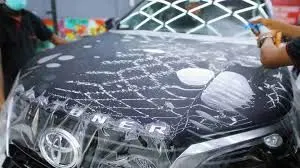
3.Wax or Paraffin-Based Undercoatings-
A paraffin undercoating will be the cheapest option available with which to protect the undercarriage of your vehicle. However, keep in mind that it will wear off quicker than other type of undercoating and will need to be stripped and reapplied at least once every year.
Wax -based undercoating never truly harden. During application, they drip or flow into seams and cracks to provide protective properties. They are usually available in a spray gun canister or in an aerosol can and offer at least a base protection in moderately humid climates.
4.Asphalt-Based Undercoating-
For standard vehicles,any of the aforementioned types of undercoating will provide sufficient protection. For large trucks and heavy machinery,asphalt-based undercoating provides a bit of extra durability against rocks,chips and moisture.
Asphalt-based undercoating generally contains a little bit of rubberized material that sets up firmly and also helps soften noise. generally sold in five gallon containers, this type of undercoating also needs more cure time than other three and NOT paintable, making it best to use only for undercarriage.
Advantages of Underbody Coating
- Prevent stone chip damage- A car underbody coating provides a durable elastic over the underbody and wheel arches which protects the substrate from stones, gravel,salt and other debris which is thrown up by the road.
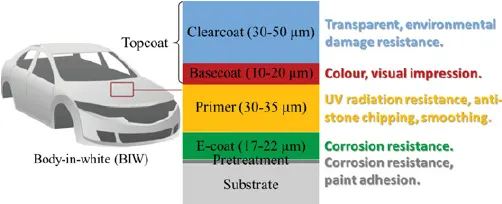
- Protects from corrosion- The automotive coating process consists of at least five layers of protective and decorative paint, However, the underbody only recieves the first two layers-the layers that provide the corrosion protection, but if that is the case why would another layer of coating be needed to protect from corrosion. The initiale two layers provide corrosion protection, but are not very durable, stone chip damage may expose the metal itself, leading inevitably to corrosion.
- Prevent water ingress- By covering cracks in the paintwork or joints in the undercarriage of a vehicle, moisture or water from humid or wet environments is prevented from creeping into the underbody and causing corrosion.
- Minimises sound- The noise of debris hitting a vehicle, or vibration from the road can be dampened by the applications of a car underbody coating. They prevent vibrations and because they are elastic they make far less noise when struck than the metal underneath.
- Is easy to maintain- Giving the undercarriage of a vehicle a uniform appearance cleaning it down is simpler and so is identifying possible problem.
Disadvantages
- Undercoating will work best on new vehicles that have not been exposed to road conditions.
- A used vehicle may already have residue on the bottom of the car or even have spots of rust and corrosion. Undercoating will not help you if corrosion already exists and the corrosion needs to be removed first before it can be applied, which can be expensive for you.
- An undercoating is not impervious to damage.
- A third party undercoating service might void your vehicle's warranty.