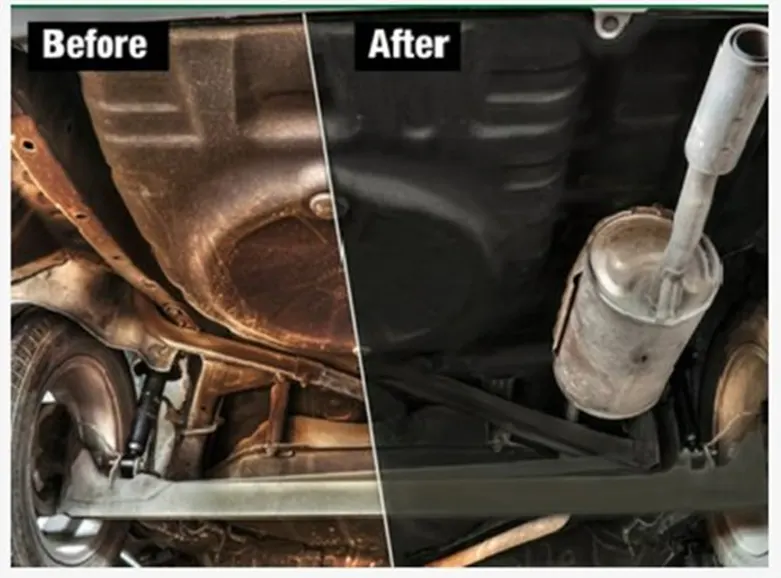
Underbody Coating
UNDERBODY COATING
Coating
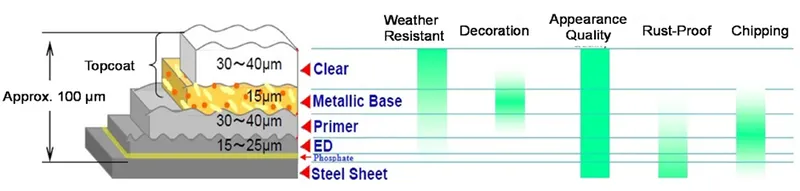
Automotive coatings and the processes used to coat automobile surfaces exemplify the avant-grade of technologies that are capable of producing durable surfaces, exceeding customers expections of appearance , maximizing efficiency, and meeting environmental regulations. These accomplishments are rooted in 100 years of experience, trial-and-error approaches, technique and technology advancements, and theroetical assessments. Because of advancenments directed at understanding the how, why, when, and where of automobile coatings, the progress in controlling droplets and their deposition attributes, and the development of new technologies and paint chemistries, a comprehensive and up-to-date review of automobile coating and coating technologies was considered to be a value to industrial practitioners and researches.
Overall the critical performance factors driving the development and use of advanced automotive coatings and coating technologies are (a) aesthetic characteristics; (b) corrosion protection; (c) mass production; (d) cost and environmental requirements; (e) appearance and durability. Although the relative importance of each of these factors is debatable, the perfection of any one at the expense of another would be unacceptable. Hence, new developments in automotive coatings are described and discussed in the following review, and then related to improvements in production technologies& paints. Modern automotive coating procedure are also discussed in details.
UNDERBODY COATING
Underbody coating is a sprayable coating, which protects the under surface of the vehicle from corrosion.
Underbody coating provides long term protection from corrosion to car underbody .it also protects parts like internal body panels , frame rails and other inner cavities thet are not physically accessible but are prone to corrosion .
Protecting the underbelly of the car should be our top priority .especially during monsoon when heavy corrosion in the underbody region.
The underbody coating that is most commonly used on cars in India and supplied by companies such as 3M is a thick, rubberized paint that forms a 2-3 mm thick coating all along the underside of the car when sprayed on. You also get a thinner clear coat underbody coating which is like a lacquer that coats the entire underside of the car. Some even inject rust-preventive coating material into crevices such as the bottom of doors and door sills, to protect them from rust.
Some car manufacturers already offer some underbody coating straight out of the factory which is usually sprayed inside the wheel arches and under the floor board of the car.
Rust Prevention
Ideally any additional underbody coating should be applied when the car is brand new and clean. Car manufacturers use thick paints and sealants for the underbody, but adding an underbody coat especially in coastal cities is useful. Salt water tends to corrode cars really badly.
On bad roads, flying stones and pebbles can chip off the original underbody coating and leave the metal exposed. Using an aftermarket underbody coating offer extra protection.
Risk of damage during application
Care must be taken while applying underbody coating. This thick rubberized paint if not applied properly, can get into moving mechanical parts and cause premature failure – such as into the U-joint or CV joints in a cars propeller shaft or drive shafts. They can also hinder smooth movement of suspension components, if applied incorrectly. And there’s also the risk of overspray on to the car’s paint finish on the lower edges of the car.
PRETREATMENT
ELECTRODEPOTION
RUST-PROOF MATERIAL:SEALER/PVC
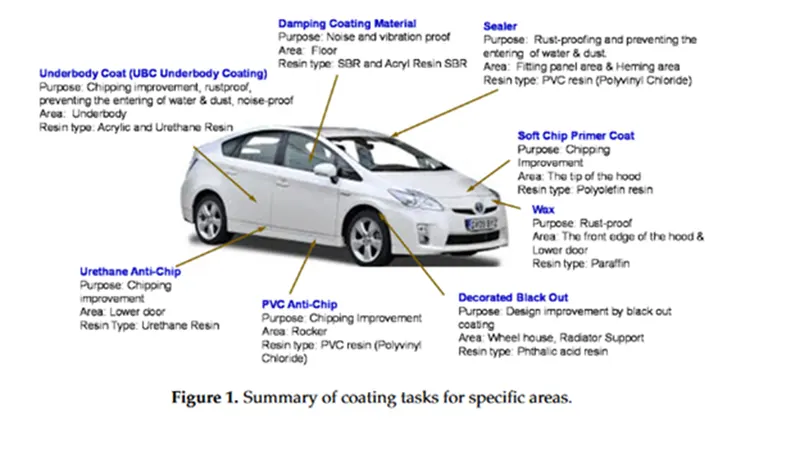
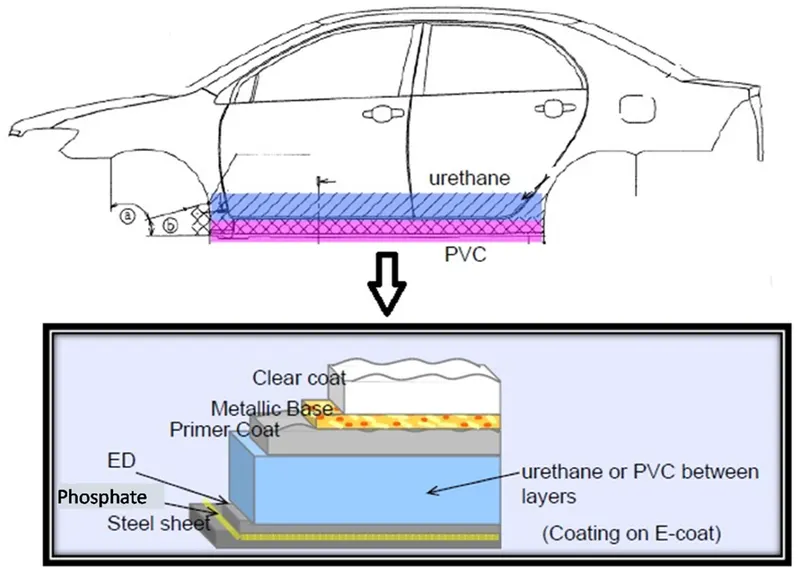
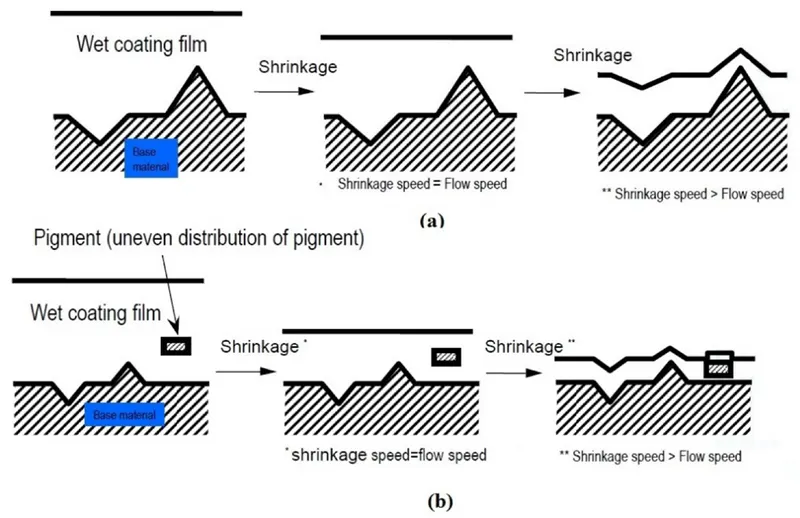
The third step is uderbody coating (UBC) and seam sealing using PVC ( polyvinyl chloride ) and urethane . this sealing has multiple purposes, as shown in
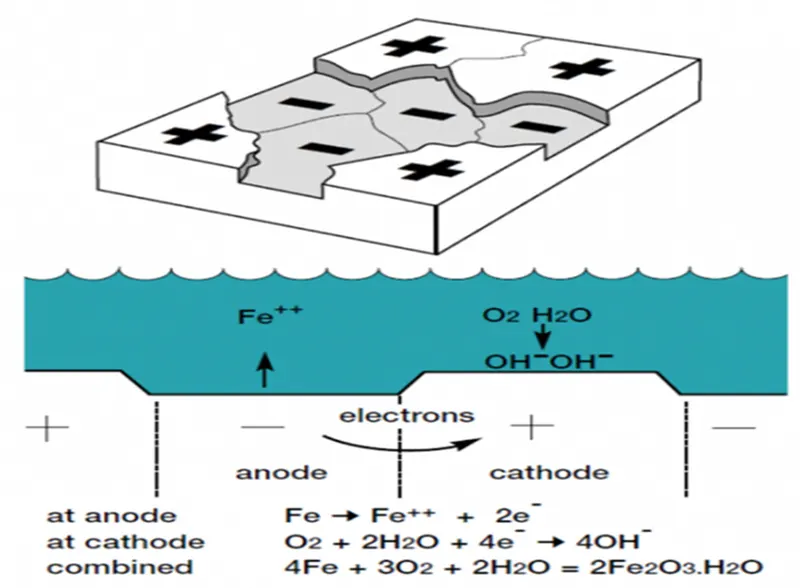
CORROSION
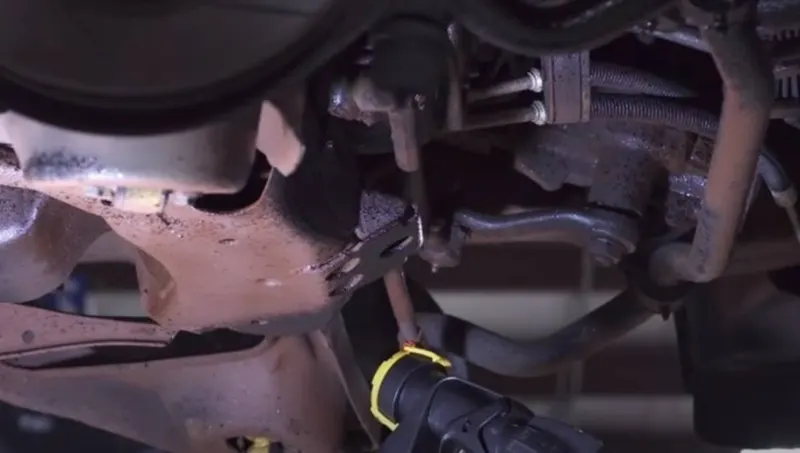
Underbody coating is usually a dense cladding (often based on rubber) applied uniformly to the undercarriage of the automobile. It is normally sprayed or painted on when the car is just out of the dealership and is clean. But even if you are getting the undercoating applied after a couple of years, it's fine too.
Rubberized Underbody Coating
This is generally thought of as the best underbody coating for your car. It preserves the underbody well, protecting it from scratches. Applying this to the undercarriage is not much of a hassle either.
Wax Based Underbody Coating
This more or less ephemeral undercoating will wear away in a few months’ time. On the upside, wax-based undercoating puts up a big fight against moisture. It is also the most affordable option out there.
Asphalt Based Automotive Undercoating
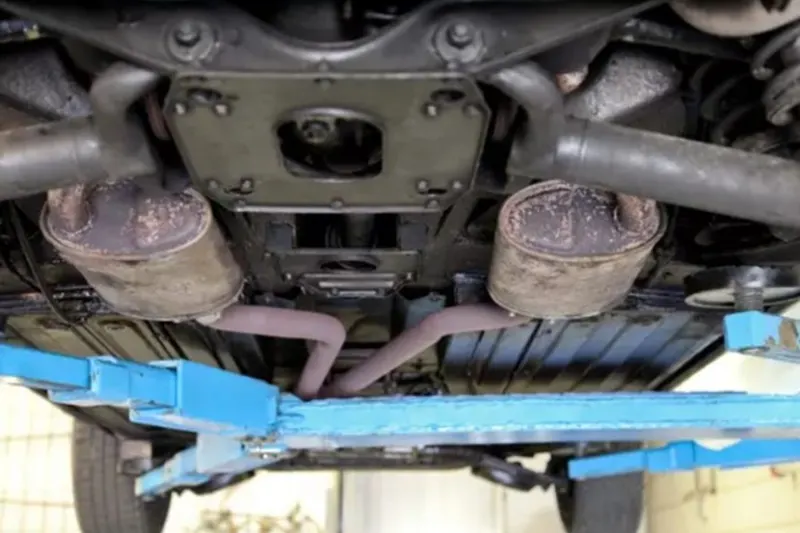
Best suited for lorries, trucks and large vehicles this provides a greater degree of protection compared to rubber-based coatings. However, asphalt-based coatings contain little amounts of rubber for sound-insulation purposes. The process of applying this coating is a bit time-consuming though.
Polyurethane Underbody Coating
This coating closes up splits and fractures on the underbody of the vehicle. It offers up good protection against corrosion and also bonds with the metal. Unlike in the case of asphalt-based coating, you can paint over the polyurethane coating.