Underbody Coating
UNDER BODY COATING
UNDER BODY COATING (UBC)
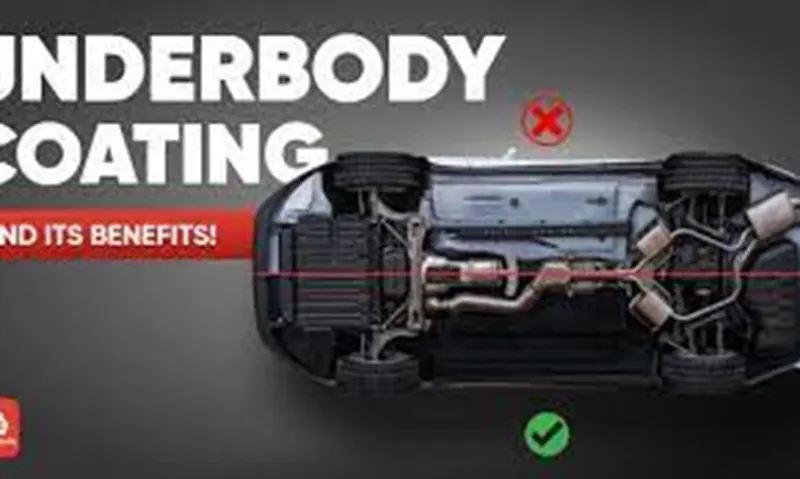
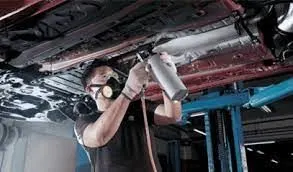
Under Body Coating is the process of coating the underbody structural components of an automotive to protect them against the corrosion. This coating prevents or delay of the rusting of the steel and iron objects. It is the permanent protection against the correction. These coatings will be applied by dipping the underbody parts in the Electro Deposition solution.
It is used to protect a substrate by providing a barrier between the metal and its outside environment, especially in chloride-laden environments and protecting a vehicle from damage due to gravel, road salts, sand and other grime. Coatings must be uniform, pore free, well adhered and self-healing for providing adequate corrosion protection. Underbody anti-rust coatings are generally composed of polymeric binder, filler and an anticorrosive pigment.
TYPES OF UBC
Rubberized Undercoating
Rubberized undercoating is easy to apply, and generally offers the best protective coating for your car’s undercarriage. It cushions surfaces against moisture, rust, dings, and dents.
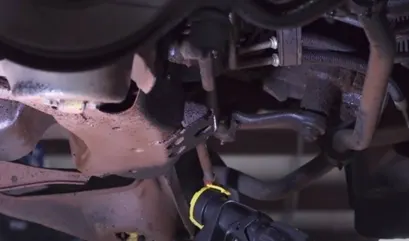
Asphalt-Based Undercoating
Asphalt-based undercoating offers a higher level of protection suitable for large trucks, recreational vehicles, and heavy machinery. It’s formulated with some bits of rubberized material to aid in noise reduction. It offers extra protection against chips and moisture but is not paintable and, therefore, only suitable for undercarriages.
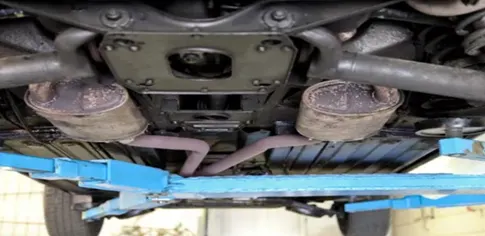
Polyurethane Undercoating
Polyurethane coating is easy to apply and works by sealing up cracks and seams. The compound displaces salt and moisture and protects the unoxidized metal from rust. It, however, requires some surface prep work before application, like degreasing, and applying an etching primer to the bare metal.
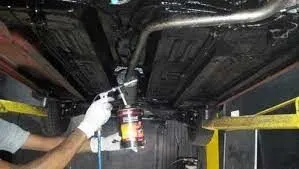
Wax or Paraffin-Based Undercoating
Wax or paraffin-based undercoating sprays are the cheapest and quickest options available. However, their results don’t last long, and you may have to apply a fresh coat after only a few months. In addition, the wax isn’t very adhesive on a metal surface. Its main advantage is that it seeps quickly into cracks and seams, and offers moderate protective properties against moisture.
STEPS TO BE CARRIED OUT BEFORE UBC PROCESS
The main steps followed before the UBC are explained below
1.Pretreatment
Pre-treatment consists of cleaning the body surface to remove remaining oils from the stamping process and welding residues through three primary liquid dip processes of degreasing, conditioning, and phosphating. Pre-treatment helps the primer to bond onto the metal.
2. ELECTRODEPOSITION
The electrodeposition coat or E‐coat provides rust and corrosion protection and was first introduced in the 1960s. Since then, the use of E‐coat has grown at a rapid pace. By 1970, 10% of all cars were electrocoated and by 1990, 90% of all cars were electrocoated. Today, it is the most conventional coating process used in vehicle manufacturing.
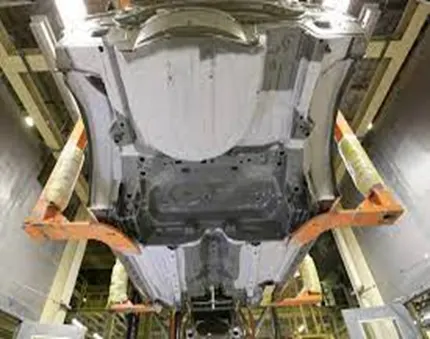
The E-Coat Process will dip the metal body or underbody into the ED solution. The ED coat will be observed in the body and the angle of rotation will let the ED droplets out of the body. The Angle of rotation of the body will be based on the coating thickness and size of the bath. The Better angle of inclination will help us to prevent the extra coating thickness in the body resulting in more than required and additional cost.
CONSIDERATIONS OF UBC
- Coating Thickness – The Coating thickness of the body is not defined however the requirements of the each automotive is to be different, and according to our benchmarking the coating thickness can be considered. The more the coating thickness adds the betterment of the product
- Coating Areas – It is also same as the thickness the area of the coatings is decided according to the design requirement of the product and our benchmarking. The more area the UBC covered the more rigid the Underbody structure will be.
ADVANTAGES OF UNDERBODY COATING
- Rust Prevention
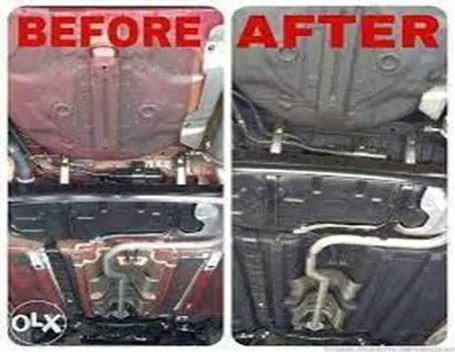
- It acts as first layer of defense and protect the steel and metal from getting Rust. It prevents the underbody from stones and pebbles in the roads by letting not damage the parts.
- Sound Protection
- It also provides sound insulation as it prevents the outside sound entering the cabin of the car.
- Reinforcement
- If your car hits on the stone or on entering the area of standing water it will prevent the car body. There would be fewer dents, dings and scratches on the undercarriage for you to fret about.
- Prolong Car Life
- Good undercoating not only defends the underbody from corrosion but also protects the engine and transmission as well! Less rusting coupled with slower wear and tear can surely add years to the lifespan of your vehicle.
DISADVANTAGES OF UNDERBODY COATING
- High cost & Processing
- The main disadvantage of underbody coating cost as if the coating thickness is decided we also have to ensure that process design will not add additional coating thickness on the body as it would impact in cost. It also increases the cost of the selling product.
CONCLUSION
Since nothing is free in the world the UBC is also required in the Automotive to increase the lifetime of the product so it is necessary to have it.