Underbody Coating
UNDERBODY COATING:
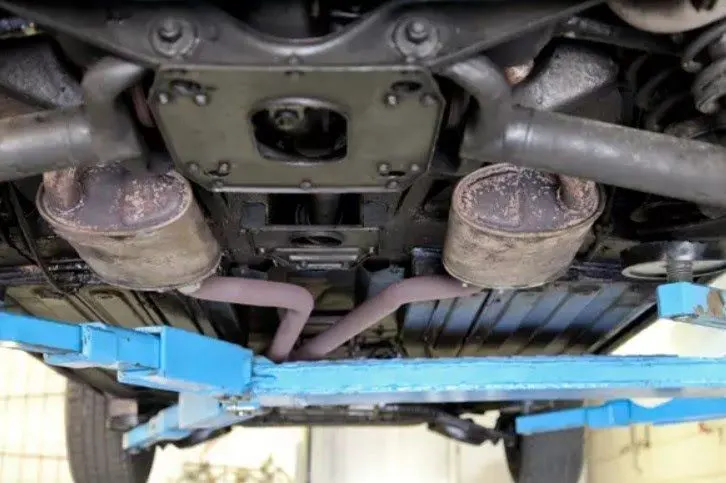
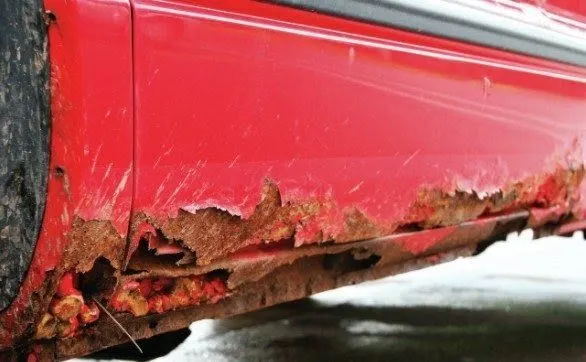
In Indian road conditions, a cars underbody is most prone to corrosion. Underbody coating provides long term protection from corrosion to car’s underbody. It also protects parts like internal body panels, frame rails and other inner cavities that are not physically accessible but are prone to corrosion.
Types of Undercoating
- UNDERBODY COATING
- RUBBEREIZED UNDERBODY COATING
- WAX BASED UNDERBODY COATING
- ASPHALT BASED AUTOMATIVE UNDERCOATING
- BITUMEN BASED UNDERCOATING
- POLYURETHANE UNDERBODY COATING
Underbody Coating
Now let us look at the various kinds of automotive underbody coating you can go for, for your vehicle.
Rubberized Underbody Coating
This is generally thought of as the best underbody coating for your car. It preserves the underbody well, protecting it from scratches. Applying this to the undercarriage is not much of a hassle either.
Wax Based Underbody Coating
This – more or less – ephemeral undercoating will wear away in a few months’ time. On the upside, wax-based undercoating puts up a big fight against moisture. It is also the most affordable option out there.
Asphalt Based Automotive Undercoating
Asphalt Based Undercoating does provide some benefits over Waxed Based Undercoating. They both stick well to most any surfaces and do a great job sealing out moisture, road chemicals and oxygen. But mainly, Asphalt undercoating has the benefit of being less expensive. They protect anywhere up to 5 years and dry to a Firm to Hard coating.
Asphalt Based Undercoating does require a thicker film thickness meaning you will have to apply more product to the surface to be protected then if you use a Wax Based Undercoating. Additionally, Asphalt based products require more surface preparation because they can actually seal in rust and moisture allowing it to continue to grow. Finally, Asphalt based products continue to dry out over time causing cracks in the coating surface.
So, if you are looking for a more cost effective undercoating that can protect your vehicle for up to 5 years but may require a little more surface preparation… then Asphalt Based Undercoating is what you need.
Bitumen Based Undercoating
Best suited for lorries, trucks and large vehicles this provides a greater degree of protection compared to rubber-based coatings. However, asphalt-based coatings contain little amounts of rubber for sound-insulation purposes. The process of applying this coating is a bit time-consuming though.
Polyurethane Underbody Coating
This coating closes up splits and fractures on the underbody of the vehicle. It offers up good protection against corrosion and also bonds with the metal. Unlike in the case of asphalt-based coating, you can paint over the polyurethane coating.
Benefits
Most of the vehicles manufactured these days are rust proofed, especially in rainy and cold regions. When your car is exposed to saltwater and other common electrolytes, investing in an undercoating from an authorized dealer is a smart investment. It does cost a few hundred dollars, but it’s worth it. It will keep your ride in good condition for five years.
1. It extends the lifespan of your car
The protection against rusting gives you the biggest advantage, which is the long-life of the vehicle. If undercoating is done the right way, then it will provide protection for up to 10 years. In some cases, the time span is more than ten years, which extends the lifespan of your vehicle.
2. No more loud road noise
The undercoating serves as an extra layer of insulation, reducing the noise from penetrating inside components. Thus padding acts as a barrier between you and the source of the noise. If the road noise bothers you while driving your car, truck, or SUV, then applying to undercoat can help you.
What Are The Disadvantages of Undercoating?
Nothing comes for free in this world. The same goes for undercoating. The undercoating or rustproofing spray is heavy in pockets. However, it is nothing when you compare it with the cost of replacing a vehicle after corrosion.
How to Apply a DIY Undercoating with a Rust Proofing Spray?
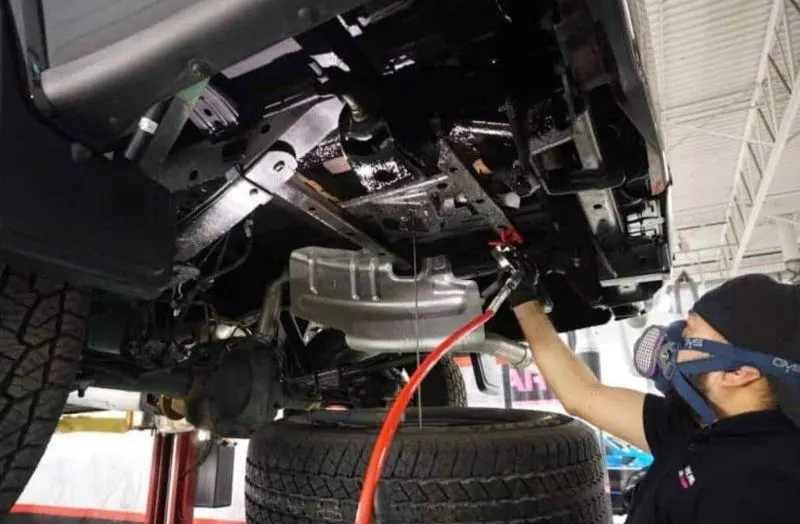
You can apply undercoating on your own without a problem. Several DIY products are available in the market to apply on the undercarriage. This can be messy as you have to leave your vehicle untouched for some days while it stops dripping. This takes a lot of time as compared to the amount of money you can give it to pro to take care of it.
Here is the tip. Each underbody spray is unique, so you need to follow specific steps required to complete it. For this, check with the manufacture to know about the method before starting.
• Minimizes Sound: It minimizes the sound from underneath the car resulting a noiseless, smooth driving experience.
• Heat Insulation: It insulates the interior of the car from extreme temperatures from beneath the vehicle providing a comfortable cabin experience.
• Anti-chipping property: If any stone hits the coating it does not get chipped away hence protects the underbody from exposure to water.
Now we will tell you why you should consider investing in a vehicle underbody coating.
Fights Rust:
It plays an important role in keeping corrosion at bay. Underbody coating can come in handy especially if you live near the sea, where there is too much humidity, and rusting is just one of those everyday things. You should also seriously consider undercoating if you reside in a place where it snows in winter.
Absorbs Noise:
Believe it or not, very thick undercoating can soften the noises that reach the cabin. Since the undercoating is often made up of rubber it absorbs some of the rackets. The occupants of the car could spare themselves of the road noises – at least up to a certain extend.
Reinforcement:
If your car comes with stock underbody coating, using another coating on top of it, is not going to hurt. It will offer additional reinforcement, protecting the underbody from water, road debris, gravel and small pebbles. There would also be a lesser chance for the factory coat to flake away.