Underbody Coating
Report on Underbody Coating and its purposes:
In the Automotive industry, we have all heard of Henry Ford and his famous Model T.
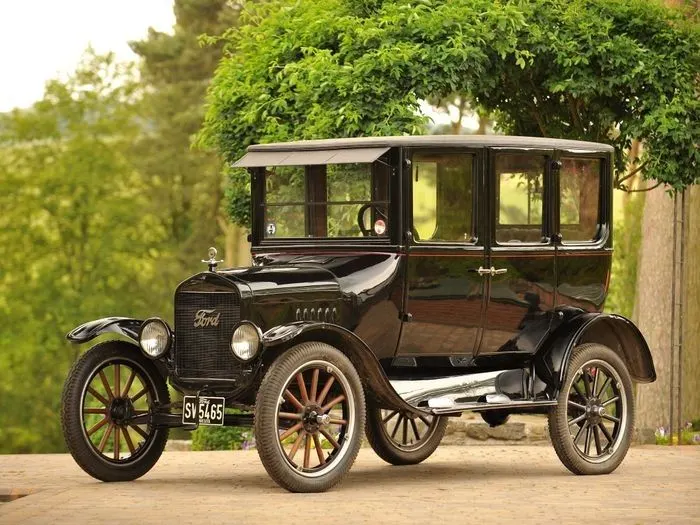
“The customer can get the Model T painted in any colour he wants, so long as it’s black!” —Henry Ford, 1908.
The oft-quoted statement above of Henry Ford is humorous today, but Ford was serious when he said it. Ford thought that black car paint was the only practical automotive paint for the Model T, as it provided him with a coating that was both durable and cheap. Of course, the black car paint that Ford put on his Model T actually was not “automotive” paint at all, but just the existing paint technology available at the beginning of the 20th century: a paint based on natural linseed oil resin as the binder. Ford’s black paint was applied by hand brushing to the Model T in multiple coats, a process that, in the end, took about a week to complete.
In a world where water and oxygen are common, the most useful metals have long since been turned into oxides. We have built much of our technology by wresting these metals from the ground and refining them into their pure forms. Nature is relentlessly turning them back to the way they were. This is roughly a 400 billion dollar per year problem for the automobile industry. Especially when you are a contributor and there are no simple nor easy solutions for Automobile rustproofing & Car Undercoating.
When Neil Young sang “Rust Never Sleeps,” he might as well have been croaking about the slow but inevitable deterioration of New England automobiles. Because the states used salt on their roads, vehicles used to decline from showroom beauties to embarrassing rust buckets in a hurry.
Automobile Rustproofing -Truck / Car Undercoating began as a major business in the 1960s, 1970s, and 1980s, when body panels and floors started rusting through after only a few years, largely due to the increased use of road salt.
Today, chloride salts are among the most widely used dust suppressants. They work by pulling water from the atmosphere and binding it to road dirt. Calcium and magnesium chloride are the most popular. Sodium chloride, or table salt, is less effective. Chloride salts are very corrosive to metals and can also result in slippery coatings on the road surface. After the initial application, yet another follow-up treatment at a lower rate is usually needed to ensure long-term dust control. This is another contributing factor to the growing corrosion problem for vehicles today.
Today’s automobile rustproofing- oil-based products (Truck-Car Undercoating) are environmentally friendly, and advanced technology makes them highly effective. No-drip undercoating is formulated to stick around, remain in place, and provide protection in ambient conditions.
The technology is still fairly simple to understand. Many of you are familiar with WD-40. In 1953, a fledgling company called Rocket Chemical Company and its staff of three set out to create a line of rust-prevention solvents and degreasers for use in the aerospace industry.
Working in a small lab in San Diego, California, it took them 40 attempts to get the water displacing formula worked out. But they must have been really good because the original secret formula for WD-40® -which stands for Water Displacement perfected on the 40th try—is still in use today.
The most interesting piece of WD-40®‘s history is the way in which they came up with the name, considering consultants today are paid tens of thousands of dollars to create catchy names and decorative packaging. Water displacement, that’s exactly what you want your oil to do when applied to the undercarriage of your vehicle. It’s hard to be 100% certain the body cavities, cracks, and seems are not holding moisture.
In the process, the oil cuts off all oxygen, while forming a protective barrier. Once you remove oxygen, or moisture from the equation, oxidation can no longer occur. This is why it is believed that oil-based rustproofing (Truck / Car Undercoating) is the most unforgiving approach towards fighting corrosion. Trapping moisture is the primary reason why conventional automobile rustproofing (hard asphalt products) failed.
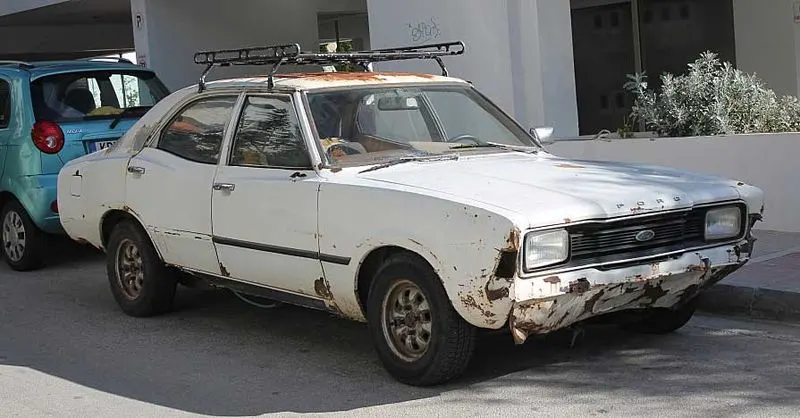
While rust can be categorized as mechanical and superficial, rust is an absolute killer in terms of resale value. Cars with rust are practically untouchable, especially in places with snowy and generally wet weather. Automobile rustproofing - is prevention, and is always cheaper than cure, and your car is no different.
Types of Undercoating:
- Rubberized Underbody Coating:
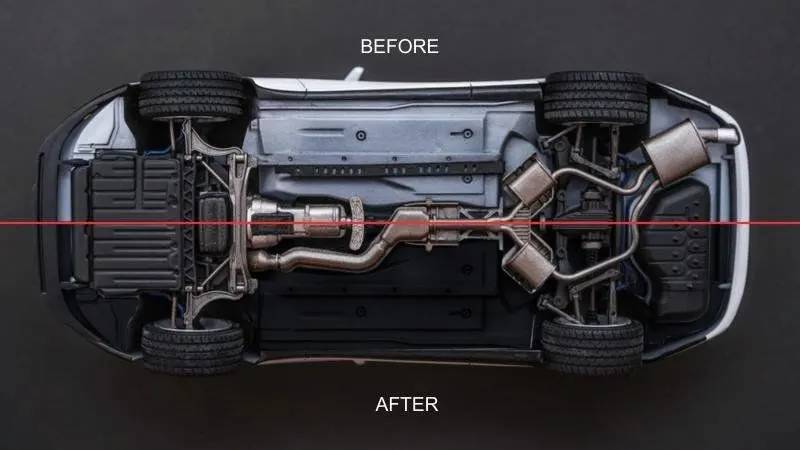
This type of undercoating creates a protective barrier that seals out grit, grime and moisture that could otherwise corrode the metal components. This extra protection is a low-cost measure that can pay off by potentially extending the service life of a vehicle.
- Wax/Paraffin Based Underbody Coating:
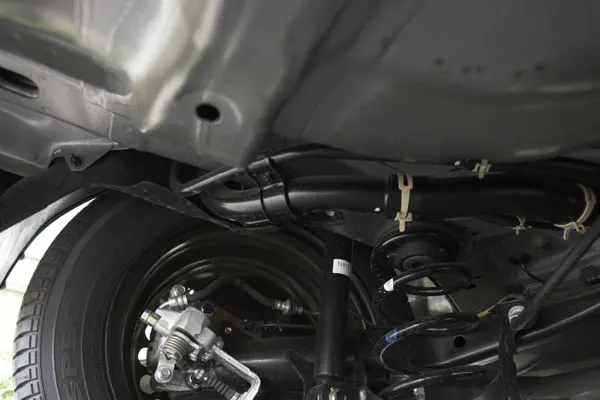
Wax or Paraffin based coating is one of the cheapest options available in the market. However, the coating does not last long and has to be re-applied after six months roughly. Wax is not very adhesive on metal. It is a good option for quick and temporary fix, from moisture and dirt, but not a long-term solution.
- Asphalt Based Automotive Undercoating:
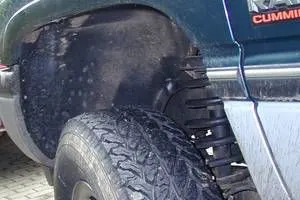
This is a good option for heavy vehicles/machines, trucks, buses, off-road cars and recreational vehicles. Bits of rubberized materials is added to increase noise reduction. It helps in extra protection to the vehicle’s underbody. It can’t be painted so it is better sprayed underneath the car.
- Polyurethane Underbody Coating:
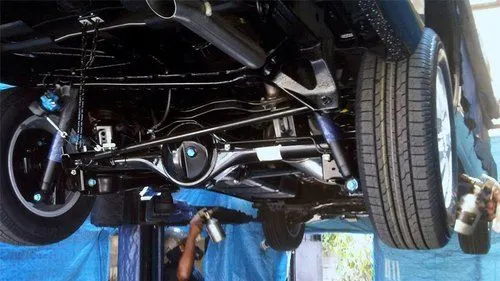
It works by sealing all cracks and seams and it is easy to apply. The compound protects the unoxidized metal from rust by displacing salt and moisture. It requires some surface preparation before application, like degreasing and applying an etching primer to the bare metal. It is generally sold in ready to use cannisters that are ready to preload into an application gun.
Advantages of Underbody Coating:
- Prevention of Rust, Corrosion, Damage from debris and stone chips:
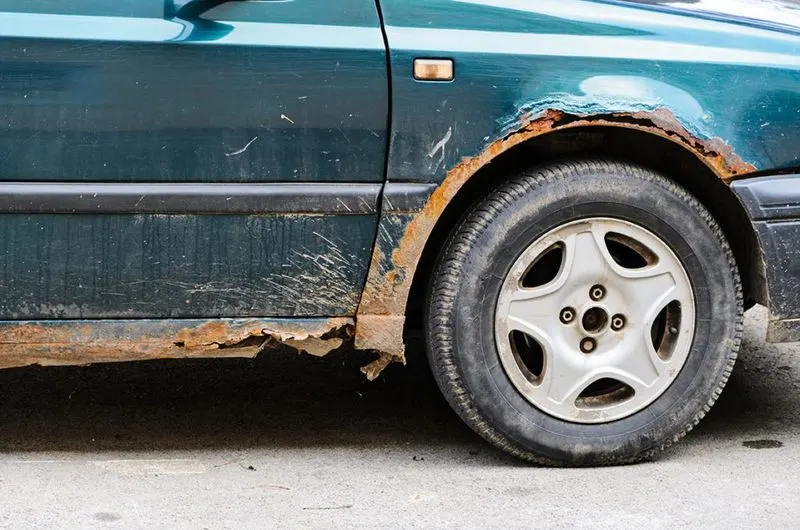
Ideally any additional underbody coating should be applied when the car is brand new and clean. Car manufacturers use thick paints and sealants for the underbody, but adding an underbody coat especially in coastal cities is useful. Salt water tends to corrode cars really badly. Good undercoating not only defends the underbody from corrosion but also protects the engine and transmission as well! Less rusting coupled with slower wear and tear can surely add years to the lifespan of the vehicle. There would be fewer dents, dings and scratches on the undercarriage to fret about. On bad roads, flying stones and pebbles can chip off the original underbody coating and leave the metal exposed. Using an aftermarket underbody coating offers extra protection.
- Sound insulation, Driving Comfort:
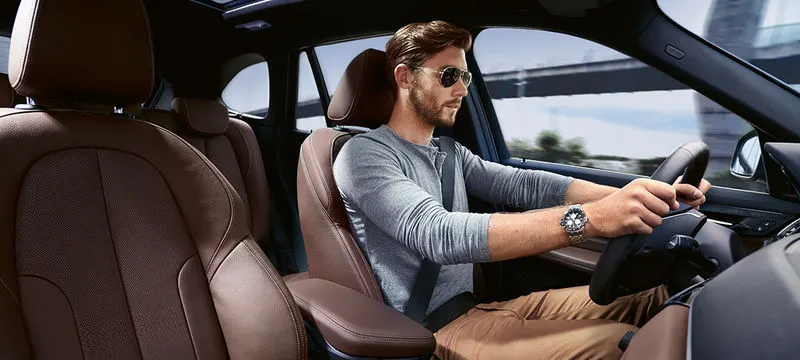
The thicker underbody coatings used on cars also act as effective sound dampeners. They can reduce road noise and tyre noise and make the cabin seem quieter – due to the sound absorptive nature of rubberized paints. The occupants of the car could be spared the road noises – at least up to a certain extent.
- Easy maintenance, Better Service Life:

A uniform black underbody coating gives a car a clean look. It also makes the car easier to maintain by just hosing the underside down. You can be confident that slush build up won’t lead to rusting easily. Most underbody coats these days come with a five-year warranty, which is the lifetime of such a coating. If the car comes with stock underbody coating, using another coating on top of it, is not going to hurt. It will offer additional reinforcement, protecting the underbody from water, road debris, gravel and small pebbles. There would also be a lesser chance for the factory coat to flake away.
- Warranty and Other Perks:
One can get a warranty on many undercoatings. Underbody coatings can also make it easier to clean the car. Besides these, the coating provides a bit of thermal insulation making travelling by road easier even during summers. However, one should make sure that the surface is properly cleaned before the coating is applied. One can drive on all kinds of roads even in bad weather conditions without the car’s undercarriage paying a price for it.
Disadvantages of Underbody Coating:
- Underbody coating is expensive:
Even though the cost of underbody coating has reduced over the years, it is still quite expensive. The option of applying undercoating at a dealership is an expensive deal, since dealerships have their own profit margins to cater to.
- Possible damage during spraying:
In case of thick rubberized paints, there is a possibility that the paint, if not sprayed properly, can get into moving parts, creating operational problems.
- Added Weight:
There is a possibility that the extra weight, after applying the undercoating, can affect the fuel economy of the vehicle marginally.