Underbody Coating
Aim:
To make a detailed report explaining about under-body coating, its type and its pros and cons by adding relevant images.
Underbody Coating:
It is usually a dense cladding (often based on rubber) applied uniformly to the undercarriage of the automobile. It is normally sprayed or painted on when the car is just ou of the dealership and is clean. But even if you are getting the undercoating applied after a couple of years, it’s fine too. This is because it can prevent further damage to the undercarriage.
The main purpose of undercoating is to check rust especially in the body components like frame rails along with other exposed metal parts. Underbody coating can also reduce wear and tear. In Indian road conditions, a cars underbody is most prone to corrosion. Underbody coating provides long term protection from corrosion to car’s underbody. It also protects parts like internal body panels, frame rails and other inner cavities that are not physically accessible but are prone to corrosion.
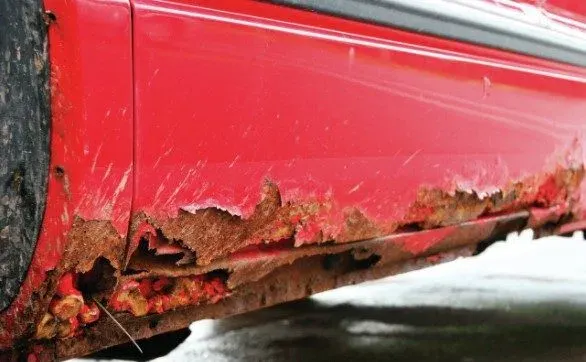
Rust is not just ugly but can trigger a number of different system breakdowns, such as leaks that can lead to gradual fuel wasting and even sizable components like the engine and transmission failure. System harm can be frustrating. If you don’t defend your vehicle with something, then you may make it a lot more vulnerable to system harm.Rust will reduce the life and residual value of your vehicle not to mention safety hazards and so it’s vital to take steps to prevent rust from happening!
Many people live in places where inclement weather can have a negative impact on their motor vehicle. Abrasive road salt, road brine, sticky tree sap, fine scratches left by low-hanging tree limbs — all can rub away the manufacturer’s paint and then wipe away the coat on top of it. And once your vehicle’s paint begins chipping away, damaging rust isn’t far behind.With the introduction of road brine, this toxic substance is able to get into all the nooks and crannies where traditional road salt could-not. Many road brines contain sticky additives so that the toxic substance will not wash off the road easily.
Significance:
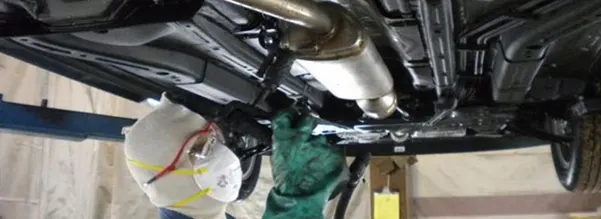
- Undercoating helps to provide an additional layer of insulation and protection to the undercarriage of your vehicle.
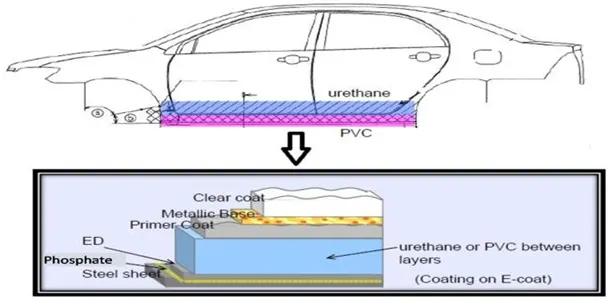
- Manufacturers may apply car undercoating at the factory.
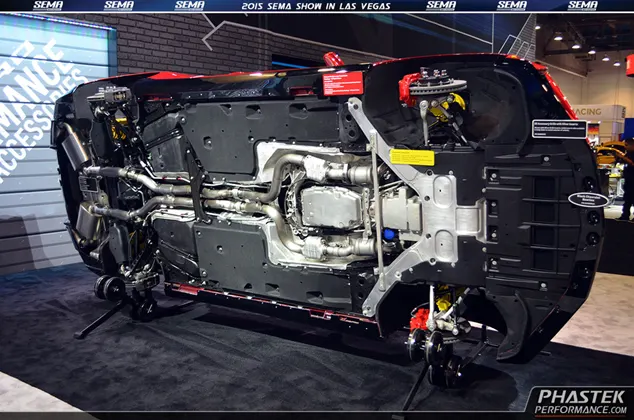
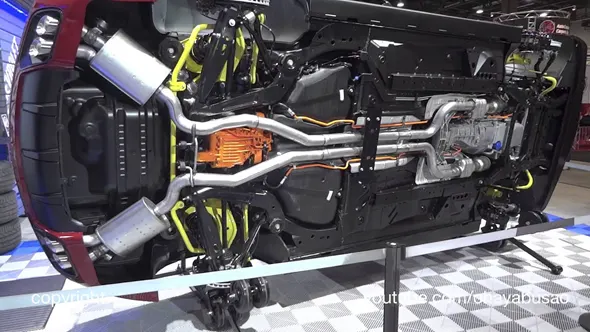
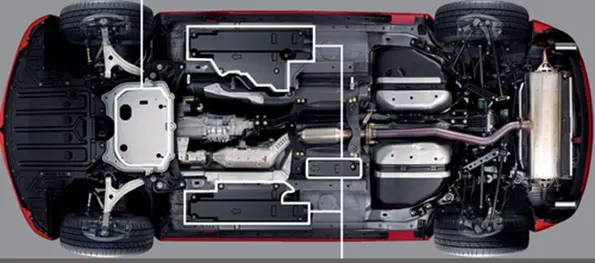
- The undercoating covers most of the car’s underside, including floor boards, frame, gas tank, pans, wheel wells and mufflers, suspension parts and exhaust pipes. This effect can be likened to black coating parking lot or a road.
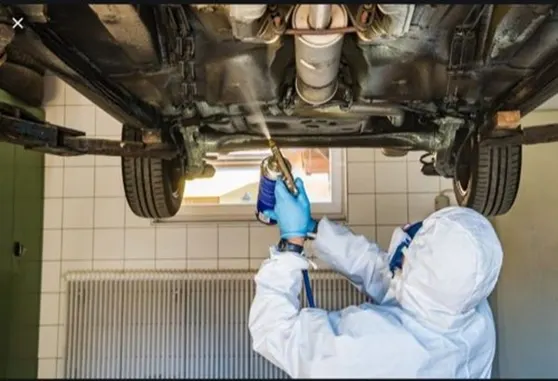
- Undercoating materials adhere to metal, even if it is painted. Most of them come in pressurized cans for easy spray-on application, while an even spread may be tough to achieve without professional applicators.
- Ingredients used in the manufacturing of undercoating include fiberglass, ceramics, rubber, asphalt and silicone. Each has different properties in terms of heat resistance and retention, but all gives protection against the elements and damage.
- Auto undercoating protects the undercarriage, a vehicle’s most vulnerable area. Unlike the visible portions of your vehicle, the undercarriage doesn’t get washed frequently but it absorbs most of the moisture, grime, salt and other substances when you come in contact with those, as you drive.
- In addition to protecting your vehicle from elemental damage, good undercoating can also reduce engine noise, leaving you quieter than ever before.
- Even though if you buy a new car with undercoating from the dealer, remember that undercoating wears off typically within a short period of 1 year. Worn, patchy car undercoating can get damaged when water and other elements then get trapped under the coat, further eroding metal.
Different Types of Vehicle Undercoating:
Rubberized Undercoating:
Rubberized vehicle undercoating is easy to apply and offers sound-cushioning as well as protection from dust, moisture, and dings or dents.
In addition to your undercarriage, rubberized undercoating is also safe to use on wheel wells and quarter panels, and dries to a soft rubbery finish that prevents further rust, damage, or moisture seeps. The coating can be painted over and, if necessary for bodywork, can be easily removed with an undercoating removal spray.
Overall, rubberized undercoating is generally the best option for protecting your vehicle's undercarriage, as it provides the simplest and best protective measures against rust and moisture.
Polyurethane Undercoating:
The other option for undercoating your vehicle is to use a Polyurethane based-seleant This type of vehicle undercoating is a little bit quicker and easier to apply.
Oftentimes, polyurethane undercoating will come in cansisters ready to preload into an application gun. This type of sealant works by seeping into all cracks and seams, displacing salt and moisture and oozing around rusty areas to bond with and protect unoxidized metal. It also sands quickly in case you'll need to perform bodywork and can be painted over.
On the flipside, this type of car undercoating generally requires a little bit more surface prep work before applying -- sanding and applying an etching primer to bare metals before using are generally recommended.
Wax or Paraffin-Based Undercoating:
A paraffin-based undercoating will be the cheapest and quickest option available with which to protect the undercarriage of your vehicle. However, keep in mind that it will wear off quicker than other types of undercoating and will need to be stripped and reapplied at least once every year.
Wax-based undercoating never truly harden. During application, they drip or flow into seams and cracks to provide protective properties. They are usually available in a spray gun canister or in an aerosol can and offer at least a base protection in moderately humid climates.
Asphalt-Based Undercoating
For standard vehicles, any of the aforementioned types of undercoating will provide sufficient protection. For large trucks and heavy machinery, asphalt-based undercoating provides a bit of extra durability against rocks, chips, and moisture.
Asphalt-based undercoating generally contains a little bit of rubberized material that sets up firmly and also helps soften noise. Generally sold in five-gallon containers, this type of undercoating also needs more cure time than the other three, and is NOT paintable, making it best to use only for undercarriages.
Different methods of Apply Undercoating:
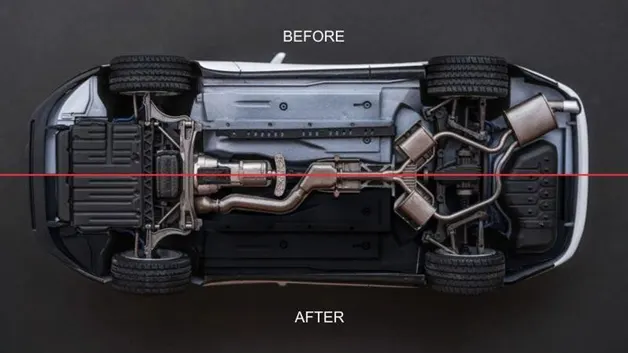
- Spray-on Rubberized undercoating
- Electronic Rust Inhibitors
- Lanolin Wax/Wool Grease
- Dripless Oil Spray
Best Undercoating Products:
- Rust-Oleum 248656 Undercoating
- 3M 3584 Professional Grade Rubberized Undercoating
- Rust Stop RS-5 Electronic Rust Prevention System
- Wool wax Automotive Undercoating
- Fluid Film Undercoat Aerosol Spray (Lanolin wax based
- Barrier Bond No Drip Rustproofing
- WD-40 – 300035 Specialist Long-Term Corrosion Inhibitor.
Steps to Apply Undercoating:
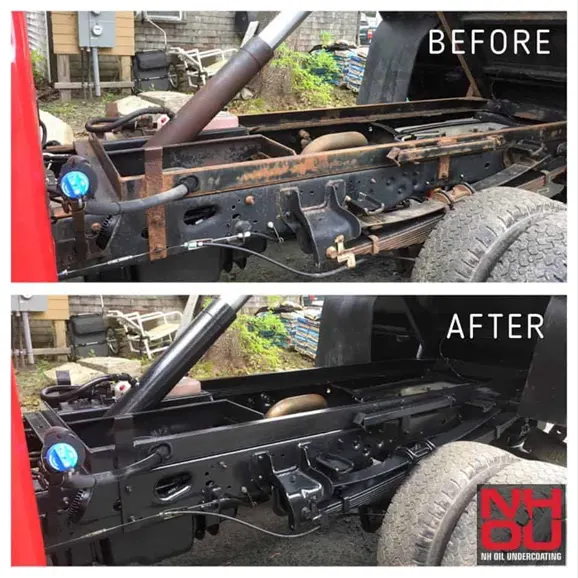
- Cleaning the Underbody
- Degreaser
- Grinding
- Sanding
- Appy Priming
- Apply Undercoating
Advantages of Underbody Coating:
- It extends the lifespan of the car.
- No louder road noises.
- It prevents from stone chip.
- It prevents from paint chipping.
- It protects against Rust and Corrosion.
- It avoids external influence.
- It protects vital components.
- It keeps high value/price of car.
- It will reduce Noise, Vibrations, Harshness.
- It makes strong Reinforcement.
Disadvantages of Underbody Coating:
- It makes extra cost.
- It works best on new cars.
- It will not help when we provide undercoating to the body which had already exists the corrosion to that body.
- It adds the little weight to the vehicle.
- It causes difficult to undercoating by manually.
- It causes health hazards; the chemical odour is not good for health.
- Need to protect Body, hands, Eyes while undercoating.
Conclusion:
Underbody Coating is a must to the vehicle, it will act as a protection layer at the bottom of the vehicles and this protection layer will help us to keep a underbody away from the rust and corrosion and it gives a good outer look to the vehicle, avoids the parts from damaging it with rust and corrosion.