Underbody Coating
UNDERCOATING:-
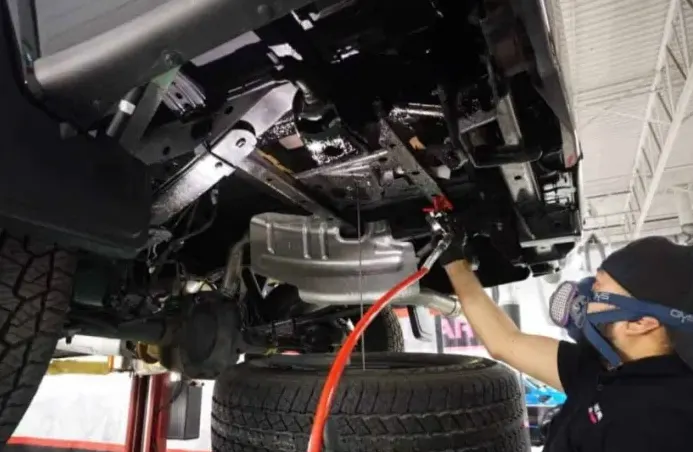
The coating is the formulation of spray that is applied to the chassis protecting it from rusting. Applying to undercoat, as soon as you get your new car, is the best way to keep the chassis intact. This covers the undersurface saving it from road grime and other stuff.
METHODS OF UNDERCOATING:-
- Spray
- Electronic
- Dip Oil Spray
- Dripless Oil Spray
1.) SPRAY:-
The spray is the most common method of undercoating. The spray consists of a tar-like substance that is applied to the undercarriage. It functions as a barrier for salt, moisture, and oxygen, which causes corrosion
2.) ELECTRONIC:-
Removing the electrical current capacity of items underneath the vehicles is another method for applying to undercoats. A weak electric current circulates through the material, reducing the chances of rusting.
3.) DRIP OIL SPRAY:-
If you want to do it yourself, then drip oil spray is the best option. This can be messy but incredibly effective at protecting the undercarriage. It covers every nook and corner of the chassis, forming a robust layer of protection. Time is the factor where you have to show patience in this method. It takes a long time to dry. In some cases, it drips around 48 hours to a week.
4.) DRIPLESS OIL SPRAY:-
This waxy substance is applied to the body and undercarriage, forming a strong protective layer. It doesn’t take much time to dry; however, the layer can easily wear and tear than the other counter methods.
STEPS TO UNDERCOAT:-
- Step 1 – Cleaning the Underbody
You have to remove all debris and contaminants from the chassis to start with the undercoating process. It is another way to maintain your car in routine. You will need a hydraulic hoist or lift to complete this step in the right manner.
Here are some methods to clean the underbody,
1.) Degreaser:
A high-quality commercial-grade degreaser would be helpful in removing oil and grime from the undercarriage. Spray the degreaser, then allow it to soak for a moment, then wipe it off with a microfiber towel or shop rag.
2.) Grinding:
Now, grind the existing hard contaminants and rust from the undercarriage and other components that you want to treat. You can use a mild grinding pad to remove the debris easily, but remember to wear eye protection while doing it.
3.) Sanding:
After degreasing and grinding, remove those scratches and other stubborn contaminants using a 200 to 400 grit.
4.) Use a Tack Rag or IPA solution:
To wind up the cleaning process, wipe down the area with a tack rag or IPA solution.
- Step 2 – Applying Priming
Primers serve as a basecoat. The recommended primers usually contain a high level of zinc. Zinc helps in reducing rusting, even if the protective layer is penetrated.
- Step 3 – Applying Undercoating
This is the final step. The undercoating sprays are similar to bed liners. Most products are applied in two steps as dual layers. The first layer should be thin, covering the entire surface. Allow it to rest at least for an hour, especially if you are applying rubberized undercoating. After this layer has been dried, you can apply the second coat generously. Don’t forget to apply it as per the instructions given by the manufacturer. It will take a few hours to days for curing. When you are done with the process, you need to look after the undercarriage to protect it from salt water, road grime, or mag chloride as these contaminants are corrosive and result in oxidation and rusting.
Types of Undercoating:-
-
Rubberized Underbody Coating:-
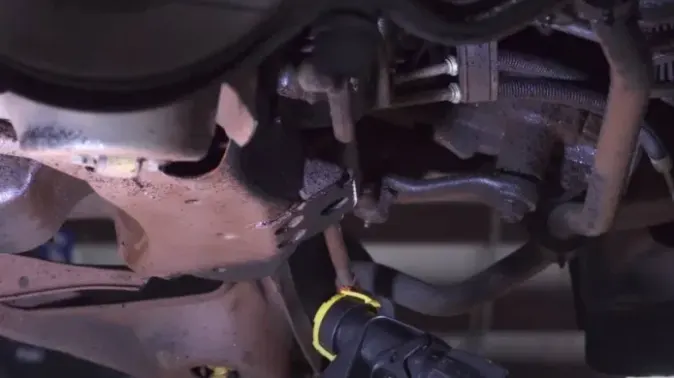
This is generally thought of as the best underbody coating for the car. It preserves the underbody well, protecting it from scratches. Applying this to the undercarriage is not much of a hassle either.
-
Wax Based Underbody Coating:-
This – more or less – ephemeral undercoating will wear away in a few months’ time. On the upside, wax-based undercoating puts up a big fight against moisture. It is also the most affordable option out there.
-
Asphalt Based Automotive Undercoating:-
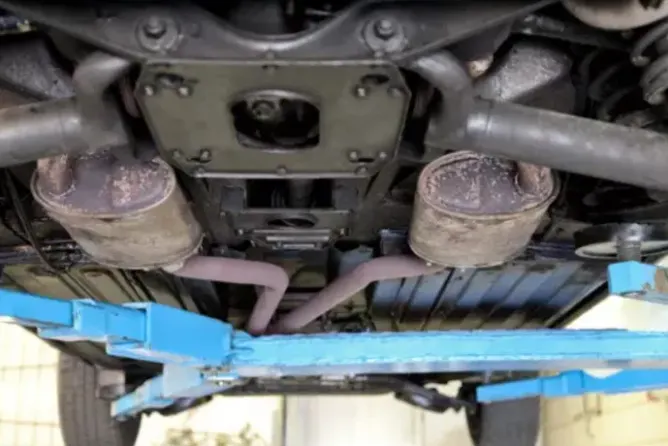
Best suited for lorries, trucks, and large vehicles this provides a greater degree of protection compared to rubber-based coatings. However, asphalt-based coatings contain little amount of rubber for sound-insulation purposes. The process of applying this coating is a bit time-consuming though.
-
Polyurethane Underbody Coating:-
This coating closes up splits and fractures on the underbody of the vehicle. It offers up good protection against corrosion and also bonds with the metal. Unlike in the case of asphalt-based coating, you can paint over the polyurethane coating.
ADVANTAGES:-
- It extends the lifespan of the car
- It helps in noise reduction
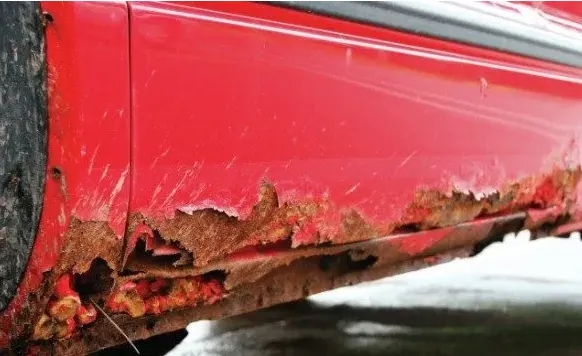
- Fights rust
DISADVANTAGES:-
- The undercoating process is costly