Underbody Coating
Underbody Coating:
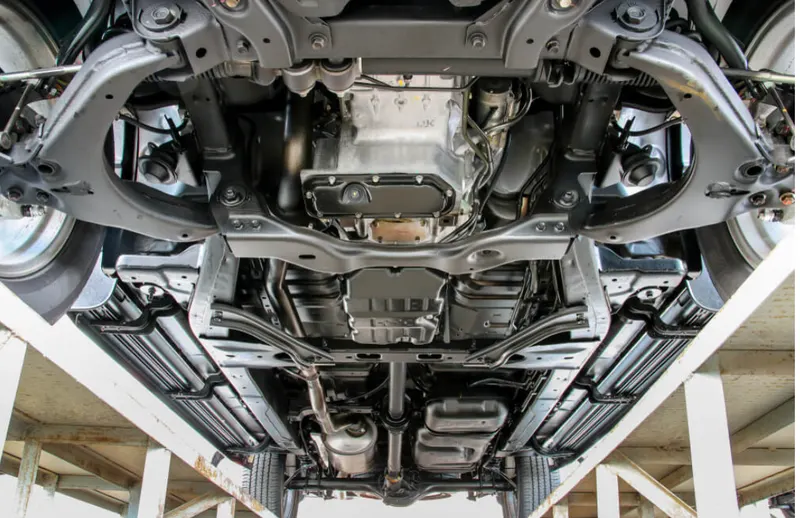
Underbody coating is usually a dense cladding (often based on rubber) applied uniformly to the undercarriage of the automobile. It is normally sprayed or painted on when the car is just out of the dealership and is clean.
The main purpose of undercoating is to check rust especially in the body components like frame rails along with other exposed metal parts. Underbody coating can also reduce wear and tear.
Types of Undercoating
- E Coating:
E-Coating is mostly known as Electrocoating, is a type of wet paint finishing process meant to protect metals and steels from corroding. The types of metals can range from car parts, hardware, etc. Electrocoating is usually done by the vehicle manufacturer as it did on the bare body of the vehicle. As the name says electric current is used to apply the coating.
- Rubberized Underbody Coating:
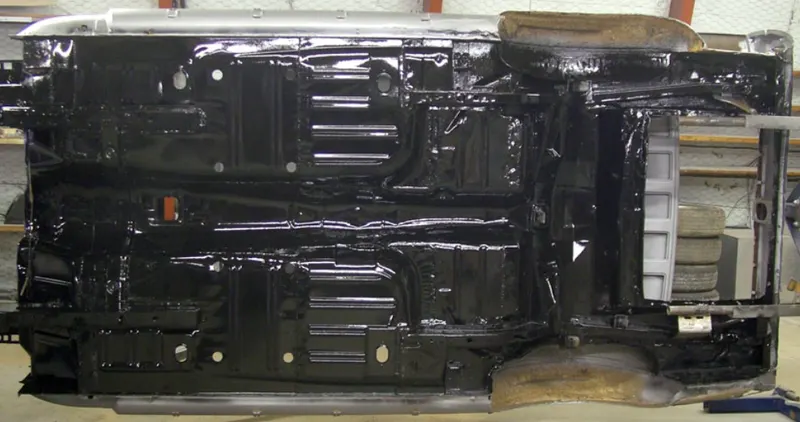
The most common method of undercoating a vehicle is via the use of a "rubberized" spray-on product. Utilizing a tar-like substance that has been infused with solvents and protectants, spray-on undercoatings stick to whatever they touch, acting as a barrier against salt, moisture, oxygen, and other foreign substances that may lead to rust and corrosion.
- Wax Based Underbody Coating:
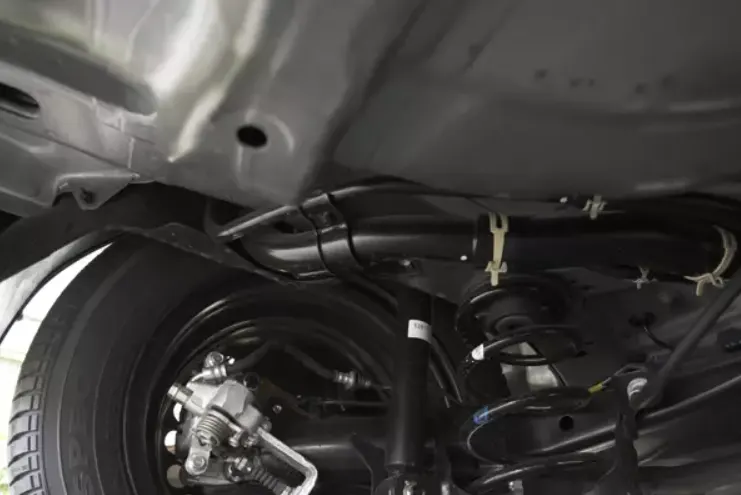
This more or less ephemeral undercoating will wear away in a few months' time. On the upside, wax-based undercoating puts up a big fight against moisture. It is also the most affordable option out there.
- Asphalt Based Automotive Undercoating:
It is best suited for lorries, trucks, and large vehicles this provides a greater degree of protection compared to rubber-based coatings. However, asphalt-based coatings contain little amount of rubber for sound-insulation purposes. The process of applying this coating is a bit time-consuming though.
- Polyurethane Underbody Coating:
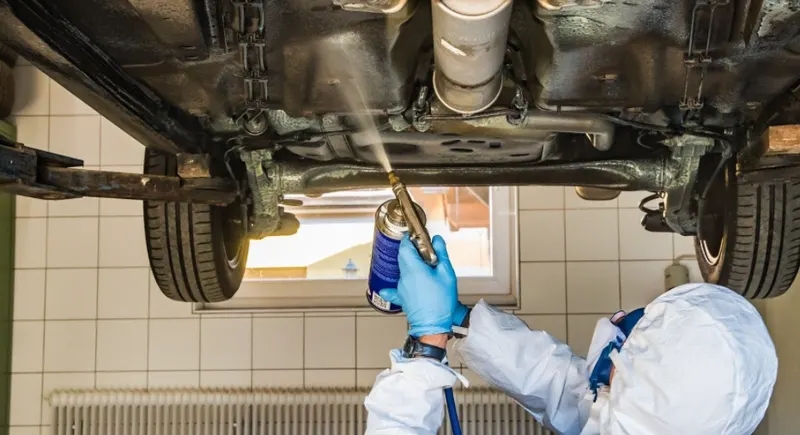
This coating closes up splits and fractures on the underbody of the vehicle. It offers up good protection against corrosion and also bonds with the metal. Unlike in the case of asphalt-based coating, you can paint over the polyurethane coating.
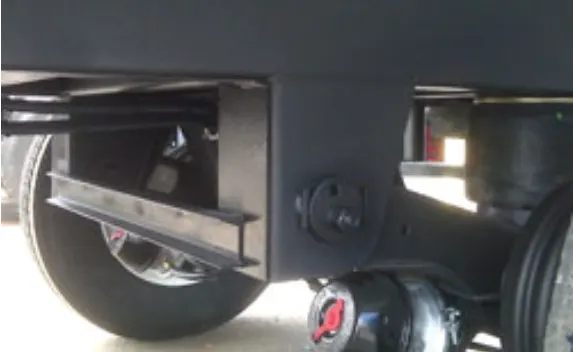
Advantages:
- Fights Rust:
It plays an important role in keeping corrosion at bay. Underbody coating can come in handy especially if you live near the sea, where there is too much humidity, and rusting is just one of those everyday things. You should also seriously consider undercoating if you reside in a place where it snows in winter. The primary objective of getting underbody coating done is to prevent metal components that are exposed on the bottom side of the car to damage from corrosion. You can shut out the Adverse effects of corrosion on your car by simply applying a rubberized anti-rust coating all over the belly of your car.
- Absorbs Noise:
Believe it or not, very thick undercoating can soften the noises that reach the cabin. Since the undercoating is often made up of rubber it absorbs some of the rackets. The occupants of the car could spare themselves of the road noises-at least to a certain extend. It minimizes the sound from underneath the car resulting from a noiseless, smooth driving experience.
- Reinforcement:
If your car comes with stock underbody coating, using another coating on top of it, is not going to hurt. It will offer additional reinforcement, protecting the underbody from water, road debris, gravel, and small pebbles. There would also be a lesser chance for the factory coat to flake away.
- Prolong Car’s Life:
Good undercoating not only defends the underbody from corrosion but also protects the engine and transmission as well! Less rusting coupled with slower wear and tear can surely add years to the lifespan of your vehicle. There would be fewer dents, dings, and scratches on the undercarriage for you to fret about.
- Heat Insulation:
It insulates the interior of the car from extreme temperatures from beneath the vehicle providing a comfortable cabin experience.
- Anti-chipping property:
If any stone hits the coating it does not get chipped away hence protecting the underbody from exposure to water. A thick layer of Underbody Coating definitely comes to aid and minimizes the effects of such contacts on the body.
- Protects Vital Components:
Underneath a car is somewhere a lot of indispensable parts of a car are left exposed like the Engine, silencer, etc. One simply can't afford to let these parts go bad due to rusting and hence in order to save yourself from a hefty repair bill, a considerably less expensive Anti-Rust Coating is a must.
Disadvantages:
- Add Weight:
Although the layering of underbody coating is in micrometers underbody coating may add some minimal amount of weight to the vehicle's body.
- Fail to Protect Existed Rust:
Undercoating will work best on new vehicles that have not been exposed to road conditions. A used vehicle may already have residue on the bottom of the car or even have spots of rust and corrosion. Undercoating will not help you if corrosion already exists and the corrosion needs to be removed first before it can be applied, which can be expensive.
- High Cost:
Applying Underbody coating on a vehicle can be expensive.
- Damage Risk:
There can be chances of risk of damage during the application, that the coating should be applied carefully otherwise the coating can get into moving parts such as CV- joint in propeller shafts and can cause the failure of the parts.
- Re-application is required after Time:
The life span of the coating is generally about 3-5 years, to get the benefits to need to reapply the coating after a time period.