Underbody Coating
Underbody Coating:
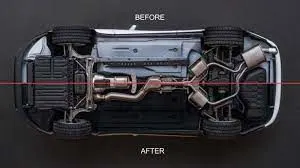
The coating is applied to the underbody parts of an automobile that are exposed to the environment. Normally spraying or paintings are done on the parts.
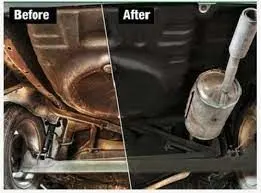
Underbody parts are exposed to the environment. These parts will get affected due to poor roads, rocks getting thrown out from the tires, denting the metal, and corrosion due to salty water, etc. Most wear and tear is caused by muddy water, potholed roads, stones, and other obstacles on the road.
Purpose of underbody coating:
Underbody coating is done for avoiding rust for the exposed metal parts.
Types of underbody coating:
- Rubberized underbody coating: This type of coating is the best underbody coating because it protects from dust, moisture, and dings or dents. It is easy to apply and offers sound cushioning also. This coating is also safe to use on wheel wells and quarter panels and dries to a soft rubbery finish that prevents further rust, damage, or moisture seeps. This coating is painted on parts and can also be easily removed by removal sprays.
- Polyurethane underbody coating: This coating closes up splits and fractures on the underbody of the vehicle. It offers up good protection against corrosion and also bonds with the metal. This type of coating is easy to apply and can be applied quicker.
- Wax or paraffin-based underbody coating: This type of coating is the cheapest and quickest option for underbody coating. This type of coating wears off qucikly when compared with other types of coatings. These are avalable in the spray gun canister or aerolsal cans. This coating will be done at humid climates.
- Asphalt based underbody coating: This type of coating is best for trucks, lorries and other large vehicles. This coatings is the best when compared with rubber coating. It is time consuming process and also acts as sound insulation.
Advantages of underbody coatings:
- Fights rust
- Absorbs noise
- Reinforcement
- Prolong car's life
- Undercoating will eventually wear out, but you can get years of protection from it.
Disadvantages of underbody coatings:
- Should be applied after 3-5 for best results.
- The undercoating or rustproofing spray is heavy in pockets.
- Undercoating will work best on new vehicles that have not been exposed to road conditions.
- Undercoating will not help you if corrosion already exists and the corrosion needs to be removed first before it can be applied, which can be expensive for you.
- Coatings add weight.
The Difference Between Rust Protection and Undercoating
Undercoating and rust protection often go hand-in-hand, but they are actually two different things. Rust protection generally goes inside your vehicle, while undercoating is used for protection outside of the vehicle, and there are a variety of coatings available. Depending on the level of damage and how much protection you want for your vehicle will determine which type of automotive undercoating you choose.
Conlcusion: Underbody coating is required for more lifetime of car and avoiding rustings and noise.